
Tabelog 100 #1
Our verdict
Aji Furai Shokudo Kaba puts Befu’s everyday dining culture in sharp focus: small-scale, fish-led, and built around a single fried-horse-mackerel specialty rather than a sprawling menu. Its selection for Tabelog 100 Diner in 2024 and 2026 places a low-priced Jonan Ward cafeteria format in the same conversation as Fukuoka’s more conspicuous restaurant addresses.

Pearl is the En Primeur Club membership app, where members save venues, book tables and use the concierge.
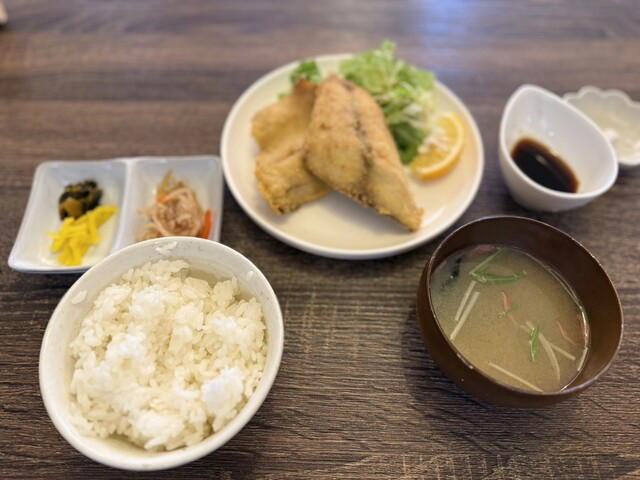
Approaching Befu in Jonan Ward, Fukuoka’s restaurant rhythm changes. The city’s central dining districts trade in density and late-night momentum; here the appeal is smaller, more residential, and more specific. Aji Furai Shokudo Kaba belongs to that Fukuoka category where a narrow specialty, a compact room, and a neighbourhood address can carry more authority than a long menu. The focus is aji furai, fried horse mackerel, treated not as a side order but as the reason to cross town.
That matters in Fukuoka because the city’s food reputation is often flattened into ramen, yatai, and Hakata nightlife. Those are real, but they miss the quieter shokudo tradition: lunch counters, set meals, fried foods, family use, and everyday fish cookery priced for repeat visits. In that frame, this Jonan Ward address is not an outlier. It is evidence of how Fukuoka eats when the meal is practical, local, and technically narrower than a destination tasting menu.
Befu's small-room shokudo culture, seen through fried horse mackerel
Aji furai is a revealing dish because it leaves little room for disguise. The fish has to be handled cleanly, the coating has to protect rather than bury it, and the set-meal structure has to make sense as a daily lunch rather than a luxury performance. The stated house emphasis is fish, and the format sits between cafeteria and deep-fried-foods specialist, which is exactly the kind of category that Japanese rating culture often treats with more seriousness than foreign visitors expect.
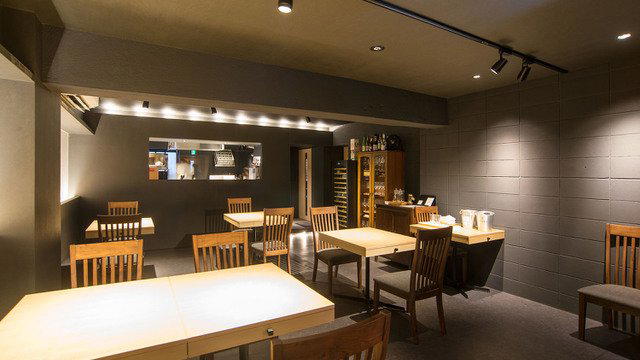
The room’s scale reinforces that point. With 10 seats, including counter seating and one small table, the experience is closer to a working neighbourhood counter than a large dining room. That scale changes the reading of the meal: the attraction is turnover, heat, and a narrow kitchen rhythm, not ceremony. The venue’s selection for Tabelog 100 Diner in 2024 and again in 2026 gives that modest format a measurable signal, especially in a city where highly visible dining tends to cluster around Chuo Ward, Hakata, and Tenjin.
Fukuoka’s broader restaurant range makes the contrast useful. The same city can support the spice-led following around Afterglow, South Indian cooking at 106 South Indian Fukuoka tenjin ten, meat-focused rooms such as AKAMIYACOWSI, and long-running local Japanese addresses including Aji Dokoro Taro Gen Sougyou ten and Aji no Katsueda. Against that spread, a fish-fry shokudo in Befu argues for a different kind of Fukuoka priority: precision inside an everyday category.
What the recognition says about Fukuoka's casual dining tier
Tabelog’s Hyakumeiten lists are useful because they do not only reward high-spend dining. A diner-category selection can refine formats that sit outside luxury tasting menus, and that is the key to reading Aji Furai Shokudo Kaba properly. The comparison is not with Fukuoka’s French counter Syn, which occupies a JPY 20,000 to JPY 29,999 bracket, but with low-to-mid spend specialists where the cooking is judged within its own terms. Grill Sen sits in a similar sub-JPY 999 band, while Gyoza Osomatsu Ropponmatsu and Soba Kiri Kanbee show how casual and craft-led formats can occupy different budget lanes in the same city.
This is also why the Befu location matters. Central Fukuoka rewards restaurants that catch visitor traffic; Jonan Ward rewards places that justify a detour from that traffic. A five-minute walk from Befu Station on the Nanakuma Line puts the meal within reach, but not in the path of the casual Tenjin wanderer. That distance filters the audience toward people looking for the dish rather than the district. For travellers, the decision is less about sightseeing efficiency and more about whether a tightly focused shokudo belongs in the day’s plan.
The menu signal is similarly direct. The listed fried horse mackerel set meal is priced at JPY 1,200 with rice refills, and sauce choice is part of the format. Those details explain why the place reads as both specialist and everyday: one fish, handled as the centre of the meal, with enough variation to keep the set from feeling static. Take-out is available, children are welcome, and the room is non-smoking, all of which place it within a practical local dining pattern rather than a rarefied special-occasion model.
How to place it within a Fukuoka itinerary
The strongest use case is a Fukuoka day that already reaches beyond the central dining circuit. Befu is not remote, but it asks for intent. That makes the restaurant a better fit for travellers who build itineraries around neighbourhood texture: subway lines, compact counters, and single-purpose food shops. It is less suited to anyone trying to compress Hakata Station, Tenjin shopping, and a late bar crawl into one meal window.
Planning should account for the small seating count and cash-oriented payment note. Reservation availability is listed as unavailable, so the practical risk is timing rather than advance access. The payoff is a meal that shows a different Fukuoka from the one sold through Hakata ramen shorthand. This is the city as residents often use it: precise, affordable, station-adjacent, and anchored by a dish that does not need reinvention to justify attention.
For a wider city map, use Our full Fukuoka restaurants guide alongside Our full Fukuoka hotels guide, Our full Fukuoka bars guide, Our full Fukuoka wineries guide, and Our full Fukuoka experiences guide. Readers comparing Japan’s broader casual-dining spectrum can also look at -Grilled beef Sukiyaki- KAMAKURA TANUKIAN 鎌倉 たぬき庵 in Kamakura. 鮪と炭火焼き うお炭 秋葉原店 in Tokyo.cafe in Osaka.know in Kumamoto, (Shoku) Vietnam in Kawasaki, and [Curry Senmon Ten] Maruyama Kyoju. in Sapporo. For overseas Japanese-adjacent formats, Jōdo Saké Bar in Los Angeles and Onigiri Time in Pasadena show how tightly defined concepts travel beyond Japan.
Frequently asked questions
What are the operating hours at Aji Furai Shokudo Kaba?
Hours at Aji Furai Shokudo Kaba: Mon: 11:30 AM–2:30 PM; Tue: Closed; Wed: 11:30 AM–2:30 PM; Thu: 11:30 AM–2:30 PM; Fri: 11:30 AM–2:30 PM; Sat: 11:30 AM–2:30 PM, 5–7:30 PM; Sun: 11:30 AM–2:30 PM, 5–7:30 PM.
Where do I go for Aji Furai Shokudo Kaba?
Aji Furai Shokudo Kaba is located in Fukuoka.
What price level is Aji Furai Shokudo Kaba?
Pricing at Aji Furai Shokudo Kaba is listed as - JPY 999.
What do critics highlight about Aji Furai Shokudo Kaba?
The clearest signal is its Tabelog 100 Diner selection for 2026, with the venue also listed for 2024. Tabelog describes it as a place particular about fish, focused on aji fry in Befu, Jonan Ward, Fukuoka.
Can Aji Furai Shokudo Kaba handle vegetarian requests?
The menu focus is fish and deep-fried foods, so vegetarian choices are unlikely to be broad. For a vegetarian diner, this is a fish-led address in Fukuoka rather than a dedicated plant-based kitchen.
Is Aji Furai Shokudo Kaba good for families?
Yes, the venue is marked children welcome and family friendly, and it has 10 seats, including a table for four. The lunch price range is under JPY 999, which keeps it practical for an easy family meal in Befu.
The Minimal Set
Comparable venues to anchor price and recognition.
| Venue | Cuisine | Price | Awards | Notes |
|---|---|---|---|---|
| Aji Furai Shokudo KabaThis venue (the venue you are viewing) | Japanese fried mackerel shokudo | $10–20 | Tabelog 100 #1 | Not listed |
| Soba Kiri Kanbee | Traditional Japanese Soba | $20–30 | Tabelog 100 #13 | JPY 8,000 - JPY 9,999 JPY 1,000 - JPY 1,999 |
| Gyoza Osomatsu Ropponmatsu | Japanese Izakaya | $20–30 | Tabelog 100 #17 | JPY 2,000 - JPY 2,999 JPY 1,000 - JPY 1,999 |
| Grill Sen | Japanese Yoshoku Grill & Steakhouse | $10–20 | Tabelog 100 #32 | JPY 999 |
| Syn | Modern French Cuisine Voyage | $300–500 | Tabelog Bronze #440 | French, JPY 20,000 - JPY 29,999 |
| Afterglow | Curry & Cafe | $10–20 | Tabelog 100 #10 | JPY 1,000 - JPY 1,999 JPY 1,000 - JPY 1,999 View spending breakdown |
Recognition history
Dated appearances from independent guides and award organizations, with the underlying list record or original source where available.
Tabelog 100 #1 · No. 1
Tabelog · Tabelog 100 - Diner - 2026
Continue exploring
More in Fukuoka
Restaurants in Fukuoka
All restaurants in Fukuoka →
Details
- Cozy
- Classic
- Solo
- Casual Hangout
- After Work
- Family
- Standalone
- A La Carte
- Set Menu
- Pescatarian Friendly
Current opening hours
- Monday
- 11:30 AM–2:30 PM
- Tuesday
- Closed
- Wednesday
- 11:30 AM–2:30 PM
- Thursday
- 11:30 AM–2:30 PM
- Friday
- 11:30 AM–2:30 PM
- Saturday
- 11:30 AM–2:30 PM, 5–7:30 PM
- Sunday
- 11:30 AM–2:30 PM, 5–7:30 PM
Hours can change for holidays and private events. Hours as of .
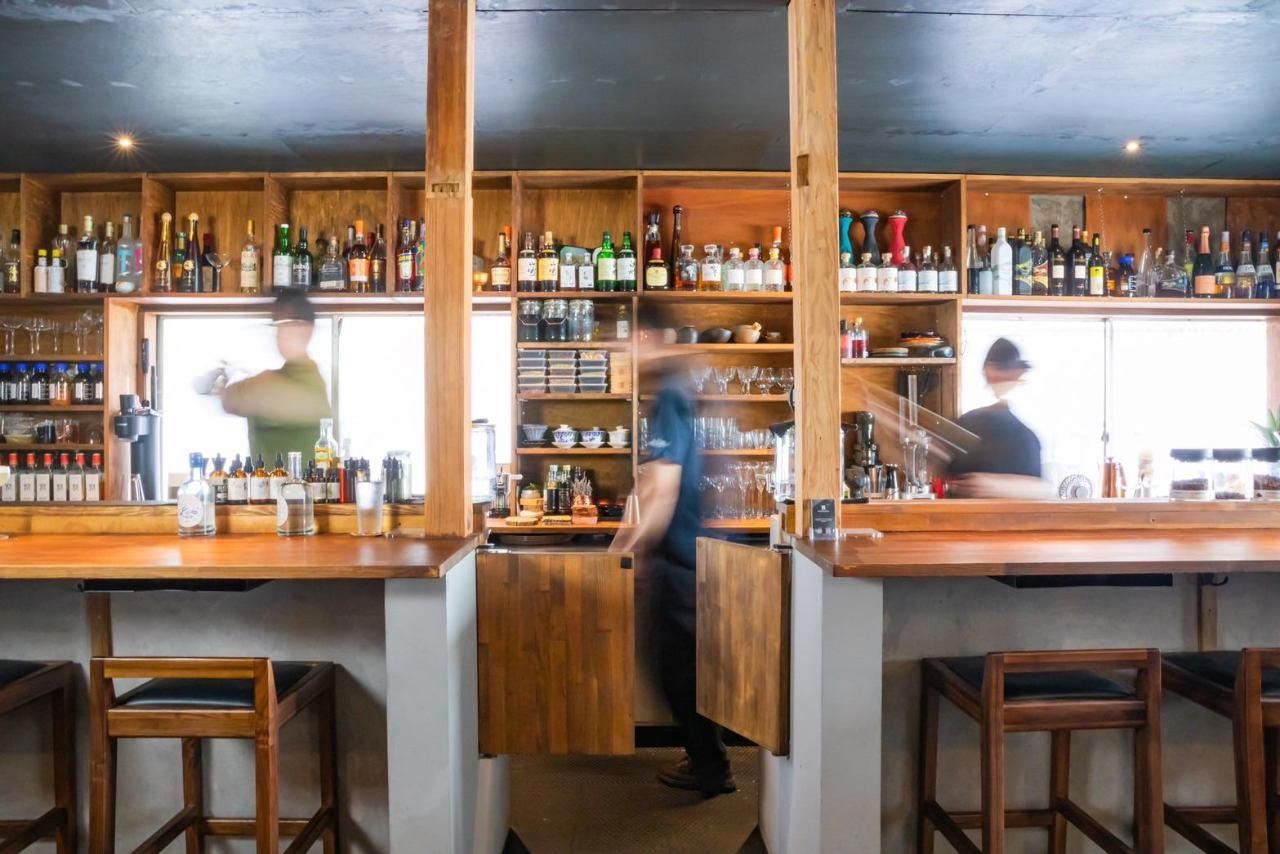
A small, non-smoking neighborhood shokudo with only 14 seats, simple decor and a relaxed, down-to-earth feel focused on enjoying fried fish in a casual setting.