
Winter suits Tokyo’s udon culture: warm broth, quick turns, and small rooms where noodle texture matters more than ceremony. Sanuki no Udon Hana wa Saku Shin nakano honten puts a Shin-Nakano address into the Tabelog 100 Udon EAST 2024 conversation, with a low JPY 1,000–1,999 price band and a menu that connects udon, tempura, izakaya habits, and sake.
Pearl is the En Primeur Club membership app — saves, bookings, and concierge access live there. Same editors, same standards.
- Address
- 東京都中野区中央4-6-12 新中野マンション 1F
- Phone
- +81364541546
- Website
- ja-jp.facebook.com
 Saves & bookings on Pearl
Approaching a ground-floor udon room in Shin-Nakano offers a different Tokyo pleasure from a hotel dining room or Ginza counter. The scale is domestic, the pace direct, and the promise in the bowl, not ceremony. Sanuki no Udon Hana wa Saku Shin nakano honten is everyday-special: serious enough for repeat Tabelog Udon 100 recognition, casual enough to stay in the JPY 1,000–1,999 bracket.
Tokyo’s udon scene is not one style under different signs. Kagawa-style Sanuki udon has its own grammar: wheat, chew, broth, and toppings arranged so the noodle remains the centre of gravity. In a city where premium dining often becomes a reservation sport, the appeal here is the opposite. The menu argues for accessible specialization: udon first, with tempura, izakaya touches, and sake expanding the meal without turning it into a tasting menu.
Sanuki structure in a Shin-Nakano dining room
Read this restaurant not as a long dish list, but as choices around noodle texture and accompaniment. Sanuki udon is built for contrast: firm wheat noodles against hot or cold broth, lighter vegetable or seafood additions against richer meat options, and tempura as a second rhythm rather than decoration. Udon, izakaya, and tempura categories signal a format that works for a quick lunch, family meal, or longer evening with sake.
That breadth matters in Nakano. The ward has long balanced neighbourhood eating with destination detours, especially around stations where regulars and cross-town diners share counters. Shin-Nakano is quieter than the JR Nakano orbit, so a 20-seat udon shop selected for Tabelog 100 Udon EAST 2024 carries specific weight. The draw is not theatre or skyline dining, but execution in a compact local room.
The recognition is consistent, not accidental. The restaurant has been selected for Tabelog’s udon Hyakumeiten across 2018, 2019, 2020, 2022, and 2024. In Tokyo terms, that places it in a narrower lane than general Japanese restaurants competing on luxury cues. It is judged inside a noodle category, where detail is unforgiving: noodle resilience, broth clarity, topping balance, and speed all count.
What the menu reveals about value in Tokyo
Tokyo can make inexpensive food technically serious without making it precious. A counter bowl, curry shop, or standing bar can carry as much editorial interest as a formal course menu. For that spectrum, compare the everyday intelligence of 3 Chome no Curry Ya San, the casual visual novelty of 2D Cafe, or the grill-and-drink logic at . 鮪と炭火焼き うお炭 秋葉原店. Udon belongs in that ecosystem because it rewards repeat eating, not a single ceremonial visit.
The price band is the central editorial fact. At JPY 1,000–1,999 for both lunch and dinner, the restaurant competes less with Tokyo’s celebratory counters than with serious everyday specialists. That makes the Tabelog 100 placement more interesting: the quality signal is not tied to luxury spend. By contrast, Tokyo comparison venues such as Komatsu sit in a far higher JPY 10,000–14,999 bracket, while Acala naatha operates in a different casual range. One format does not replace another. Tokyo’s dining hierarchy is broad, and noodle shops can earn attention without borrowing fine-dining codes.
Menu breadth also changes how to use the room. Counter seating suits solo diners or pairs focused on the bowl; table seating works for families or friends. Children are welcome, with kid-oriented udon and child-sized seating support, placing it outside the hushed-specialist model common to some Tokyo destinations. Technical noodle culture need not be exclusive to adults dining quietly at a counter.
How it fits into a Tokyo itinerary
For travellers, Shin-Nakano makes sense when the day is already west of central Tokyo, or when dinner should avoid hotel-district repetition. The restaurant is close to Shin-Nakano Station on the Marunouchi Line and reachable from Nakano by foot, making it a low-friction meal rather than a half-day project. Listed hours cover lunch and dinner, with a monthly third-Wednesday closure and temporary closures noted separately, so check timing before building a route around it.
Reservations are available, and 20 seats make that relevant despite the casual price. The operational details are practical: no private rooms, counter and table seating, non-smoking, credit cards and major Japanese electronic money accepted, QR code payments not accepted, no dedicated parking, and coin parking nearby. Take-out is listed, and private use is available for up to 20 people. These facts describe a neighbourhood specialist that handles demand without losing its small-room shape.
For a broader Tokyo food map, place this stop alongside other category-led addresses rather than only noodle shops: yakitori at 124. KAGURAZAKA (Yakitori), Shinjuku dining at 12/10 Shinjuku ten, or the wider curation in Our full Tokyo restaurants guide. Tokyo planning often works better by neighbourhood and meal type than prestige alone; the same trip might also use Our full Tokyo hotels guide, Our full Tokyo bars guide, Our full Tokyo wineries guide, and Our full Tokyo experiences guide.
The wider Japanese and Japanese-adjacent casual canon is useful context. A traveller comparing formats might look at -Grilled beef Sukiyaki- KAMAKURA TANUKIAN 鎌倉 たぬき庵 in Kamakura.cafe in Osaka.know in Kumamoto, (Shoku) Vietnam in Kawasaki, [Curry Senmon Ten] Maruyama Kyoju. in Sapporo, [ki:] in Kyoto, Jōdo Saké Bar in Los Angeles, or Onigiri Time in Pasadena. The through-line is not luxury, but how focused formats travel across cities while keeping price, speed, and craft in productive tension.
Peers Worth Knowing
Comparable venues in the metro at similar price points.
| Venue | Cuisine | Price | Notes |
|---|---|---|---|
| Sanuki no Udon Hana wa Saku Shin nakano hontenThis venue — the venue you are viewing | Sanuki Udon & Tempura | $ | Not listed |
| Uogashi Nihon-ichi (魚がし日本一) | Standing Sushi Bar | $ | Shibuya |
| Tokoi | Musashino-style udon | $ | Suginami |
| Kasho Kikuya | Traditional Japanese Wagashi Confectionery | $ | Minato |
| Chuka Soba Ibuki | Niboshi-focused ramen | $ | Itabashi |
| Oniyanma Shimbashi ten | Stand-up Sanuki Udon | $ | Minato |
Recognition history
Dated appearances from independent guides and award organizations, with the underlying list record or original source where available.
Tabelog 100 #99 · No. 99
Tabelog · Tabelog 100 - Udon - EAST - 2024









At a Glance
- Cozy
- Lively
- Classic
- Solo
- Casual Hangout
- After Work
- Family
- Standalone
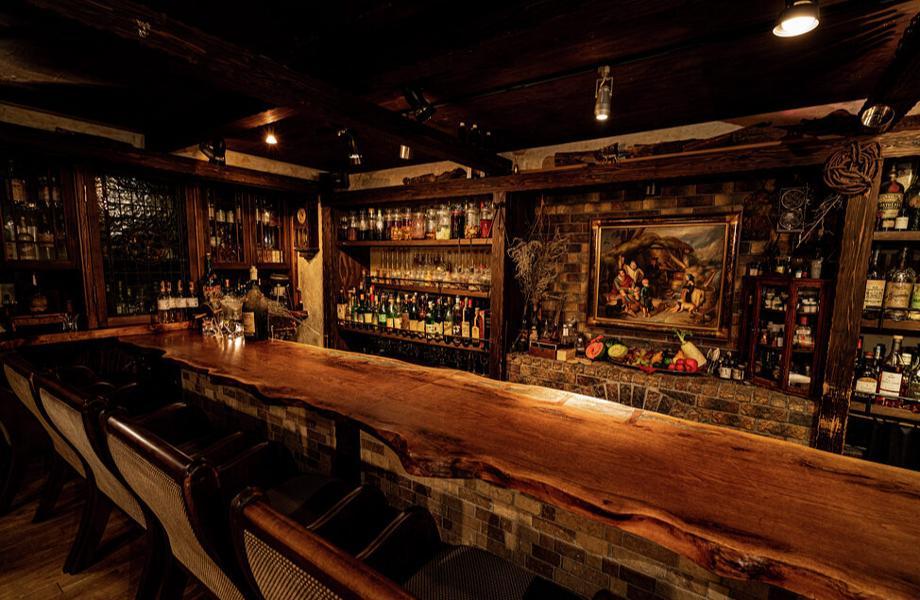
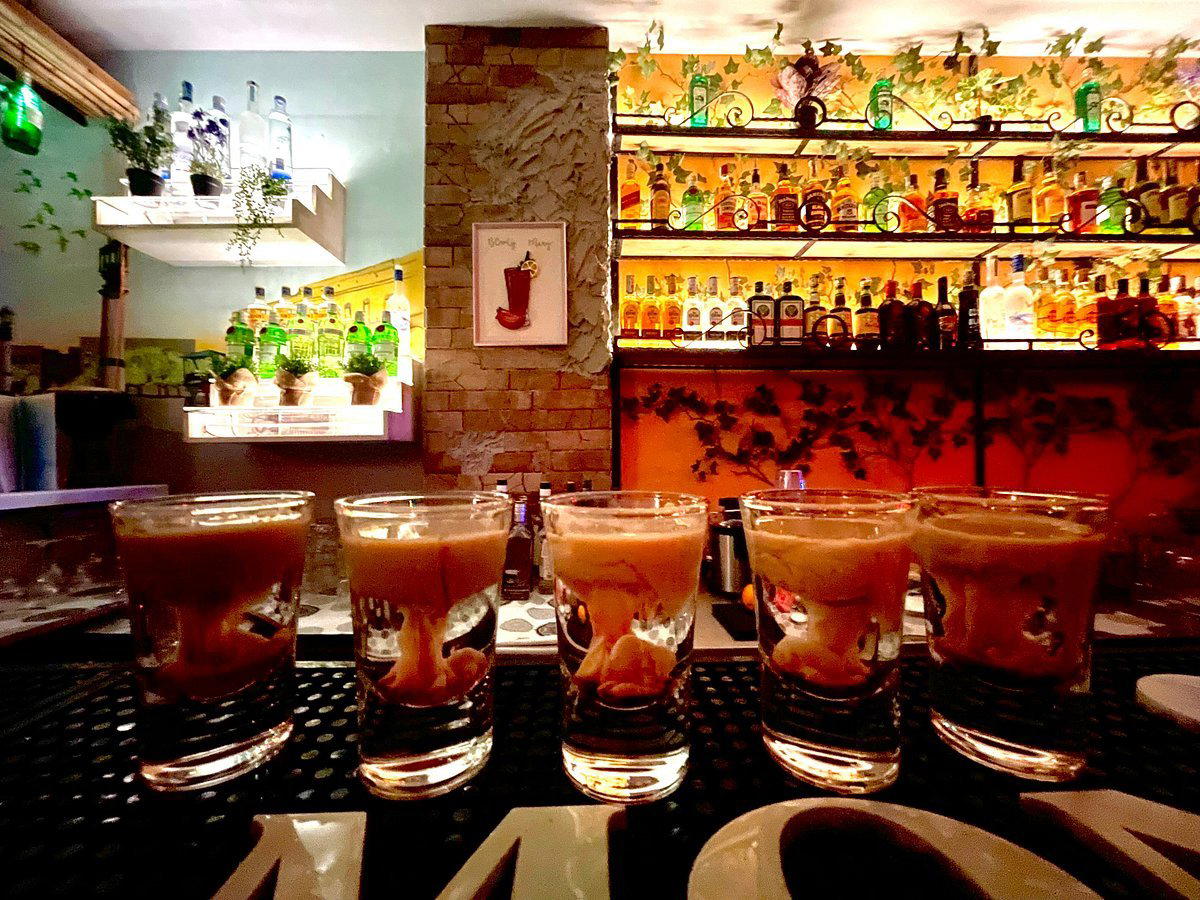
A small, homely neighborhood udon shop with counter and a few tables, informal service, and a bustling but relaxed atmosphere typical of a local Tokyo noodle-izakaya spot.