Salvo Patria sits in Chapinero, one of Bogotá's most restless dining neighbourhoods, where the address on Cra. 4 Bis places it within the corridor that has reshaped how the city thinks about mid-format dining. The atmosphere leans toward the intimate end of the Bogotá spectrum, with a room calibrated for conversation rather than spectacle. Book ahead and arrive with appetite for the neighbourhood's creative energy.
Pearl is the En Primeur Club membership app — saves, bookings, and concierge access live there. Same editors, same standards.
- Address
- Cra. 4 Bis #58-60, Chapinero, Bogotá, Cundinamarca, Colombia
- Phone
- +57 305 3902584
- Website
- salvopatria.com
- Directions
- Get directions
 Saves & bookings on Pearl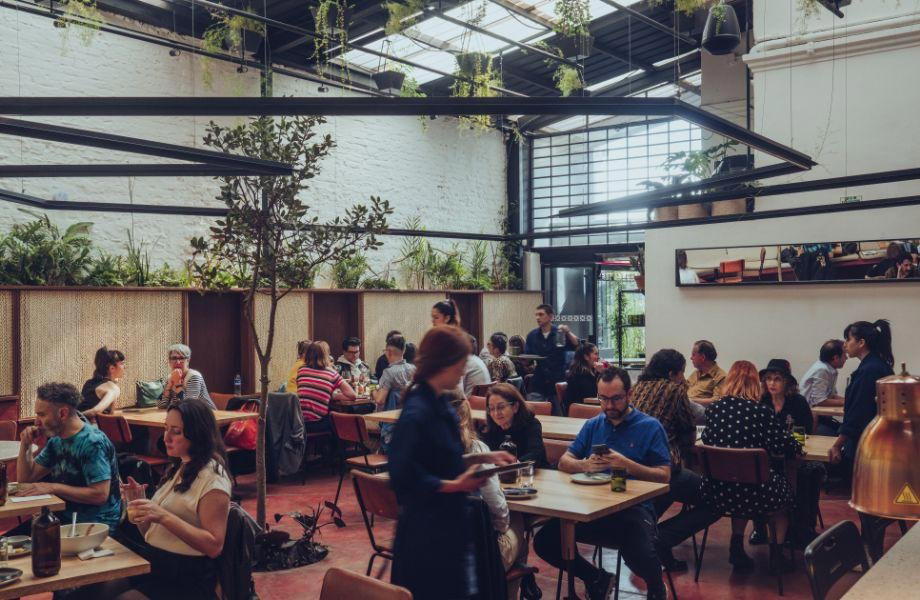
Chapinero and the Shift in Bogotá's Dining Geography
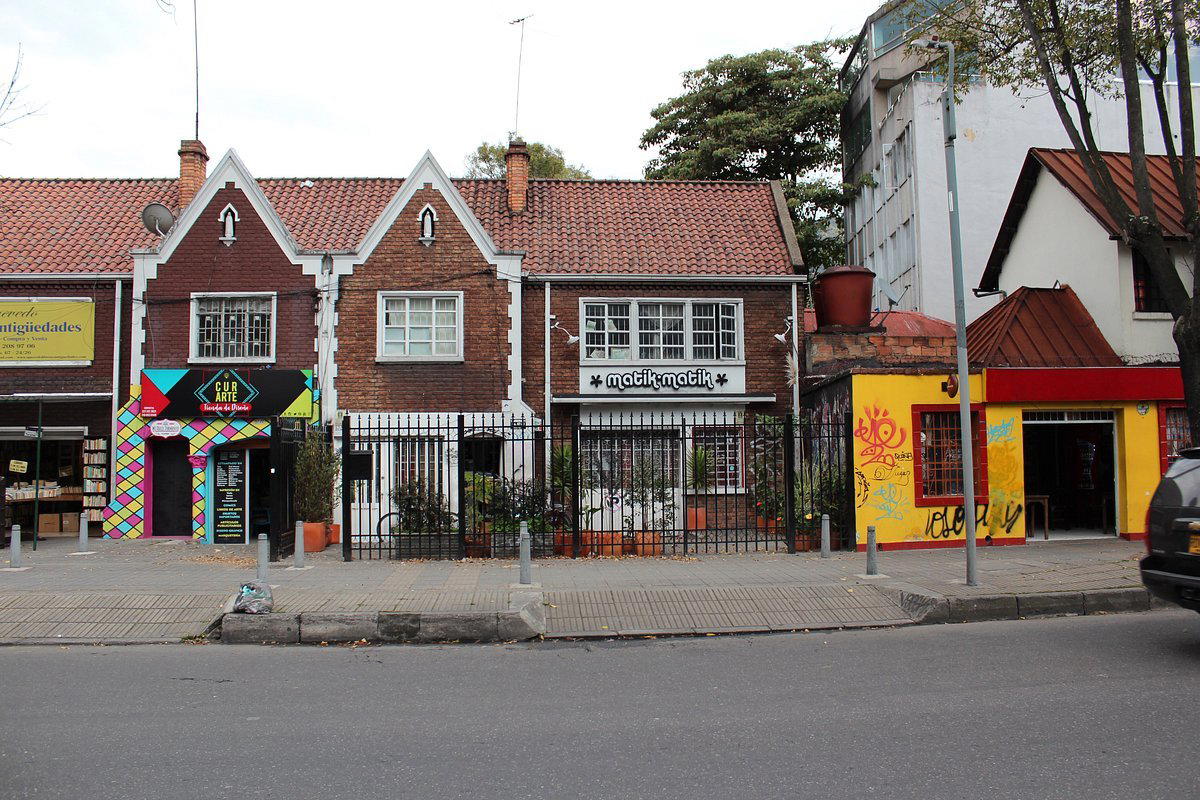
The stretch of Chapinero that runs along and just off Carrera 4 Bis has become one of Bogotá's more consequential dining corridors over the past decade. Where La Candelaria and the northern Zona Rosa long divided the city's serious restaurants between historical gravity and expensive real estate, Chapinero began attracting a different kind of operator: smaller rooms, tighter menus, and kitchens less interested in serving expense-account crowds than in working through a defined culinary idea with some consistency. Salvo Patria, at Cra. 4 Bis #58-60, sits inside that geography, not as an outlier, but as one of the addresses that helped give the neighbourhood its current reputation.
This is the context in which Salvo Patria should be understood. Bogotá's dining scene has been through a recognisable arc that mirrors what happened in Lima and Mexico City roughly a decade earlier: a first wave of internationalism giving way to a more confident, ingredients-forward rereading of local tradition. Restaurants like El Chato (Modern Colombian) and Leo (Modern Colombian) occupy the upper register of that movement, receiving international attention and driving the city's profile as a serious dining destination. Salvo Patria operates at a different scale, more neighbourhood in its cadence, more embedded in the daily rhythms of Chapinero, but it draws from the same broader reorientation toward Colombian produce and culinary identity.
The Room and What It Signals
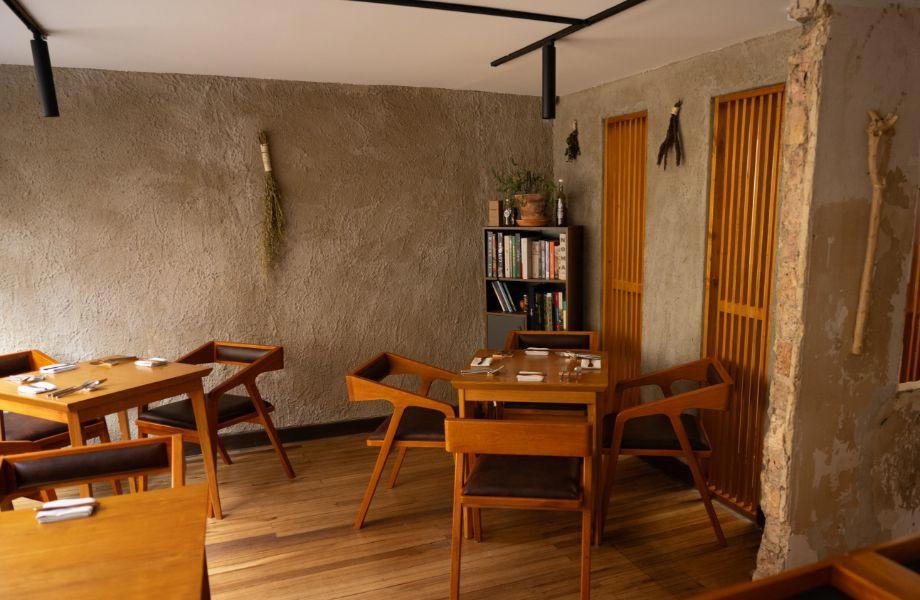
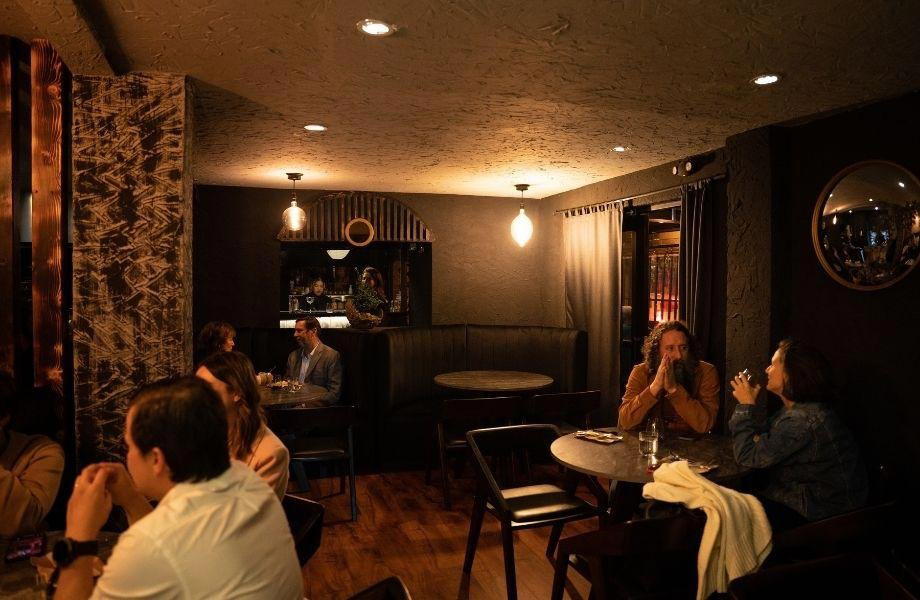
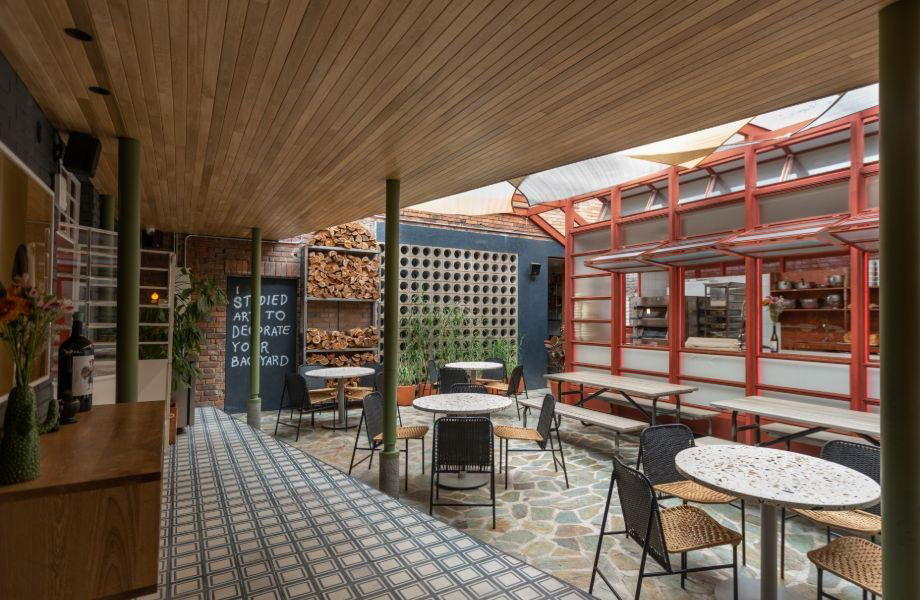
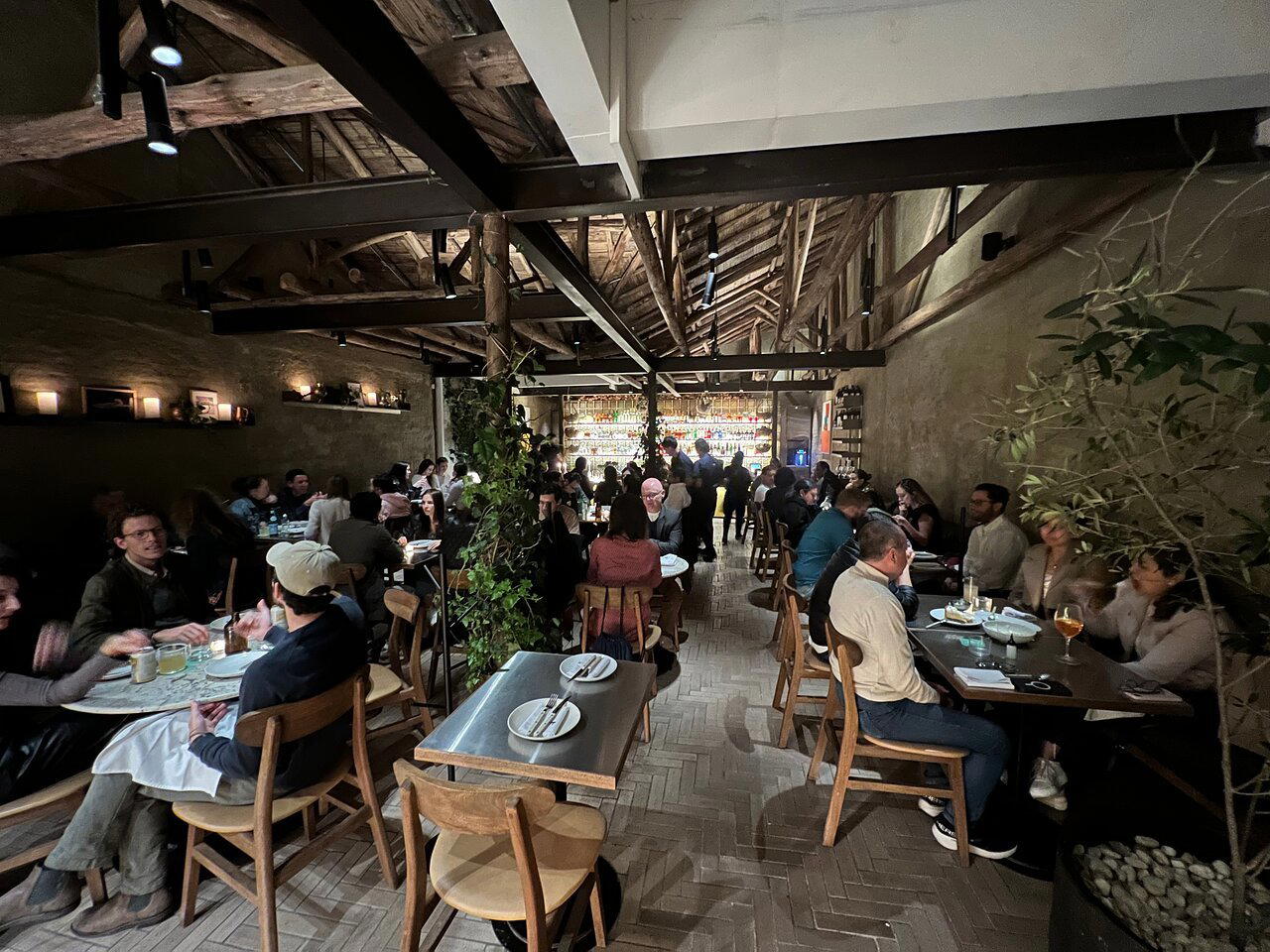
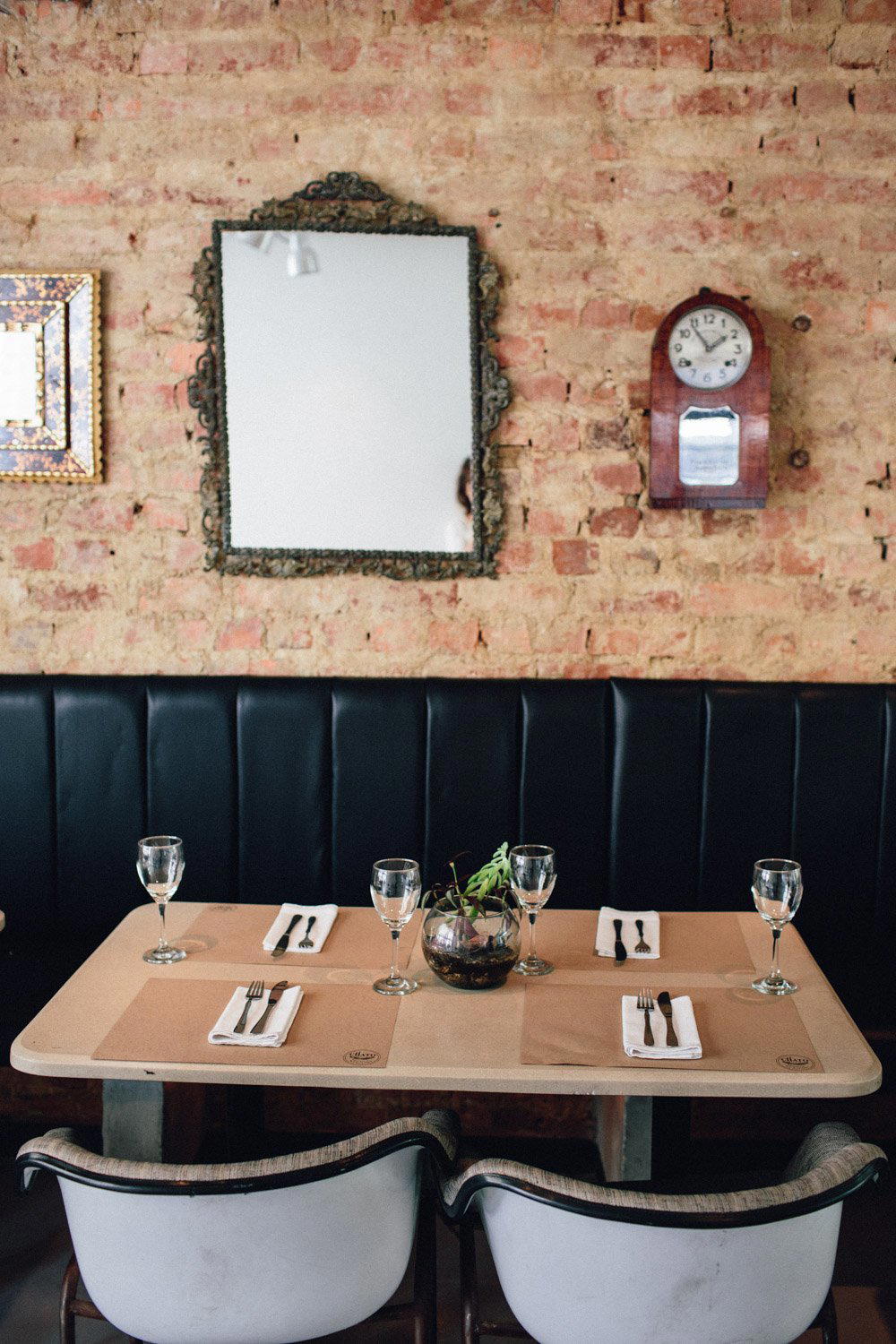
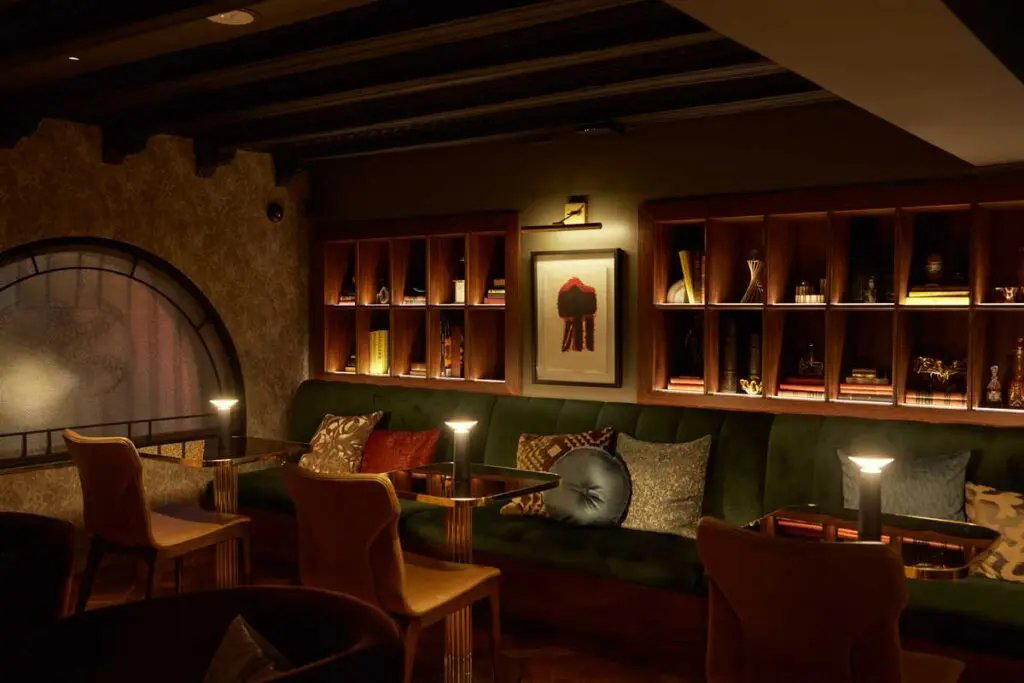
Chapinero venues in this tier tend to resist the kind of theatrical staging that defines dining in Zona Rosa or the grander rooms around Parque 93. The physical environment at the restaurant follows that logic: a space calibrated for intimacy over impression, where the proximity of tables encourages the kind of low-level ambient noise that signals a room being used rather than curated. In Bogotá's wetter months, particularly between April and June and again from October to November, interiors like this earn their keep, there is a specific pleasure in a well-lit room when the city outside is dealing with its characteristic afternoon rain.
The address itself is telling. Carrera 4 Bis in Chapinero runs through a zone that has attracted the kind of creative-industry professionals and culturally engaged locals who tend to support restaurants that take the cooking seriously without requiring the full production of a tasting-menu format. This is a different customer than the one you find at Harry Sasson in Bogotá, and the room reflects that, less about arrival and status signalling, more about what actually lands on the table.
The Team Dynamic Behind the Counter
In restaurants at this level in Bogotá, the working relationship between kitchen, floor, and any drinks program tends to determine whether a place maintains coherence over time or drifts toward inconsistency. The more ambitious end of Chapinero dining, venues like Debora Restaurante and Afluente, has increasingly treated the front-of-house not as a service layer but as an active part of the editorial voice of the meal. A server who can place a dish in its ingredient context, or a drinks lead who can connect the glass to the food without reaching for the obvious, changes what the guest actually takes in.
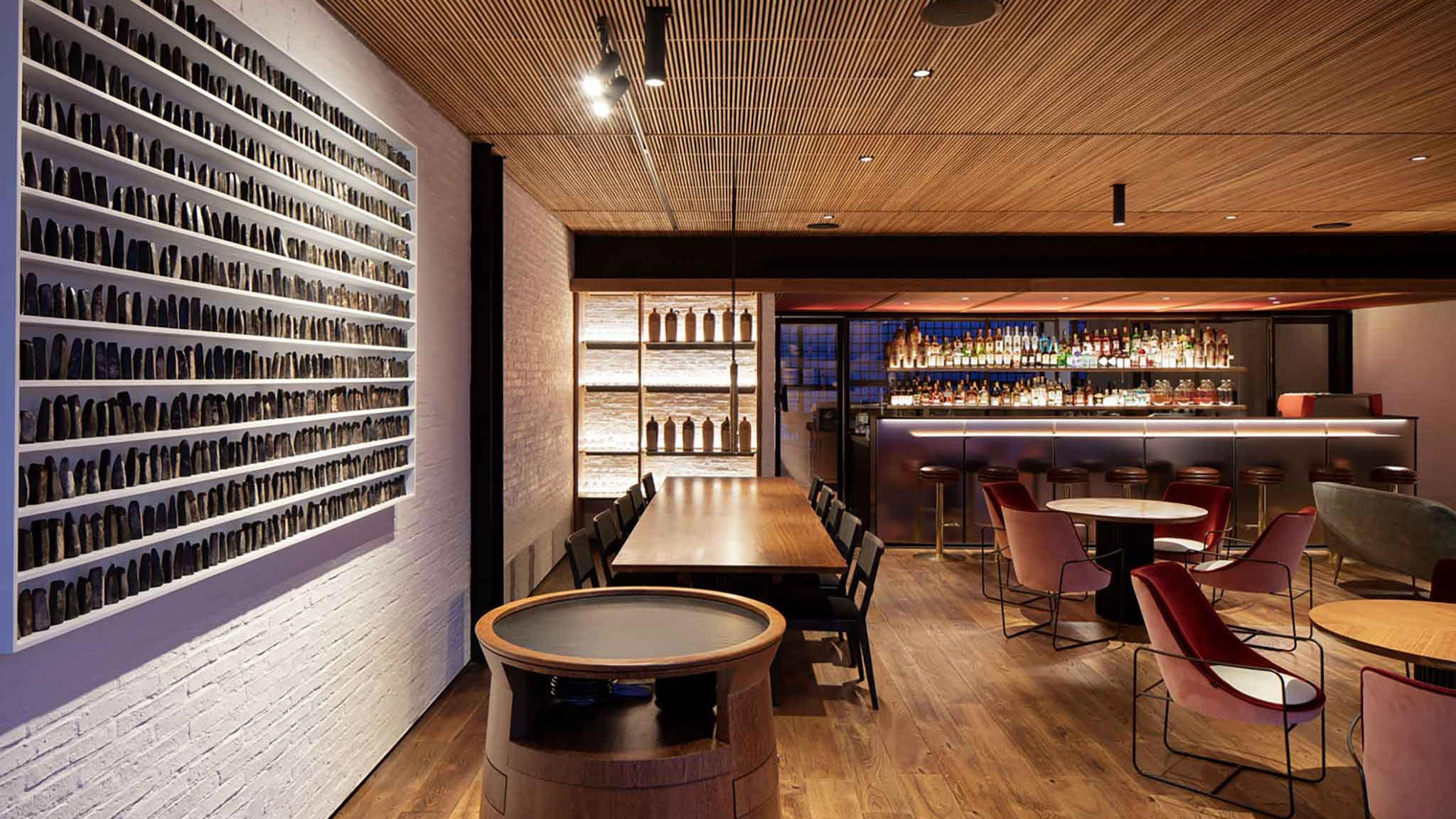
This kind of collaborative floor-to-kitchen dynamic is particularly relevant in a city where local spirits and ferments are finding serious footing alongside wine. Colombia's cocktail culture has matured considerably, and restaurants in Chapinero sit at the intersection of that and a growing interest in South American wine, particularly from Argentina and Chile, alongside domestic producers gaining traction. When a room operates with the kitchen and front-of-house in alignment, the guest experiences that coherence without necessarily being able to name it, the pacing feels considered, the transitions between courses or drinks seem purposeful rather than accidental.
Comparable dynamics play out at restaurants further afield: the collaborative model that defines places like Lazy Bear in San Francisco or the precision front-of-house choreography at Le Bernardin in New York City operates at a different scale, but the underlying principle, that the meal is shaped by people working in concert, not just the chef alone, applies equally in a 30-seat Chapinero room.
Bogotá's Wider Dining Field
Understanding where the restaurant sits requires some sense of the broader field. Bogotá has more serious restaurants per square kilometre in certain neighbourhoods than most international visitors expect. The concentration in Chapinero and Zona G means that a thoughtful diner can cover significant ground across a short stay. Abasto Quinta Camacho represents a different register of Bogotá dining, while the more casual reach of Colombian cooking appears at venues like Andrés Carne de Res in Chia, which occupies a different scale entirely.
Across Colombia more broadly, the regional diversity of the cooking is significant. Coastal traditions from Cartagena, represented by places like El Boliche Ceviche in Cartagena, operate from a Pacific and Caribbean ingredient logic quite different from the Andean pantry that Bogotá kitchens draw from. In Cali, Sevichería Guapi in Santiago De Cali and Domingo in Cali reflect that city's own distinct culinary identity. Barranquilla adds another register with venues like Donde Mama in Barranquilla. Medellín's creative energy is visible in places like X.O. in Medellín, while the Eje Cafetero has its own emerging scene, including Adictta pizza Manizales in Manizales. For a full orientation to Bogotá's options, the EP Club Bogota restaurants guide maps the city's key addresses by neighbourhood and format.
Planning a Visit
Booking and Cost Snapshot
Comparable venues nearby, for context on price, style, and recognition.
| Venue | Cuisine | Price | Notes |
|---|---|---|---|
| Salvo PatriaThis venue — the venue you are viewing | Bosque Calderon, Modern Colombian | $$$ | Not listed |
| The Red Room | Quinta Camacho, Cocktail Bar & Lounge | $$$ | Not listed |
| Mini Mal | Not listed | $$ | Bosque Calderon, Modern Colombian Farm-to-Table |
| Restaurante La Herencia | Quinta Camacho, Authentic Colombian | $$ | Not listed |
| Flora | Not listed | $$$ | La Salle, Handmade Italian Pasta with Colombian Influences |
| La Puerta Falsa Restaurant | Not listed | $ | La Catedral, Traditional Colombian Santafereña |
At a Glance
- Lively
- Modern
- Trendy
- Elegant
- Date Night
- Special Occasion
- Open Kitchen
- Local Sourcing
Current opening hours
- Monday
- 12:30–4 PM, 6:30–10:30 PM
- Tuesday
- 12:30–4 PM, 6:30–10:30 PM
- Wednesday
- 12:30–4 PM, 6:30–10:30 PM
- Thursday
- 12:30–4 PM, 6:30–10:30 PM
- Friday
- 12:30–4 PM, 6:30–10:30 PM
- Saturday
- 12:30–10:30 PM
- Sunday
- Closed
Hours can change for holidays and private events. Last verified .
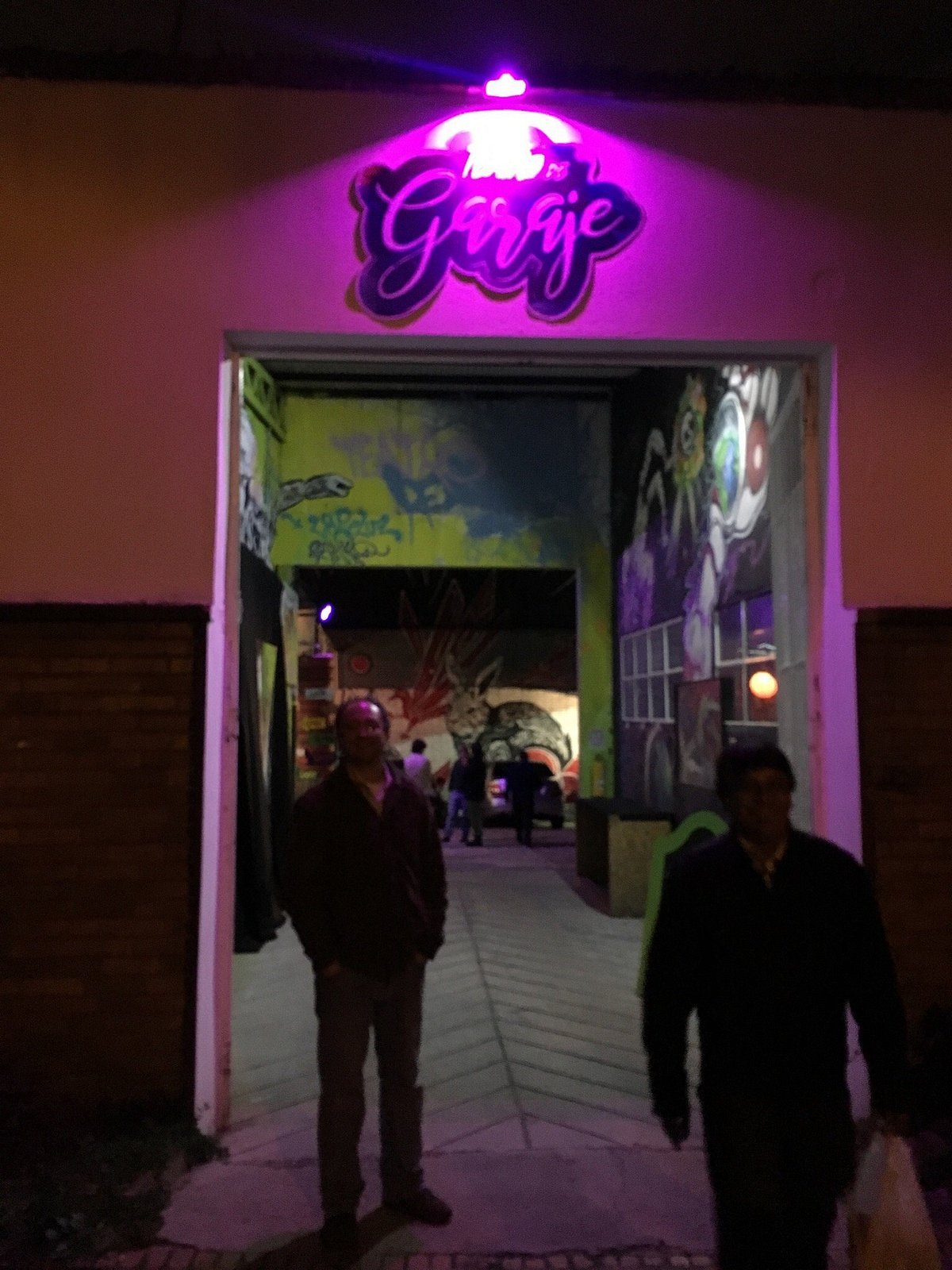
Dramatic décor with a lively atmosphere celebrating Colombian flavors.