Sevichería Guapi
On Carrera 24 in Cali's Comuna 10, Sevichería Guapi anchors the Pacific Coast ceviche tradition in a city that takes that lineage seriously. The kitchen draws from the ingredients and techniques of the Guapi region in Cauca — one of Colombia's most significant seafood-producing corridors — placing this address inside a conversation about coastal sourcing that extends well beyond Cali's urban grid. For visitors tracking Colombian Pacific cuisine, it functions as a primary reference point.

Where the Pacific Coast Arrives in Cali
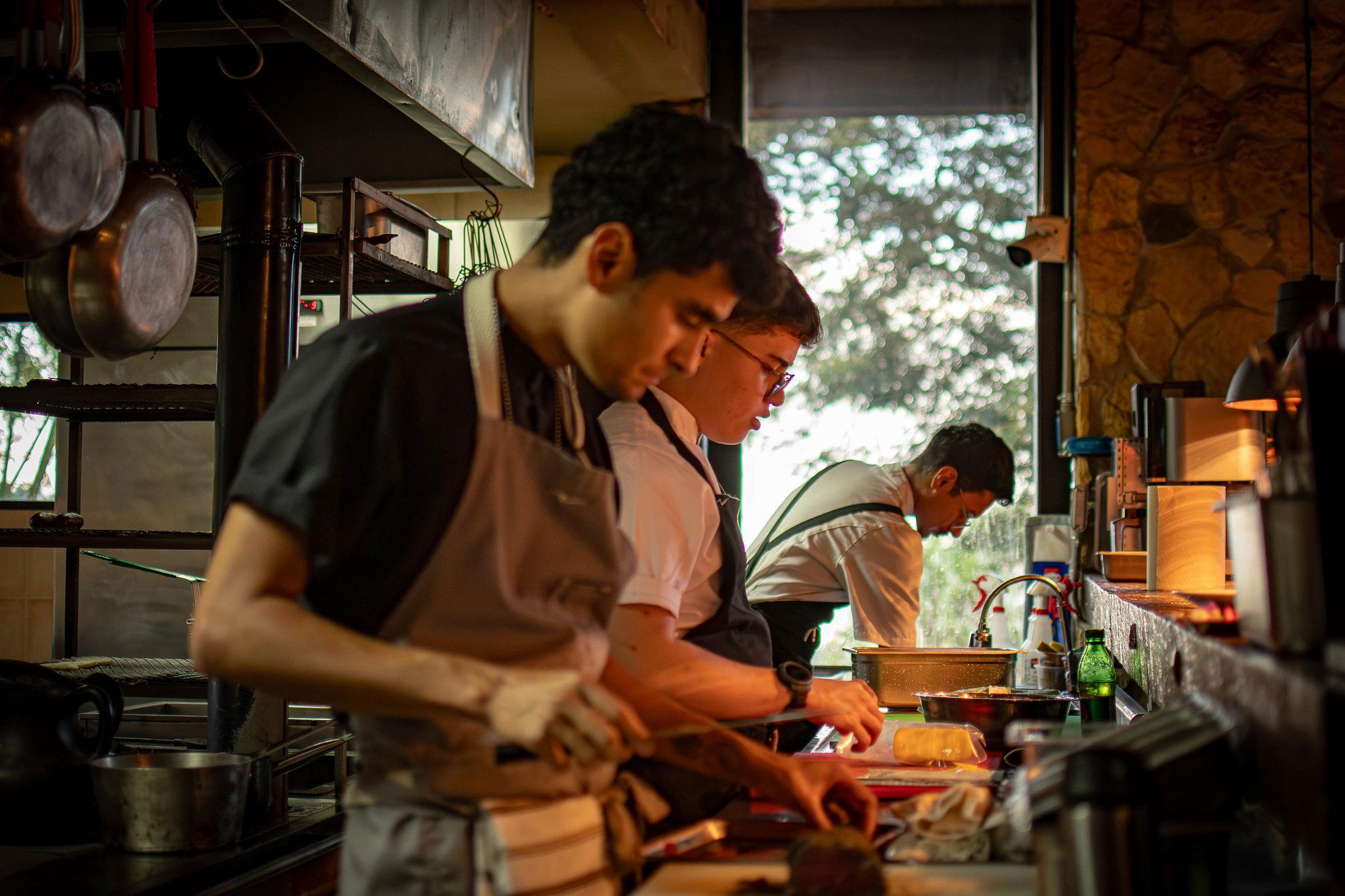
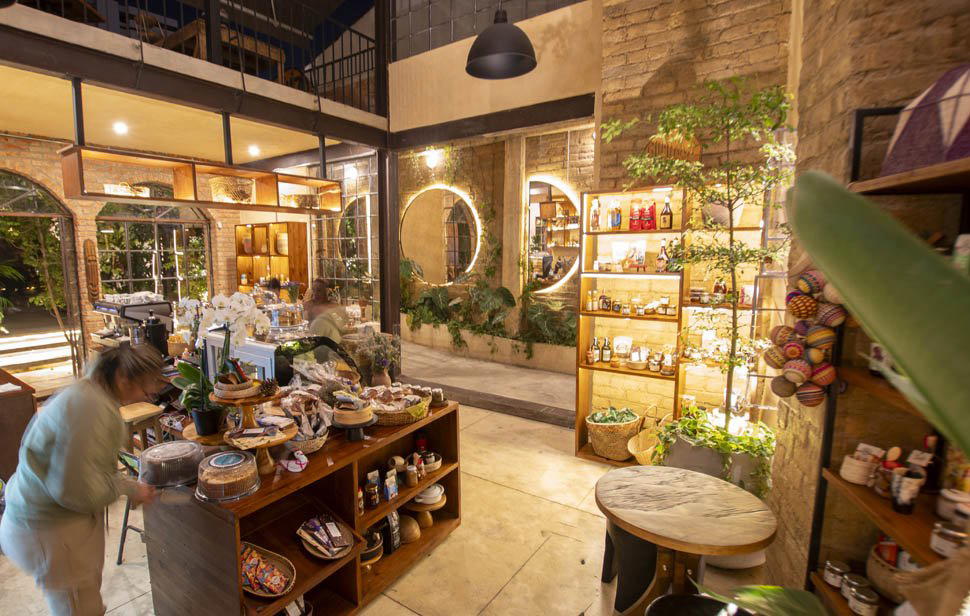
Carrera 24 in Cali's Comuna 10 is not the city's most photographed stretch, but it is the kind of address where the food does the work. Sevichería Guapi sits on this street without theatrical signage or lobby architecture — the kind of place whose reputation travels by word of mouth and repeat visits rather than design press. The Pacific Coast is present before you sit down: the salt-and-lime register that defines Guapi-style ceviche carries through the room in a way that signals kitchen discipline, not kitchen performance.
Cali's relationship with Pacific Coast seafood is longer and more specific than most Colombian cities can claim. The city sits roughly 150 kilometres inland from the Pacific, but the Valle del Cauca corridor has historically channelled ingredients — and the cooks who know how to handle them , from coastal communities including Buenaventura and Guapi in the Cauca department. That geographic pipeline shapes the sourcing logic at addresses like this one in ways that are hard to replicate in Bogotá or Medellín, where Pacific fish travels further and arrives with more handling.
The shortlist, unlocked.
Hard-to-book tables, cellar releases, and concierge-planned trips.
Get Exclusive Access →Guapi as an Ingredient Origin, Not Just a Name
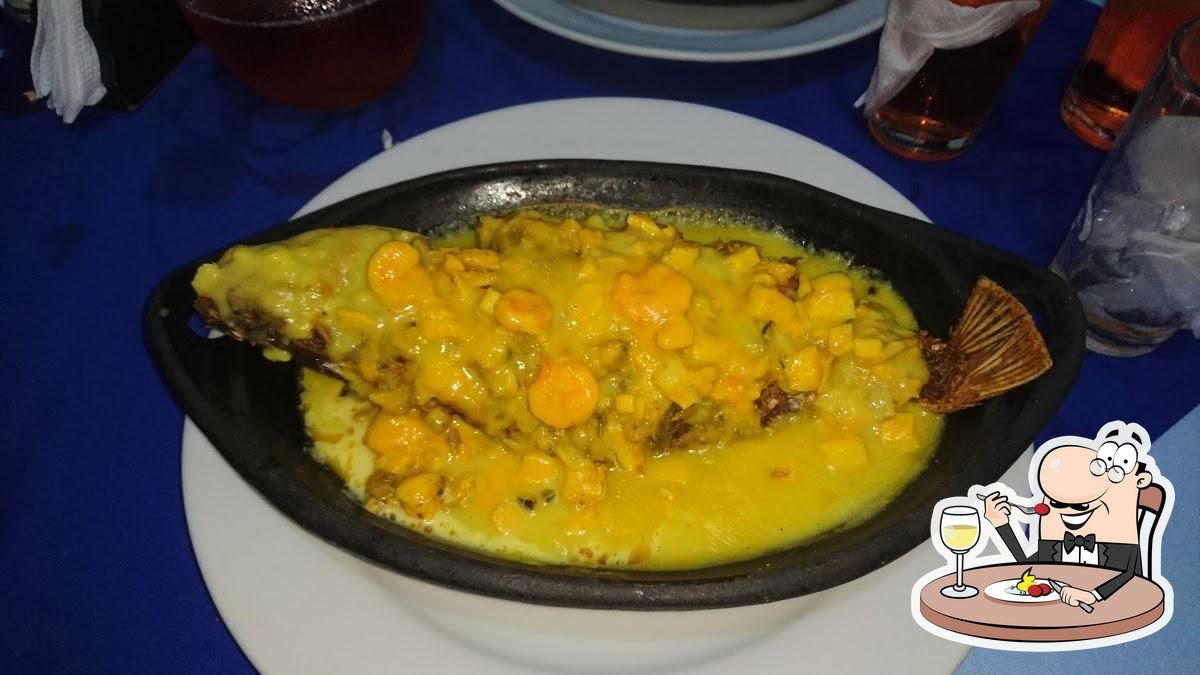
The Guapi region of Cauca produces some of the most distinctive seafood on Colombia's Pacific seaboard. The estuary system there , mangrove-dense, tidal, largely artisanal in its fishing practices , yields shellfish and white fish whose provenance carries weight in Colombian coastal cooking in roughly the way that Patagonian lamb or San Sebastián anchovies carry weight in their respective traditions. Naming a restaurant after that region is a positioning statement: it signals that the kitchen is aligned with a sourcing geography, not just a generic category called ceviche.
That distinction matters in a city where seviche and ceviche (the Pacific and Andean spellings themselves signal different traditions) can mean anything from a quick lunch plate to a full seafood meal. The Guapi tradition leans into coconut milk, plantain, chillies from the Pacific zone, and fish that arrive relatively fresh to Cali's markets , a different set of base ingredients than the Peruvian-inflected leche de tigre format that has become the default reference for Latin American ceviche internationally. For context on how the Peruvian lineage reads in a different register, El Boliche Ceviche in Cartagena offers a useful comparison on the Caribbean side of the same broader category.
Colombian Pacific cuisine has attracted serious editorial attention over the past decade alongside the broader recognition of Colombian cooking at addresses like Leo in Bogotá and Harry Sasson , but the recognition has largely attached to tasting-menu formats that interpret the tradition at a remove. Sevichería Guapi occupies a different tier: the format is direct, the sourcing logic is the point, and the price positioning reflects a neighbourhood address rather than a fine-dining room. That directness is a feature, not a limitation.
How This Address Fits Cali's Food Scene
Cali's dining identity is not primarily defined by tasting menus or Michelin-adjacent ambition. The city's food culture runs through specific regional traditions , Pacific seafood, Vallecaucano stews, the sugar-cane corridor's influence on sweet preparations , and the restaurants that carry most cultural weight tend to be those that execute a specific tradition with precision rather than those that synthesise many traditions into a single format. In that context, a sevichería focused on Guapi-origin sourcing sits near the centre of what Cali's food culture is actually about.
For visitors building a broader picture of what Cali eats, Domingo in Cali offers a complementary angle on the city's modern approach to regional ingredients. Further afield in Colombia, Cardinal Comida Peruana de Autor in Pereira demonstrates how a different national ceviche tradition reads in the Colombian interior , a comparison that sharpens the Guapi-style distinction. Our full Santiago De Cali restaurants guide maps these distinctions across the city's broader dining geography.
Pacific-focused kitchens in Colombia increasingly compete in a national conversation about ingredient integrity , a conversation that also runs through Celele on the Caribbean side and through coastal-influenced menus at Donde Mama in Barranquilla and BK - BURUKUKA in Santa Marta. The distinction at addresses like Sevichería Guapi is that the sourcing geography is declared upfront in the name rather than positioned as a secondary narrative detail.
Planning Your Visit
Sevichería Guapi is at Cra. 24 #13-26 in Comuna 10 , a central Cali neighbourhood that is walkable from several of the city's main hotel corridors, though a short taxi or app-based ride is the practical choice for most visitors arriving from the northern residential zones. No website or booking line is currently listed for this address, which is consistent with a neighbourhood format that fills through foot traffic and local regulars rather than advance reservation systems. The practical approach is to arrive early in the lunch window, when Pacific-style seviches are typically served at their freshest , late-morning sourcing cycles mean that midday visits tend to align better with the kitchen's ingredient flow than early-evening ones.
The address operates within a price bracket that reflects its neighbourhood positioning. Visitors accustomed to the pricing at Bogotá's modern Colombian tasting rooms , or internationally at references like Le Bernardin in New York , will find the cost structure here substantially more accessible, which makes Sevichería Guapi a practical starting point for a Cali seafood session rather than a single-occasion destination.
Frequently Asked Questions
- Can I bring kids to Sevichería Guapi?
- Cali's neighbourhood sevicherías generally operate as casual, all-ages spaces, and Sevichería Guapi's format and price positioning in Comuna 10 are consistent with that norm. Guapi-style preparations can include mild to moderate chilli heat, so families with young children may want to ask about spice levels before ordering. The informal setting is more practical for families than a tasting-menu room would be.
- Is Sevichería Guapi formal or casual?
- The address is casual. In Cali's dining culture, neighbourhood sevicherías sit at the informal end of the spectrum regardless of the quality of their sourcing , a pattern that holds across the city's Pacific-focused addresses and distinguishes them sharply from the fine-dining rooms that characterise Colombia's award-circuit restaurants. No dress code applies.
- What should I order at Sevichería Guapi?
- The kitchen's identity is built around Guapi-region sourcing, so the most direct way to read the menu is through that lens: preparations that foreground Pacific shellfish or white fish with coconut and plantain elements represent the tradition the address is named for. Colombian Pacific ceviche differs structurally from Peruvian leche de tigre formats, so arriving with that distinction in mind helps calibrate expectations , and makes the experience more legible as a regional tradition rather than a generic category.
- How does Sevichería Guapi's Pacific sourcing differ from the ceviche found in other Colombian cities?
- Cali's proximity to the Valle del Cauca–Pacific corridor gives kitchens here consistent access to fish and shellfish from the Guapi estuary system in Cauca , an artisanal fishing zone whose mangrove-dense geography produces ingredients with a specific flavour profile. In cities like Bogotá or Medellín, Pacific seafood travels further before service and arrives with more handling, which affects both texture and the sourcing claims a kitchen can make. Addresses like X.O. in Medellín work with similar raw material categories, but the geographic distance from the Pacific makes the Cali sourcing argument structurally stronger.
How It Stacks Up
These are the closest comparables we have in our database for quick context.
| Venue | Cuisine | Price | Awards | Notes |
|---|---|---|---|---|
| Sevichería Guapi | This venue | |||
| El Chato | Modern Colombian | World's 50 Best | Modern Colombian | |
| Leo | Modern Colombian | World's 50 Best | Modern Colombian | |
| Harry Sasson | Colombian | Colombian | ||
| Celele | Modern Colombian | Modern Colombian | ||
| Andres Carne de Res | Colombian | Colombian |
Need a table?
Our members enjoy priority alerts and concierge-led booking support for the world's most difficult tables.
Get Exclusive AccessThe shortlist, unlocked.
Hard-to-book tables, cellar releases, and concierge-planned trips.
Get Exclusive Access →