

Afluente channels Colombia's high-altitude páramo ecosystems through a tasting menu called Conectividad, guided by chef Jeferson García. The dining room on Cra 3a in Bogotá uses rough plaster walls and warm wood to ground the experience in the natural world the kitchen draws from. It belongs to a generation of Colombian restaurants treating endemic ingredients as both subject and argument.
Pearl is the En Primeur Club membership app — saves, bookings, and concierge access live there. Same editors, same standards.
- Address
- Cra 3a #57 -35, Bogotá, Colombia
- Phone
- +57 323 8117763
- Website
- afluenterestaurante.com
- Directions
- Get directions
 Saves & bookings on Pearl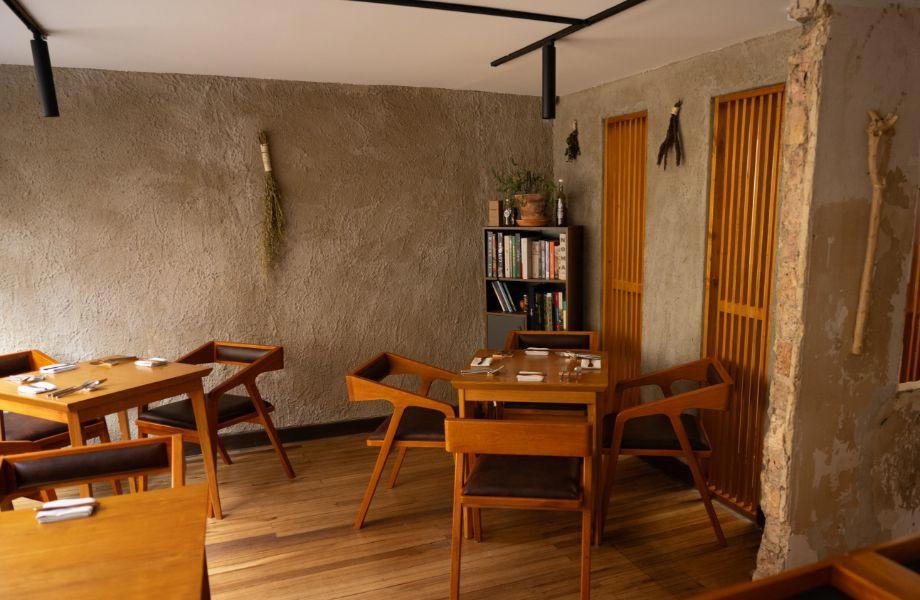
Where the Andes Come to the Table
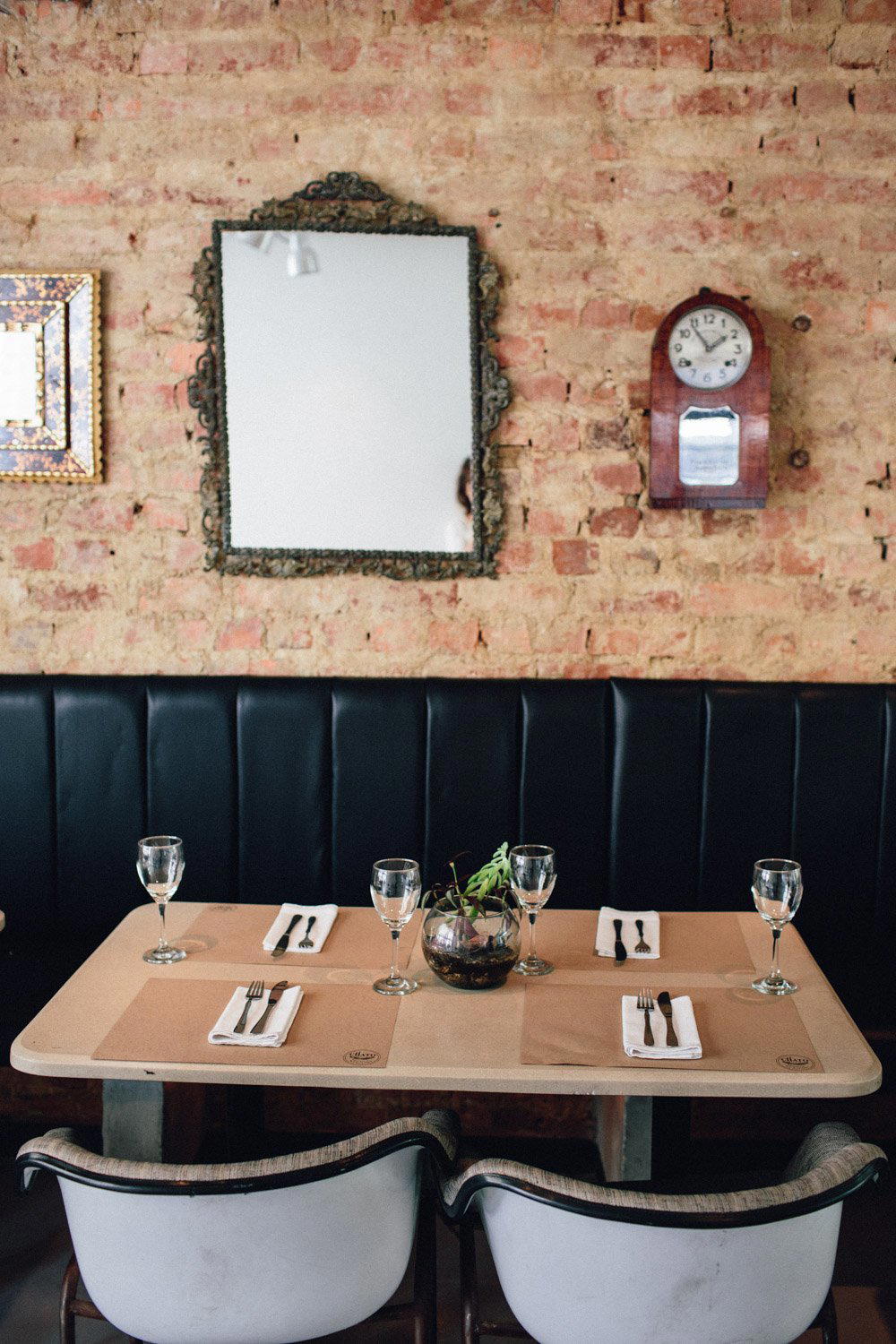
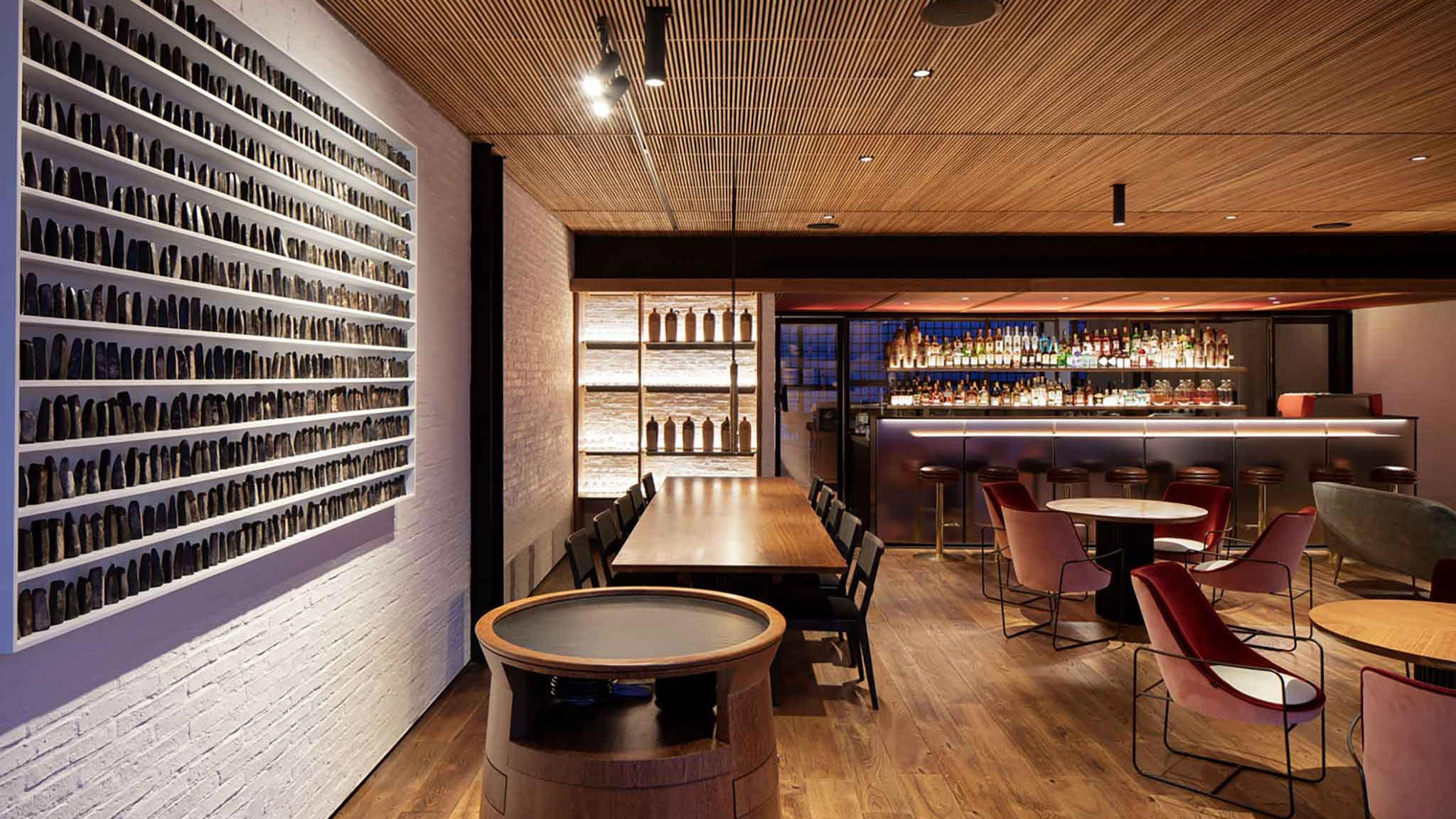
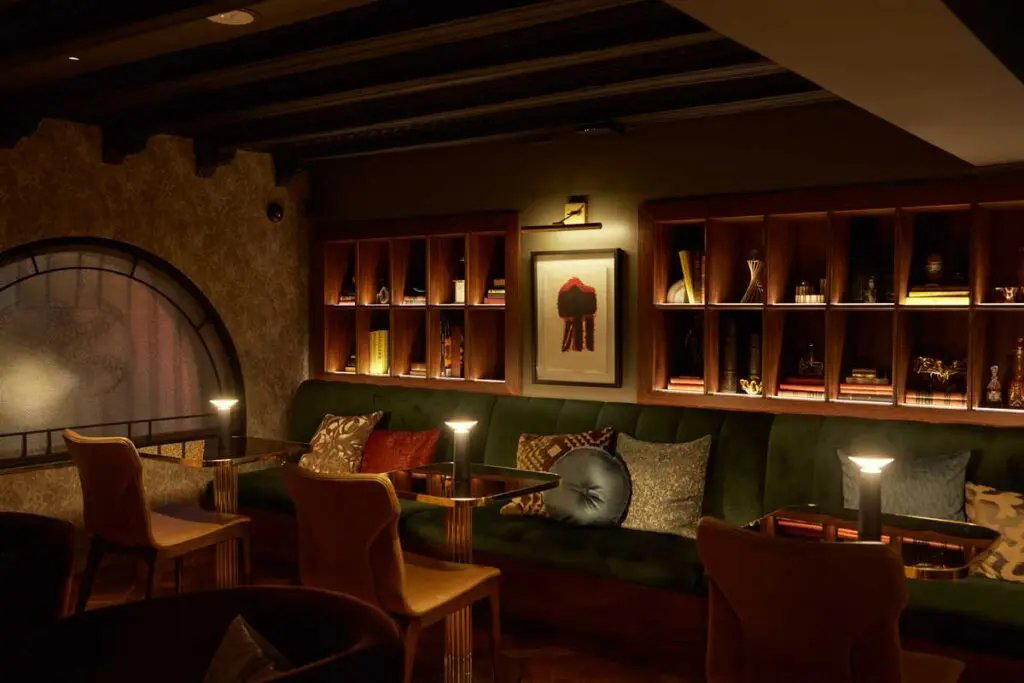
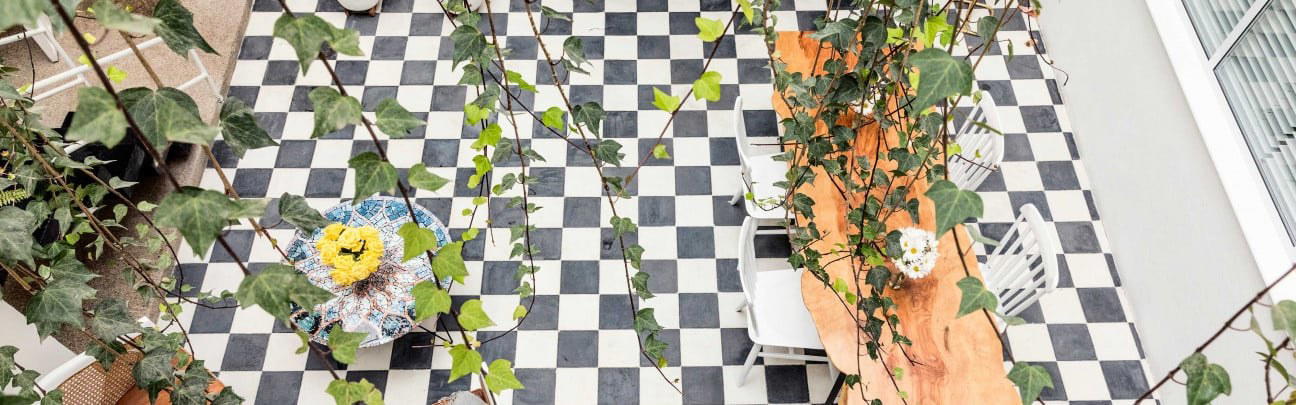
Afluente is a modern Colombian páramos-inspired fine dining restaurant in Bogotá, ranked No. 34 on the World's 50 Best Restaurants list in 2024. Rough plastered walls, wooden accents, and a deliberately organic atmosphere signal that Afluente is not performing modernity for its own sake. The aesthetic reads as considered restraint: a dining room that asks to be taken seriously as an extension of the Colombian highlands, not as a backdrop for a meal. On Cra 3a in Bogotá, it occupies a tier of the city's dining scene where the environment and the kitchen are expected to speak the same language.
The name itself, afluente, Spanish for tributary, is a geographic and philosophical declaration. Tributaries feed larger bodies of water; they are sources, not destinations. That framing places the restaurant inside a broader conversation about where Colombian fine dining draws its authority: not from imported technique or international reference points, but from the country's own ecological systems, specifically the páramos that define the high-altitude Andean landscape above 3,000 metres.
The Páramo as Pantry
Colombia's páramos are among the more biodiverse ecosystems on the planet, covering roughly three percent of the country's territory while supplying water to the majority of its population. They produce ingredients that appear nowhere else at the same altitude or in the same form: native potato varieties, endemic herbs, specific fungi, and tubers shaped by volcanic soil and persistent mist. In the broader context of Colombian haute cuisine, the páramo has become something of a contested resource, celebrated in dining rooms while facing pressure from agricultural expansion and climate shift at the source.
Afluente's menu, titled Conectividad (Connectivity), positions these ingredients as the architecture of the meal rather than decorative flourishes. The concept maps directly onto chef Jeferson García's broader argument: that the high-altitude ecosystems feeding Bogotá deserve to be understood as culinary regions in their own right, with the same specificity applied to, say, a coastal terroir or a wine appellation. It is a position that El Chato and Leo have each staked out in their own registers. García's contribution is the tributary framing, which emphasises interconnection and flow rather than singular origin.
Jeferson García and the New Colombian Kitchen
Colombian chefs now operating at Bogotá's serious tasting-menu tier share a common set of reference points: training that passed through European or North American kitchens, followed by a deliberate turn back toward Colombian raw material. García fits that profile, with Afluente representing a mature articulation of the kind of ingredient-driven, ecosystem-specific cooking that has become the dominant mode in Colombian fine dining over the past decade.
What distinguishes his approach is the specificity of the ecological argument. Where some chefs in this cohort treat Colombian ingredients as an aesthetic gesture, native flavours in a globally legible tasting-menu format, the Conectividad menu is structured around the relationships between ecosystems. The word choice matters: connectivity implies that the páramo, the river, the cloud forest, and the highland farm are nodes in a network, and that the kitchen's job is to make those relationships legible on the plate. This is closer to the methodology visible at destination restaurants elsewhere, adapted here to the specific geography of the Colombian Andes.
García's positioning within Bogotá's competitive set places Afluente alongside restaurants that take the tasting-menu format as a vehicle for a specific argument about place. Debora Restaurante and Gamberro each represent distinct approaches within the same broad tier; Casa Mamá Luz anchors the more tradition-facing end of Bogotá's serious dining. Afluente sits where technique and ecology converge.
Bogotá's Fine Dining Moment
Bogotá has spent roughly fifteen years building the infrastructure of a serious dining city: a restaurant school pipeline, an expanding cohort of returning chefs, and a local audience with the appetite and income to sustain tasting-menu formats. The city now produces restaurants that circulate in international conversation, Harry Sasson represents the establishment end of that arc, while newer openings like Afluente represent its current direction of travel.
Colombia's fine dining geography has also broadened beyond Bogotá. Carmen in Medellín, 1621 The Restaurant in Cartagena, Domingo in Cali, and Manuel in Barranquilla each anchor their cities' ambitions. But Bogotá, at 2,600 metres, has a particular relationship with the Andean ecosystems that restaurants like Afluente are drawing on, and that proximity to the source material gives the capital's páramo-focused kitchens a specific advantage of place.
For visitors navigating the broader city, the restaurant sits within reach of the Chapinero district, one of Bogotá's more concentrated areas for serious eating and drinking.
Practical Notes
Afluente is located at Cra 3a #57-35 in Bogotá. The tasting-menu format and the restaurant's growing recognition within Bogotá's fine dining circuit mean that advance planning is advisable; the Conectividad menu is a structured experience rather than a drop-in dinner, and the kitchen's commitment to páramo-sourced ingredients means supply and availability inform the calendar. Reservations are recommended. Given the ecological sourcing model, the menu may shift seasonally as páramo conditions and harvest cycles change, a reason, in itself, to return.
In Context: Similar Options
Comparable venues nearby, for context on price, style, and recognition.
| Venue | Cuisine | Price | Awards | Notes |
|---|---|---|---|---|
| AfluenteThis venue — the venue you are viewing | Modern Colombian Páramos-Inspired Fine Dining | $$$ | World's 50 Best #34 | Not listed |
| Humo Negro | Modern Japanese Izakaya with Colombian Fusion | $$$$ | World's 50 Best #41 | Bosque Calderon |
| Debora Restaurante | Modern Colombian | $$$$ | World's 50 Best #85 | Emaus |
| ODA | Modern Colombian Fusion | $$$ | World's 50 Best #76 | Cedritos |
| Leo | Modern Colombian Fine Dining | $$$$ | World's 50 Best #23 | Granada |
| Selma | Modern Mediterranean Bistro | $$$ | World's 50 Best #96 | Granada |
Recognition history
Dated appearances from independent guides and award organizations, with the underlying list record or original source where available.
The Best Chef One Knife
The Best Chef
World's 50 Best Latin America's Best Restaurants #34
World's 50 Best
At a Glance
- Modern
- Minimalist
- Elegant
- Cozy
- Special Occasion
- Date Night
- Open Kitchen
- Local Sourcing
Current opening hours
- Monday
- 6–9:30 PM
- Tuesday
- 12–2 PM, 6–9:30 PM
- Wednesday
- 12–2 PM, 6–9:30 PM
- Thursday
- 12–2 PM, 6–9:30 PM
- Friday
- 12–2 PM, 6–9:30 PM
- Saturday
- 12–3 PM, 6–9:30 PM
- Sunday
- Closed
Hours can change for holidays and private events. Last verified .
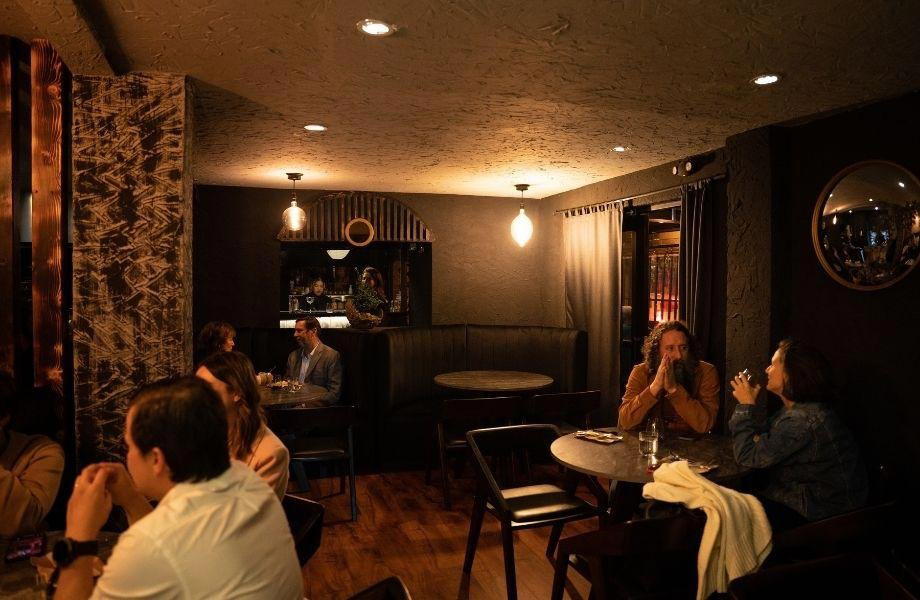
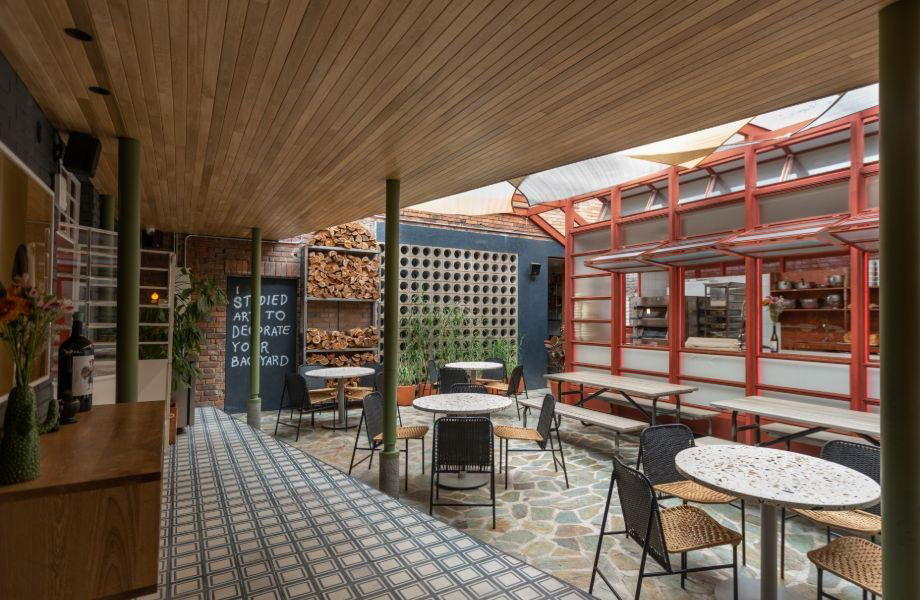
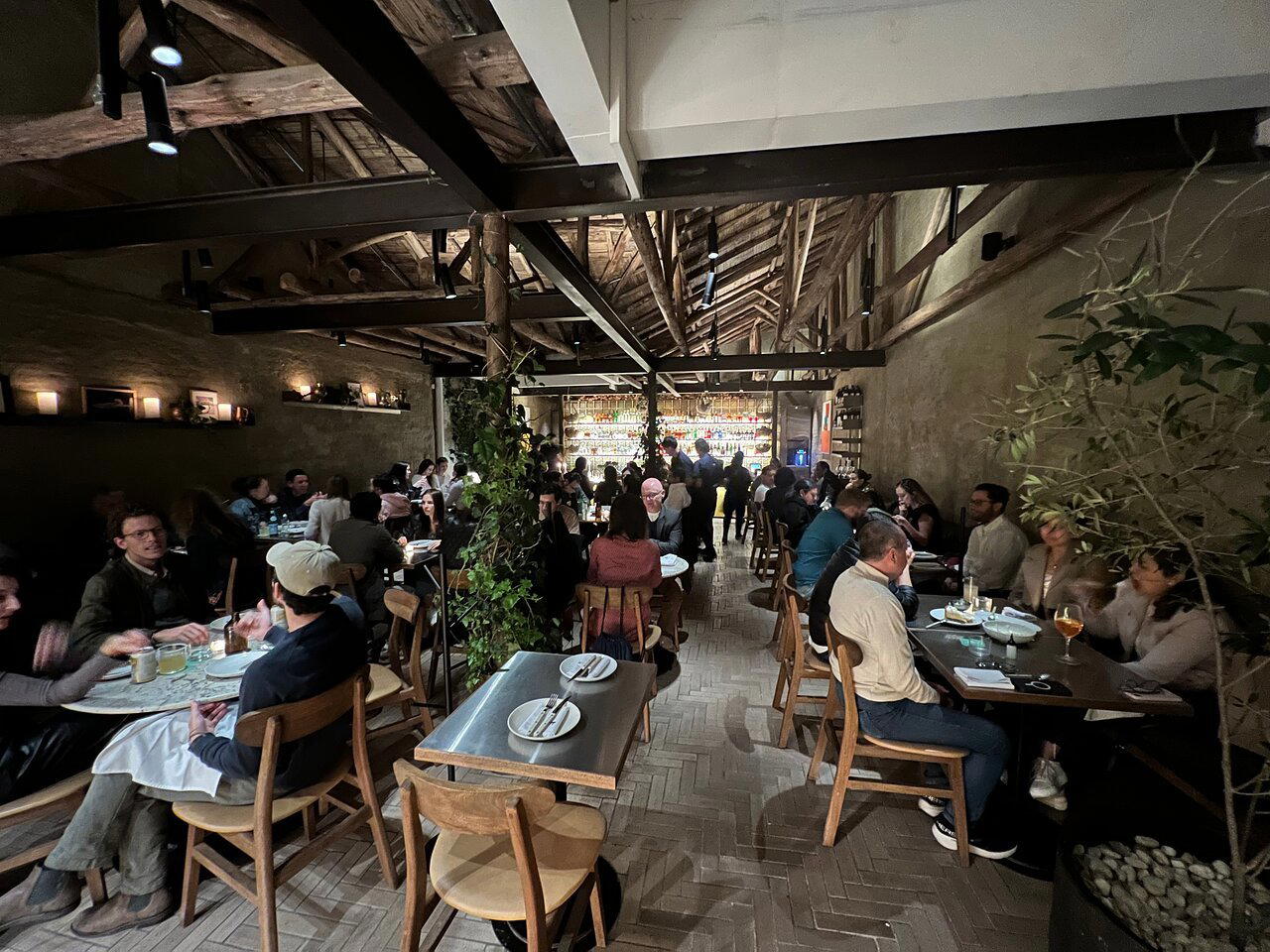
Rough plastered walls with earthy hues, minimalist wooden furniture, industrial chic brasserie tiles, and pendant lighting creating an organic yet chic atmosphere.