



Leo has held a place in the World's 50 Best Restaurants every year since 2019, peaking at #43 in 2023 and sitting at #76 in 2025. Chef Leonor Espinosa's seasonal tasting menu moves through Colombia's ecosystems, Amazon, Caribbean, Pacific coast, using indigenous ingredients that rarely appear on any menu outside their region of origin. It is one externally validated address in Bogotá's modern Colombian dining scene.
Pearl is the En Primeur Club membership app — saves, bookings, and concierge access live there. Same editors, same standards.
- Address
- Cl. 65 Bis #4-23, Bogotá, Colombia
- Phone
- +57 317 6616866
- Website
- restauranteleo.com
- Directions
- Get directions
 Saves & bookings on Pearl
Where Colombia's Coastlines and Forests Arrive on a Single Table
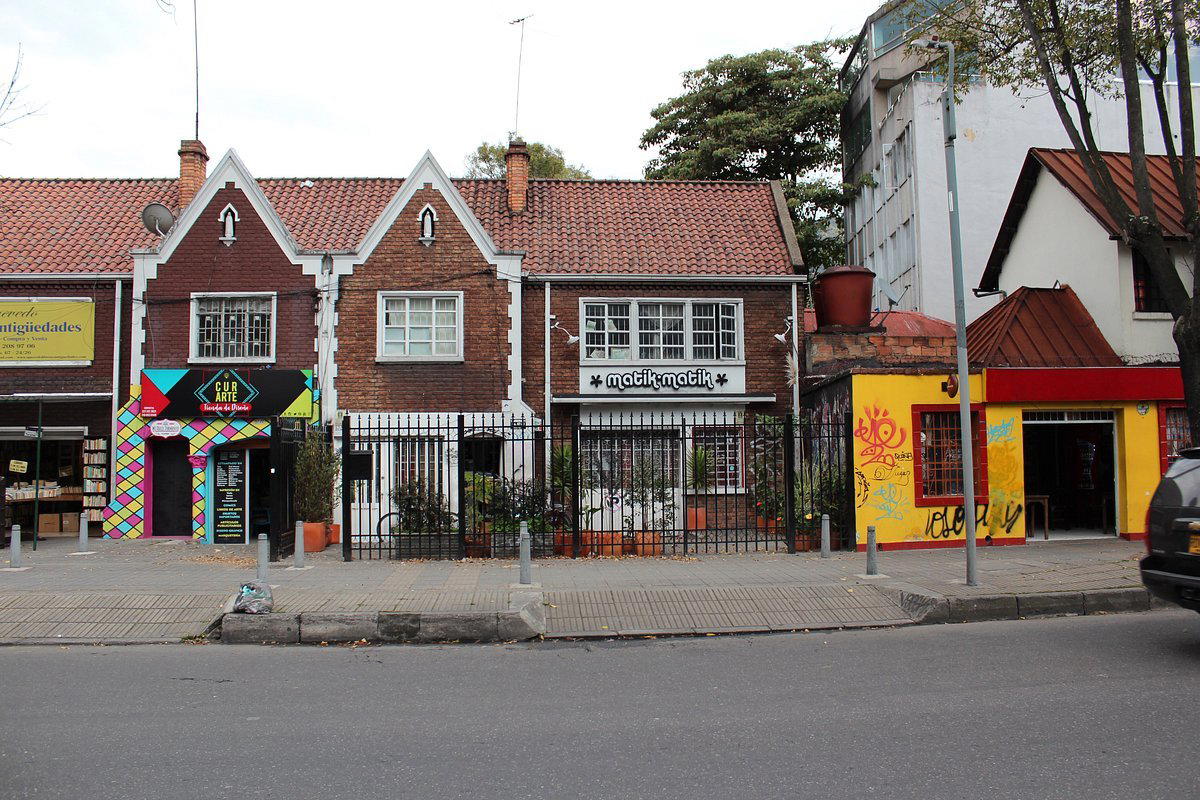
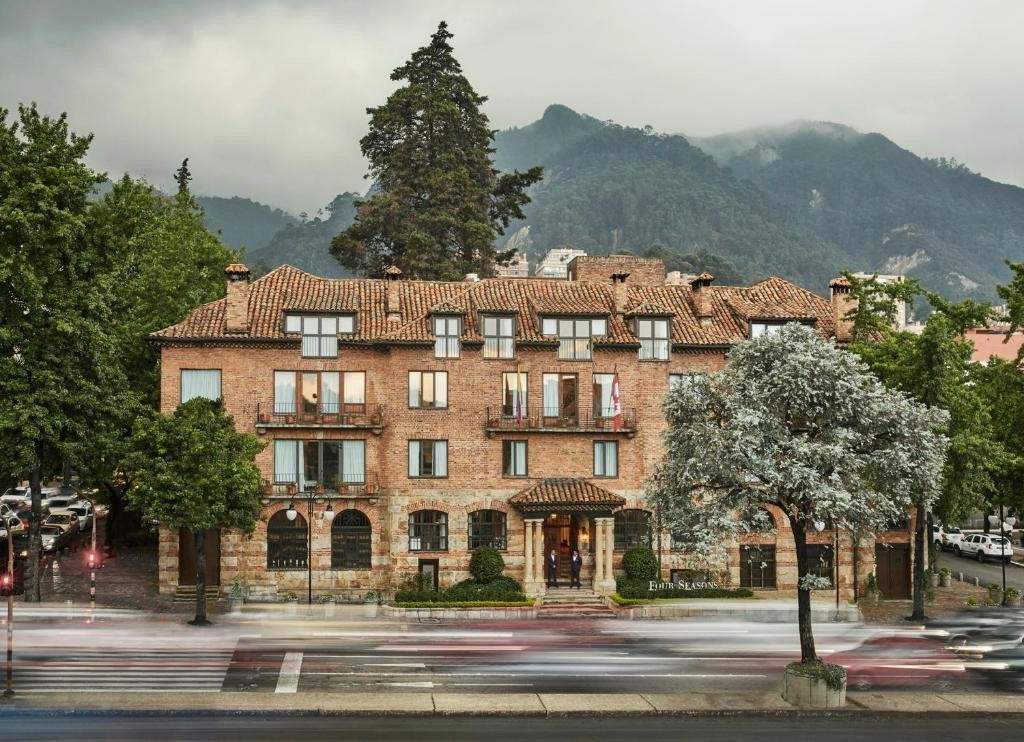
On Calle 65 Bis in the Chapinero Alto neighbourhood, the building that houses Leo reads as quietly residential from the street. There is no marquee moment of arrival, no grand façade signalling what the room contains. That restraint is, in a sense, the opening argument of the meal: the spectacle is inside Colombia's ecosystems, not outside them.
Latin America's fine dining conversation has spent the last decade sorting itself into two broad tendencies. One strand moves toward coastal identity, ceviche, raw preparations, tidal-zone ingredients, a thread that connects Lima's acid-forward tradition with the Caribbean seafood counters of Cartagena and the Pacific-facing kitchens of Cali. The other reaches inland toward biodiversity: fermented compounds, wild forest botanicals, ingredients with no commercial supply chain. Leo sits emphatically in the second camp, but it draws from Colombia's coastlines as readily as its river basins, because Colombia's geography contains both, often in the same ecosystem transition.
That geographic ambition is the structural premise of the Ciclo-Biome tasting menu. Each iteration moves through the country's distinct biological zones, the Amazon basin, the Andean highlands, the Caribbean and Pacific coasts, sequencing ingredients in a way that tracks seasonal availability and ecological context. For the coastal courses, that means Pacific fish, Caribbean shellfish, and Amazonian river species that most diners have never encountered outside their point of origin. The methodology shares a philosophical family resemblance with what Le Bernardin in New York City does with oceanic sourcing: the ingredient's provenance and handling method are as much the subject of the dish as the flavour it delivers.
Leo in Bogotá's Modern Colombian Context
Bogotá now supports a tier of modern Colombian restaurants that would have been difficult to predict fifteen years ago. El Chato works from a different angle, looser in format, more rooted in local market sourcing, while Debora Restaurante and Afluente occupy adjacent positions in the city's contemporary dining tier. Casa Mamá Luz and Gamberro work closer to the neighbourhood bistro register. Leo operates at a different altitude from all of them, not in terms of hospitality warmth, but in terms of the external validation it carries and the conceptual ambition of its programme.
Leo is ranked #23 in the World's 50 Best Restaurants list.
Beyond Bogotá, Colombia's broader fine dining geography provides useful context for understanding what Leo represents nationally. 1621 The Restaurant in Cartagena and Celele in Cartagena approach Colombian identity from a Caribbean coastal frame, seafood-forward, heat-inflected, oriented toward the Atlantic. Carmen in Medellín works the Antioquian highlands. Domingo in Cali operates closer to Pacific coast and Afro-Colombian culinary traditions. Harry Sasson in Bogotá and Manuel in Barranquilla represent older, more cosmopolitan fine dining formats. Leo's project is distinct from all of these: it presents Colombia's biological and cultural diversity within a single tasting format, rotating seasonally as ecosystems shift.
The Ciclo-Biome Format and What It Demands of the Diner
Tasting menus built around ecological research require a particular kind of engagement from the table. Leo's Ciclo-Biome works from Colombia's coastal and inland zones simultaneously, which gives it a geographic range that neither of those programmes matches, Colombia contains Amazon basin, Andean cloud forest, Caribbean coast, and Pacific shoreline within a single national territory.
For the coastal and seafood sections of the menu, this means encounters with ingredients that lack familiar reference points. Pacific Colombia's marine resources include species with no international commercial profile. The Caribbean coast contributes shellfish and reef fish preparations that carry historical and indigenous context. Leonor Espinosa's training and the restaurant's ongoing anthropological research, conducted partly through the FUNLEO foundation's fieldwork with indigenous and Afro-Colombian communities, inform how these ingredients are sourced and presented. The ethical dimension is not decorative; it determines which ingredients appear and which do not, based on community relationships and harvest sustainability.
This is a different proposition from a restaurant that sources well and presents cleanly. It is also, frankly, a more demanding one for the diner. The format rewards those who come prepared to follow the menu's internal logic rather than impose external expectations about how Colombian food should taste. That cognitive engagement is part of the experience, not a barrier to it.
Planning a Visit
The restaurant's address, Cl. 65 Bis #4-23, Bogotá, places it in Chapinero, accessible by taxi or rideshare from most central and northern Bogotá hotels.4 out of 5.
The Editorial Judgement
Leo's position in the 2025 World's 50 Best list at #76 represents a modest slide from its 2023 peak of #43, a movement that mirrors broader list dynamics rather than any identifiable decline in programme quality. For a visitor to Bogotá with one significant dinner to allocate, the question is whether the conceptual format, with its indigenous ingredient focus and ecosystem-based sequencing, is the experience they want. If the answer is yes, there is no equivalent programme in the country doing what Leo does at the same level of external recognition and research depth.
What do people recommend at Leo?
Given Leo's Ciclo-Biome format, the menu changes with the season and the availability of ingredients sourced directly from Colombia's diverse ecosystems, including its Amazon basin, Caribbean coast, and Pacific shoreline. Rather than individual dishes, what diners consistently point to is the encounter with indigenous ingredients that have no presence on commercial menus elsewhere, preparations that carry explicit anthropological context, and the cohesion of a menu that moves through Colombia's biological zones as a deliberate sequence.
Quick Comparison
Comparable venues nearby, for context on price, style, and recognition.
| Venue | Cuisine | Price | Awards | Notes |
|---|---|---|---|---|
| LeoThis venue — the venue you are viewing | Modern Colombian Fine Dining | $$$$ | World's 50 Best #23 | Not listed |
| El Chato | Contemporary Colombian | $$$ | World's 50 Best #1 | Granada |
| Humo Negro | Modern Japanese Izakaya with Colombian Fusion | $$$$ | World's 50 Best #41 | Bosque Calderon |
| Debora Restaurante | Modern Colombian | $$$$ | World's 50 Best #85 | Emaus |
| Afluente | Modern Colombian Páramos-Inspired Fine Dining | $$$ | World's 50 Best #34 | Bosque Calderon |
| ODA | Modern Colombian Fusion | $$$ | World's 50 Best #76 | Cedritos |
Recognition history
Dated appearances from independent guides and award organizations, with the underlying list record or original source where available.
La Liste Top Restaurants
La Liste
Opinionated About Dining Top Restaurants in South America Ranked #10
Opinionated About Dining
La Liste Top Restaurants
La Liste
Opinionated About Dining Top Restaurants in South America Ranked #32
Opinionated About Dining
The Best Chef Three Knives
The Best Chef
World's 50 Best Best Restaurants #76
World's 50 Best
World's 50 Best Latin America's Best Restaurants #23
World's 50 Best
World's 50 Best Best Restaurants #53
World's 50 Best
World's 50 Best Best Restaurants #43
World's 50 Best
World's 50 Best Best Restaurants #48
World's 50 Best
World's 50 Best Best Restaurants #46
World's 50 Best
World's 50 Best Best Restaurants #49
World's 50 Best
At a Glance
- Intimate
- Elegant
- Modern
- Sophisticated
- Date Night
- Special Occasion
- Celebration
- Open Kitchen
- Design Destination
- Standalone
- Extensive Wine List
- Sommelier Led
- Local Sourcing
- Farm To Table
Current opening hours
- Monday
- 12–2 PM, 6:45–11 PM
- Tuesday
- 12–2 PM, 6:45–11 PM
- Wednesday
- 12–2 PM, 6:45–11 PM
- Thursday
- 12–2 PM, 6:45–11 PM
- Friday
- 12–2 PM, 6:45–11 PM
- Saturday
- 12–2 PM, 6:45–11 PM
- Sunday
- Closed
Hours can change for holidays and private events. Last verified .
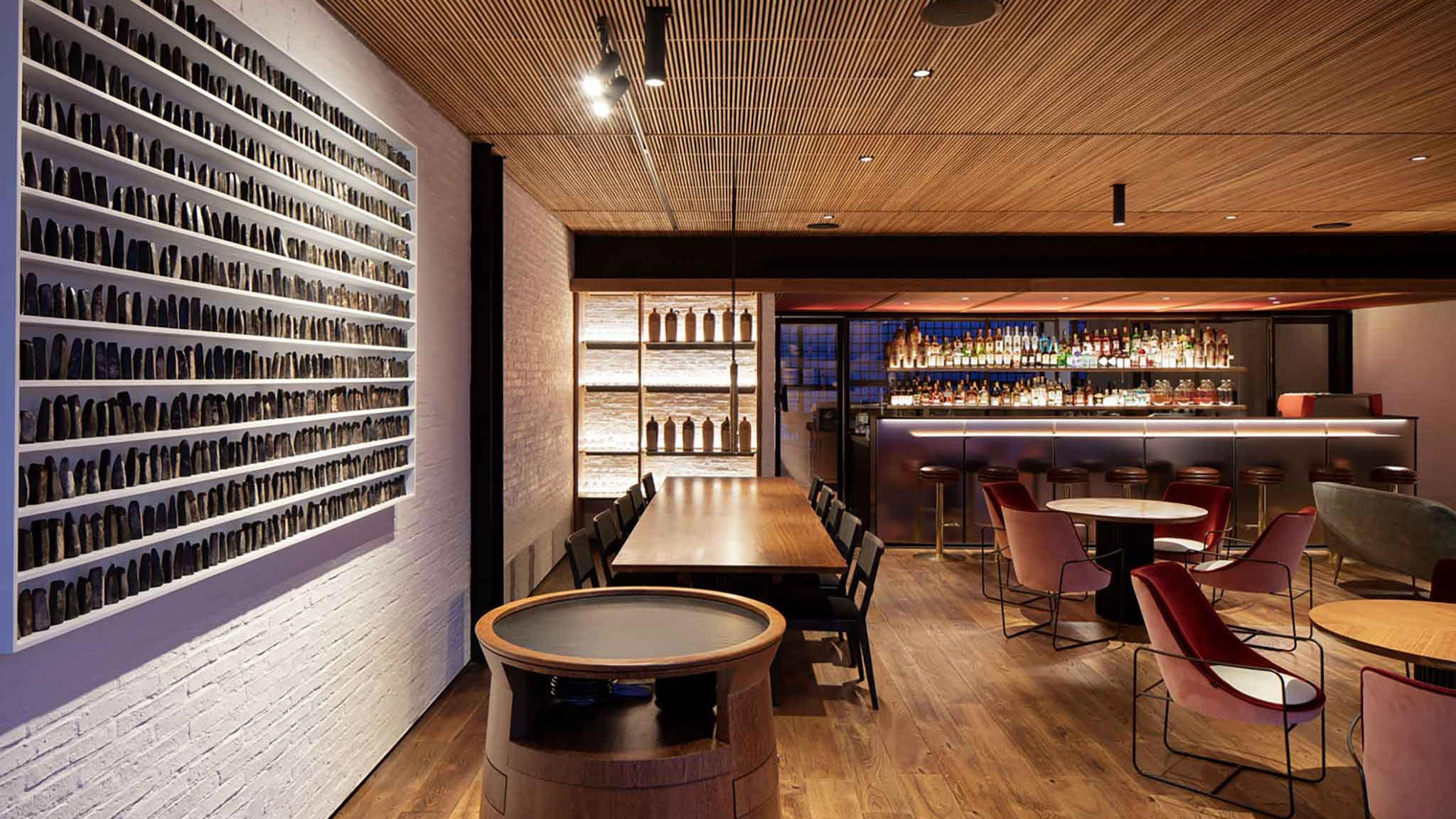
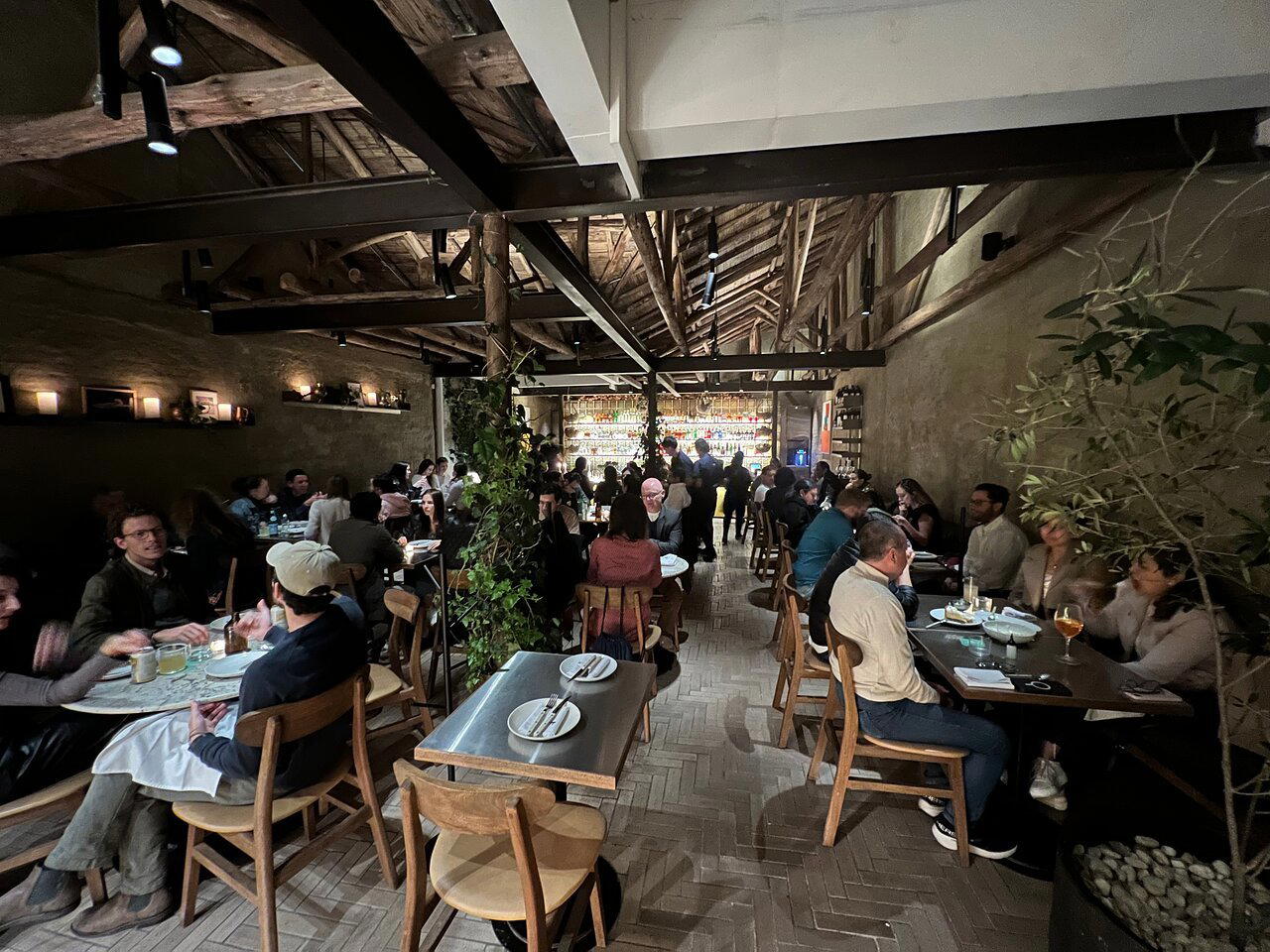
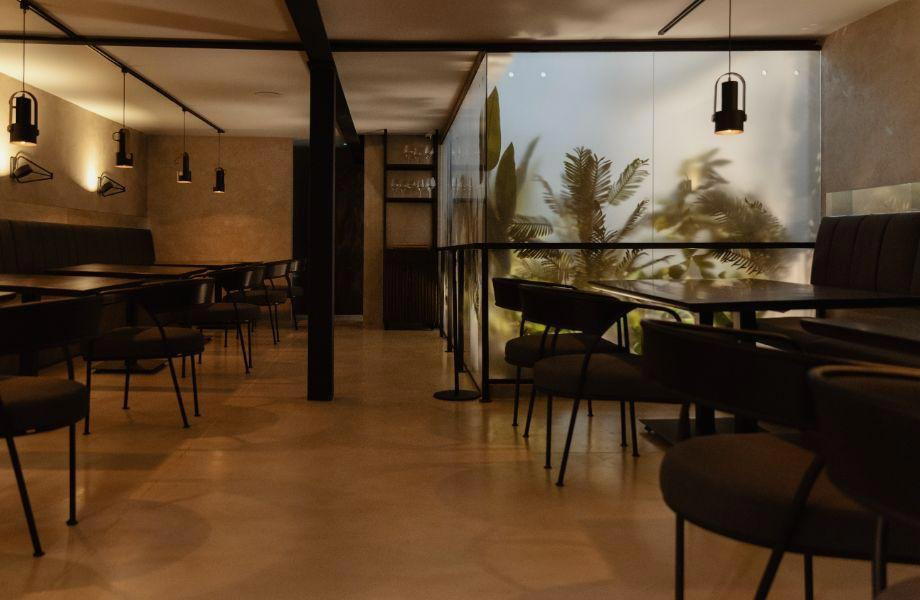
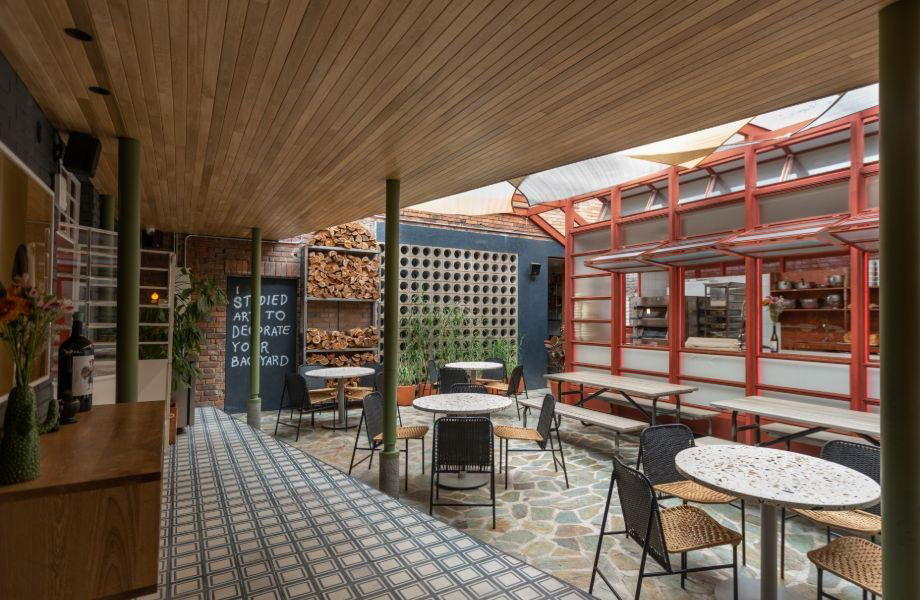
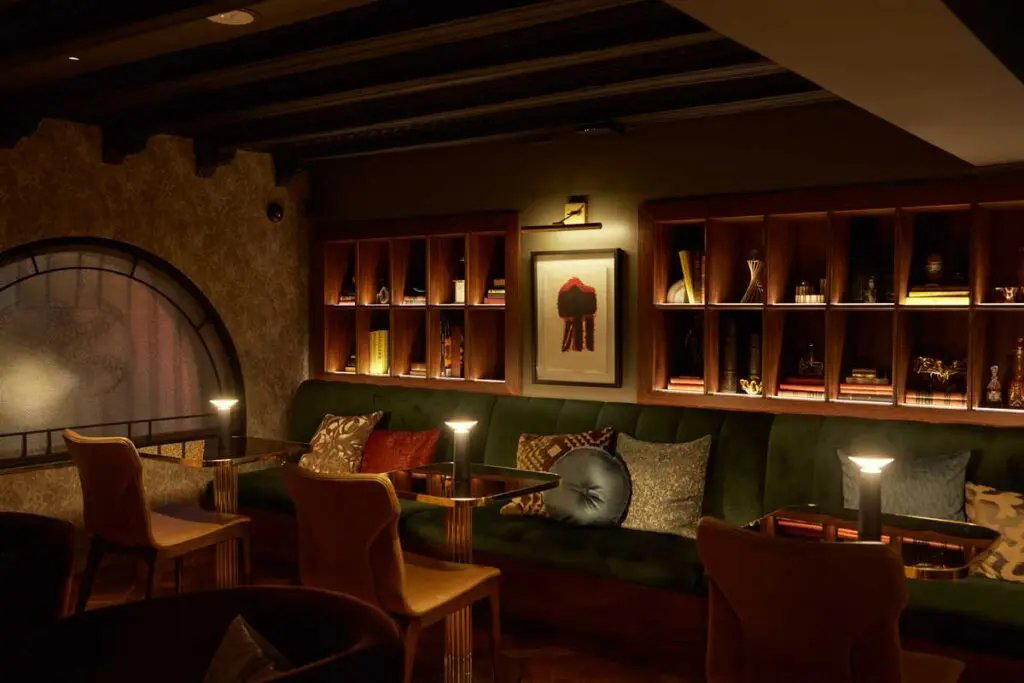
Minimalist and understated with slanted wooden ceilings and single drop lights above each table; intimate setting with views into the open kitchen; austere but pleasant design focused entirely on the dining experience.