
Our verdict
Mesa Franca sits on Calle 61 in Bogotá's Chapinero Alto corridor, a neighbourhood that has become one of the city's more serious addresses for contemporary Colombian cooking. The restaurant's name, 'open table' in Spanish, signals something about its approach: a menu structured around sharing and accessibility rather than tasting-menu formality, placing it in a different register from the city's more ceremonial fine-dining rooms.

Pearl is the En Primeur Club membership app, where members save venues, book tables and use the concierge.
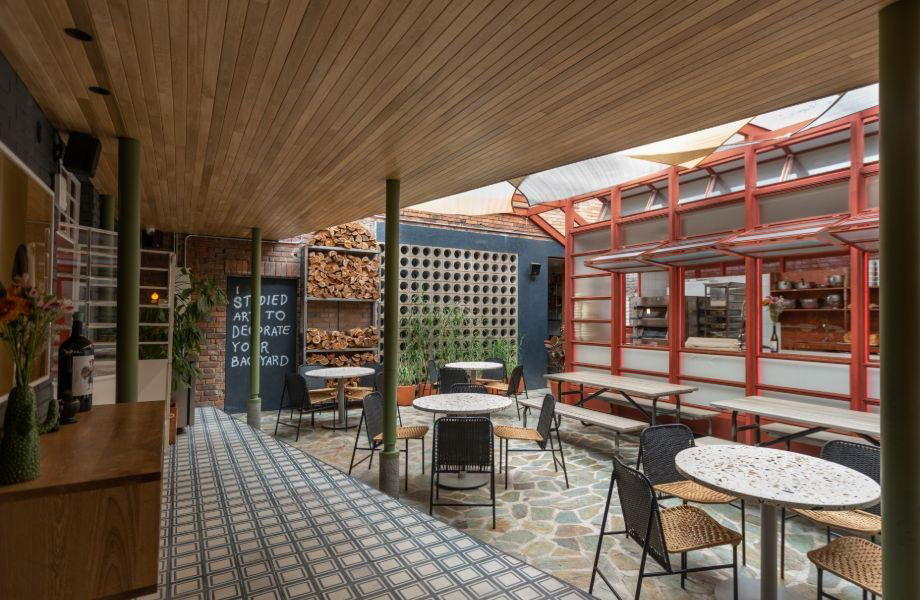
The menu
What to order
- Yucca Focaccia
- Black Ceviche
- Pork Belly
- Braised Lamb
An Open Table in a City Learning to Share
Bogotá's dining scene has spent the better part of a decade sorting itself into tiers. At the leading sit the tasting-menu rooms, places like Leo (Modern Colombian) and El Chato (Modern Colombian), where the format is fixed, the progression is chef-directed, and the price reflects both the cooking and the ceremony around it. Below that sits a more interesting middle ground: restaurants that take Colombian ingredients and technique seriously but organise the meal around the table rather than around a chef's narrative arc. Mesa Franca, on Calle 61 in Chapinero Alto, operates in that register.
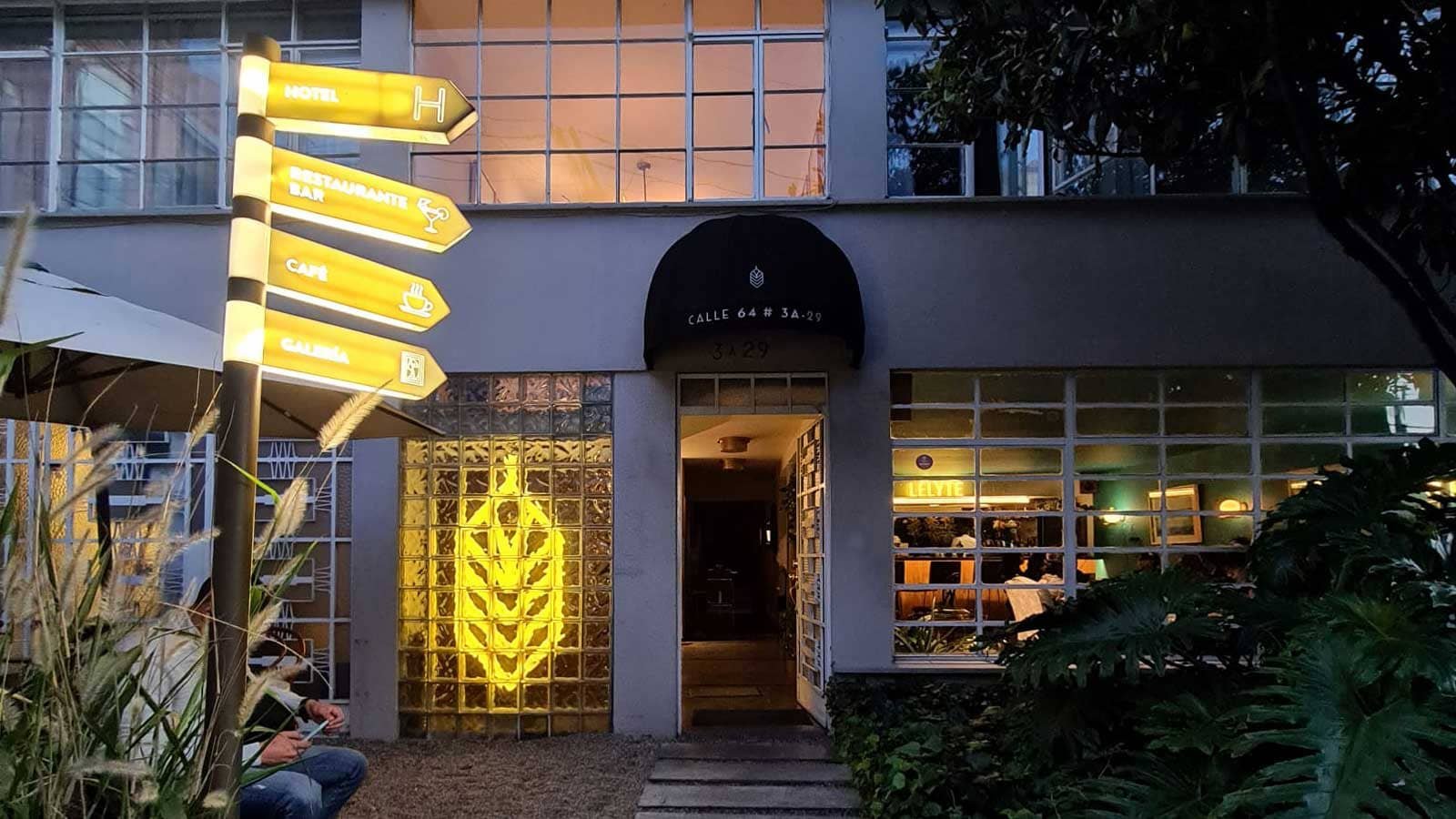
The address itself is a signal. Chapinero Alto has accumulated a particular kind of restaurant over the past several years, not the white-tablecloth formality of Zona Rosa, not the neighbourhood casualness further north, but something in between: places with considered wine lists, kitchens that source with intention, and rooms that feel like they were designed for actual conversation. Walking up Calle 61, the scale of the building reads as residential before it reads as a restaurant, which is consistent with how this part of the city tends to absorb its better dining rooms.
How the Menu Is Built, and What That Tells You
The name Mesa Franca translates literally as 'open table' or 'frank table,' and that linguistic choice is doing architectural work. In a city where the dominant fine-dining grammar involves set menus and sequenced courses, a restaurant that signals openness and sharing in its name is positioning itself against that grammar. The menu format, what can be confirmed from the restaurant's public positioning, leans toward sharing plates and dishes designed to move around the table rather than land in front of a single diner and stay there.
This structure has implications for how you eat. Sharing-format menus in Colombian restaurants tend to compress the distance between the kitchen and the conversation: the meal becomes less about the chef's intended sequence and more about what the table decides to prioritise. That democratic quality is harder to execute well than it looks. Restaurants that commit to it fully, rather than grafting sharing plates onto an otherwise conventional menu logic, tend to produce a different quality of evening. The meal becomes participatory in a way that tasting menus, by design, cannot be.
Among Bogotá addresses working in adjacent territory, Abasto Quinta Camacho and Afluente represent comparable impulses, a seriousness about product and provenance without the formality of a locked tasting menu. Debora Restaurante occupies a nearby position on the neighbourhood map. What distinguishes these rooms from each other tends to be less about cuisine type and more about how the kitchen organises the plate and the pace.
Chapinero Alto and the Geography of Serious Eating
Colombia's restaurant geography has become more distributed than it was a decade ago. Medellín has developed its own serious addresses, 37 Park in Medellín is one reference point, and coastal cities like Cartagena have their own dining registers, from the casual reach of Crepes & Waffles Centro in Cartagena to the more focused cooking at LA BRIOCHE Bocagrande in Cartagena De Indias. Bogotá, though, remains the city where the most complex version of Colombian contemporary cooking tends to happen, partly because of altitude and climate, the city sits at 2,600 metres, which keeps it cool year-round and shapes the produce available, and partly because the concentration of creative and commercial capital continues to make it the most competitive room in which a Colombian kitchen can prove itself.
Within Bogotá, Chapinero Alto has earned its position through accumulation rather than planning. The neighbourhood's shift from residential to mixed-use happened gradually, and the restaurants that established themselves there did so without the benefit of a food-destination reputation to draw them. That means the places that survive tend to have something specific to offer rather than trading on location alone. Larger cultural reference points like Andrés Carne de Res in Chia demonstrate how different the Colombian dining experience can be at scale and spectacle; Chapinero Alto represents the quieter, more neighbourhood-scaled counterpoint.
Placing Mesa Franca in Its Competitive Set
The most useful comparison for Mesa Franca is probably not with the city's tasting-menu rooms, which operate in a different register of price, formality, and narrative ambition. Internationally, restaurants working in this mode at a high level, places like Le Bernardin in New York City at the formal end or the more democratic format of Atomix in New York City, show how differently a menu's architecture can shape the same quality of cooking. The sharing format, when it works, creates a particular kind of loyalty: diners return because the meal is different each time they configure it, not because the tasting menu has been updated.
For anyone building a Bogotá itinerary around serious eating, Mesa Franca sits in a different column from the city's more formal rooms. It doesn't replace a meal at Leo or El Chato; it offers a different kind of evening entirely. The practical logistics for Calle 61 are consistent with the neighbourhood: the street is accessible from the main Chapinero arteries, and the surrounding blocks have enough other activity to make an early evening arrival or a post-dinner walk around the area a reasonable addition to the plan. For a broader orientation to where Mesa Franca sits within Bogotá's full range of options, the EP Club full Bogota restaurants guide maps the city's dining in more detail.
Restaurants in other Colombian cities worth considering alongside a Bogotá trip include Cardinal Comida Peruana de Autor in Pereira and BK - BURUKUKA Restaurante Bar in Santa Marta, which show how different the register of eating becomes once you move out of the capital's altitude and competitive density. For a more casual Colombian register, Los Tacos Del Gordo in Carthagene Des Indes, La B Hamburgers in Sincelejo, Le Brunch Express in Envigado, and Bulgatta restaurante in Retiro each represent the country's broader range of dining modes outside the fine-dining tier.
Frequently asked questions
Is Mesa Franca suitable for children?
Mesa Franca sits in Chapinero Alto, a neighbourhood associated with deliberate, conversation-driven dining rather than casual family meals. The shared-table format and focused atmosphere make it better suited to adults or older teenagers comfortable with a more structured setting. Families with young children would likely find the format a poor match.
What should I expect atmosphere-wise at Mesa Franca?
The address on Calle 61 in Chapinero Alto positions Mesa Franca in one of Bogotá's more concentrated pockets of serious eating, away from the louder commercial strips. The 'open table' concept built into the name suggests a room organised around proximity and exchange rather than separation and spectacle. Expect a pace calibrated to the food, not to table turnover.
How does Mesa Franca's location in Chapinero Alto shape the dining experience?
Chapinero Alto has emerged as one of Bogotá's most concentrated areas for serious, independent restaurants, drawing a crowd that follows food rather than foot traffic. Mesa Franca's address on Calle 61 places it within that geography, meaning the surrounding neighbourhood reinforces rather than undercuts the restaurant's intent. For visitors to Colombia's capital, the area rewards an evening on foot before or after the meal.
What dish is Mesa Franca famous for?
No single signature dish has been publicly documented for Mesa Franca. The venue's identity appears to be built around a menu philosophy rather than a single calling-card plate, which is consistent with the 'frank table' ethos the name signals. Checking directly with the restaurant before visiting is the most reliable way to understand the current focus.
How do I find Mesa Franca?
Mesa Franca is located at Cl. 61 #5-56, Bogotá, Colombia, Bogota.
Do I need a reservation for Mesa Franca?
Chapinero Alto restaurants operating at this register of intent tend to fill their covers through advance booking rather than walk-in trade. Given Mesa Franca's position in a dining neighbourhood with concentrated demand, booking ahead is the practical approach.
What has Mesa Franca built its reputation on?
Mesa Franca's reputation in Bogotá rests on its positioning as a counter to the city's tasting-menu establishment: a shared-table model on Calle 61 in Chapinero Alto that prioritises access and frankness over formality. In a city where Leo and its peers occupy the top tier of elaborate, high-ceremony dining, Mesa Franca operates in a different register, one defined by the communal logic its name makes explicit. That positioning has given it a distinct identity within Colombia's evolving restaurant conversation.
Accolades, Compared
Comparable venues nearby, for context on price, style, and recognition.
| Venue | Cuisine | Price | Notes |
|---|---|---|---|
| Mesa FrancaThis venue (the venue you are viewing) | Modern Colombian Bistronomy | $30–50 | Not listed |
| Abasto Quinta Camacho | Farm-to-Table Colombian Bistro | $10–20 | Quinta Camacho |
| Andrés D.C. Bogotá | Colombian Steakhouse | $30–50 | Espartillal |
| The Red Room | Cocktail Bar & Lounge | $30–50 | Quinta Camacho |
| La Brasserie | Classic French Brasserie & Steakhouse | $50–100 | La Cabrera |
| Deraíz | Vegan Colombian Fusion | Not listed | Granada |
Recognition history
Dated appearances from independent guides and award organizations, with the underlying list record or original source where available.
Opinionated About Dining Top Restaurants in South America Ranked #44
Opinionated About Dining
Continue exploring
More in Bogotá
Restaurants in Bogotá
All restaurants in Bogotá →
Bars in Bogotá
All bars in Bogotá →
Details
- Modern
- Elegant
- Trendy
- Sophisticated
- Special Occasion
- Date Night
- Group Dining
- Open Kitchen
- Terrace
- Craft Cocktails
- Farm To Table
- Local Sourcing
- Small Plates
- Vegetarian Friendly
- Vegan Options
- Gluten Free Options
Current opening hours
- Monday
- Closed
- Tuesday
- 7–10 PM
- Wednesday
- 12–4 PM, 7–10 PM
- Thursday
- 12–4 PM, 7–11 PM
- Friday
- 12–4 PM, 7–11 PM
- Saturday
- 1–11 PM
- Sunday
- 1–5 PM
Hours can change for holidays and private events. Hours as of .
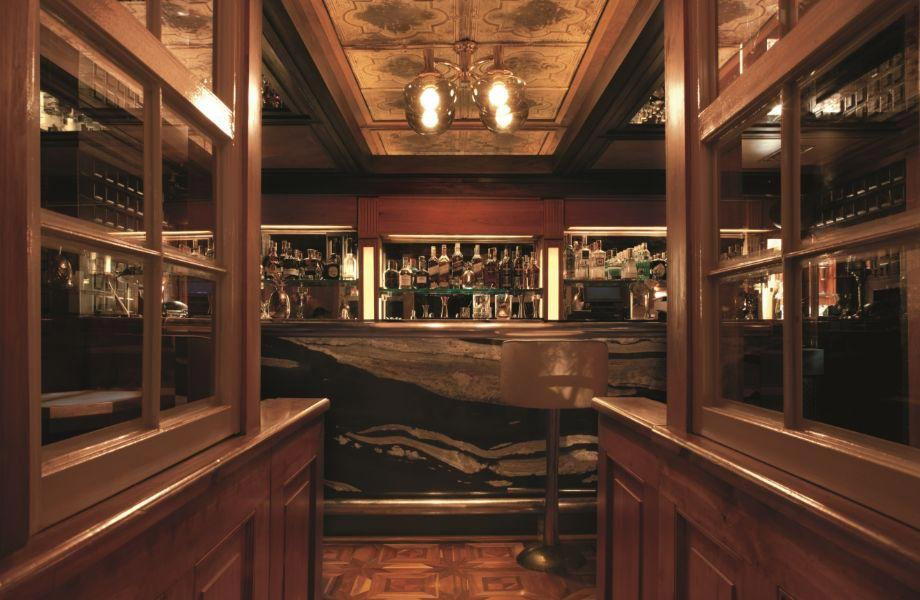
Chic and inviting atmosphere in an elegant restored mansion with modern red bar and luxury terrace.