
Domingo brings Catalina Vélez's Colombian culinary perspective to Cali's Comuna 4, positioning the restaurant within the broader wave of serious Colombian cooking that has drawn international attention over the past decade. The address places it on Carrera 5, away from the city's more established dining corridors, making it a reference point for how Cali's food scene is extending beyond its traditional geography.
Pearl is the En Primeur Club membership app — saves, bookings, and concierge access live there. Same editors, same standards.
- Address
- Cra. 5 #2-97, COMUNA 4, Cali, Valle del Cauca, Colombia
- Phone
- +57 310 8158800
- Website
- domingo.mesa247.la
- Directions
- Get directions
 Saves & bookings on Pearl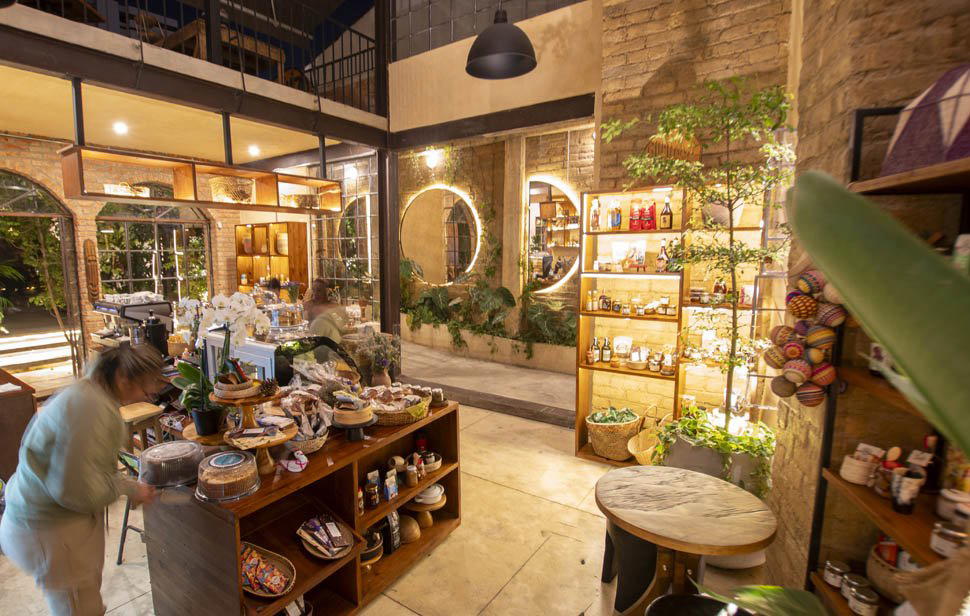
Cali's Dining Moment and Where Domingo Sits in It
Colombia's restaurant conversation has been dominated by Bogotá and, increasingly, Medellín, cities where venues like Debora Restaurante in Bogota and Carmen in Medellín have anchored a nationally recognised tier of modern Colombian cooking. Cali has historically occupied a different register: a city defined by its street food culture, its Afro-Colombian culinary inheritance, and the Pacific coastal ingredients that flow through it. What has changed in recent years is that a generation of chefs is taking those local foundations seriously as the basis for restaurant cooking, not as folkloric backdrop, but as the actual subject matter of the plate.
Domingo is a restaurant in Cali's Comuna 4 serving Modern Pacific Colombian cooking at a price tier of about US$45 per person, and it belongs to that moment. The address alone signals intent: this is not the established dining corridor of Granada or the hotel-adjacent safe zone that defines much of Cali's upper-tier eating. Placing a serious restaurant in this part of the city is itself an editorial statement about where the food is and where the cooking should be grounded.
The Approach: Colombian Cooking as a Critical Framework
Chef Catalina Vélez is the name attached to Domingo, and her presence frames the restaurant's position in Cali's evolving scene. Colombian chefs working at this level tend to fall into two camps: those who trained abroad and returned with European technique applied to local ingredients, and those who built their understanding from within the country's own culinary geography. The distinction matters because it shapes what ends up on the plate, whether the restaurant's logic runs from a classic European framework outward, or from Colombian ingredient knowledge inward.
The broader trend across Colombia's most discussed restaurants, from Harry Sasson in Bogotá to 1621 The Restaurant in Cartagena, has been toward formats that treat national and regional identity as a curatorial choice rather than a default. Domingo fits within that trajectory, with Vélez's credentials placing it in the tier of chef-driven, intentional Colombian cooking rather than the generalist category.
Internationally, the model of chef-led restaurants that make a specific region's food the primary intellectual project, rather than using local ingredients as flavouring within a European structure, has produced some of the past decade's most consequential dining. Venues from Atomix in New York City to Lazy Bear in San Francisco demonstrate that deep regional specificity, when handled with technical rigour, generates a more durable identity than cosmopolitan eclecticism. Domingo operates in that same intellectual zone, just applied to the Cauca Valley and Pacific corridor.
The Setting: What the Address Communicates
Walking toward Domingo on Carrera 5, the neighbourhood reads differently from Cali's polished northern zones. This is not the kind of restaurant you find by accident or stumble into after a hotel concierge recommendation. The physical approach is part of the experience's framing, you are in a part of the city that has not been curated for tourist consumption, which means the cooking has to justify the visit entirely on its own terms.
That dynamic, a serious restaurant in a location that requires commitment from the diner, is one that defines a certain category of destination restaurant globally. Alinea in Chicago operates on a similar principle: the address is not glamorous, the exterior is understated, and the entire logic of the visit is compressed into what happens at the table. The comparison is not about equivalence but about format logic: when a restaurant does not rely on ambient foot traffic or neighbourhood prestige, it signals that the kitchen is the proposition.
Cali's Culinary Character and the Pacific Inheritance
Understanding Domingo requires some grounding in what makes Cali's food culture distinct from the rest of Colombia. The city sits as the commercial centre of Valle del Cauca and serves as the gateway to the Pacific coast, among the more biodiverse and least internationally catalogued culinary zones in the Americas. Ingredients from that corridor, including specific fish, plantain varieties, coconut preparations, and chilli types, define a regional cuisine that has largely remained local rather than entering the international restaurant circuit.
The chefs working most seriously in Cali right now are treating the Pacific as a larder rather than a reference. The shift is significant: it means the cooking has depth of sourcing rather than superficial regionalism. Compare this to what has happened in Cartagena, where coastal ingredients have sometimes been aestheticised for tourist consumption, or in Bogotá, where the altitude and distance from coasts tends to push restaurants toward highland and Andean identities. Cali's proximity to the Pacific gives its most serious restaurants a specific competitive advantage that is genuinely difficult to replicate elsewhere in the country.
For context on how other Colombian cities are defining their restaurant identities, see Manuel in Barranquilla, where Caribbean coastal ingredients drive a comparable project from the Atlantic side.
Planning a Visit to Domingo
Domingo sits on Cra. 5 #2-97, in Cali's Comuna 4. Given the restaurant's positioning as a chef-driven project rather than a high-volume operation, reservations are the sensible approach; showing up without one at a venue of this type in Colombia's mid-tier cities is increasingly unreliable as these restaurants gain recognition.
Cali's dining culture runs later than northern European or American norms: dinner service rarely peaks before 8pm, and the city's wider food scene benefits from being explored across multiple evenings rather than compressed into a single night.
Alléno Paris au Pavillon Ledoyen in Paris and Alain Ducasse at Louis XV in Monte Carlo for benchmarking the international tier that Colombian chefs are increasingly in conversation with, or 8½ Otto e Mezzo Bombana in Hong Kong and Emeril's in New Orleans for chef-anchored restaurants where a single name has defined a restaurant's identity across time. Le Bernardin in New York City remains the clearest global model of how a chef's singular focus, in that case, fish, can generate a restaurant identity durable enough to outlast any particular menu cycle.
At-a-Glance Comparison
Comparable venues nearby, for context on price, style, and recognition.
| Venue | Cuisine | Price | Notes |
|---|---|---|---|
| DomingoThis venue — the venue you are viewing | Modern Pacific Colombian | $$$ | Not listed |
| Platillos Voladores | Modern Colombian Seafood Fusion | $$$ | Centenario |
| La Bella Pizza | Pizza | Not listed | Cali |
| Cantina La 15 Granada Cali Norte | Contemporary Mexican | $$$ | Granada |
| Odiseo Bistro | Modern Mediterranean Bistro | $$$ | Granada |
| Miyabi | Japanese Sushi | $$ | Barrio Granada |
Recognition history
Dated appearances from independent guides and award organizations, with the underlying list record or original source where available.
The Best Chef One Knife
The Best Chef
Continue exploring
More in Cali
Restaurants in Cali
Browse all →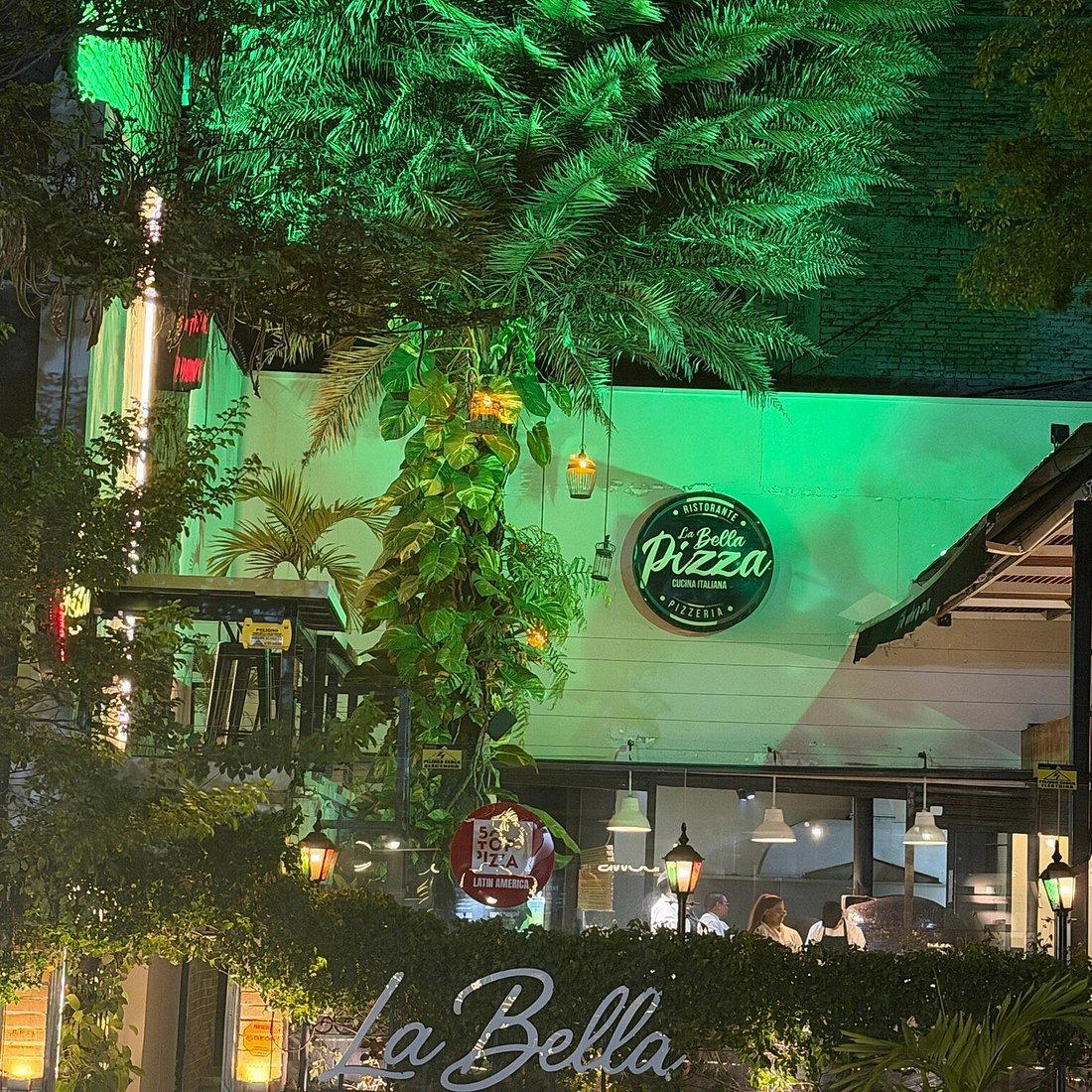
At a Glance
- Elegant
- Scenic
- Modern
- Date Night
- Special Occasion
- Celebration
- Group Dining
- Brunch
- Garden
- Open Kitchen
- Design Destination
- Terrace
- Craft Cocktails
- Local Sourcing
- Farm To Table
- Garden
Current opening hours
- Monday
- 12–10 PM
- Tuesday
- 12–10 PM
- Wednesday
- 12–10 PM
- Thursday
- 12–10 PM
- Friday
- 12–11 PM
- Saturday
- 9 AM–11 PM
- Sunday
- 8:30 AM–5 PM
Hours can change for holidays and private events. Last verified .
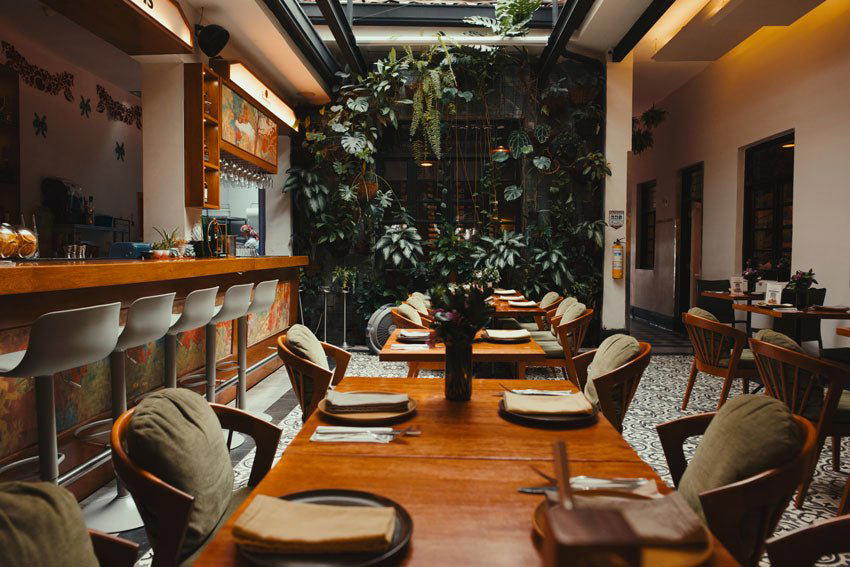
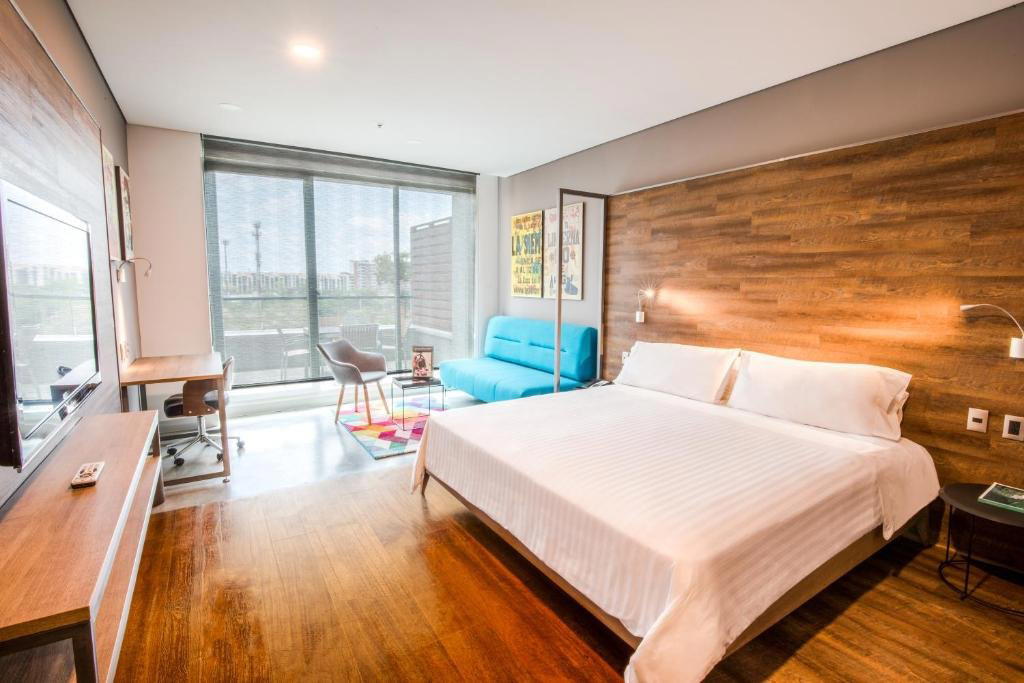
Bright, open-air garden setting with natural light, green surroundings, and warm hospitality; described as embracing and welcoming with nature-inspired design details.