Flora occupies a Chapinero address on Cra. 5 in Bogotá, positioning itself within the city's most active corridor for considered, ingredient-led dining. Relative to the tasting-menu houses that have defined Bogotá's modern reputation, Flora operates in a register where the menu structure itself carries the editorial argument. For diners tracing the evolution of Colombian cooking, it belongs on the same itinerary as El Chato and Leo.
Pearl is the En Primeur Club membership app — saves, bookings, and concierge access live there. Same editors, same standards.
- Address
- Cra. 5 #58 - 45, Chapinero, Bogotá, Cundinamarca, Colombia
- Phone
- +573132897359
- Website
- florachapinero.com
- Directions
- Get directions
 Saves & bookings on Pearl
Chapinero's Dining Register and Where Flora Sits Within It
Bogotá's most consequential restaurant shift over the past decade has not been a single chef or a single opening, it has been the gradual migration of serious cooking from the north of the city toward Chapinero. The neighbourhood, long known for its density of bars and creative businesses, now hosts a tier of restaurants whose menus read less like service documents and more like editorial positions on Colombian produce. Flora, a restaurant in Bogotá, sits at Cra. 5 #58 - 45 in Chapinero and is known for Handmade Italian Pasta with Colombian Influences. Its address alone places it in conversation with a cluster of restaurants where the choice of what to serve, and in what order, is itself the statement the kitchen is making.
That context matters because Bogotá's dining scene has fractured in useful ways. At one end, large-format institutions like Harry Sasson in Bogotá continue to command loyalty through scale, consistency, and decades of operation. At the other end, newer tasting-menu formats, exemplified by El Chato (Modern Colombian) and Leo (Modern Colombian), have drawn international attention by treating Colombian biodiversity as a serious culinary argument. Flora occupies a middle register: more structured than a neighbourhood bistro, less ceremony-heavy than a full tasting counter. That placement is a deliberate editorial stance, not a compromise.
How the Menu Architecture Signals Intent
One revealing thing about any restaurant in Bogotá's current tier is not what it serves, it is how it organises what it serves. In a city where the debate between tasting-menu formalism and à la carte freedom is active and unresolved, a kitchen's structural choices communicate its theory of hospitality. A long, linear tasting sequence tells one story: the chef controls the pace and the reader follows. A shorter, more flexible format tells another: the guest is trusted to assemble their own logic from available components.
Flora's menu architecture sits in the latter tradition. This approach has parallels in how kitchens as different as Lazy Bear in San Francisco and Le Bernardin in New York City handle the tension between authorial control and guest agency, though the Colombian context introduces a different set of variables: altitude, Andean produce, and a national cuisine that is still being codified in real time.
What this structure does, practically, is make the meal feel collaborative rather than instructive. Chapinero's dining audience, which skews younger, more internationally informed, and more interested in the reasoning behind a dish than in its prestige signals, responds to that register. The menu becomes a conversation starter rather than a decree.
Flora Within Bogotá's Ingredient-Led Tier
Positioning Flora against its immediate comparable set is more useful than describing it in isolation. Afluente and Abasto Quinta Camacho both operate in Bogotá's considered-dining tier with different approaches to sourcing and format. Debora Restaurante occupies a similar Chapinero register with its own take on how Colombian ingredients should be framed. Flora is not trying to out-technique its neighbours or win the sourcing argument through volume of named producers. Instead, it works through selection: fewer ingredients, more clearly stated, with the menu's architecture doing the work of explanation that lesser kitchens leave to the server.
That restraint connects it, philosophically if not geographically, to what is happening elsewhere in Colombia's dining conversation. Sevichería Guapi in Santiago De Cali makes a similar argument for Pacific coastal ingredients through focused, repetitive structure. Domingo in Cali approaches Colombian produce through a different formal lens. The thread connecting these kitchens is a shared conviction that the menu itself, its length, its groupings, its omissions, is where a restaurant's intelligence is most legibly expressed.
Tone, Setting, and the Chapinero Atmosphere
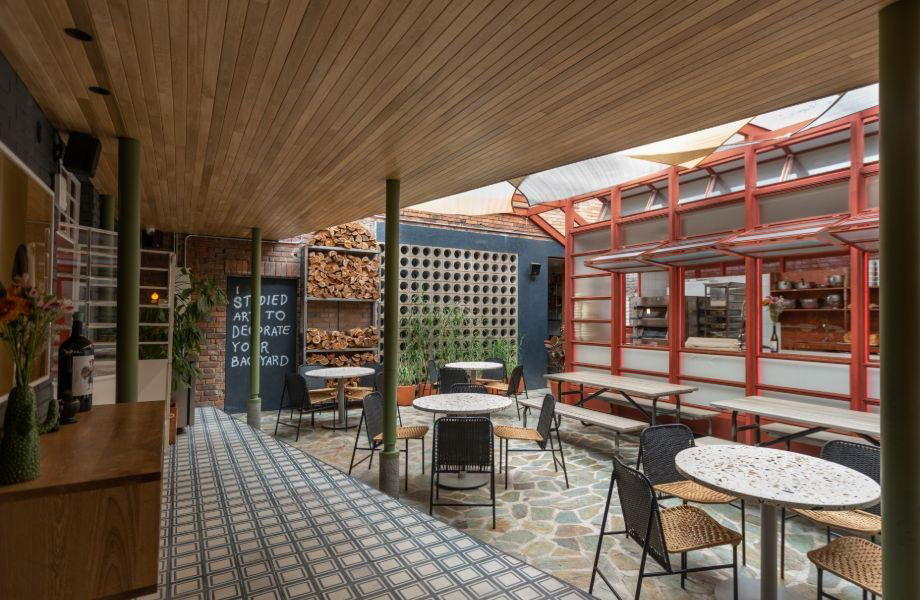
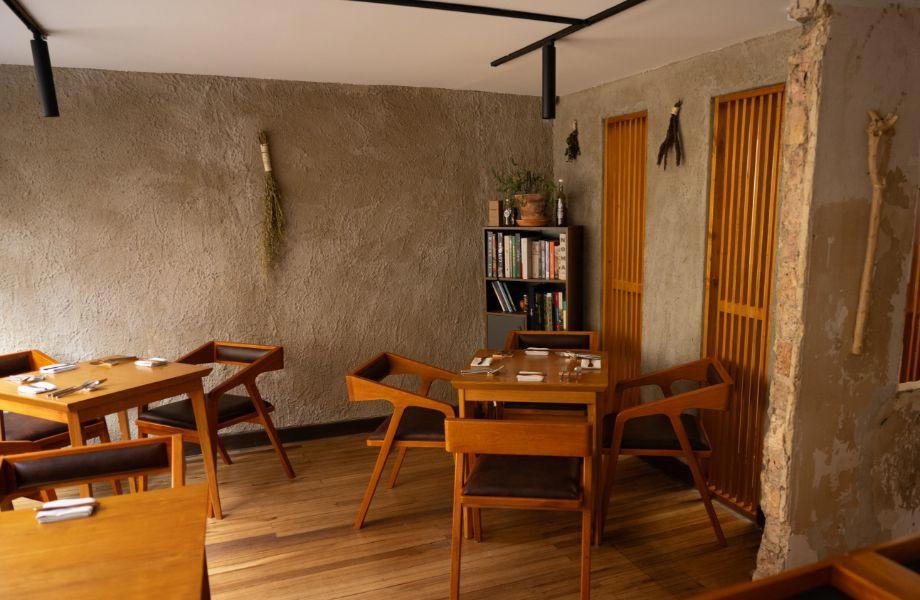
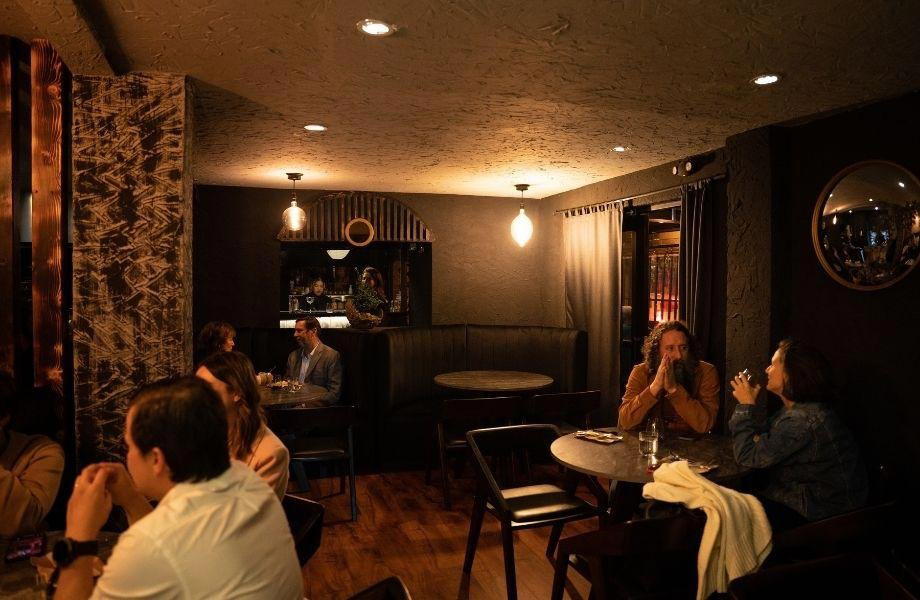
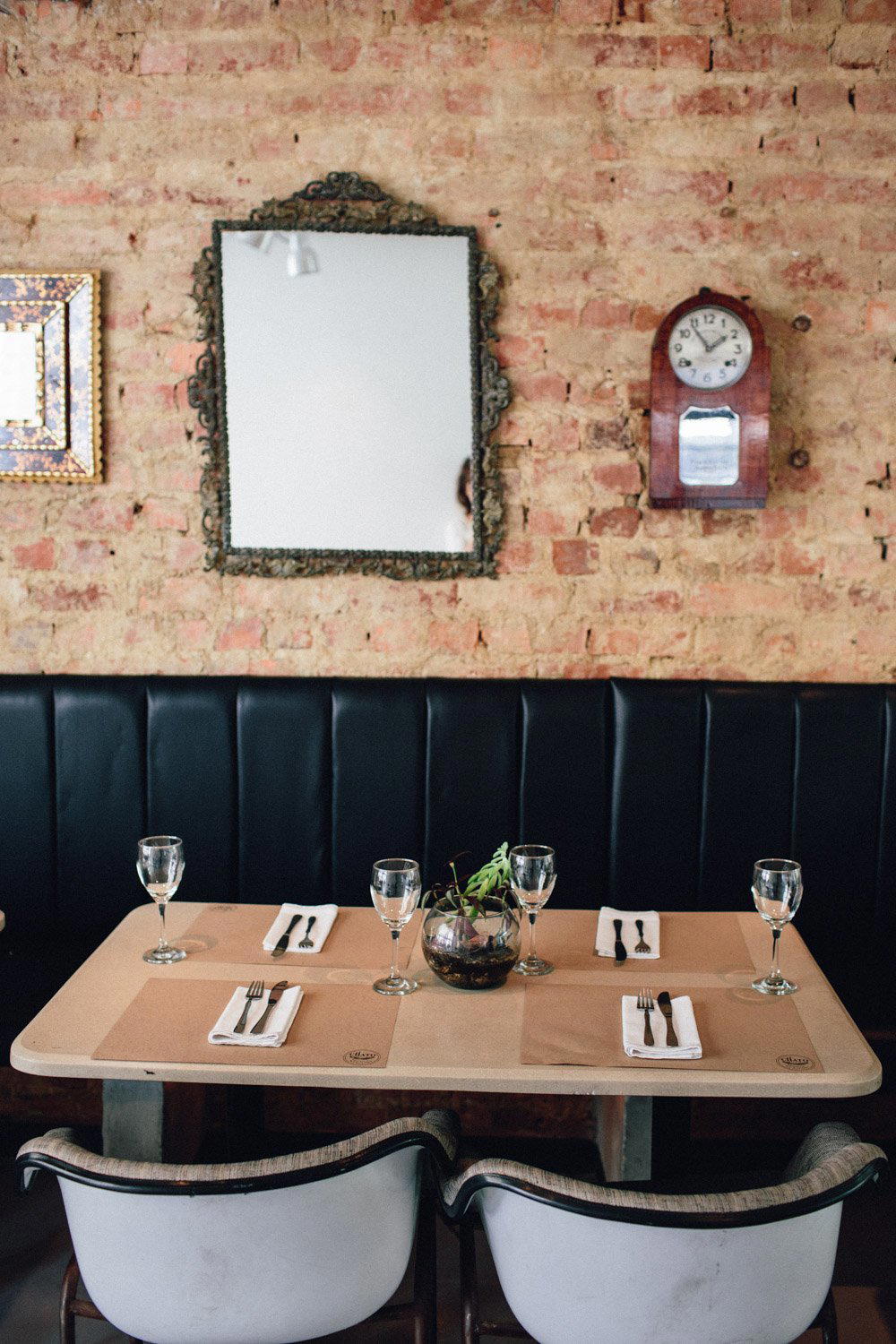
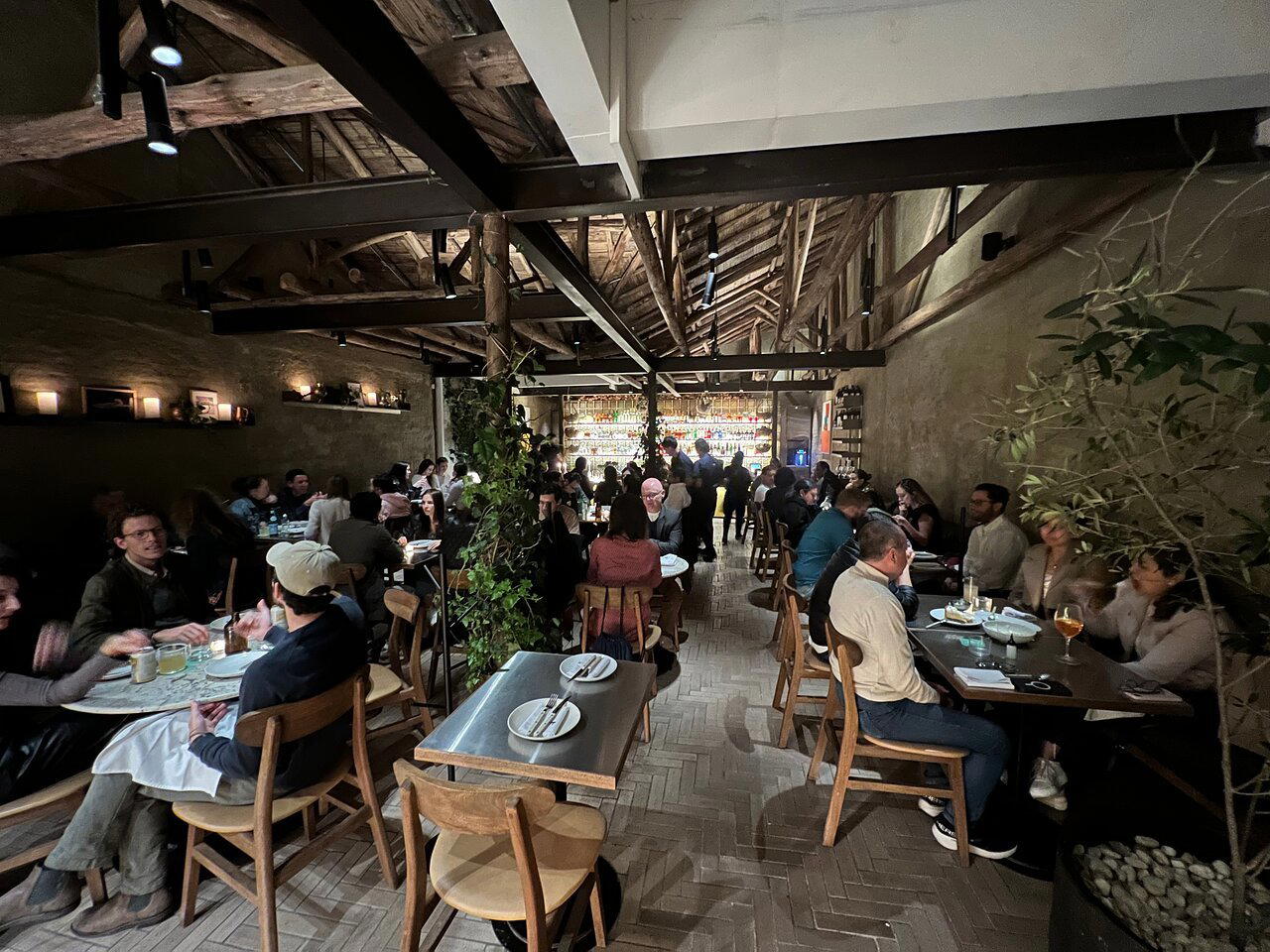
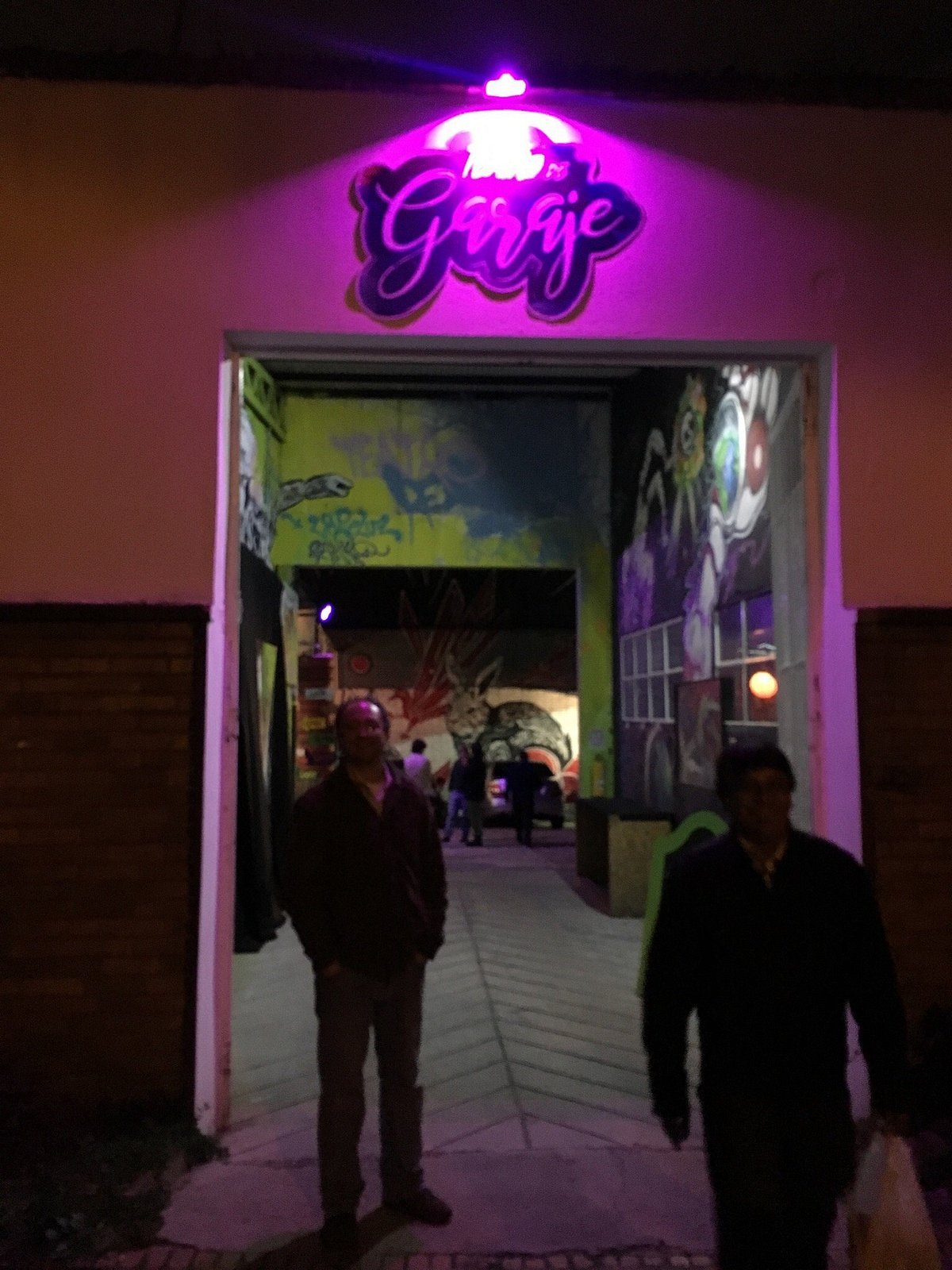
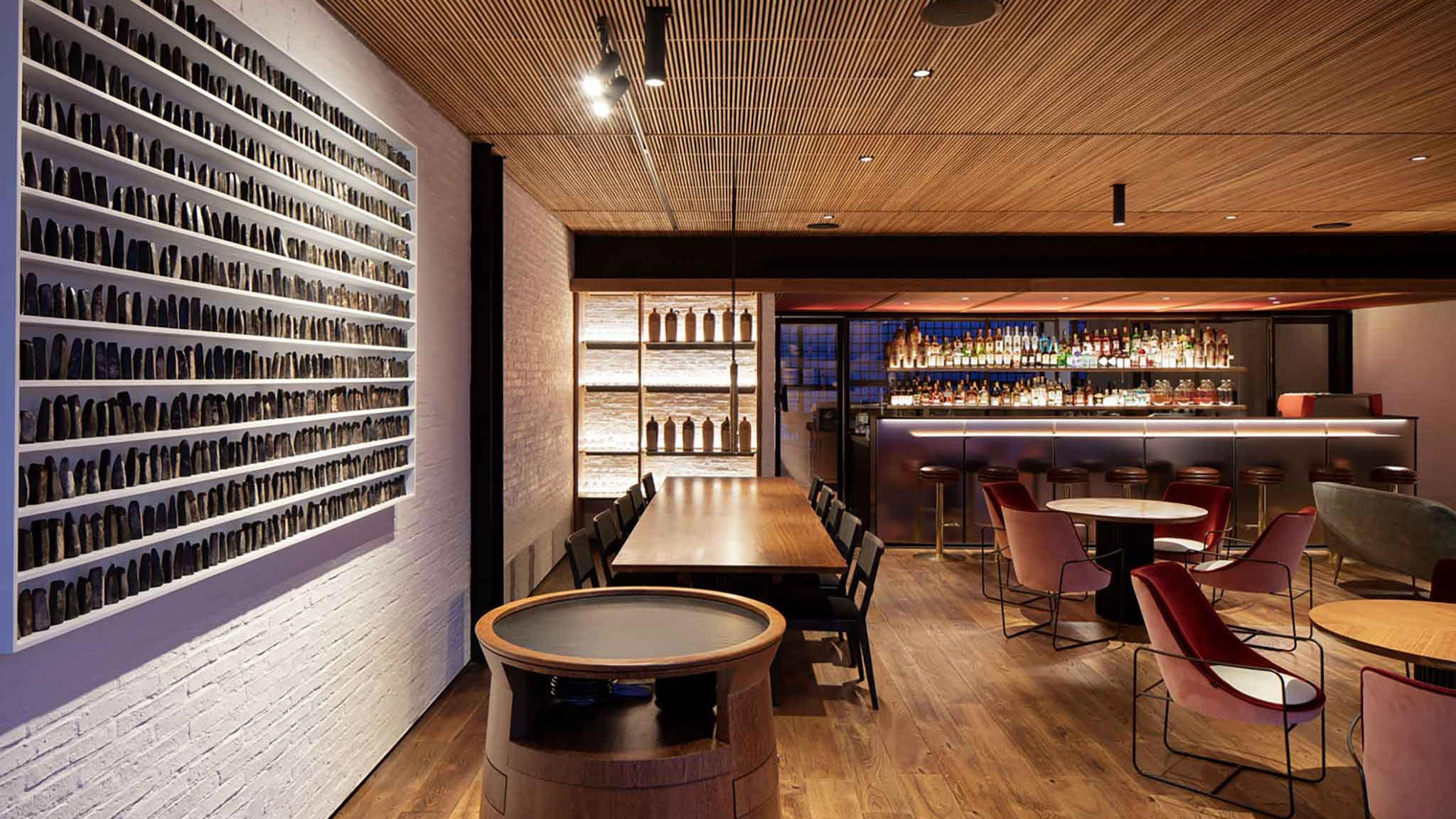
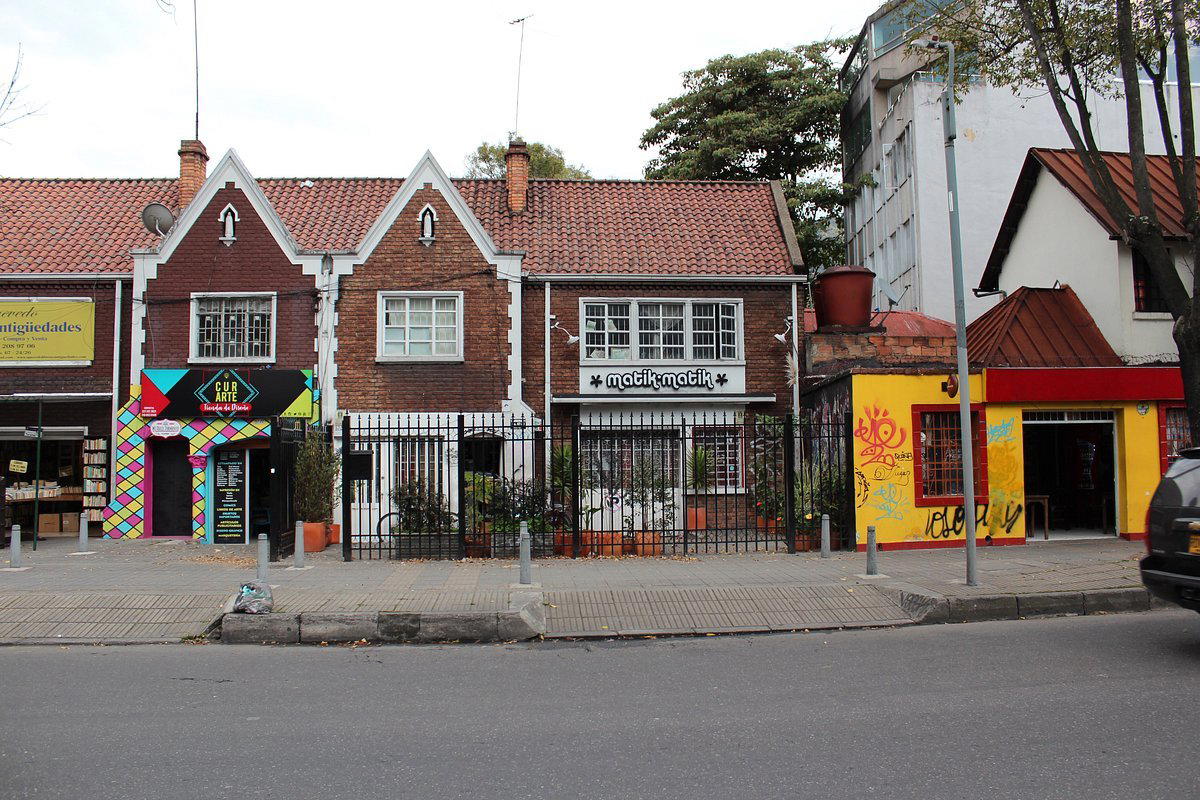
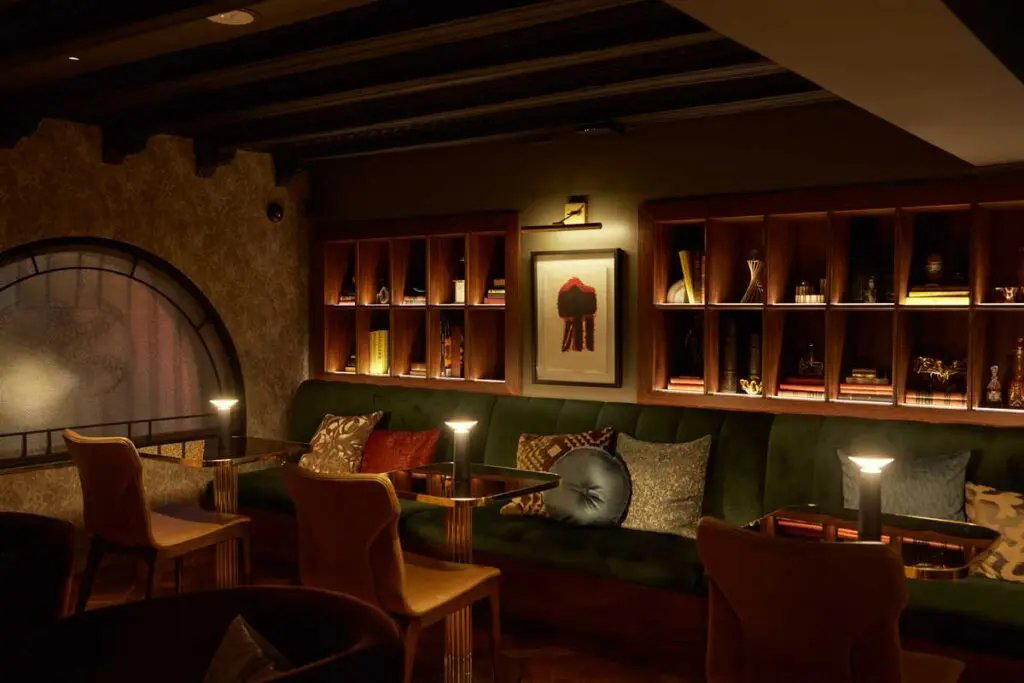
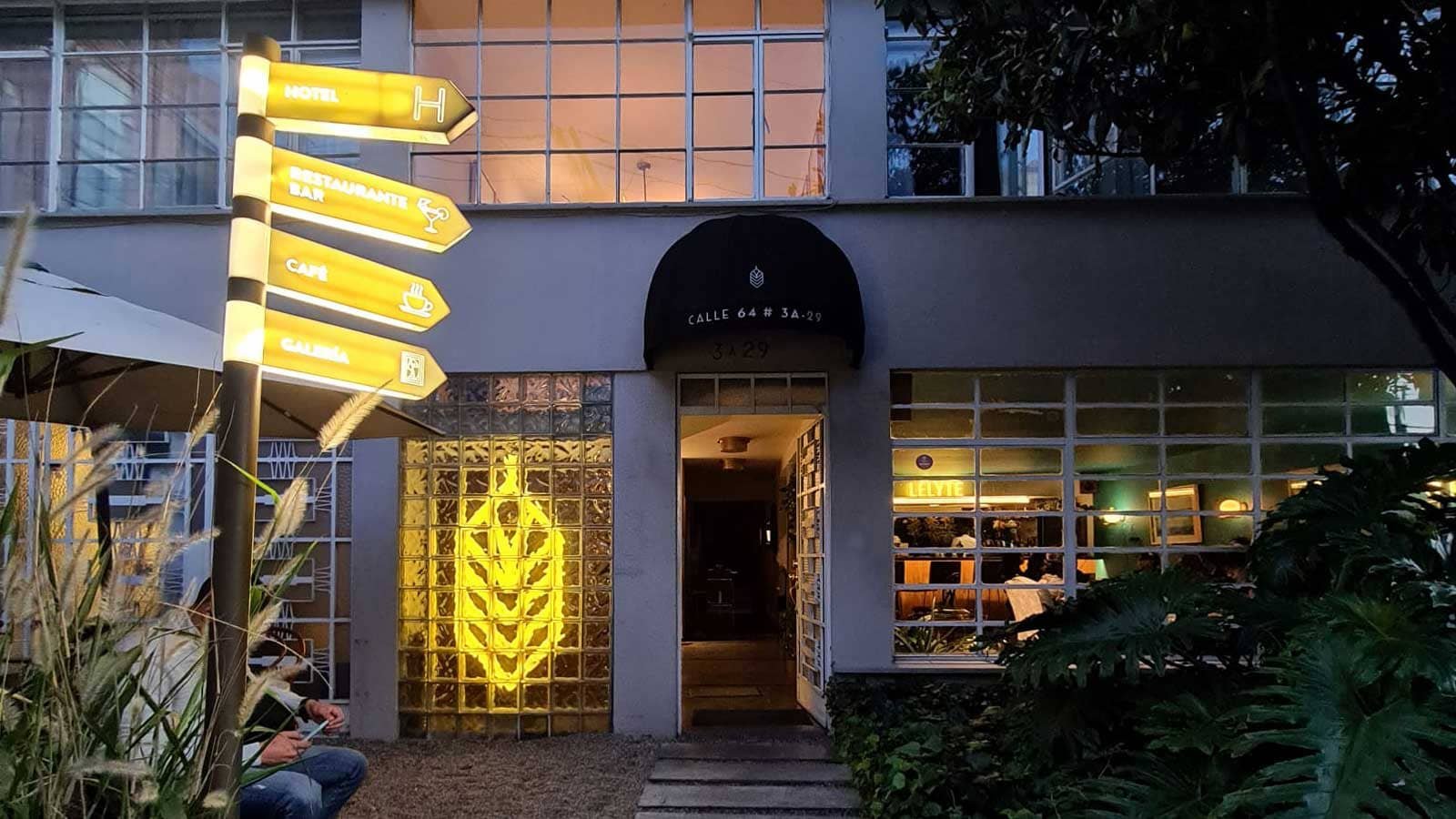
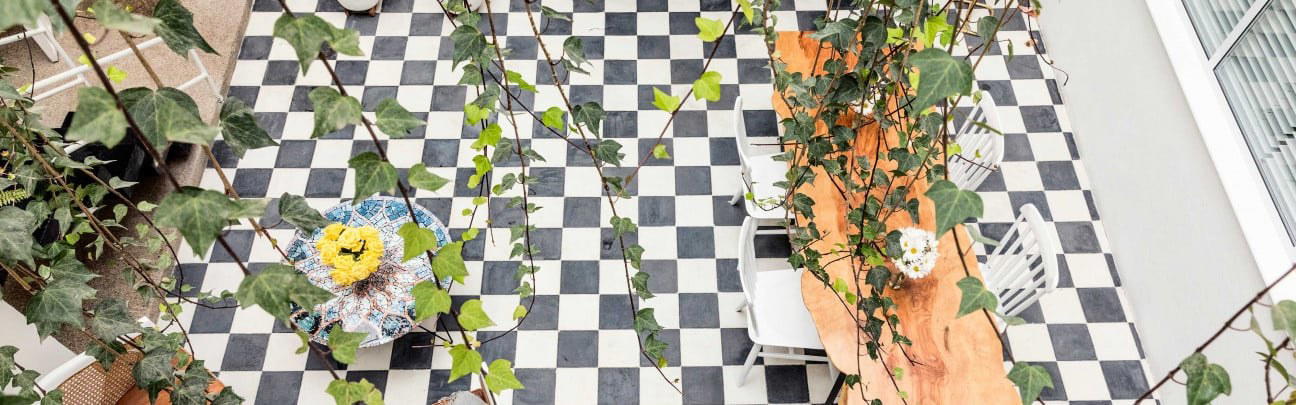
Approaching Flora on Cra. 5, the street signals its character through the mix of independent businesses and the particular density of foot traffic that Chapinero generates after dark. The building sits at an address that neighbours both residential blocks and the kind of small creative operations that give the area its working character. Inside, the expectation is a room that prioritises focus over display: not austere, but not operatically designed either. Chapinero restaurants in this tier tend to let the food carry the visual argument rather than investing heavily in set-dressing. The room, like the menu, is edited.
That tone extends to service. The Chapinero dining register generally favours staff who can explain a dish's reasoning without performing it. Flora fits that pattern. The conversation at the table is more likely to be about where an ingredient comes from and why it appears at this point in the meal than about the credentials of the person who cooked it. That shift in conversational focus, from the kitchen's biography to the plate's logic, is one of the more significant cultural developments in Bogotá's dining over recent years.
Planning a Visit: Practical Orientation
Flora is on Cra. 5 at 58-45 in Chapinero, a neighbourhood that is accessible by TransMilenio from central Bogotá and walkable from the northern Chapinero Alto area. The address puts it within range of other restaurants worth building an evening around: Flora is recommended for reservations, and the price point is about $35 per person.
For visitors constructing a broader Colombian dining itinerary, Flora sits on a logical route that might also include X.O. in Medellín for a contrast in how a different Colombian city handles the same ingredient-led brief, or El Boliche Ceviche in Cartagena and Donde Mama in Barranquilla for coastal counterpoints. The range across those cities illustrates how differently the national cuisine gets interpreted depending on altitude, coast, and available produce. Flora's Andean position is not incidental, it is the argument the kitchen is working from.
The Quick Read
Comparable venues nearby, for context on price, style, and recognition.
| Venue | Cuisine | Price |
|---|---|---|
| FloraThis venue — the venue you are viewing | Not listed | $$$ |
| Bistecca e Vino Da Trattoria de la Plaza | Emaus, Italian Steakhouse & Wine Bar | $$$ |
| Santa Maria | La Salle, Neapolitan Pizza | $$ |
| Contra Corriente | Ciudad Universitaria, Modern Colombian | $$$ |
| Café Amarti | Usaquen, Italian | $$ |
| Selma | Chapinero, Mediterranean Bistro | $$$ |
At a Glance
- Cozy
- Elegant
- Romantic
- Date Night
- Special Occasion
- Group Dining
- Casual Hangout
- Standalone
- Open Kitchen
- Extensive Wine List
- Craft Cocktails
- Local Sourcing
- Farm To Table
Current opening hours
- Monday
- 12–11 PM
- Tuesday
- 12–11 PM
- Wednesday
- 12–11 PM
- Thursday
- 12–11 PM
- Friday
- 12 PM–12 AM
- Saturday
- 12 PM–12 AM
- Sunday
- 12–9 PM
Hours can change for holidays and private events. Last verified .
Warm and inviting with a cozy, charming atmosphere that encourages relaxation and connection; described as beautiful neighborhood setting with thoughtful design.