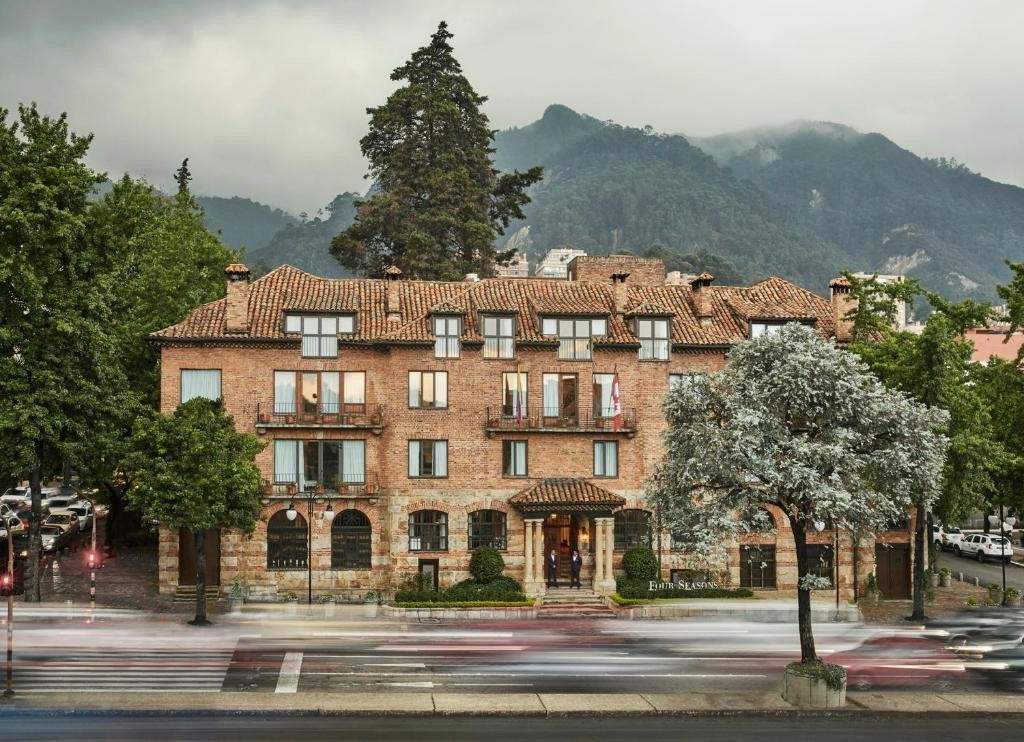
Casa Cubil occupies a residential address on Carrera 17 in Bogotá's mid-city grid, placing it within the city's growing circuit of neighbourhood-rooted dining. The draw here connects to a sourcing-first approach that reflects broader shifts in Colombian cooking, away from European mimicry and toward the country's extraordinary biodiversity. For visitors staying nearby at properties like the Four Seasons Hotel Casa Medina Bogota, it represents a different register of the city's food scene.
Pearl is the En Primeur Club membership app — saves, bookings, and concierge access live there. Same editors, same standards.
- Address
- Cra. 17 #39 - 13, Bogotá, Colombia
- Phone
- +57 17265484
- Directions
- Get directions
 Saves & bookings on Pearl
Where Bogotá's Ingredient Conversation Is Happening
Colombian cooking has spent the better part of two decades recalibrating. The shift away from Franco-continental templates toward something rooted in the country's own geography, its Amazonian river systems, high-altitude páramo ecosystems, and Pacific coastal producers, has produced a generation of restaurants defined less by technique borrowed from abroad and more by what arrives through the kitchen door each morning. Casa Cubil, addressed on Carrera 17 in Bogotá's mid-city fabric, sits inside that movement. The building's residential scale and neighbourhood setting signal something before you enter: this is not a hotel-district operation built for transient visitors.
Bogotá's dining scene now splits, fairly cleanly, between large-format international addresses clustered around Zona Rosa and the Andino corridor, properties like the Four Seasons Hotel Bogota and the JW Marriott Hotel Bogota, and smaller, neighbourhood-embedded operations where the sourcing story is the product. Casa Cubil belongs to the latter category, a growing cohort where the address is deliberate and the guest is expected to travel toward the food rather than find it in a lobby.
The Sourcing Logic Behind the Address
Colombia's agricultural geography is among the more compressed in the Western hemisphere. Within a few hundred kilometres of Bogotá, producers work across microclimates ranging from cold Andean highlands to humid lowland river valleys. That proximity makes farm-to-table a structural reality for Bogotá's committed kitchens rather than a marketing frame. The restaurants in this tier maintain direct relationships with producers, often small-scale farmers growing heirloom varieties of maize, potato, and cacao, because the supply chains simply cannot scale to serve high-volume operations. The selection pressure is, in effect, built into the model.
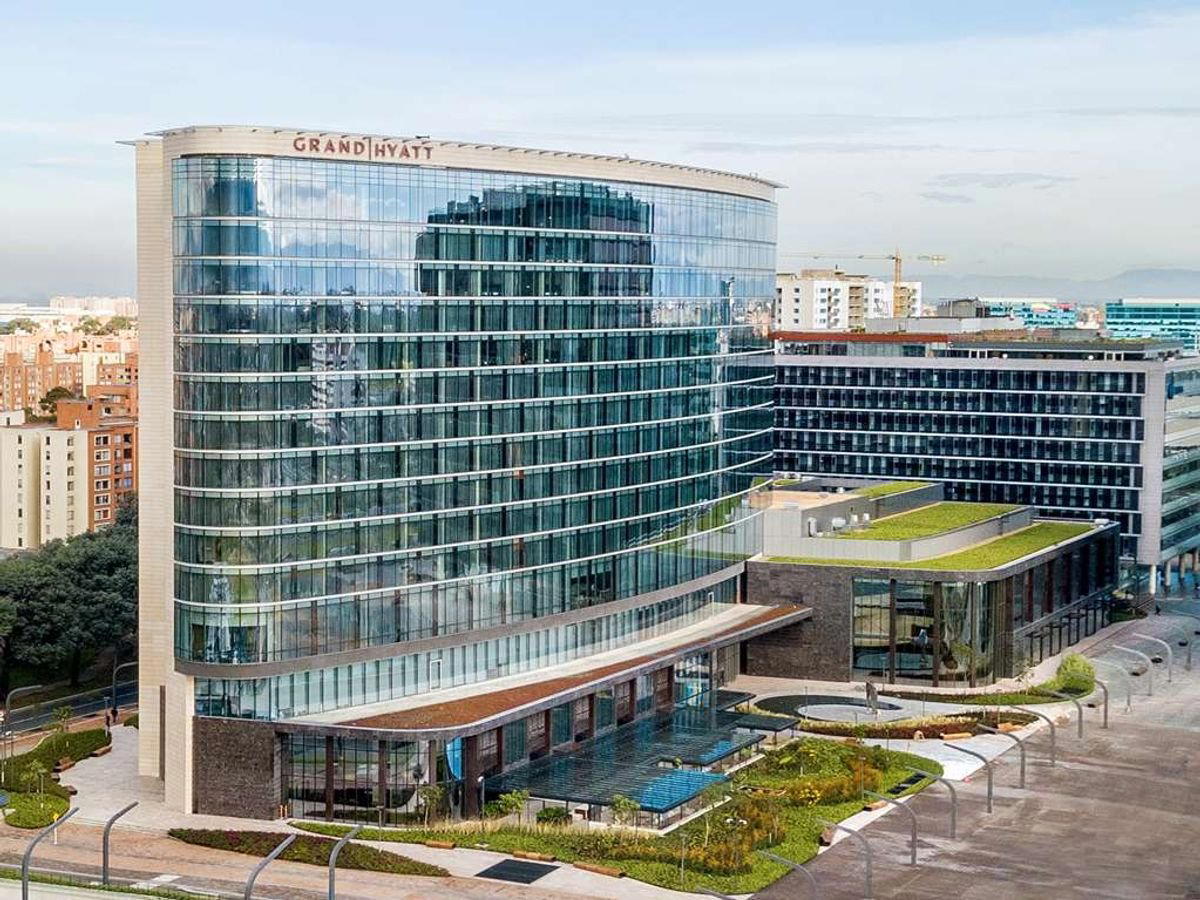
This matters for how to read Casa Cubil's positioning on Cra. 17 #39-13. Residential Bogotá addresses at this scale typically indicate low overhead relative to the Zona Rosa corridor, which in turn allows kitchens to spend proportionally more on ingredient sourcing without collapsing the margin. It is the same logic that operates in dining districts from Oaxaca City to Copenhagen's Nørrebro: get out of the expensive real estate belt, and the money goes into the plate. Visitors coming from hotels like the Sofitel Bogotá Victoria Regia or the Grand Hyatt Bogota will find the short taxi or app-car ride to this part of the city shifts the register considerably, quieter streets, fewer international chains, and a clientele that skews local.
Reading the Room: Atmosphere as Editorial Statement
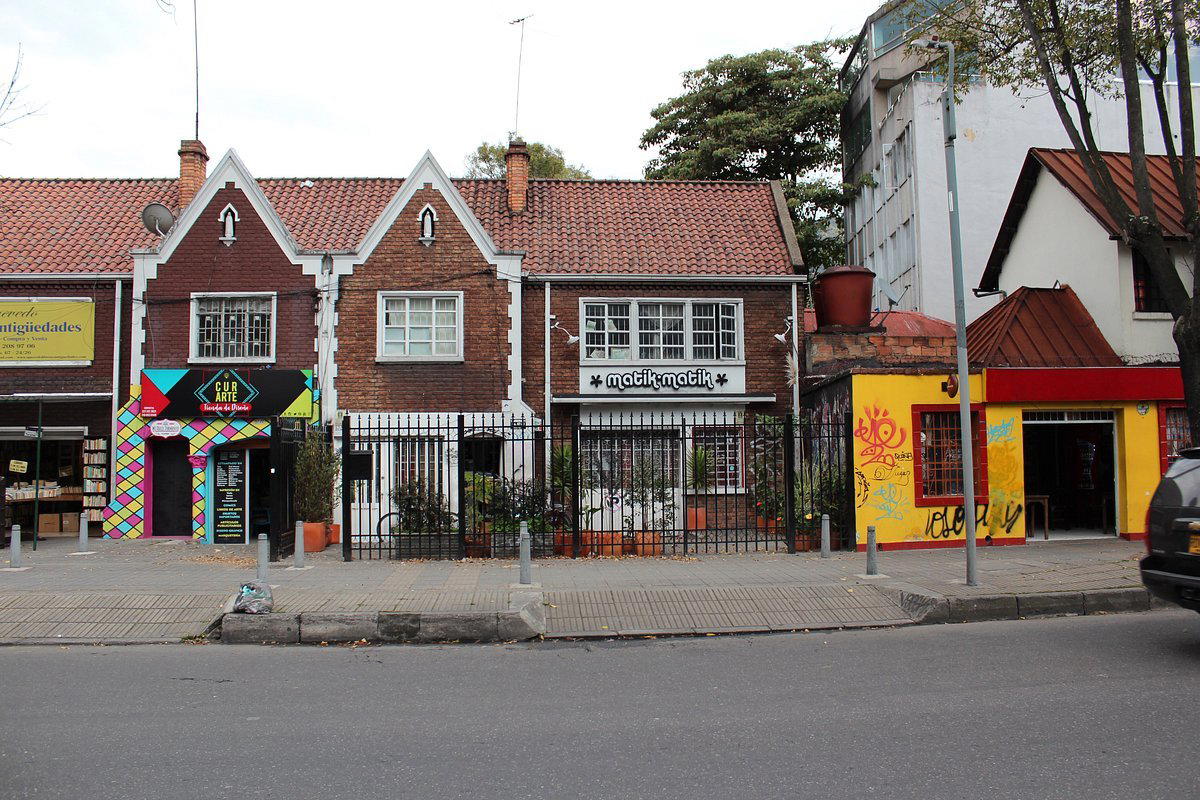
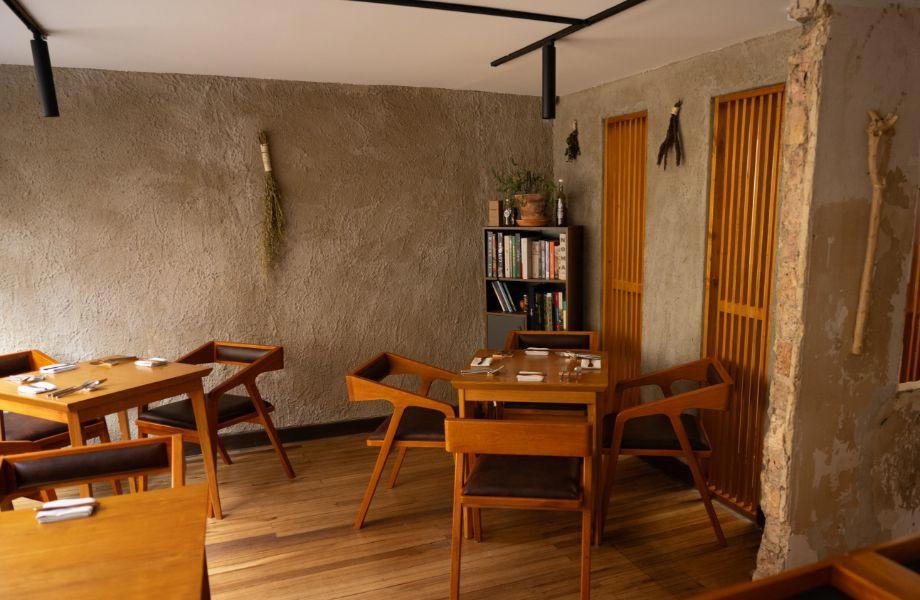
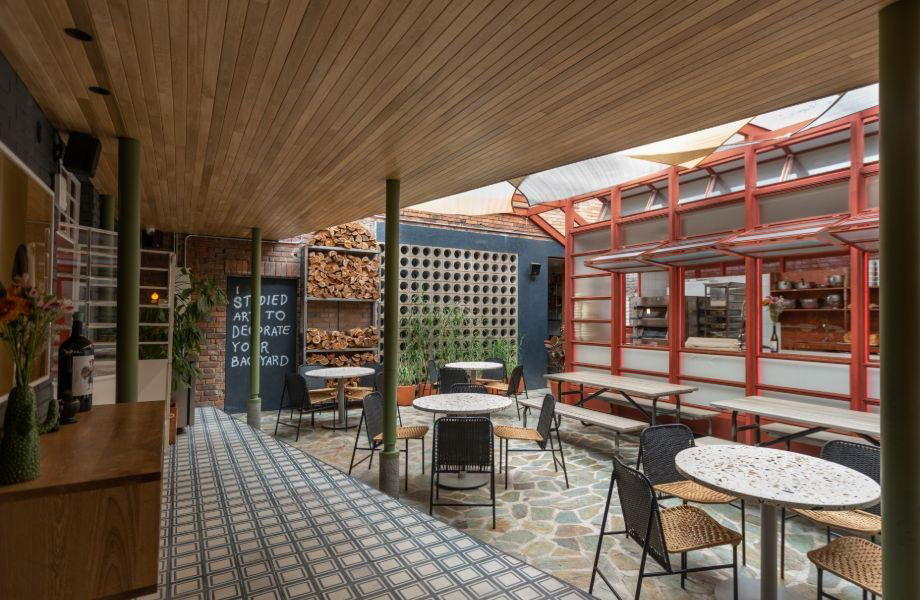
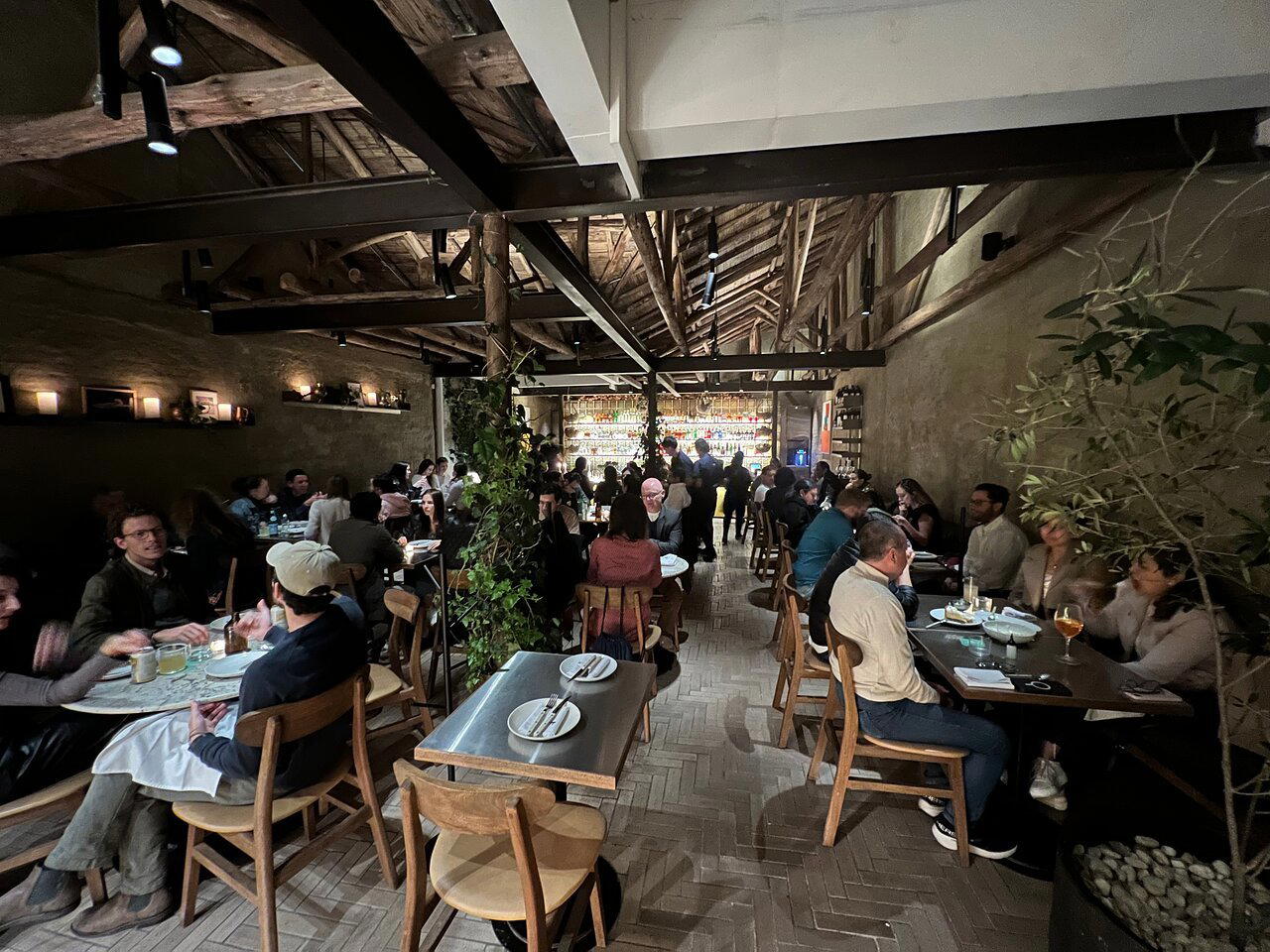
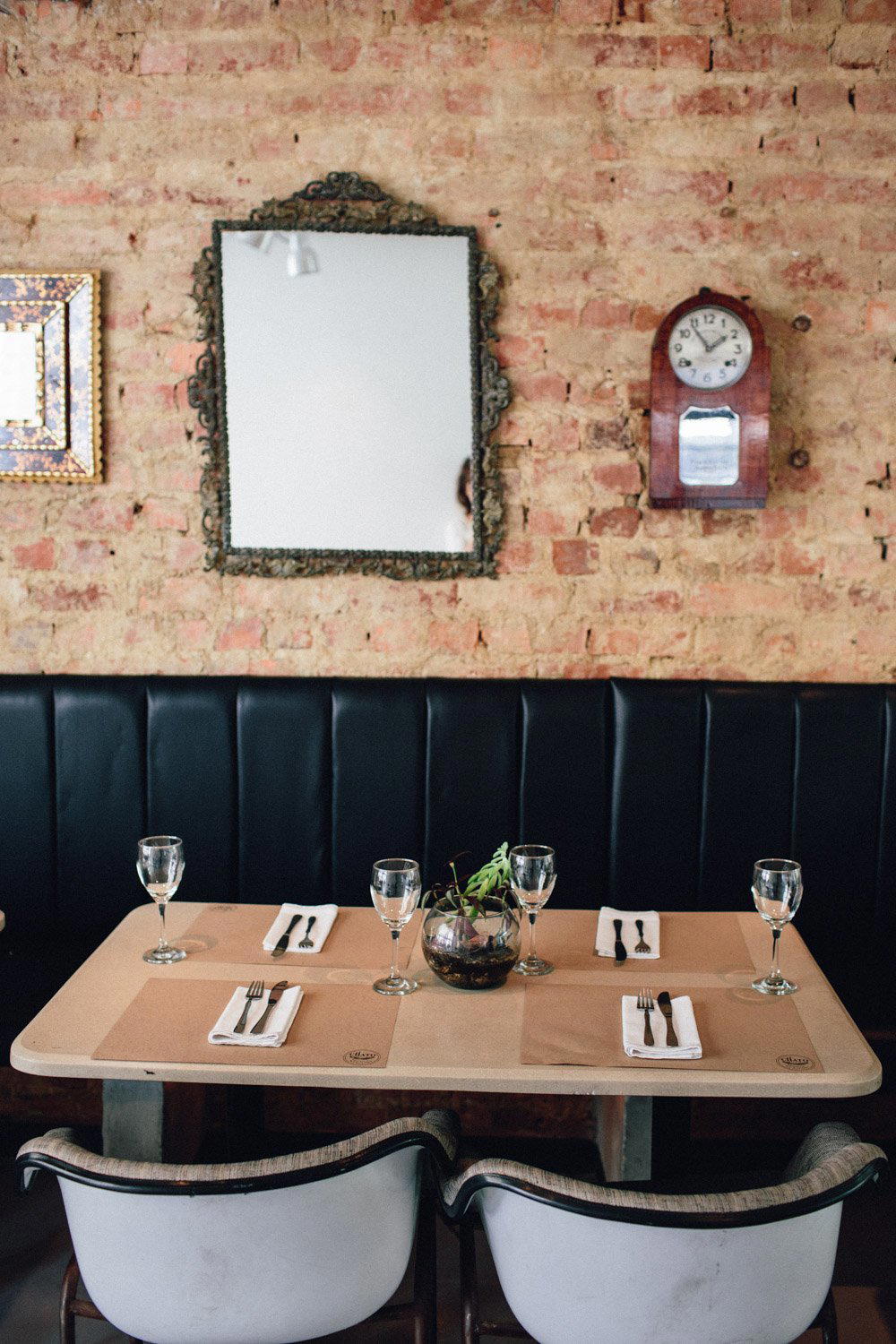
The approach along Carrera 17 in this section of Bogotá is mid-density residential, lower-slung than the glass towers of Chico or Usaquén, with the kind of mixed-use streetscape where a serious kitchen can operate without being surrounded entirely by other restaurants. That physical context is part of the experience. In cities where ingredient-led restaurants have come of age, think Mexico City's Roma Norte or Lima's Barranco, the neighbourhood character tends to reinforce the dining proposition: you are in a place where people live, not just where people visit.
For travellers staying at the Four Seasons Hotel Casa Medina Bogota or the Hotel de la Opera, the hotel represents a deliberate excursion rather than a convenient hotel-adjacent booking. That friction is, in most cases, a reliable quality signal in Bogotá's current dining context. The restaurants that require the effort to reach are often among the city's more considered kitchens.
Colombia's Broader Dining Moment
To place the hotel accurately, it helps to understand what Colombian cooking is doing at a national level right now. Medellín operations like Elcielo Hotel and Restaurant have demonstrated that Colombian hospitality can operate at an internationally recognised tier. In Bogotá, that ambition has fragmented across dozens of smaller addresses with fewer keys and more focused formats. The city's culinary credibility no longer rests on a single flagship or a single neighbourhood, it distributes across zones, price points, and sourcing philosophies.
The country's biodiversity underpins all of it. Colombia holds more plant species per square kilometre than almost any other country on the planet, and that botanical density translates, for serious kitchens, into an ingredient palette with no real equivalent elsewhere in South America. Restaurants working with Amazonian river fish, Andean purple potatoes, and Pacific coastal ferments are drawing on a living archive that most European or North American kitchens can only approximate through imports. For visitors exploring Colombia beyond Bogotá, properties like Four Seasons Hotel and Residences Cartagena, Hilton Santa Marta, and Hotel el Prado in Barranquilla offer access to distinct regional ingredient traditions that feed back into what Bogotá's sourcing-conscious restaurants are doing.
Planning a Visit
The hotel sits at Cra. 17 #39-13 in Bogotá. One reliable approach is direct contact through in-person enquiry or through your hotel concierge, staff at the B.O.G. Hotel and the Hotel Casa Legado tend to maintain current working relationships with neighbourhood restaurants in this tier. For visitors whose itineraries extend beyond Bogotá, the coffee-region properties, including Bio Habitat Hotel, AKEN Soul in Quindio and Bio Habitat Hotel in Armenia, offer a comparable ethos of place-rooted hospitality that makes the sourcing story legible across the trip as a whole.
Travellers extending into the Antioquia region might also consider Cannúa Lodge in Marinilla or BOSKO HOTEL in Guatapé as anchors for understanding how Colombia's landscape-rooted hospitality operates at smaller scale outside the capital. For those whose travel extends to Cali, Hotel Spiwak provides a comparable mid-size city hospitality reference. And for Hotel boutique y restaurante vegetal Casa Lėlytė in Bogotá itself, the plant-forward dining model offers a useful point of comparison with the kind of sourcing-conscious approach that defines the hotel's register.
Where It Fits
Comparable venues nearby, for context on price, style, and recognition.
| Venue | Cuisine | Price | Awards | Notes |
|---|---|---|---|---|
| Casa CubilThis venue — the venue you are viewing | Restored 1940s colonial home with design-forward positioning | $ | Not listed | Not listed |
| Hotel boutique y restaurante vegetal Casa Lėlytė | Charming 1950s boutique with vintage-modern fusion. | $$$ | Not listed | Maria Cristina |
| Hotel de la Opera | Colonial and Republican heritage hotel with Art Deco accents, restored to preserve historical aesthetics while providing modern comfort. | $$$ | 4-Star | Centro Administrativo |
| The Click Clack Hotel Bogotá | Playful urban boutique with vertical gardens and art installations | $$$ | 4-Star | Chico Norte |
| B.O.G. Hotel | Contemporary urban luxury with local Colombian artwork. | $$$$ | 5-Star | La Cabrera |
| Four Seasons Hotel Casa Medina Bogota | Colonial heritage luxury hotel with residential comfort | $$$$ | 5-Star | Emaus |
Continue exploring
More in Bogotá
Hotels in Bogotá
Browse all →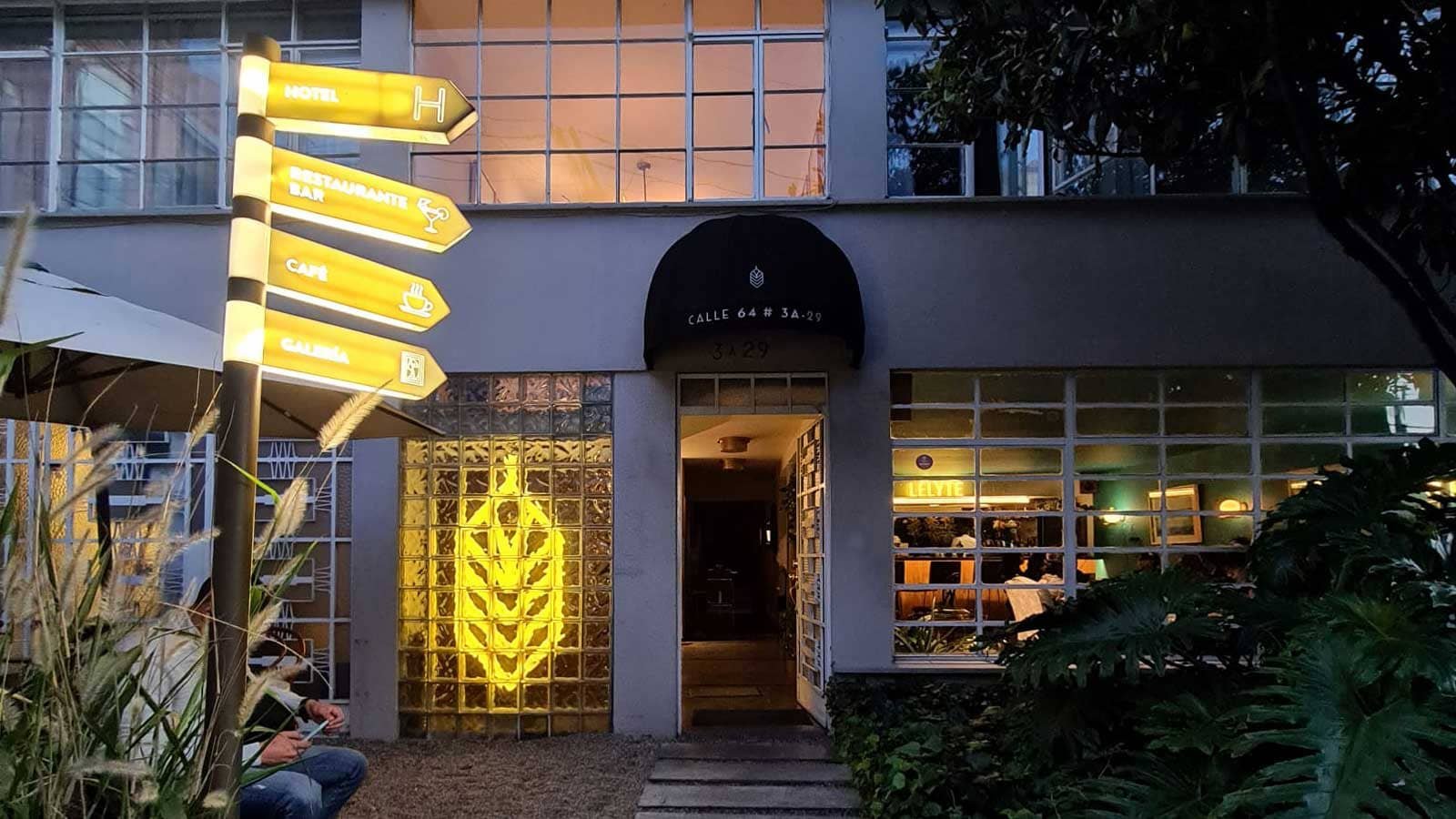
Bars in Bogotá
Browse all →
Restaurants in Bogotá
Browse all →
At a Glance
- Modern
- Cozy
- Trendy
- Weekend Escape
- Historic Building
- Garden
- Wi Fi
- Airport Transfer
- Housekeeping
- Street Scene
- Wi Fi
- Airport Transfer
- Housekeeping
Comfortable and stylish atmosphere emphasizing privacy and thoughtful decor in a historic setting.