

World's 50 Best #85 · Star Wine List
Our verdict
Debora Restaurante in Bogotá's Chapinero neighbourhood structures its tasting menu around the city's seven distinct zones, using seasonal Colombian produce to anchor each course in a specific geography and tradition. Chef Jacobo Bonilla's approach earned the restaurant a place on the Latin America's 50 Best extended list and a White Star from Star Wine List. For visitors arriving between January and March, Debora represents one of Bogotá's more considered formal dining options.

Pearl is the En Primeur Club membership app, where members save venues, book tables and use the concierge.
The menu
What to order
- Chipi Chipi
- Morcilla
- Chorizo
- Lengua
- Lamb
Seven Zones, One Table: How Bogotá's Geography Becomes a Meal
Chapinero is the neighbourhood where Bogotá's creative class has quietly concentrated for years: independent galleries, wine bars, and a cluster of restaurants that take the city's culinary ambitions seriously without the self-consciousness of the more polished Zona Rosa corridors nearby. On Calle 69, the building that holds Debora Restaurante is unassuming from the street, the kind of address you approach on foot rather than by landmark. What happens inside follows the logic of the neighbourhood: considered, specific, and structured around a clear idea rather than spectacle.
That idea is the tasting menu as cartographic document. Bogotá is not a monolithic city in culinary terms. Its seven administrative zones carry different altitudes, microclimates, and food traditions, and Debora's kitchen, led by Chef Jacobo Bonilla, builds its menu as a movement through those zones. The structure gives each course a geographic anchor, which changes how a diner receives the food. You are not simply eating a sequence of dishes; you are tracking an argument about what the city contains and how its diversity composes into something coherent at the table.
The Architecture of the Meal
Tasting menus in Latin America's more ambitious restaurants have moved well past the European template of simply adding more courses. The form has been adapted to hold local identity, and in Bogotá specifically, it has become a tool for making legible what Colombian cooking has always been: regionally plural, seasonal by necessity, and deeply tied to landscape and altitude. Debora sits squarely in this current. The seven-zone structure is not a conceptual overlay applied for presentation purposes; it is the functional logic of how the kitchen sources and sequences.
Bonilla's sourcing emphasis on local, fresh, and seasonal products is consistent with the approach taken by several of Bogotá's most-discussed contemporary Colombian restaurants, including El Chato and Leo, both of which use Colombian geography as a creative frame. Where those restaurants have built extended international reputations over many years, Debora's appearance on the Latin America's 50 Best extended list in a shorter window signals that the format is landing with the right audiences. Recognition at that level, which tracks across the continent and feeds into how international visitors and regional food media allocate attention, places Debora in a competitive tier that extends well beyond Chapinero's local dining scene.
Ritual and Pacing at the Table
The dining ritual at a restaurant structured around a cartographic tasting menu carries its own etiquette. Pace is not something to negotiate with; it is set by the kitchen's logic. Each zone arrives when the kitchen determines it should, and the progression from one to the next is the meal's narrative. Diners who treat this format well come prepared to follow rather than direct: to receive the explanations of each course as genuinely useful context rather than unnecessary ceremony, and to allow the pauses between courses to do their work.
This is a meal that rewards attention. The seasonal variability in sourcing means that the version you experience in January or February, when Bogotá's visitor numbers are higher and the city's produce markets are restocked after the end-of-year period, will not be identical to the menu that ran three months earlier. Returning visitors to Bogotá who treated Debora as a fixed reference point in a previous trip will find the kitchen has moved on. That is a feature, not an inconsistency, and understanding it as such is part of how this category of restaurant works.
For context on how Bogotá's tasting-menu format compares to the formal dining rituals of restaurants in other cities with similar ambitions, the parallel with Korean-rooted tasting counters in New York, such as Atomix, is instructive: both use a structured multi-course format to make cultural geography legible through food, though the Colombian version tends to read looser in service pacing and more varied in sourcing logic. The comparison is not about prestige equivalence but about how the format functions as an interpretive tool in different culinary cultures.
The Wine Program and its Recognition
Debora's Star Wine List White Star, published in April 2024, places the wine program in a bracket that warrants attention. Star Wine List's White Star designation is assigned to restaurants with wine programs that demonstrate coherent selection, appropriate breadth, and considered pairing logic, and it tracks independently of Michelin or 50 Best circuits. In Bogotá, where wine programs at contemporary restaurants have historically lagged behind the ambition of the kitchens, this kind of recognition is meaningful as a signal of where Debora has invested beyond the food itself.
Colombia does not produce wine at significant commercial volume, so the program by necessity draws from imports. How a Bogotá restaurant curates that import list, and whether it makes intelligent choices about pairings for Colombian produce and preparations, is where the real editorial question lies. The White Star suggests Debora has made that work count.
Debora in Bogotá's Broader Restaurant Map
Chapinero is not where Bogotá's most established formal dining addresses have traditionally concentrated. Restaurants such as Harry Sasson have anchored different parts of the city for decades. The movement of serious contemporary Colombian cooking into Chapinero reflects a broader shift in where the city's culinary energy is accumulating, and Debora is part of that pattern rather than an outlier within it.
Within the Chapinero and adjacent Bogotá scene, Debora's direct peer group includes Afluente, Casa Mamá Luz, and Gamberro, each taking different angles on Colombian produce and technique. Debora's distinguishing feature within that peer group is the structural discipline of the seven-zone concept, which gives the meal a legibility that more free-form contemporary Colombian menus sometimes lack.
Colombia's broader fine-dining circuit, for visitors who are building a country-wide itinerary, includes Carmen in Medellín, 1621 in Cartagena, Domingo in Cali, and Manuel in Barranquilla.
Planning Your Visit
Debora Restaurante is located at Calle 69 #4-80 in Chapinero, Bogotá. January through March represents the restaurant's peak-season window, when international visitors are most present and the kitchen is operating at full service intensity. Tasting-menu restaurants in this tier in Bogotá require advance reservations; confirming well ahead is advisable, particularly for weekend evenings during those months. The format, a structured tasting menu tracking Colombian geography, is not suited to diners looking for an à la carte experience or a quick meal. Plan for an extended sitting and treat it accordingly. For broader planning across the city, our full Bogotá restaurants guide, hotels guide, bars guide, wineries guide, and experiences guide cover the full picture.
Frequently asked questions
Is Debora Restaurante a family-friendly restaurant?
Debora is structured around a multi-course tasting menu that rewards sustained attention to each course, a format that does not work well for young children. It sits in Bogotá's contemporary fine-dining tier, recognised on the Latin America's 50 Best extended list, and is suited to adults or older teenagers who can engage with a structured meal.
What's the vibe at Debora Restaurante?
The room operates at a considered, unhurried pace shaped by the seven-zone tasting menu format: each course corresponds to a distinct geographic zone of Bogotá, which gives conversation a natural through-line. Chapinero's independent, creative-quarter character carries into the dining room, less formal than Bogotá's traditional fine-dining addresses, more focused than a social restaurant. The wine program holds a White Star from Star Wine List, published April 2024, which signals a list curated for the menu rather than assembled for volume.
What awards or recognition does Debora Restaurante have?
Debora Restaurante has received recognition including: Debora is a restaurant in Bogotá, Colombia. It was published on Star Wine List on April 4, 2024 and is a White Star.; Debora is a contemporary Colombian restaurant in Bogotá's Chapinero neighborhood, known for its tasting menu that explores….
What's the must-try dish at Debora Restaurante?
The tasting menu in full is the only coherent way to eat at Debora. Chef Jacobo Bonilla builds the sequence around local, seasonal Colombian produce, meaning individual dishes rotate with availability. Ordering à la carte, if available, would fragment the cartographic narrative the menu is designed to deliver across all seven zones.
Where exactly is Debora Restaurante?
Debora Restaurante is located at Cl. 69 #4-80, Chapinero, Bogotá, Cundinamarca, Colombia, Bogota.
Style and Standing
| Venue | Cuisine | Price | Awards | Notes |
|---|---|---|---|---|
| Debora RestauranteThis venue (the venue you are viewing) | Modern Colombian | $50–100 | World's 50 Best #85 · Star Wine List | Not listed |
| El Chato | Contemporary Colombian | $30–50 | World's 50 Best #54 · La Liste Top Restaurants | Modern Colombian |
| Leo | Modern Colombian Fine Dining | $200–300 | World's 50 Best #76 · La Liste Top Restaurants | Modern Colombian |
| Afluente | Modern Colombian Páramos-Inspired Fine Dining | $30–50 | World's 50 Best #34 · The Best Chef One Knife | Not listed |
| Casa Mamá Luz | Authentic Colombian Caribbean | $20–30 | The Best Chef One Knife | Not listed |
| Humo Negro | Modern Japanese Izakaya with Colombian Fusion | $50–100 | World's 50 Best #41 · The Best Chef One Knife | Not listed |
Recognition history
Dated appearances from independent guides and award organizations, with the underlying list record or original source where available.
World's 50 Best Latin America's Best Restaurants #85
World's 50 Best
Star Wine List
Star Wine List
Continue exploring
More in Bogotá
Restaurants in Bogotá
All restaurants in Bogotá →
Bars in Bogotá
All bars in Bogotá →
Debora Restaurante
The wine
- Wine program
- Deep wine list
- Extensive wine list
Details
- Elegant
- Sophisticated
- Modern
- Intimate
- Date Night
- Special Occasion
- Business Dinner
- Open Kitchen
- Extensive Wine List
- Local Sourcing
- Tasting Menu
- A La Carte
- Wine
- Cocktails
- Vegetarian Friendly
Current opening hours
- Monday
- 6:30–10 PM
- Tuesday
- 6:30–10 PM
- Wednesday
- 6:30–10 PM
- Thursday
- 12–4 PM, 6:30–10 PM
- Friday
- 12–4 PM, 6:30–10 PM
- Saturday
- 12–4 PM, 6:30–10 PM
- Sunday
- Closed
Hours can change for holidays and private events. Hours as of .
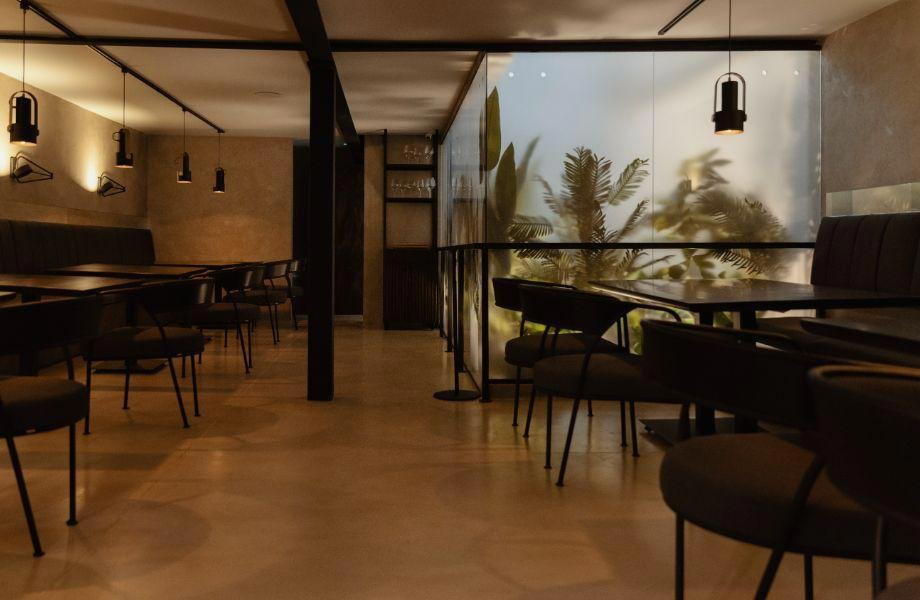
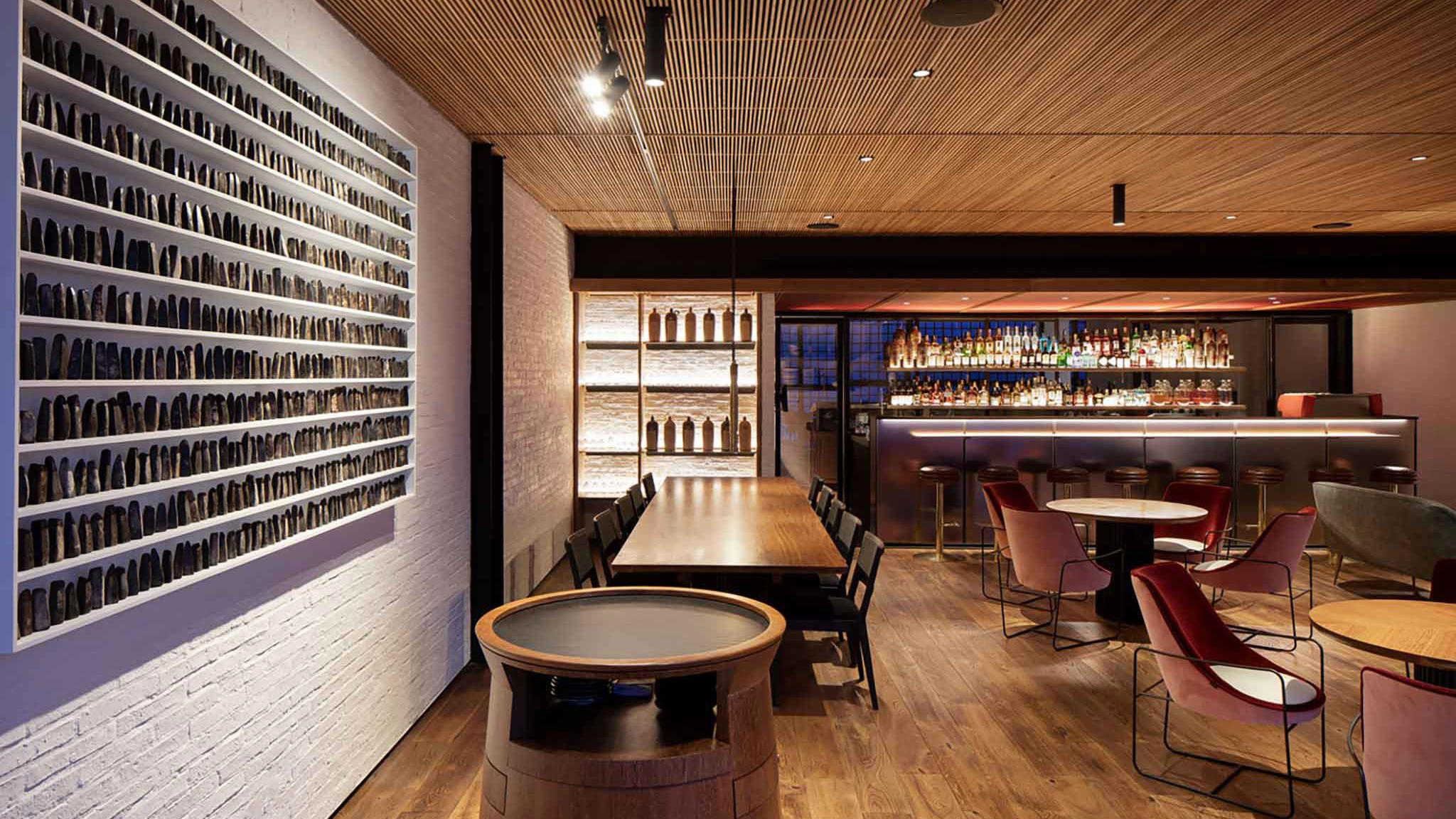
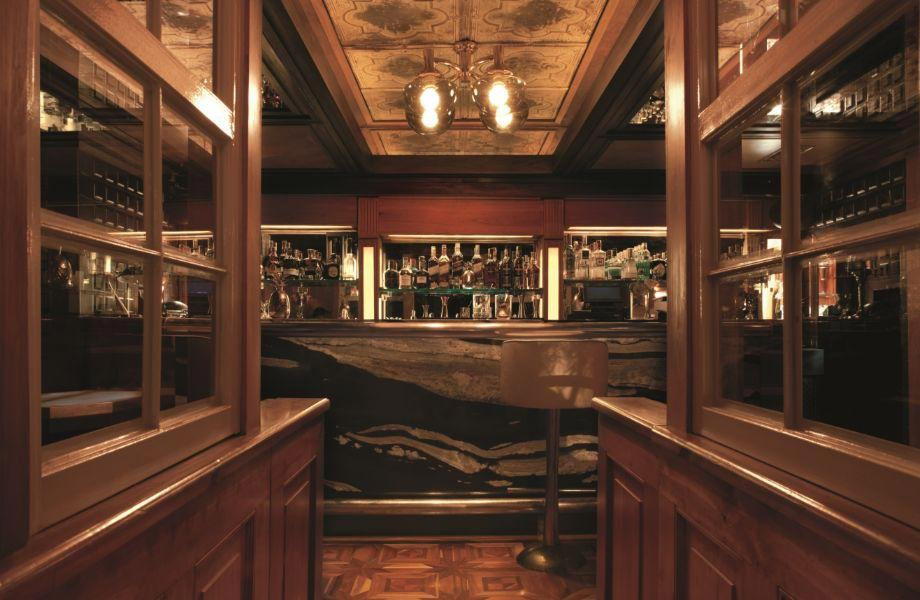
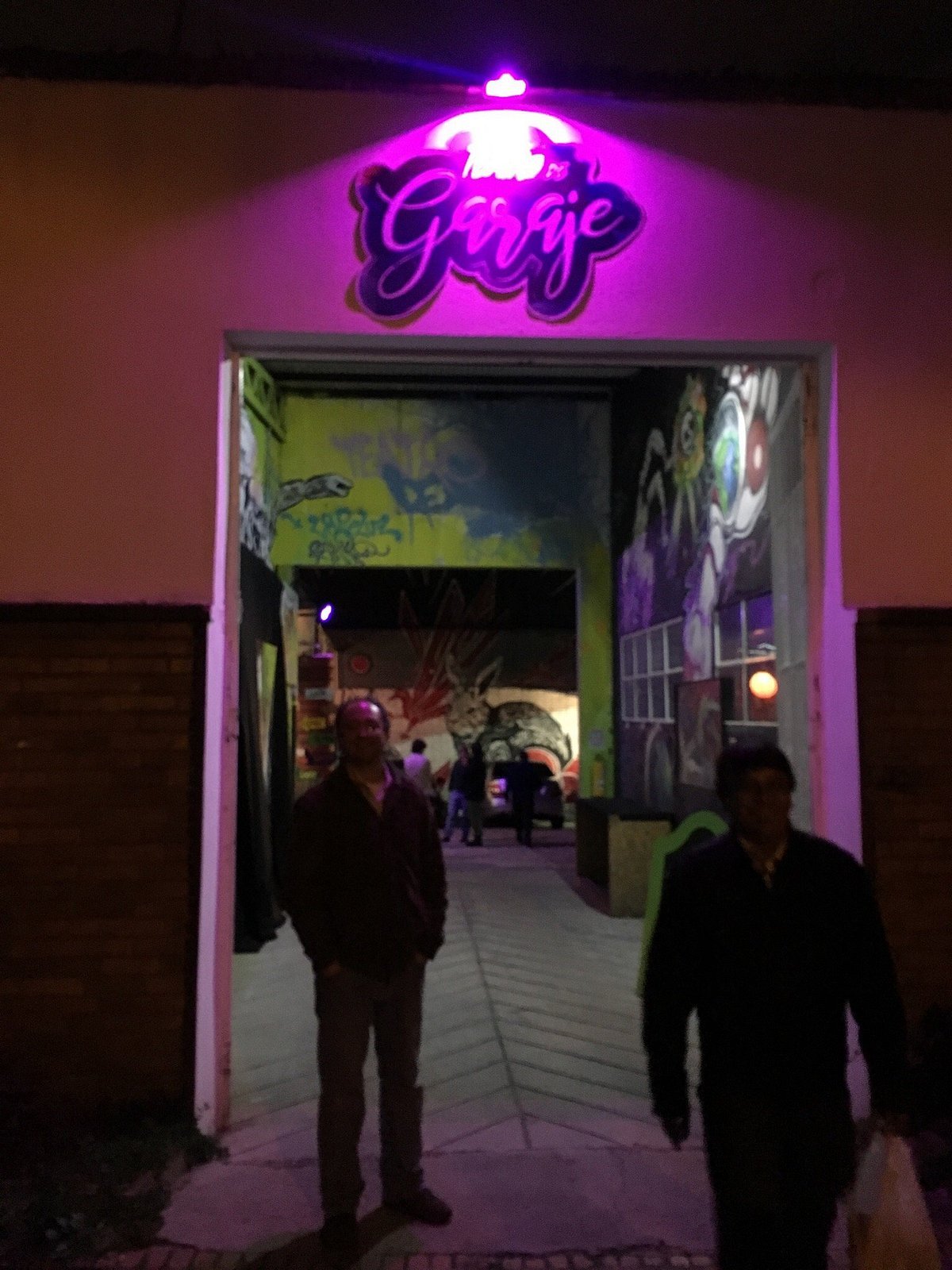
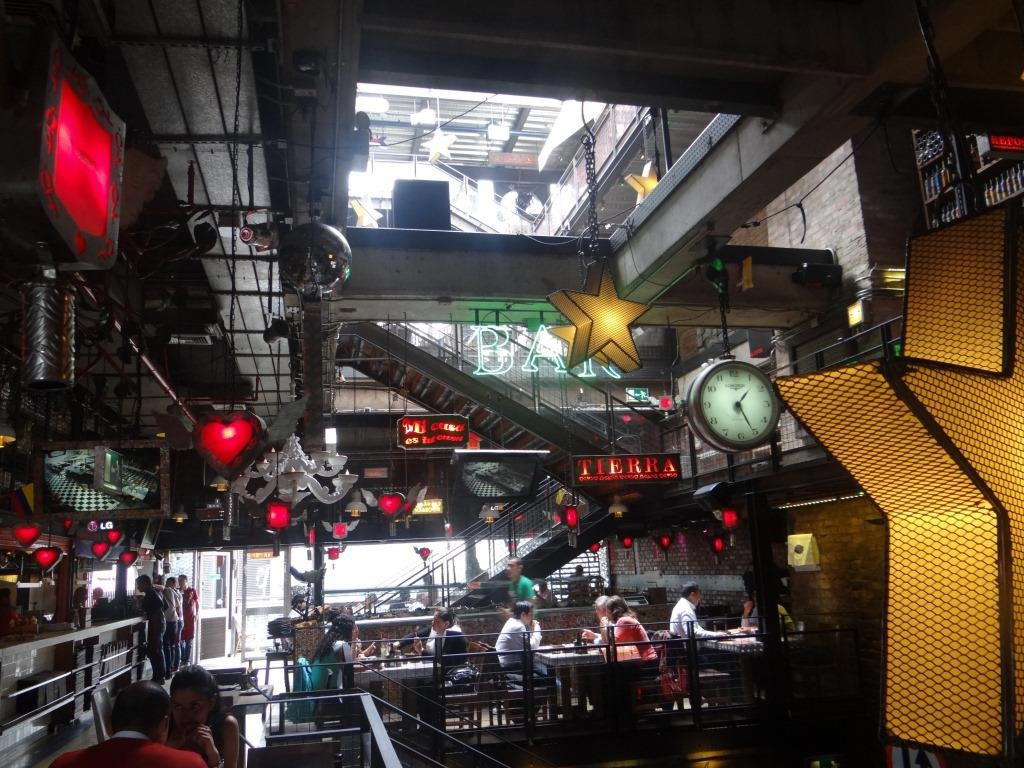
Small, elegant space with modern-industrial design, sober and refined atmosphere, ambient music that can be loud at times.