Andrés Carne de Res in Chía sits in a category of its own within Colombia's dining and nightlife circuit: a sprawling, multi-room compound north of Bogotá where grilled meats, live music, and folk-art décor converge into something closer to a cultural institution than a restaurant. The address on Calle 3 draws Bogotanos, regional visitors, and international travellers who treat the hour-long drive from the capital as part of the ritual.
Pearl is the En Primeur Club membership app — saves, bookings, and concierge access live there. Same editors, same standards.
- Address
- Cl. 3 #N° 11A - 56, Chía, Cundinamarca, Colombia
- Phone
- +57 601 5893880
- Website
- andrescarnederes.com
- Directions
- Get directions
 Saves & bookings on Pearl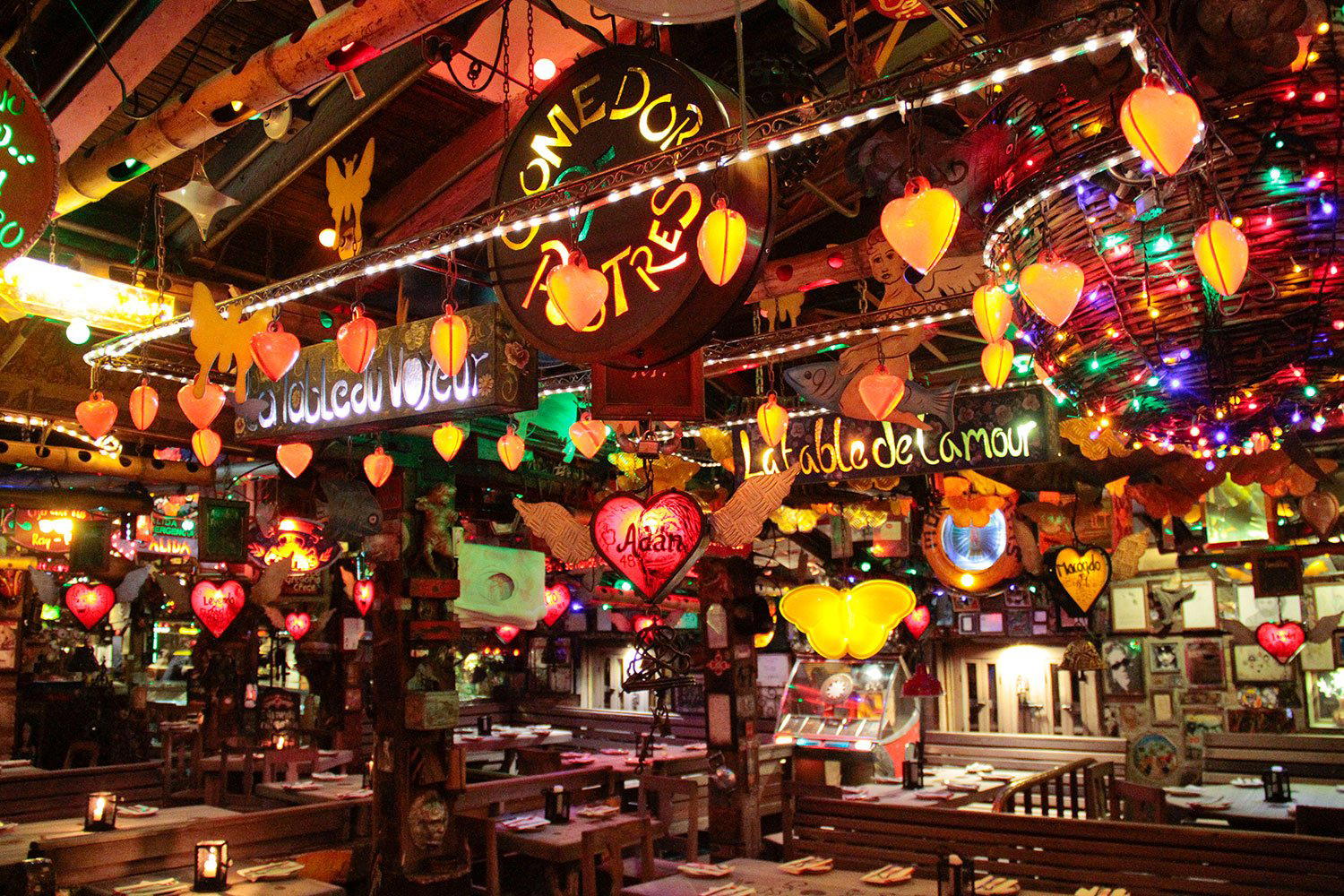
The Road North and What Waits at the End of It
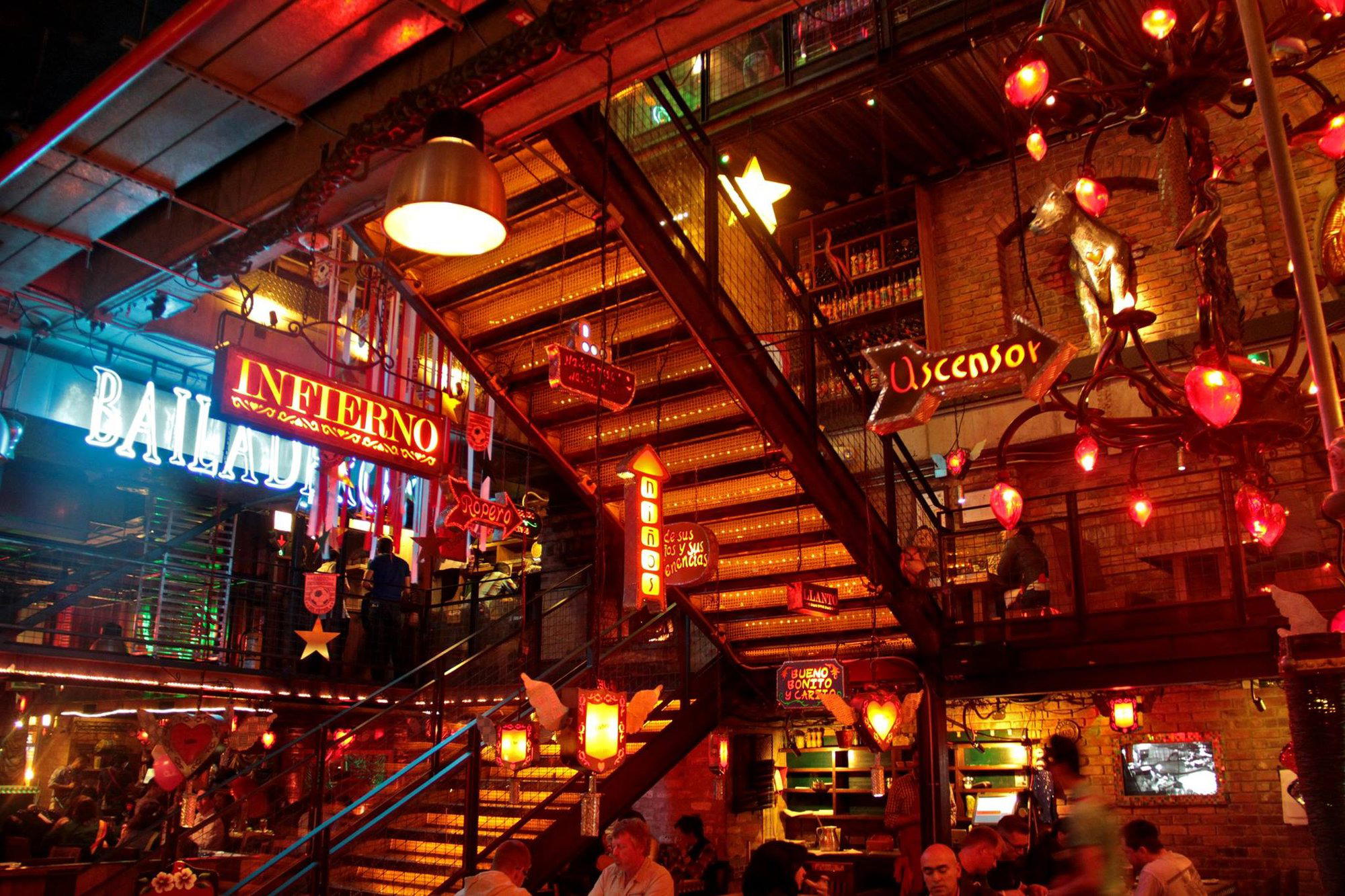
The Sabana de Bogotá plateau stretches north from the capital through cool air and green cattle country before arriving at Chía, a municipality of around 130,000 people that most Bogotanos know as a weekend escape. The drive takes roughly an hour from the city centre depending on traffic, and for a significant share of those making it, the destination is the compound on Calle 3 that Colombians simply call Andrés. What you approach is less a restaurant in the conventional sense and more a sprawling folk-art installation that happens to serve food: layers of painted walls, hanging objects, handmade signage, and loud, uncompromising colour stacked across multiple rooms and levels. The scale alone separates it from anything else in Chía.
Where the Beef Comes From, and Why That Still Matters
Colombia's cattle tradition is one of the oldest in South America. Spanish colonisers introduced livestock to the Sabana in the sixteenth century, and the high-altitude grasslands around Bogotá and Chía became grazing territory that shaped regional food culture across centuries. The word carne in the name is not incidental: grilled beef is the load-bearing element of the menu, and the supply logic behind it connects to this broader agricultural geography. The savanna around Chía still supports cattle farming, and restaurants operating in this zone have historically had access to supply chains that city-centre venues do not. This proximity to production is what distinguishes the Colombian interior's meat tradition from the coastal cooking you find at places like Donde Mama in Barranquilla or El Boliche Ceviche in Cartagena, where the emphasis shifts entirely toward seafood and Pacific or Atlantic coastal ingredients.
At a venue operating at the scale Andrés does, sourcing is also a logistics question. Feeding hundreds of covers across a weekend night requires supply relationships that smaller, more refined operations don't need to manage. That scale can work in favour of consistency: when a venue's identity is so tightly bound to a single ingredient category, the procurement discipline tends to follow. The contrast with the tasting-menu approach you find at modern Colombian restaurants in Bogotá, such as Debora Restaurante or Harry Sasson, is instructive: those kitchens work with small-batch, highly specific ingredients across a rotating menu. Andrés inverts that model, going broad and deep on a narrower set of proteins and traditional preparations.
The Room as the Point
Colombian restaurants that have earned international recognition in recent years tend to be technically precise, often small in format, and preoccupied with the question of what modern Colombian cuisine means. That conversation is worth having, and venues like Sevichería Guapi in Cali and X.O. in Medellín are part of it. Andrés operates from a different premise entirely: that a meal is inseparable from its social and spatial context, and that the room, the noise, the colour, and the music are as much the product as whatever arrives on the plate.
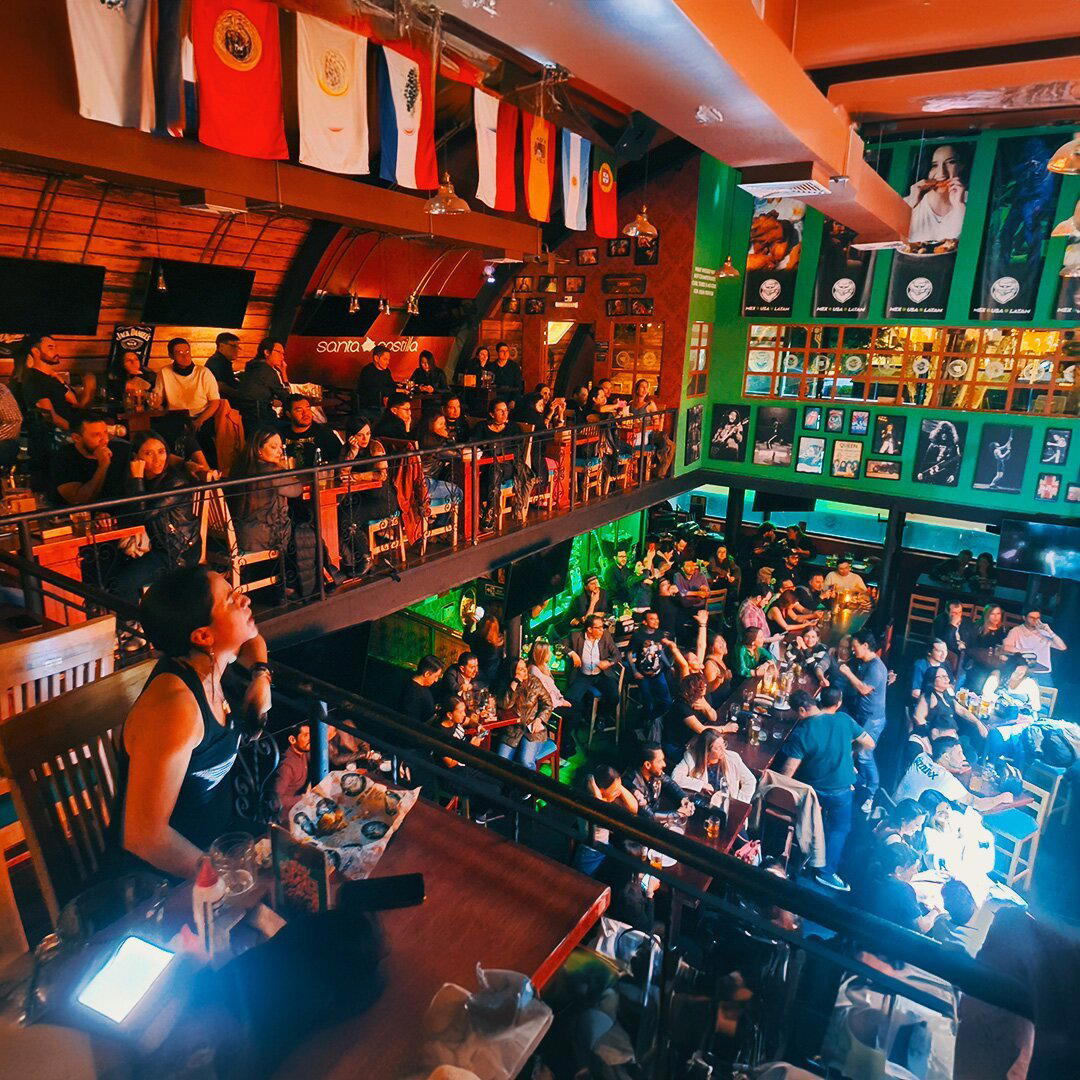
The compound has expanded over decades into a multi-floor, multi-room environment filled with folk art, neon, hanging objects, and handmade theatrical elements that reference Colombian popular culture. It functions in a register closer to Brazil's large churrascaria complexes or the festive marisquerías of coastal Mexico than to the dining-room model most premium food writing discusses. Weekend nights shift the space further toward a nightlife venue, with live music and dancing extending the evening well past what a purely food-focused operation would support. This dual identity, restaurant and party venue in the same structure, is unusual at this scale and accounts for much of why the place carries cultural weight beyond the food itself.
Chía's Position in the Greater Bogotá Dining Circuit
Chía sits in the metropolitan area that extends north from Bogotá, and its restaurant scene benefits from both the weekend-escape dynamic and the purchasing power of the capital's middle and upper-middle class. That demographic travels north specifically for this kind of experience: outdoor or semi-outdoor settings, generous portions, grilled meats, and a social atmosphere that the city's more formal dining rooms don't provide. Other parts of Colombia have developed their own versions of this format. The parrilla tradition in the Antioquia region, represented by venues like El Rancherito in Rionegro, draws on similar cattle-country roots, though with a different regional flavour profile and a more contained, family-focused format.
Andrés has built a reputation that crosses regional and national lines. Visitors from across Latin America and beyond arrive in Bogotá with it already on their itinerary, positioning Chía as a destination within a destination. That kind of gravity requires decades of operation and a format distinctive enough to survive word-of-mouth transmission. For comparison, internationally oriented dining experiences in other countries, such as Lazy Bear in San Francisco or Le Bernardin in New York City, draw attention through culinary precision and critical recognition. Andrés has built comparable draw through cultural scale and an atmosphere that cannot be replicated elsewhere.
Planning the Visit
The venue is located at Cl. 3 #N° 11A - 56 in Chía, Cundinamarca. Those building a broader Colombia itinerary that includes dining at Domingo in Cali, Café Le Gris in Medellín, or Cardinal Comida Peruana de Autor in Pereira will find that the Chía stop fits naturally into the Bogotá end of that circuit.
Side-by-Side Snapshot
Comparable venues nearby, for context on price, style, and recognition.
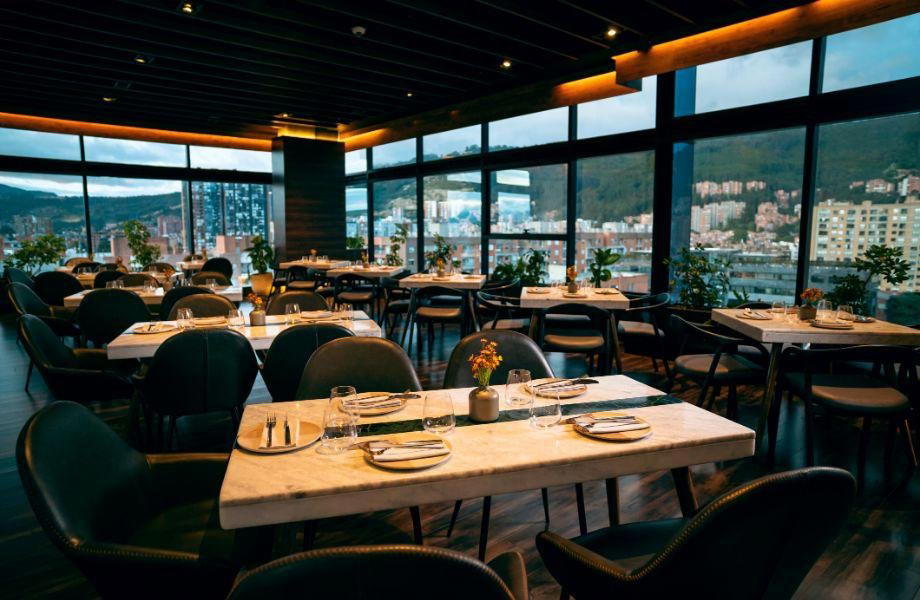
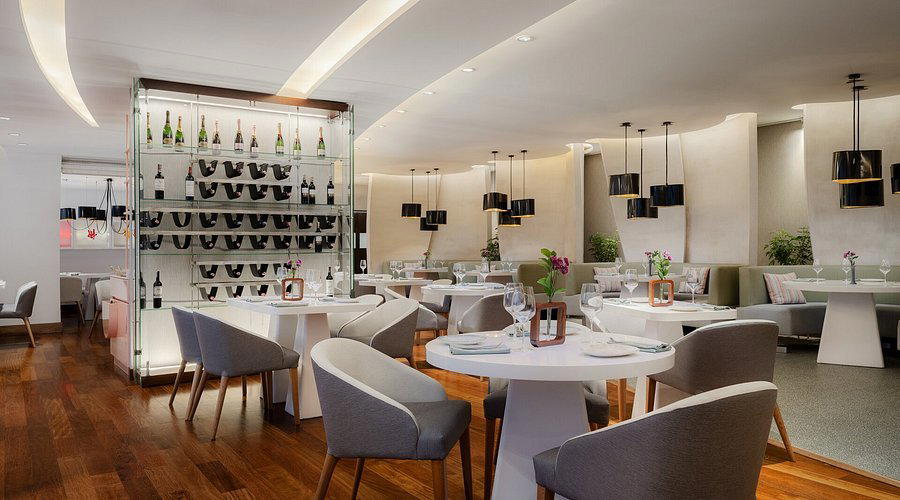
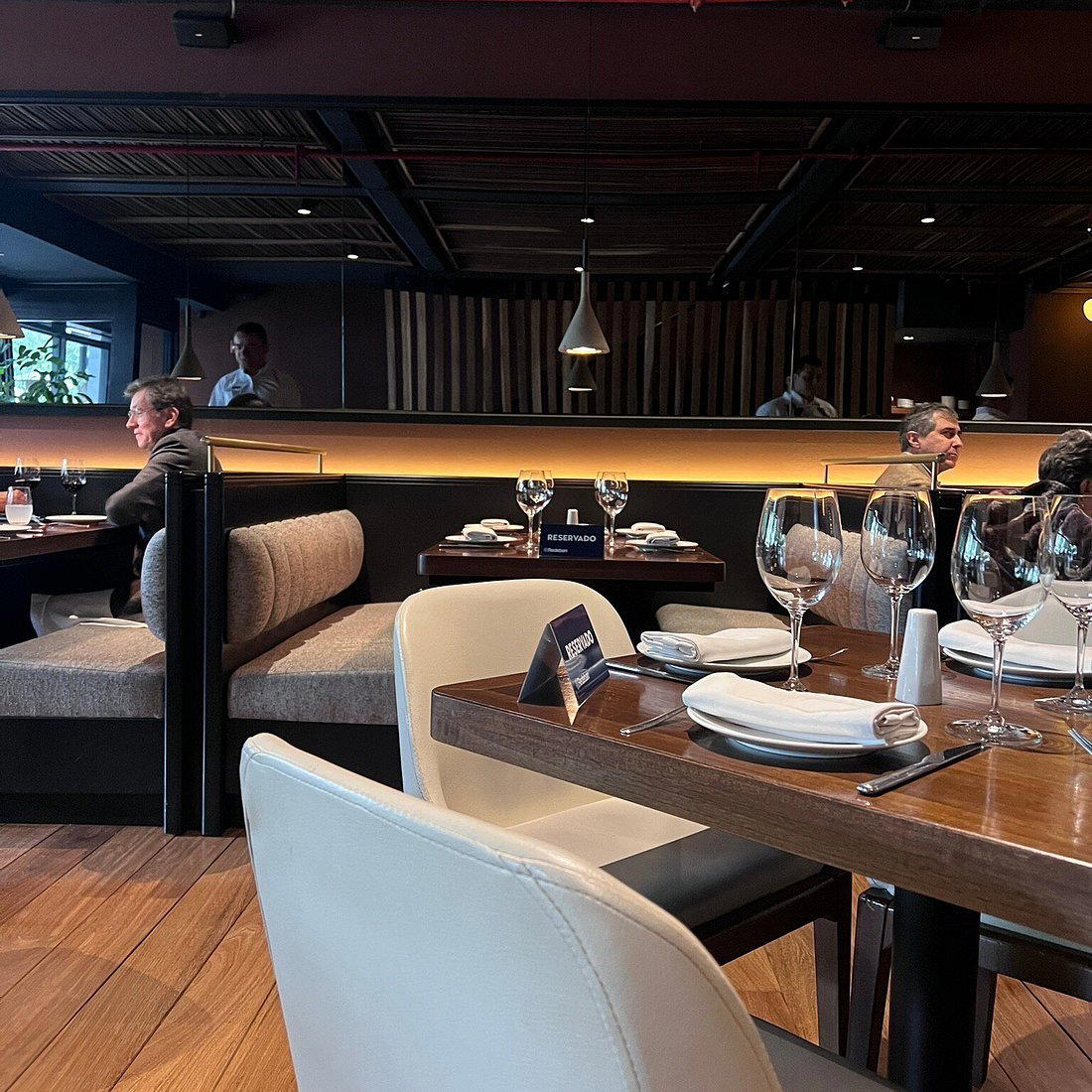
| Venue | Cuisine | Price | Notes |
|---|---|---|---|
| Andrés Carne de ResThis venue — the venue you are viewing | Colombian Steakhouse | $$ | Not listed |
| RESTAURANTE ESTANCIA CHICA | Argentine Steakhouse | $$$ | Chico Norte |
| Andres Carne de Res | Colombian steakhouse & grill | $$$ | Zona Rosa / Chapinero |
| La Macarena | Spanish Tapas | $$ | La Macarena |
| Pizza 1969 | Pizza | $$ | Bolivar |
| Café Amarti | Italian | $$ | Usaquen |
At a Glance
- Lively
- Energetic
- Well Known
- Whimsical
- Group Dining
- Celebration
- Casual Hangout
- Late Night
- Live Music
- Craft Cocktails
Current opening hours
- Monday
- Closed
- Tuesday
- 1–9 PM
- Wednesday
- 1–9 PM
- Thursday
- 1 PM–2 AM
- Friday
- 12 PM–3 AM
- Saturday
- 12 PM–3 AM
- Sunday
- 8 AM–10 PM
Hours can change for holidays and private events. Last verified .
Lively and bombastic with colorful, quirky, Carnivalesque decorations, lively music, and a joyous, sensory-overloaded party atmosphere.