Crafted cocktails, elegant decor, live music, and fine spirits
Pearl is the En Primeur Club membership app — saves, bookings, and concierge access live there. Same editors, same standards.
- Address
- Cl. 70a #11-64, Bogotá, Colombia
- Phone
- +57 301 5799409
- Website
- redroom.bar
- Directions
- Get directions
 Saves & bookings on Pearl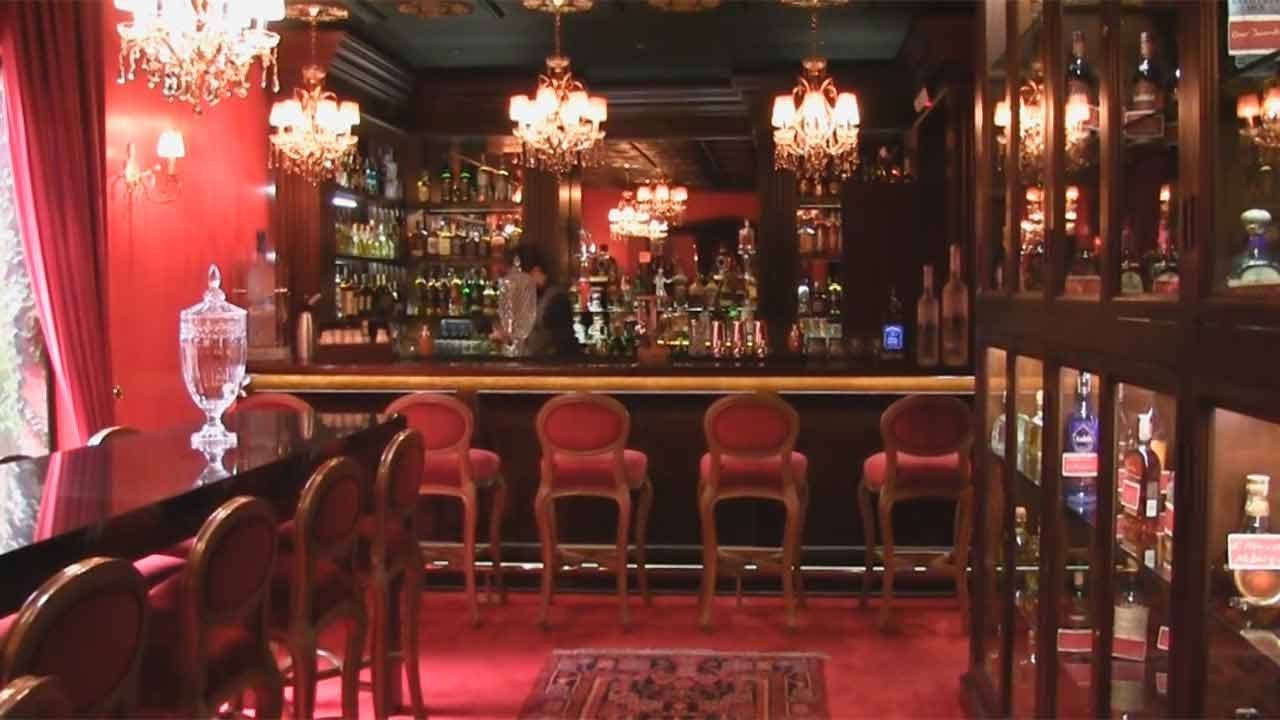
A Room That Earns Its Return Visits
There is a particular kind of Bogota address that operates almost entirely on word of mouth. Not because it is obscure, but because the people who know it prefer to keep the signal clean. The Red Room, on Calle 70a in the Chapinero Alto corridor, is that kind of place. The name alone signals a certain kind of local regular, the sort who knows the difference between a place that photographs well for one visit and one that earns repeat visits.
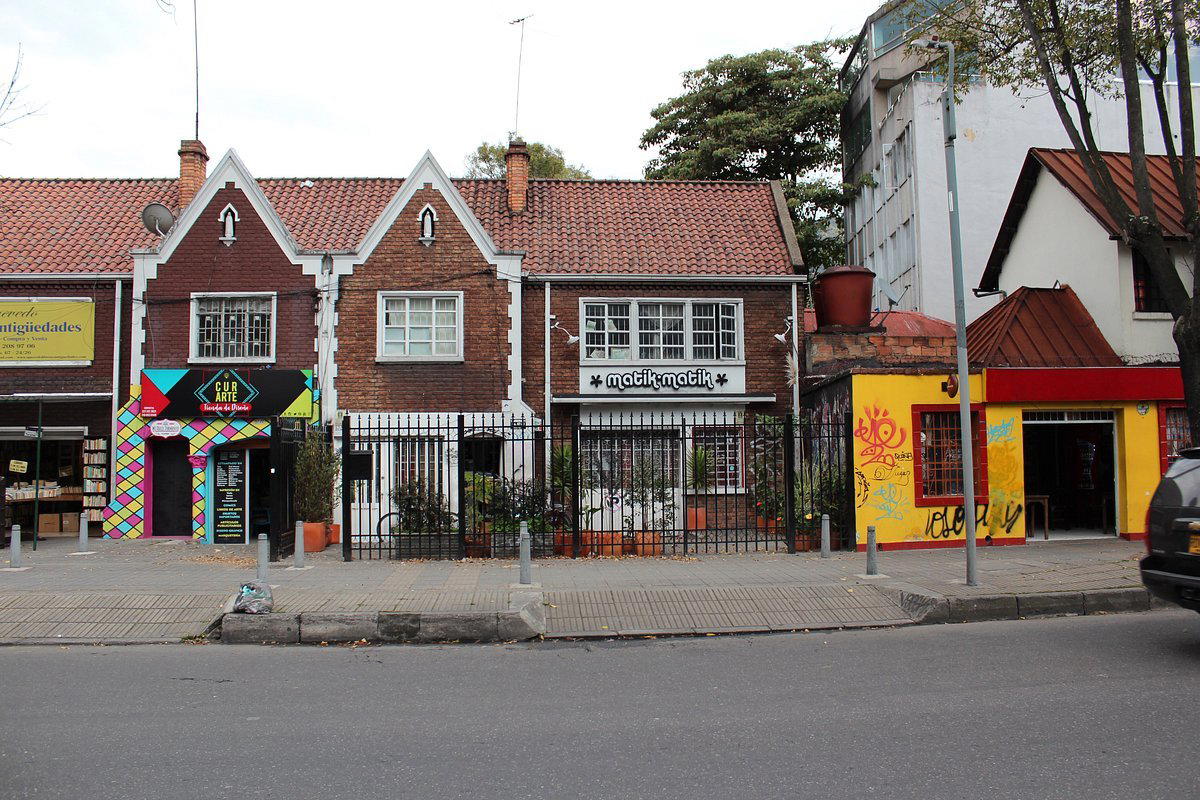
Chapinero Alto has become one of the more interesting restaurant corridors in the city precisely because it sits between the polished ambition of Zona Rosa and the looser creative energy of Quinta Camacho. Properties in this stretch tend to develop loyal micro-communities of guests rather than tourist flows, and The Red Room fits that profile. The address on Calle 70a places it within walking distance of the kind of residential streets where Bogota's creative and professional class has been consolidating over the past decade, which shapes who comes and, more importantly, who comes back.
What the Regulars Know
The defining characteristic of a room with a loyal clientele is not the menu on any given night. It is the unwritten one: the ability to read what a guest needs before they articulate it, the table that gets held because someone always comes on Thursday, the dish that never appears on the printed menu because the kitchen makes it only when a particular person walks in. That informal contract between a room and its regulars is harder to build than a Michelin application, and it is the quality that distinguishes venues like The Red Room from the broader Bogota dining circuit.
In a city where the modern Colombian cooking movement has produced internationally recognized restaurants like El Chato and Leo, the pressure on mid-tier and neighbourhood-anchored venues is real. Those flagships draw destination diners and international press; the venues that survive in their shadow do so by serving a different function entirely. They are not competing for the same review or the same guest. They are building the kind of familiarity that no fixed-format dinner can replicate.
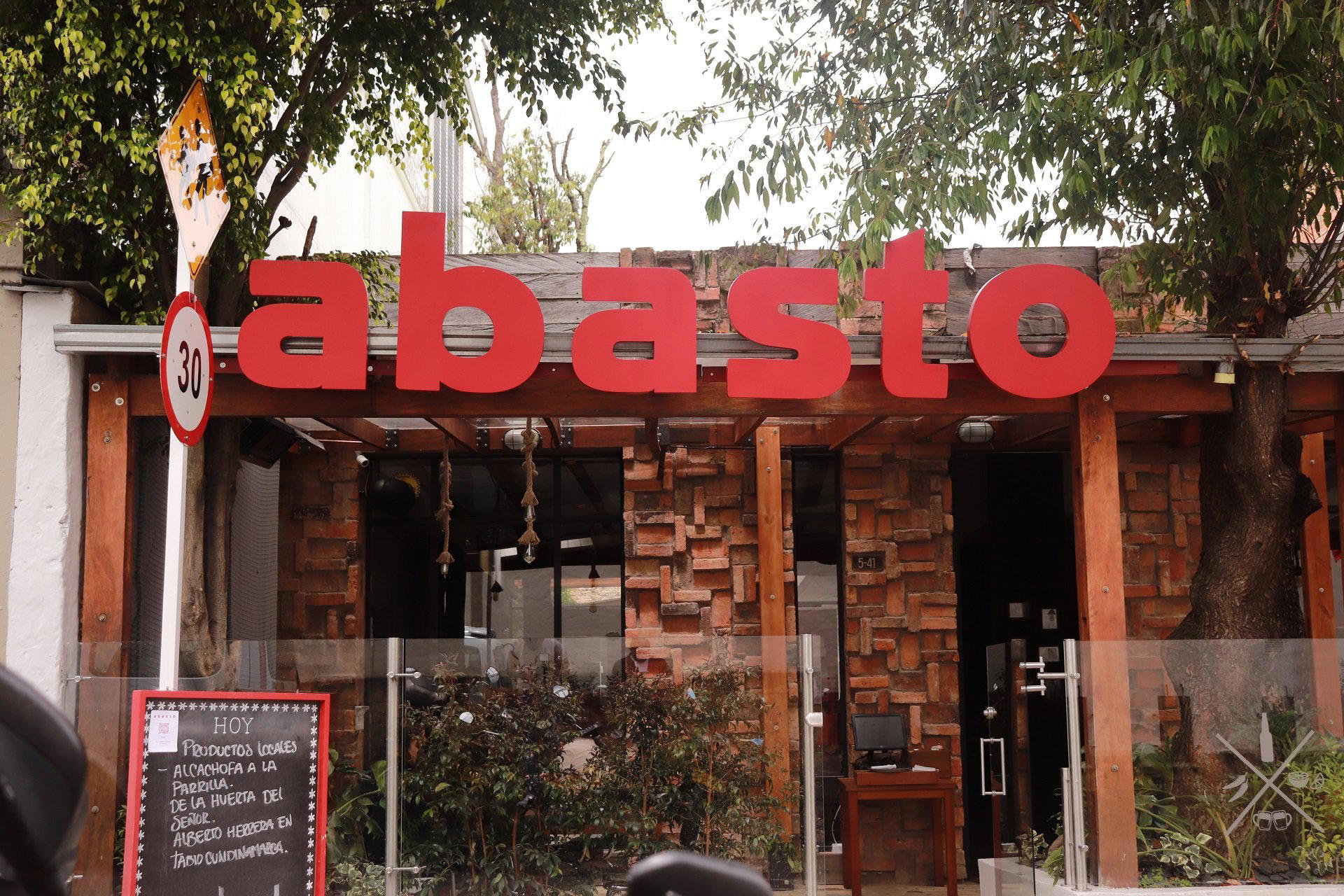
Comparison venues in this corridor, including Afluente and Abasto Quinta Camacho, operate on similar principles: neighbourhood roots, a consistent core guest, and a format that rewards return rather than first impression. The Red Room occupies the same general competitive set, though with a name and a physical identity that signals something slightly more contained and deliberate.
Bogota's Dining Geography and Where This Fits
Understanding the restaurant requires some understanding of how Bogota's restaurant geography has evolved. The city's dining scene fragmented productively over the past fifteen years, with serious cooking moving well beyond the Zona G cluster that once defined fine dining in the capital. Chapinero, Quinta Camacho, and the streets around Parque El Virrey now carry significant culinary weight, not as a single homogeneous zone but as a collection of distinct micro-environments, each with its own regulars and its own register.
In that context, an address on Calle 70a is neither peripheral nor central. It is situated in the zone where Bogota's dining culture is most actively being written by residents rather than visitors. That matters for understanding who the restaurant is for. It is not positioned as a destination restaurant in the way that Harry Sasson or Debora Restaurante might attract guests from across the city or from abroad. It serves a more localized function, which is precisely where its value lies for the guest who is spending extended time in Bogota or who lives there.
For visitors approaching Colombia from other cities, the country's dining range extends well beyond the capital. The coastal register of El Boliche Ceviche in Cartagena or Sevichería Guapi in Cali represents a completely different culinary tradition than what Bogota's highland kitchen produces. And within Bogota itself, venues like El Chato sit at a different tier of international visibility than a Chapinero neighbourhood room. Knowing which type of experience you are after determines which address you should pursue on any given night.
The Room Itself as an Argument
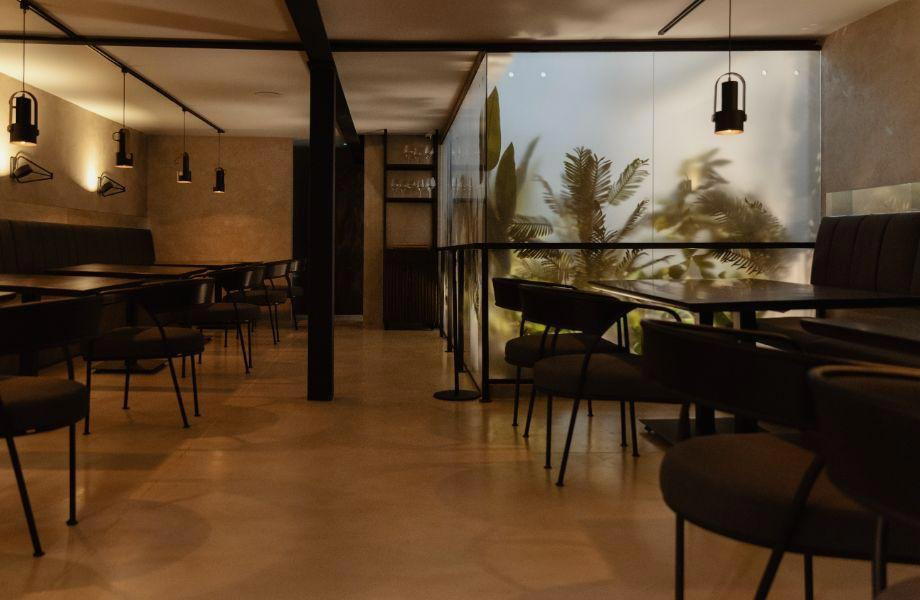
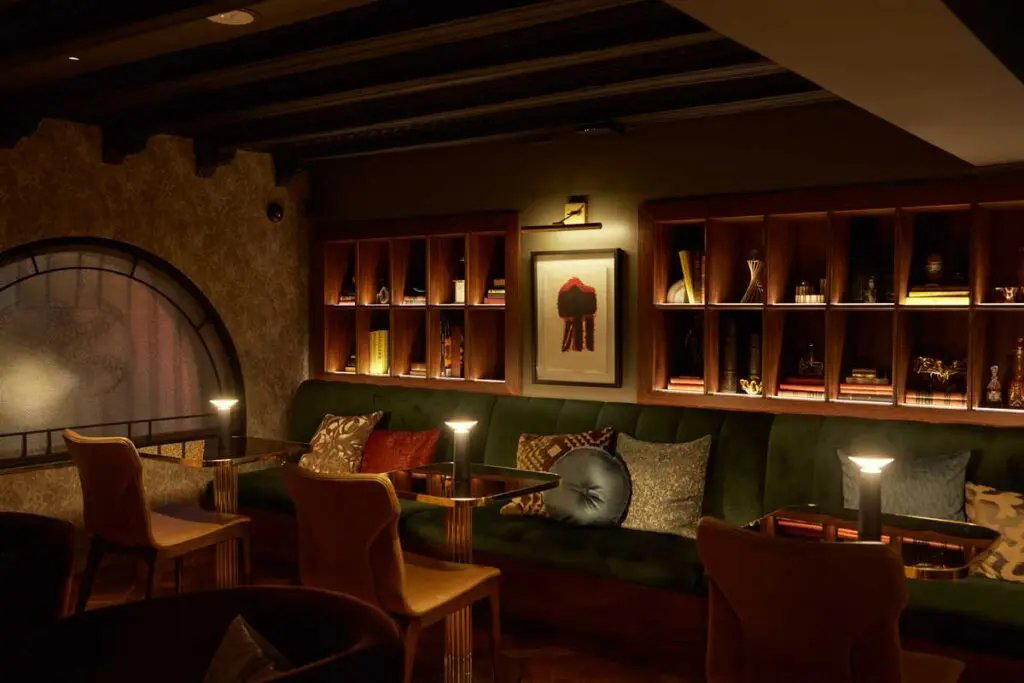
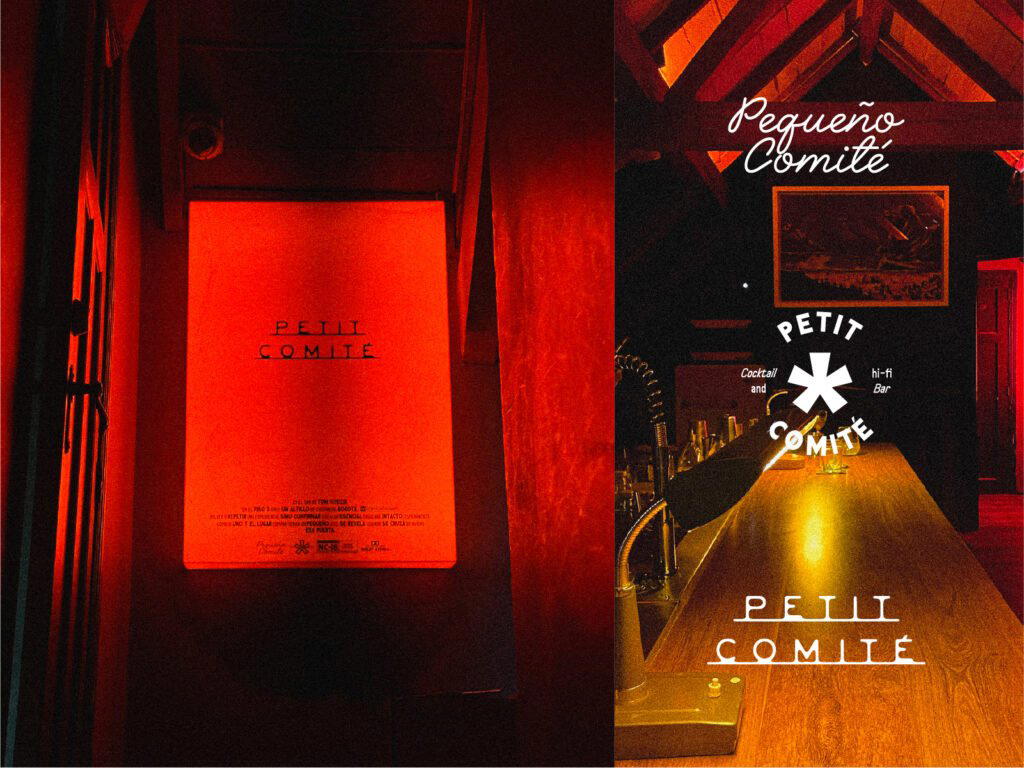
The name does considerable framing work. Red rooms in the restaurant context carry a specific atmospheric shorthand: enclosure, warmth, a certain sense of occasion that does not require grandeur to land. Whether the physical space at Calle 70a fully delivers on that register is something the first-time visitor will calibrate on arrival, but the name choice signals an intention toward a particular kind of atmosphere rather than the open, light-flooded formats that have dominated new restaurant design in Bogota and elsewhere. Globally, the shift toward exposed kitchens, pale wood, and natural light has been so complete that a venue leaning into a darker, more contained aesthetic is making an editorial statement about what a good dinner should feel like.
That kind of atmosphere tends to self-select its clientele over time. Guests who return to rooms with strong physical identities are usually returning partly for the room itself, not just the food. The unwritten menu of any such venue includes the particular quality of light, the acoustic register of a half-full room on a Tuesday, the way the space contracts around a small group in a way that larger formats cannot replicate.
Planning Your Visit
The restaurant's Chapinero Alto location is accessible by taxi or app-based transport from most central Bogota neighbourhoods, typically a short ride from Zona G or the Parque 93 area. For visitors who are building a wider itinerary through the city's restaurant scene, it pairs logically with nearby venues in the Quinta Camacho corridor. Our full Bogota restaurants guide maps the broader range of addresses across price tiers and neighbourhoods, which is useful if you are sequencing multiple evenings. Given the venue's neighbourhood-anchored character, booking in advance is advisable, particularly for weekend evenings, though the specific booking method is best confirmed directly with the venue.
For guests exploring Colombia beyond the capital, the EP Club network covers strong addresses in multiple cities: X.O. in Medellín, Domingo in Cali, Donde Mama in Barranquilla, and BK Burukuka in Santa Marta. Further afield, comparable neighbourhood-anchored venues in other markets include Andrés Carne de Res in Chía and Bulgatta in Retiro. For international reference points at the higher end of the dining spectrum, Le Bernardin in New York City and Lazy Bear in San Francisco represent the format discipline that the leading experience-first venues aspire toward.
Cuisine and Credentials
Comparable venues nearby, for context on price, style, and recognition.
| Venue | Cuisine | Price | Notes |
|---|---|---|---|
| The Red RoomThis venue — the venue you are viewing | Cocktail Bar & Lounge | $$$ | Not listed |
| Restaurante La Herencia | Authentic Colombian | $$ | Quinta Camacho |
| Adriano | Modern Spanish fine dining | $$$ | .null |
| Osaka | Nikkei (Japanese-Peruvian Fusion) | $$$ | La Cabrera |
| Gamberro | Spanish-Colombian Fusion | $$$ | El Chico |
| Salvo Patria | Modern Colombian | $$$ | Bosque Calderon |
At a Glance
- Elegant
- Sophisticated
- Romantic
- Intimate
- Date Night
- After Work
- Special Occasion
- Casual Hangout
- Live Music
- Private Dining
- Historic Building
- Design Destination
- Craft Cocktails
- Extensive Wine List
Current opening hours
- Monday
- Closed
- Tuesday
- Closed
- Wednesday
- Closed
- Thursday
- Closed
- Friday
- 5 PM–3 AM
- Saturday
- 7 PM–3 AM
- Sunday
- Closed
Hours can change for holidays and private events. Last verified .
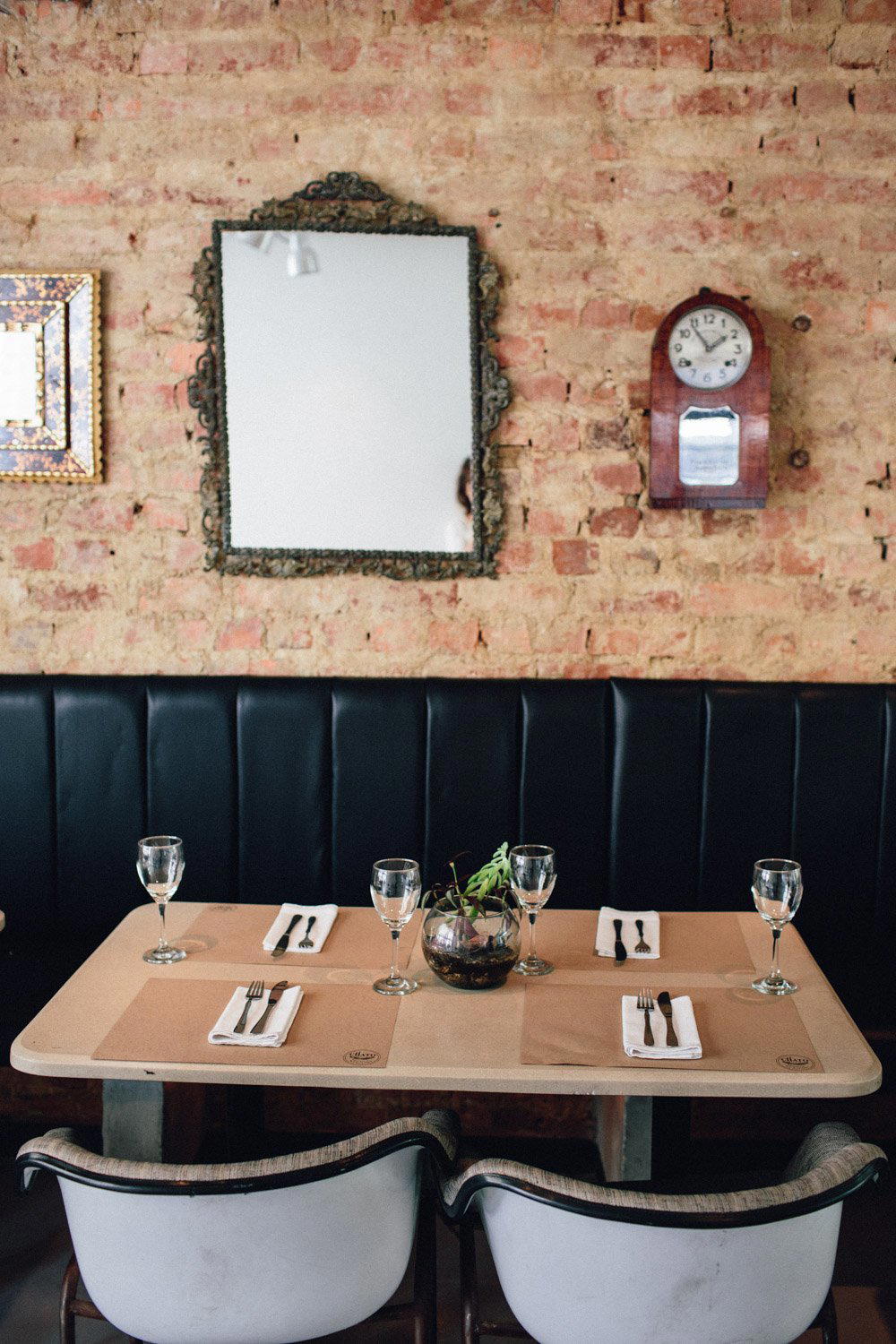
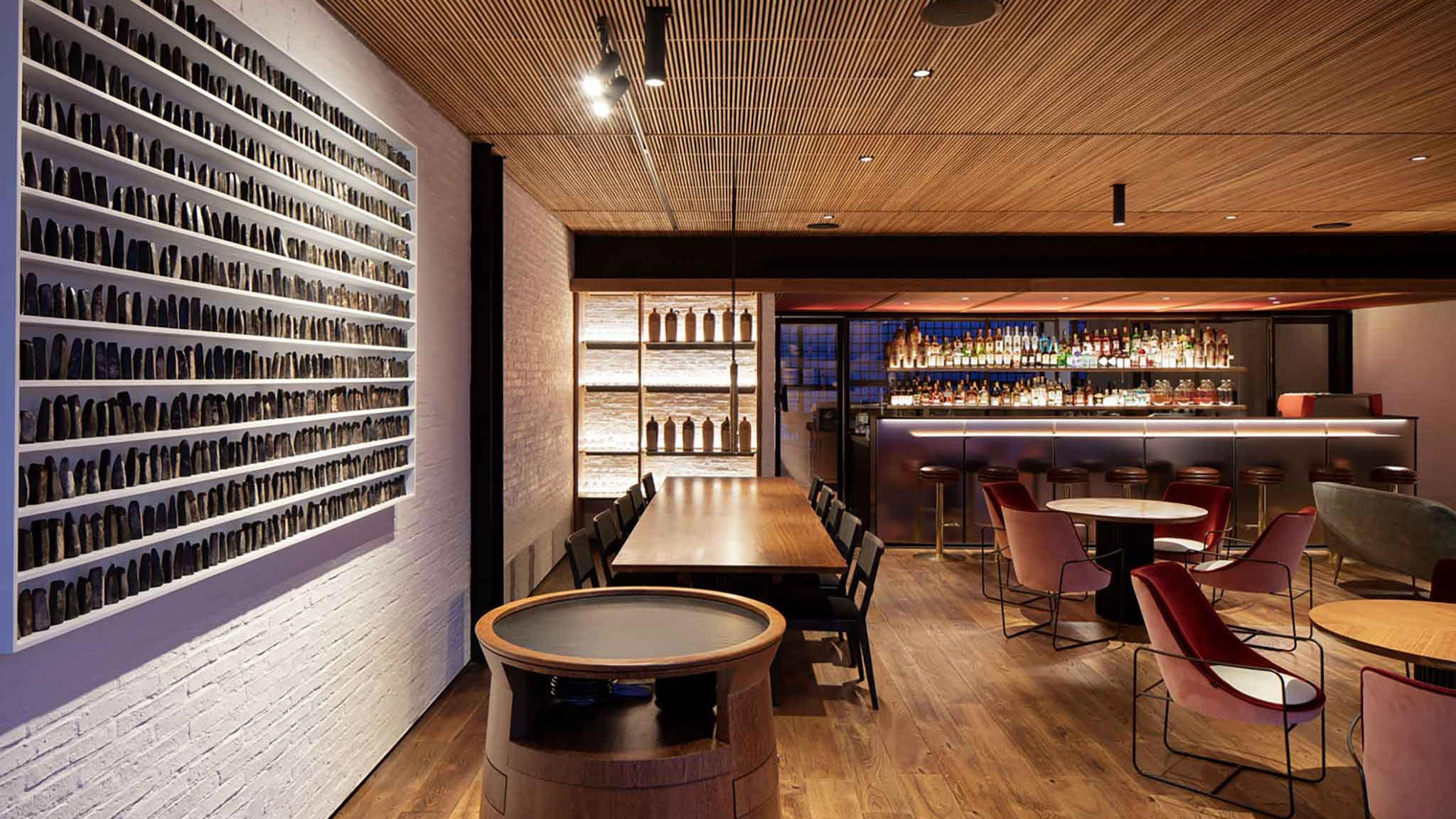
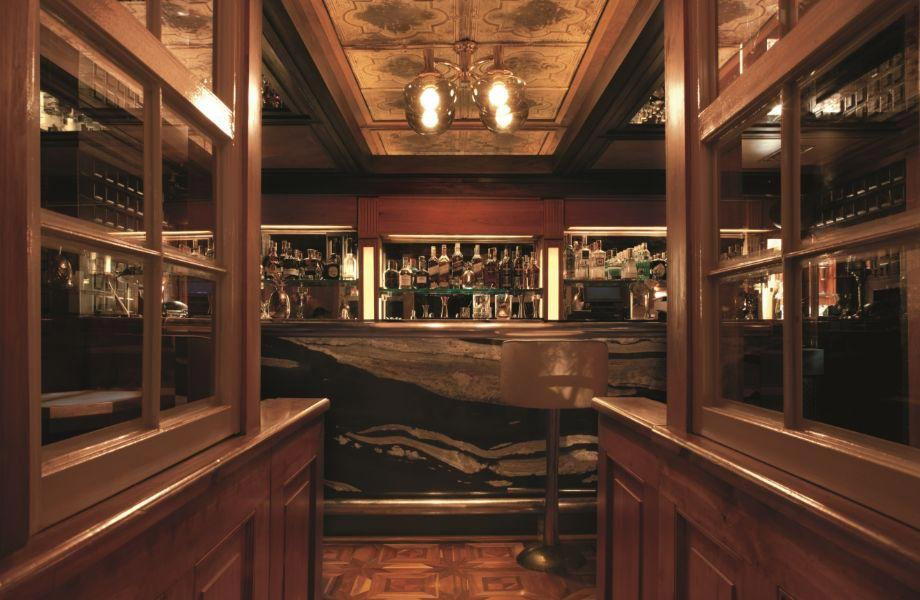
Luxurious and moody with plush red velvet furniture and old paintings in fully furnished rooms creating an eerie, reflective backdrop reminiscent of 1920s Paris; intimate lounge atmosphere blending high-end London club aesthetics with mysterious, sophisticated charm.