A street-level ceviche counter positioned steps from Cartagena's Torre del Reloj, El Boliche Ceviche draws on the Caribbean coast's seafood traditions to serve one of the Old City's most direct expressions of Colombian coastal cooking. The address alone, at the threshold between the historic centre and the waterfront, signals where the fish comes from and why it arrives as fresh as it does.
- Address
- Centro histórico al lado de la Torre del reloj, Av carlos escallon #34-01, El Centro, Cartagena de Indias, Bolívar, Colombia
- Phone
- +57 313 7777889
- Website
- facebook.com
- Directions
- Get directions
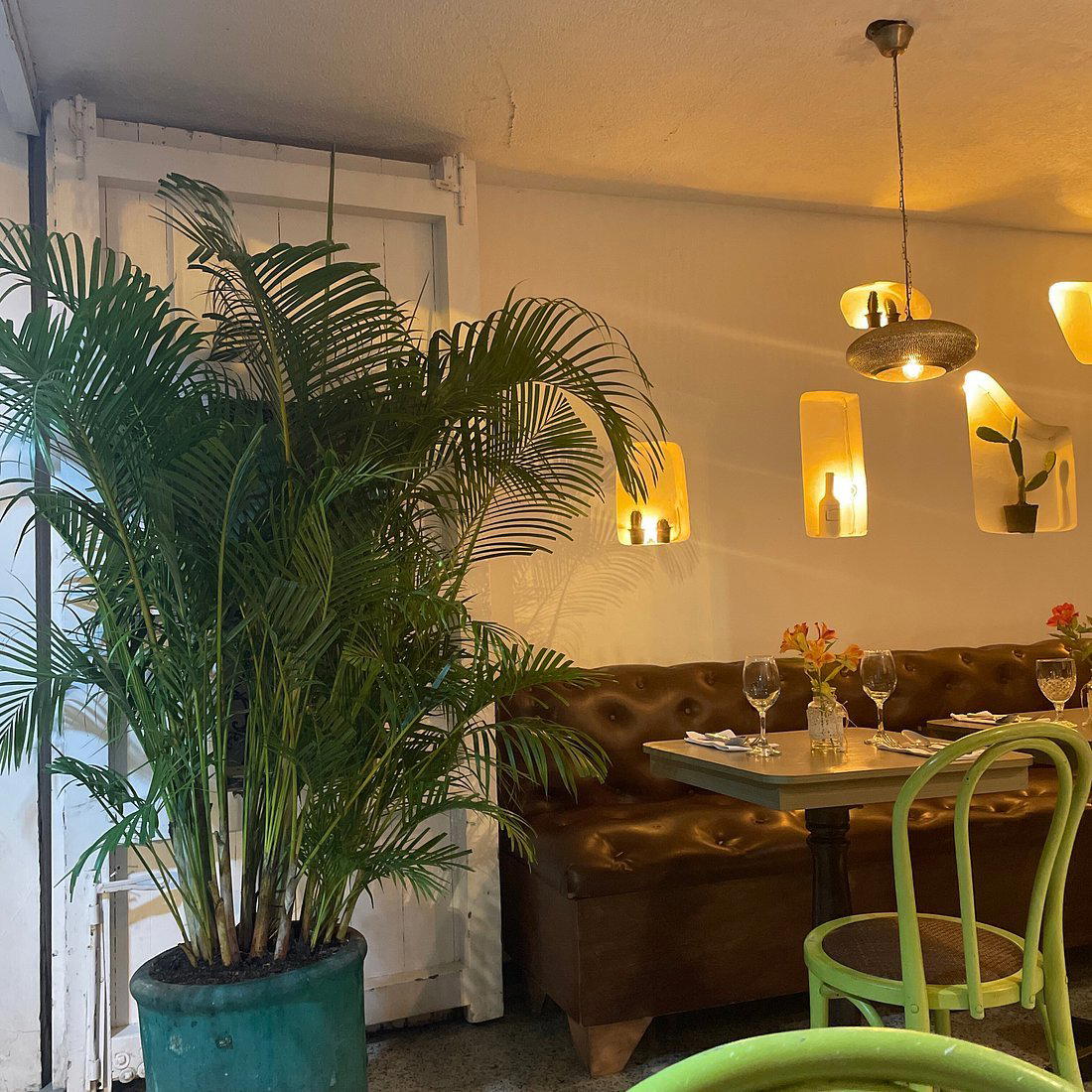
Where the Old City Meets the Caribbean Kitchen
The Torre del Reloj has marked the entrance to Cartagena's walled city since the eighteenth century, and the streets fanning out from its arch have always been a transit point: traders, fishermen, visitors arriving from the port. El Boliche Ceviche occupies that same threshold geography, on Avenida Carlos Escallon at the edge of El Centro, where the colonial grid begins to blur into the waterfront. It is a Colombian cevicheria in Cartagena de Indias, with a casual dress code, recommended reservations, and a price point around $25 per person. The location is not incidental. In Colombian coastal cooking, proximity to supply matters more than interior design, and a ceviche counter this close to the Cartagena waterfront is working with a different ingredient timeline than a restaurant positioned deeper in the historic residential streets.
The Ingredient Logic Behind Caribbean Ceviche
Colombian ceviche, particularly along the Caribbean coast, operates differently from the Peruvian model that dominates international conversations about the dish. Where Lima-style ceviche relies on leche de tigre, a high-acid tiger's milk cure that can technically cook fish within minutes, the Caribbean Colombian tradition tends toward a lighter, less aggressively acidic treatment, often incorporating coconut, softer citrus balances, and occasionally local aromatics that reflect African and indigenous coastal influences layered over centuries of trade. The difference matters when you're evaluating what a venue like El Boliche Ceviche is actually doing: this is not a Peruvian import adapted for tourists, but a regional expression of how Colombia's Caribbean communities have preserved and served raw or lightly cured seafood for generations.
The Caribbean coast's geography explains much of the cuisine. The Bolívar department, in which Cartagena sits, faces a stretch of coastline with access to snapper, shrimp, squid, and shellfish drawn from the shallow continental shelf and estuarine inlets that characterise this part of the Colombian littoral. Ceviche counters in this part of the city are, in effect, one direct form of seafood traceability available: a short supply chain from catch to cure to plate, without the cold-chain complexity that longer distances introduce. That supply logic is what distinguishes street-adjacent counters near the waterfront from the more polished Colombian fusion restaurants operating further into the historic centre.
Where El Boliche Sits in the Cartagena Dining Spread
Cartagena's restaurant scene has split noticeably over the past decade. At one end, venues like 1621 The Restaurant and AniMare position themselves in a refined Colombian fusion tier, with plated presentations, wine lists, and price points aimed at the international visitor market. At the other, a smaller category of counters and informal specialists maintains the older coastal tradition of eating simply and close to the source. El Boliche Ceviche belongs to that second tier, a format that prioritises the ingredient over the setting, and where the measure of quality is the freshness of the fish rather than the complexity of the reduction.
This is a different competitive set from Canales 5 Brasserie Moderne or the broader creative Colombian cooking that venues like Andres Carne de Res represent. Those venues are making an argument about Colombian cuisine as a modern, evolved tradition. A ceviche counter near the Torre del Reloj is making a different argument: that one honest version of Caribbean coastal food requires almost no elaboration, provided the sourcing is right.
For a broader view of where ceviche and coastal seafood cooking sit within Colombia's wider dining conversation, Sevichería Guapi in Cali offers a useful comparison from the Pacific side of the country, where the ceviche tradition draws on different coastal ecologies and Afro-Colombian culinary lineages. The contrast between Caribbean and Pacific approaches to the same dish is one of the more instructive things a food-focused traveller in Colombia can pursue.
Planning Your Visit
The restaurant sits directly beside the Torre del Reloj on Avenida Carlos Escallon, making it among the more accessible addresses in the historic centre, reached on foot from virtually any point within the walled city. The format, consistent with this tier of Colombian coastal counter, suggests walk-in rather than advance reservation, with the main practical consideration being timing: ceviche counters in the Caribbean tradition tend to operate around the midday and early afternoon window when the morning's catch is at its peak. Arriving closer to the lunch service is the more reliable approach than an evening visit.
Travellers building a wider Colombia itinerary around serious eating will find useful reference points in Debora Restaurante in Bogotá and Harry Sasson, as well as coastal comparisons at Donde Mama in Barranquilla and Burukuka in Santa Marta. For those approaching Colombia's dining culture from an international frame, the raw seafood traditions that El Boliche represents sit in a different register entirely from the European-influenced kitchens of Le Bernardin in New York or the technique-forward American tasting menus like Lazy Bear in San Francisco, the Colombian coastal counter prioritises immediacy and ingredient singularity over technical elaboration. Further Colombian regional context comes from X.O. in Medellín, Domingo in Cali, Adictta in Manizales, Bulgatta in Retiro, and Andrés Carne de Res in Chía. For a different register within Cartagena's own offer, Café Rialto handles the city's specialty coffee and pastry conversation.
Comparable Venues
Comparable venues nearby, for context on price, style, and recognition.
| Venue | Cuisine | Price | Notes |
|---|---|---|---|
| El Boliche CevicheThis venue — the venue you are viewing | Colombian Cevicheria | $$ | Not listed |
| Dragon de la Marina | Chinese with Caribbean Twist | $$ | Old City (Cartagena de Indias) |
| San Valentín Restaurante Bar | Caribbean Seafood & Local Fare | $$ | Centro |
| Pizzeria Della Chiesa | Authentic Neapolitan Pizza | $$$ | Getsemaní |
| The Grand Grill | Colombian & American Steakhouse | $$$$ | Getsemani |
| La Vitrola | Traditional Cuban & Caribbean | $$$ | Centro (Old City) |
Continue exploring
More in Cartagena
Restaurants in Cartagena
Browse all →
Bars in Cartagena
Browse all →
At a Glance
- Cozy
- Intimate
- Date Night
- Casual Hangout
- Open Kitchen
- Local Sourcing
- Sustainable Seafood
Cozy by-the-sea vibe with immaculate interior in a tiny space.