On Carrera 9 in Bogotá's Chapinero corridor, Restaurante La Herencia operates in a city where ethical sourcing and regional identity have become the defining arguments of serious Colombian cooking. The restaurant's name, heritage, positions it within a broader conversation about what Colombian cuisine owes to its land and its farmers, a debate that has pushed Bogotá's dining scene closer to sustainability-led practice than at any point in its history.
Pearl is the En Primeur Club membership app — saves, bookings, and concierge access live there. Same editors, same standards.
- Address
- Cra. 9 #69A-26, Bogotá, Colombia
- Phone
- +57 601 2495195
- Website
- restaurantelaherencia.com
- Directions
- Get directions
 Saves & bookings on Pearl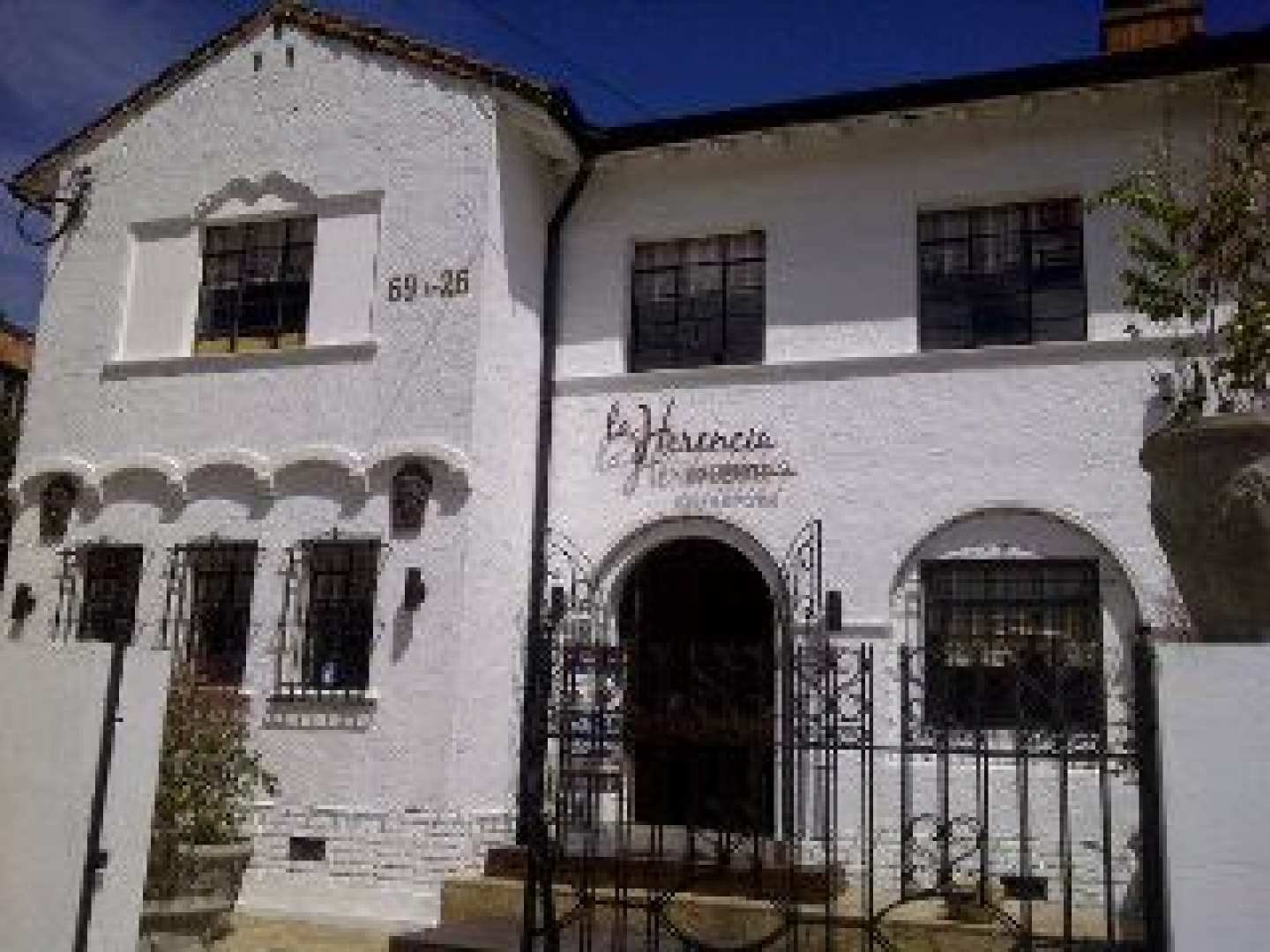
Where Colombian Dining and Ethical Sourcing Meet
Bogotá's restaurant scene has undergone a structural shift over the past decade. The city that once measured culinary ambition by its proximity to European technique now produces its most serious cooking through a different lens: the sourcing chain. Chefs across the capital have moved from importing references to building relationships with Colombian smallholders, indigenous seed networks, and regional producers whose ingredients were largely invisible to fine-dining kitchens a generation ago. Restaurante La Herencia, at Cra. 9 #69A-26, sits inside this movement, operating on an address that puts it in Chapinero, one of Bogotá's densest concentrations of independent, chef-driven restaurants.
The name itself is a signal. "Heritage" in a Colombian culinary context carries specific weight, it implies an obligation to regional tradition, to the preservation of ancestral techniques, and increasingly, to the environmental ethics that make those traditions possible. In a city where venues like El Chato (Modern Colombian) and Leo (Modern Colombian) have demonstrated that Colombian ingredients can hold their own at international reference level, the framing of a restaurant as a keeper of heritage is not nostalgic marketing, it is a position in a competitive conversation.
The Sustainability Argument in Bogotá's Kitchens
To understand what sustainability means in the Colombian context, it helps to step back from the term itself. In Bogotá, one meaningful version of environmental consciousness in restaurants is not carbon footprint accounting or compostable packaging, it is proximity. Colombia's biodiversity is extraordinary by any agricultural measure: over 300 microclimates produce ingredients that rarely travel further than a few hours to reach the capital's kitchens. A restaurant that commits to this supply chain is, by definition, reducing food miles, supporting smallholder economies, and preserving crop varieties that industrial agriculture has long since deprioritised.
This is the operating context for venues along the Carrera 9 corridor and across Chapinero more broadly. Restaurants in this neighbourhood tend to run smaller, more fluid menus than their counterparts in Zona Rosa or Usaquén, precisely because their sourcing is seasonal and relationship-dependent rather than catalogue-driven. When a delivery from the Boyacá highlands arrives with a smaller yield than expected, the menu adapts. That kind of operational flexibility is the practical expression of ethical sourcing, and it is what separates ingredient-led kitchens from venues that simply describe themselves as local.
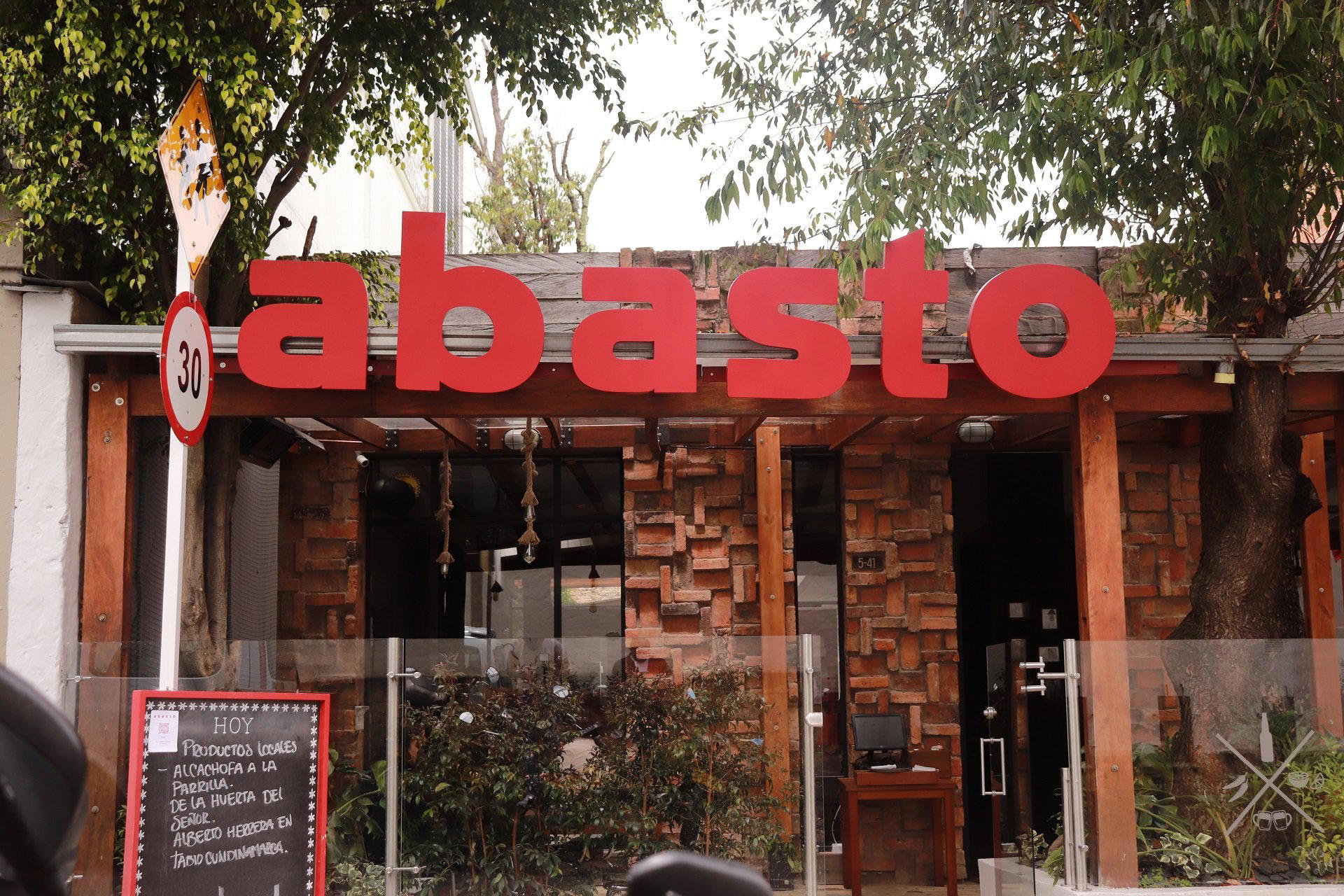
Comparable venues with sustainability positioning include Afluente and Abasto Quinta Camacho, both of which operate with similar sourcing philosophies in adjacent neighbourhoods.
The Chapinero Setting and What It Implies
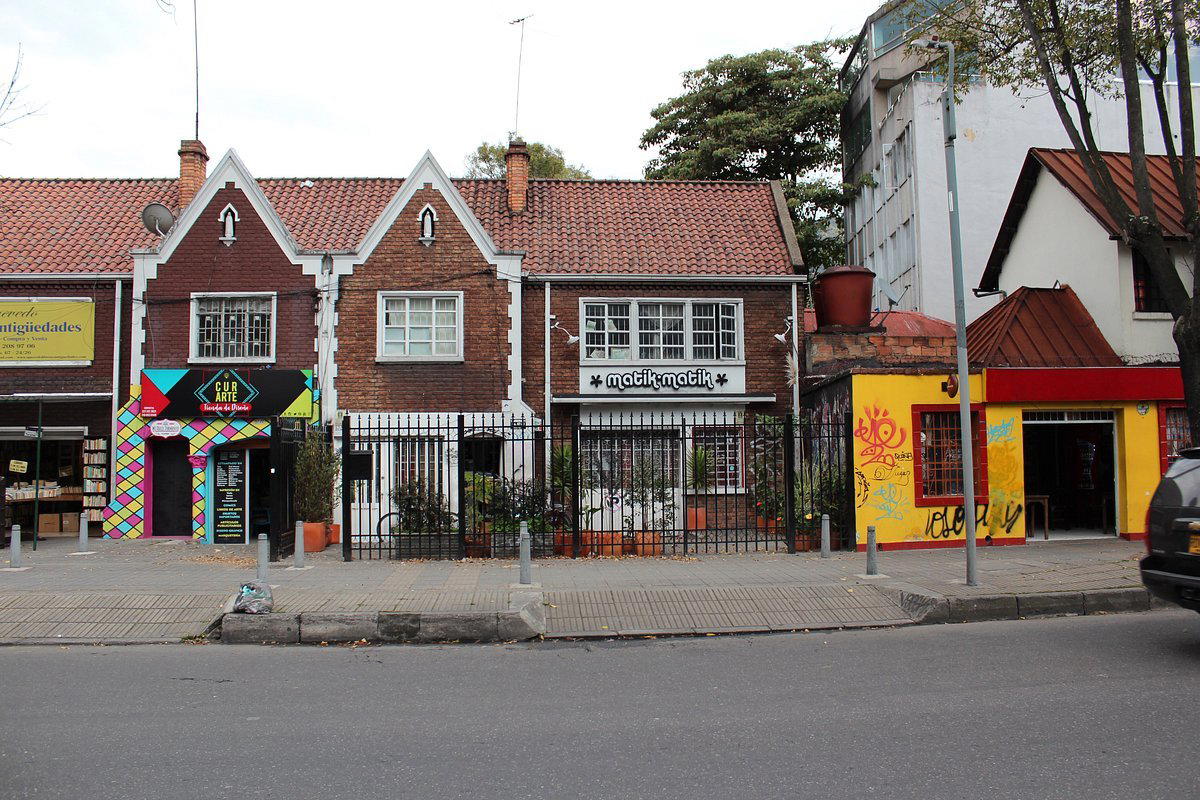
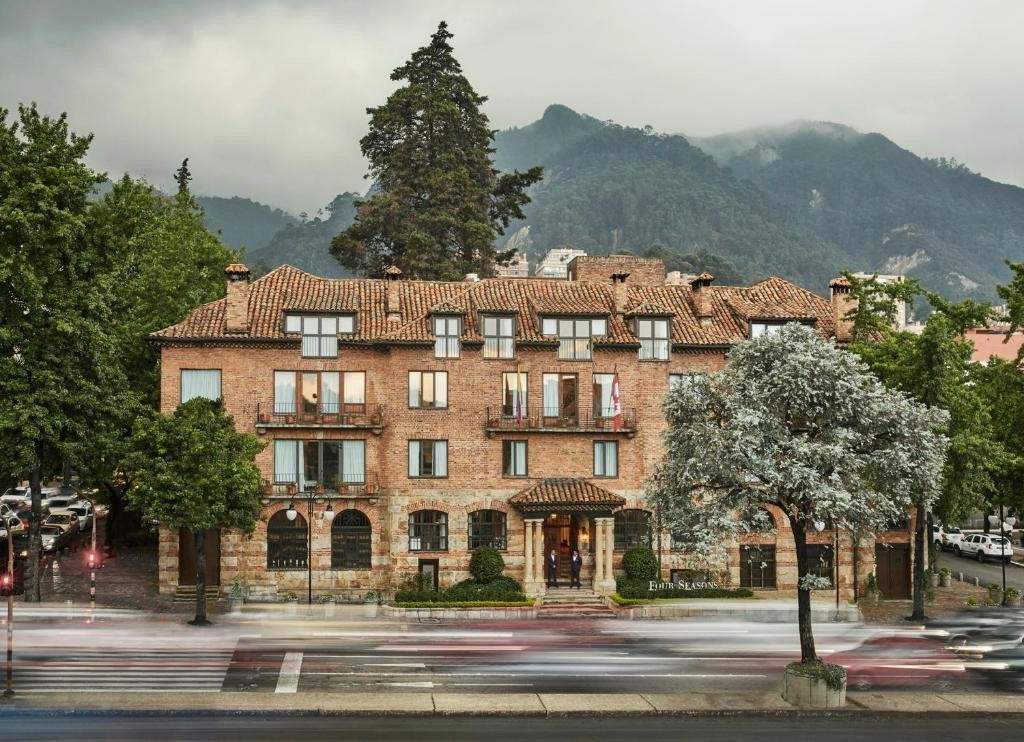
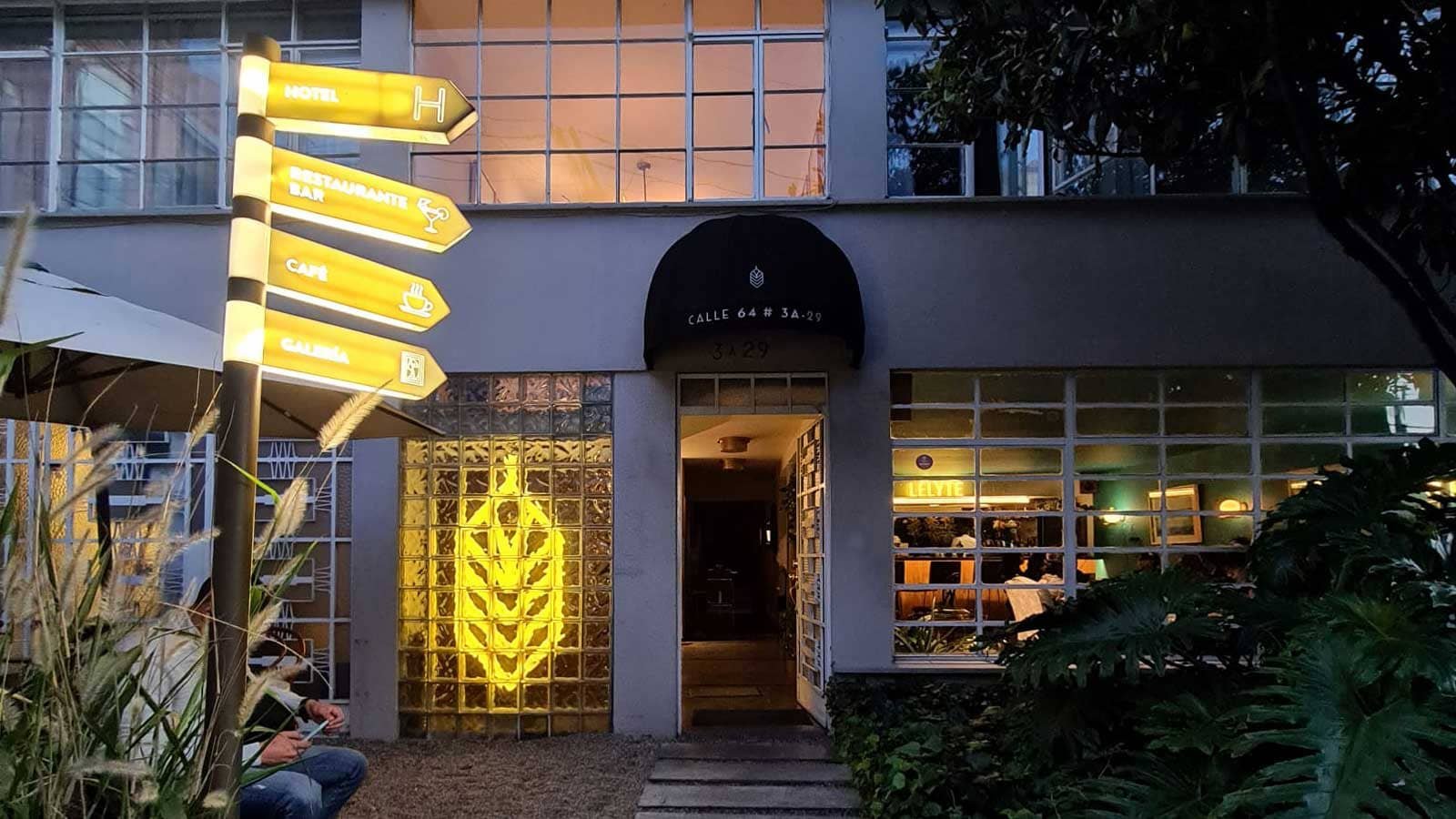
Chapinero is not Bogotá's most photographed neighbourhood, but it is its most intellectually engaged when it comes to food. The area has historically attracted independent operators who prioritise product and concept over spectacle. Arriving at Cra. 9 #69A-26, the streetscape reflects this character: the block mixes residential buildings with small commercial fronts, and the restaurants here do not compete through exterior theatre. What you find inside tends to carry more weight than what the facade suggests.
This is a meaningful distinction when compared to Colombia's resort and tourist-facing dining elsewhere in the country. Venues in Cartagena, such as LA BRIOCHE Bocagrande and Los Tacos Del Gordo, operate in a tourist economy where atmosphere and accessibility drive covers. Chapinero restaurants answer to a different constituency, local professionals, food-focused visitors, and a clientele that expects the sourcing story to be reflected in what arrives at the table, not just in a paragraph on the menu.
Colombian Cuisine at This Tier: The Reference Points
The Colombian restaurant tier that La Herencia operates within has international parallels that help calibrate expectations. In New York, the shift from technique-forward cooking to provenance-led menus is documented across venues from Le Bernardin, where sourcing has been a kitchen discipline for decades, to Atomix, which translates Korean agricultural heritage into a contemporary fine-dining idiom. The underlying logic, that the ethical treatment of ingredients is inseparable from their quality, travels across cultures and cuisines.
In Colombia, the same logic has produced a generation of serious restaurants that are increasingly visible in international conversation. Medellín's 37 Park operates with similar regional-sourcing discipline, while the continued cultural gravity of Andrés Carne de Res in Chia shows that Colombian hospitality at scale can maintain identity without compromising quality. La Herencia's Bogotá address places it in the densest concentration of this new culinary generation.
Locally, the peer reference is clear. Debora Restaurante represents the more contemporary presentation end of Bogotá's Colombian-ingredient-led scene, while Leo has placed Colombian biodiversity on an international shortlist through its documented work with native ingredients. La Herencia's positioning, signalled by its name and its Chapinero address, suggests alignment with this sourcing-serious cohort rather than with the broader mid-market.
The Short List
Comparable venues nearby, for context on price, style, and recognition.
| Venue | Cuisine | Price | Notes |
|---|---|---|---|
| Restaurante La HerenciaThis venue — the venue you are viewing | Quinta Camacho, Authentic Colombian | $$ | Not listed |
| Contra Corriente | Ciudad Universitaria, Modern Colombian | $$$ | Not listed |
| Mini Mal | Not listed | $$ | Bosque Calderon, Modern Colombian Farm-to-Table |
| Salvo Patria | Bosque Calderon, Modern Colombian | $$$ | Not listed |
| The Red Room | Quinta Camacho, Cocktail Bar & Lounge | $$$ | Not listed |
| La Macarena | La Macarena, Spanish Tapas | $$ | Not listed |
At a Glance
- Cozy
- Classic
- Rustic
- Family
- Casual Hangout
- Historic Building
Current opening hours
- Monday
- 9 AM–5 PM
- Tuesday
- 9 AM–5 PM
- Wednesday
- 9 AM–8 PM
- Thursday
- 9 AM–5 PM
- Friday
- 9 AM–5 PM
- Saturday
- 9 AM–8 PM
- Sunday
- 9 AM–5 PM
Hours can change for holidays and private events. Last verified .
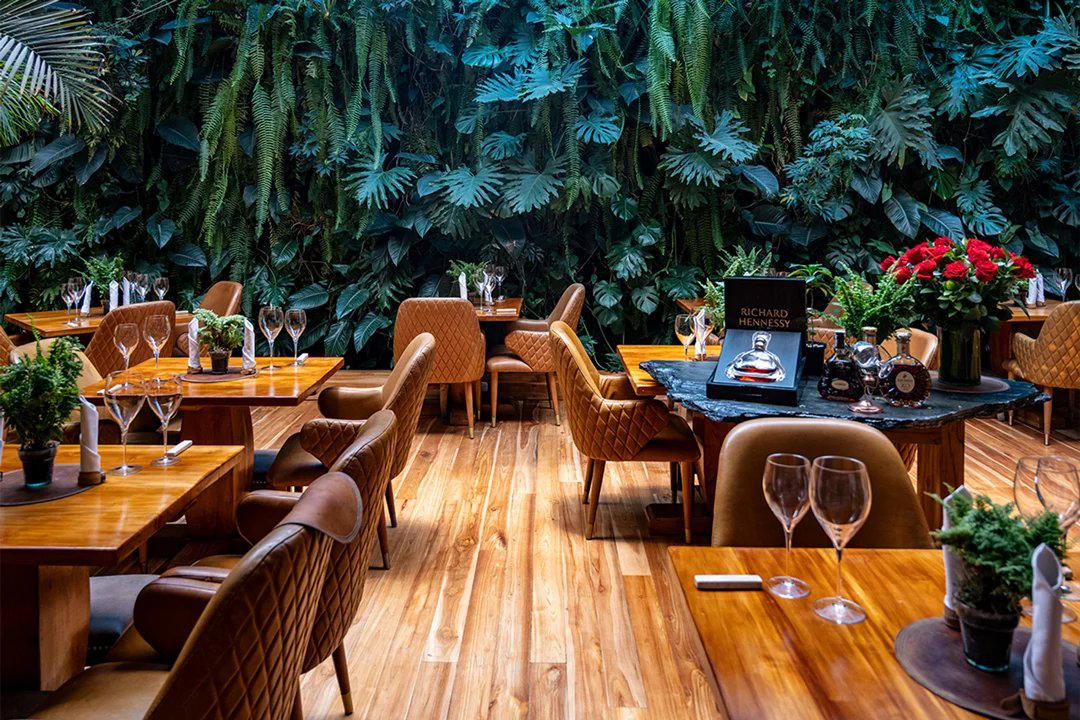
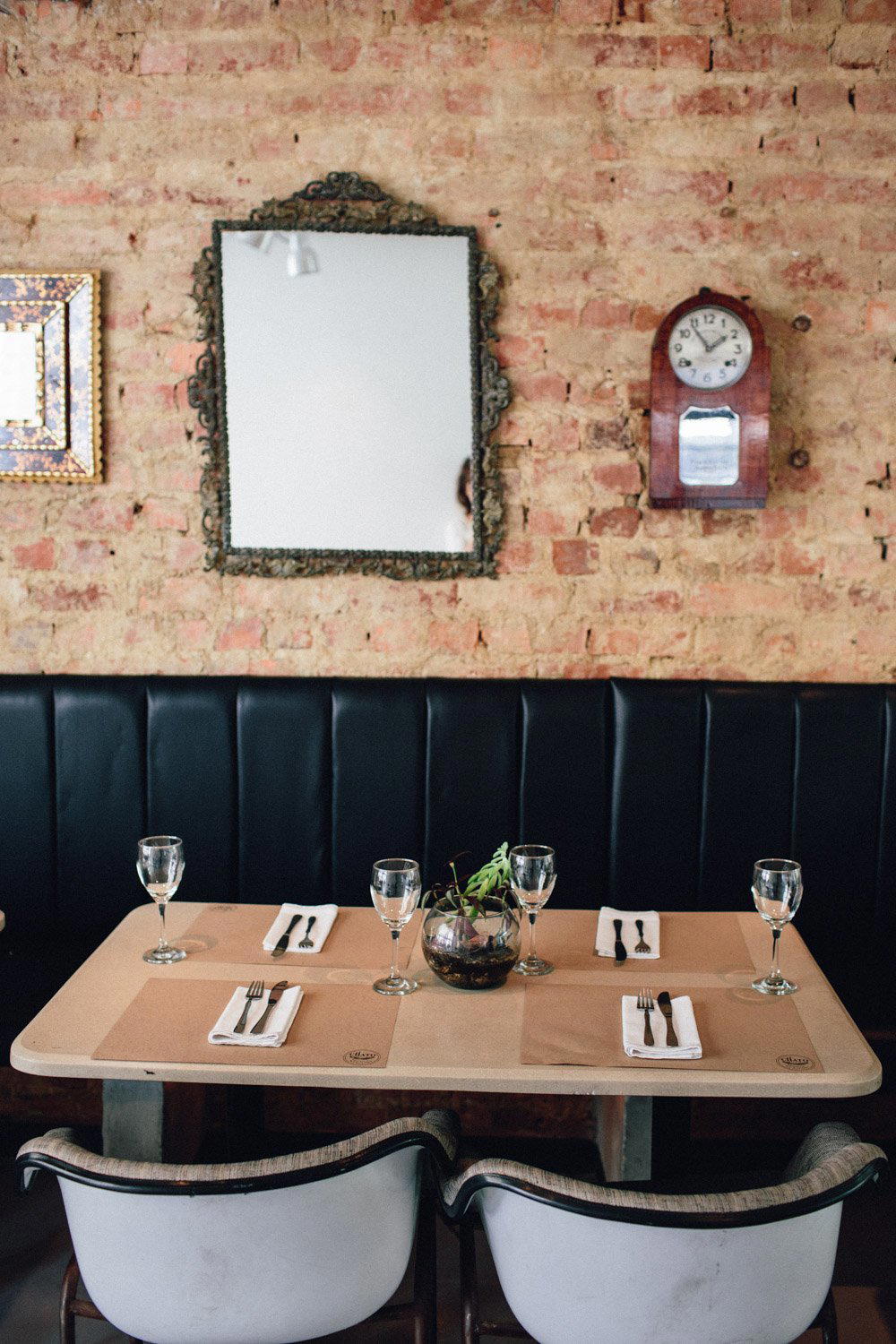
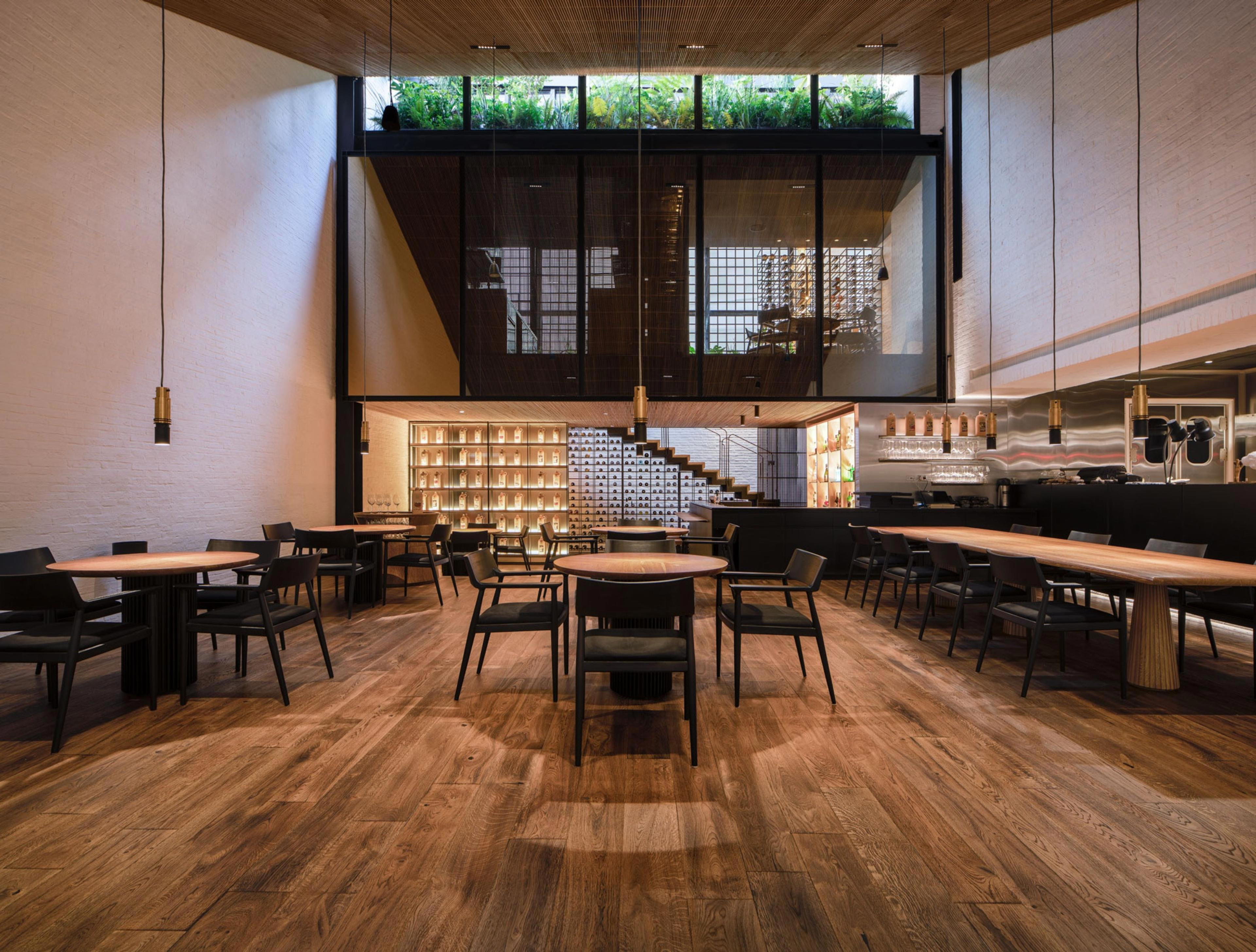
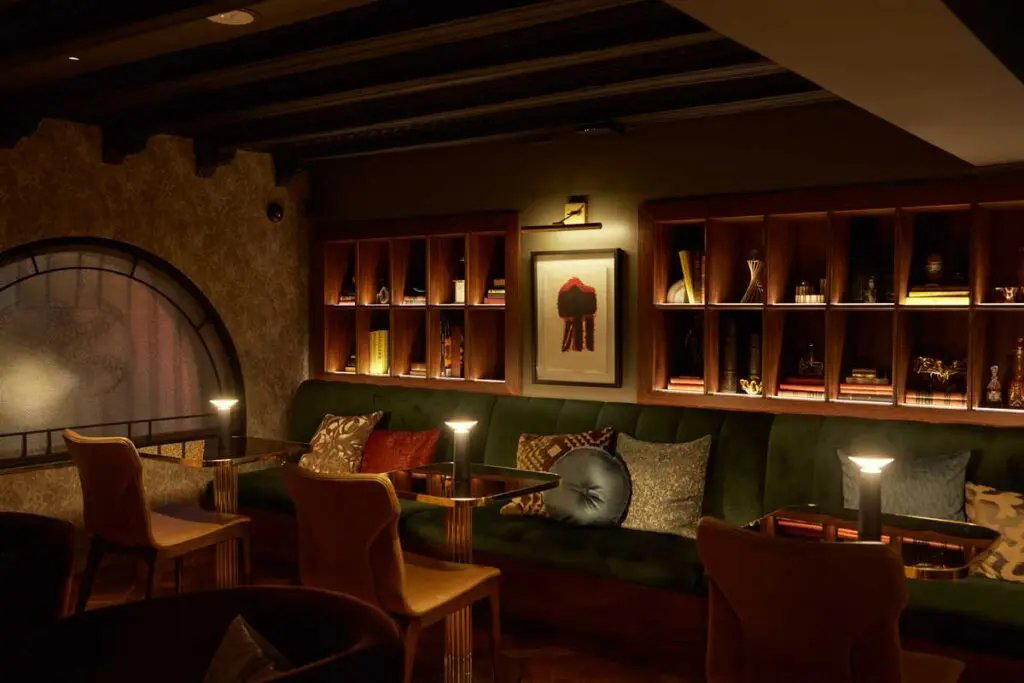
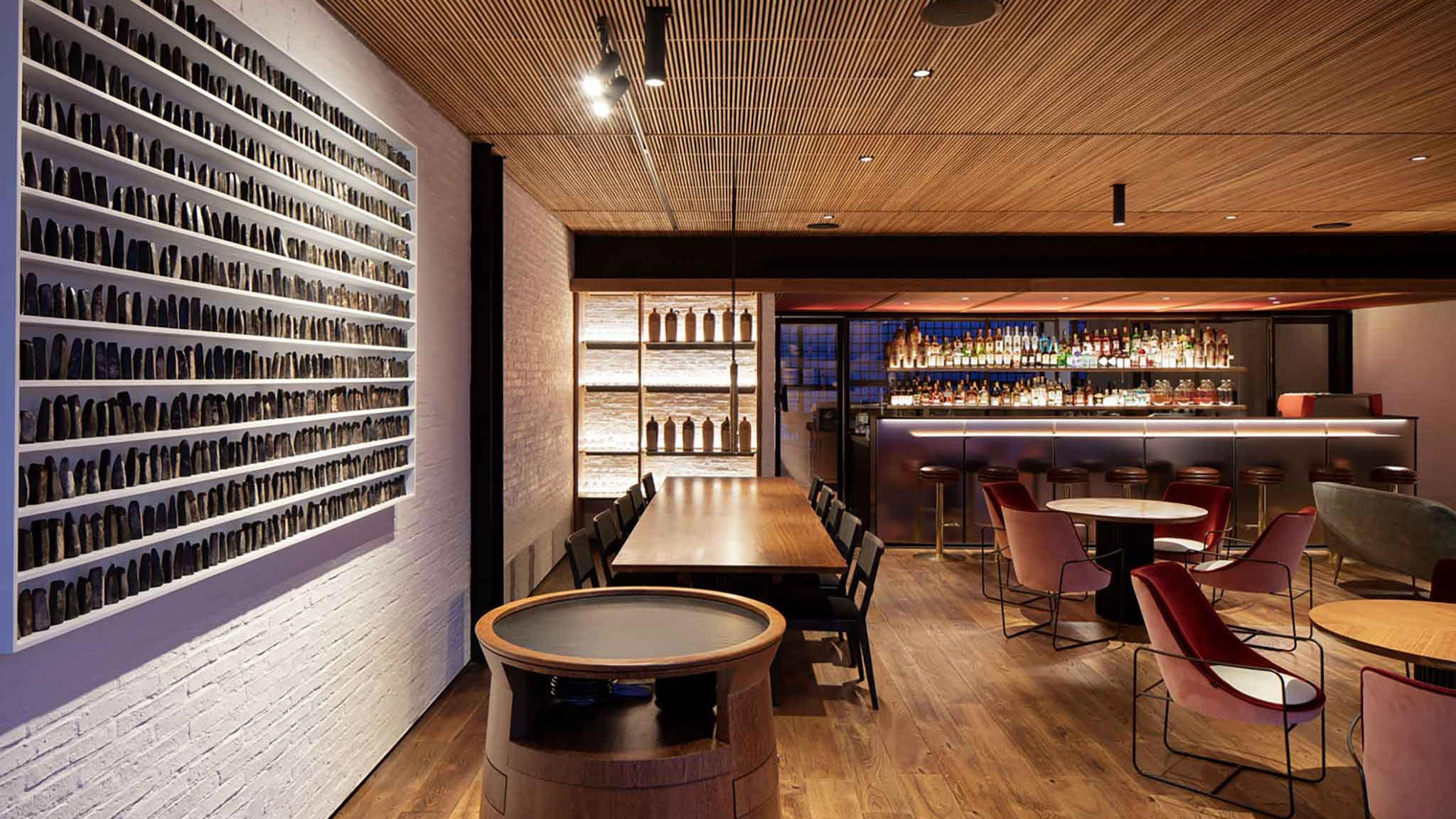
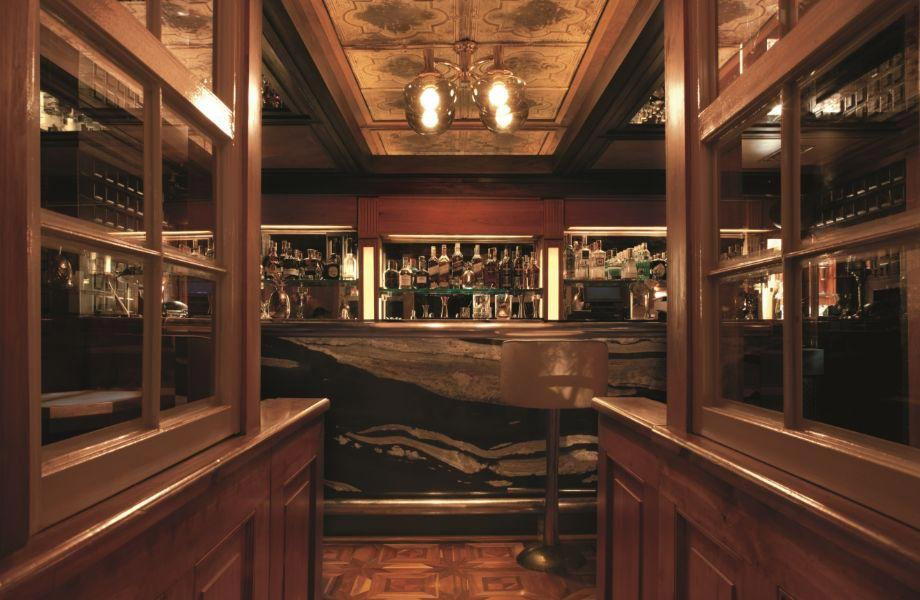
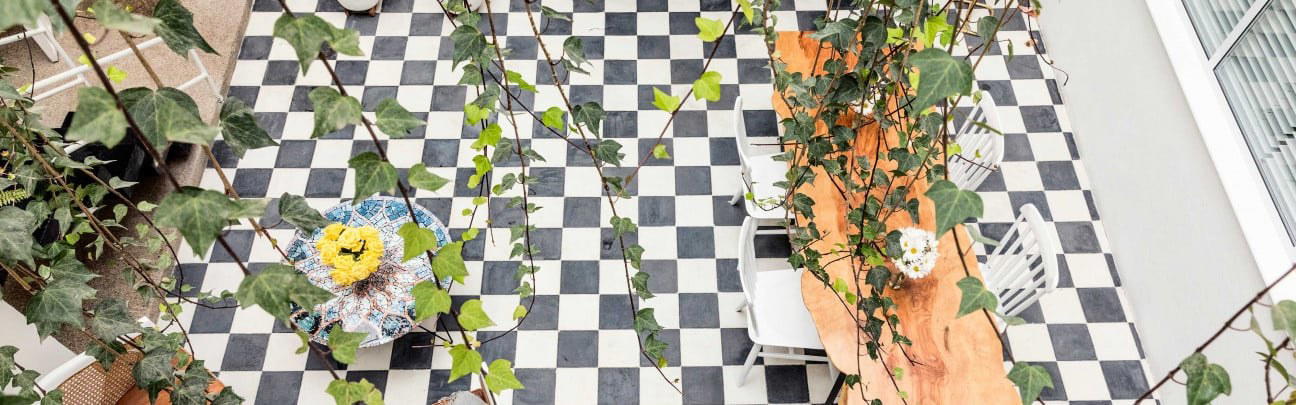
Warm, cozy, and inviting atmosphere in a charming house with traditional decor, well-suited for a welcoming dining experience.