"La Puerta Falsa, Bogotá Near Plaza de Bolívar in the colonial Candelaria quarter, the city’s historic core, swing by La Puerta Falsa, a bakery and restaurant that has been run by the same family since 1816. Order the chocolate completo, a cup of hot cocoa mixed with water and melted cheese that comes with buttered bread and an almojábana (biscuit). Calle 11 No. 6 to 50, 57/(0) 1-286-5091. Image: William Neuheisel/Flickr.com"
Pearl is the En Primeur Club membership app — saves, bookings, and concierge access live there. Same editors, same standards.
- Address
- Cl. 11 #6-50, Bogotá, Colombia
- Phone
- +57 12865091
- Directions
- Get directions
 Saves & bookings on Pearl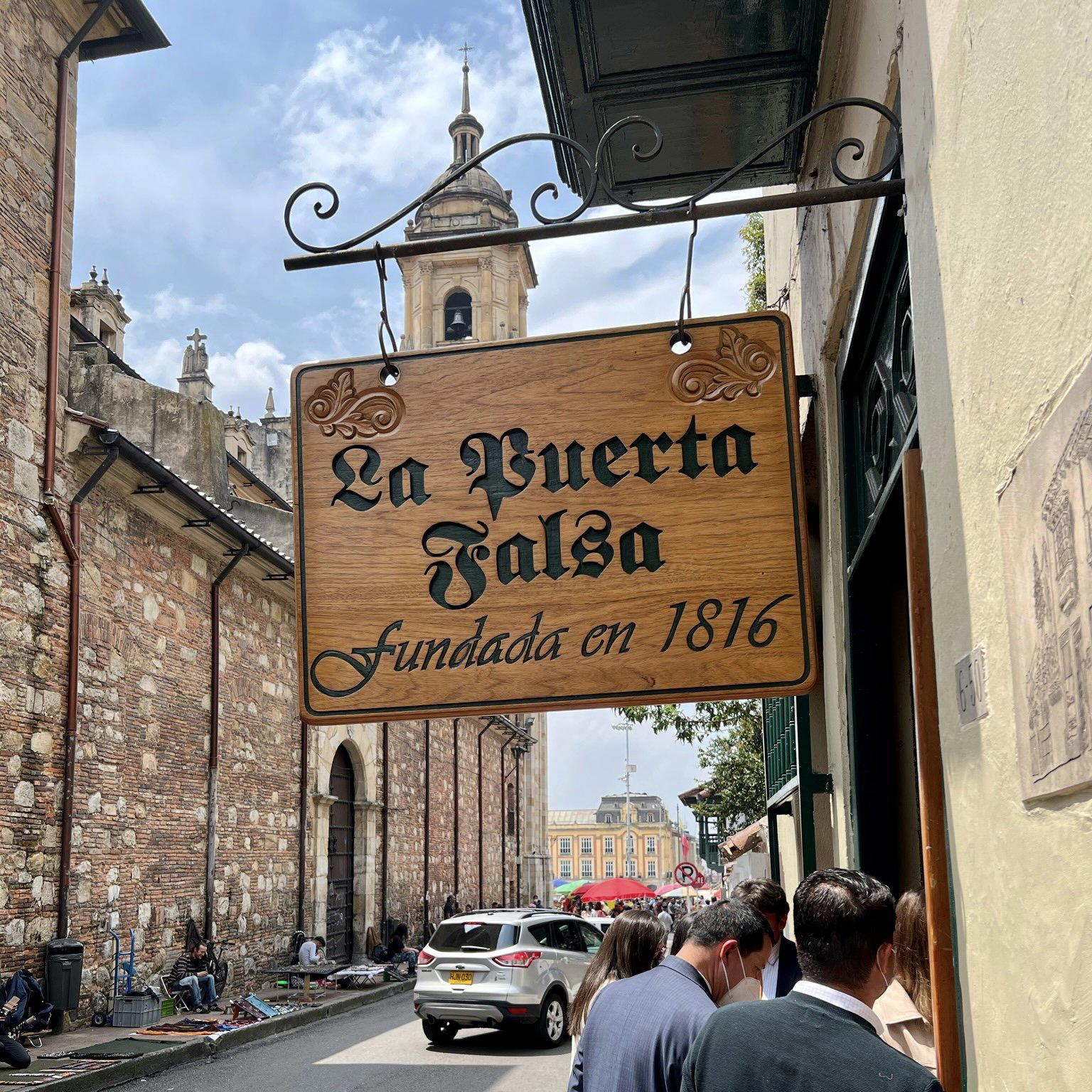
La Candelaria and the Weight of an Address
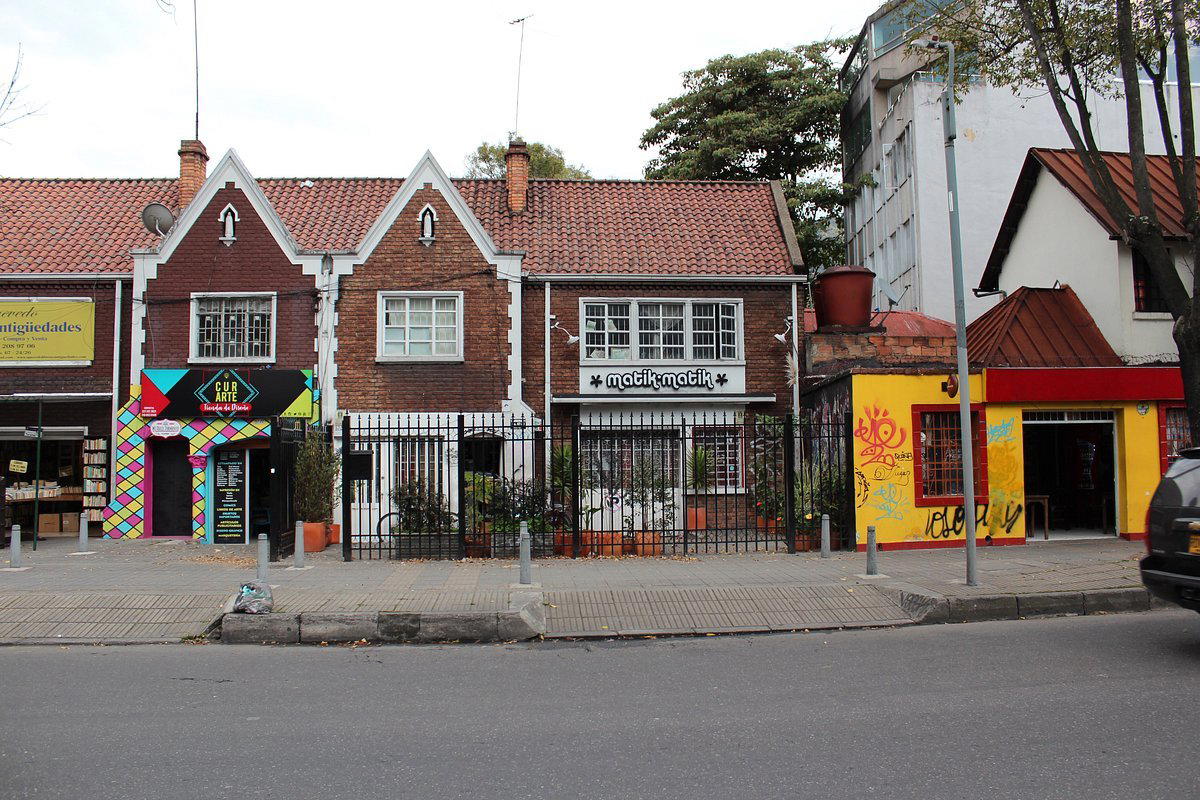
Calle 11 cuts through La Candelaria with the unhurried confidence of a street that has seen several centuries of city life. This is Bogota's historic barrio, where the colonial grid holds firm against the pressure of a capital that has sprawled into the savanna in every other direction. Arriving at Cl. 11 #6-50 on foot from Plaza de Bolivar, just a few blocks uphill, you pass government facades, art school doorways, and the kind of corner tiendas that exist in a permanent middle state between open and closed. The neighbourhood anchors La Puerta Falsa Restaurant in a context that matters: this is not the polished Zona Rosa dining belt or the design-forward Chapinero corridor. It is the historic centre, and eating here carries the specific gravity of that location.
In most Latin American capitals, the historic centre has been progressively abandoned by the restaurant trade in favour of newer, wealthier districts. Bogota's La Candelaria has followed a different arc. It retains institutions, particularly traditional ones, that have outlasted neighbourhood cycles precisely because they serve something the newer districts cannot easily replicate: a direct link to the city's foundational food culture. La Puerta Falsa sits in that category, operating as one of the oldest continuously running eateries in the capital and drawing a cross-section of visitors, students, and longtime locals that few restaurants in the city's more fashionable precincts could claim.
Traditional Colombian Dining in Its Urban Stronghold
Understanding where La Puerta Falsa fits in Bogota's restaurant picture requires separating two parallel conversations that often get conflated. The first is the one that occupies most international food coverage of the city: the modern Colombian movement represented by venues like El Chato (Modern Colombian) and Leo (Modern Colombian), both of which have achieved significant global recognition for their work reinterpreting Colombian ingredients through a contemporary lens. The second, less loudly promoted but more structurally important, is the tradition that the modern movement is reinterpreting in the first place. La Puerta Falsa belongs to the second conversation.
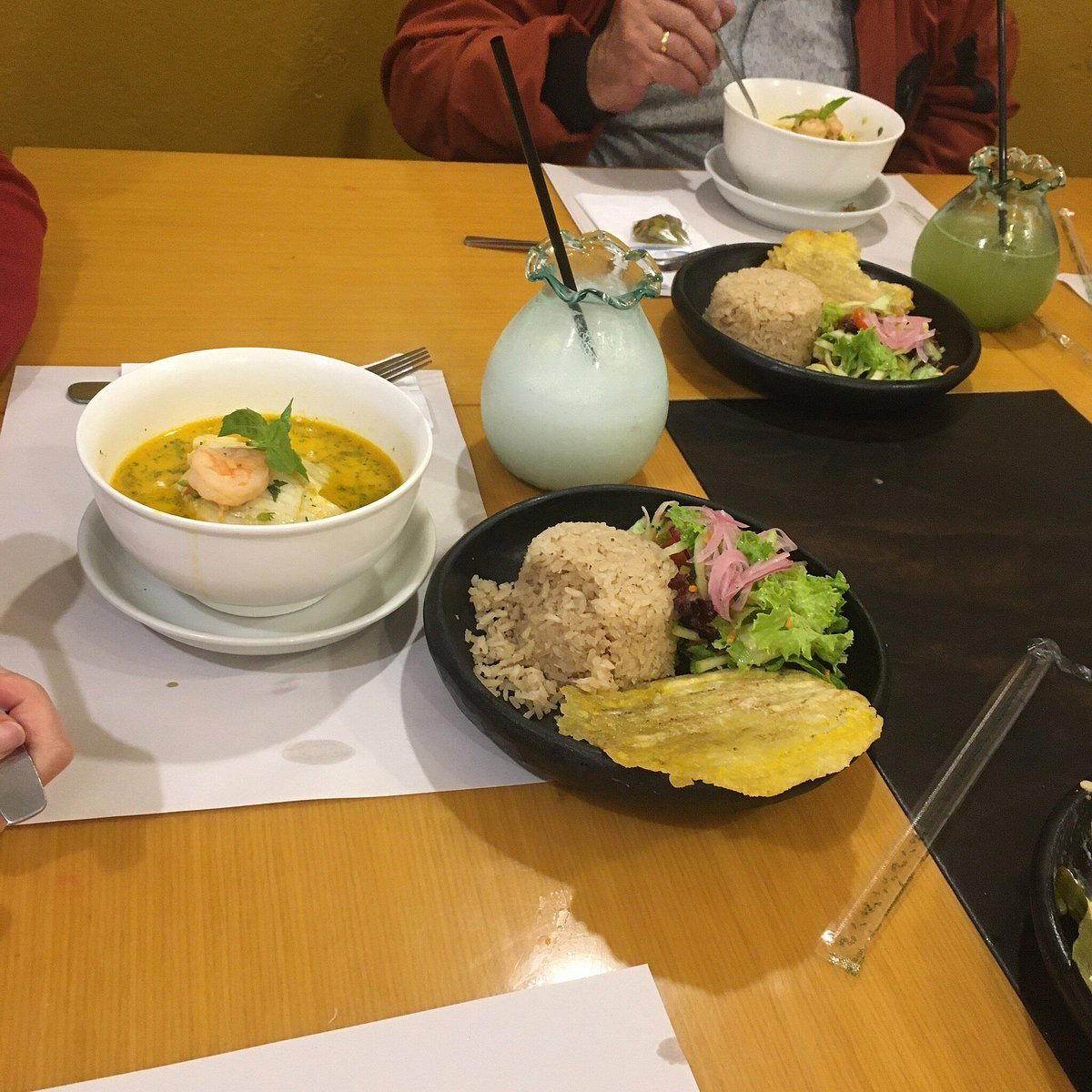
The restaurant's reputation rests on the foundational repertoire of Bogota's traditional cuisine: ajiaco, the thick potato-and-chicken soup that is as close to an official city dish as Bogota has; chocolate santafereño, the hot chocolate served with cheese for dunking in the colonial fashion; tamales; and the kind of breakfast plates that once powered the working morning of the capital's administrative class. These are not heritage approximations assembled for tourist nostalgia. They are the ongoing practice of a food tradition that has been refined and narrowed to the dishes it does leading.
Compared to Bogota restaurants positioned at higher price points, such as Debora Restaurante or Afluente, La Puerta Falsa operates in an entirely different register. There is no tasting menu structure, no wine program to speak of, and no modernist technique. The comparison set is not the contemporary Colombian fine dining circuit but rather the older urban fondas and traditional cafes that have largely disappeared from the city centre elsewhere in Latin America.
The Room and What It Tells You
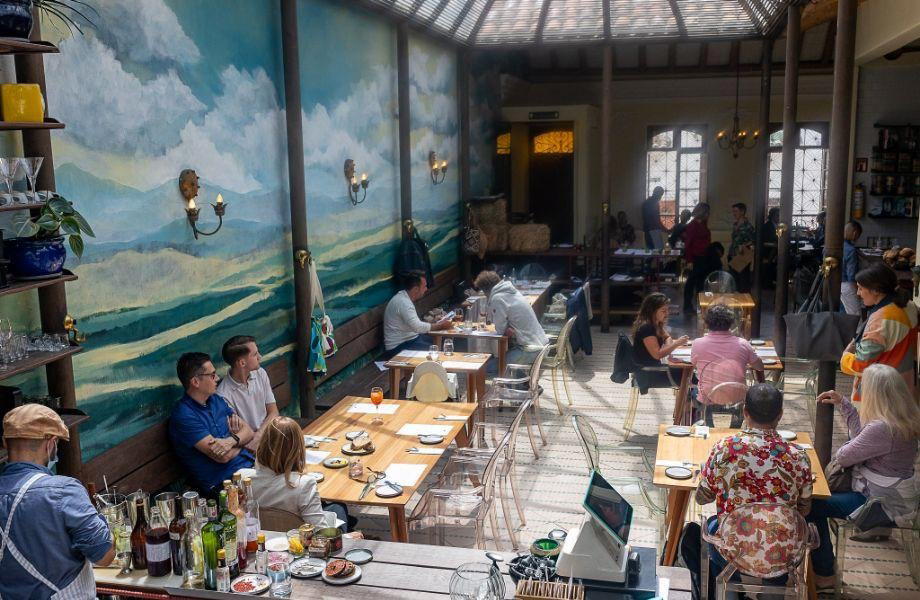
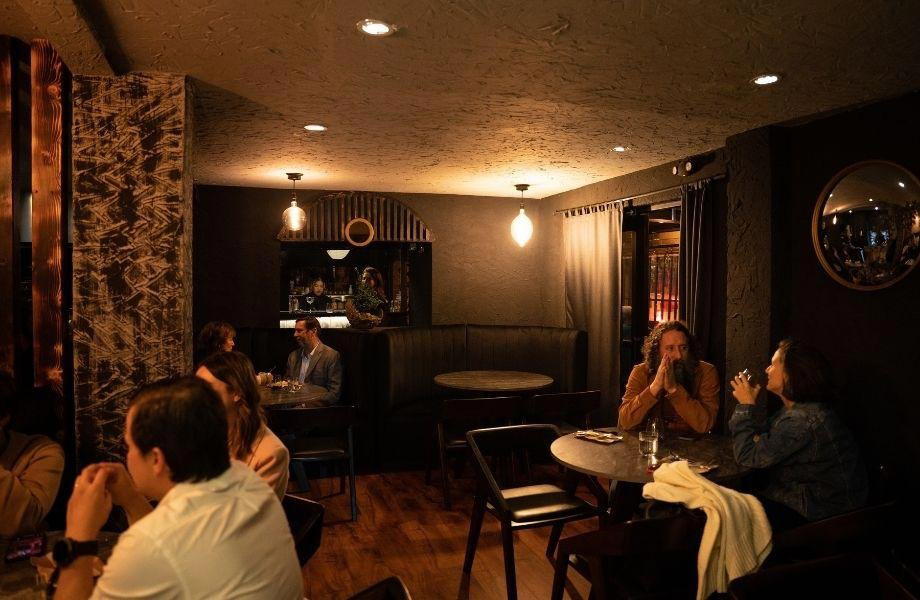
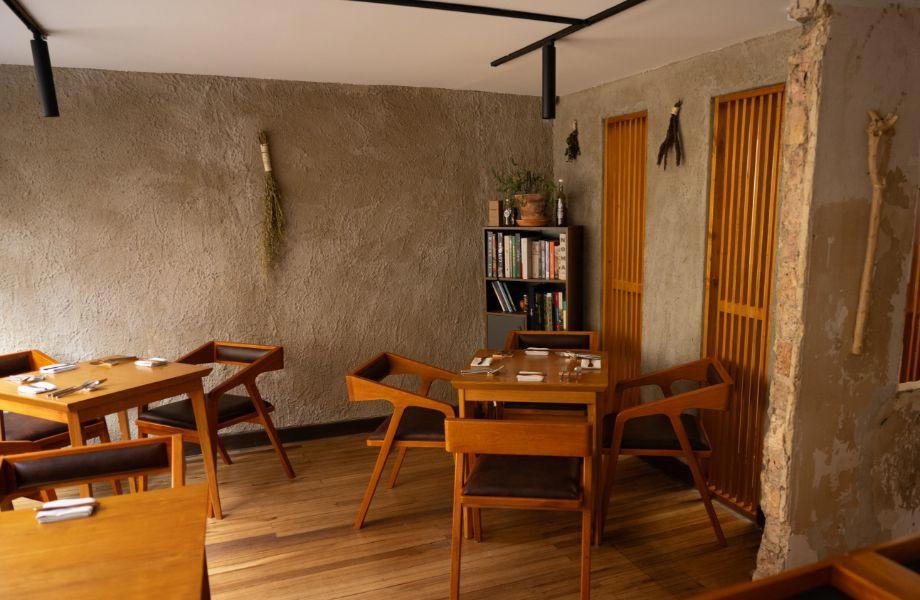
The physical space at La Puerta Falsa is compact in the way that colonial-era commercial buildings tend to be: narrow frontage, low ceilings, tables close enough together that neighbouring conversations become ambient texture rather than intrusion. There is no performance design, no deliberate aesthetic layering. What you register instead is the accumulated density of a room that has been doing this for a long time, where the menu is written in the same handwriting it has always been and the service rhythm is set by regulars rather than occasion diners. For visitors arriving from the contemporary dining circuits around Abasto Quinta Camacho, the contrast in register is immediate and informative.
This is also one of the more reliable ways to spend a morning or midday in La Candelaria before continuing to the Gold Museum, the Luis Angel Arango library, or any of the barrio's cultural anchors. The restaurant's location and format make it a natural pause point rather than a destination dinner. Meals here are weighted toward earlier in the day, when ajiaco and chocolate fit the rhythm of the city's historic centre at its most legible.
Colombia's Broader Food Map
Bogota is the concentrated point of Colombia's national dining conversation, but the country's food traditions are radically regional. The coastal preparations found at places like El Boliche Ceviche in Cartagena or Sevichería Guapi in Santiago De Cali represent entirely different cooking logics from the highland santafereño tradition. Donde Mama in Barranquilla and BK - BURUKUKA in Santa Marta anchor the Caribbean coastal mode. La Puerta Falsa sits at the highland end of that spectrum, serving the cold-weather, potato-heavy, chocolate-forward cuisine that is specifically Bogota's contribution to the national table. For anyone mapping Colombian food across cities, it functions as a calibration point for the capital's baseline.
The contrast with Medellin's dining scene, represented by X.O. in Medellín, or with more format-driven Bogota operations like Harry Sasson in Bogotá, underlines how much diversity exists within Colombian restaurant culture even at the higher end of the market. Further afield, Domingo in Cali and Andrés Carne de Res in Chia each represent their own regional and cultural specificity. La Puerta Falsa's value within this map is its specificity to place and tradition rather than to any particular moment in Colombian gastronomy's recent evolution.
Planning Your Visit
La Puerta Falsa sits in La Candelaria at Cl. 11 #6-50, a short walk from Plaza de Bolivar and within easy reach of the barrio's major cultural institutions. The restaurant draws a steady flow of visitors throughout the morning and midday hours, and given its compact size, arriving early or at off-peak times reduces wait time. As is common for traditional restaurants of this type, the format is informal and table-sharing can occur during busy periods. The address places it at a point where TransMilenio connections on Avenida Jimenez provide direct access from other parts of the city.
The restaurant represents a different mode from internationally oriented formats like Le Bernardin in New York City or Lazy Bear in San Francisco, but that contrast is part of what makes it worth placing in context. Other regional reference points worth knowing include Bulgatta restaurante in Retiro and Adictta pizza Manizales in Manizales, both of which show how Colombia's restaurant culture extends well beyond the main urban centres.
A Minimal comparable set
Comparable venues nearby, for context on price, style, and recognition.
| Venue | Cuisine | Price | Notes |
|---|---|---|---|
| La Puerta Falsa RestaurantThis venue — the venue you are viewing | Not listed | $ | Not listed |
| Donut Factory | Mirandela, Donut Shop | $ | Not listed |
| Abasto Quinta Camacho | Not listed | $$ | Quinta Camacho, Farm-to-Table Colombian Bistro |
| Prudencia | Not listed | $$$ | La Concordia, Modern Colombian Fine Dining |
| Mini Mal | Not listed | $$ | Bosque Calderon, Modern Colombian Farm-to-Table |
| Mesa Franca | Not listed | $$$ | Chapinero Norte, Modern Colombian Bistronomy |
At a Glance
- Classic
- Well Known
- Rustic
- Cozy
- Casual Hangout
- Brunch
- Historic Building
- Street Scene
Current opening hours
- Monday
- 7 AM–7:30 PM
- Tuesday
- 7 AM–6:45 PM
- Wednesday
- 7 AM–7:30 PM
- Thursday
- 7 AM–7:30 PM
- Friday
- 7 AM–7:30 PM
- Saturday
- 7 AM–7:30 PM
- Sunday
- 7 AM–6 PM
Hours can change for holidays and private events. Last verified .
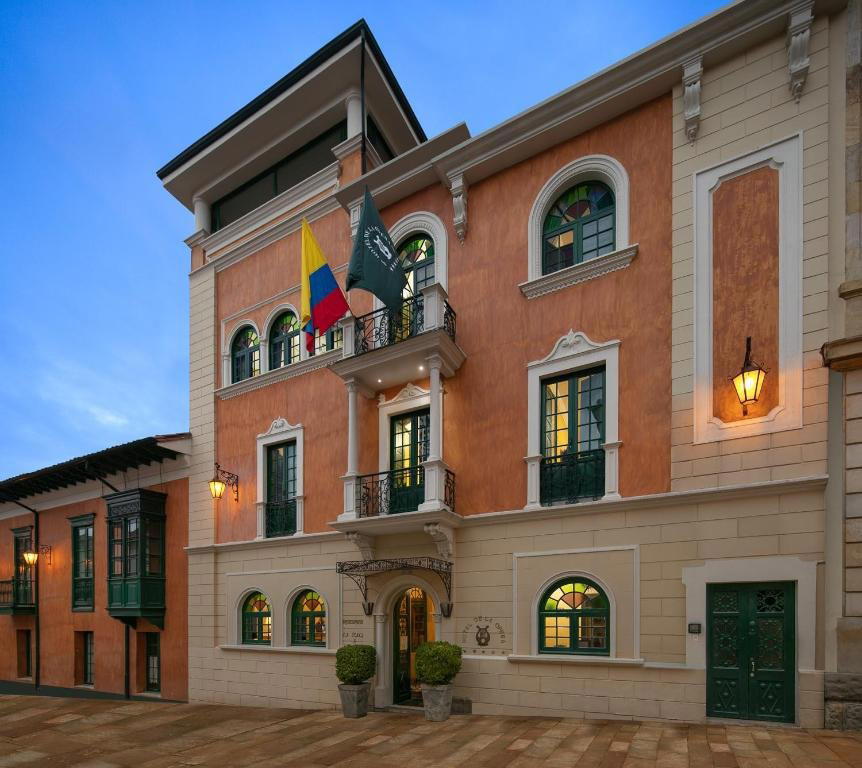
No-frills, crowded hole-in-the-wall in an old colonial home with shared counters and small tables, evoking palpable history and tradition.