
A 13-room Art Deco house hotel in Bogotá's upscale Quinta Camacho neighbourhood, Casa Legado represents the confident maturity of Colombia's boutique hotel scene. From $270 per night, it offers individually designed rooms, communal dining, and access to La Ramada, a two-bedroom countryside farmhouse an hour from the city.
Pearl is the En Primeur Club membership app — saves, bookings, and concierge access live there. Same editors, same standards.
- Address
- Carrera 8#69-60, Chapinero, Bogotá
- Phone
- +57 601 7702155
- Website
- casalegadobogota.com
- Directions
- Get directions
 Saves & bookings on Pearl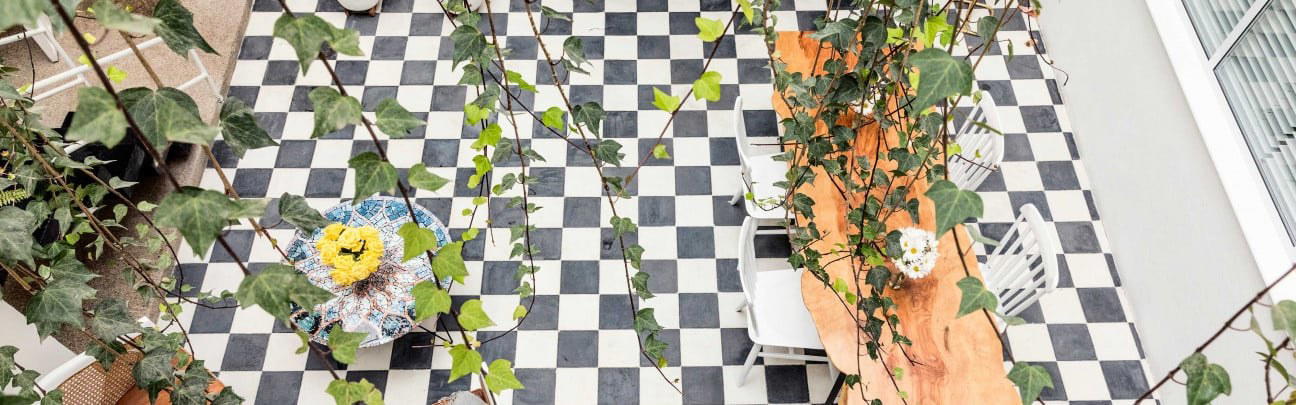
A 1950s House That Earned Its Second Life
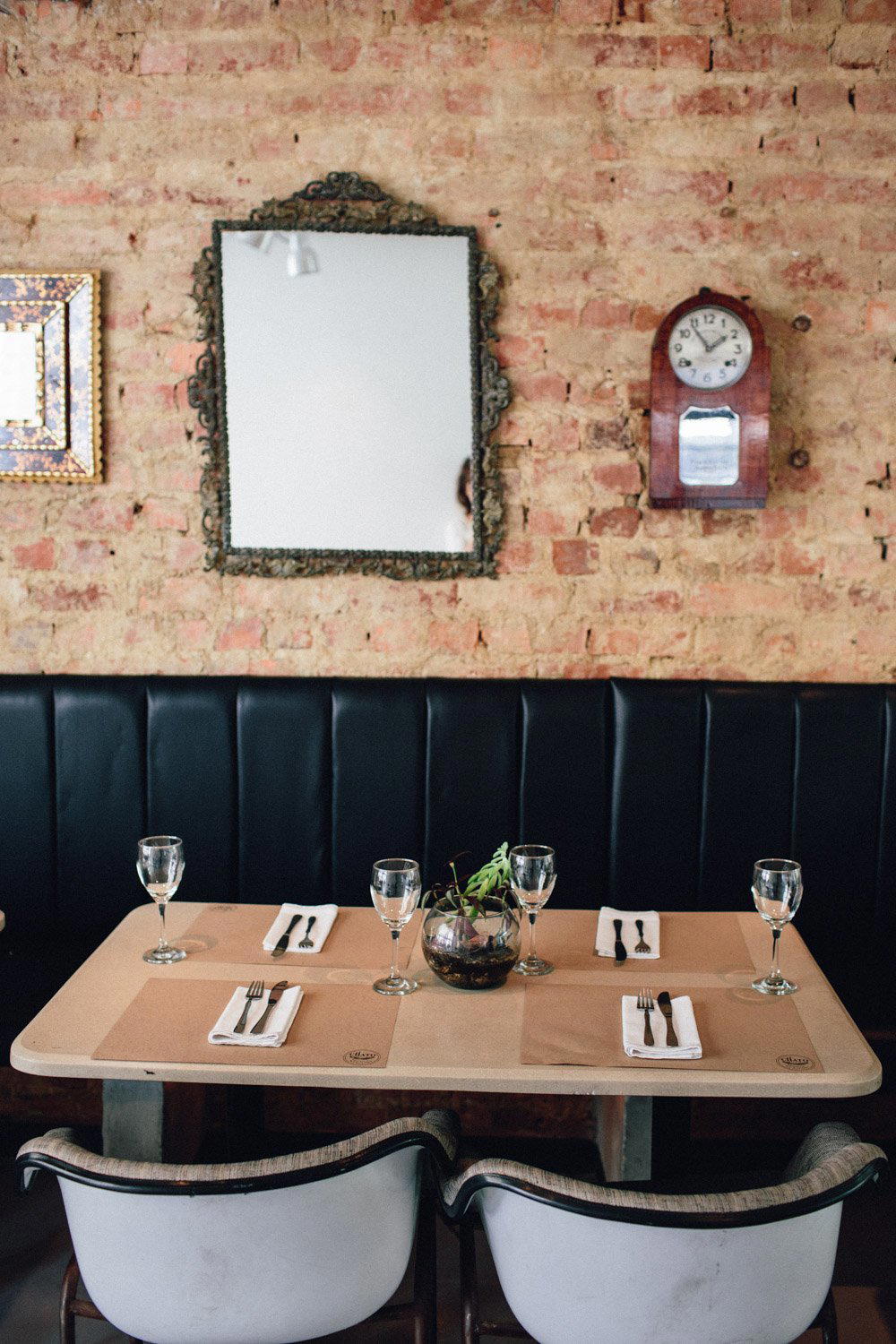
The boutique hotel movement in Latin America has tended to announce itself loudly, using heritage buildings as backdrops for design theatrics. Quinta Camacho, the residential enclave just south of Bogotá's Zona T, has produced a quieter and more considered example. Hotel Casa Legado is a 5-star hotel in Bogotá with one Michelin Key. It occupies a 1950s Art Deco house on Carrera 8, and the building's mid-century bones are neither erased nor turned into pastiche. Instead, they provide the structural logic for a 13-room property that reads more like a well-curated private house than a formal hotel, which, given the building's pre-hotel history, is exactly the point.
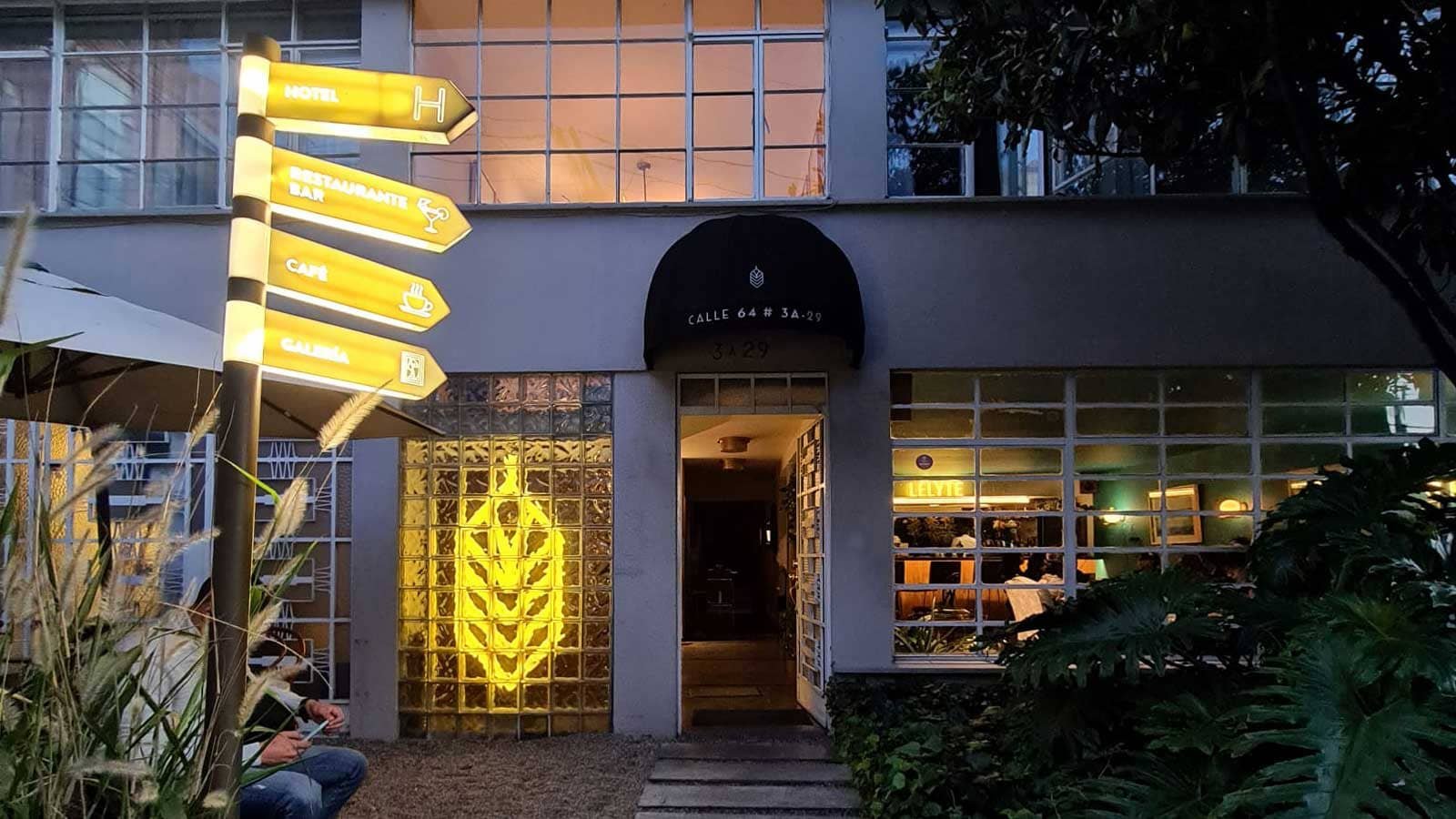
Casa Legado operates in a different register, alongside properties like Casa Cubil and Casa Lėlytė, where small scale and personal curation define the offer. At that tier, the building's character is not incidental, it is the primary credential.
What Art Deco Means in This Neighbourhood
Quinta Camacho developed in the mid-twentieth century as one of Bogotá's more affluent residential areas, and the housing stock from that period carries the clean horizontal lines, geometric ornament, and sunlit proportions that characterised Colombian Art Deco at its confidence. Casa Legado's building belongs to that tradition. The 1950s construction date places it in the mature phase of the style, after the early experimental period and before the concrete modernism that followed. The result is architecture with genuine warmth rather than the harder edges of later modernist residential work.
The proprietor's background in interior design shapes how the architectural inheritance has been handled. Each of the 13 rooms draws from the building's structural character without replicating it literally. The aesthetic runs contemporary, with light and simplicity as its organising principles, but the effect remains warm rather than spare. No two rooms are identical, a consequence of the building's original residential layout, where proportions and outlooks varied by design rather than by accident. For guests accustomed to hotels where room types differ only in floor level or bed size, the variation here is more substantive.
The Structure of a Stay
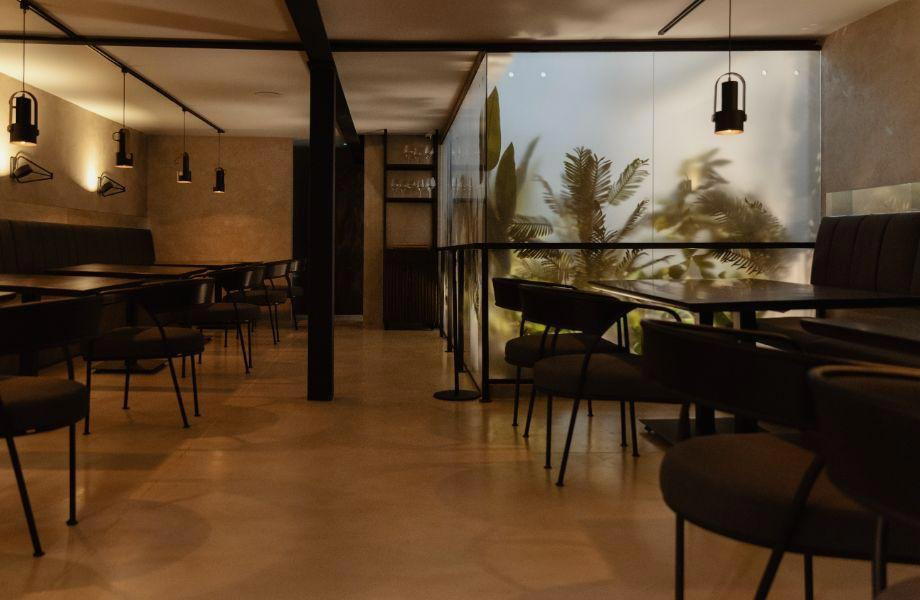
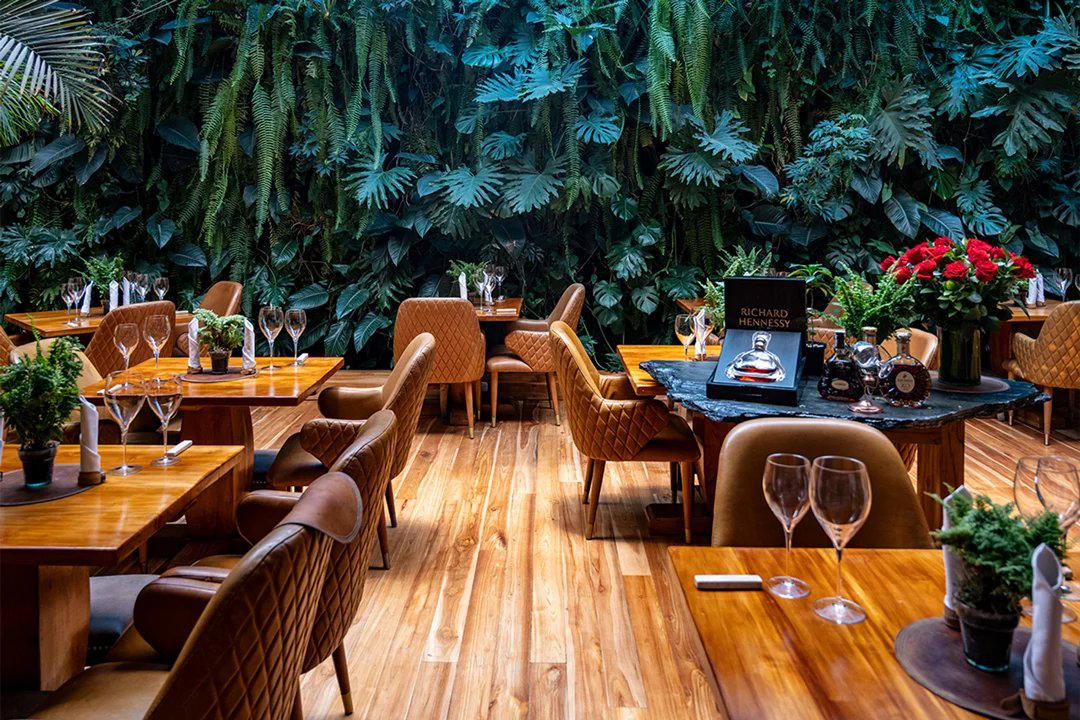
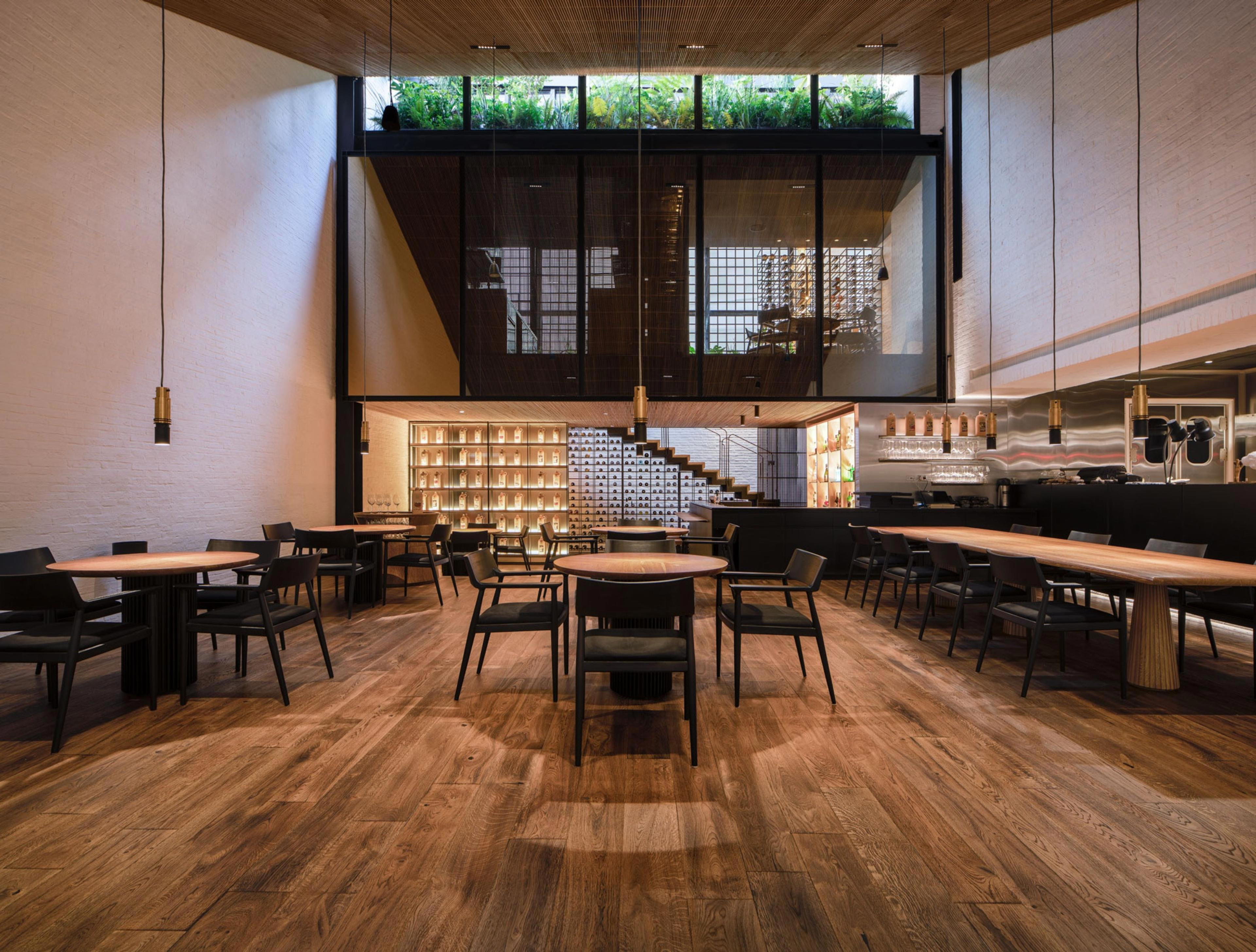
The communal dining room is one of the more deliberate features of Casa Legado's format. In Bogotá's boutique tier, communal dining signals a particular philosophy: the property is small enough and confident enough that it doesn't need to maintain the transactional distance of a full-service restaurant. Guests share the table, and the kitchen is available for guest use. Alongside the dining room, a library, a garden, and a courtyard provide the range of spaces that allow a 13-room property to feel generously proportioned. The logic is domestic rather than hospitality-industrial, and it works because the building supports it.
This kind of format, where the hotel operates more like a staffed house than a service machine, has become a recognised tier in premium boutique travel globally. Properties like Aman Venice or Amangiri use scale restriction and environmental specificity in analogous ways. Casa Legado is operating from a different price point and a different cultural context, but the underlying principle, that fewer guests, a distinctive physical setting, and curated communal space create a different quality of experience than a large hotel can produce, is the same.
La Ramada and the Colombian Countryside Extension
One of the more unusual features in Casa Legado's offer is La Ramada: a two-bedroom farmhouse in the Colombian countryside, accessible by day trip or overnight stay and located approximately an hour outside Bogotá. This kind of urban-rural pairing is becoming more common in premium boutique travel, particularly in regions where the contrast between city and countryside is sharp and the countryside itself is underexplored. In Colombia's case, the landscape within an hour of the capital shifts considerably, and the ability to move between a Quinta Camacho Art Deco house and a rural farmhouse within a single trip adds a dimension that neither property could provide alone.
La Ramada offers a particular draw. The Colombian high season aligns with the dry season in the highlands, making countryside excursions more reliably comfortable.
Neighbourhood Position and comparable set
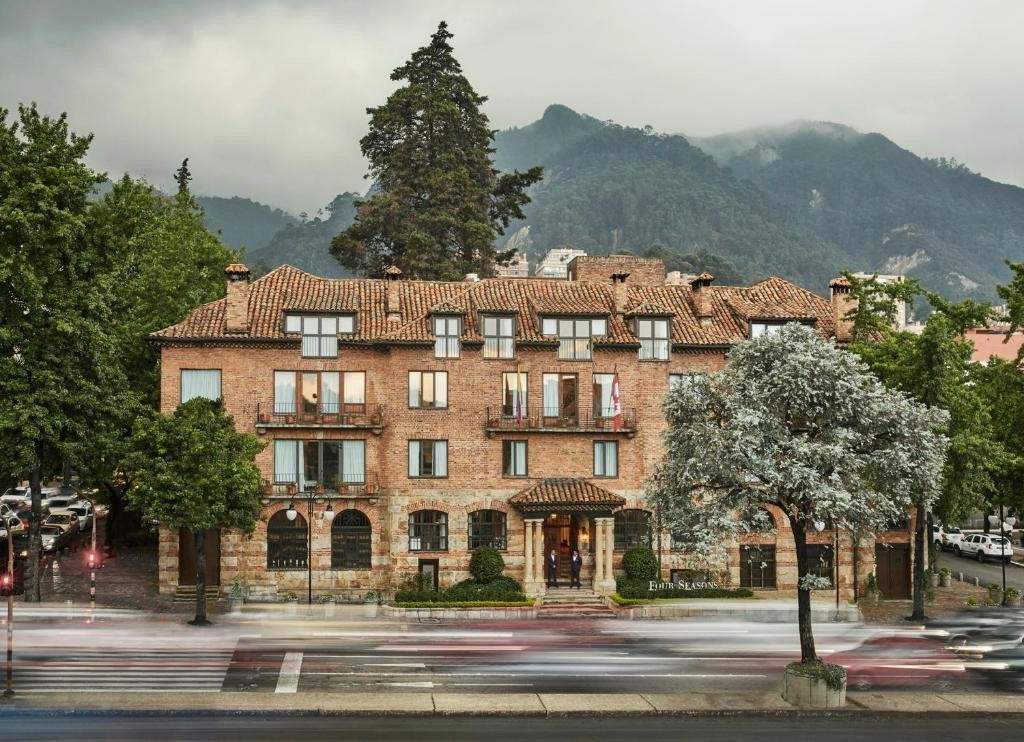
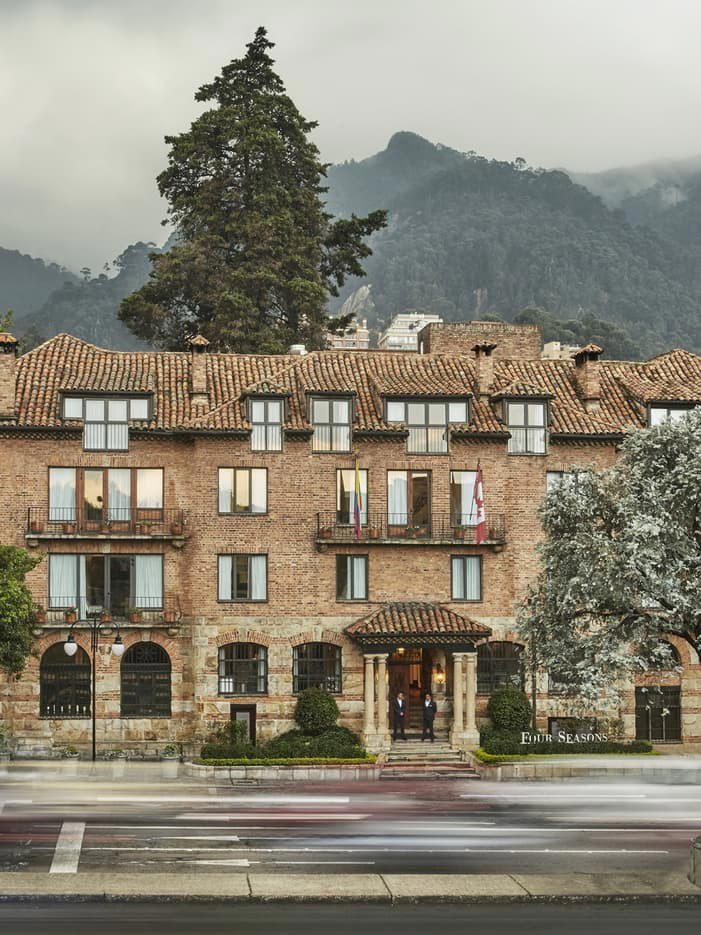
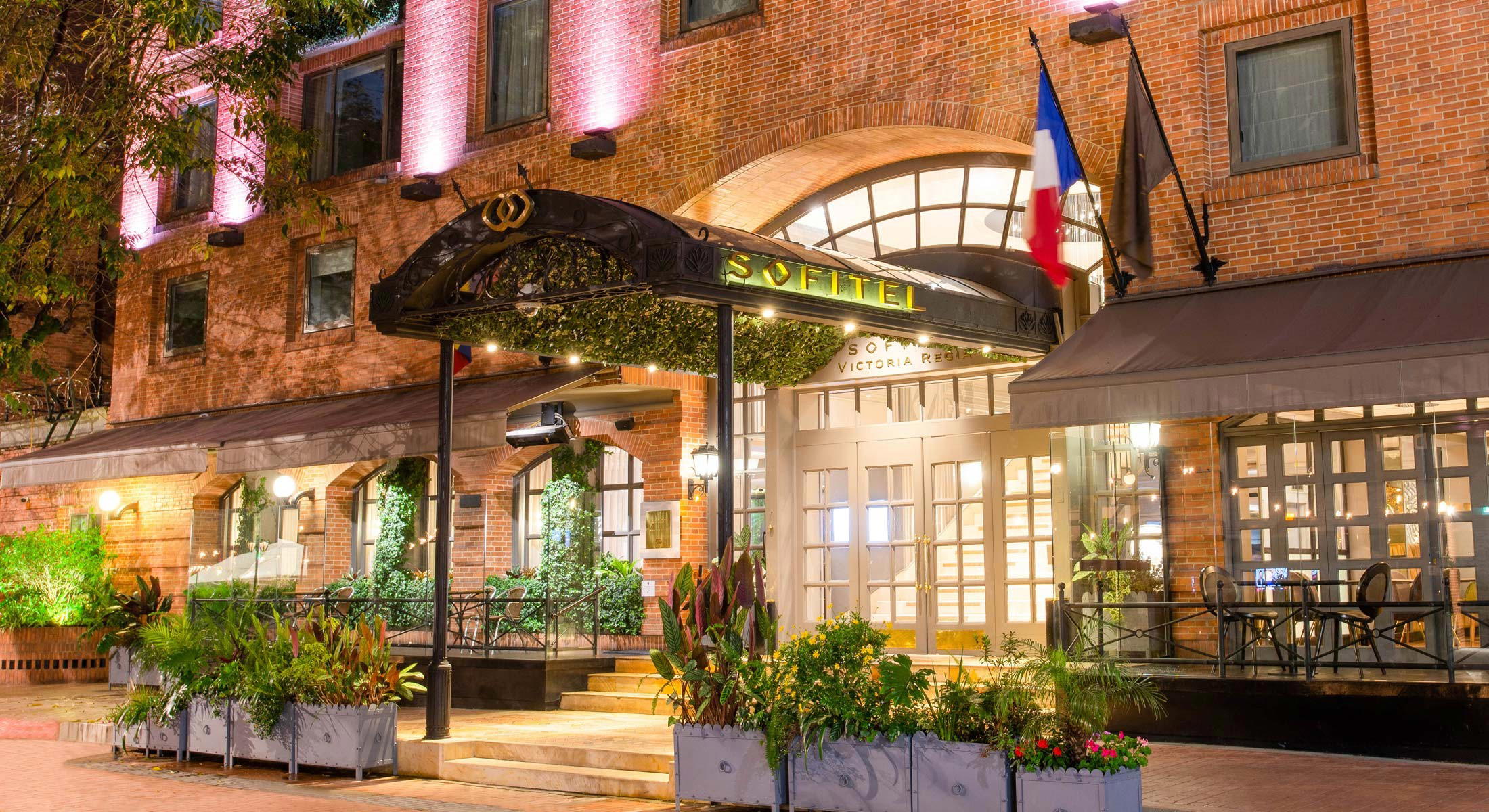
Quinta Camacho's position relative to Zona T gives it a useful dual character: residential calm with immediate access to Bogotá's most active dining and bar district. For guests using Casa Legado as a base for the city's food scene, the neighbourhood works efficiently. The properties in the area's immediate comparable set, including Four Seasons Casa Medina and Sofitel Victoria Regia, each occupy distinct positions in Bogotá's accommodation hierarchy. Casa Legado's differentiation is clearest at the level of format and scale: no property in its immediate size category offers the same combination of Art Deco residential architecture, owner-led interior design, and countryside extension.
For travellers whose Colombia itinerary extends beyond Bogotá, the country's boutique hotel offer has deepened considerably. Four Seasons Cartagena and Casa Don Sancho anchor the coast, while the Coffee Region has its own specialist properties including Bio Habitat in Quindio and Cannúa Lodge in Marinilla. Elcielo in Medellín bridges hotel and restaurant concepts in ways that parallel Casa Legado's communal dining approach.
Planning and Practical Notes
Rates start from $210 per night across 13 rooms, placing Casa Legado in the mid-to-upper range of Bogotá's independent boutique tier. For a property of this size and format, lead time matters: 13 rooms is a hard ceiling, and availability can tighten quickly. Travellers should plan bookings at least two to three months ahead if the countryside extension is part of the plan.
The address on Carrera 8 in Chapinero places the property within direct reach of Bogotá's major food, retail, and cultural circuits. Casa Legado functions as a Bogotá anchor for a broader Colombia itinerary.
Comparable Options
Comparable venues nearby, for context on price, style, and recognition.
| Venue | Cuisine | Price | Notes |
|---|---|---|---|
| Hotel Casa LegadoThis venue — the venue you are viewing | Mid-20th-century family-owned bed & breakfast with Art Deco architecture renovated in 2019 | $$$ | Not listed |
| Four Seasons Hotel Casa Medina Bogota | Colonial heritage luxury hotel with residential comfort | $$$$ | Emaus |
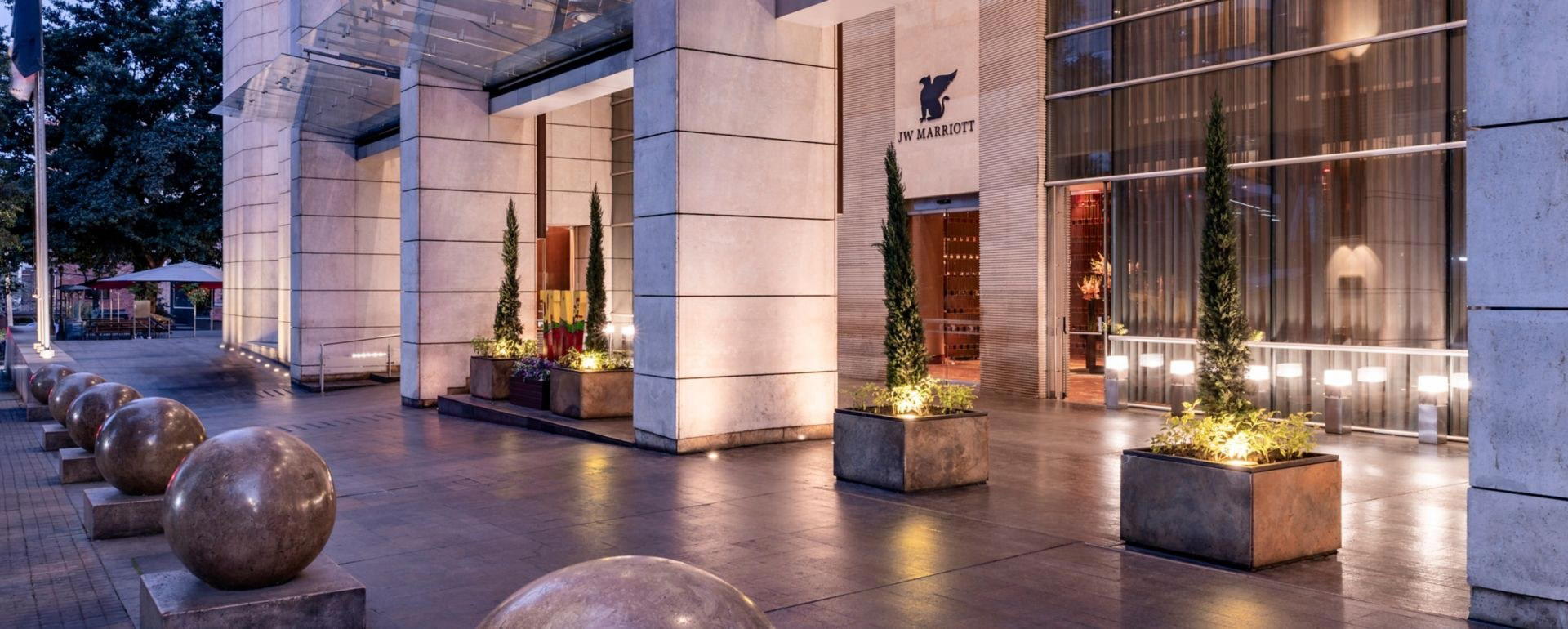
| JW Marriott Hotel Bogota | Luxurious urban retreat with Spanish-style elegance. | $$$$ | Porciuncula |
| Grand Hyatt Bogota | Modern high-rise luxury hotel with panoramic views and extensive wellness facilities. | $$$$ | Ciudad Salitre Nor-Oriental |
| Hotel 101 Park House | English-style boutique overlooking the park | $$$ | Santa Bibiana |
| Sofitel Bogotá Victoria Regia | Contemporary luxury blending French art-de-vivre with Colombian influences | $$$$ | La Cabrera |
Recognition history
Dated appearances from independent guides and award organizations, with the underlying list record or original source where available.
Mr & Mrs Smith Smith Seal of Approval
Mr & Mrs Smith
Michelin 1 Key
Michelin
At a Glance
- Cozy
- Elegant
- Intimate
- Sophisticated
- Modern
- Romantic Getaway
- Weekend Escape
- Garden
- Historic Building
- Wi Fi
- Spa
- Massage
- Garden
- Room Service
- Concierge
- Bicycle Rental
- Breakfast Included
- Garden
- Wi Fi
- Spa
- Massage
- Garden
- Room Service
- Concierge
- Bicycle Rental
- Breakfast Included
Bright and airy with natural light, delicate pastel colors, inviting common areas, cozy fireplace, and a homely, relaxing atmosphere praised for its tasteful decor and warmth.