Sala Federico
Sala Federico occupies a residential stretch of Oostzeedijk Beneden in Rotterdam's east bank, operating in a city where ingredient provenance has become a defining marker for serious dining. The address places it at a remove from the tourist circuit, in a neighbourhood where the kitchen's supply chain matters more than the postal code. Rotterdam's broader fine-dining tier makes this a useful reference point for anyone mapping the city's less obvious eating options.
Pearl is the En Primeur Club membership app — saves, bookings, and concierge access live there. Same editors, same standards.
- Address
- Oostzeedijk Beneden 227, 3061 VV Rotterdam, Netherlands
- Phone
- +31627883888
- Website
- osteriasalafederico.nl
- Directions
- Get directions
 Saves & bookings on Pearl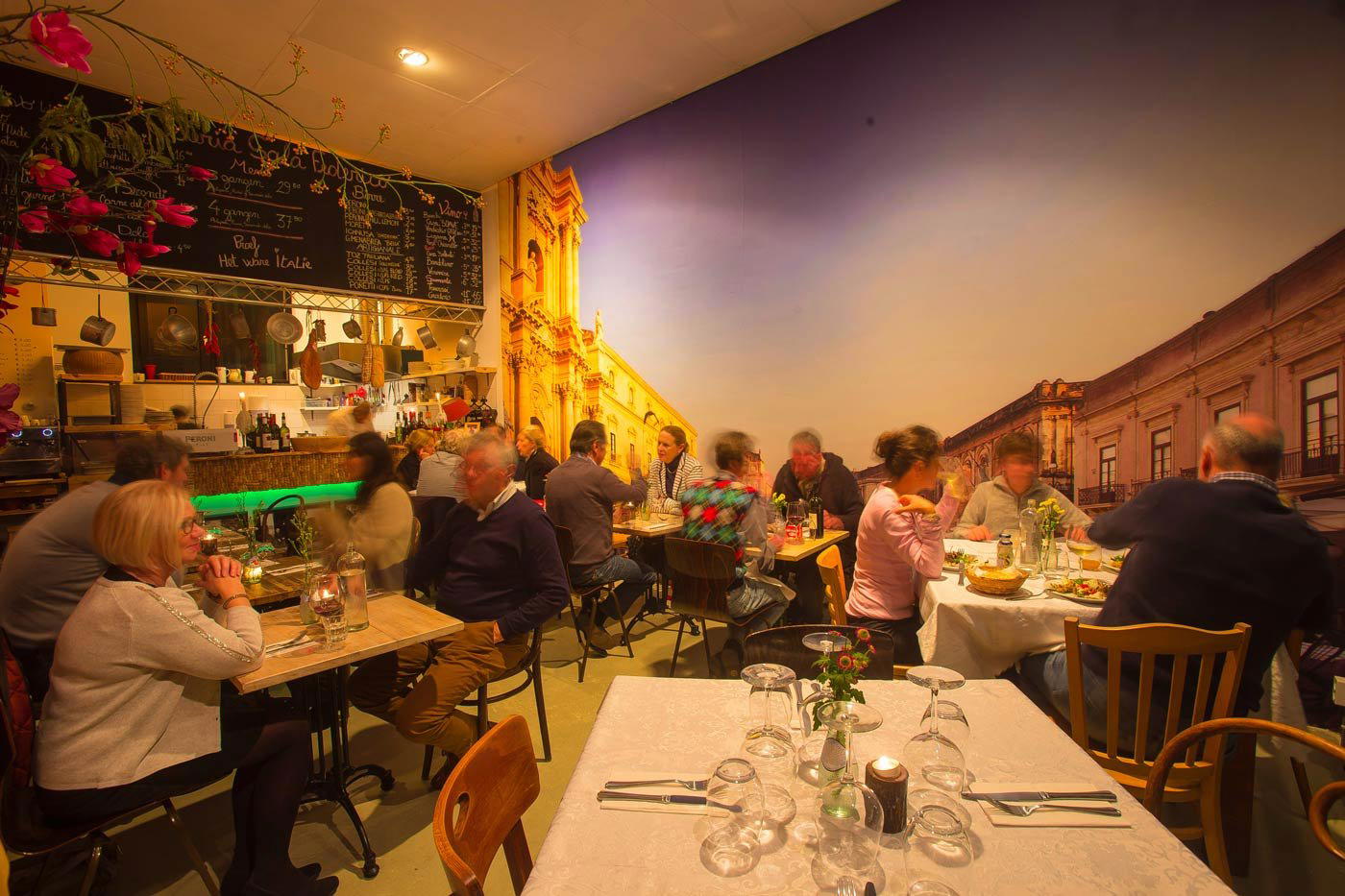
Rotterdam's East Bank and the Question of Where Food Comes From
Rotterdam has spent the past decade rewriting its dining identity, and the most instructive chapter in that story isn't found along the Maas waterfront or in the shadow of the Markthal. It's found in the residential quarters east of the city centre, where a smaller cluster of tables operates with less fanfare and, often, more deliberate attention to supply chains. On Oostzeedijk Beneden, Sala Federico sits in that register: a street-level address in a neighbourhood that draws regulars rather than tourists, in a city where ingredient sourcing has emerged as the sharpest dividing line between serious kitchens and those coasting on postcode prestige.
The Dutch fine-dining conversation has long centred on provenance. The country's geography — delta farmland, North Sea access, productive greenhouse networks — gives kitchens a sourcing argument that Mediterranean or landlocked competitors cannot replicate in the same way. Across the Netherlands, the restaurants that have built lasting reputations tend to be those that treat ingredient origin as an editorial position, not a marketing footnote. De Nieuwe Winkel in Nijmegen has made plant-based provenance a structural principle. De Librije in Zwolle built its three-Michelin-star identity on regional Dutch ingredients treated with technical ambition. Sala Federico occupies a different scale and price tier, but it operates within the same broader expectation: that what arrives on the plate should have a traceable, considered origin.
The Address and What It Signals
Oostzeedijk Beneden 227 is not a restaurant-district address. The street runs along Rotterdam's eastern waterway, lined with period housing and neighbourhood commerce rather than the kind of branded hospitality infrastructure that clusters around central Rotterdam. That physical remove is worth reading as a signal. Venues that choose locations like this are typically relying on word of mouth, booking depth, and the quality of the cooking itself to fill covers, not passing foot traffic or destination-district proximity.
In Rotterdam's restaurant geography, the city's higher-end kitchens have historically concentrated on the south bank and the waterfront. Parkheuvel, which has held two Michelin stars for years and operates in the €€€€ bracket, anchors the fine-dining conversation from its riverside position. FG - François Geurds and Fred both operate at the same price tier with creative formats that have drawn sustained critical attention. Against that backdrop, a room on Oostzeedijk Beneden positions itself as something different: neighbourhood-anchored, less visible in the conventional dining press, and dependent on its own merit to justify the trip across town.
Ingredient Sourcing as the Defining Editorial Frame
Across the Netherlands, the kitchens that generate the most durable reputations are those with legible sourcing philosophies. Aan de Poel in Amstelveen has used seasonal Dutch produce as a structural organising principle. De Bokkedoorns in Overveen draws from North Sea and coastal farmland networks. Brut172 in Reijmerstok operates at the southern edge of the Dutch territory, where the ingredient palette shifts toward Limburg agriculture and cross-border Belgian influence.
What this national pattern suggests is that Dutch dining has moved away from cuisine-type as the primary differentiator and toward sourcing logic as the more meaningful signal. A kitchen in Rotterdam labelled Italian, modern European, or creative tends to be evaluated less on whether the cooking fits a genre template and more on whether the ingredients can bear scrutiny. The leading international comparisons, Le Bernardin in New York City, which built its reputation on the quality of the fish sourced rather than the complexity of the preparation, or Atomix in New York City, where Korean ingredient lineage is treated as a primary storytelling device, illustrate how supply-chain clarity can become a kitchen's core identity across different culinary traditions.
For Sala Federico, on a residential street in Rotterdam's east bank, the question of what arrives in the kitchen, and from where, is the frame through which the room earns its place in the city's dining conversation. Without verified data on the current menu structure, specific dish descriptions, or confirmed supplier relationships, the specific sourcing logic here remains to be assessed in person. What the address and context suggest is a kitchen operating in a neighbourhood where the cooking itself must do the justifying.
Rotterdam's Wider Dining Tier and Where Sala Federico Fits
Rotterdam's upper dining tier is relatively compact. The €€€€ bracket contains a handful of addresses, Parkheuvel, FG, Fred, Amarone, and Fitzgerald, that compete on different grounds: technical ambition, creative format, service register, and the kind of sustained awards recognition that builds a booking queue. Below that bracket, the city has a less well-mapped mid-tier where the cooking can be more personal and the value proposition more direct.
What can be said is that a venue operating at Oostzeedijk Beneden 227 sits outside the established cluster of Rotterdam's awarded dining addresses, and that positioning carries both advantages and constraints. The advantages: less noise, more neighbourhood loyalty, the possibility of a more personal kitchen-to-table relationship. The constraints: less visibility for first-time visitors, a higher reliance on local word of mouth, and the absence of the external credentialing that awards provide.
For those building a Rotterdam dining itinerary from scratch, our full Rotterdam restaurants guide maps the full tier structure, from the two-star Michelin addresses through to neighbourhood rooms worth the detour. Sala Federico sits in that latter category, leading approached as a deliberate choice rather than a default reservation.
Elsewhere in the Netherlands, comparable east-bank or residential-district kitchens have found that consistent produce quality and a coherent seasonal menu generate the kind of repeat custom that sustains a room without awards infrastructure. De Groene Lantaarn in Staphorst, De Lindehof in Nuenen, and De Lindenhof in Giethoorn each operate in non-destination postcodes with credible reputations built on exactly that model. 't Nonnetje in Harderwijk and Ciel Bleu in Amsterdam represent different ends of the Dutch fine-dining spectrum, but both demonstrate how geography and ingredient access shape a room's identity over time.
Planning a Visit
Sala Federico's address on Oostzeedijk Beneden places it in Rotterdam's eastern residential belt, accessible by tram and a short journey from the city centre. Seasonal menus, where they exist in kitchens of this type, tend to shift in autumn as the Dutch growing season closes and supply shifts toward root vegetables, preserved stocks, and North Sea winter fish, making the October-to-March window a different but often more focused eating experience than the summer months.
How Sala Federico Rotterdam compares with similar nearby venues.
| Venue | Cuisine | Price |
|---|---|---|
| Héroine | Modern Cuisine | €€€ |
| Rotonde | Vegetarian | €€ |
Continue exploring
More in Rotterdam
Restaurants in Rotterdam
Browse all →
Bars in Rotterdam
Browse all →
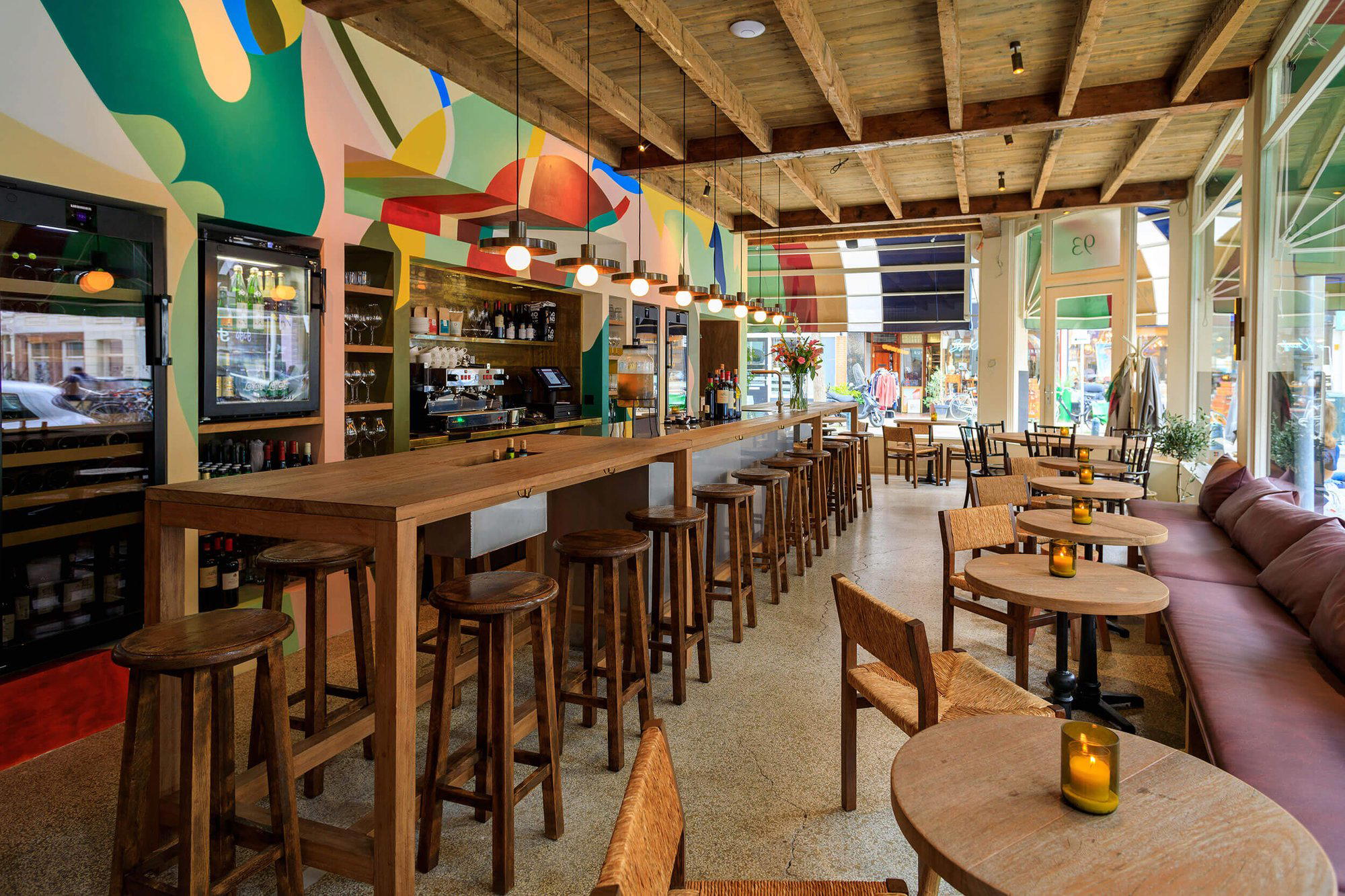
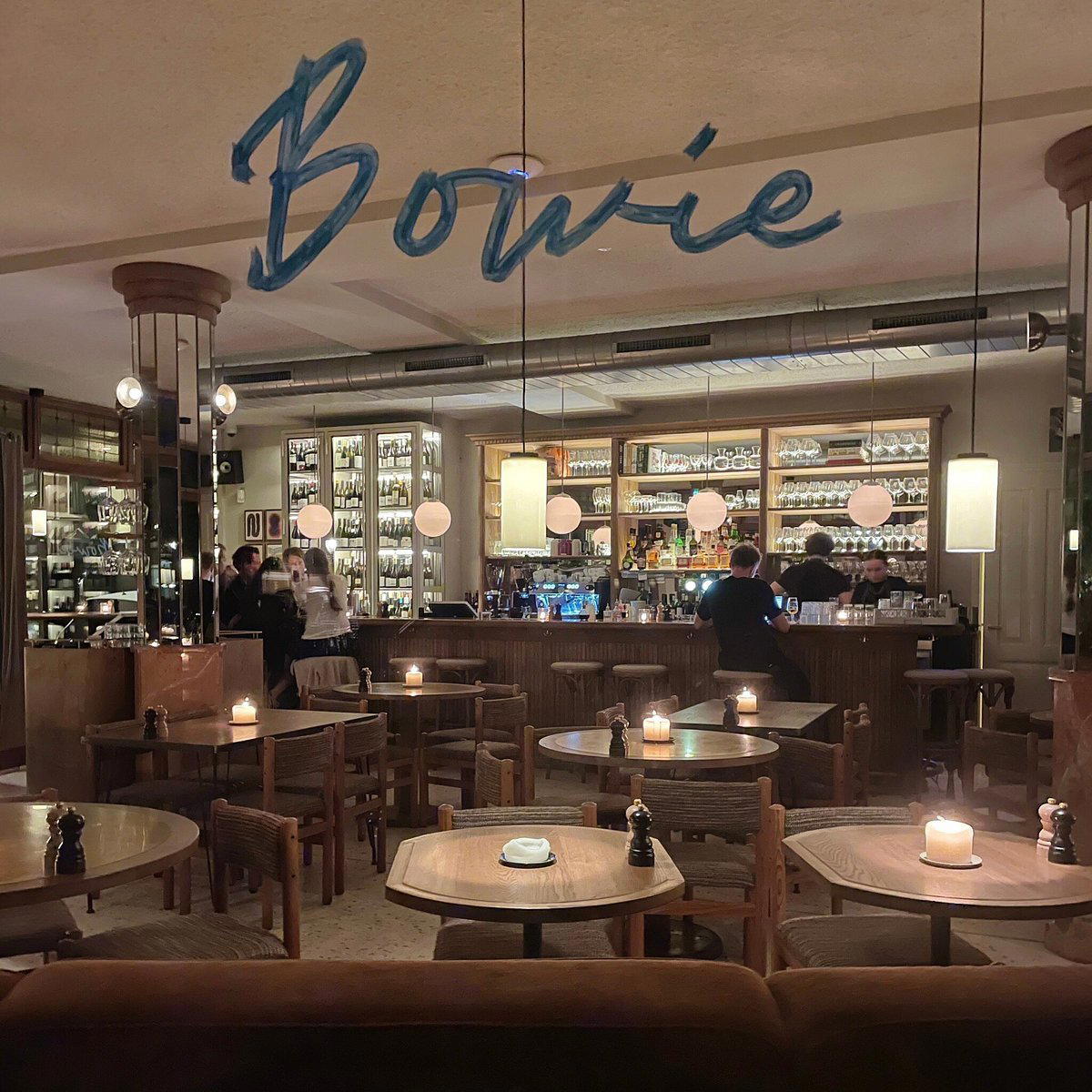
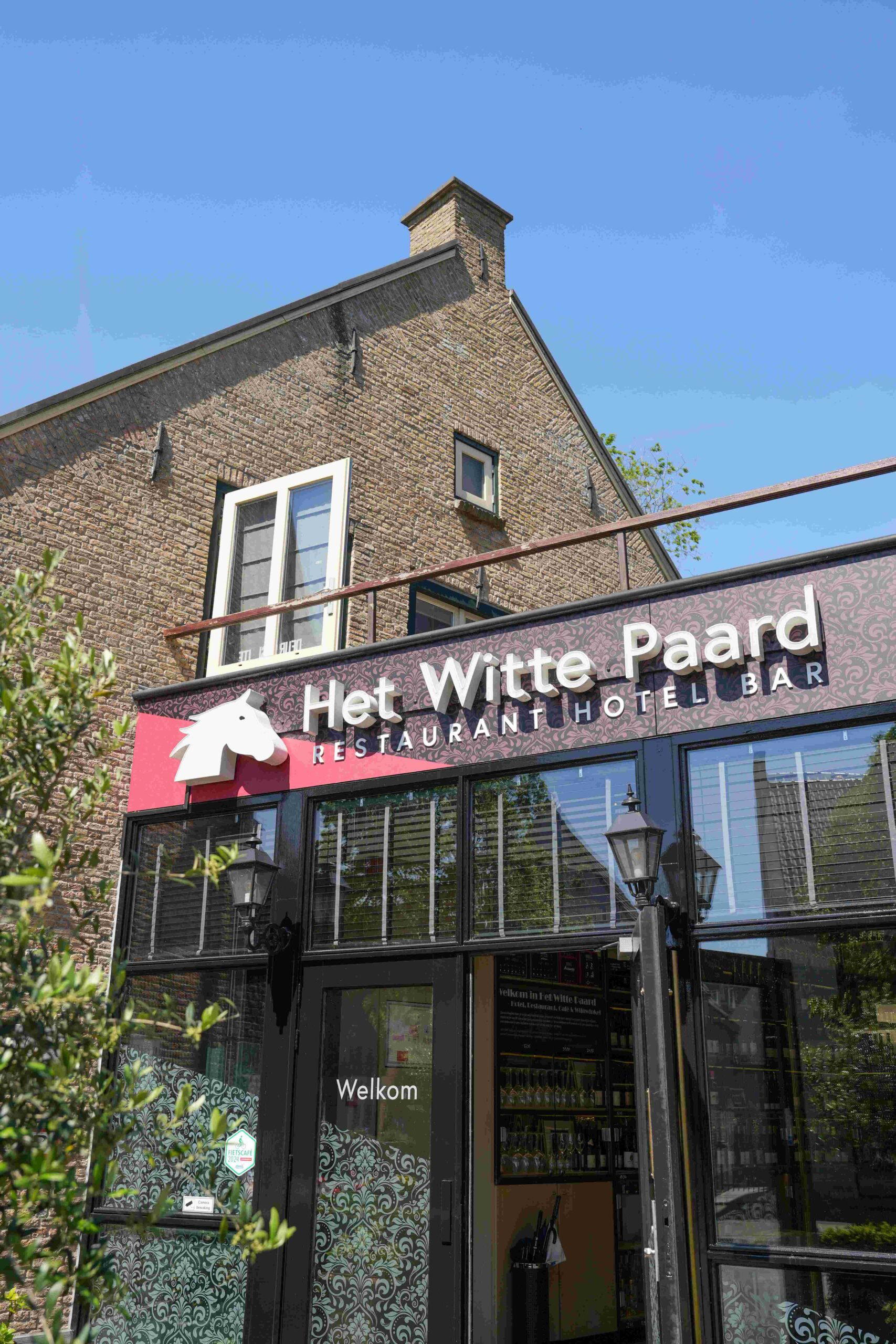
Hotels in Rotterdam
Browse all →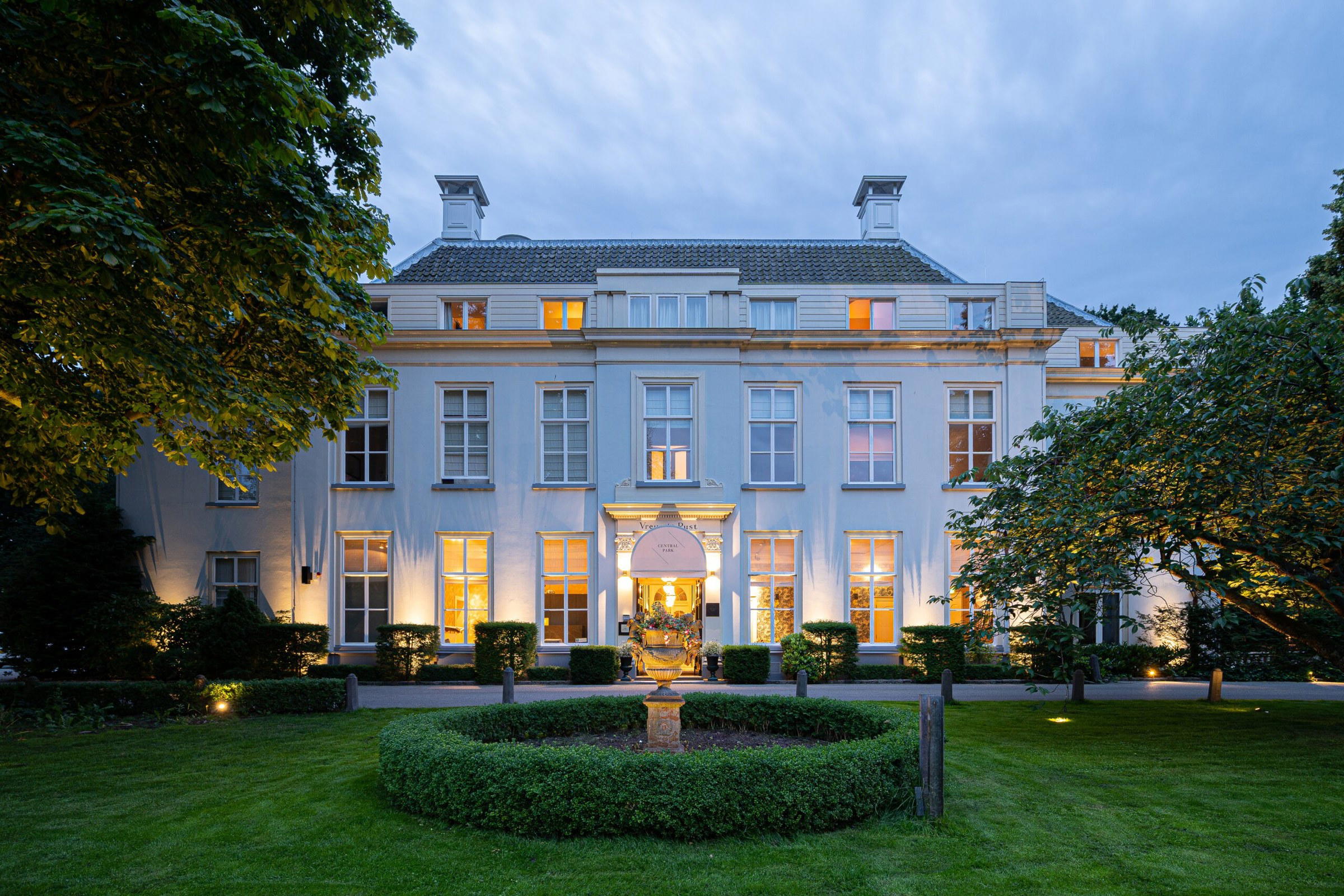
Wineries in Rotterdam
Browse all →
At a Glance
- Cozy
- Intimate
- Classic
- Date Night
- Special Occasion
- Open Kitchen
Current opening hours
- Monday
- Closed
- Tuesday
- 6–10 PM
- Wednesday
- 6–10 PM
- Thursday
- 6–10 PM
- Friday
- 12–3 PM, 6–10 PM
- Saturday
- 12–3 PM, 6–10 PM
- Sunday
- Closed
Hours can change for holidays and private events. Last verified .
Cozy Italian living room atmosphere with vivacious banter, heavenly smells from authentic products, and a welcoming homey feel.
Know Before You Go
- Getting there
- Oostzeedijk Beneden 227, 3061 VV Rotterdam, Netherlands