Vis op de Dijk
Vis op de Dijk occupies a quiet stretch of Oudedijk in Rotterdam's Kralingen district, where the city's appetite for serious fish cookery finds a neighbourhood-scale expression. The menu architecture leans heavily on the North Sea and coastal Dutch tradition, placing it in a different register from the €€€€ creative houses that define Rotterdam's Michelin tier. A useful address for diners who want focused, product-led cooking without the formality of a tasting-menu room.
Pearl is the En Primeur Club membership app — saves, bookings, and concierge access live there. Same editors, same standards.
- Address
- Oudedijk 235A, 3061 AH Rotterdam, Netherlands
- Phone
- +31102364809
- Website
- visopdedijk.nl
- Directions
- Get directions
 Saves & bookings on Pearl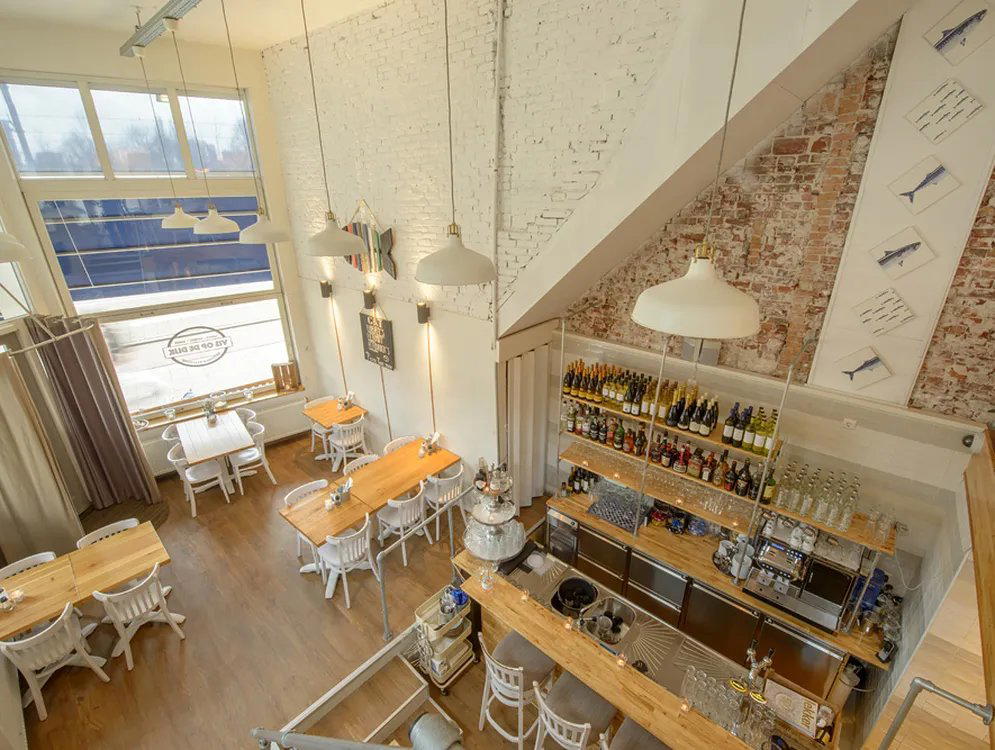
Fish Cooking on the Dijk: Rotterdam's Neighbourhood Seafood Tradition
Rotterdam has never been shy about its maritime identity. The port, the waterways, the flat grey light off the Maas — all of it shapes how the city eats, and fish has long been the honest centre of that conversation. Vis op de Dijk, on Oudedijk 235A in the Kralingen district, sits within that tradition: a neighbourhood fish restaurant operating outside the formal tasting-menu circuit that occupies Rotterdam's higher Michelin tier. While houses like Parkheuvel, FG — François Geurds, and Fred operate at the €€€€ bracket with multi-course creative formats, Vis op de Dijk positions itself differently: closer to the bistro end of serious fish cooking, where the ingredient drives the menu rather than the chef's biographical arc.
Reading the Menu Architecture
A fish restaurant's menu tells you more about its identity than almost any other format. The questions it answers, how much does the kitchen respect the raw product versus transform it, how wide is the sourcing net, does the season determine the card or does the card ignore it, are visible in the structure itself before a single dish arrives. Dutch seafood kitchens of this type tend to organise around a limited set of daily catches supplemented by reliable staples: North Sea sole, plaice, herring, and schol sit alongside shellfish from Zeeland and occasional imports from Norwegian or Scottish waters. The absence of a fixed printed menu in many of these establishments is deliberate; it signals that the kitchen is working with supply rather than against it.
That structure places Vis op de Dijk in a well-established category of Dutch coastal-urban fish restaurants, distinct from both the grand French seafood traditions, think Le Bernardin in New York City, where the kitchen's technical ambition is the point, and the hyperlocal tasting format seen at places like De Nieuwe Winkel in Nijmegen. What the neighbourhood fish restaurant offers instead is directness: a shorter distance between the harbour and the plate, and a kitchen that derives authority from product selection rather than elaborate technique.
Kralingen and the Oudedijk Address
The Oudedijk corridor in Kralingen runs through one of Rotterdam's more composed residential neighbourhoods, east of the city centre and away from the post-war reconstruction drama of the Coolsingel axis. The area sits around the Kralingse Plas, a lake that gives the neighbourhood a quieter, less urban register than Rotterdam's downtown. Dining in Kralingen tends to serve a local population rather than a hotel-driven or tourist flow, which generally produces a different kind of restaurant: less theatrical, more consistent, with a repeat-customer logic that shapes the menu and the service.
That neighbourhood context matters for understanding what Vis op de Dijk is and isn't. It is not competing against Amarone or Fitzgerald for the same diner. That consistency is, in its own way, a curatorial act.
Rotterdam's Fish Restaurants Within the Wider Dutch Scene
To calibrate what this address represents, it helps to look at where serious fish cookery sits in the Netherlands more broadly. At one end, restaurants like De Librije in Zwolle and Aan de Poel in Amstelveen incorporate North Sea product into ambitious tasting formats where seafood is one element of a larger creative statement. At another end, neighbourhood fish restaurants in port cities, Rotterdam, Scheveningen, IJmuiden, maintain a simpler contract with their ingredient: catch it, handle it carefully, serve it without excessive intervention.
Dutch fish cookery in the latter tradition draws on a pantry that is genuinely distinctive: raw herring with onion and gherkin, smoked eel, Oosterschelde lobster in season, Zeeuwse mosselen from September through April, and the flat-fish triumvirate of sole, plaice, and turbot that have anchored the national table for centuries. A kitchen working within this tradition at the neighbourhood level is, in effect, a custodian of a regional food culture that higher-end creative restaurants sometimes translate but rarely simply celebrate. For context on how other Dutch fine-dining houses handle their coastal proximity, De Bokkedoorns in Overveen and 't Nonnetje in Harderwijk each represent different calibrations of that tension.
What the Absence of Data Signals
Vis op de Dijk does not appear in the Michelin Guide, does not register on the 50 Best tracking systems, and carries no formal award credentials in the available record. In the Netherlands, where even modest but genuinely accomplished restaurants often accumulate Bib Gourmand recognition or local editorial coverage, that absence is informative. It suggests an operation that either predates the review cycle's interest in its neighbourhood tier, operates below the price threshold that attracts formal inspection, or has simply not sought that kind of positioning. None of those readings necessarily diminish the kitchen's competence; they do, however, place it outside the tracked tier occupied by Ciel Bleu in Amsterdam, Brut172 in Reijmerstok, De Groene Lantaarn in Staphorst, or De Lindehof in Nuenen.
For a fuller view of how Rotterdam's restaurants distribute across price points and formats, see our full Rotterdam restaurants guide. The city's dining scene has expanded considerably since the waterfront redevelopment of the 2010s, and the gap between its Michelin-starred upper tier and its neighbourhood tables has narrowed in quality if not in format. Vis op de Dijk occupies the latter space, and for diners arriving from a comparative context, say, from the technically ambitious Korean progression of Atomix in New York City or the structured formality of De Lindenhof in Giethoorn, it represents a deliberate shift in register rather than a compromise.
Planning a Visit
Oudedijk 235A is reachable by tram from central Rotterdam; the Kralingen district sits roughly fifteen minutes east of Centraal Station. The restaurant operates in a neighbourhood setting, which typically means shorter opening hours than city-centre addresses and a stronger preference for reservations on weekend evenings. Given the absence of online booking data in the public record, contacting the restaurant directly before visiting is the practical approach, particularly for groups or weekend timing. Diners used to the €€€€ pricing of Rotterdam's leading creative houses should expect a noticeably different spend here, in keeping with the bistro-adjacent category the address occupies.
Continue exploring
More in Rotterdam
Restaurants in Rotterdam
Browse all →
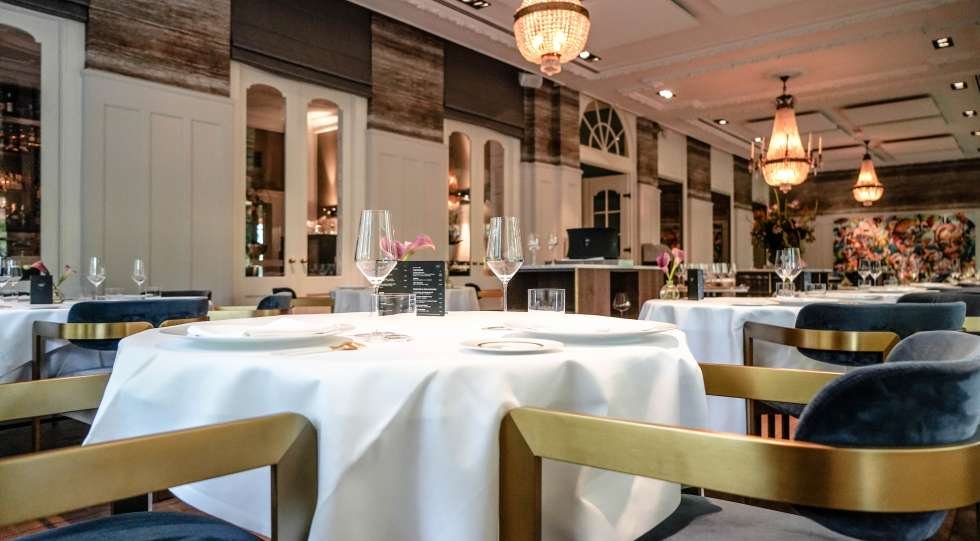
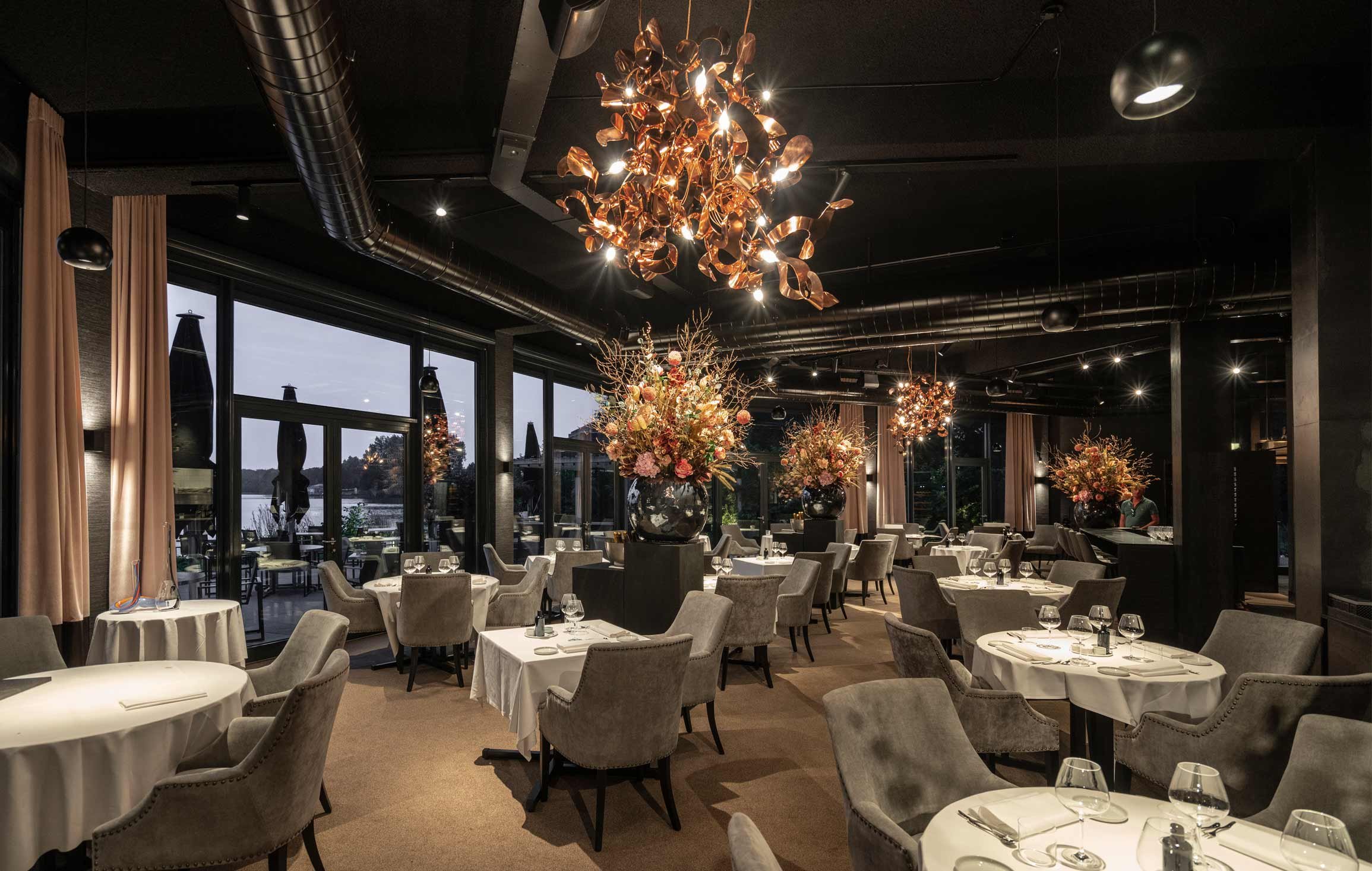
Bars in Rotterdam
Browse all →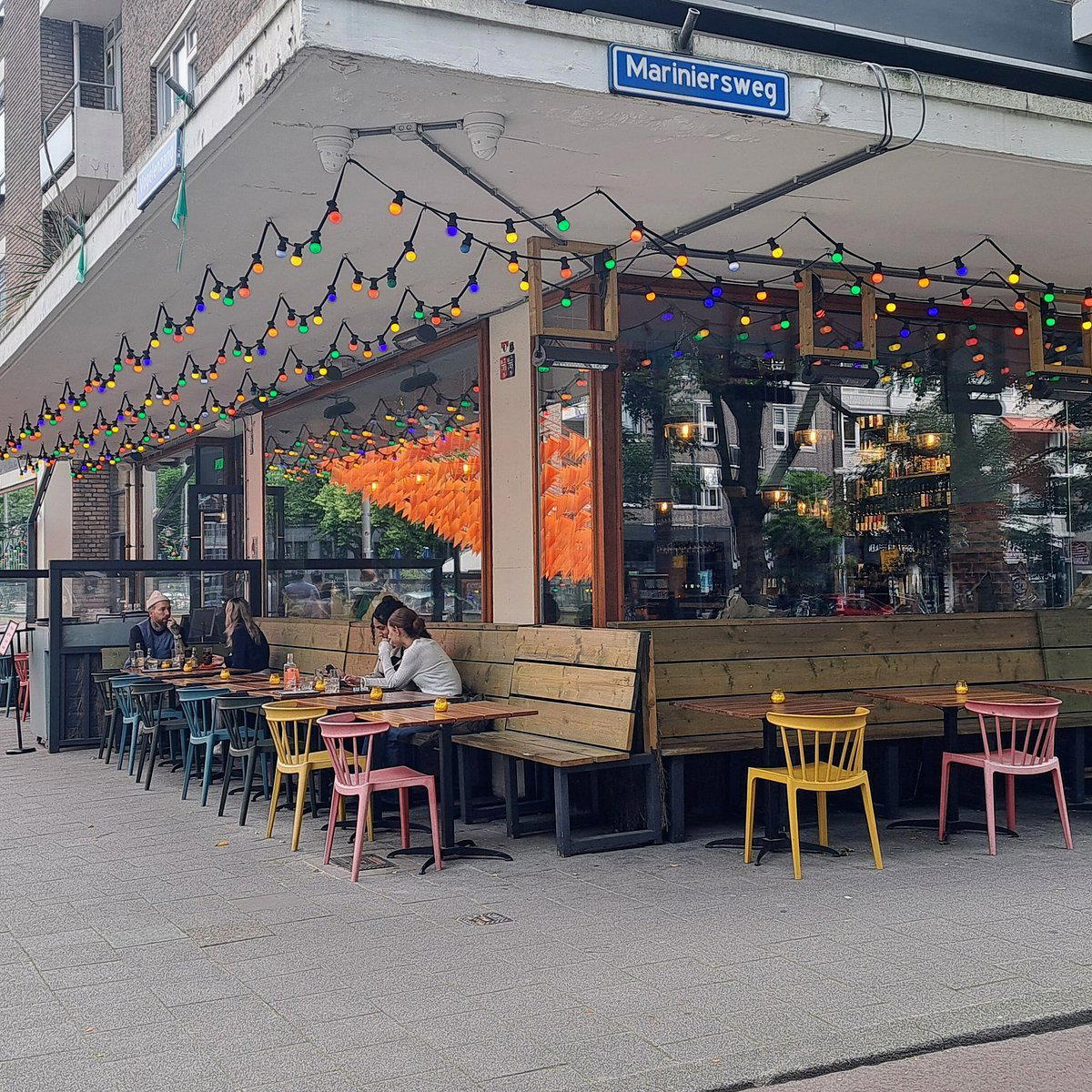
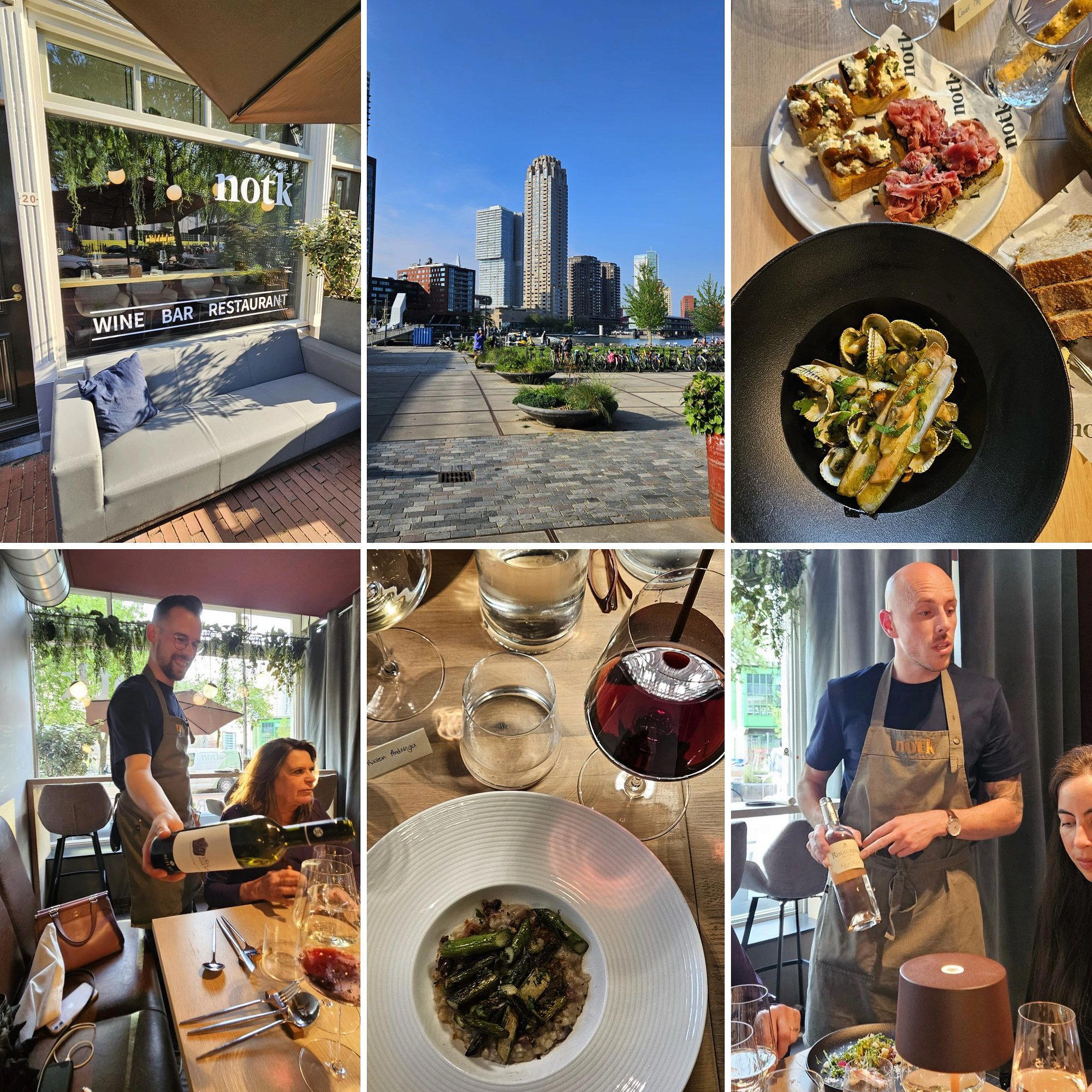
Hotels in Rotterdam
Browse all →

Wineries in Rotterdam
Browse all →
At a Glance
- Cozy
- Classic
- Well Known
- Casual Hangout
- Family
- Group Dining
- Open Kitchen
- Terrace
- Local Sourcing
- Sustainable Seafood
Current opening hours
- Monday
- Closed
- Tuesday
- Closed
- Wednesday
- 12–11 PM
- Thursday
- 12–11 PM
- Friday
- 12–11 PM
- Saturday
- 12–11 PM
- Sunday
- 12–10 PM
Hours can change for holidays and private events. Last verified .
Light, bright, and welcoming with white and fresh decor; cool lighting; warm accents create a homey, family-friendly atmosphere that feels like dining abroad.
Know Before You Go
- Getting there
- Oudedijk 235A, 3061 AH Rotterdam, Netherlands