Amarone


1 Michelin Star
Our verdict
Amarone holds a Michelin star at the €€€ tier on Rotterdam's Meent, where chef Jan van Dobben fuses classic French technique with Japanese ingredients, Wagyu, umeboshi, rice vinegar, alongside top-quality Dutch produce. Hostess and sommelier Yoshiko manages a wine list shaped around the kitchen's cross-cultural logic. Open for lunch and dinner Tuesday through Friday, dinner only on Saturday.

Pearl is the En Primeur Club membership app, where members save venues, book tables and use the concierge.
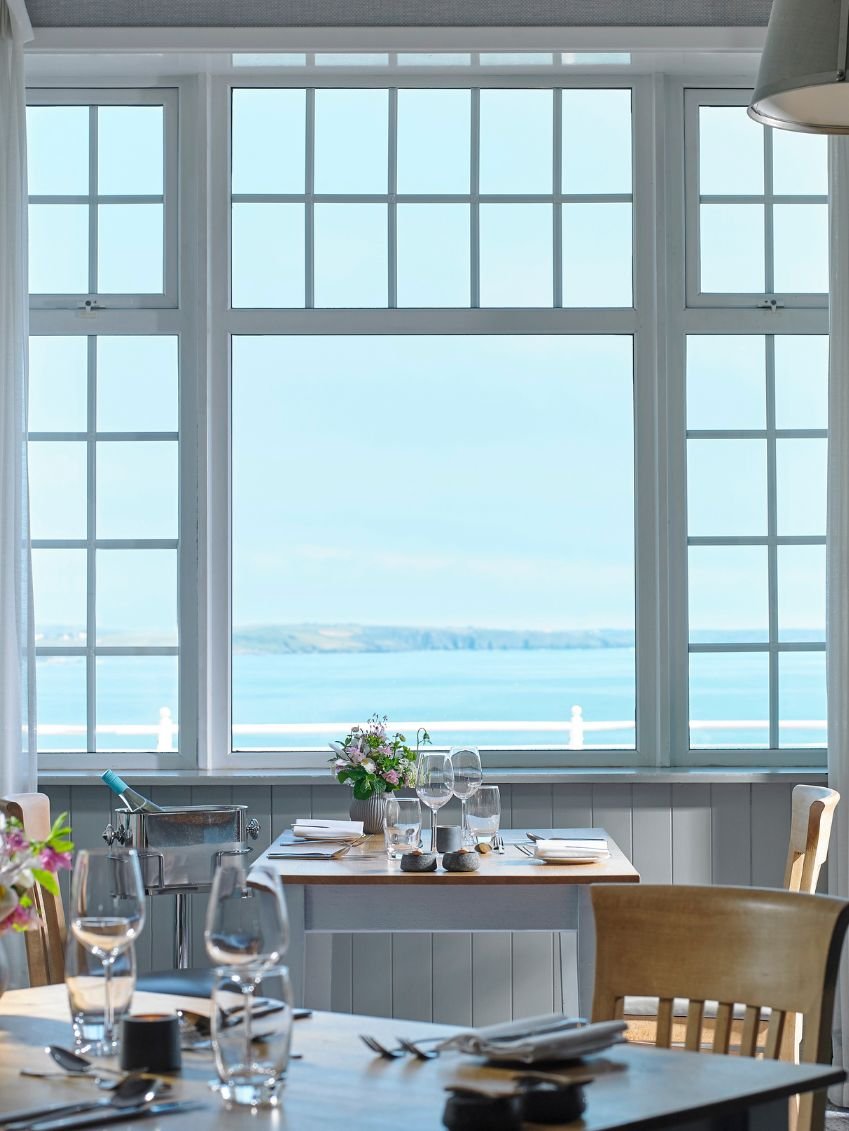
Where French Discipline Meets Japanese Restraint
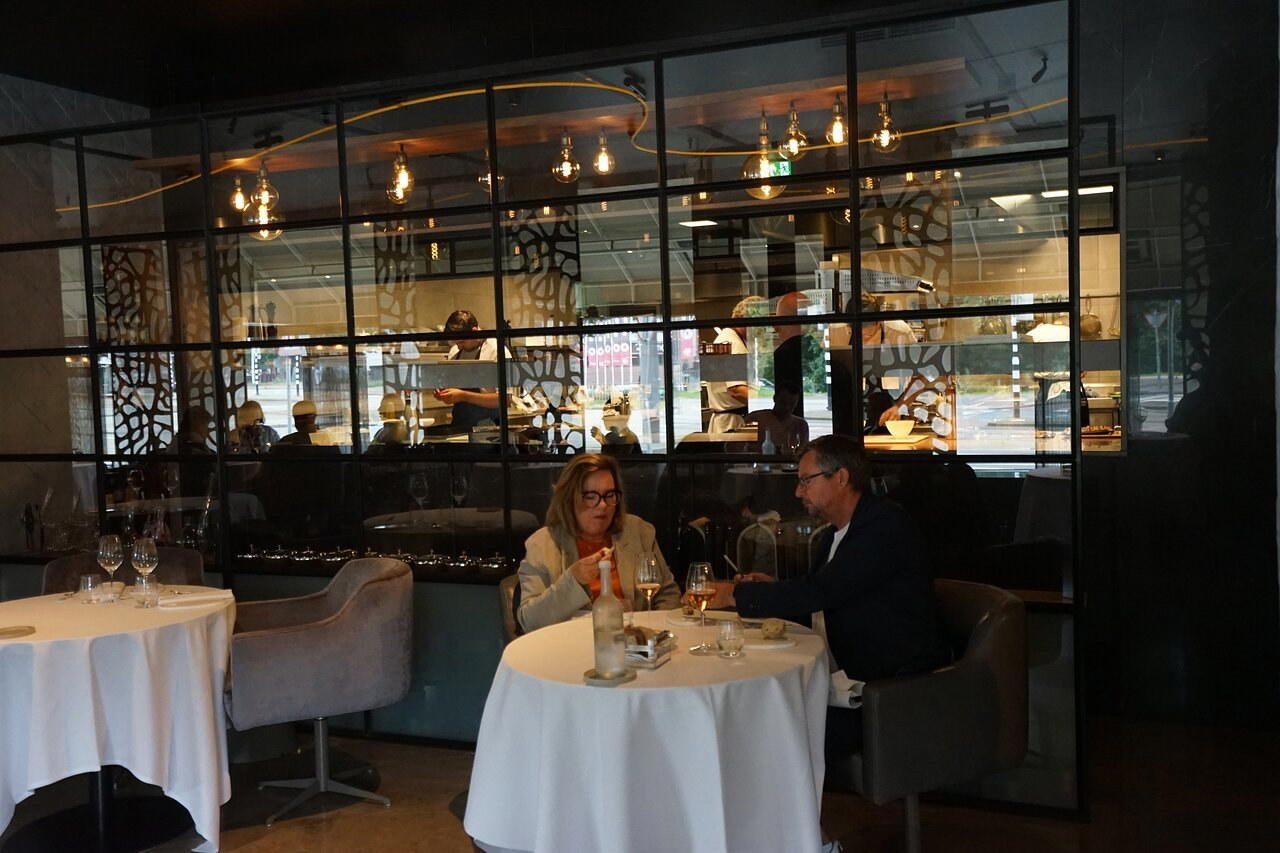
Rotterdam's fine dining scene has always operated differently from Amsterdam's. The city rebuilt itself after 1940 with an architectural confidence that extended to its restaurant culture: less heritage nostalgia, more appetite for formal rooms that feel current. On the Meent, one of the centre's main commercial arteries, Amarone occupies that register. The dining room features a white three-dimensional wall beside the open kitchen and artistic references to Japan, details that signal the kitchen's orientation before a single dish arrives.
Modern French cooking in the Netherlands has split into two recognisable tiers. The upper bracket, occupied by two-star houses like FG – François Geurds (€€€€ · Creative), Fred (€€€€ · Creative French), and Parkheuvel (€€€€ · Modern Cuisine), carries the full apparatus of extended tasting menus and premium pricing. Amarone sits in the tier below: one Michelin star, €€€ pricing, and a format that offers both lunch and dinner service rather than restricting access to a single nightly sitting. That positioning matters. It places the restaurant inside a tradition of French-influenced cooking that values technical rigour without requiring the full ceremony of a two-star evening.
The Bistro Tradition and What It Actually Means
The word bistro is routinely applied to restaurants it does not fit. In the French tradition, the bistro was never primarily about informality for its own sake, it was about a particular relationship between the kitchen and the plate: classical foundations, ingredients chosen for quality rather than spectacle, and a format that allowed the cooking to do the talking without extended theatrical presentation. The great Parisian bistros of the twentieth century held Michelin recognition not despite their directness but because of it. Technique was visible in the sauce, not disguised behind architectural plating.
Amarone reads as a refinement of that tradition rather than a departure from it. Chef Jan van Dobben works within classic frameworks, then redirects them through Japanese ingredient logic. Hamachi with a sweet-and-sour vinaigrette built on rice vinegar is a structurally French approach, acid balance, clean protein, considered acidity, executed with a Japanese pantry. Wagyu alongside umeboshi applies the same thinking: the richness of the beef is countered by the fermented plum's salinity and sharpness, a pairing that would make sense to both a Lyon chef and a Tokyo one. The venison with a jus reduced slowly with star anise shows the same instinct. These are not fusion dishes in the diluted sense; they are classical constructions that have been re-examined through a different culinary lens.
That approach requires what Michelin's inspectors describe directly in their assessment: technical mastery and an ability to balance contrasting flavours. Reimagining the classics, as the 2024 guide notes, demands genuine talent. It is easier to build a menu around novelty than to take a recognised form and make it feel freshly argued.
The Room and the Sommelier as Part of the Experience
In the bistro tradition, the room and the service are not background features, they are structural. A technically accomplished kitchen loses half its effect in a room that feels indifferent, and a wine list that ignores the kitchen's logic creates friction at the table. Amarone addresses this directly. The decor is described as elegant and alluring, with the three-dimensional white wall providing a focal point that positions the open kitchen as the visual centre of the room rather than an afterthought.
Hostess and sommelier Yoshiko brings a specific professional logic to the floor. Her wine list and recommendations are built around the kitchen's cross-cultural approach, which demands more than a standard French cellar. A menu that moves between classic French technique and Japanese ingredients requires a wine program capable of pairing across both registers, a pairing challenge that a narrowly constructed list would handle poorly. The role of a skilled floor sommelier becomes more consequential when the kitchen is working at this level of reference.
For comparison, Fitzgerald (Modern French) and Restobar Vista represent different points on Rotterdam's French-influenced dining spectrum. Amarone's one-star status and its specific combination of Michelin recognition with a mid-range pricing tier place it in a niche that the city's two-star houses do not occupy. For readers looking at the broader Dutch one-star tier, comparable references include Aan de Poel in Amstelveen and De Bokkedoorns in Overveen, while Ciel Bleu in Amsterdam represents the two-star tier in a comparable urban context. Further afield, De Librije in Zwolle and 't Nonnetje in Harderwijk anchor the national fine dining field at higher star levels, while Brut172 in Reijmerstok works in a contrasting register entirely.
Among Dutch restaurants working in the €€€ Modern French tier specifically, 't Ganzenest in Rijswijk and 't Raedthuys in Duiven offer points of comparison for readers building a picture of where Amarone sits within the category nationally.
Planning a Visit
Amarone operates Tuesday through Friday for both lunch (noon to 1:30 PM) and dinner (6 PM to 8:30 PM). Saturday is dinner only, with the same 6 PM to 8:30 PM window. The kitchen is closed on Sundays and does not appear to offer Monday service. Lunch availability across four weekdays is a practical advantage for visitors combining a meal with a Rotterdam trip, since the city's architecture, the Markthal, and the harbour district are all walkable from the Meent address. The tight service windows, particularly the 8:30 PM last booking, reward advance planning rather than spontaneous drop-in decisions.
For readers building a broader Rotterdam itinerary, EP Club's full Rotterdam restaurants guide maps the city's dining scene in detail. Complementary resources include the Rotterdam hotels guide, the Rotterdam bars guide, the Rotterdam wineries guide, and the Rotterdam experiences guide.
Frequently asked questions
What do people recommend at Amarone?
The Michelin inspectors single out chef Jan van Dobben's ability to balance contrasting flavours, specifically his hamachi with rice vinegar vinaigrette and his venison dish finished with a star anise-infused jus. The open kitchen counter and the wine guidance from sommelier Yoshiko are consistently cited as anchoring the experience. At the €€€ price point, the tasting menu format rewards diners who let the kitchen lead.
How much does it cost to eat at Amarone?
Pricing at Amarone is listed as €€€.
What time does Amarone open and close?
Hours at Amarone: Monday 12 PM-1:30 PM 6 PM-8:30 PM Tuesday 12 PM-1:30 PM 6 PM-8:30 PM Wednesday 12 PM-1:30 PM 6 PM-8:30 PM Thursday 12 PM-1:30 PM 6 PM-8:30 PM Friday 12 PM-1:30 PM 6 PM-8:30 PM Saturday 6 PM-8:30 PM Sunday closed.
Booking and Cost Snapshot
| Venue | Cuisine | Price | Awards | Notes |
|---|---|---|---|---|
| AmaroneThis venue (the venue you are viewing) | French with Japanese Influences | $100–150 | 1 Michelin Star | Not listed |
| Fred | Modern French Fine Dining | $200–300 | 2 Michelin Stars · La Liste Top Restaurants | Creative French |
| Parkheuvel | Modern French Fine Dining | $200–300 | 2 Michelin Stars · La Liste Top Restaurants | Modern Cuisine |
| FG - François Geurds | Modern French Molecular Gastronomy | $100–150 | 2 Michelin Stars · La Liste Top Restaurants | Creative |
| Joelia | Modern French Fine Dining | Not listed | 1 Michelin Star | Not listed |
| Tres | Progressive Dutch Fine Dining | $200–300 | Michelin Plate · The Best Chef One Knife | Not listed |
Recognition history
Dated appearances from independent guides and award organizations, with the underlying list record or original source where available.
Michelin 1 Star
Michelin
Opinionated About Dining Top Restaurants in Europe Recommended
Opinionated About Dining
Full recognition history (3 entries)
Michelin 1 Star
Michelin
Continue exploring
More in Rotterdam
Restaurants in Rotterdam
All restaurants in Rotterdam →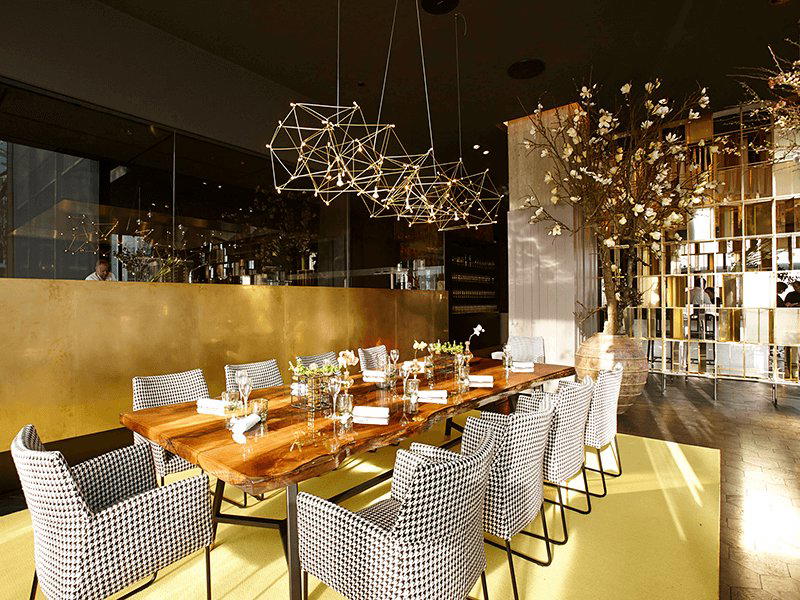
Bars in Rotterdam
All bars in Rotterdam →
Hotels in Rotterdam
All hotels in Rotterdam →
Wineries in Rotterdam
Browse all →
Amarone
The wine
- Wine program
- Deep wine list
- Extensive wine list
- Sommelier-led
Details
- Elegant
- Sophisticated
- Intimate
- Cozy
- Date Night
- Business Dinner
- Special Occasion
- Open Kitchen
- Extensive Wine List
- Sommelier Led
- Local Sourcing
- Tasting Menu
- A La Carte
- Wine
- Allergy Accommodating
Current opening hours
- Monday
- 12–11:30 PM
- Tuesday
- 12–11:30 PM
- Wednesday
- 12–11:30 PM
- Thursday
- 12–11:30 PM
- Friday
- 12–11:30 PM
- Saturday
- 6–11:30 PM
- Sunday
- Closed
Hours can change for holidays and private events. Hours as of .
Casual chic with warm lighting from a fireplace, luxurious armchairs, open kitchen, and an elegant yet relaxed atmosphere.