What's Up India
What's Up India sits on Eendrachtsweg in Rotterdam's Westersingel corridor, offering Indian cuisine in a city whose fine dining scene is dominated by European creative cooking. Rotterdam's multicultural port identity has long sustained serious subcontinental cooking alongside its Michelin-decorated French and modern cuisine tables, and What's Up India occupies that parallel track with a neighbourhood address rather than a tourist-district footprint.
Pearl is the En Primeur Club membership app — saves, bookings, and concierge access live there. Same editors, same standards.
- Address
- Eendrachtsweg 27 B-BE, 3012 LB Rotterdam, Netherlands
- Phone
- +31685510298
- Website
- whatsupindia.nl
- Directions
- Get directions
 Saves & bookings on Pearl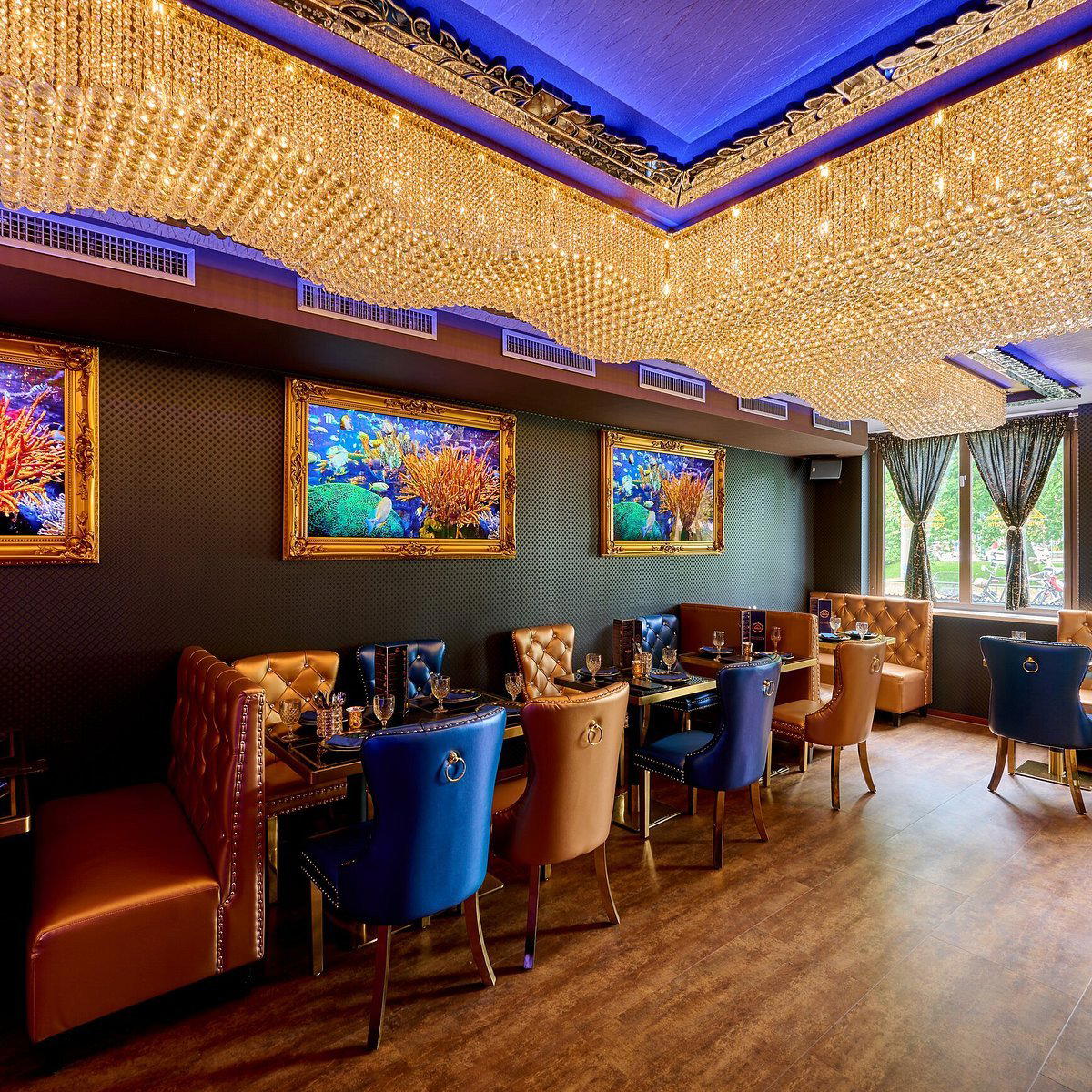
Rotterdam's Indian Table in a European Fine Dining City
Rotterdam's restaurant scene is structured around a cluster of high-investment European kitchens: FG - François Geurds and Fred at the creative end, Parkheuvel holding the city's most durable fine dining position, and Amarone and Fitzgerald filling the modern French middle ground. That concentration of European technique at the top of the market has a consequence: it makes the city's Indian restaurants a distinct and separately evaluated category rather than a runner-up tier. What's Up India, addressed at Eendrachtsweg 27 B-BE in the Westersingel district, operates inside that separate track.
The port city context matters here. Rotterdam has spent two centuries absorbing culinary traditions through its shipping and immigration history, and subcontinental cooking has genuine roots in the city rather than arriving as a recent trend. That history gives Indian restaurants in Rotterdam a different footing than the same category in, say, Amsterdam's tourist-saturated centre. The Westersingel corridor is a residential and professional neighbourhood rather than a dining destination engineered for visitors, which shapes the clientele and, typically, the kitchen's relationship with its regulars.
The Evolution of Indian Dining in a Dutch Port City
Indian restaurants in the Netherlands have undergone considerable repositioning over the past two decades. The earlier generation operated largely as accessible, high-volume operations built around a recognisable Anglicised menu, the product of a colonial culinary pipeline that ran through Britain before reaching continental Europe. That format served a certain moment but left little room for regional specificity or seasonal adjustment.
The shift that followed was gradual and uneven across Dutch cities. In Rotterdam, the change tracked alongside the city's broader investment in its food identity after the post-war rebuilding gave way to a self-conscious effort to build culinary reputation. As De Librije in Zwolle, Ciel Bleu in Amsterdam, and Aan de Poel in Amstelveen anchored Dutch fine dining at the European level, the conversation around what serious cooking looked like in the Netherlands expanded. That expansion eventually reached non-European cuisines, with Indian kitchens in particular finding a more receptive audience for cooking that moved beyond the standardised menu.
The current direction across Dutch Indian restaurants tends toward regional differentiation: Keralan seafood preparations distinct from Punjabi meat-centred cooking, South Indian fermented breads separated from the North Indian tandoor tradition. Whether What's Up India has moved in that direction is a question the venue's own positioning would need to answer, but the broader trajectory in the category is toward specificity rather than comprehensiveness.
Eendrachtsweg: A Neighbourhood Address, Not a Tourist Corridor
Address at Eendrachtsweg 27 places What's Up India in one of Rotterdam's more settled residential stretches, away from the Markthal's visitor concentration and the waterfront's architectural tourism circuit. Restaurants in this part of the city tend to operate with a repeat-customer logic rather than relying on walk-in footfall generated by proximity to landmarks.
That neighbourhood positioning is worth noting for anyone planning a visit. The Westersingel area is reachable from Rotterdam Centraal on foot in under twenty minutes or by tram, and the surrounding streets offer a low-key pre- or post-dinner context rather than the compressed activity of the city centre. Booking ahead is advisable rather than assumed for any Indian restaurant that has built a regular following in this kind of residential pocket.
For comparison in the Dutch dining geography, the pattern of respected non-European kitchens operating in quieter neighbourhood positions rather than destination-dining zones appears in other cities too. De Nieuwe Winkel in Nijmegen built its plant-based reputation away from an obvious tourist circuit; De Groene Lantaarn in Staphorst operates in a location that requires deliberate travel rather than casual discovery. The analogy is imperfect but the structural point holds: Dutch dining at the serious end often requires the visitor to go to the neighbourhood rather than expecting the neighbourhood to come to them.
Where It Sits in the Rotterdam Eating Order
The question for a reader choosing between them is what kind of evening they are after, not which is more serious.
For context on how Indian cooking has performed at the very best of the international fine dining register, Atomix in New York City demonstrates what happens when a non-Western cuisine is positioned and priced against the global tasting menu tier. Le Bernardin in New York City shows the same logic applied to French seafood. Neither comparison applies directly to What's Up India, but both illustrate the broader point that cuisine category and price tier are increasingly separable questions.
Within the Netherlands, the Dutch fine dining circuit covered by EP Club extends from Brut172 in Reijmerstok and 't Nonnetje in Harderwijk through De Bokkedoorns in Overveen, De Lindehof in Nuenen, and De Lindenhof in Giethoorn. That circuit is predominantly European in its cuisine references. What's Up India sits outside that particular competitive set by design and by cuisine, which gives it a different kind of relevance for a Rotterdam visit rather than a lesser one. For a full map of where Rotterdam's restaurants sit relative to each other, EP Club's full Rotterdam restaurants guide provides the comparative frame.
Planning a Visit
What's Up India is located at Eendrachtsweg 27 B-BE, 3012 LB Rotterdam. The Westersingel address sits in the city's western residential corridor, accessible by public transport from Rotterdam Centraal.
How What's Up India Rotterdam compares with similar nearby venues.
| Venue | Cuisine | Price |
|---|---|---|
| Vineum | Modern French | €€ |
Continue exploring
More in Rotterdam
Restaurants in Rotterdam
Browse all →
Bars in Rotterdam
Browse all →
Hotels in Rotterdam
Browse all →
Wineries in Rotterdam
Browse all →
At a Glance
- Cozy
- Trendy
- Whimsical
- Date Night
- Group Dining
- Family
- Casual Hangout
- Open Kitchen
Current opening hours
- Monday
- 5–9:30 PM
- Tuesday
- 5–9:30 PM
- Wednesday
- 5–9:30 PM
- Thursday
- 5–9:30 PM
- Friday
- 5–10 PM
- Saturday
- 1–9:30 PM
- Sunday
- 1–9:30 PM
Hours can change for holidays and private events. Last verified .
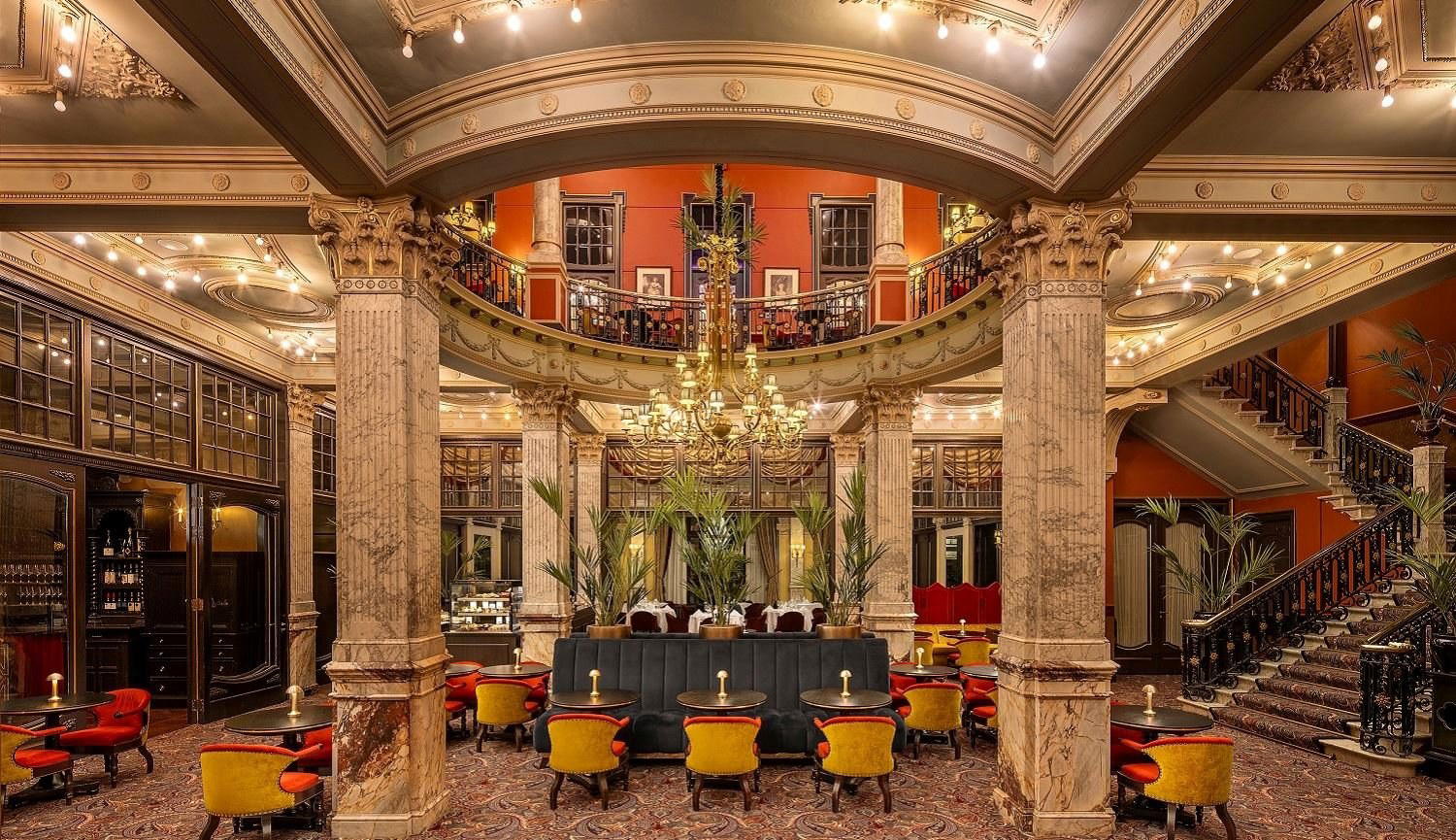
Warm cozy luxury ambiance with Indian decorative elements like gold trays chandelier-like ceiling and golden seating areas.
Know Before You Go
- Getting there
- Eendrachtsweg 27 B-BE, 3012 LB Rotterdam, Netherlands