
Oni Tei sits in Shibuya’s serious chicken-dining lane rather than its casual yakitori traffic. Selected for Tabelog 100 Chicken cuisine 2025, it offers a compact counter-led setting where smoke, grill work, sake, shochu, and wine define the evening more than spectacle.
Pearl is the En Primeur Club membership app — saves, bookings, and concierge access live there. Same editors, same standards.
- Address
- Japan, 〒150-0002 Tokyo, Shibuya, 1 Chome−9−4 トーカン渋谷キャステール
- Phone
- +81 3-3797-1002
- Website
- tabelog.com
 Saves & bookings on Pearl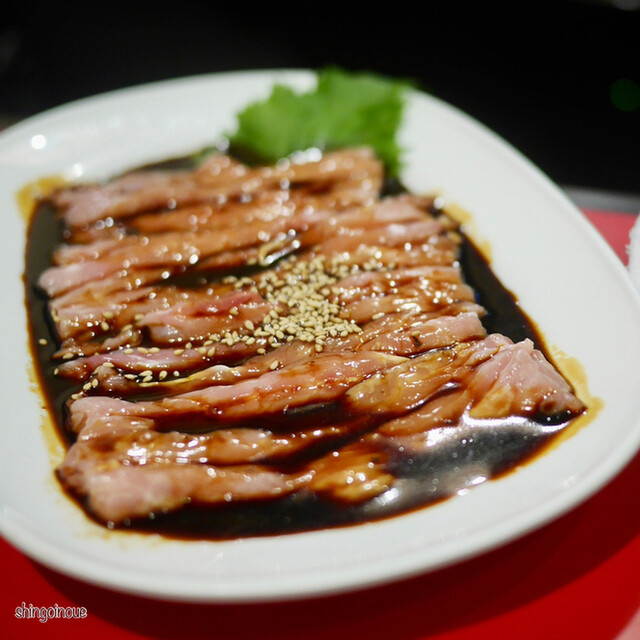
Shibuya’s restaurant energy often announces itself in neon, station crowds, and the late-evening churn of izakaya doors. The more interesting chicken rooms work differently: smaller, quieter, and built around heat control. At Oni Tei, counter seating gives the meal its rhythm, placing the grill and service close enough that the sound of cooking becomes part of the room rather than background noise.
Tokyo’s chicken-dining culture is broader than skewers alone. Yakitori counters, chicken hot-pot specialists, and broader toriryori restaurants all compete for diners who care about cut, timing, and the difference between smoke as seasoning and smoke as theatre. Oni Tei belongs to that latter conversation. Its selection for Tabelog 100 Chicken cuisine 2025 places it inside a category that rewards focused poultry cooking, not general izakaya breadth.
Shibuya chicken dining with counter focus, not station-area sprawl
Shibuya can flatten restaurant expectations. Around the station, volume often wins: fast turnover, large drinks lists, and menus that cover too much ground. The counter-led chicken specialist sits in another register. Twenty-four seats is a small enough format for the room to read as deliberate, but not so tiny that the evening becomes a private performance. That balance matters in Tokyo, where counter dining can tilt either toward ceremony or neighbourhood ease.
The price band puts the restaurant above casual yakitori drinking and below the rarefied tasting-counter tier. That middle ground is where many of Tokyo’s more useful meals now sit: serious enough to justify planning, relaxed enough to avoid the stiffness of a special-occasion script. In comparison, Kourai Tei occupies a higher listed dinner band, while Chatei Hatou and Le Pan de Joel Robuchon Shibuya hikarie ShinQs ten sit in far lighter spending territory. Those comparisons are not about cuisine equivalence; they show how quickly Tokyo shifts between snack, café, and dinner economics within the same city map.
The category signal is clearer than any chef mythology would be. Chicken cuisine in Japan rewards repeatable precision: rendering skin without dulling it, keeping leaner cuts from drying, using tare and salt with restraint, and pacing the meal so smoke never overwhelms. No single paragraph needs a signature dish claim to make the point. The appeal is the format: a room where poultry is treated as a full dinner language rather than a prelude to drinks.
Smoke, sake, shochu, and the discipline of a short evening
Drinks direction also matters. Sake, shochu, and wine create three different paths through grilled chicken, and each says something about modern Tokyo toriryori. Sake keeps the meal close to Japanese dining grammar; shochu handles char and fat with less sweetness; wine signals the way chicken counters have moved beyond old izakaya assumptions. The presence of all three does not make the place broad. It makes the meal more adaptable without turning it into a bar with food attached.
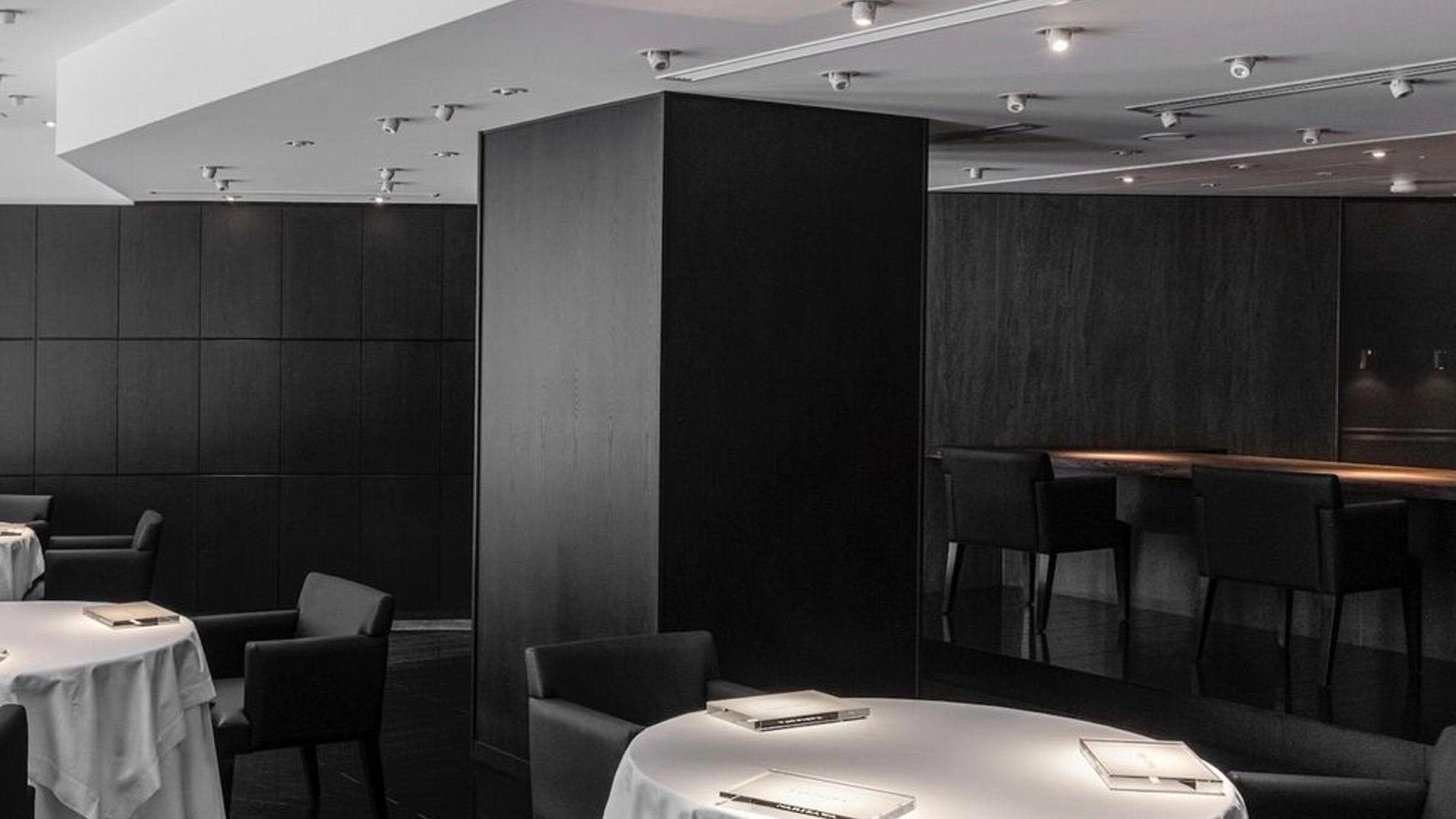
Atmosphere, in this genre, is not decoration. It comes from compression: counter sightlines, the timing of plates, the low register of conversation, and the way a small room absorbs the smell of the grill. Tokyo’s better chicken specialists rely on this intimacy. The diner is not separated from the work, yet the room does not need open-kitchen theatrics to prove seriousness. Counter seating is practical, but it also sets the critical terms of the meal: attention lands on heat, sequence, and the small differences between cuts.
For travellers mapping a Tokyo dining week, Oni Tei makes sense as the Shibuya chicken appointment rather than another sushi or ramen marker. It works particularly well when the itinerary already includes heavier tasting menus, high-design bars, or hotel dining elsewhere in the city. The editorial case is contrast: a focused, compact, poultry-driven dinner in a district better known internationally for scale and movement.
That contrast is also why it should not be treated as a generic yakitori stop. Tokyo has countless casual grilled-chicken rooms; recognition in the Tabelog 100 Chicken cuisine 2025 list narrows the frame. The useful question is not whether the restaurant is famous enough for a first-time visitor. The useful question is whether the visitor wants to understand how Tokyo turns a single ingredient category into a full evening. On that measure, the format carries weight.
Where it fits in a Tokyo dining plan
Plan the meal as a focused dinner rather than a long roaming night. The room’s appeal lies in its concentration, and the strongest use of Shibuya afterwards is selective: one serious bar, a short walk, or an early finish before another demanding restaurant day. Diners looking for private rooms, large-group flexibility, or card-light planning should read the practical rail carefully before committing. This is a compact Tokyo specialist, not a catch-all dining room.
For broader context, EP Club’s Tokyo coverage is useful for building contrast around the booking. Start with Our full Tokyo restaurants guide, then compare nearby or category-adjacent options such as 124. KAGURAZAKA (Yakitori), 12/10 Shinjuku ten, . 鮪と炭火焼き うお炭 秋葉原店, 3 Chome no Curry Ya San, and 2D Cafe. City planning can widen through Our full Tokyo hotels guide, Our full Tokyo bars guide, Our full Tokyo wineries guide, and Our full Tokyo experiences guide.
For readers extending the trip beyond Tokyo, the same single-category discipline appears in different forms across Japan and abroad: -Grilled beef Sukiyaki- KAMAKURA TANUKIAN 鎌倉 たぬき庵 in Kamakura.cafe in Osaka.know in Kumamoto, (Shoku) Vietnam in Kawasaki, [Curry Senmon Ten] Maruyama Kyoju. in Sapporo, [ki:] in Kyoto, Jōdo Saké Bar in Los Angeles, and Onigiri Time in Pasadena.
Just the Basics
Comparable venues side-by-side for orientation.
| Venue | Cuisine | Price | Notes |
|---|---|---|---|
| Oni Tei | Not listed | $$$ | Shibuya, Traditional chicken yakiniku / yakitori in Shibuya |
| Sake Hidejiro | Shibuya, Japanese Sake Omakase Izakaya | $$$ | Not listed |
| YAKITORI燃es | Minato, Premium Yakitori | $$$ | Not listed |
| Tori Yoshi Ginza ten | Chūō, Yakitori & Izakaya | $$$ | Not listed |
| Komatsu | Not listed | $$$ | Suginami, Traditional Unagi (Eel) Restaurant |
| 寿司 健 | Chūō, Michelin Three-Star Omakase Sushi | $$$ | Not listed |
Recognition history
Dated appearances from independent guides and award organizations, with the underlying list record or original source where available.
Tabelog 100 #77 · No. 77
Tabelog · Tabelog 100 - Chicken cuisine - 2025














At a Glance
- Cozy
- Lively
- Intimate
- After Work
- Casual Hangout
- Date Night
- Business Dinner
- Solo
- Standalone
- Sake Program
Current opening hours
- Monday
- 6–10 PM
- Tuesday
- 6–10 PM
- Wednesday
- 6–10 PM
- Thursday
- 6–10 PM
- Friday
- 6–10 PM
- Saturday
- Closed
- Sunday
- Closed
Hours can change for holidays and private events. Last verified .
Small, non-smoking and counter-focused with a homely, cozy feel where guests grill various chicken cuts themselves over the table grill, creating a lively but relaxed atmosphere suited to dinners with friends.