Sakai occupies a quiet stretch of Calle de Aragón in Chamartín, one of Madrid's more residential northern districts, placing it at a deliberate remove from the city's high-traffic dining corridors. That location is not incidental: it positions Sakai within a tier of Madrid restaurants where the dining itself, rather than neighbourhood cachet, drives destination decisions. For a city with serious competition at the top of its restaurant market, that signal carries weight.
Pearl is the En Primeur Club membership app — saves, bookings, and concierge access live there. Same editors, same standards.
- Address
- C. de Aragón, 8, Chamartín, 28002 Madrid, Spain
- Phone
- +34658692222
- Website
- sakaies.com
- Directions
- Get directions
 Saves & bookings on Pearl
Chamartín's Quiet Case for Destination Dining
Madrid's premium dining geography is not evenly distributed. The central corridors around Salamanca and the Justicia neighbourhood absorb the majority of visible fine-dining activity, while Chamartín, the city's northern residential district, has historically operated at a lower temperature. Sakai, on Calle de Aragón, sits inside that quieter zone, which means diners arriving here have made a deliberate choice rather than a convenient one. In a city where restaurant culture is increasingly shaped by visibility and foot traffic, that kind of remove tends to self-select for a more focused audience.
The address matters for another reason: Chamartín is Madrid's business and financial corridor, home to the IFEMA convention complex and the Torre Espacio tower cluster. The dining rooms that survive and earn recognition in this district tend to do so on the strength of their food rather than their proximity to leisure circuits.
Where Sakai Sits in Madrid's Upper Tier
Madrid's fine-dining market has fragmented in interesting ways over the past decade. At the highest price point, a handful of restaurants now occupy near-event status: DiverXO, with its progressive Asian-creative format and three Michelin stars, operates in a category that is almost self-referential. Coque takes a different path through Spanish creative cuisine with a deep wine programme. Deessa, DSTAgE, and Paco Roncero each represent distinct interpretations of high-end Spanish and creative cooking operating in the same general price band.
Sakai positions itself within this broader competitive field from a residential address that carries none of the marquee associations of those peers. That is not a weakness in itself. Several of Spain's most consistently decorated restaurants operate in similarly unglamorous locations: Martin Berasategui in Lasarte-Oria and Azurmendi in Larrabetzu both require deliberate travel to industrial or suburban settings, and neither suffers for it. The Spanish dining public has a demonstrated tolerance for destination travel when the cooking warrants it.
Japan in Madrid: A Durable Culinary Relationship
The name Sakai is not decorative. Madrid has a longer and more substantive relationship with Japanese cuisine than its profile on international lists might suggest. The city's Japanese restaurant tier ranges from conveyor-belt formats aimed at leisure crowds to serious counter-dining rooms where technique and sourcing are the primary concerns. Sakai, given its residential Chamartín address and its positioning in reviews, belongs to the latter category.
Spanish-Japanese culinary exchange has deeper roots than the recent wave of fusion-adjacent restaurants might imply. Spanish chefs have trained in Japan in significant numbers since the 1990s, and Japanese chefs have found Spain's ingredient culture, particularly its fish markets and seasonal produce supply chains, a compatible environment for precise cooking. The result is a city where the better Japanese restaurants are not simply transporting a cuisine but operating within a local ingredient logic that gives the food a different grounding than comparable rooms in London or Paris.
For context on how Spanish coastal cuisine at the top tier handles fish with similar precision, Aponiente in El Puerto de Santa María and Quique Dacosta in Dénia represent the domestic benchmark for marine-focused high-end cooking. The comparison is instructive: Japanese technique applied to Spanish seafood sourcing is not a novelty in Madrid but a mature format with serious practitioners.
The Chamartín Experience in Practice
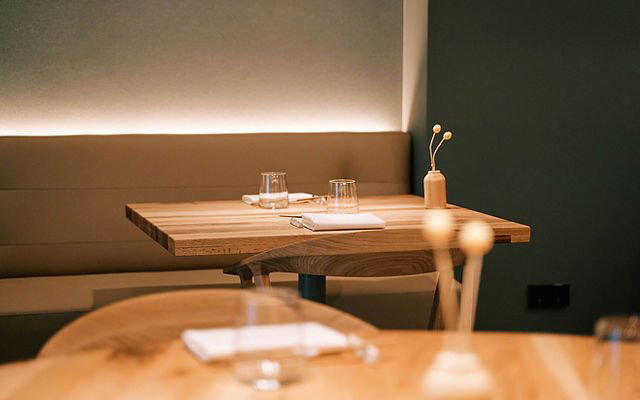
Arriving at Calle de Aragón 8 involves none of the theatricality associated with central Madrid's more prominent dining rooms. The street is functional rather than scenic, and the building gives little away from the outside. That restraint is common across serious Japanese dining formats globally: the counter or dining room is the experience, and the approach is deliberately understated. What the neighbourhood provides is a functional calm that is harder to achieve in the city's busier districts, where ambient noise levels in restaurants have risen in proportion with foot traffic and social media exposure.
Chamartín's transport connections are direct. The district is served by multiple metro lines including Line 4 and Line 10, and RENFE's Chamartín station places intercity travellers within easy reach. For business visitors based in the northern hotel clusters near IFEMA or the financial towers, Sakai's address is more convenient than it might appear on a central Madrid map.
Booking and Planning
However, restaurants operating at this level in Madrid's upper tier typically require advance planning, particularly for weekend tables and group bookings. The pattern across comparable rooms in the city, where demand consistently exceeds capacity, suggests that same-week bookings at Sakai are unlikely to succeed without prior relationship. Planning two to four weeks ahead is a reasonable working assumption for midweek dining; weekends at restaurants of this profile in Madrid routinely book further out.
For a broader view of where Sakai sits within Madrid's dining architecture, the full Madrid restaurants guide maps the city's dining tiers across neighbourhoods and cuisine types. Internationally, the closest structural analogues for Japanese counter dining at this level would be Atomix in New York City, which operates a Korean fine-dining format with similar restraint and precision, or Le Bernardin in New York City for comparable seriousness around fish technique in a Western fine-dining format.
Spain's broader fine-dining network, for those building a longer itinerary around Sakai, includes Arzak in San Sebastián, El Celler de Can Roca in Girona, Mugaritz in Errenteria, Cocina Hermanos Torres in Barcelona, Ricard Camarena in València, and Atrio in Cáceres. Each represents a distinct regional and culinary position within a national scene that remains one of the most decorated in Europe.
Quick reference: Sakai, C. de Aragón, 8, Chamartín, 28002 Madrid. Contact and booking details not confirmed; check current availability through the venue directly.
How Sakai Madrid compares with similar nearby venues.
| Venue | Cuisine | Price |
|---|---|---|
| Tramo | Contemporary | €€ |
| Gaytán | Modern Cuisine | €€€€ |
Continue exploring
More in Madrid
Restaurants in Madrid
Browse all →
Bars in Madrid
Browse all →
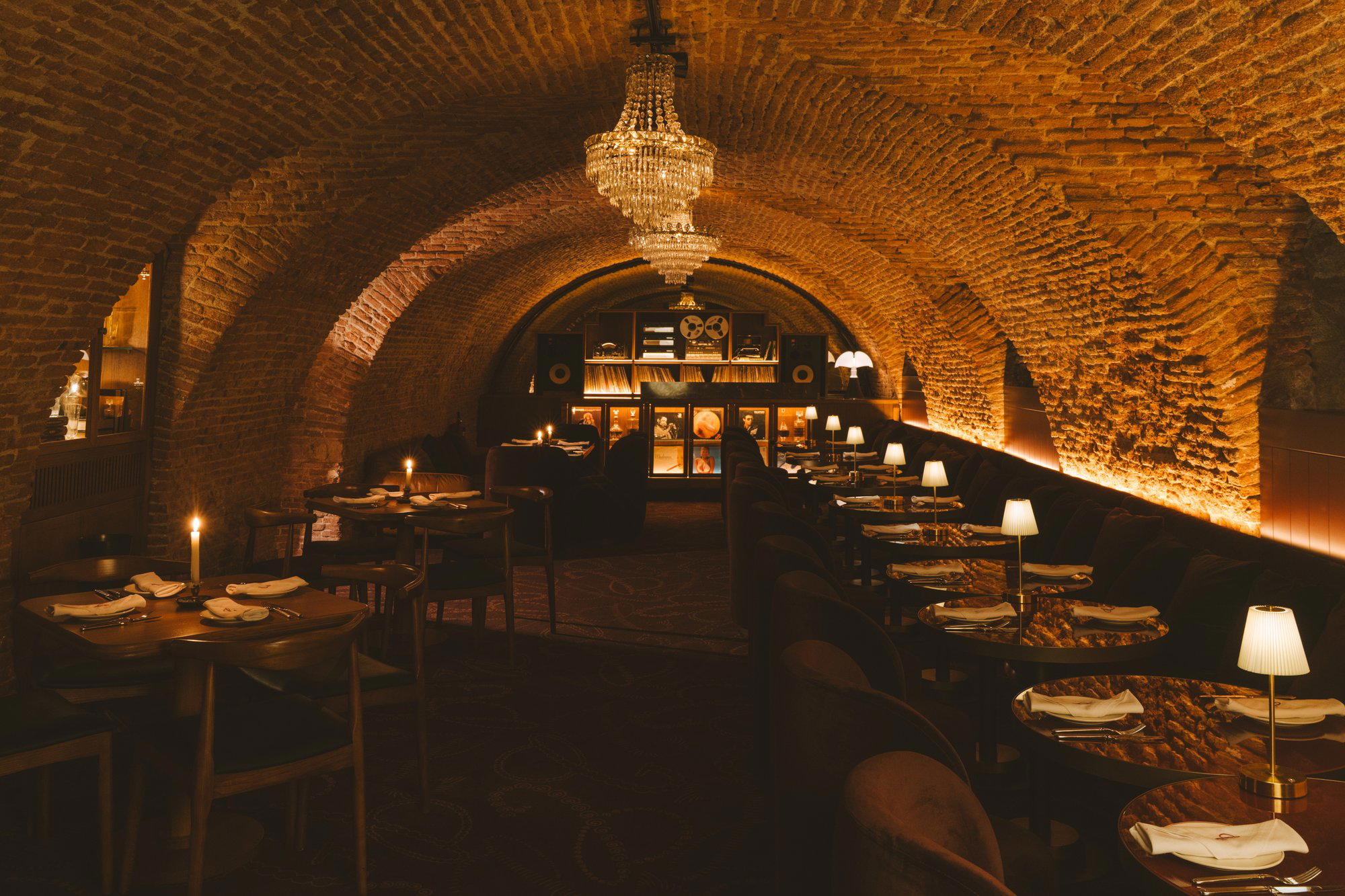
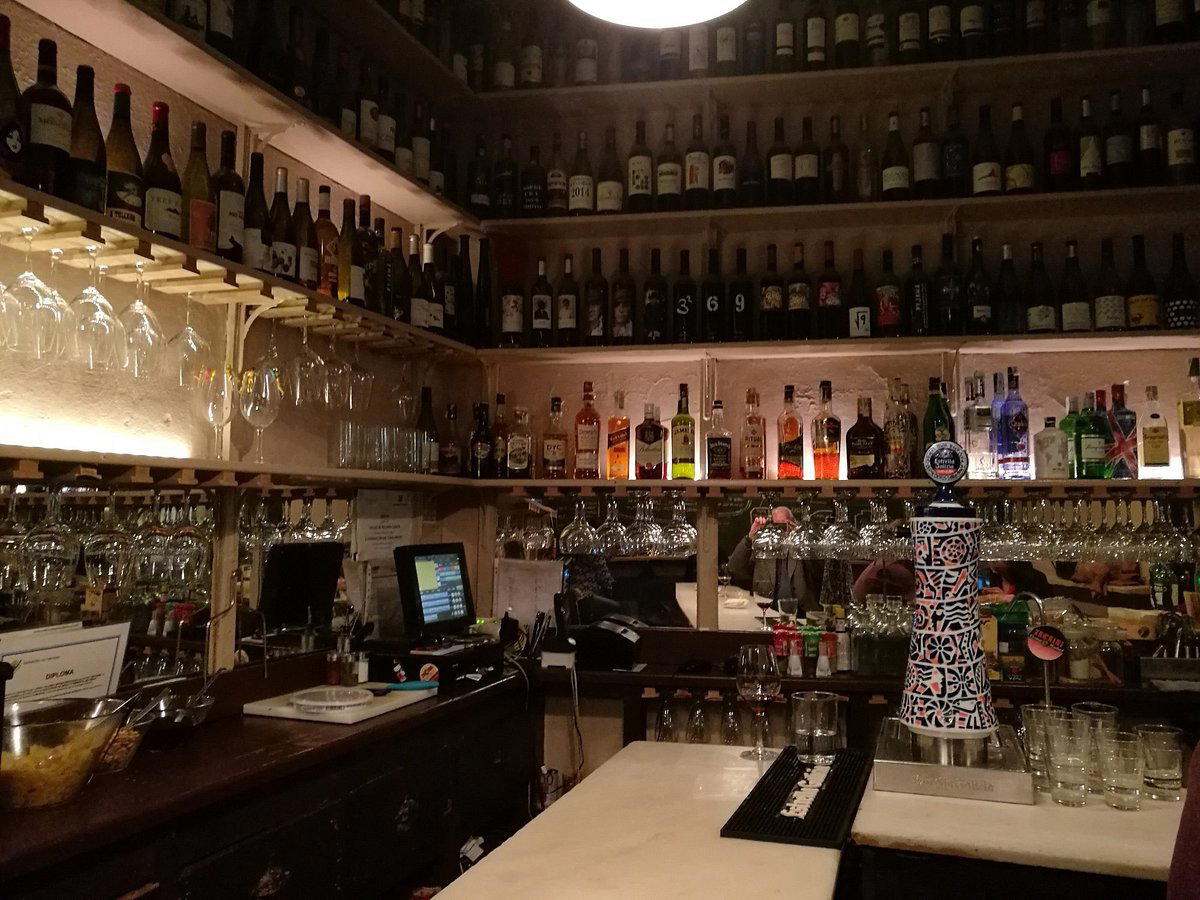
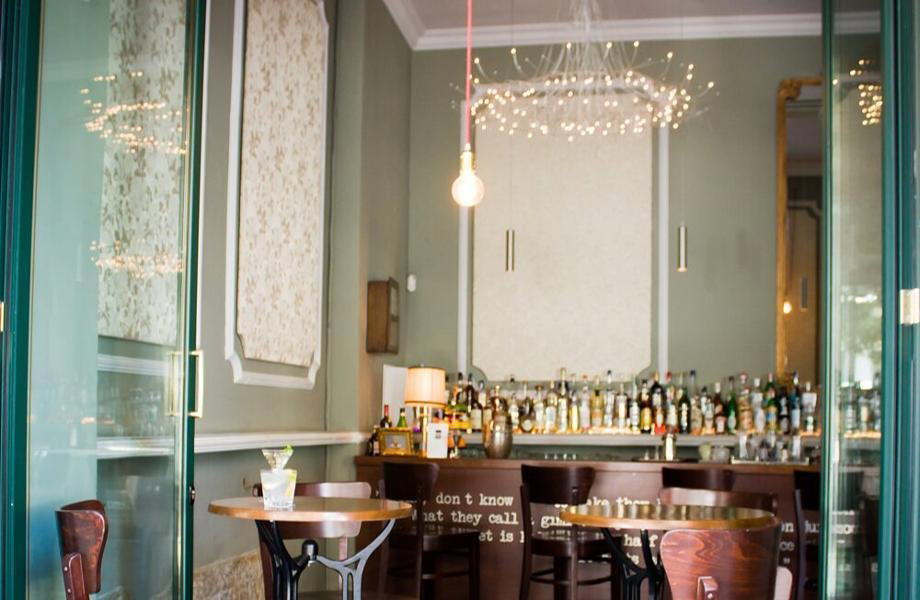
Hotels in Madrid
Browse all →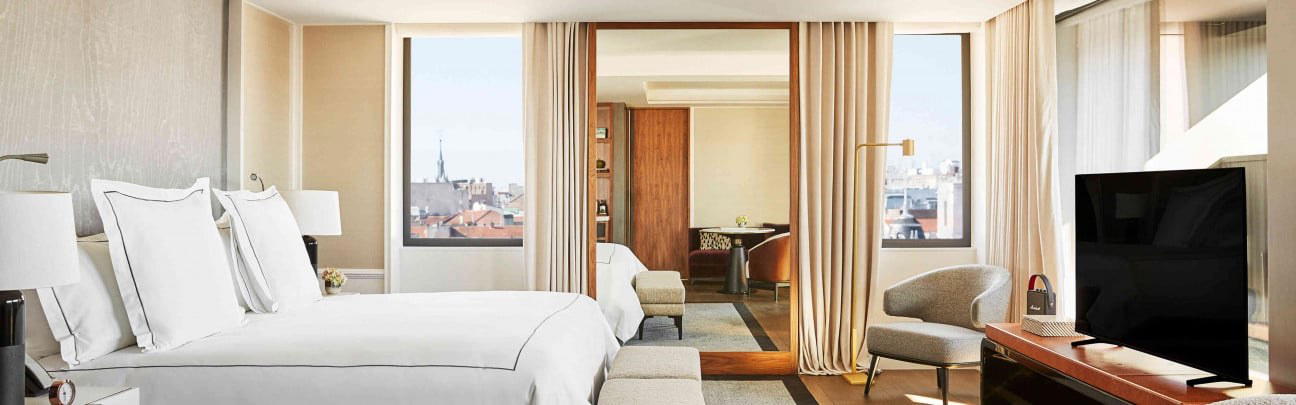



At a Glance
- Cozy
- Casual Hangout
- Date Night
Current opening hours
- Monday
- 12–4:30 PM, 7:30 PM–12 AM
- Tuesday
- 12–4:30 PM, 7:30 PM–12 AM
- Wednesday
- 12–4:30 PM, 7:30 PM–12 AM
- Thursday
- 12–4:30 PM, 7:30 PM–12 AM
- Friday
- 12–4:30 PM, 7:30 PM–12 AM
- Saturday
- 12–4:30 PM, 7:30 PM–12 AM
- Sunday
- 12–4:30 PM, 7:30 PM–12 AM
Hours can change for holidays and private events. Last verified .
Comfortable and pleasant atmosphere.
Know Before You Go
- Getting there
- C. de Aragón, 8, Chamartín, 28002 Madrid, Spain