
On Calle del General Pardiñas in Madrid's Salamanca district, KIPPU occupies a corner of the city where Japanese precision and Spanish instinct have found common ground. The address places it firmly inside one of the capital's most money-serious neighbourhoods, where dining rooms are expected to perform. Whether KIPPU earns its position in that conversation is the question worth asking.
Pearl is the En Primeur Club membership app — saves, bookings, and concierge access live there. Same editors, same standards.
- Address
- Calle del Gral. Pardiñas, 70, Salamanca, 28006 Madrid, Spain
- Phone
- +34910667044
- Website
- kippu.es
- Directions
- Get directions
 Saves & bookings on Pearl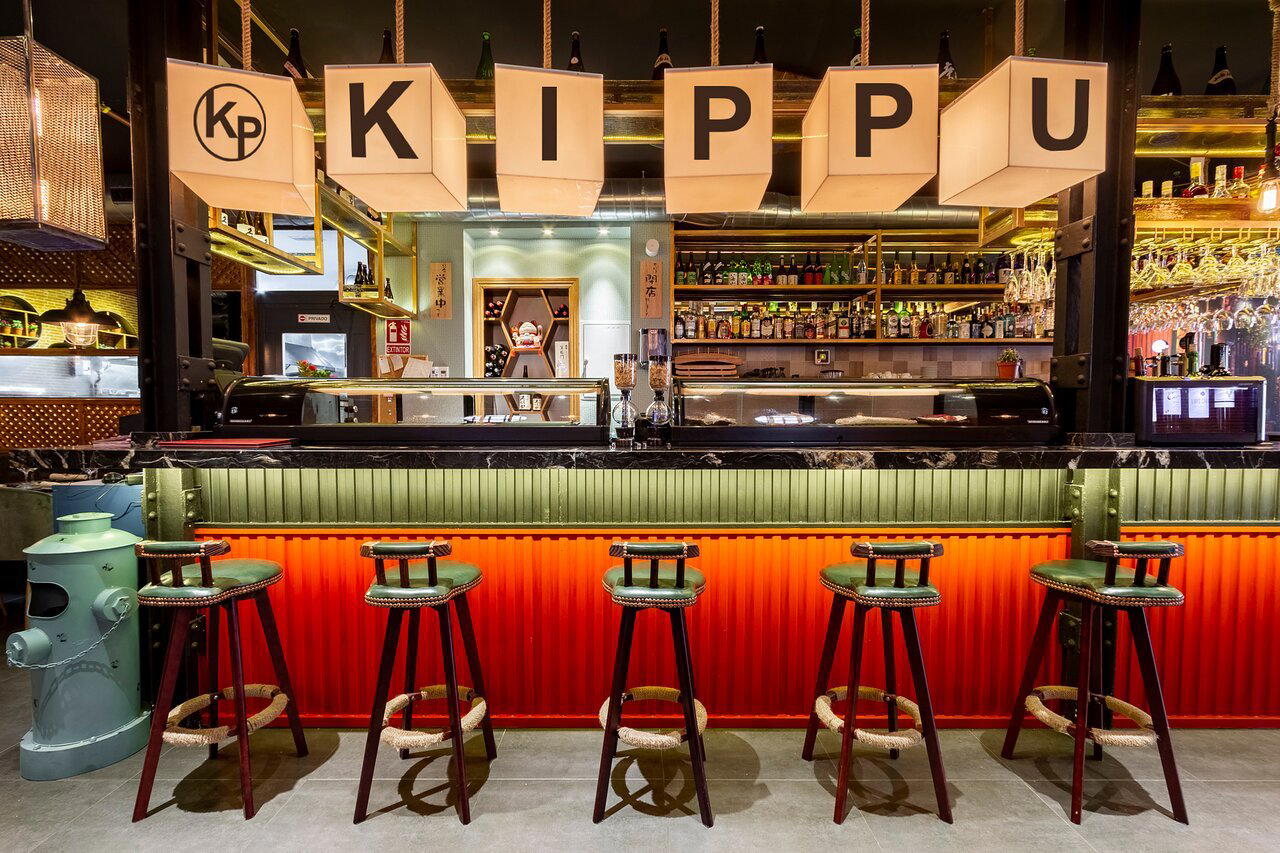
Salamanca, Where the Room Does the First Talking
There is a particular kind of quiet that settles over the dining rooms of Madrid's Salamanca district in the early evening: the low hum of conversation from tables set wide apart, the sound of glassware rather than music, the deliberate pace of a neighbourhood that has never been interested in rush. Calle del General Pardiñas runs through this territory with residential authority, and KIPPU sits along it at number 70, in a postcode that the city's money has claimed for decades. The street outside is broad and lined with plane trees; inside, the shift from Madrid's generous October light to whatever atmosphere the room holds is a moment that sets the register for everything that follows.
Salamanca is not the neighbourhood you go to for novelty. Its dining rooms tend toward the serious, the established, the price-conscious in the way that only genuinely expensive places allow themselves to be. It is a district of old-money conservatism and new-money ambition, and restaurants here are subject to both. Against that backdrop, a venue drawing on Japanese culinary reference points carries a specific weight. Spanish diners in this postcode have seen enough to be sceptical of concept restaurants; what they respond to is execution.
The Spanish-Japanese Intersection in Madrid's Current Dining Scene
Madrid's relationship with Japanese technique has deepened considerably over the past decade. The city's most discussed table, DiverXO, has been blending Asian reference with Spanish instinct for years at the top of the market. Lower in the pricing tier, a wave of Japanese-inflected restaurants has spread through the capital, ranging from direct ramen operations to counter formats that approximate omakase without its full commitment. KIPPU's address in Salamanca positions it in the more serious end of that range, where the neighbourhood's expectations around service, finish, and consistency apply with force.
This intersection of cuisines is not without precedent internationally. In New York, Atomix has built a sustained argument for Korean fine dining that operates on its own terms rather than as a fusion exercise. What makes these hybrid formats work, when they do, is a clarity of intent: the cuisine must feel resolved rather than assembled. In Madrid, the test for any Japanese-influenced room is whether it can hold its own in a city where the native Spanish tradition is, by any international measure, exceptionally strong. The country's own fine dining circuit includes El Celler de Can Roca in Girona, Mugaritz in Errenteria, and Martin Berasategui in Lasarte-Oria, all of which represent a domestic tradition that Spanish diners carry with them as a reference point.
Atmosphere as the Opening Argument
In a neighbourhood where rooms are expected to do serious work, atmosphere is not decoration but argument. Salamanca dining rooms tend to invest in the signals that communicate stability: considered lighting, materials that suggest permanence, service that reads as trained rather than approximate. The name KIPPU (切符, the Japanese word for ticket or pass) gestures toward intentionality in its reference, the kind of naming decision that places a venue's framing in the culture it draws from rather than in a generic internationalism. Whether the room itself carries that register through in its physical details is something that emerges in the sitting, in the interval between ordering and the first course arriving, in the sound level that the space either controls or surrenders to.
Madrid's better creative dining rooms have learned in recent years that atmosphere is increasingly competitive with food as the driver of a return visit. DSTAgE built its reputation partly on a room that felt unlike other Madrid fine dining spaces. Coque spreads its experience across multiple rooms and a wine cellar tour that extends the sensory encounter well beyond the plate. The question for KIPPU, as with any Salamanca dining room staking out a position, is what the room argues on its own terms.
Placing KIPPU accurately within Madrid's dining order requires acknowledging the density of the competition. The capital's creative tier is legitimate and internationally recognised. Deessa and Paco Roncero represent the kind of modern Spanish creative cooking that holds Michelin recognition; they set a ceiling that any aspirant room in the city has to acknowledge. Outside Madrid, Spain's fine dining circuit extends to Arzak in San Sebastián, Azurmendi in Larrabetzu, Quique Dacosta in Dénia, Aponiente in El Puerto de Santa María, Ricard Camarena in València, Cocina Hermanos Torres in Barcelona, and Atrio in Cáceres. This is a country with a deep bench at the serious end of the market.
Within Salamanca specifically, the dining room that holds a recognised position in its tier is the standard by which newcomers and mid-career restaurants alike are measured. Japanese-influenced formats have proven themselves internationally, including at Le Bernardin in New York City, where the discipline applied to a single protein category has sustained relevance across decades. The parallel for any Spanish-Japanese room is finding a similar axis of discipline: a cuisine must have a reason to exist, not merely a reason to be interesting.
Planning a Visit
KIPPU sits on Calle del General Pardiñas, 70, in the Salamanca district of Madrid, postcode 28006. The neighbourhood is well served by metro (the line 4 stop at Diego de León places the address within a short walk), and taxis from the city centre reach it in under ten minutes in normal traffic. Salamanca restaurants at this address level typically operate for dinner from Tuesday through Saturday, with some offering a lunch service; verifying current hours directly with the venue before visiting is advisable, as hours and formats in this tier adjust across seasons. Reservation lead times for serious Salamanca rooms run from a few days to several weeks depending on the day of the week; Friday and Saturday evenings tend to compress availability fastest. For a fuller read of where KIPPU sits within the capital's dining order, the EP Club Madrid restaurants guide maps the scene across price points and cuisine types.
How KIPPU Madrid compares with similar nearby venues.
| Venue | Cuisine | Price |
|---|---|---|
| Taberna Verdejo | Spanish | Not listed |
| El Bajío | Mexican | €€ |
Recognition history
Dated appearances from independent guides and award organizations, with the underlying list record or original source where available.
Macarfi 6.5 Food Rating
Macarfi
Continue exploring
More in Madrid
Restaurants in Madrid
Browse all →
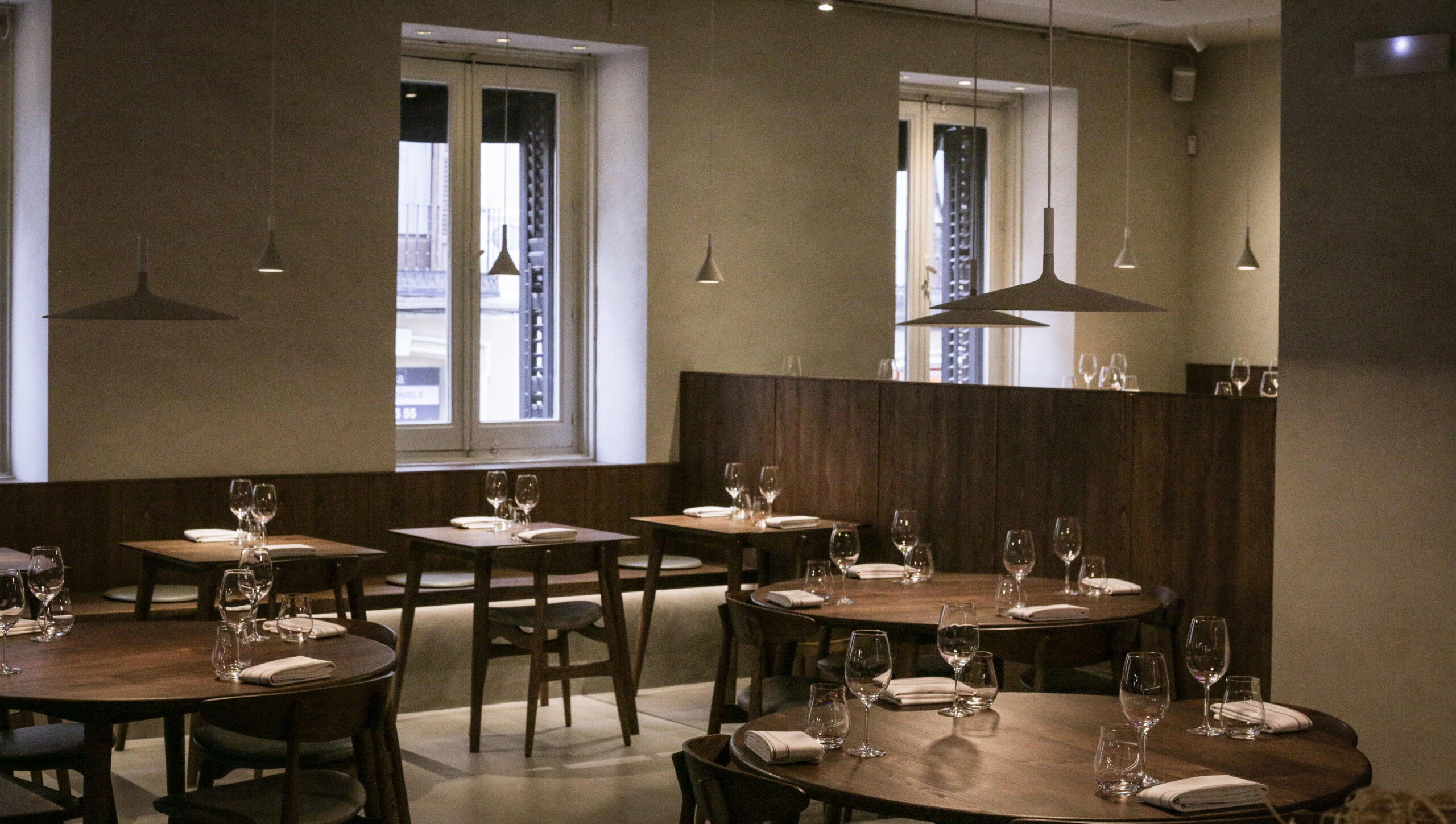
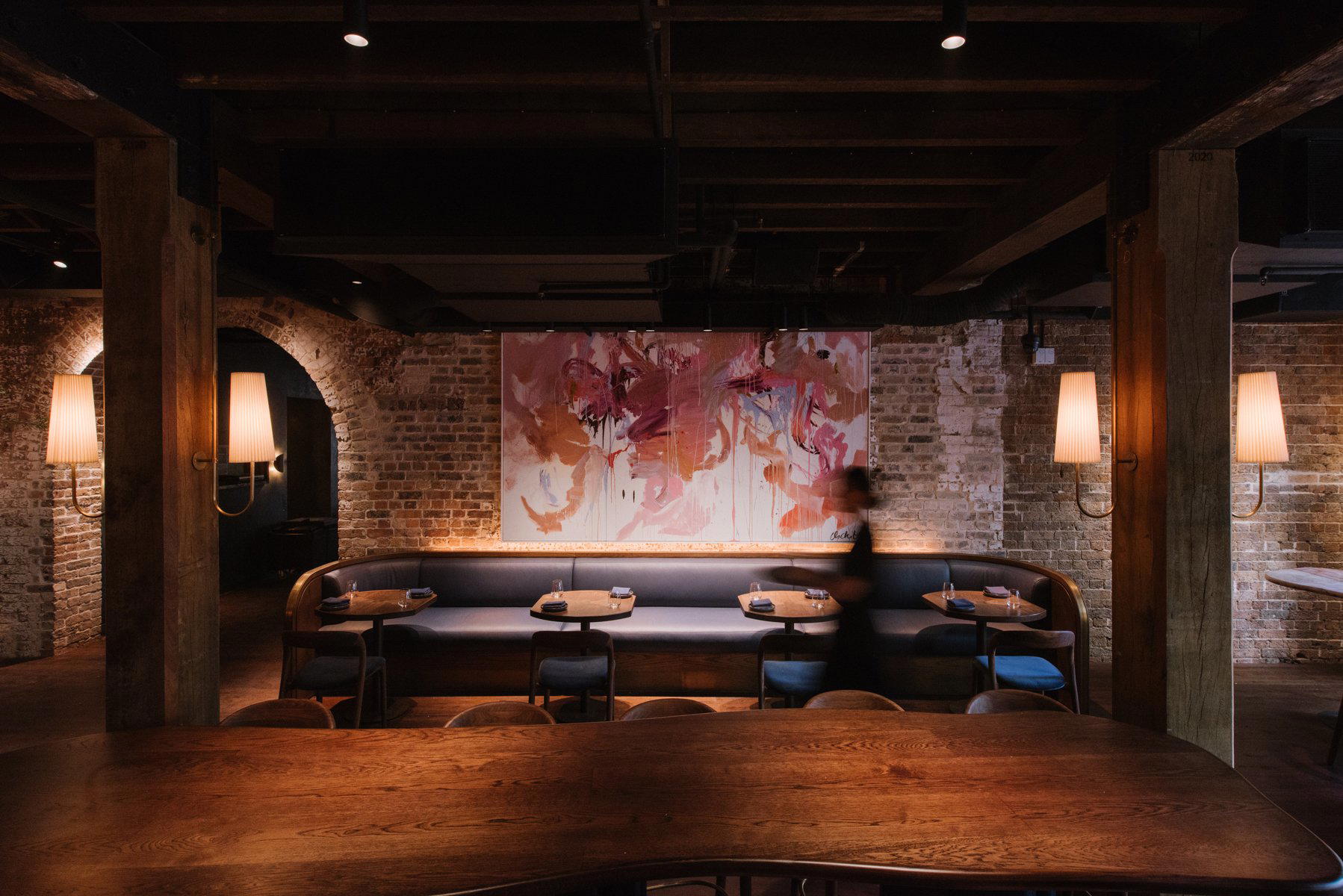
Bars in Madrid
Browse all →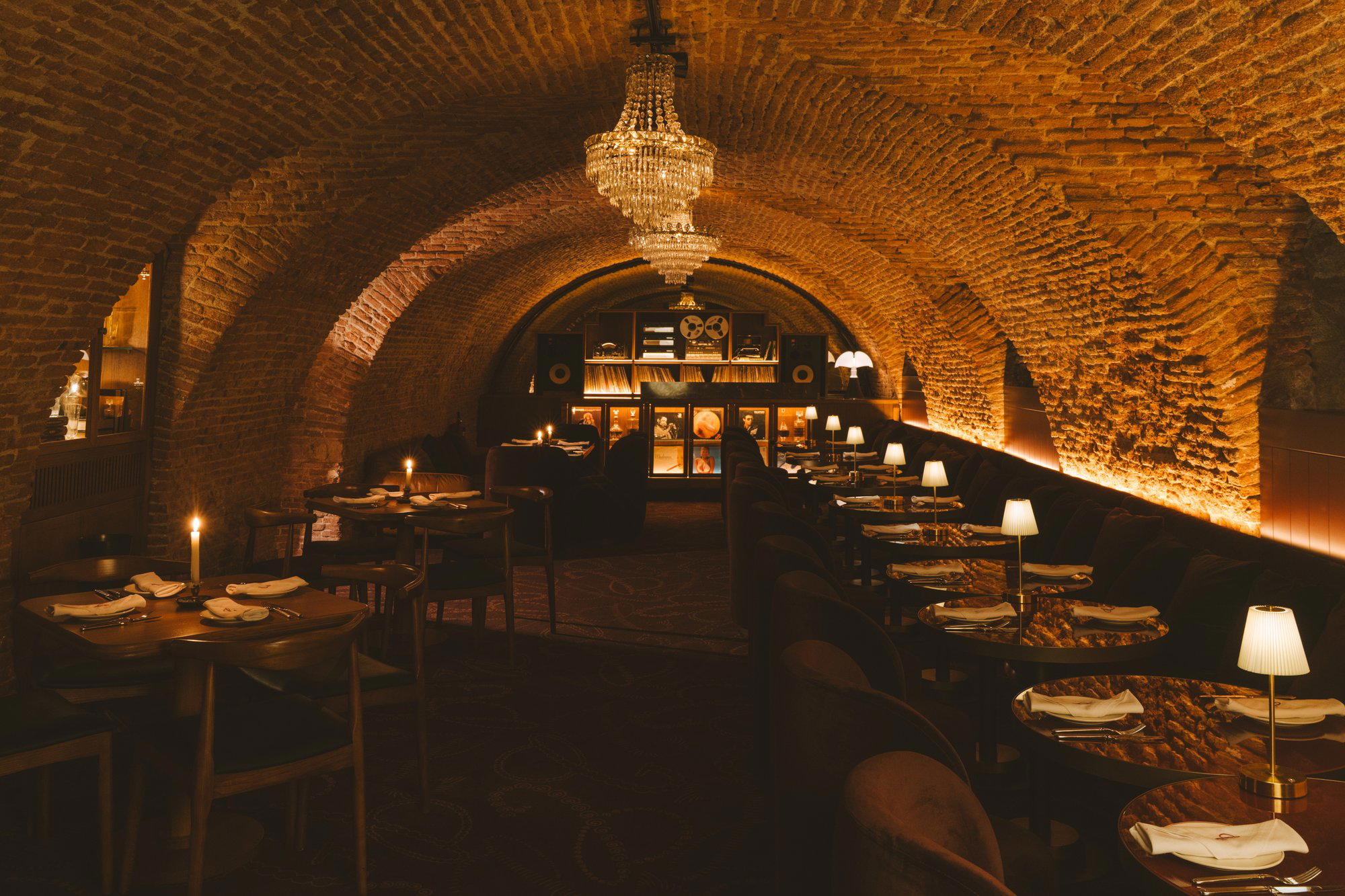
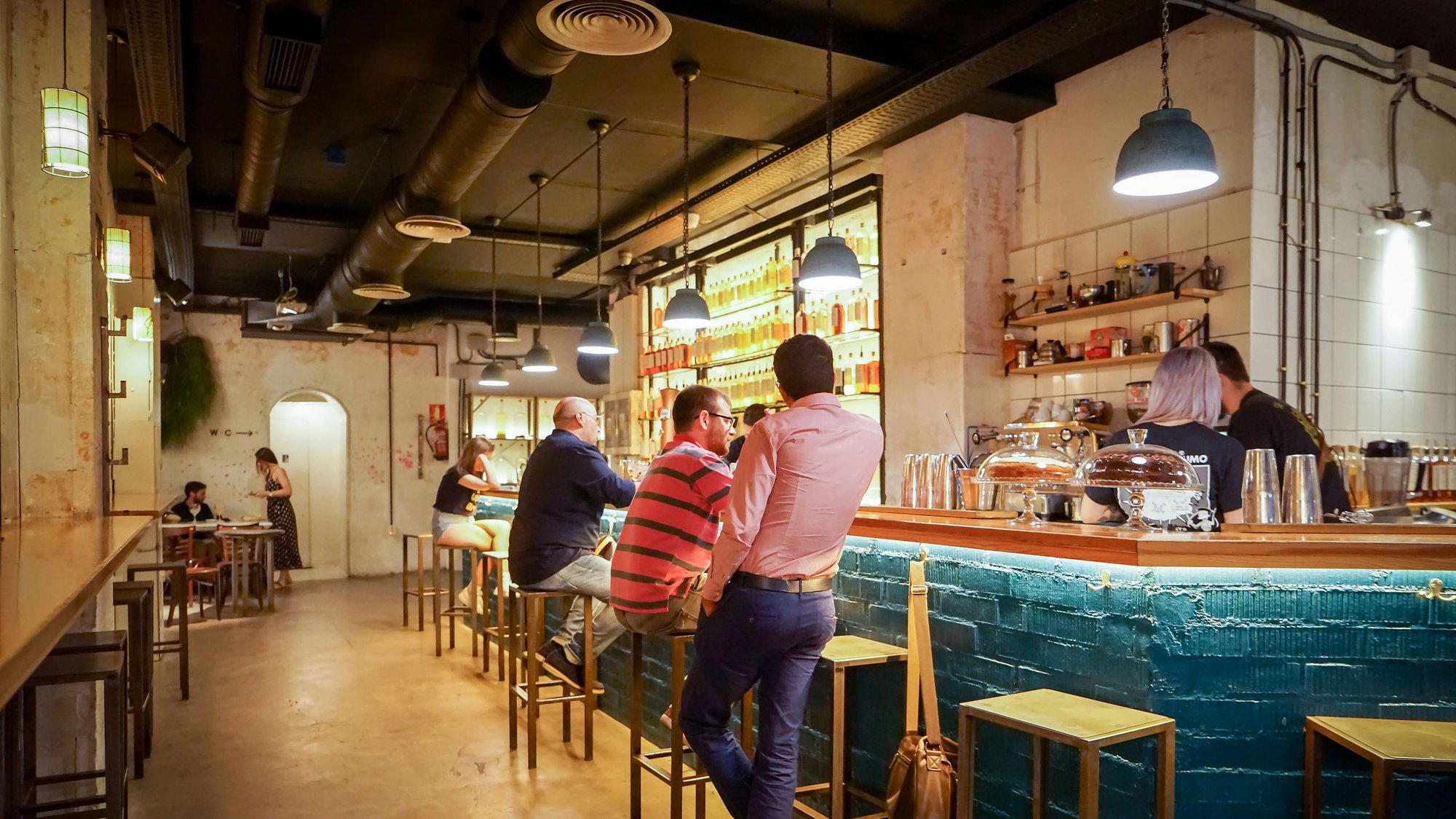
Hotels in Madrid
Browse all →

At a Glance
- Modern
- Trendy
- Romantic
- Sophisticated
- Date Night
- Casual Hangout
- Open Kitchen
- Sake Program
Current opening hours
- Monday
- 1–4:30 PM, 8 PM–12 AM
- Tuesday
- 1–4:30 PM, 8 PM–12 AM
- Wednesday
- 1–4:30 PM, 8 PM–12 AM
- Thursday
- 1–4:30 PM, 8 PM–12 AM
- Friday
- 1–4:30 PM, 8 PM–12 AM
- Saturday
- 1–4:30 PM, 8 PM–12 AM
- Sunday
- 1–4:30 PM, 8 PM–12 AM
Hours can change for holidays and private events. Last verified .
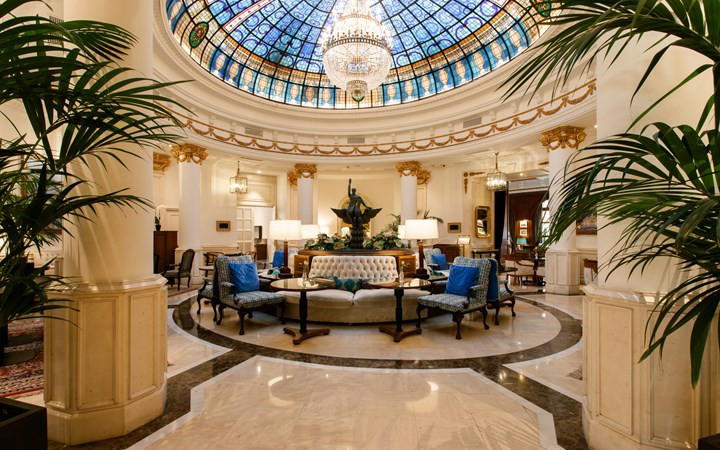
Industrial décor blending old-fashioned styles with low tables, elegant sofas, armchairs, and a central sushi bar offering partial kitchen views.
Know Before You Go
- Getting there
- Calle del Gral. Pardiñas, 70, Salamanca, 28006 Madrid, Spain