
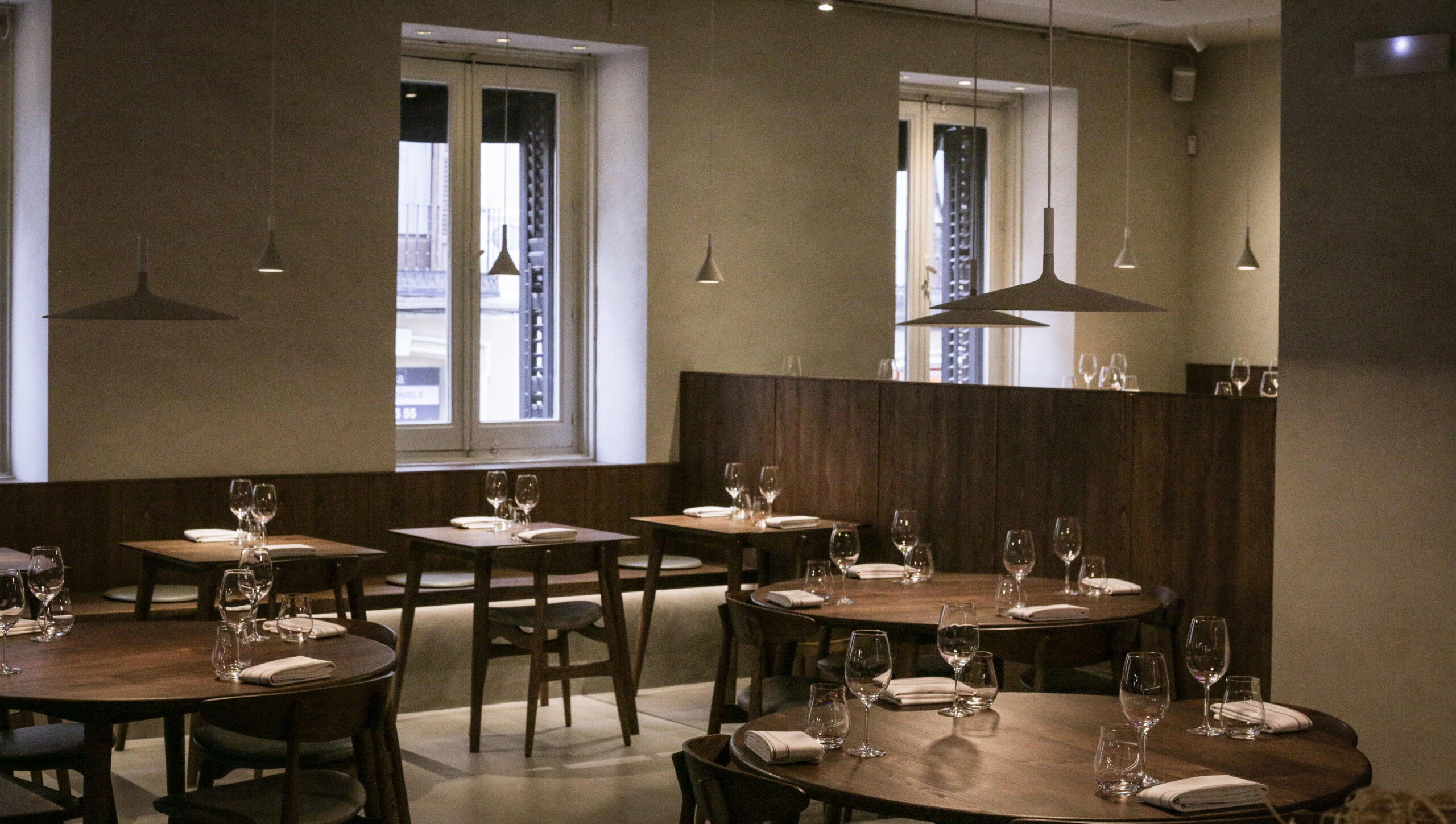
On a side street just off Gran Vía, Ikigai takes Madrid's appetite for Japanese-influenced cooking and gives it a considered spatial frame. The room is the statement here: an interior designed to slow the pace of one of Spain's most frenetic avenues. For anyone tracking how the city's creative dining scene is absorbing East Asian influence, this is a relevant address.
Pearl is the En Primeur Club membership app — saves, bookings, and concierge access live there. Same editors, same standards.
- Address
- C. de la Flor Baja, 5, Centro, 28013 Madrid, Spain
- Phone
- +34916226374
- Website
- restauranteikigai.com
- Directions
- Get directions
 Saves & bookings on Pearl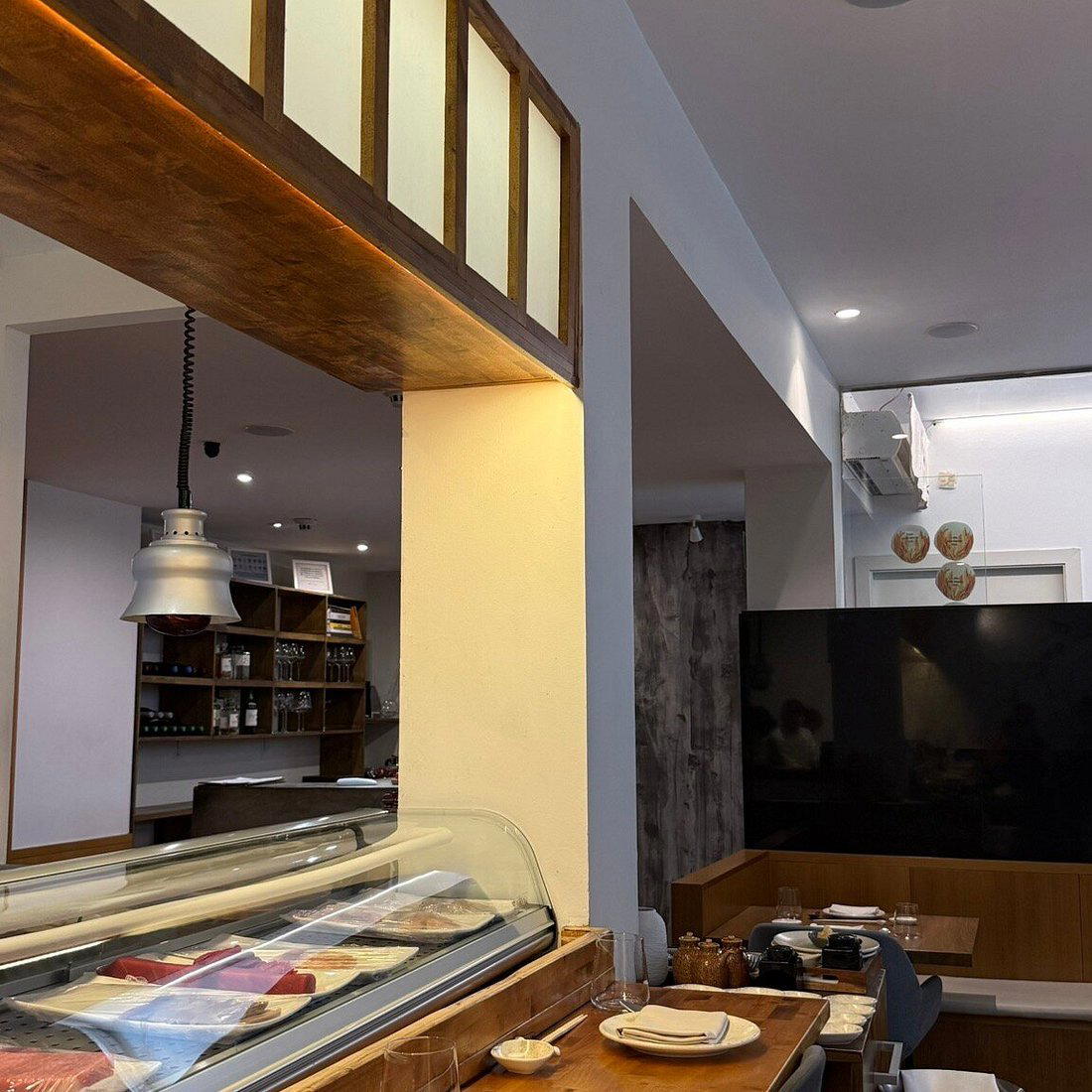
A Room That Works Against Gran Vía's Current
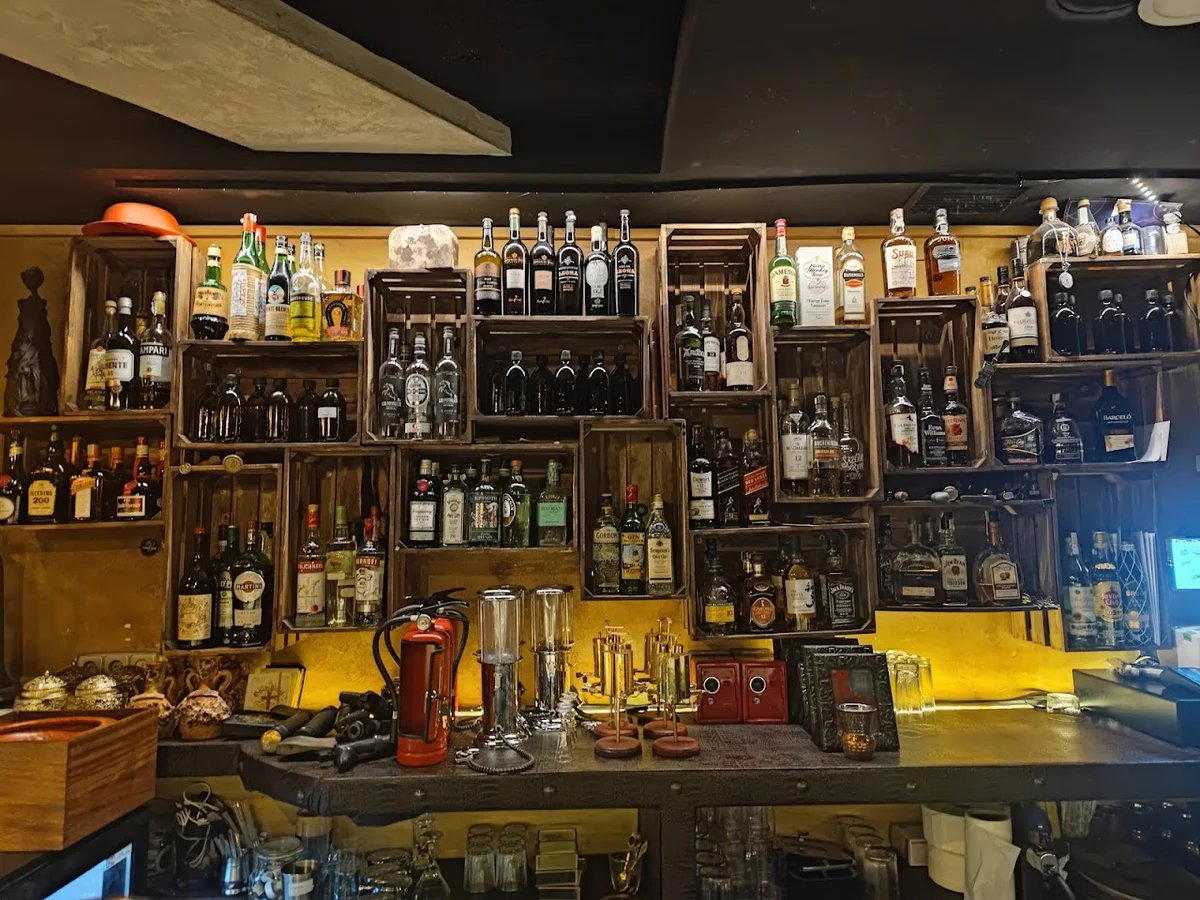
Madrid's Gran Vía is not a street that encourages stillness. It moves at the pace of a capital that has built its identity on late nights, high decibels, and the particular Spanish talent for turning a meal into an event that spills past midnight. The restaurants that occupy this corridor tend to amplify that energy. Ikigai Gran Vía, on Calle de la Flor Baja just off the main artery, makes a different calculation. The space reads as a deliberate act of decompression, a room designed to sit outside the rhythm of everything immediately around it.
That architectural decision matters more than it might seem. Madrid's creative dining circuit has spent the past decade wrestling with the question of what kind of physical container serious cooking requires. The city's most decorated rooms, from the theatrics of DiverXO to the more austere architectural confidence of DSTAgE, have each answered that question differently. Ikigai lands on restraint, the kind of visual quietude that borrows from Japanese spatial philosophy without costuming itself as a replica of Tokyo.
Japanese Influence in a Spanish Context
Madrid has developed a sustained appetite for Japanese-inflected dining over the past several years, and the city now sustains multiple formats across the price spectrum, from casual ramen counters in Lavapiés to omakase-style experiences in Salamanca. What distinguishes the more considered entries in this category is how they handle the tension between Japanese precision and the Spanish expectation of hospitality as warmth rather than ceremony.
That tension is felt across the broader Spanish dining scene, too. At the high end, kitchens like Cocina Hermanos Torres in Barcelona and Ricard Camarena in València have demonstrated that technical discipline and Iberian generosity are not mutually exclusive. Ikigai Gran Vía operates in the space where those two registers meet, drawing on Japanese cooking logic while remaining planted in a city that expects its dining rooms to feel inhabited, not curated for silence.
For reference, Spain's broader roster of venues exploring cross-cultural culinary dialogue includes Mugaritz in Errenteria, which has long used conceptual cooking to question the boundaries of what a meal can be, and Quique Dacosta in Dénia, whose kitchen interrogates Mediterranean tradition through a similarly experimental lens. Ikigai operates at a different register than either of those, but the broader appetite for cooking that sits between recognisable traditions is a current that connects them.
The Physical Frame: Space as Editorial Statement
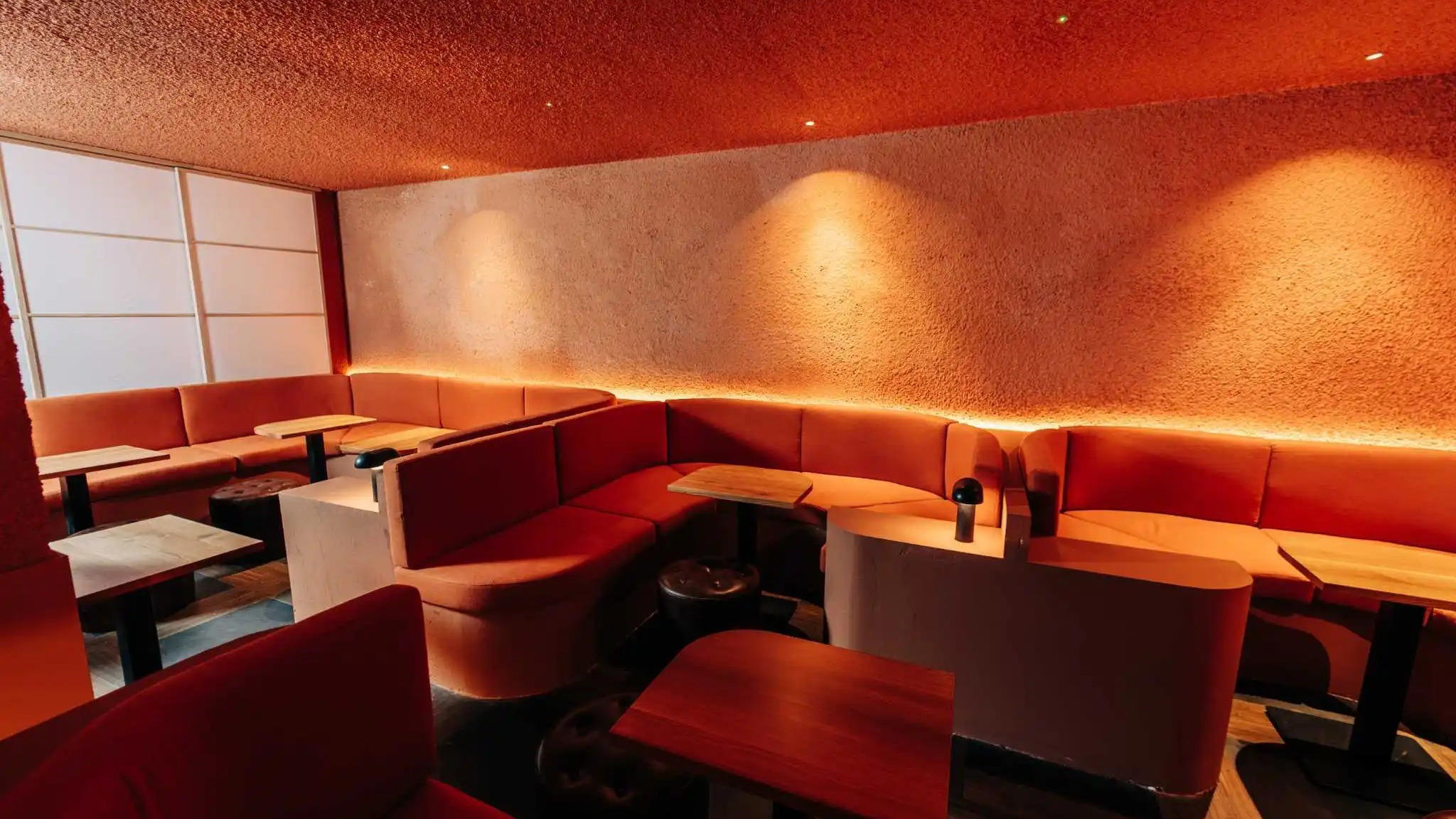
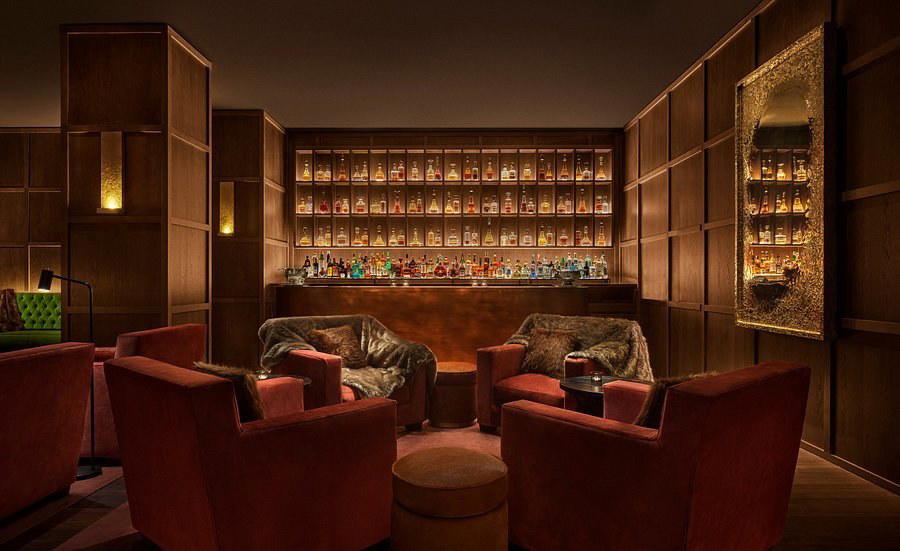
The interior design of a restaurant is never neutral. It signals the kind of attention the kitchen expects from its guests and, equally, the kind of attention it intends to pay them. At Ikigai Gran Vía, the spatial language is calibrated toward focus. The materials, the light levels, the geometry of the room, these are not accidental. They are a set of instructions about how to be present during the meal.
This approach positions Ikigai within a cohort of Madrid rooms where the architecture does preliminary editorial work before a single plate arrives. Coque, in its current Almagro home, uses a multi-room procession that moves guests through cellar, cocktail space, and dining room as a kind of pacing mechanism. Deessa, inside the Mandarin Oriental Ritz, places guests inside one of Madrid's most formally beautiful hotel rooms, where the architecture does the talking before the kitchen gets its chance. Ikigai's approach is quieter than either, which in practice means the cooking has to carry more weight without scenic assistance, a demanding brief.
Internationally, the design-led Japanese dining model has strong precedents. Atomix in New York City is a useful comparison point: a Korean-Japanese fine dining counter where the room's restraint is inseparable from how the food lands. Le Bernardin in New York City demonstrates, from a different tradition, that a stripped-back room with no visual noise pushes all the attention onto the plate. Ikigai's spatial logic draws from that same well.
Where It Sits in Madrid's Creative Dining Order
Madrid's dining scene has grown more crowded in recent years. The city has attracted international attention at the leading, with three-Michelin-star operations setting a reference point, while a layer of younger, design-conscious restaurants has grown beneath them. This middle tier is where rooms with spatial ambition and defined point of view are drawing repeat visits.
The restaurant occupies that layer. It is not competing directly with the city's most decorated addresses, Paco Roncero and DiverXO operate at a different scale of investment and recognition, but it draws from some of the same currents: a commitment to technique, a designed physical environment, and a menu that requires attention rather than just appetite.
Spain's broader fine dining geography provides useful orientation. The multi-generational confidence of Arzak in San Sebastián, the ecological ambition of Azurmendi in Larrabetzu, and the wine-driven intensity of El Celler de Can Roca in Girona all represent different answers to the question of what serious Spanish dining looks like. Aponiente in El Puerto de Santa María and Atrio in Cáceres add regional depth to that picture. Martin Berasategui in Lasarte-Oria holds the record for Michelin stars among Spanish chefs. The restaurant enters a national conversation with these venues as its backdrop, operating in a niche that sits between Spanish creative tradition and Japanese formal discipline, a productive piece of territory that Madrid, more than most European capitals, is equipped to support.
Know Before You Go
- Address: C. de la Flor Baja, 5, Centro, 28013 Madrid, Spain
- Neighbourhood: Centro, just off Gran Vía
- Walk-ins: Advisable to book in advance given the room's size;
- Dress code: Smart casual is consistent with the room's register
- Sushi with Ibérico
- Ramen with Foie
- Sashimi with Natural Wine
- Gyozas
- Tempura de Ostras
- Tartar de Toro
In Context: Similar Options
Comparable venues nearby, for context on price, style, and recognition.
| Venue | Cuisine | Price | Notes |
|---|---|---|---|
| Ikigai Gran VíaThis venue — the venue you are viewing | Modern Japanese-Spanish Fusion | $$$ | Not listed |
| Nomo Braganza | Modern Japanese-Mediterranean Fusion | $$$ | Justicia |
| RED PROJECT SUSHI MADRID | Modern Japanese Sushi | $$$ | Recoletos |
| SUMO Grill | Japanese Sushi and Grill Buffet | $$ | Guindalera |
| El Japo Carranza | Japanese Sushi Fusion | $$ | Trafalgar |
| Gran Vía 18 | Modern Spanish Grill | $$$ | Chueca |
Recognition history
Dated appearances from independent guides and award organizations, with the underlying list record or original source where available.
Falstaff Restaurant - 92 Falstaff Points
Falstaff
At a Glance
- Intimate
- Elegant
- Sophisticated
- Date Night
- Special Occasion
- Business Dinner
- Open Kitchen
- Standalone
- Natural Wine
- Sake Program
- Local Sourcing
- Farm To Table
Current opening hours
- Monday
- Closed
- Tuesday
- 8:30–11:30 PM
- Wednesday
- 1:30–4 PM, 8:30–11:30 PM
- Thursday
- 1:30–4 PM, 8:30–11:30 PM
- Friday
- 1:30–4 PM, 8:30–11:30 PM
- Saturday
- 1:30–4 PM, 8:30–11:30 PM
- Sunday
- 2–4 PM
Hours can change for holidays and private events. Last verified .
Intimate and refined basement tavern with elegant sobriety, described as having a Japanese tavern soul with a somewhat otherworldly quality; warm lighting and sophisticated minimalist design.