Hemu Sushi Buffet Libre sits on Calle de los Jardines in Madrid's Centro district, operating within the city's expanding all-you-can-eat Japanese segment. The format targets diners who want volume and variety over the precision of omakase, placing it in a different tier from the city's high-end Japanese counters. A practical option for groups seeking informal Japanese dining in central Madrid.
Pearl is the En Primeur Club membership app — saves, bookings, and concierge access live there. Same editors, same standards.
- Address
- C. de los Jardines, 3, Centro, 28013 Madrid, Spain
- Phone
- +34913916575
- Website
- hemusushi.com
- Directions
- Get directions
 Saves & bookings on Pearl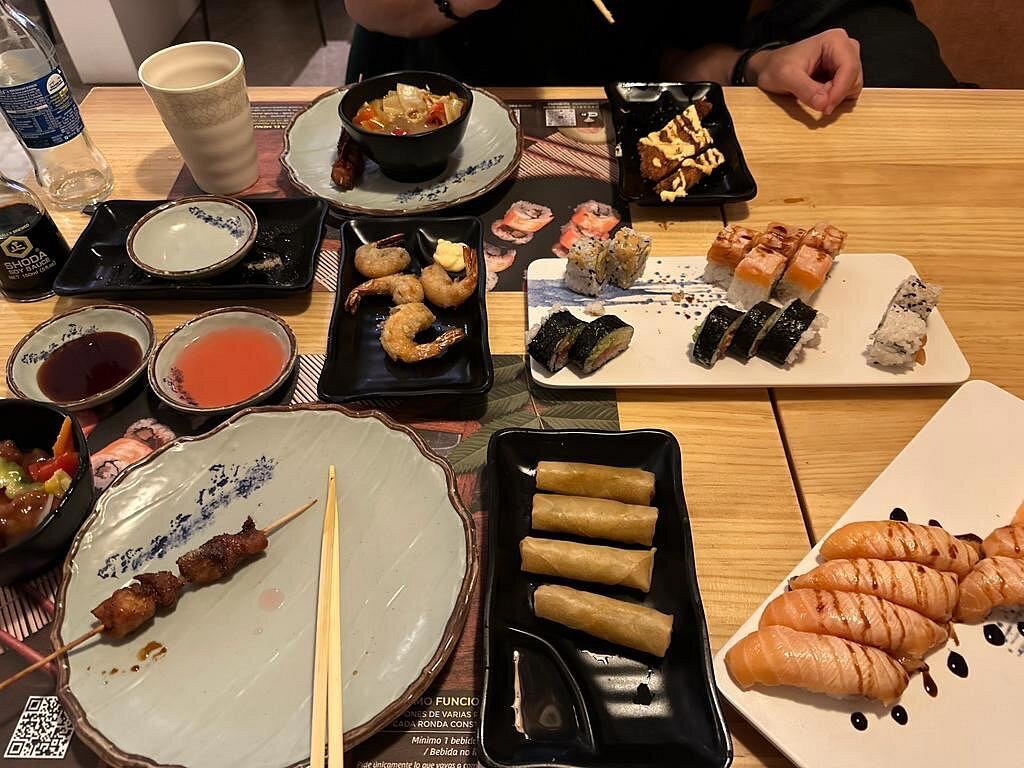
All-You-Can-Eat Japanese in Central Madrid: The Format in Context
Madrid's Japanese dining scene has split into two recognisable tiers over the past decade. At one end sit the precision-focused counters and tasting-menu restaurants, a category where the city competes seriously with European peers. At the other end, a growing number of buffet-libre formats have taken hold across the Centro district, feeding demand from a different kind of diner: one who wants access to a wide spread of Japanese staples without the structure or price commitment of a set menu. Hemu Sushi Buffet Libre, on Calle de los Jardines 3, occupies this second tier.
The buffet-libre model, borrowed from the French term for unlimited dining, has become a familiar format in Spanish cities. It runs on the logic of high turnover and broad accessibility rather than ingredient rarity or chef-driven precision. In this kind of restaurant, the sourcing question is not about provenance certificates or direct import relationships with Japanese fishing markets; it is about consistency across a wide spread of dishes and the capacity to keep popular items fresh and replenished throughout service. That is the operational challenge the format sets for itself, and the standard by which it should be assessed.
Where Calle de los Jardines Places You
The address puts Hemu within a few minutes' walk of Gran Vía, the commercial and pedestrian spine of central Madrid. This part of Centro attracts a mix of tourists, office workers, and residents who treat the neighbourhood as a daily backdrop rather than a dining destination in its own right. The streets around Gran Vía are dense with mid-range restaurants serving Spanish, Italian, and Asian cuisines, all competing for the lunchtime trade and early-evening walk-in crowd. A buffet format in this location makes structural sense: the footfall is consistent, the audience is broad, and the format removes the friction of ordering for groups or travellers unfamiliar with a menu.
For those whose priorities sit elsewhere in Madrid's dining hierarchy, the city's more formally recognised Japanese and Spanish restaurants operate in a separate register entirely. DiverXO and Coque represent the Michelin-starred end of the Madrid table, while Deessa, DSTAgE, and Paco Roncero each anchor a distinct corner of the city's creative dining scene. These are not the same conversation as a buffet-libre, and conflating the two serves neither audience well.
The Buffet-Libre Ingredient Model and What It Implies
Spain's relationship with Japanese ingredients has evolved considerably. Major Spanish ports now receive regular consignments of Japanese-adjacent seafood, and Madrid's fish markets, supplied primarily through Mercamadrid, give inland restaurants access to a broad range of fresh fish on a daily basis. The buffet-libre format typically draws on this domestic supply chain rather than direct Japanese import routes, which are more commonly used by higher-price-point operations. That does not preclude quality, but it does shape what kind of quality is on offer: the emphasis shifts toward freshness of local seafood and reliability of preparation over the textural or flavour complexity of aged or imported Japanese product.
For a point of contrast at the sourcing end of the Spanish restaurant spectrum, operations like Aponiente in El Puerto de Santa María have built entire culinary identities around marine ingredient provenance. Across Spain, restaurants from Arzak in San Sebastián to El Celler de Can Roca in Girona and Azurmendi in Larrabetzu have made ingredient traceability a central editorial and commercial argument. That model does not translate directly to a buffet-libre context, where the value proposition is volume and accessibility rather than provenance storytelling. Both models answer real demand; they simply answer different questions.
Who the Format Serves
All-you-can-eat Japanese restaurants in European cities tend to draw three overlapping groups: families with children who want options without conflict, social groups who prefer to share many dishes without negotiating a single menu, and budget-conscious diners for whom the format offers exposure to a wide variety of preparations at a fixed and predictable cost. The Centro location of Hemu reinforces all three use cases, given the area's concentration of hotels, tourist apartments, and office blocks that generate predictable demand across the week.
In family-dining terms, the buffet format removes some of the friction that tasting menus or à la carte Japanese restaurants can create for mixed-age groups. Whether that translates to a specifically child-friendly environment in terms of seating, noise tolerance, or service patience depends on operational choices that vary between individual restaurants in this format.
Situating Hemu in the Wider Madrid and Spanish Scene
Madrid is not a Japanese dining city in the way that certain European capitals have built out deep Japanese restaurant cultures. The city's strength lies in its own regional and creative Spanish traditions, and for those tracking that scene, restaurants like Cocina Hermanos Torres in Barcelona, Martin Berasategui in Lasarte-Oria, Quique Dacosta in Dénia, Mugaritz in Errenteria, Ricard Camarena in València, and Atrio in Cáceres each represent more specific and verifiable claims on the reader's time. For a complete view of where the city's dining attention is directed, the EP Club Madrid restaurants guide maps the full range.
For readers whose Japanese dining reference points include precision tasting formats, it is worth acknowledging what the buffet-libre model gives up and what it gains. Operations like Le Bernardin in New York City or Atomix in New York City demonstrate what happens when Japanese and Japanese-influenced technique is applied with maximum precision and sourcing rigour. Hemu's format is structurally incompatible with that kind of programme, and that is not a criticism: it is a different answer to a different question.
Planning a Visit
Hemu Sushi Buffet Libre is located at Calle de los Jardines 3 in the Centro district, within easy walking distance of Gran Vía metro station. As with most buffet-libre formats in busy central Madrid locations, arriving during peak lunch or dinner periods without a reservation carries the risk of queuing, particularly on weekends when foot traffic in this part of the city is at its highest. Direct contact details were not available at the time of writing, so checking current hours and booking options via search or map platforms before visiting is advisable.
How HEMU SUSHI BUFFET LIBRE Madrid compares with similar nearby venues.
| Venue | Cuisine |
|---|---|
| Angelita Madrid | Wine Bar |
Continue exploring
More in Madrid
Restaurants in Madrid
Browse all →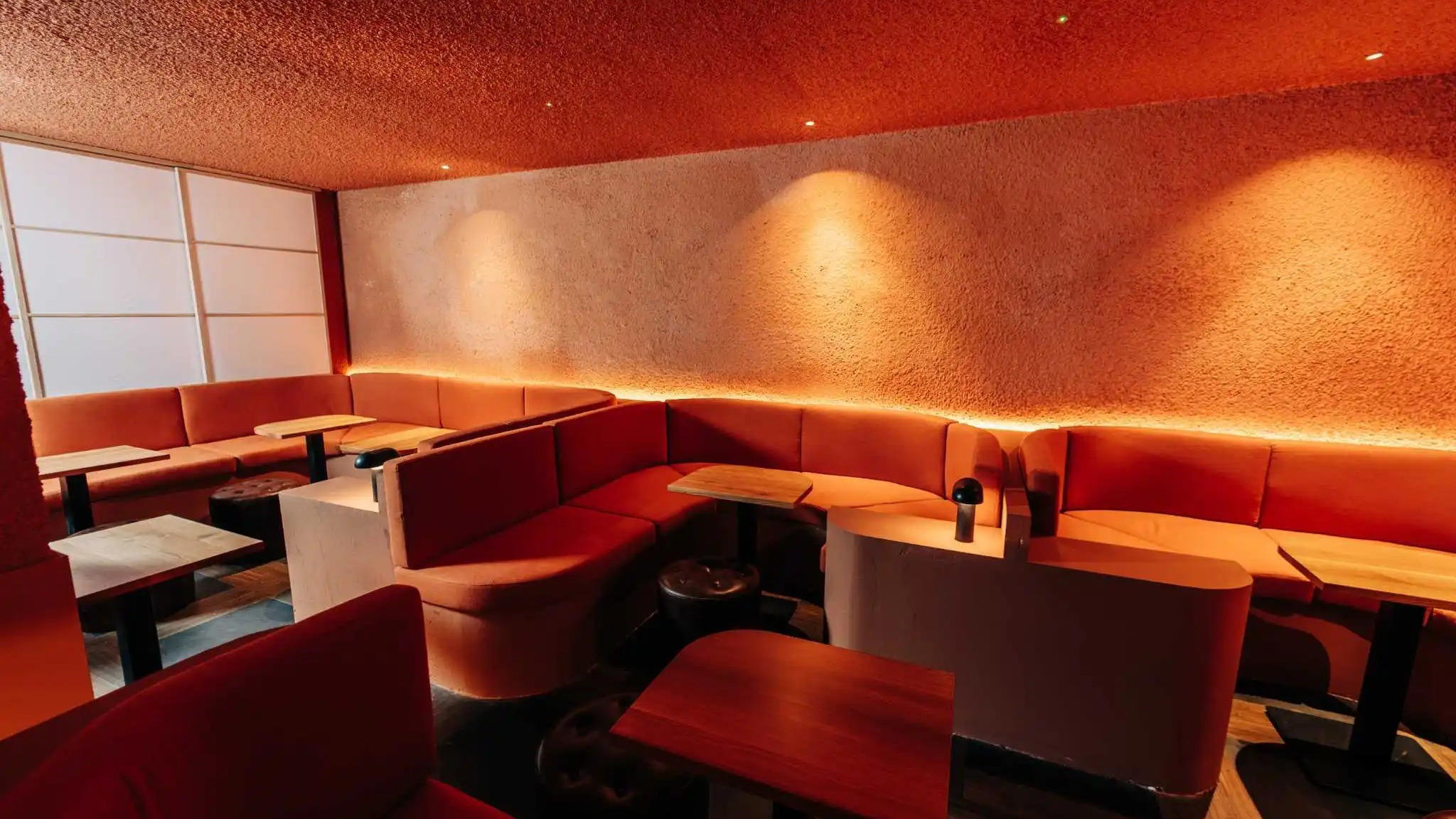
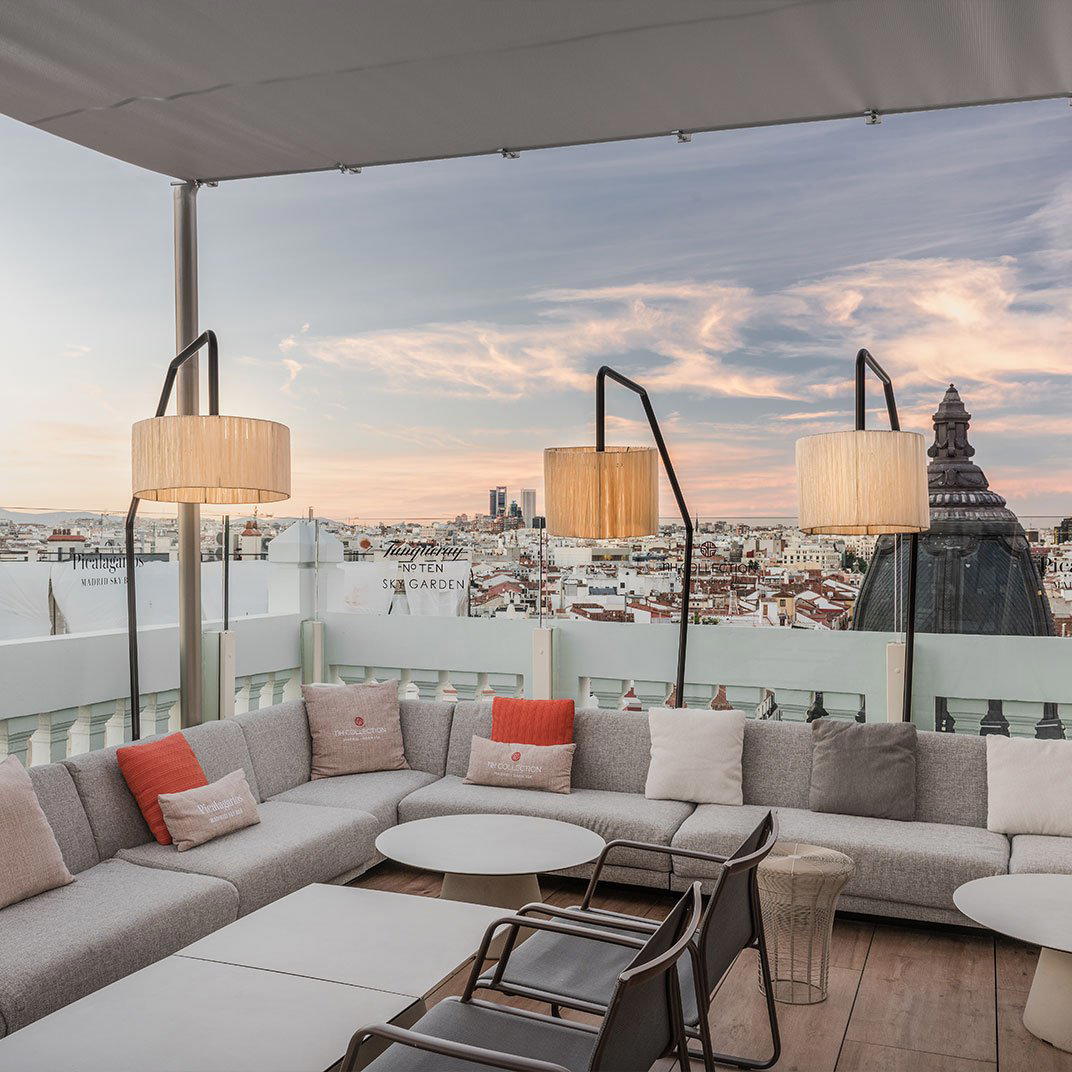
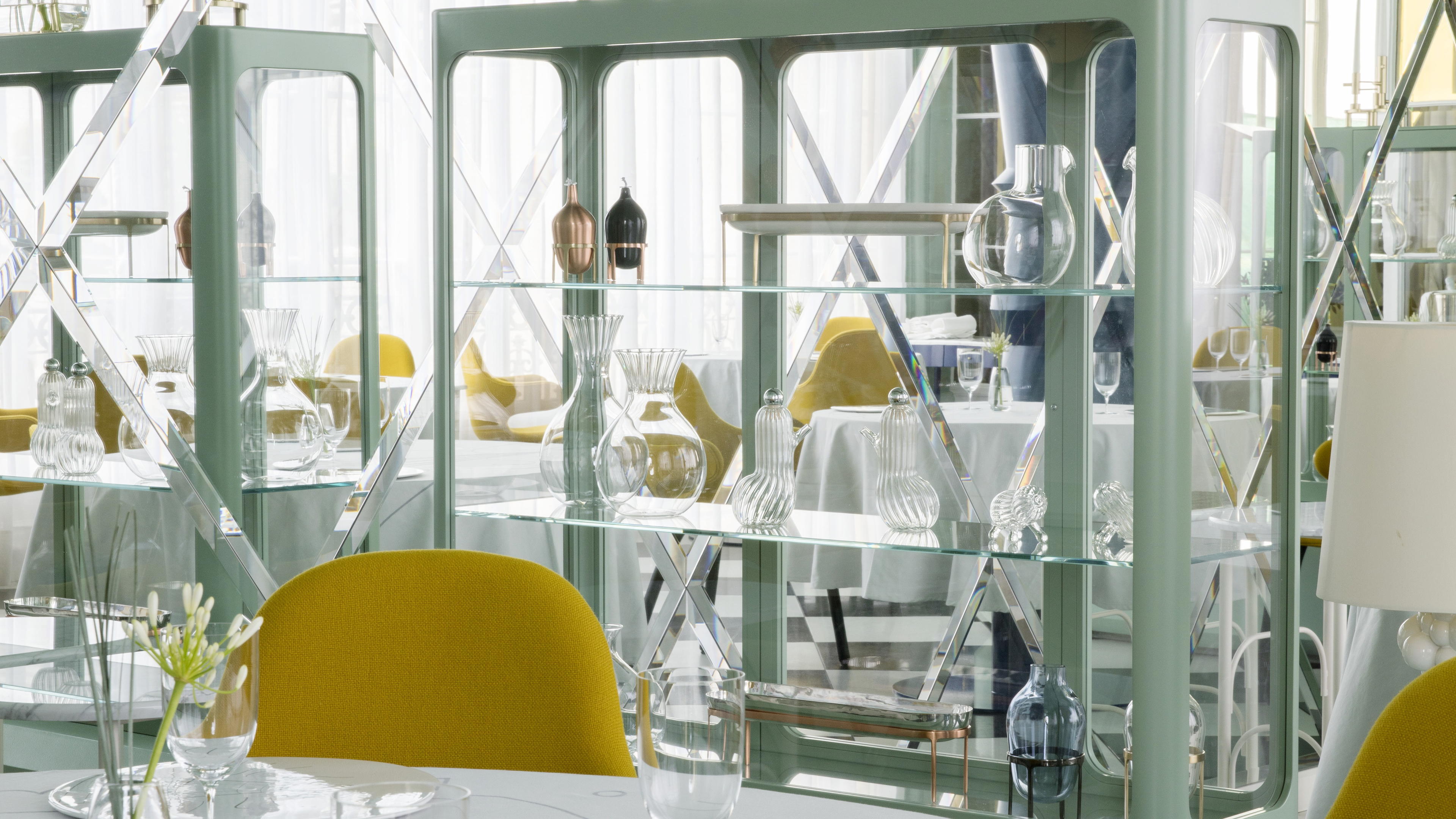
Bars in Madrid
Browse all →
Hotels in Madrid
Browse all →


At a Glance
- Classic
- Cozy
- Group Dining
- Casual Hangout
- Family
- Open Kitchen
Current opening hours
- Monday
- 12:30–4:30 PM, 8 PM–12 AM
- Tuesday
- 12:30–4:30 PM, 8 PM–12 AM
- Wednesday
- 12:30–4:30 PM, 8 PM–12 AM
- Thursday
- 12:30–4:30 PM, 8 PM–12 AM
- Friday
- 12:30–4:30 PM, 8 PM–12 AM
- Saturday
- 12:30–4:30 PM, 8 PM–12 AM
- Sunday
- 12:30–4:30 PM, 8 PM–12 AM
Hours can change for holidays and private events. Last verified .
Traditional Japanese-inspired decor with neat presentation, comfortable and tranquil atmosphere.
Know Before You Go
- Getting there
- C. de los Jardines, 3, Centro, 28013 Madrid, Spain