
Star Wine List
Established in 1955 on a central plaza in Madrid, Coalla Gourmet has built its identity around Asturian wines and regional food products, carrying that heritage north to its Serrano 203 address in Chamartín. More specialist importer than conventional bar, it occupies a niche that serious Spanish wine buyers know well: a direct line to northern Spain's most overlooked vineyards and cured goods.

Pearl is the En Primeur Club membership app, where members save venues, book tables and use the concierge.
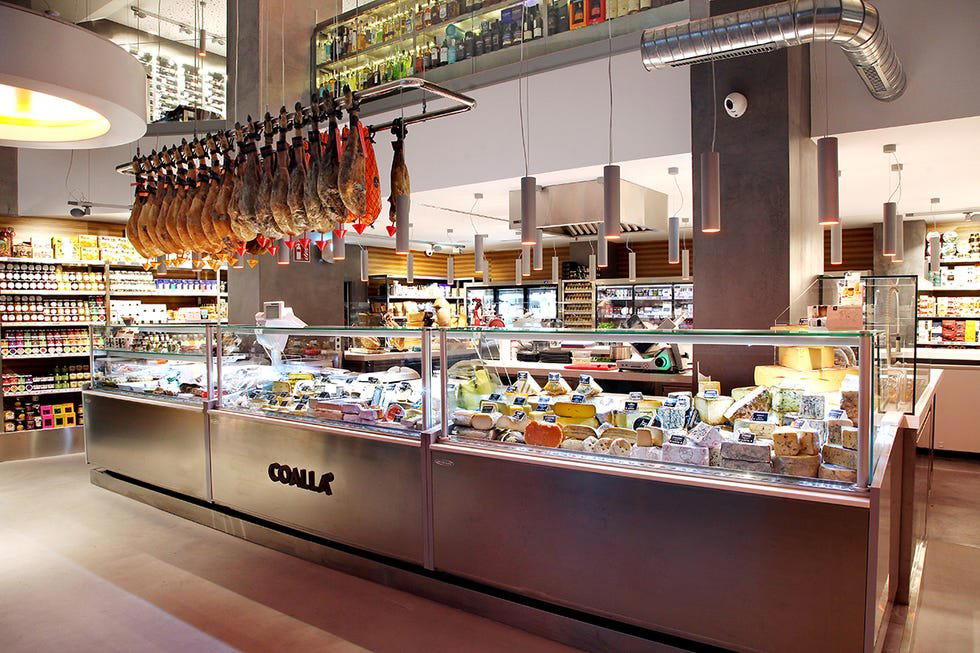
Serrano's Quiet Asturian Outpost
Madrid's Calle de Serrano runs through Chamartín as one of the city's more deliberately upscale shopping corridors, where apartment buildings give way to boutiques and the foot traffic tends toward residents rather than tourists. That context matters when placing Coalla: it is not a destination bar in the cocktail-programme sense that defines places like Angelita or Salmon Guru, nor is it competing with the dry-spirits precision of 1862 Dry Bar. Coalla operates in a different register entirely: a specialist gourmet shop and wine house that has been supplying Chamartín's residents with Asturian products for nearly seven decades.
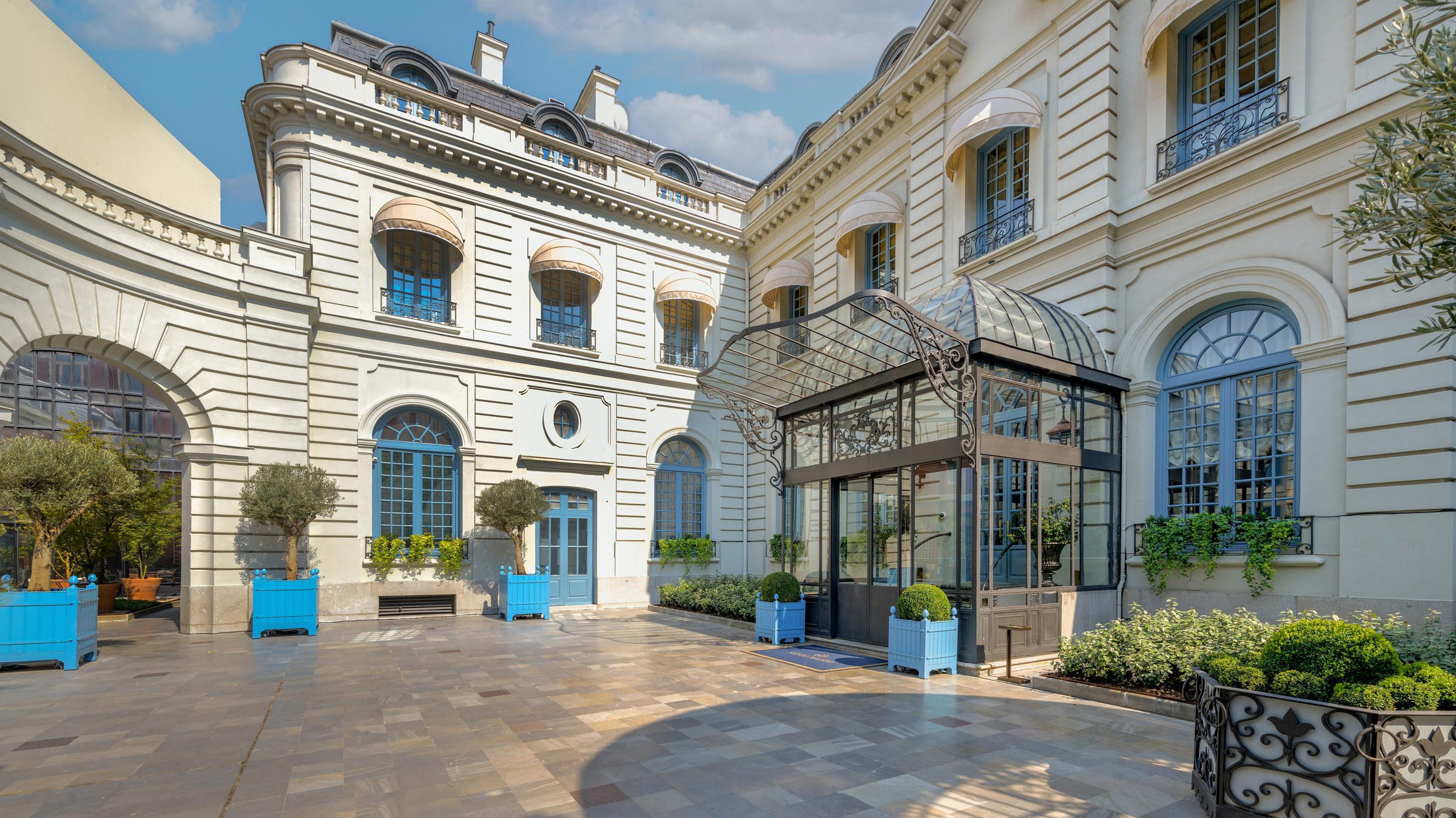
The approach through Serrano 203 sets the tone immediately. This is a neighbourhood address for people who know what they are looking for, not a venue that spends energy announcing itself. The interior logic follows the same principle: shelves of regional products, Asturian wines arranged by producer rather than by marketing category, and a retail atmosphere built on expertise over spectacle. Walk in without context and the density of product on offer can feel overwhelming; walk in knowing that Asturias produces some of Spain's most underexamined whites and ciders, and the selection starts to read as a specific, well-reasoned argument.
Seventy Years of Asturian Distribution
Coalla Gourmet was founded in 1955 by José Suarez Coalla, beginning as a small shop on a central plaza before growing into one of Madrid's recognised specialists in northern Spanish food and wine distribution. That longevity is not incidental to what the place is: few Madrid retailers can trace a continuous thread to the mid-twentieth century, and fewer still have maintained a regional focus without broadening into generic gourmet retail. The Asturian identity has held.
In the broader context of Madrid's specialist wine retail, this kind of regional focus is rarer than it appears. The capital's wine shops tend to aggregate, pulling from Rioja, Ribera del Duero, and the prestige appellations of the south and east. A shop built around Asturian wines and gourmet products represents a deliberate counter-position, aligned with producers and traditions that rarely find shelf space in volume-driven retail. For context on how this model operates elsewhere in Spain, the narrow regional specialisms on display at places like Boadas in Barcelona or the community anchoring of Bar Sal Gorda in Seville show how local identity can sustain a venue across generations without requiring reinvention.
What Coalla Actually Sells
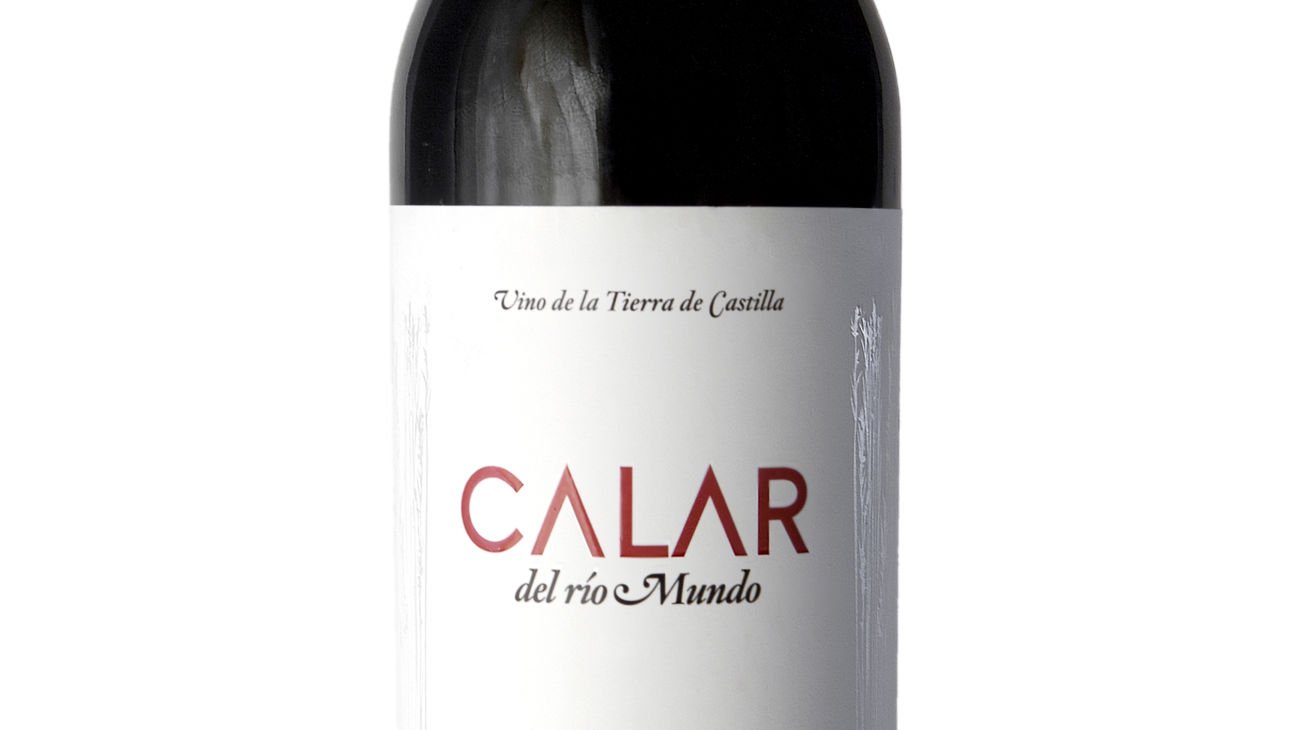
The core of the offer is Asturian: wines from the Cangas del Narcea and Chacoli de Gorbea zones, sidra natural from producers who do not distribute widely outside the region, and the preserved and cured products that northern Spain has produced for centuries. Asturian charcuterie, cheeses, conserves, and bottled goods fill out the gourmet product side. This is not a wine bar with food pairing; it is a retail operation with deep regional sourcing, and the distinction matters for setting expectations correctly.
Sidra, the traditional still cider of Asturias, occupies a distinct tier here that it rarely holds in Madrid's general retail. In Asturias itself, sidra is a communal drink, poured from height in a thin arc to aerate before drinking, consumed quickly in small glasses at the bar. That ritual does not fully transfer to a retail context, but Coalla's access to producers who supply the traditional market rather than the export-format bottles means the selection is weighted differently from what appears in a standard Madrid supermarket or wine shop. For travellers who have encountered the sidra culture at first hand through venues like 11 Nudos Madrid, the sourcing at Coalla provides a logical next step.
The Chamartín Regular and the Informed Visitor
The neighbourhood-watering-hole framing applies here with a specific adjustment: Coalla's regulars are not bar-stool regulars in the conventional sense, but they are regulars in the way that specialist shops accumulate loyal customers. Chamartín residents who cook seriously, who have Asturian family connections, or who have simply discovered that northern Spain's wines do not reach them through any other reliable Madrid channel form the consistent base. The shop functions as a community anchor for a particular kind of informed buyer.
For visitors to Madrid, Coalla sits in a different tier from the cocktail-forward or wine-bar destinations that draw the most editorial attention. It is less immediately legible than the more theatrical venues on the city's drinking circuit, but that compression of experience into a retail-focused format is precisely the point. The comparison to Bar Gallardo in Granada or the community-focused positioning of La Margarete in Ciutadella holds: these are places where locals have decided, collectively, that this is where they want to source their product, and visitors who pick up on that signal tend to find more value than the standard tourist circuit offers.
The Serrano corridor draws an affluent residential crowd, and Coalla's price positioning has always tracked with that neighbourhood reality. Asturian wines from smaller producers carry a premium in Madrid simply because the distribution infrastructure is thin; buying directly from a specialist who has maintained producer relationships since the 1950s compresses that gap somewhat. For a broader overview of Madrid's food and drink scene and how specialist venues like this one fit into the city's structure, the full Madrid guide provides useful neighbourhood-level context.
Planning a Visit
Coalla is a retail shop rather than a bar with a booking system, which means walk-in access is the standard format. No reservation infrastructure is needed, but arriving with some knowledge of Asturian wines or products makes the visit considerably more productive: the staff's expertise is most useful when there is a specific regional question or sourcing need to address. Hours and current pricing are best confirmed directly given the shop's operational model. For comparable specialist destinations across Spain's regions, the trajectory from Garito Cafe in Palma de Mallorca to Garden Bar in Calvia and internationally to Bar Leather Apron in Honolulu illustrates how regional specificity, when maintained consistently, builds a constituency that sustains venues well beyond their initial premise.
Reputation First
Comparable venues nearby, for context on price, style, and recognition.
| Venue | Cuisine | Price | Awards | Notes |
|---|---|---|---|---|
| CoallaThis venue (the venue you are viewing) | wine_bar | Not listed | Star Wine List | Not listed |
| Platea Madrid | lounge | $30–50 | Not listed | Recoletos |
| Pinkleton & Wine | wine_bar | $10–20 | Star Wine List | Palacio |
| Gran Vía | cocktail_bar | $20–30 | Not listed | Chueca |
Recognition history
Dated appearances from independent guides and award organizations, with the underlying list record or original source where available.
Star Wine List
Star Wine List
Continue exploring
More in Madrid
Bars in Madrid
All bars in Madrid →
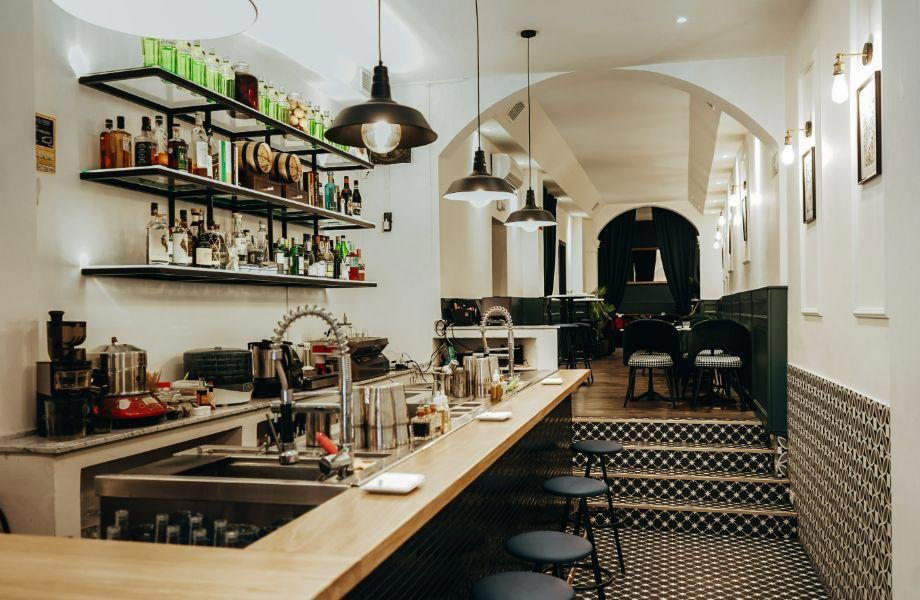
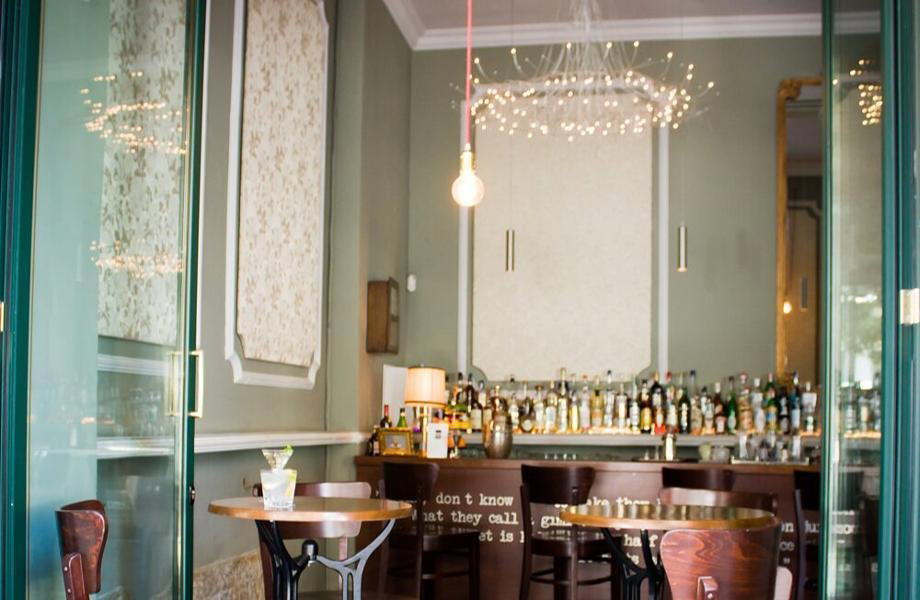
Restaurants in Madrid
All restaurants in Madrid →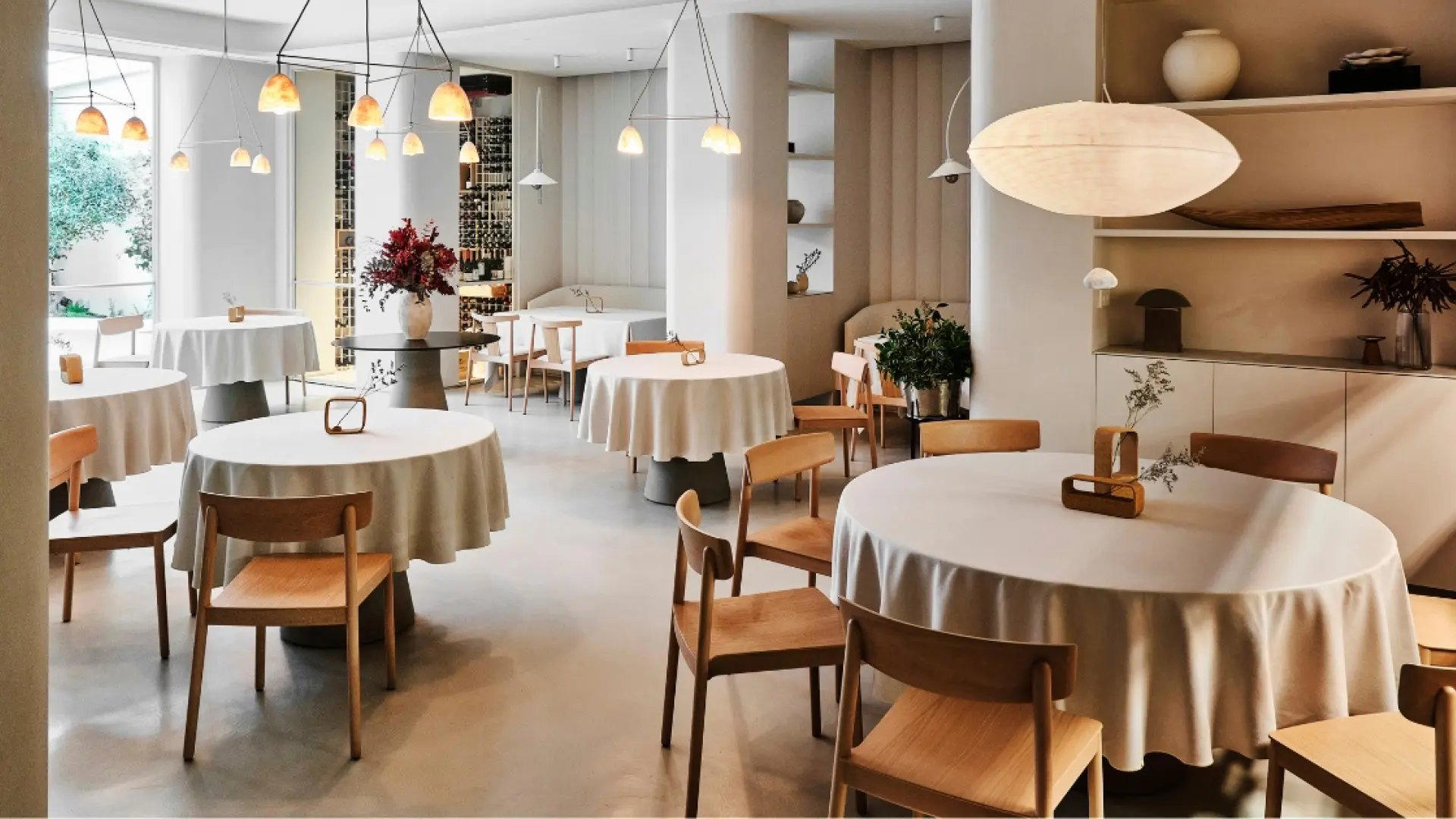



Details
- Elegant
- Modern
- Casual Hangout
- Date Night
- Standalone
- Seated Bar
- Outdoor Terrace
- Conventional Wine
Current opening hours
- Monday
- 8:30 AM–12 AM
- Tuesday
- 8:30 AM–12 AM
- Wednesday
- 8:30 AM–12 AM
- Thursday
- 8:30 AM–12 AM
- Friday
- 8:30 AM–12 AM
- Saturday
- 10 AM–12 AM
- Sunday
- 10 AM–5 PM
Hours can change for holidays and private events. Hours as of .
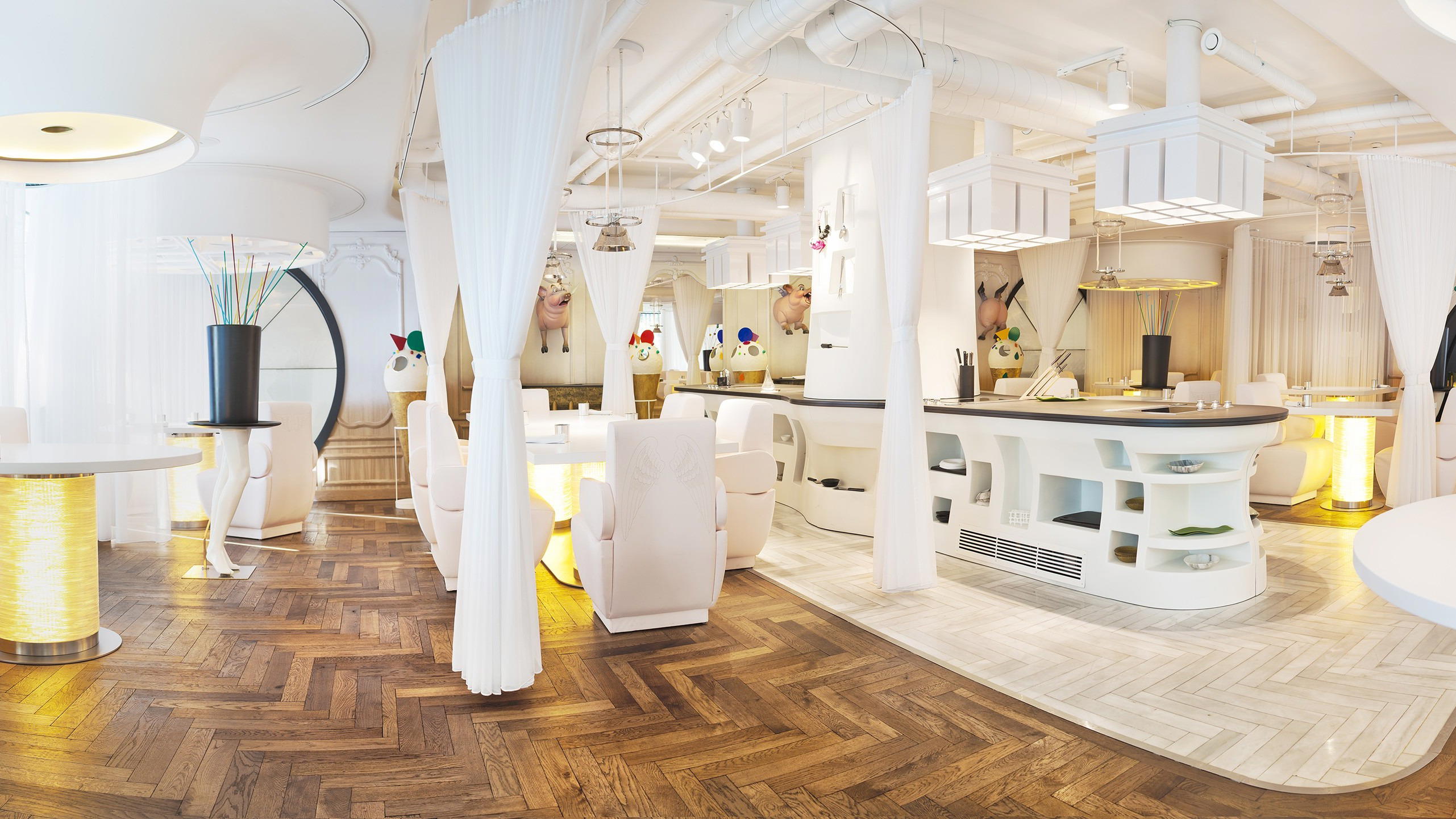
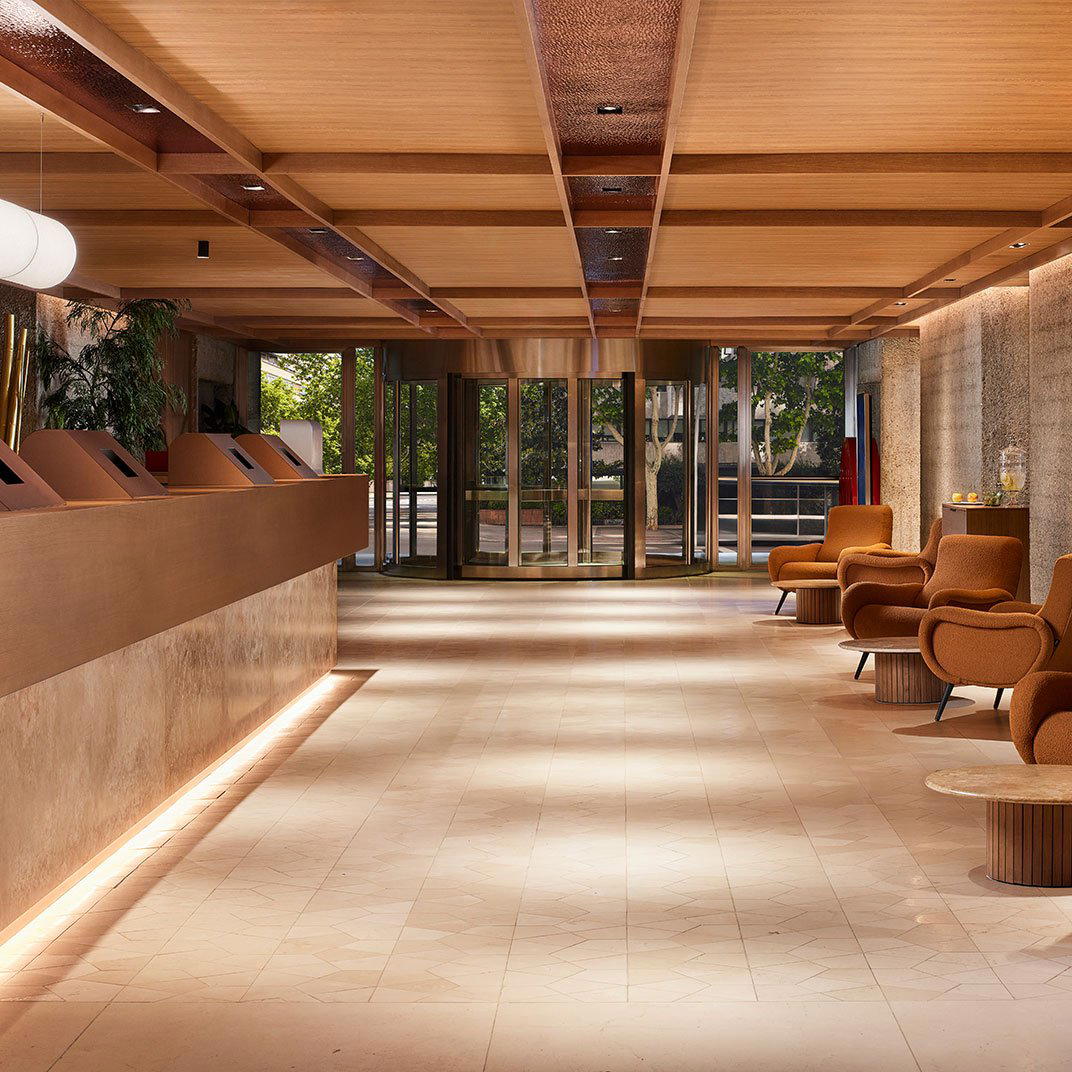
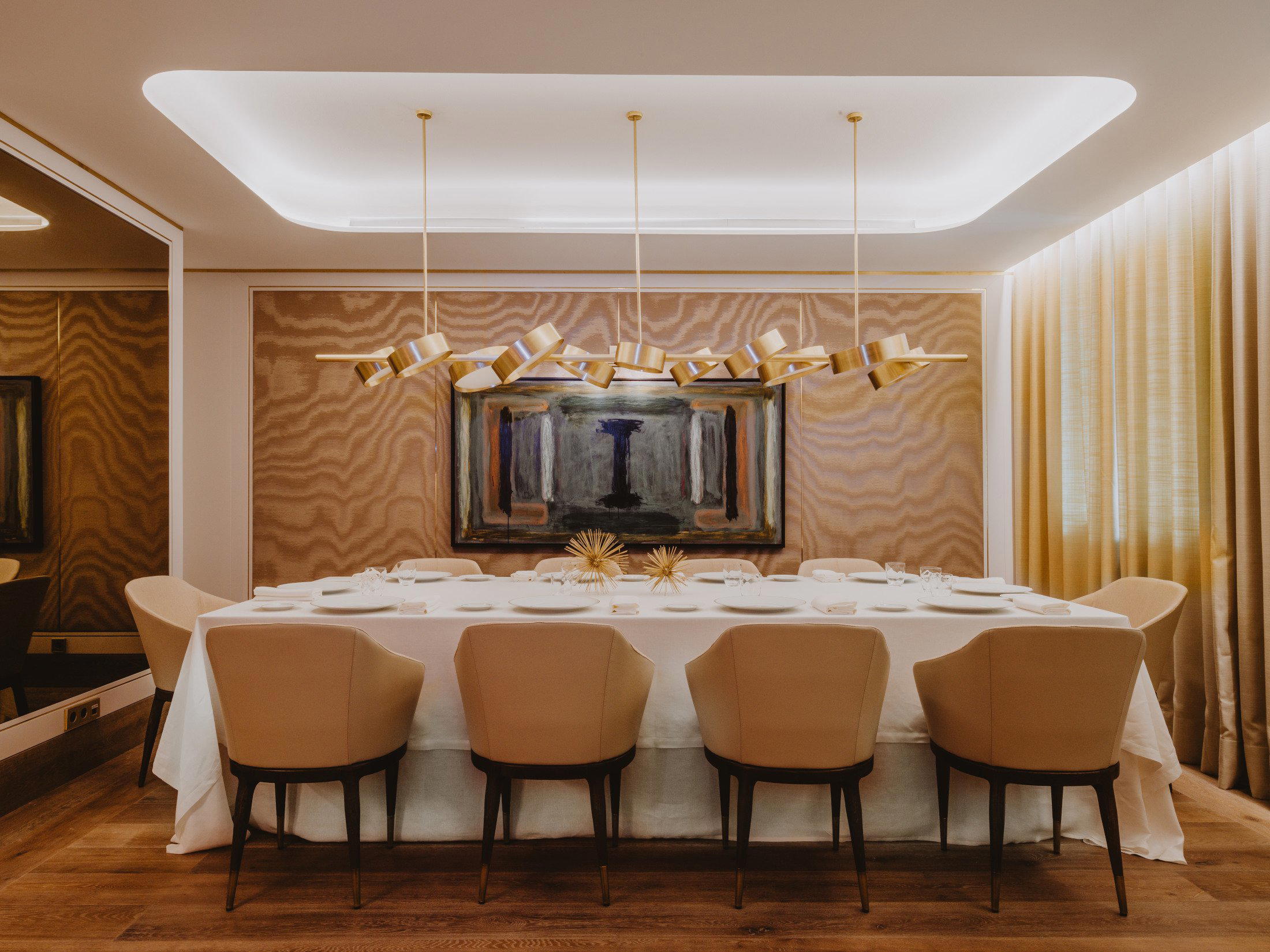
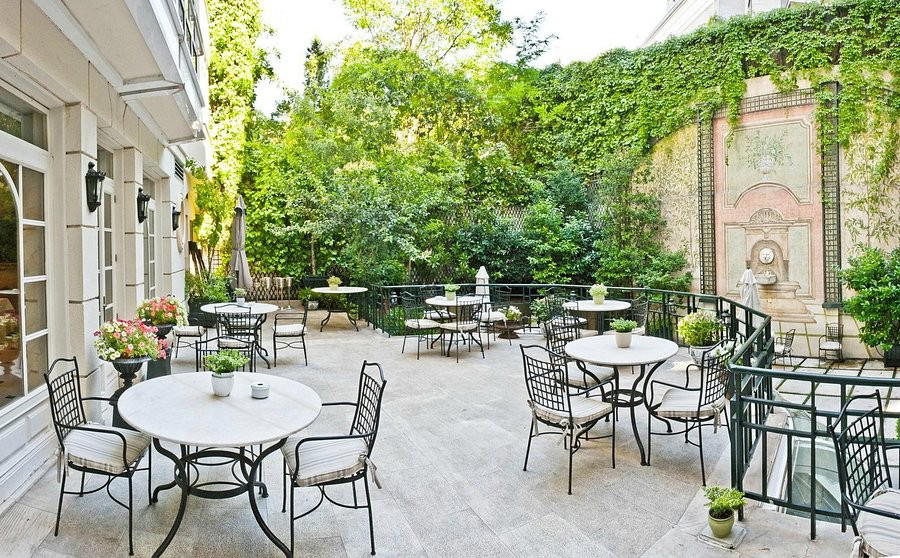
Clean and comfortable with shelves of gourmet products; elegant but welcoming atmosphere.