Matcha focuses on Japanese Sushi at C. de la Infanta Mercedes, 62 in Tetuán, with Poke de Salmón and Dim Sum Variado for lunch or dinner.
Pearl is the En Primeur Club membership app — saves, bookings, and concierge access live there. Same editors, same standards.
- Address
- C. de la Infanta Mercedes, 62, Tetuán, 28020 Madrid, Spain
- Phone
- +34915700579
- Website
- matchahouse.es
- Directions
- Get directions
 Saves & bookings on Pearl
Tetuán and the Matcha Address
Calle de la Infanta Mercedes runs through Tetuán, one of Madrid's more workaday northern districts, where the dining scene sits at a considerable remove from the Michelin corridor of the city centre. That distance is itself a signal. Restaurants in Tetuán tend to serve the neighbourhood first and destination diners second, which means the cooking has to earn its audience through consistency rather than through location or spectacle. Matcha sits on this street, and the name alone places it in a particular register: somewhere between a reference to Japanese green tea culture and the broader wave of pan-Asian influences that reshaped Madrid's mid-range dining in the 2010s and has continued to diversify since.
Madrid's relationship with Asian-inflected cooking has become more layered over the past decade. At the top of the market, venues like DiverXO have spent years building a progressive Asian-creative language that operates at the €€€€ tier, where the conversation is global and the competition is places like Atomix in New York City. Below that, a broader cohort of neighbourhood restaurants has absorbed Japanese, Chinese, and Southeast Asian references into more accessible formats. Matcha reads as part of the latter group: a local address rather than a destination pilgrimage.
The Arc of a Meal Here
Any restaurant that names itself after a specific ingredient is making a structural promise about what the meal will prioritise. Matcha, as both a flavour profile and a cultural reference, points toward restraint, bitterness balanced against sweetness, and a certain precision in the handling of raw materials. Whether a kitchen delivers on that implied contract is always the central question, and in Tetuán's context it matters more than it would in a neighbourhood with a deeper dining infrastructure to provide comparison.
The progression of a meal in a restaurant of this type typically follows a familiar arc in Madrid: lighter, sharper opening courses that establish the kitchen's technical confidence, followed by richer mid-course work where protein and texture become the focus, and a dessert register that often leans harder into the Asian-ingredient vocabulary than the savoury courses do. Matcha as an ingredient has particular relevance at the dessert stage, where its bitterness cuts through fat and sugar in a way that makes it structurally more useful than as a savoury seasoning. Kitchens that understand this tend to deploy it with more control than those that use it as a branding device across the full menu.
Madrid's creative cooking at the highest level, from Coque to DSTAgE, has pushed Spanish restaurants toward longer, more conceptually sequenced menus. That influence filters down. Even neighbourhood-tier kitchens in the city now tend to think more carefully about progression and coherence across a meal than they did fifteen years ago, when the tasting menu format was still largely confined to fine dining. Matcha's positioning in Tetuán suggests it operates in a format more accessible than those multi-hour experiences, but the discipline of sequencing, the question of whether the meal builds or simply accumulates, still applies.
Where This Sits in Madrid's Wider Scene
Madrid has assembled one of the denser concentrations of serious cooking in Europe, particularly at the creative and fine-dining tiers. Deessa and Paco Roncero anchor the modern Spanish creative bracket in the city centre, while Spain's broader fine-dining network extends outward to El Celler de Can Roca in Girona, Arzak in San Sebastián, Mugaritz in Errenteria, and Azurmendi in Larrabetzu. Further down the coast, Aponiente in El Puerto de Santa María and Quique Dacosta in Dénia represent the southern and Valencian poles of that network, while Cocina Hermanos Torres in Barcelona, Ricard Camarena in València, and Martin Berasategui in Lasarte-Oria complete the upper tier. Atrio in Cáceres is among the more geographically isolated of Spain's serious kitchens, and its sustained reputation makes the point that location is not the determining variable.
Matcha operates in an entirely different register from that network, which is not a criticism. The city needs functioning neighbourhood restaurants that absorb Asian culinary vocabulary seriously and price at a level that supports regular attendance. That role matters, and it is often harder to sustain than a single flagship tasting-menu experience with a full brigade and a reserve wine list. For a full orientation to Madrid's dining tiers, the EP Club Madrid restaurants guide maps the city across price points and neighbourhoods.
For international comparison at a similar creative-Asian intersection, Le Bernardin in New York City represents what sustained technical discipline across decades produces at the highest level of seafood-focused cooking, a different cuisine category but a useful reference point for what ingredient precision looks like when the kitchen has made it the organising principle of every course.
Know Before You Go
Address: C.
How Matcha Madrid compares with similar nearby venues.
| Venue | Cuisine | Price |
|---|---|---|
| Asador Donostiarra | Asador | Not listed |
| La Guisandera de Piñera | Asturian | €€ |
| La Piperna | Italian | Not listed |
| La Morena | Fusion | €€ |
Continue exploring
More in Madrid
Restaurants in Madrid
Browse all →
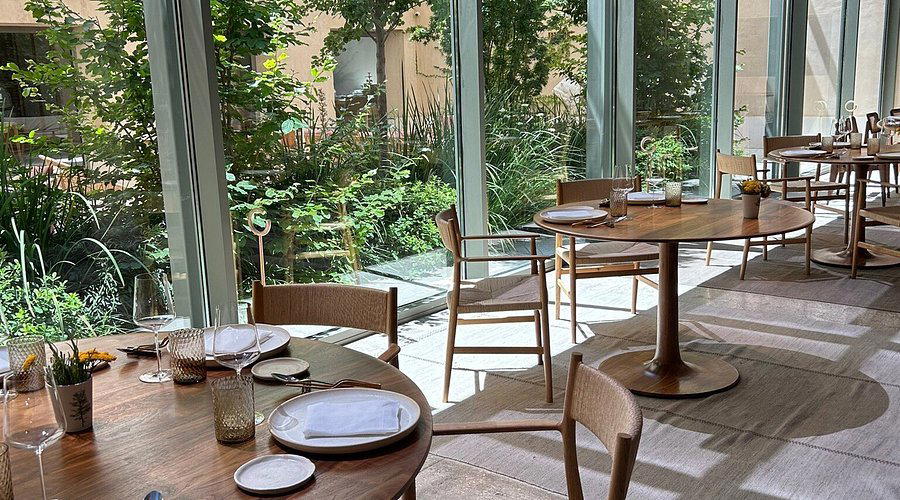
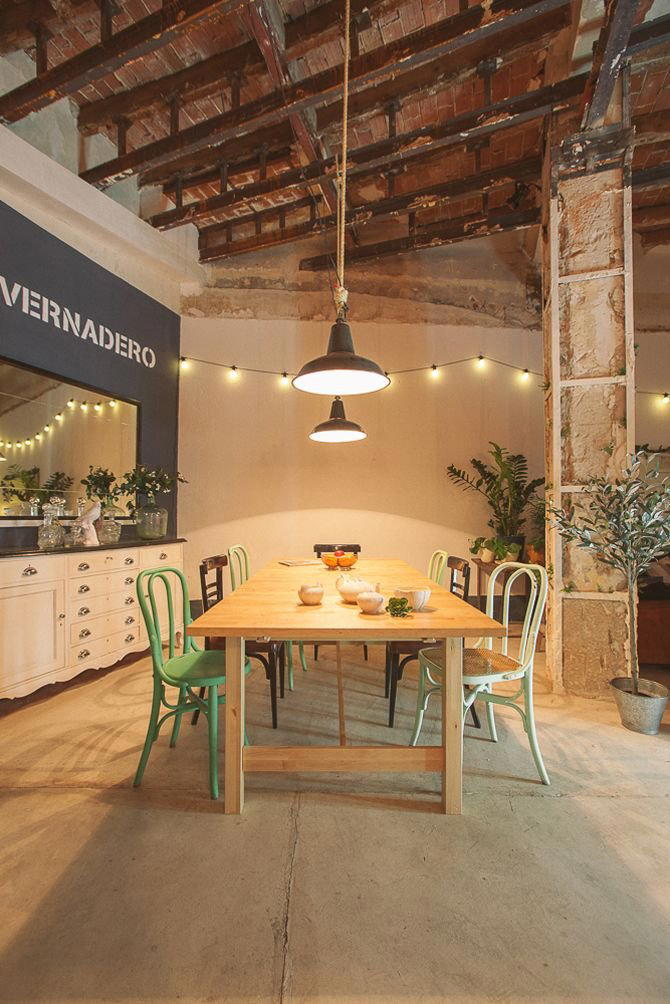
Bars in Madrid
Browse all →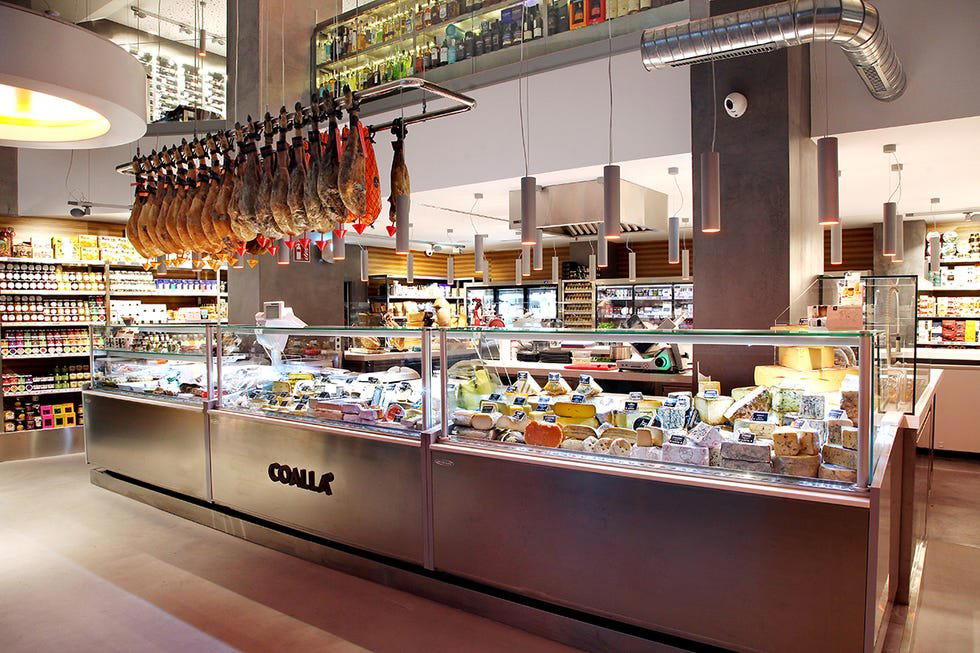
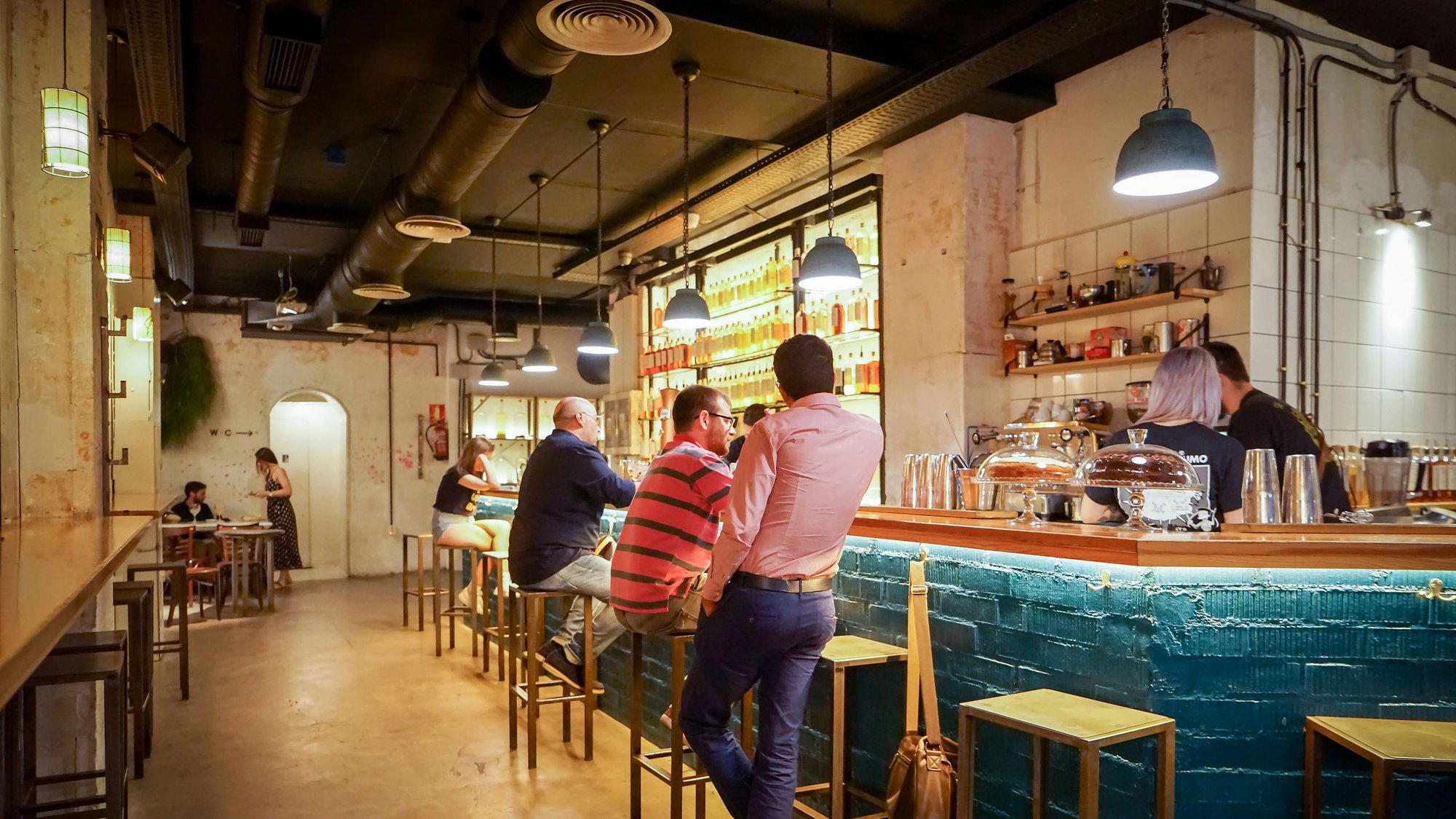
Hotels in Madrid
Browse all →

At a Glance
- Romantic
- Modern
- Date Night
- Casual Hangout
Current opening hours
- Monday
- 11:30 AM–4:30 PM, 7:30–11:30 PM
- Tuesday
- 11:30 AM–4:30 PM, 7:30–11:30 PM
- Wednesday
- 11:30 AM–4:30 PM, 7:30–11:30 PM
- Thursday
- 11:30 AM–4:30 PM, 7:30–11:30 PM
- Friday
- 11:30 AM–4:30 PM, 7:30–11:30 PM
- Saturday
- 11:30 AM–4:30 PM, 7:30–11:30 PM
- Sunday
- 11:30 AM–4:30 PM, 7:30–11:30 PM
Hours can change for holidays and private events. Last verified .
Special romantic atmosphere with quiet noise level.
Know Before You Go
- Getting there
- C. de la Infanta Mercedes, 62, Tetuán, 28020 Madrid, Spain