Rumah Makan SURYA Masakan Padang serves authentic Padang (Nasi Padang) on Jl. Bendungan Hilir No.5 in Jakarta, with rendang, ayam pop, gulai ikan, dendeng balado, and sambal ijo for a quick lunch or dinner.
Pearl is the En Primeur Club membership app — saves, bookings, and concierge access live there. Same editors, same standards.
- Address
- Jl. Bendungan Hilir No.5, RT.10/RW.6, Bend. Hilir, Kecamatan Tanah Abang, Kota Jakarta Pusat, Daerah Khusus Ibukota Jakarta 10270, Indonesia
- Phone
- +62 21 5731474
- Website
- rumahmakansurya.id
- Directions
- Get directions
 Saves & bookings on Pearl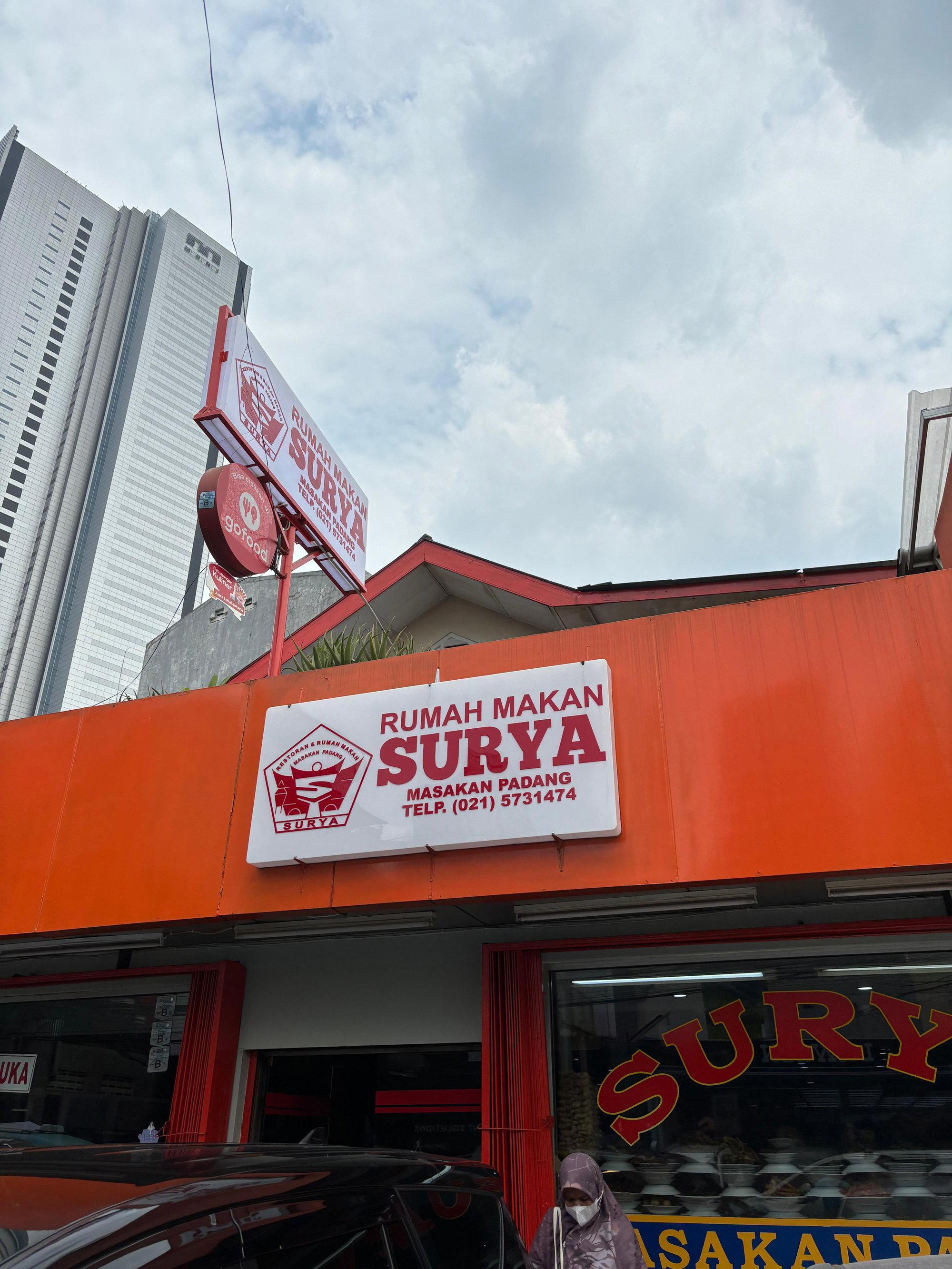
Where Padang Tradition Meets Central Jakarta
Jalan Bendungan Hilir sits in the working heart of Tanah Abang, one of Jakarta's most commercially active districts, where textile warehouses and commuter corridors give way to a dense strip of mid-range eateries. In this context, a Masakan Padang house is less a curiosity than a staple: Minangkabau-style restaurants from West Sumatra have spread through every Indonesian city for decades, and Jakarta's version of the tradition is its own creature, shaped by the density, pace, and economic pragmatism of the capital. Rumah Makan SURYA Masakan Padang is an Authentic Padang (Nasi Padang) restaurant in Central Jakarta, priced at about US$5 per person, at street level in the Bendungan Hilir corridor where office workers, traders, and residents converge during the midday rush.
The Logic of Masakan Padang Sourcing
The ingredient logic behind Padang cuisine is one of the more coherent in the Indonesian archipelago. The Minangkabau culinary tradition is built around proteins preserved and flavored with coconut milk, galangal, lemongrass, and the slow reduction of spice pastes known as bumbu. The rending process, slow-cooking beef or offal until virtually all liquid evaporates and the fat from the coconut milk re-fries the protein in its own residue, is not merely a flavor technique; it is a preservation method that predates refrigeration and reflects a West Sumatran tradition of trading communities carrying shelf-stable food across long distances. The spice combinations used in that process trace direct sourcing lines to Sumatran highlands, where chili cultivation and galangal growing have been central to local agricultural economies for centuries.
In Jakarta's Masakan Padang houses, those supply chains are compressed and urban. Coconut milk arrives from consolidated suppliers, proteins come through city markets, and the bumbu is made in volume. What distinguishes one warung-style Padang house from another is less the source of individual ingredients than the ratios, cooking times, and the freshness discipline applied to the curry-laden dishes displayed in the front window. The colour depth of the rendang, the consistency of the gulai, and whether the sambal has been made that morning are the signals that regulars read before they sit down.
The Display Counter as Editorial Statement
Every Masakan Padang restaurant operates on the same basic format: dishes prepared in the morning, laid out in stacked plates behind glass or on the counter, and served in the nasi Padang style, multiple small portions arranged over steamed rice, with the diner paying for what they take. This format has no direct equivalent in Western restaurant practice. It is closer to a Spanish bodega lunch or a Levantine mezze table than to any a la carte or tasting format, but with a speed and efficiency that belongs entirely to the Indonesian urban context.
The counter display is, in effect, the menu, the kitchen window, and the quality signal simultaneously. A restaurant whose gulai kambing shows the right degree of oil separation from a long cook, whose ayam pop is pale and tender rather than grey and dry, and whose sambal ijo carries fresh green chili heat, is communicating its technical standard through appearance alone. For the experienced Padang-goer, and in Jakarta, that covers most of the population, this is sufficient information to make a decision. The sit-down review process that a restaurant like August or Bistecca depends on is compressed here into a thirty-second scan of the display.
Padang in Jakarta's Broader Dining Picture
Jakarta's restaurant culture spans an enormous range, from the tasting-menu precision of Aged + Butchered Jakarta and the European bistro format of Abunawas Restaurant in Kemang to the café-bakery model of Bakerzin Central Park. Masakan Padang sits at a different altitude entirely: it is daily food for millions of Jakartans, not occasion dining, and it is often the technically demanding cuisine in the city's mass-market tier. The spice complexity in a properly made rendang, which can involve upward of fifteen individual spice components cooked down over several hours, exceeds what most quick-service formats attempt. The tradition's durability in Indonesian urban life reflects not nostalgia but genuine culinary utility: it is fast to serve, nutritionally complete, and flavored at a register that functions across income levels.
For visitors approaching Jakarta's food scene from the fine-dining end, a detour through Padang cuisine clarifies what Indonesian cooking is built on. The archipelago's premium restaurant moment, evidenced by destinations like Locavore NXT in Ubud and Kahyangan in Gondangdia, draws from a foundation of regional traditions, and Minangkabau cooking sits near the center of that foundation. The same spice logic that informs a high-end Indonesian tasting menu appears in its most direct, unmediated form at a Padang counter. Elsewhere in Indonesia, restaurants like Sarong Bali in Canggu, Moksa in Bali, and Rumari in Jimbaran are building premium interpretations on top of exactly this kind of base-level tradition.
The closest direct comparator in the Masakan Padang category outside Jakarta is CARANO Masakan Padang in Bekasi, which operates in the same tradition across the eastern city limits. Other Indonesian dining references in the broader regional picture include Cuca Restaurant in Badung and Cafe Organic Canggu in Banjar Badung, though these sit in entirely different cuisine registers. For international reference points on the relationship between sourcing discipline and cooking tradition, the produce-forward approach at Lazy Bear in San Francisco and the seafood sourcing standards at Le Bernardin in New York City illustrate how ingredient provenance shapes technique across different culinary systems. For further context on Jungle Fish Bali in Gianyar and The Legian in Seminyak, both reflect Bali's premium positioning within the same archipelagic food culture that Padang cuisine represents at street level.
Planning a Visit
Bendungan Hilir is accessible from central Jakarta by TransJakarta or short ride from the Tanah Abang and Sudirman corridors. Masakan Padang houses of this type operate on a midday rhythm: the full spread is typically set by late morning and the leading dishes move quickly through the lunch hour. Arriving before 12:30 gives the widest selection. No booking is required or expected, the format is walk-in by design, with turnover that makes advance reservation unnecessary. Pricing follows the standard nasi Padang model: the rice base is typically minimal in cost, with each selected dish adding to the total, making the meal scalable depending on how many dishes are chosen.
Quick Comparison
Comparable venues nearby, for context on price, style, and recognition.
| Venue | Cuisine | Price | Notes |
|---|---|---|---|
| Rumah Makan SURYA Masakan PadangThis venue — the venue you are viewing | Authentic Padang (Nasi Padang) | $$ | Not listed |
| Pizzeria Cavalese | Pizza | Not listed | Jakarta |
| Tucano's Brazilian BBQ | Brazilian Churrascaria BBQ | $$ | Karet Teng Sien |
| Pesisir Seafood | Indonesian Seafood | $$ | Meruya Utara |
| HAI SHIEN FANG | Szechuan Hot Pot | $$ | Golf Island PIK |
| Kinshamo Japanese Restaurant | Authentic Japanese Robata & Omakase | $$ | Grogol Utara |
At a Glance
- Rustic
- Classic
- Casual Hangout
- Family
- Group Dining
- Open Kitchen
Current opening hours
- Monday
- 7 AM–9 PM
- Tuesday
- 7 AM–9 PM
- Wednesday
- 7 AM–9 PM
- Thursday
- 7 AM–9 PM
- Friday
- 7–11:30 AM, 12:30–9 PM
- Saturday
- 7 AM–9 PM
- Sunday
- 7 AM–9 PM
Hours can change for holidays and private events. Last verified .
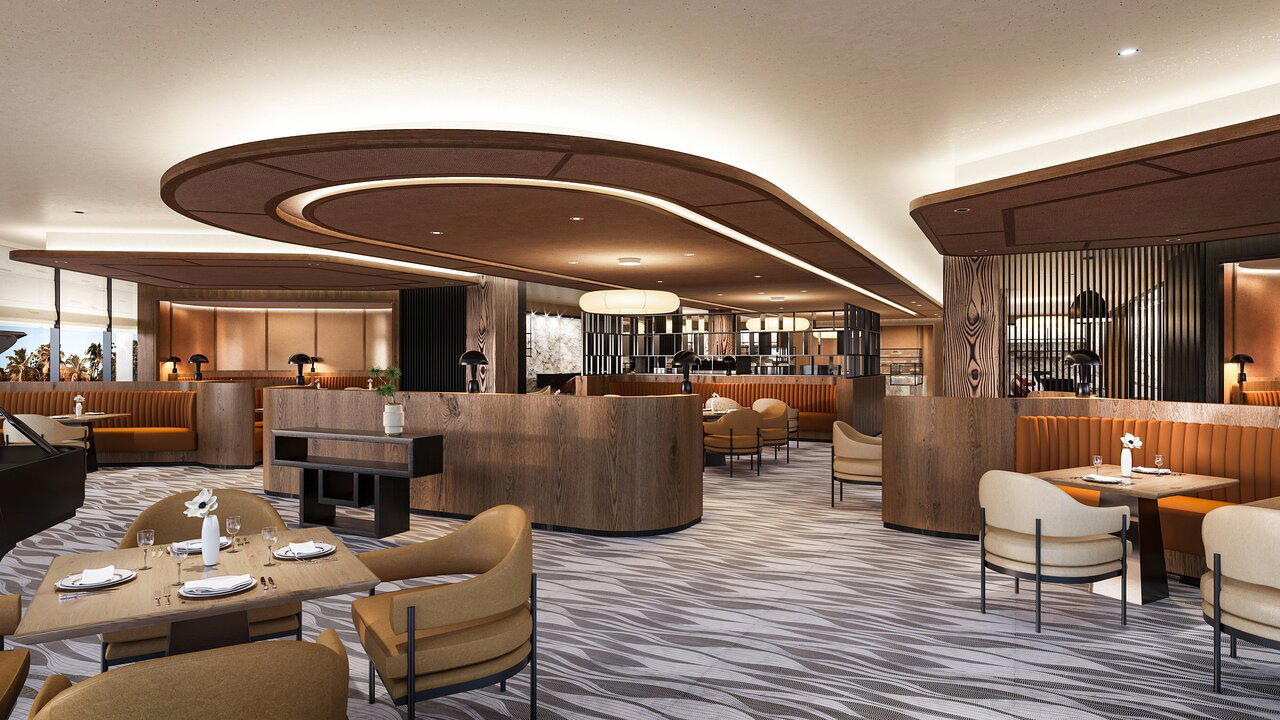
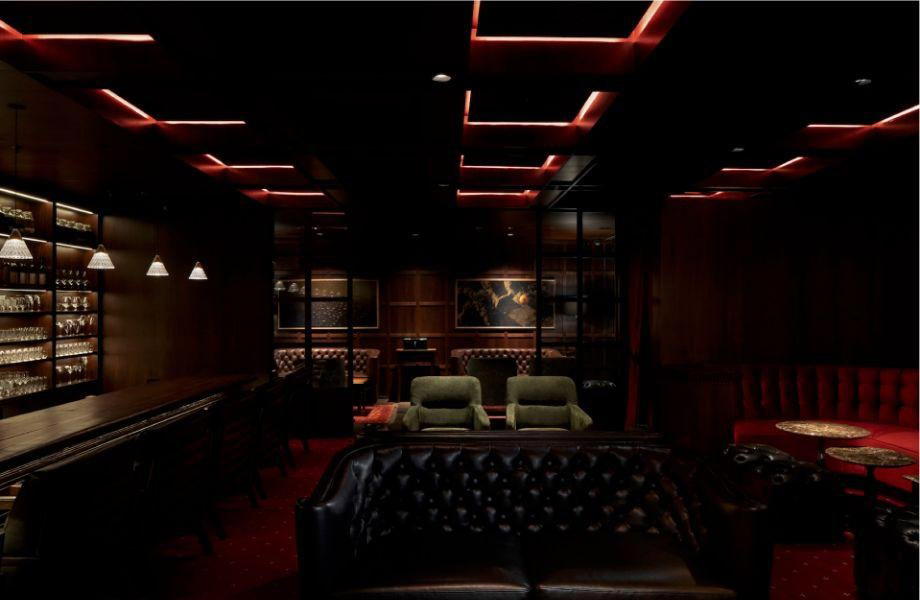
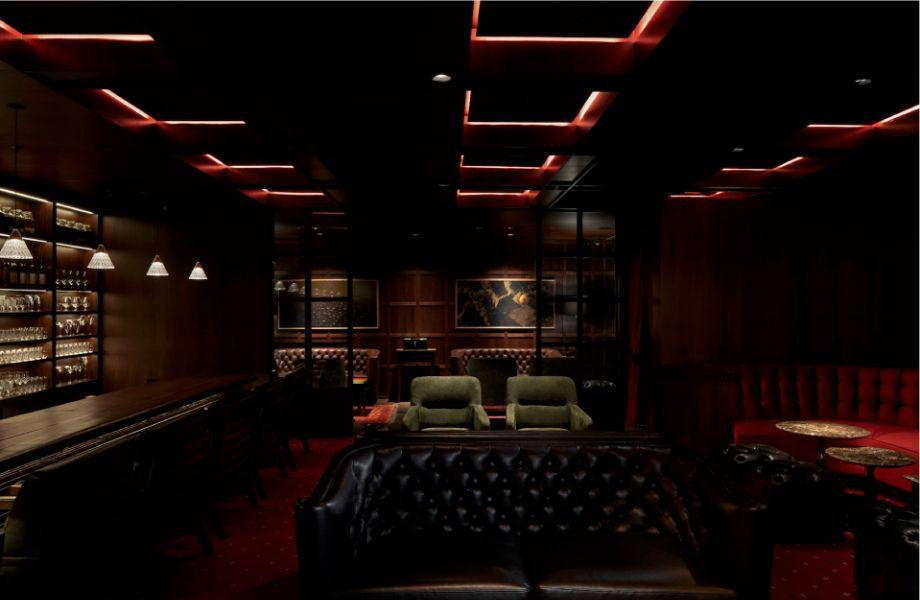
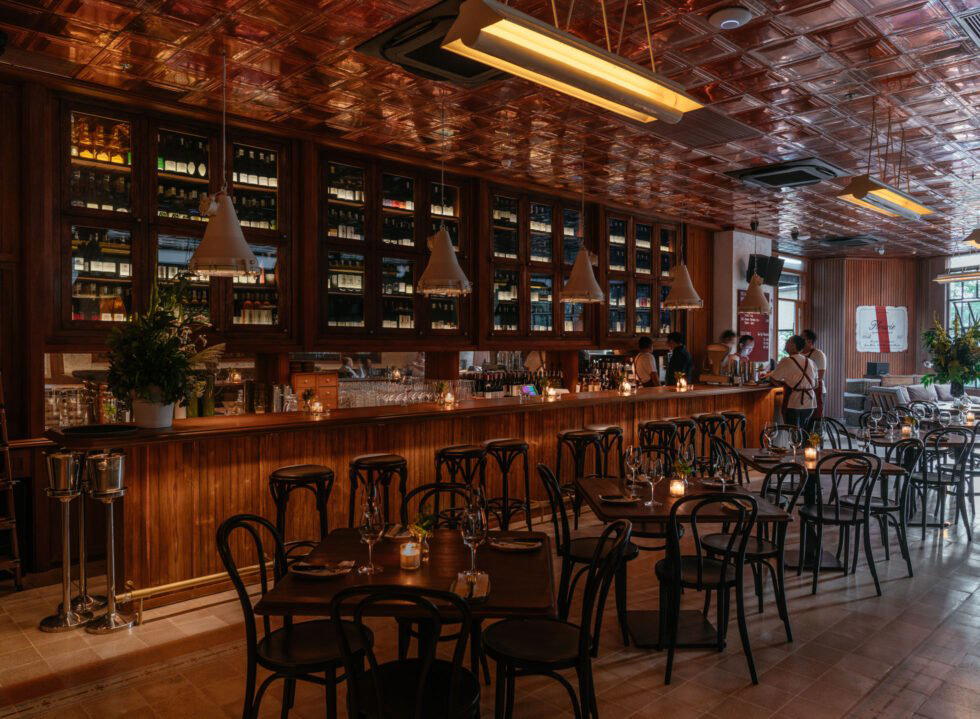
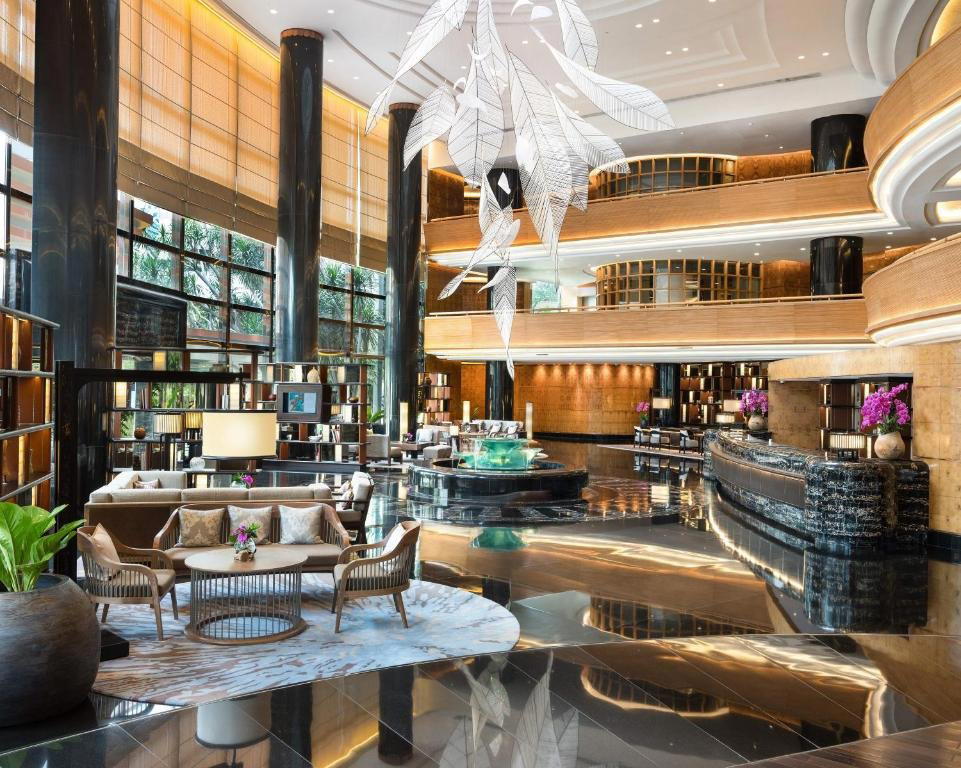
Casual bustling atmosphere with indoor AC section and outdoor seating, featuring stacks of colorful dishes in the window.