

The St. Regis Jakarta transforms luxury hospitality into a cultural symphony, where jazz-inspired design by Alexandra Champalimaud meets Indonesian artistry in the Golden Triangle business district. This sophisticated retreat features 282 rooms and suites with bespoke batik details, multiple dining venues celebrating local and international cuisine, and the mesmerizing "Sound of Light" chandelier installation that dances to Indonesian compositions.
Pearl is the En Primeur Club membership app — saves, bookings, and concierge access live there. Same editors, same standards.
- Address
- Rajawali Place Jakarta, Jl. H. R. Rasuna Said Selatan No. Kav. B, RW.4, Kuningan, Setia Budi, Kecamatan Setiabudi, Kota Jakarta Selatan, Daerah Khusus Ibukota Jakarta 12910
- Phone
- +62 21 50948888
- Website
- marriott.com
- Directions
- Get directions
 Saves & bookings on Pearl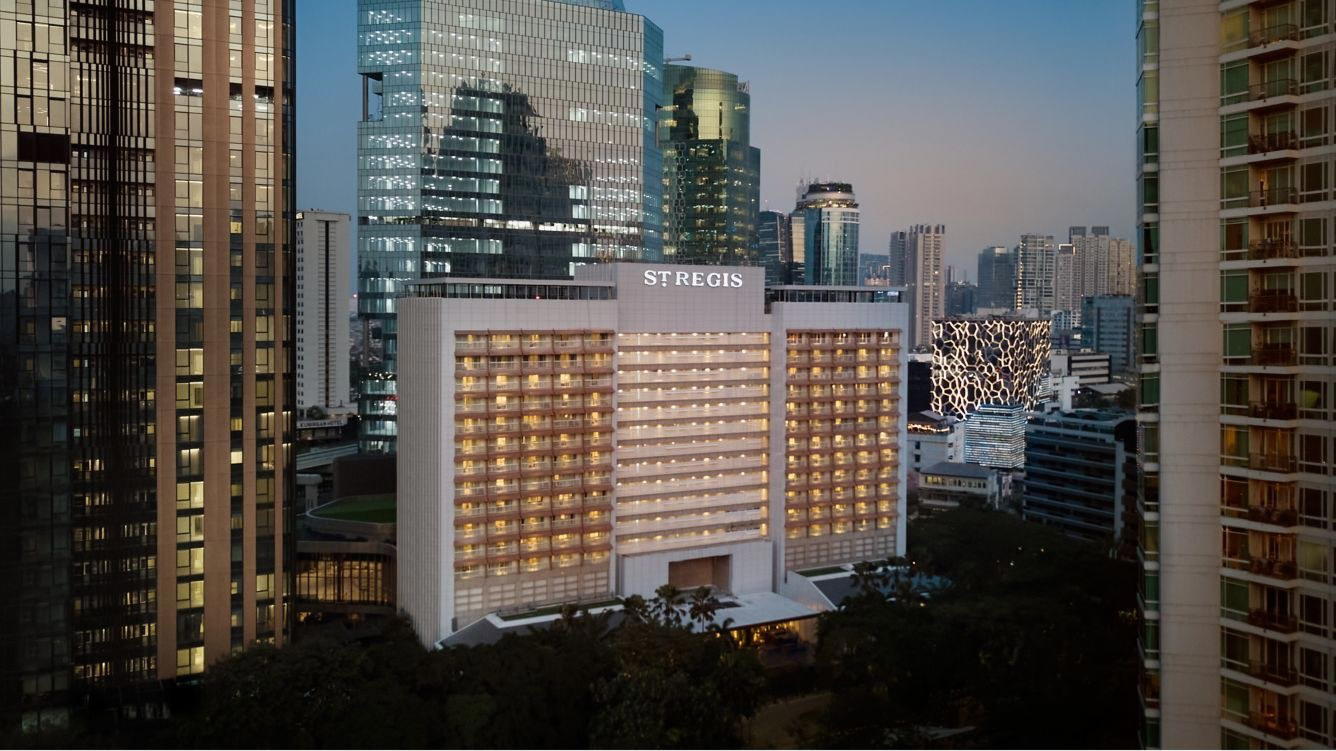
Where the Golden Triangle Meets St. Regis Ritual
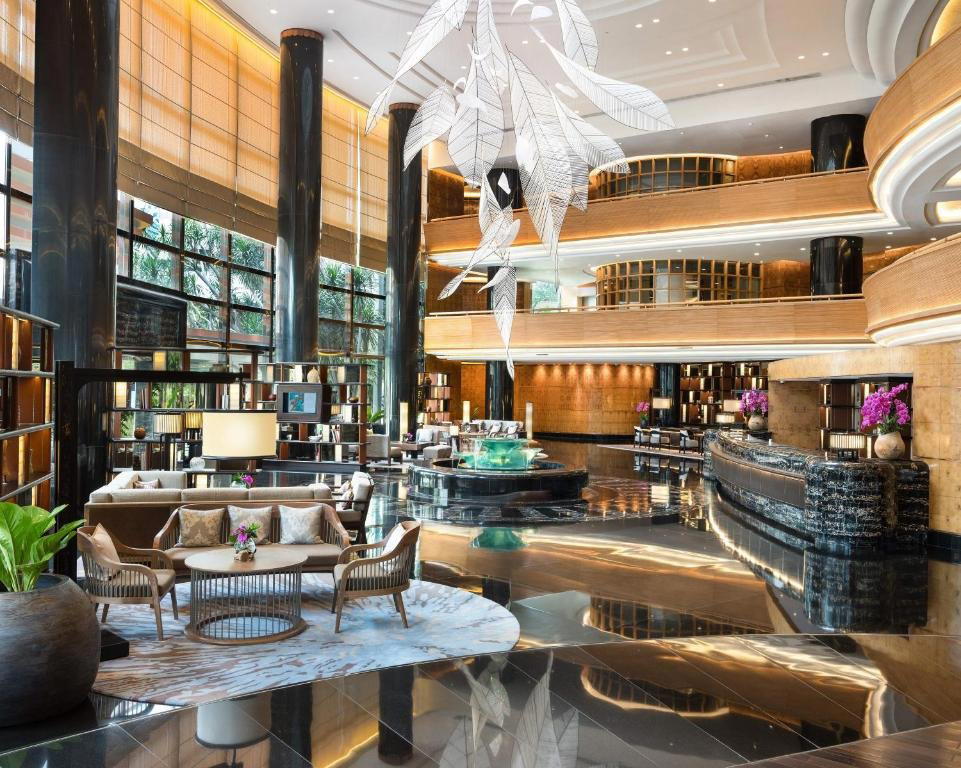
Arriving at The St. Regis Jakarta, the porte cochere announces itself before you step inside: brass sun motifs press into the overhead structure, and a black-and-white marble entryway draws the eye upward to a ceiling projection installation. Then the lobby resolves into view, anchored by a commission of geometric chandeliers from Czech glassmaker Lasvit. Jakarta's luxury hotel tier has grown sharply competitive in Kuningan and the surrounding Setiabudi corridor, and the city's upper-bracket properties have each had to develop a legible identity. The St. Regis positions itself at the intersection of brand ritual and locally inflected design, a combination that separates it from international-flag competitors that lean more heavily on global uniformity.
A District Built for Business, a Hotel Built for More Than It
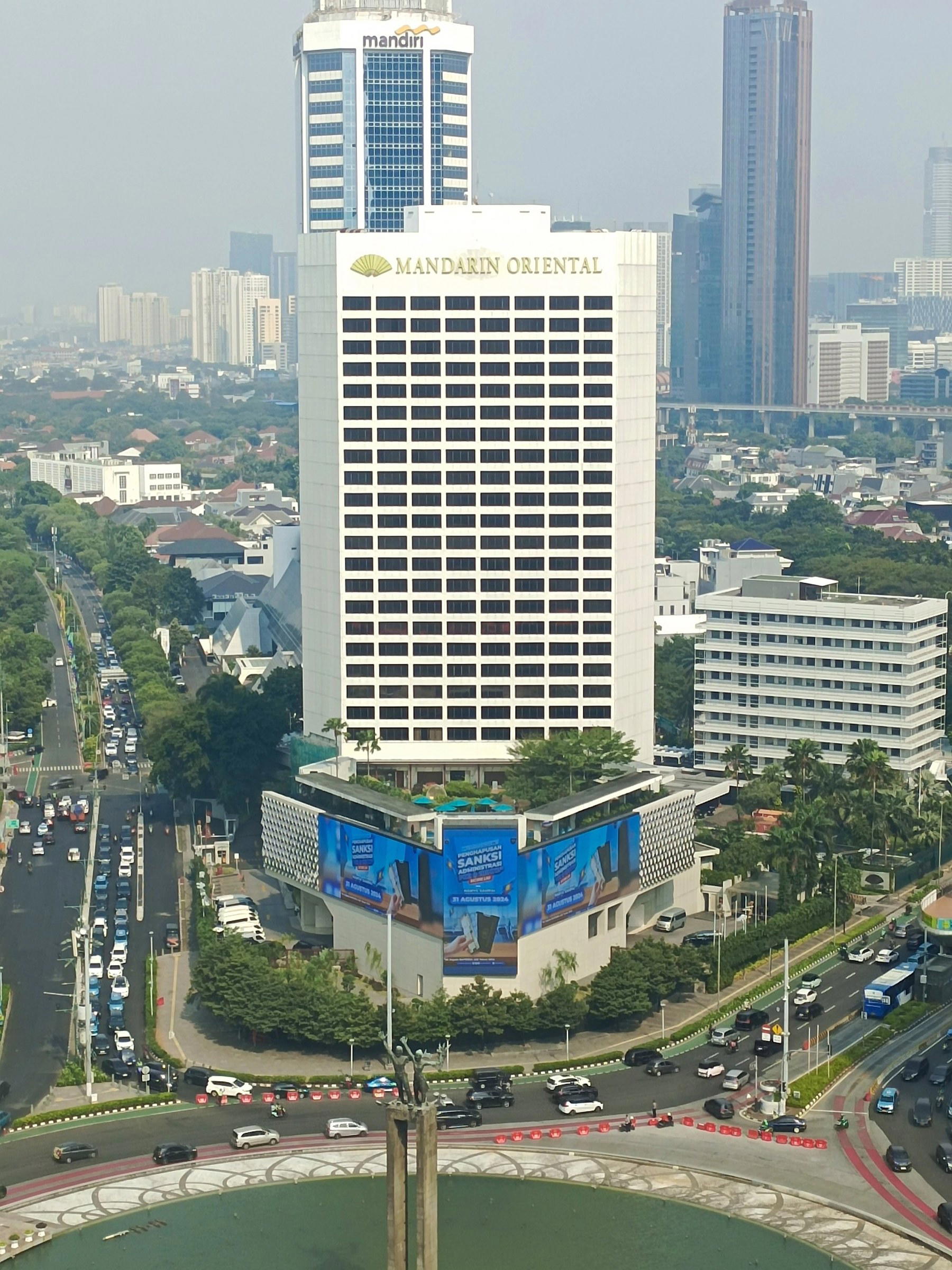
The Golden Triangle, Jakarta's central business corridor spanning Kuningan, Sudirman, and Thamrin, concentrates most of the city's five-star hotel stock within a walkable band of towers. That density makes the neighbourhood choice relatively direct for corporate travellers, but it raises the stakes for differentiation. Among that comparable set, which includes the Four Seasons Hotel Jakarta, the Mandarin Oriental, Jakarta, and the Park Hyatt Jakarta, the St. Regis occupies a particular niche: a Marriott International flag with a strong brand heritage, a consistent service architecture anchored by the butler tradition, and a design brief that tasked G.A Group, the firm behind Atlantis, The Royal in Dubai, with producing 228 accommodations that layer Italian marble, pale wood, and plush velvet over a frame of traditional Indonesian motifs. The result is a property that reads simultaneously as globally legible and locally considered, which is not a simple balance to strike in a city where guests arrive with clear expectations from both directions.
The 280-room total count places the hotel in the mid-scale band for its category in Jakarta. That size is large enough to absorb conference groups without overwhelming the residential atmosphere of its suite floors, and small enough that the butler-to-guest ratio can hold meaning rather than becoming a branding footnote. The property sits in the higher price tier for Jakarta's five-star bracket.
Indonesian Identity, Distributed Across the Programme
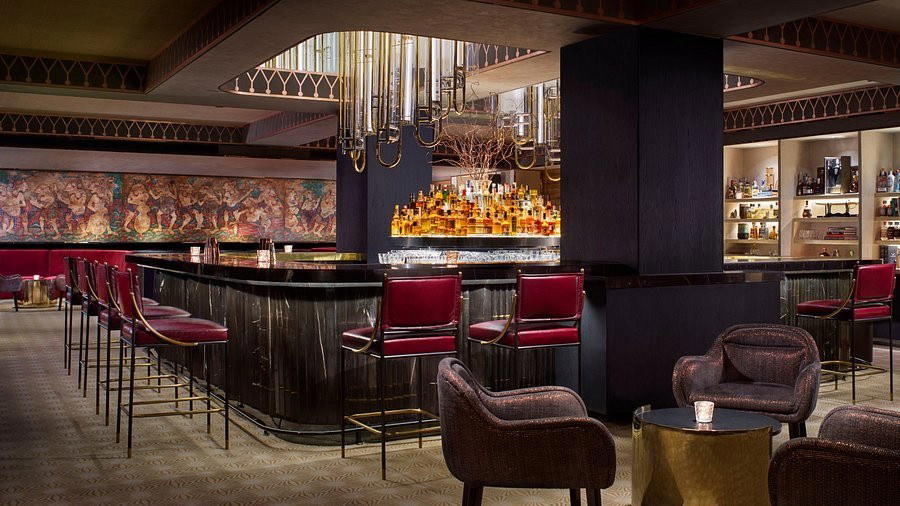
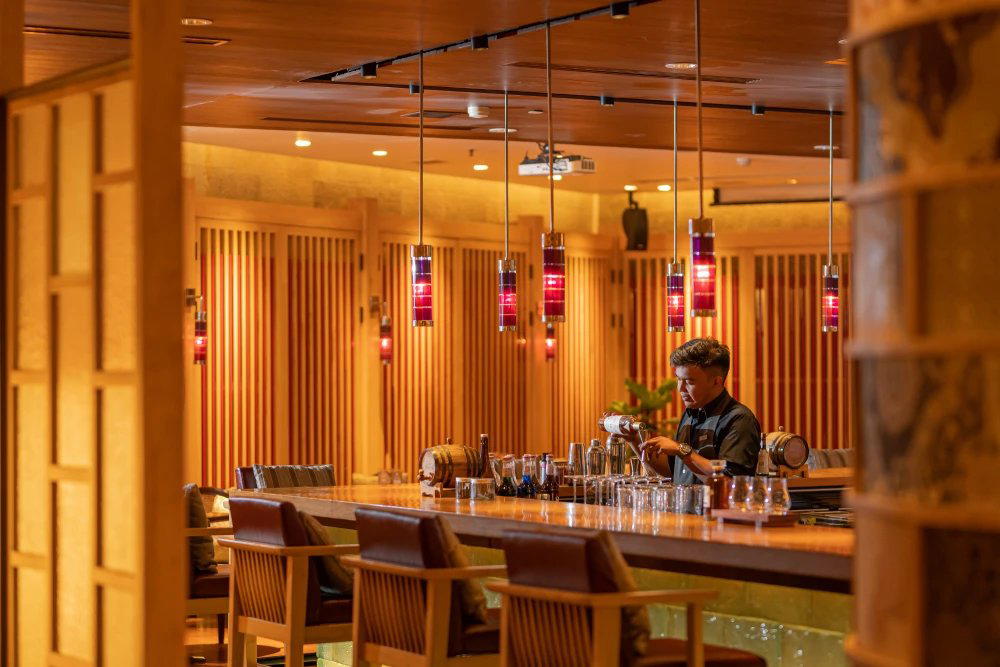
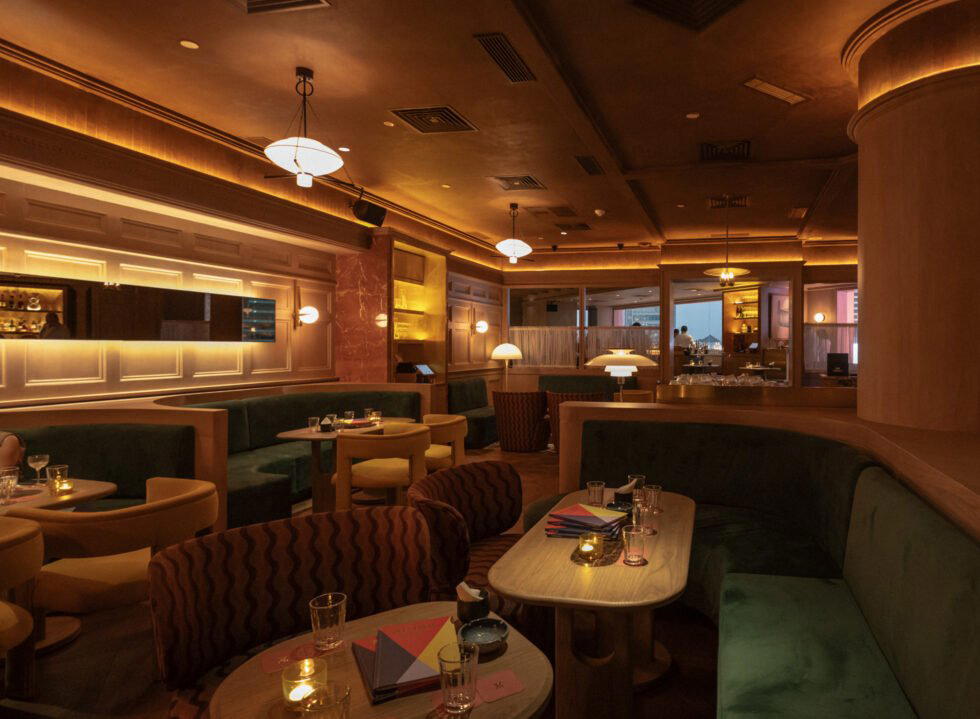
Local integration strategy at this property works through accumulation rather than a single statement gesture. In the guest rooms, bespoke batik textiles from Indonesian fashion designer Iwan Tirta appear on the custom bed accents, grounding the otherwise international palette of the interiors. The pool area, designed by landscape architect Bill Bensley, takes Javanese-inspired artworks as its visual reference, threading them through an outdoor layout that manages to feel secluded despite sitting inside a dense urban district. The St. Regis Bar carries a mural by artist Eddy Susanto depicting Javanese wayang shadow puppet figures rendered in the postures of jazz musicians, a reference to Indonesia's specific relationship with jazz history that avoids the generic tropical-hotel artwork common to the category.
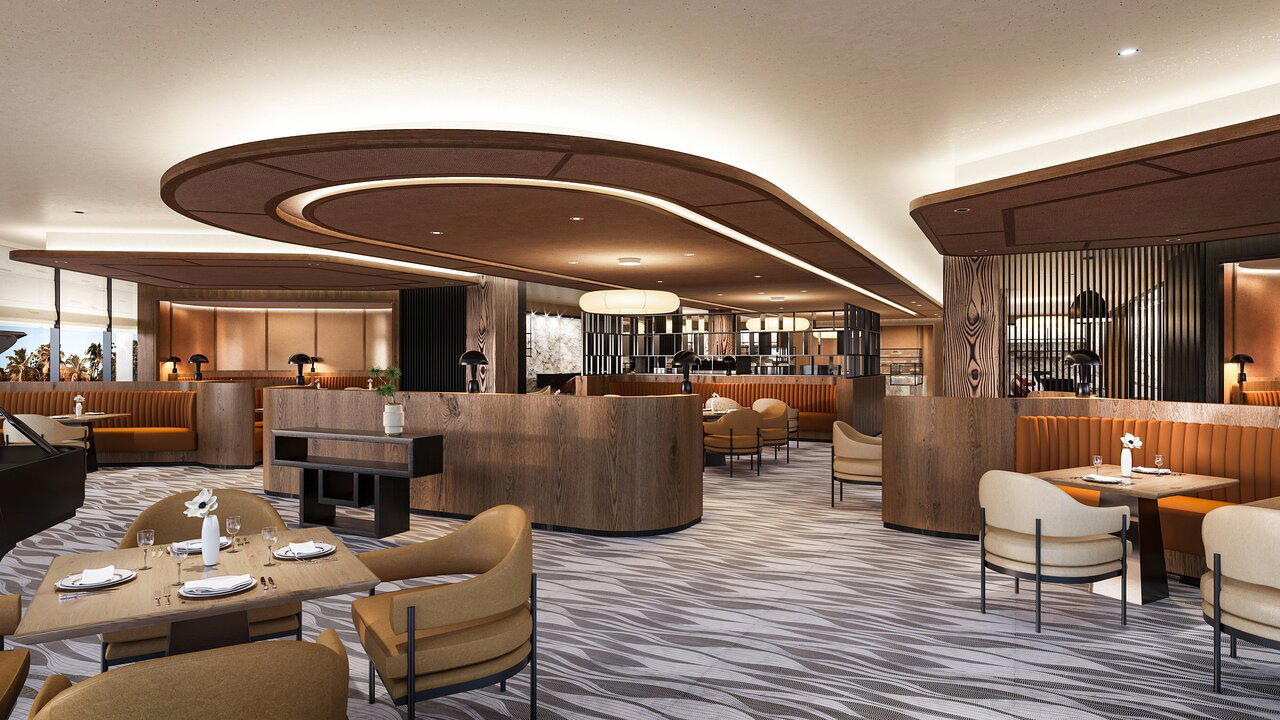
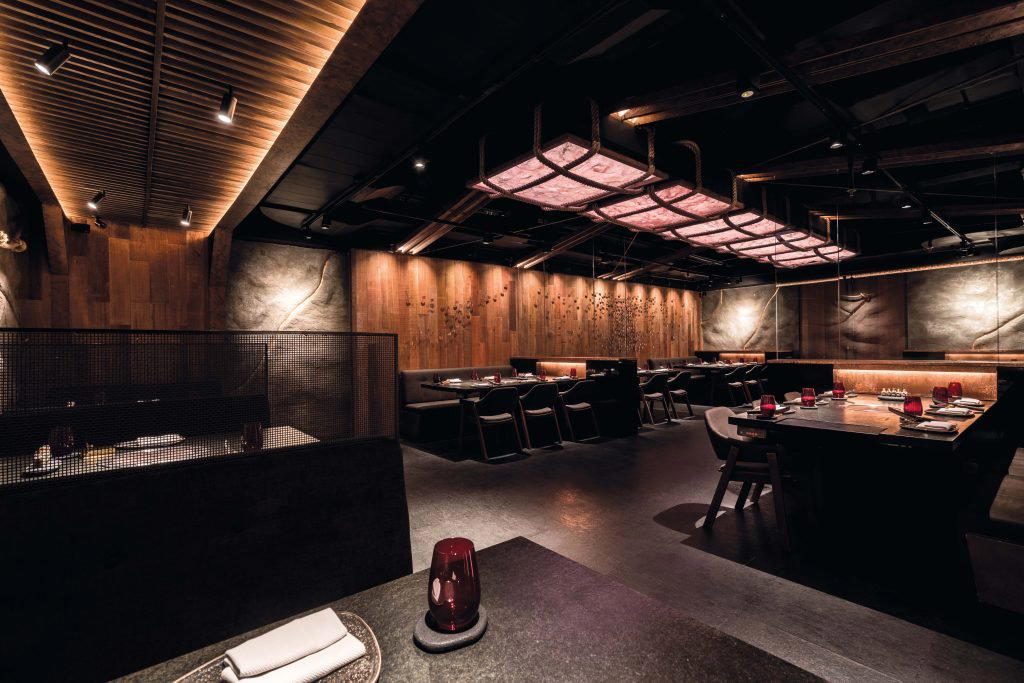
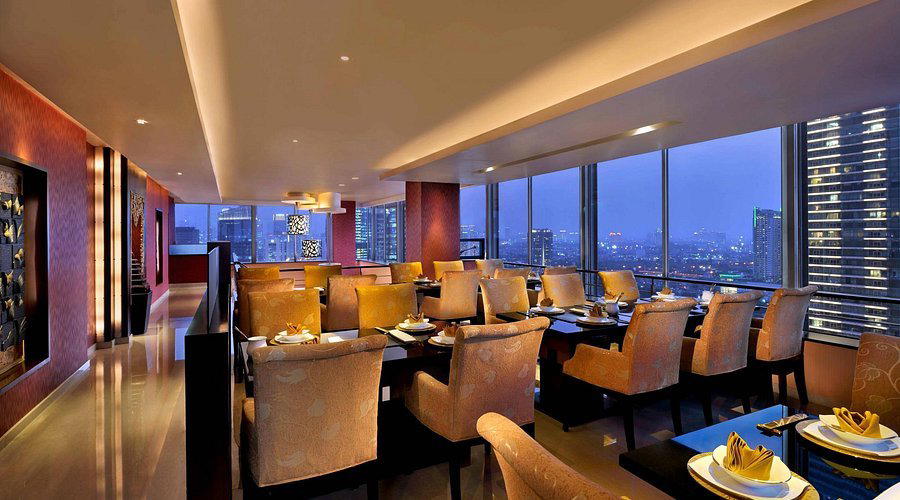
Food and beverage programme applies the same distributional logic. Bel Étage handles Indonesian classics: beef rendang, mie goreng, sambal in multiple formats. J.J.A. operates as the fine-dining tier, with an international menu built around high-provenance ingredients, including Miyazaki A4 rib eye served with king oyster mushroom, lotus root, and pink peppercorn jus. The Drawing Room runs the classic St. Regis afternoon tea format with live piano daily. Across the six restaurants and bars, each occupies a distinct register rather than blurring into a single hotel-dining proposition.
The Nightly Ceremony and Why It Matters
St. Regis brand's champagne sabering ceremony, a tradition that traces to the original St. Regis New York, takes on a local dimension here. Before the sabering, the hotel runs a "Sound of Light" show in the lobby, synchronising the Lasvit chandeliers to music composed by Indonesian musician Andi Rianto. The sequence is brief but deliberate, and it illustrates how the property thinks about brand ritual: not discarded in favour of local flavour, nor imposed over it, but adapted to contain it. Properties like the InterContinental Jakarta Pondok Indah and the Hotel Gran Mahakam take different approaches to local-versus-international identity.
Batavia Mary, the hotel bar's signature cocktail, reinforces the same logic at the drink level: a riff on the bloody mary using Balinese arak, sour cuka, and sambal oelek, named for Jakarta's pre-colonial identity as Batavia. These are not superficial touches; they require sourcing decisions and menu development that standard hotel openings skip.
Planning a Stay: What to Know Before You Book
Hotel sits at Rajawali Place Jakarta, Jl. H. R. Rasuna Said Selatan No. Kav. B, RW.4, Kuningan, Setia Budi, Kecamatan Setiabudi, Kota Jakarta Selatan, Daerah Khusus Ibukota Jakarta 12910. For travellers flying into Soekarno-Hatta International Airport, the drive to Kuningan varies between 45 minutes and well over two hours depending on traffic; timing arrivals outside Jakarta's peak hours (roughly 7-9am and 5-8pm) changes the experience considerably.
Room bookings are recommended in advance, particularly for suite categories where the Iwan Tirta batik detailing is most pronounced. Given the hotel's positioning as a business-district property, weekday availability tightens during major Jakarta trade and government calendar events; leisure travellers planning non-business-week visits will generally find more flexibility. Spa bookings and restaurant reservations at J.J.A. and Bel Étage are advisable in advance during peak periods, particularly for dinner service.
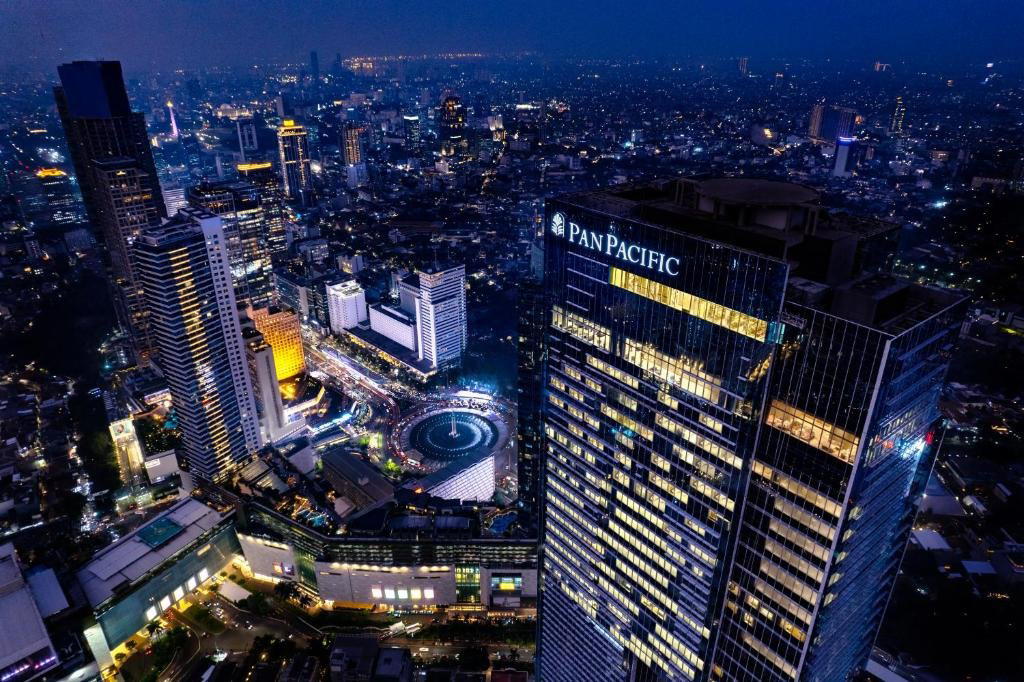
For travellers extending into Indonesia's wider archipelago, the country's hotel tier ranges from urban business properties like this one to design-led resort formats. Relevant comparisons in the Bali-centric segment include Mandapa, a Ritz-Carlton Reserve in Ubud, the design-led Bambu Indah in Banjar Badung, and Nihi Sumba in Sumba for those moving beyond Java entirely. The Potato Head Suites & Studios in Seminyak and Desa Potato Head in Denpasar represent the design-driven, non-chain end of the Bali market. For Bali alternatives across price points, VOUK Hotel & Suites Bali in Nusa Dua, Hotel Komune and Beach Club Bali in Gianyar, Batur Natural Hot Spring in Kintamani, Desa Seni Baturiti in Tabanan, Villa Waru Nusa Lembongan, Padangbai in Karangasem, and O in Badung cover a spread of formats and price positions. For West Java escapes, Kampung Sampireun Resort & Spa in Garut offers a regional counterpoint. For global St. Regis comparisons at the brand's American flagship tier, the The Fifth Avenue Hotel in New York City and Aman New York represent the upper end of that city's luxury hotel market. The Aman Venice offers a useful counterpoint on how heritage-building luxury properties handle local identity at the European end of the spectrum. For Jakarta-specific alternatives at the more boutique end, the Pan Pacific Jakarta rounds out the city's five-star range.
At a Glance
Comparable venues nearby, for context on price, style, and recognition.
| Venue | Price | Notes |
|---|---|---|
| The St. Regis JakartaThis venue — the venue you are viewing | $$$$ | Not listed |
| Raffles Jakarta | $$$$ | Karet Kuningan, Luxury urban heritage hotel with artistic integration. |
| InterContinental Hotels Jakarta Pondok Indah | $$$$ | Pondok Pinang, Contemporary luxury design integrated within a premium shopping and business district entertainment complex, featuring state-of-the-art facilities and internationally prominent event spaces. |
| Fairmont Jakarta | $$$$ | Gelora, Modern luxury tower in prestigious Senayan Square complex |
| Park Hyatt Jakarta | $$$$ | Kebonsirth, Modern luxury high-rise hotel |
| Grand Hyatt Jakarta | $$$$ | Gondangdia, Timeless luxury hotel with modern elegance in Jakarta's well-known Plaza Indonesia complex. |
Recognition history
Dated appearances from independent guides and award organizations, with the underlying list record or original source where available.
Forbes 4-Star
Forbes
Forbes Recommended
Forbes
Michelin 1 Key
Michelin
At a Glance
- Elegant
- Sophisticated
- Ornate
- Business Trip
- Romantic Getaway
- Celebration
- Rooftop Pool
- Butler Service
- Panoramic View
- Pool
- Spa
- Fitness Center
- Room Service
- Concierge
- Business Center
- Valet Parking
- Skyline
- Pool
- Spa
- Fitness Center
- Room Service
- Concierge
- Business Center
- Valet Parking
Ornate with kinetic chandeliers, live jazz, and an elegant residential comfort enhanced by cultural displays and personalized service.