On Jl. Senopati in Jakarta's Kebayoran Baru, The Cocktail Club occupies a stretch of South Jakarta that has become one of the city's more concentrated corridors for serious drinking. The venue fits within a broader shift across Jakarta's bar scene: away from hotel lobbies and nightclub formats toward dedicated cocktail programs where the drink itself is the primary event.
Pearl is the En Primeur Club membership app — saves, bookings, and concierge access live there. Same editors, same standards.
- Address
- Jl. Senopati No.39, Senayan, Kec. Kby. Baru, Jakarta, Daerah Khusus Ibukota Jakarta 12190, Indonesia
- Phone
- +6281318882068
- Website
- uniongroupjakarta.com
- Directions
- Get directions
 Saves & bookings on Pearl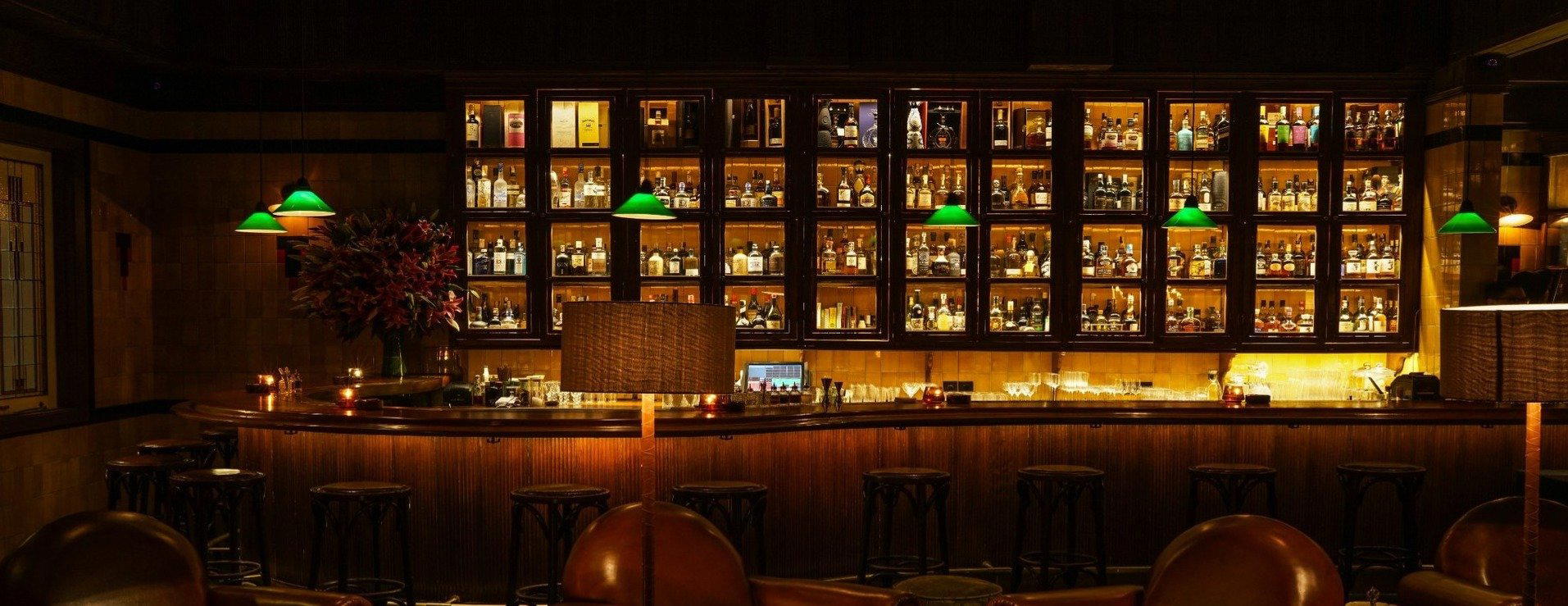
Senopati's Drinking Corridor and Where The Cocktail Club Sits Within It
Jakarta's cocktail bar scene has reorganized itself over the past decade around a handful of streets in the south of the city. Jl. Senopati in Kebayoran Baru is one of them. The strip runs through a neighborhood that mixes residential blocks with low-rise shophouses, and its bars tend to draw a crowd that is after something more deliberate than the stadium-scale bottle service venues that still dominate parts of central Jakarta. The Cocktail Club is located at No. 39 on that street, which places it in the thicker part of this cluster.
Across Southeast Asia, cities have developed their own version of a dedicated cocktail destination: Ku de Ta in Seminyak built its reputation around sunset timing and a particular kind of Bali leisure pace; Bar Leather Apron in Honolulu operates as a precise, counter-focused program with an emphasis on Japanese technique. Jakarta's version of this pattern has historically been more fragmented, split between hotel bars like The St. Regis Bar and independent operators trying to build a standing on their own terms. The Cocktail Club belongs to the independent tier.
The Format: What the Ritual Looks Like Here
In bars where the cocktail is the organizing principle rather than the room or the DJ, the pacing tends to follow a different rhythm. The drink arrives as an object of attention, not an accessory to a table booking or a nightlife itinerary. Jakarta's more deliberate cocktail venues have gravitated toward this format as the city's drinking culture has matured, and the Senopati corridor reflects that shift more than most parts of the city.
The bar fits this pattern. Its address on Jl. Senopati situates it close to a cluster of other independent operators, including Loewy and Modernhaus, which means visitors often treat the street as a sequence rather than a single stop. That kind of neighborhood choreography shapes how a bar is used: first drink early, second at a neighbor, return for a nightcap. It also puts pressure on individual venues to offer something specific enough to anchor that circuit rather than simply occupy a slot within it.
What distinguishes the dedicated cocktail bar format from a general F&B venue is the expectation that the bartender functions as something closer to a sommelier than a server. Orders become a conversation. The first drink informs the second. That dynamic, where the guest and the bartender are working toward something together, is the underlying ritual of cocktail-first venues the world over, from The Night Rooster in Ubud to Night Rooster in Gianyar to the more technically oriented programs in Singapore and Bangkok.
Jakarta's Bar Scene in Context
The city's independent bar sector has expanded considerably since the mid-2010s, when most premium drinking happened inside hotel properties or in venues attached to restaurants. That structure made sense for a market where liquor licensing was complicated and footfall depended on the drawing power of a larger brand. As a younger, more internationally traveled Jakarta crowd developed more specific expectations, standalone bars began to find sustainable audiences.
Jl. Senopati has become one of the cleaner expressions of that shift. The street's bars include everything from wine-led rooms to spirit-forward programs, and venues like Carrots Bar and Cosmo Pony represent different points on the spectrum. The bar's name signals its position clearly: this is a place organized around the cocktail as a category, not around cuisine, atmosphere, or occasion in the first instance.
That clarity of purpose matters in a city where bar formats have historically blurred together. The distinction between a restaurant with a strong bar program and a bar with a food menu is partly operational, but it also shapes the guest experience from the moment you walk in. Venues that lead with the drink tend to attract guests who have already decided what kind of evening they want, which keeps the room focused in a way that multi-format spaces often cannot.
Comparable independent programs elsewhere in the region, including Bikini Restaurant Bali in Badung and Métis in Banjar Badung, have shown that dedicated drink-forward formats can hold their own against larger hospitality operations when the program is specific enough. No. 11 (Eleven Jakarta) in South Jakarta operates in a similar orbit of the city and represents another data point in how South Jakarta's independent drinking scene has taken shape.
Planning a Visit
The bar is at Jl. Senopati No. 39, Kebayoran Baru, South Jakarta, within easy reach of the broader Senopati dining and drinking strip. The neighborhood is accessible by car or ride-hailing app, which remains one practical way to move around this part of the city after dark.
Cuisine and Awards Snapshot
Comparable venues nearby, for context on price, style, and recognition.
| Venue | Cuisine | Price | Awards | Notes |
|---|---|---|---|---|
| The Cocktail ClubThis venue — the venue you are viewing | cocktail_bar | $$$ | Not listed | Not listed |
| Bar Luca | wine_bar | $$$ | Not listed | Senayan |
| Abstrct Bar | cocktail_bar | $$$ | Not listed | SCBD |
| Koda | speakeasy | $$$$ | Not listed | Karet Teng Sien |
| The Golden Tooth | speakeasy | $$$ | World's 50 Best #98 | Melawai |
| Carrots Bar | speakeasy | $$$ | World's 50 Best #34 | Senayan |
At a Glance
- Trendy
- Modern
- Sophisticated
- Lively
- Date Night
- After Work
- Late Night
- Group Outing
- Design Destination
- Standalone
- Seated Bar
- Lounge Seating
- Craft Cocktails
- Whiskey
- Classic Cocktails
Current opening hours
- Monday
- 5 PM–1 AM
- Tuesday
- 5 PM–1 AM
- Wednesday
- 5 PM–1 AM
- Thursday
- 5 PM–1 AM
- Friday
- 5 PM–1 AM
- Saturday
- 5 PM–1 AM
- Sunday
- Closed
Hours can change for holidays and private events. Last verified .
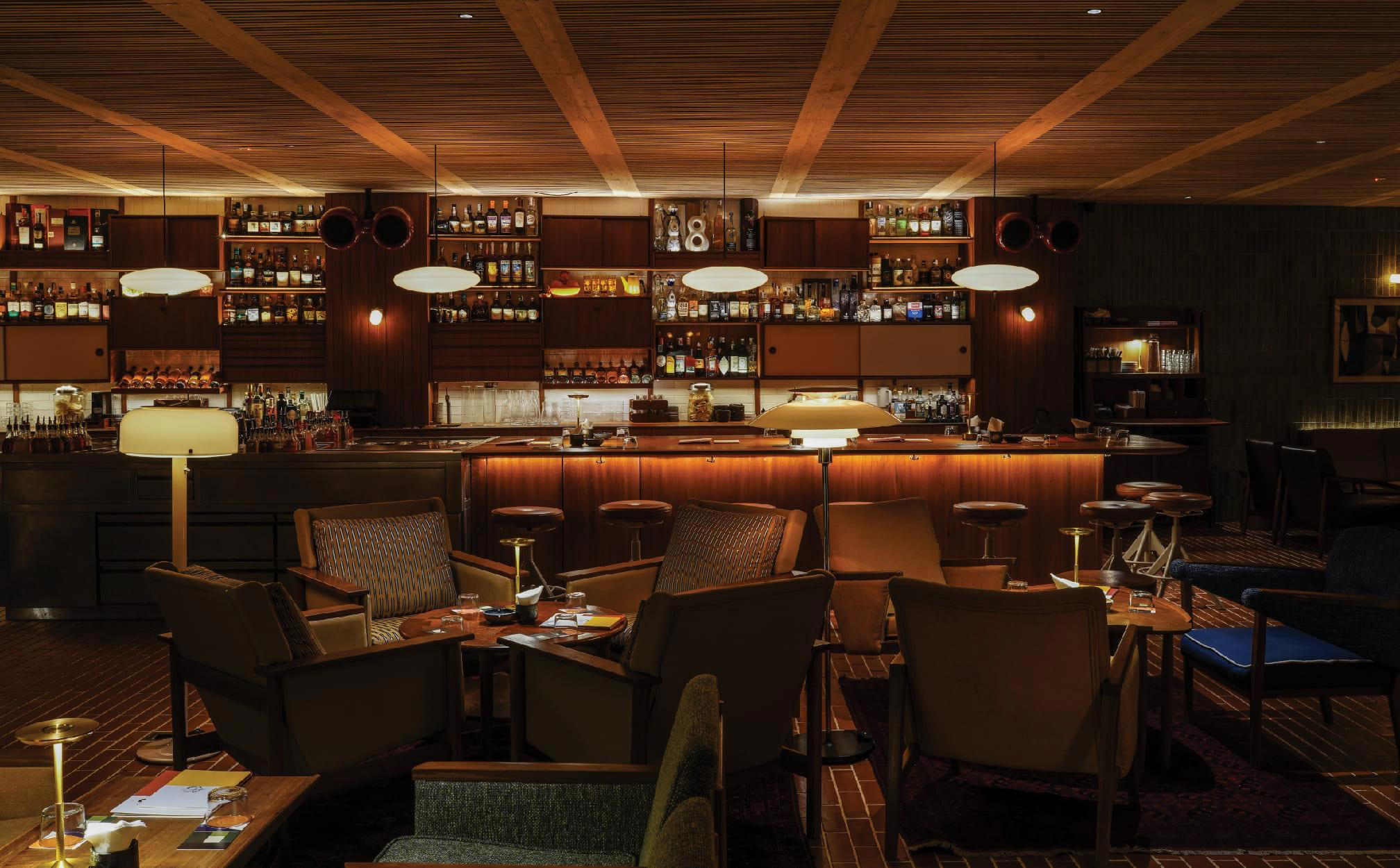
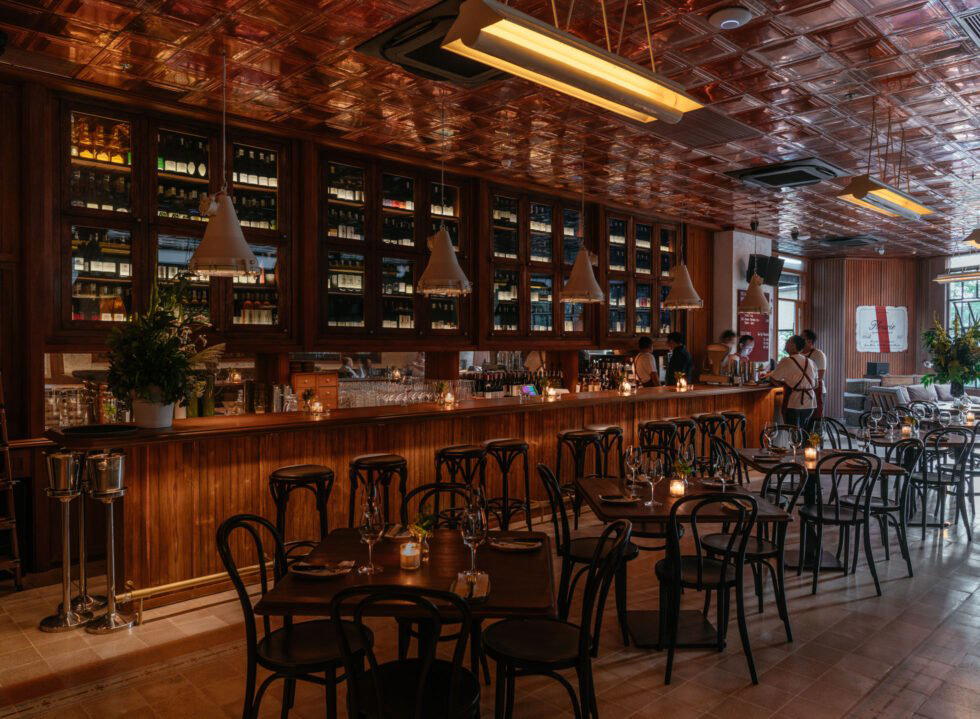
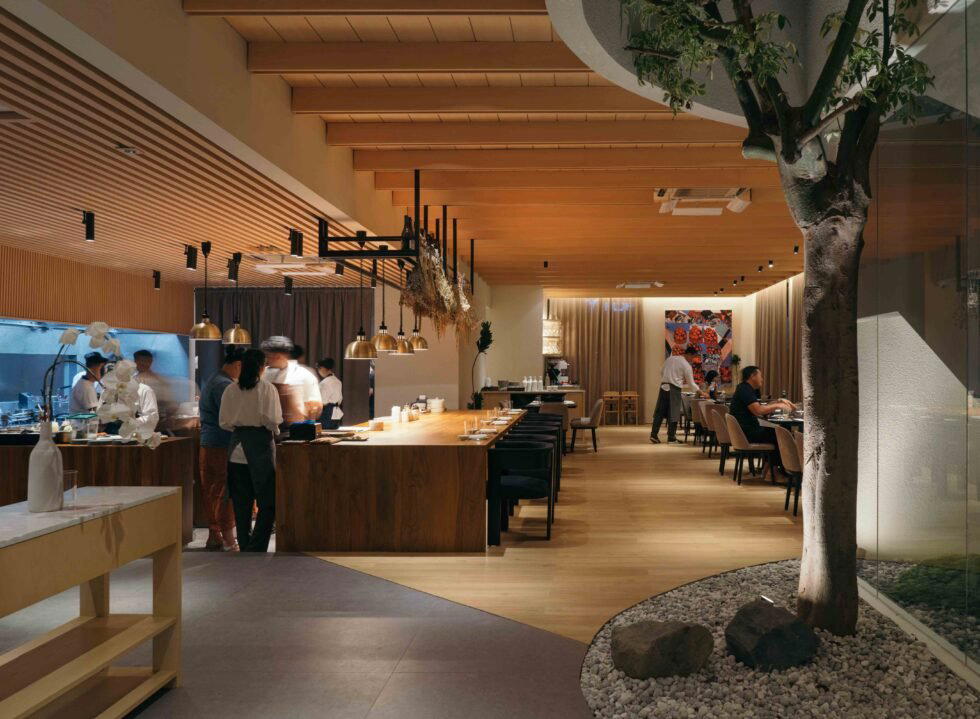
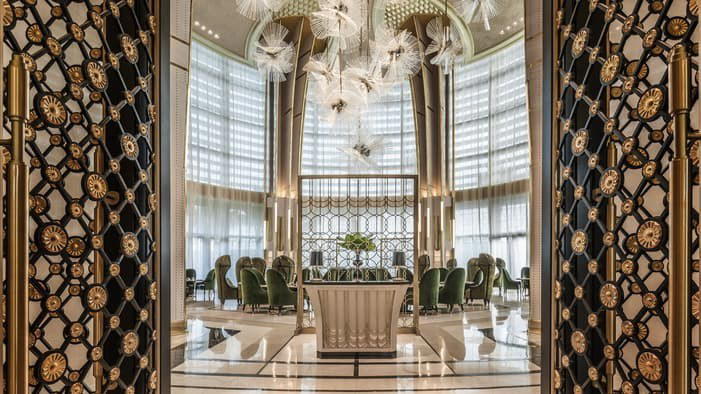
Vintage art deco meets lush Indonesian warmth, with curvaceous bar, nostalgic vintage posters on tile walls, and warm lighting creating a sophisticated yet upbeat atmosphere.