

At SCBD Park in South Jakarta, Esa frames Indonesian culinary heritage through a degustation format that draws on Betawi, Sundanese, Chinese, and European influences. An open kitchen anchors the dining room in a gallery-like setting, where the cooking unfolds in full view. The tone is fine-casual rather than formal, making it one of the more considered addresses in Jakarta's contemporary Indonesian dining scene.
Pearl is the En Primeur Club membership app — saves, bookings, and concierge access live there. Same editors, same standards.
- Address
- SCBD Park, Lot. 7 Unit 3A, Senayan, Kec. Kby. Baru, Kota Jakarta Selatan, Daerah Khusus Ibukota Jakarta 12190, Indonesia
- Phone
- +6281110016282
- Website
- esarestaurant.com
- Directions
- Get directions
 Saves & bookings on Pearl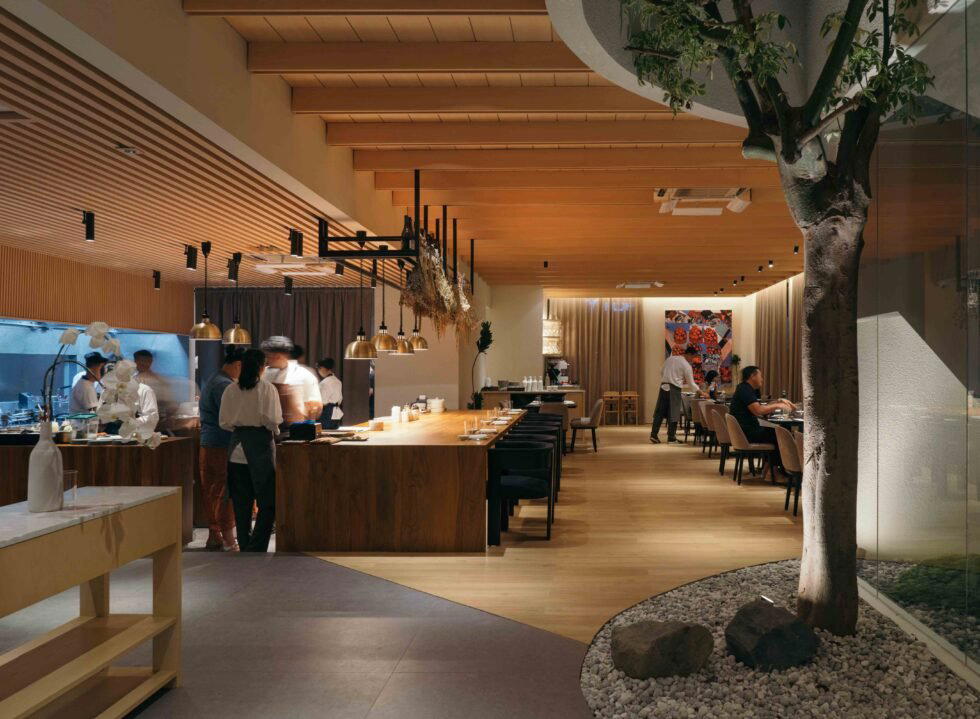
Where Jakarta's Culinary Layers Come Into Focus
Jakarta's relationship with its own food culture is complicated. The city has long been a conduit for outside influence, Dutch colonialism, Chinese migration, Arab trade routes, and the internal movement of Sundanese, Betawi, Madurese, and Javanese communities, and its restaurant scene reflects that layered history in ways that don't always get proper editorial attention. For decades, the prestige end of Jakarta dining leaned heavily on French and Japanese formats. The more recent shift, visible across a handful of considered addresses, has been toward restaurants that treat Indonesian culinary tradition as the subject of serious technique rather than casual familiarity.
Esa, located at SCBD Park in the Senayan district of South Jakarta, sits inside that shift. The format is degustation, a structured sequence designed to move through a range of influences rather than anchor itself to a single regional tradition. Betawi cooking (the indigenous food culture of Batavia, now Jakarta), Sundanese preparations from West Java, Chinese-Indonesian synthesis, and European technique all appear in the menu's logic. That combination is not arbitrary: it maps closely to the actual demographic and historical layering of the city itself.
The Room as Argument
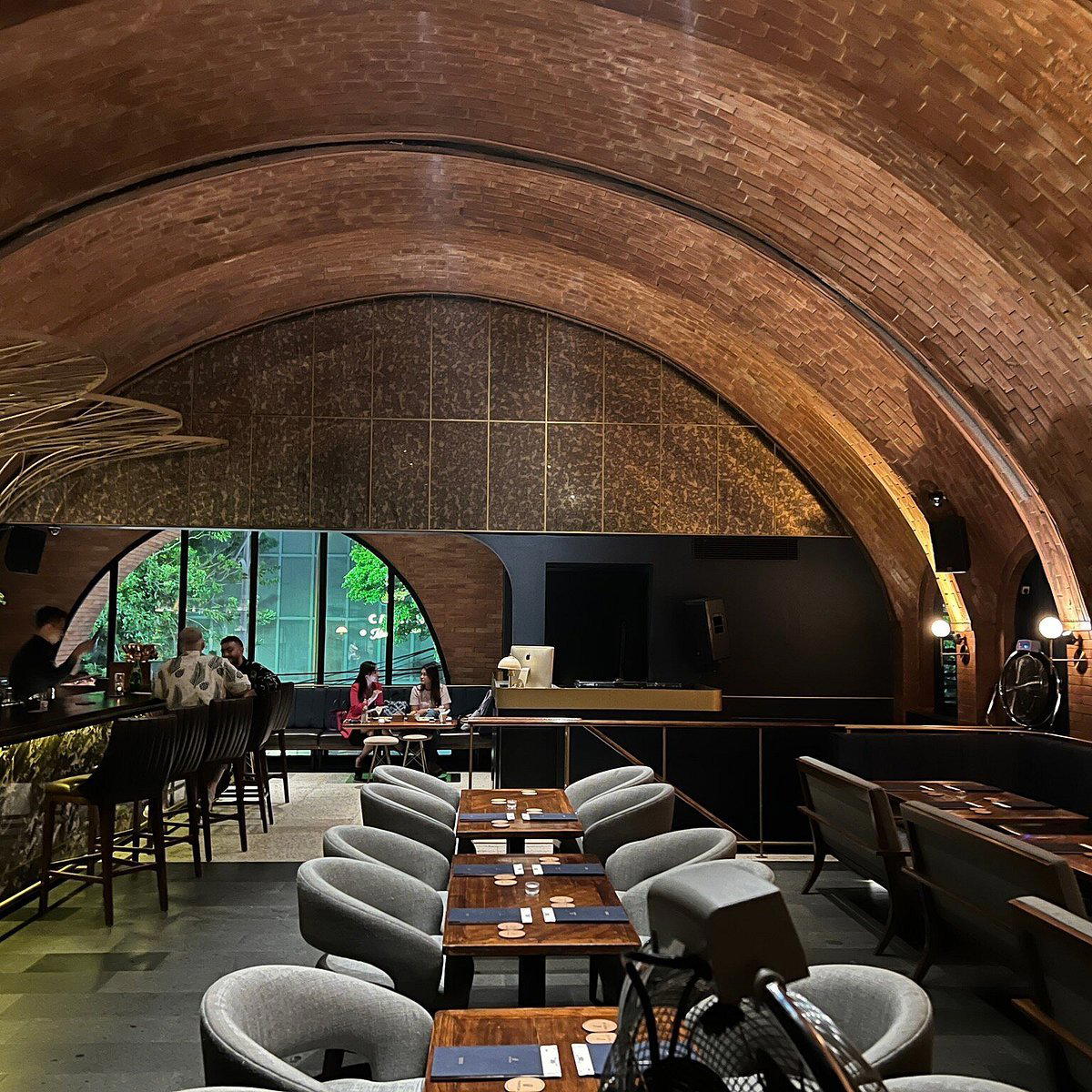
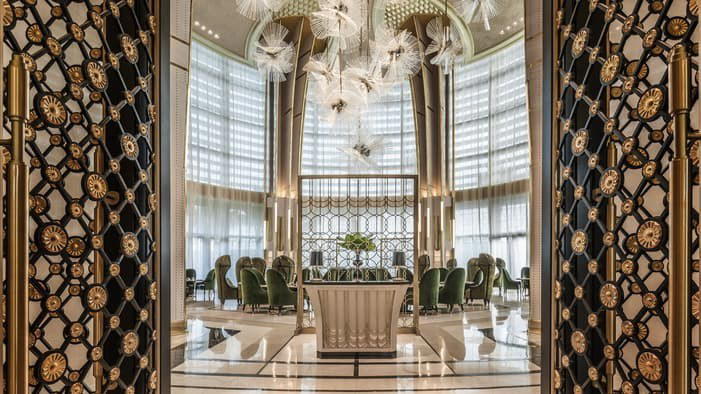
The physical environment at Esa signals its editorial position before a dish arrives. The design takes its cues from gallery spaces rather than conventional restaurant interiors, clean lines, considered lighting, an atmosphere that asks you to pay attention. The open kitchen functions as the room's focal point, placing the cooking process in direct view of the dining area. In Jakarta's fine-casual category, this kind of spatial honesty has become a marker of seriousness: it communicates that the kitchen has nothing to obscure and that the production process is itself part of the experience.
That fine-casual register matters in the context of SCBD, Jakarta's central business and lifestyle district. The area draws a mix of corporate clientele, internationally mobile residents, and a younger professional demographic that is comfortable with format-driven dining but not necessarily looking for the formality of a white-tablecloth operation. Esa's tone, warm storytelling in its visual language, relaxed in its service mood, structured in its menu logic, fits that audience without condescending to it.
Betawi, Sundanese, and the Chinese-Indonesian Kitchen
Understanding what Esa is doing requires some grounding in what those culinary traditions actually represent. Betawi cooking is historically associated with Jakarta's original urban population, a creole culture shaped by contact between indigenous Sundanese and Javanese communities, Chinese settlers, Arab traders, and Dutch colonial administrators. Dishes like ketoprak, soto Betawi, and kerak telor carry that synthesis in their ingredients and technique. Sundanese food, from the highland regions around Bandung and Bogor, is distinct: lighter, often raw or lightly cooked, with a strong emphasis on fresh vegetables and sambal. The Chinese-Indonesian kitchen developed across several centuries of settlement and produced a category of cooking that is neither purely Chinese nor straightforwardly Indonesian, dishes like cap cay, bakmi, and various forms of braised protein reflect generations of adaptation.
Restaurants that attempt to hold all of these traditions in a single degustation menu are making a curatorial argument: that these influences belong in conversation with each other, that the food of Jakarta and West Java is coherent enough as a subject to support a structured fine-dining format. That argument is more credible in 2024 than it would have been a decade ago. Across Indonesia, a generation of chefs has been working to reframe local ingredients and techniques within contemporary restaurant formats. Locavore NXT in Ubud represents one internationally recognised version of that project. Kaum in Jakarta applies a similar logic to a broader archipelago range. Esa's focus on the Betawi-Sundanese-Chinese axis gives it a more specifically Jakartan identity within that wider movement.
Jakarta's Fine-Casual Tier in Context
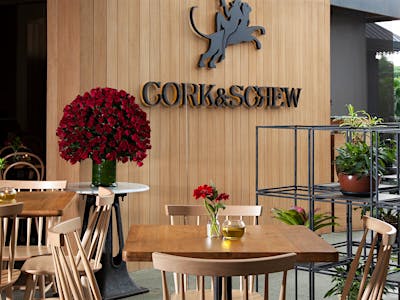
Jakarta's premium dining scene has diversified considerably since the early 2010s, when international chains and hotel restaurants dominated the upper end of the market. The current landscape includes steakhouse formats like Meatguy Steakhouse, wine-focused operations like Cork&Screw Pacific Place, and fire-led contemporary kitchens like Kindling. August has established a following for its tasting menu format in a more European register. What these venues share is a move away from the hotel-corridor model toward independent operations with a clear editorial point of view. Esa belongs to that cohort, distinguished by its specific commitment to Indonesian cultural framing.
The comparison set extends regionally. In Bali, restaurants like Kahyangan in Gondangdia, Sarong Bali in Canggu, Kayuputi, Rumari in Jimbaran, and The Legian in Seminyak operate at a similar intersection of Indonesian ingredient focus and international format. Jakarta's version of this project tends to emphasise urban cultural synthesis over the pastoral-ingredients narrative that dominates the Bali telling. The city's food history is fundamentally one of contact and hybridisation, and particularly interesting restaurants working in this space acknowledge that rather than romanticising a purity that never quite existed.
Planning a Visit
Esa is located at SCBD Park, Lot 7, Unit 3A, in the Senayan area of South Jakarta, a district well-served by ride-hailing services and within easy reach of the major hotels along Jalan Sudirman and Jalan Gatot Subroto. The fine-casual format means the dress standard is relaxed by Jakarta's business-district norms; the gallery ambience suggests a degree of considered dressing without tipping into formal. The degustation structure makes this a better fit for two hours or more of unhurried dining than for a quick weeknight meal.
Price Lens
Comparable venues nearby, for context on price, style, and recognition.
| Venue | Cuisine | Price | Notes |
|---|---|---|---|
| EsaThis venue — the venue you are viewing | Senayan, New Jakarta Cuisine | $$$ | Not listed |
| Cosmo Pony | Not listed | $$$$ | Gondangdia, Creative Cocktails with Indonesian Twists |
| Bornga Blok M | Kramat Pela, Authentic Korean BBQ | $$$ | Not listed |
| MAISON TATSUYA Teppanyaki PAKUBUWONO | Gunung, Japanese Teppanyaki | $$$ | Not listed |
| Planta Kitchen by Peresthu | Not listed | $$$ | Karet Teng Sien, Tropical-Mediterranean Fusion |
| Kam's Roast Indonesia | Gondangdia, Hong Kong Roast Meats | $$$ | Not listed |
Recognition history
Dated appearances from independent guides and award organizations, with the underlying list record or original source where available.
Opinionated About Dining Top Restaurants in Asia Recommended
Opinionated About Dining
Tatler Listed in Best Restaurants Asia-Pacific
Tatler

At a Glance
- Modern
- Cozy
- Elegant
- Sophisticated
- Date Night
- Business Dinner
- Special Occasion
- Open Kitchen
Current opening hours
- Monday
- 11:30 AM–1 PM, 5:30–8 PM
- Tuesday
- Closed
- Wednesday
- 11:30 AM–1 PM, 5:30–10 PM
- Thursday
- 11:30 AM–1 PM, 5:30–10 PM
- Friday
- 11:30 AM–1 PM, 5:30–10 PM
- Saturday
- 11:30 AM–1 PM, 5:30–10 PM
- Sunday
- 11:30 AM–1 PM, 5:30–10 PM
Hours can change for holidays and private events. Last verified .
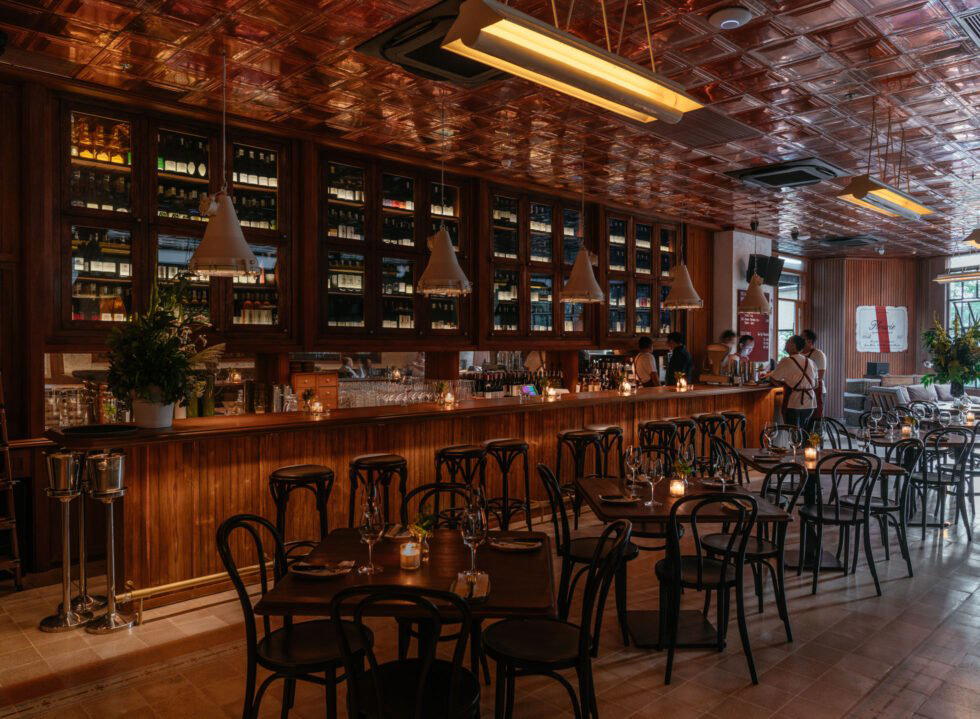
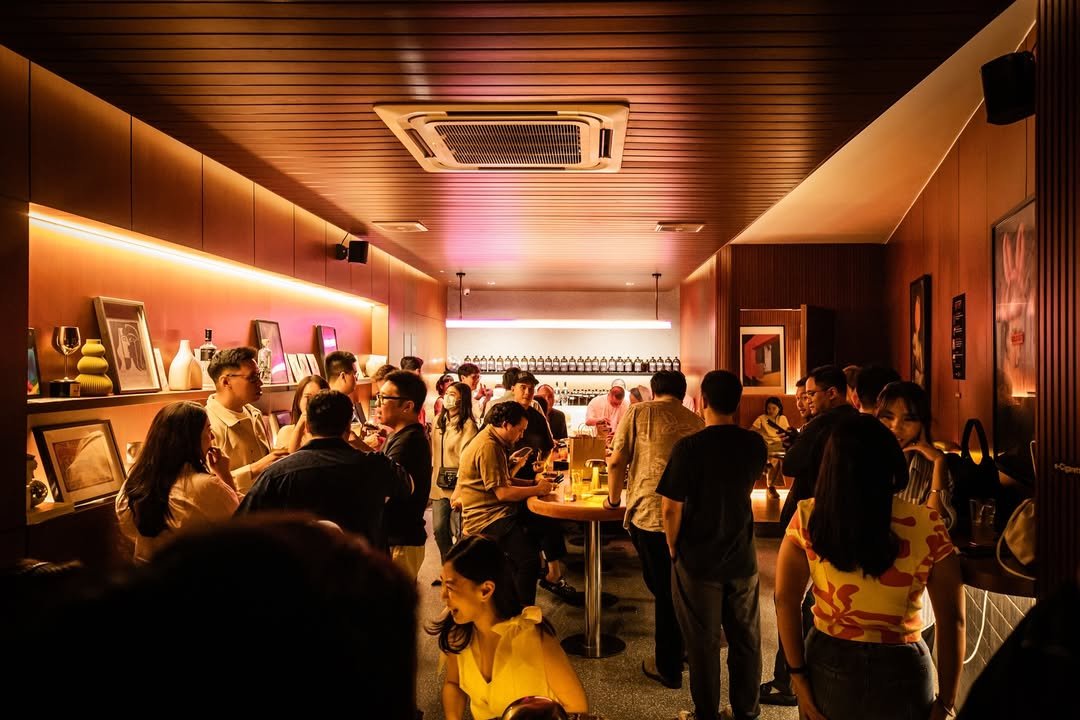
Bright and cozy with warm lighting, off-white interiors, blond-wood elements, and an open kitchen creating a fine-casual, welcoming atmosphere.