Pesisir Seafood in Srengseng, West Jakarta, occupies the neighbourhood coastal-casual tier that defines much of Jakarta's working seafood dining culture, direct preparations, market-driven selection, and the kind of communal table energy that formal restaurants rarely replicate. For visitors mapping the city's seafood scene beyond the upmarket hotel dining rooms, it represents a grounded entry point into the Indonesian pesisir tradition.
Pearl is the En Primeur Club membership app — saves, bookings, and concierge access live there. Same editors, same standards.
- Address
- Daerah Khusus Ibukota, Jl. Meruya Ilir Raya No.9, RT.4/RW.1, Srengseng, Kec. Kembangan, Kota, Jl. Meruya Ilir Raya, RT.4/RW.1, Srengseng, Kembangan, West Jakarta City, Jakarta 11630, Indonesia
- Phone
- +622125684168
- Website
- pesisirseafood.com
- Directions
- Get directions
 Saves & bookings on Pearl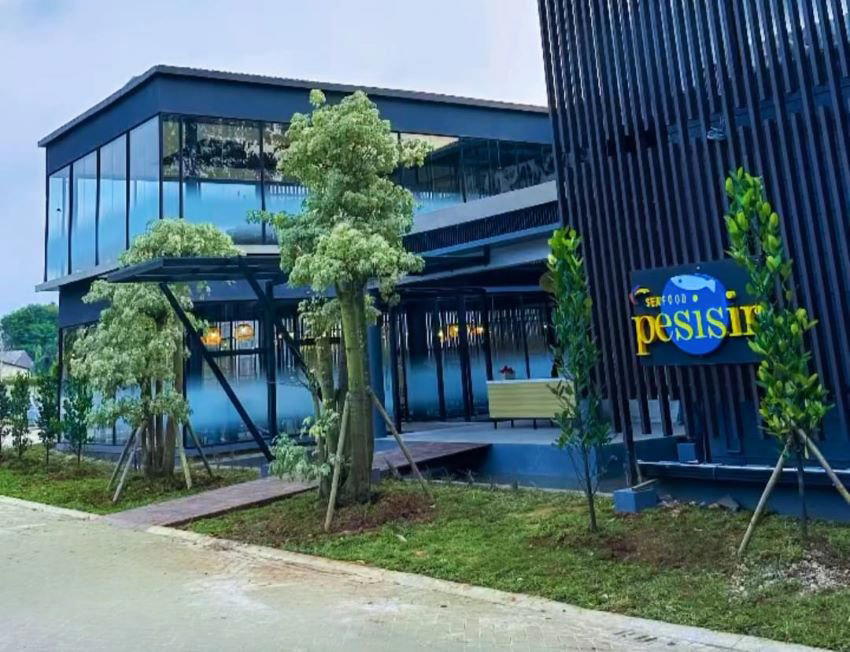
West Jakarta's Coastal Dining Register
Jakarta's seafood dining scene operates across a wide spectrum. At one end sit the hotel restaurants and Michelin-adjacent tasting menus, places like August or the composed modern Indonesian format at Kita 喜多 Restaurant And Bar in Kecamatan Menteng. At the other end, and more representative of how most Jakartans actually eat seafood, sits a dense network of pesisir-style restaurants: high-volume, communal, loud, and driven by the logic of the daily catch rather than a fixed seasonal menu. Pesisir Seafood is an Indonesian seafood restaurant on Jalan Meruya Ilir Raya in West Jakarta, with. It belongs to this second category, and understanding what that category does well tells you most of what you need to know before deciding whether to go.
West Jakarta is not the part of the city that travel editors typically profile first. The dining attention concentrates in Kemang, SCBD, and the central business corridors. But the Kembangan area has its own residential dining logic: unpretentious, neighbourhood-facing, and priced for regulars rather than expense accounts. That context shapes everything about what Pesisir Seafood is and what it is not.
The Arc of a Pesisir Meal
The pesisir tradition in Indonesian coastal cities follows a recognisable progression, and it differs considerably from the tasting-menu arc you would find at, say, Locavore NXT in Ubud or the technically composed seafood sequencing at Le Bernardin in New York City. Here, the meal does not build through chef-designed transitions. Instead, it spreads outward: dishes arrive in clusters rather than courses, each table accumulating a shared spread of grilled, steamed, and sambal-dressed preparations that diners pull from simultaneously. The narrative arc is horizontal rather than linear.
In practice, this means the experience starts with what the kitchen has available, a market-led selection that shifts with supply, and the table constructs its own meal from there. The rhythm is communal and fast. At restaurants of this type, the sambal, the kecap manis-based sauces, and the freshness of the protein are the real differentiators between a forgettable meal and a good one. Grilled fish preparations dominate, typically accompanied by rice, fresh vegetables, and a rotating cast of condiments. The logic resembles what you find at the better warungs along the Java coast: minimal intervention, maximum heat, and the expectation that fresh fish needs little beyond charcoal and chilli.
For comparison, the Korean hotpot format at Hai Di Lao in Central Jakarta or the Sichuan communal model at Chongqing Liuyishou Hotpot in South Jakarta share this communal, spread-focused dining logic, though the culinary tradition and ingredient vocabulary differ entirely. What they have in common is the rejection of the individual-plate European model in favour of a table-as-collective approach.
What the Setting Signals
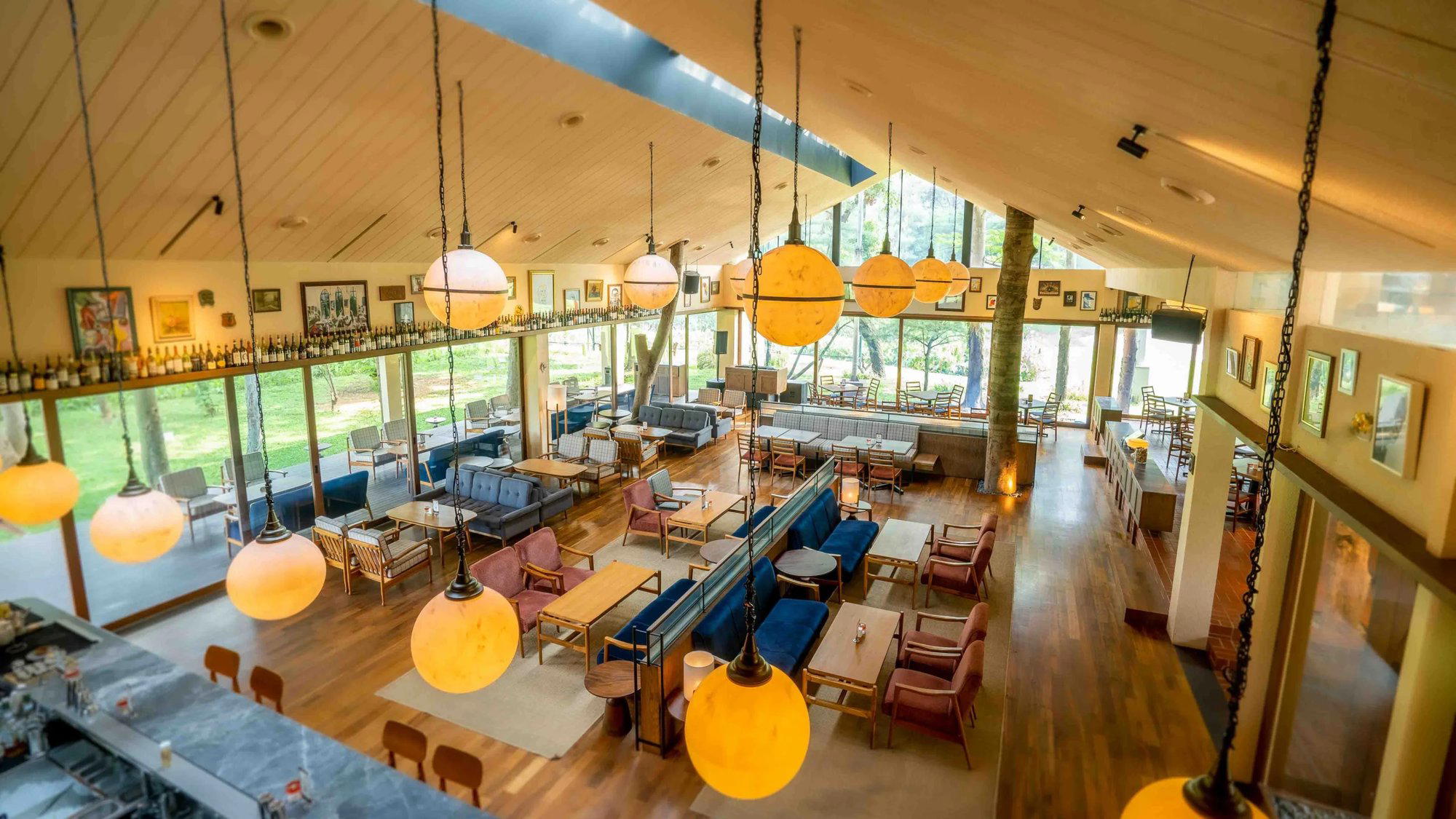
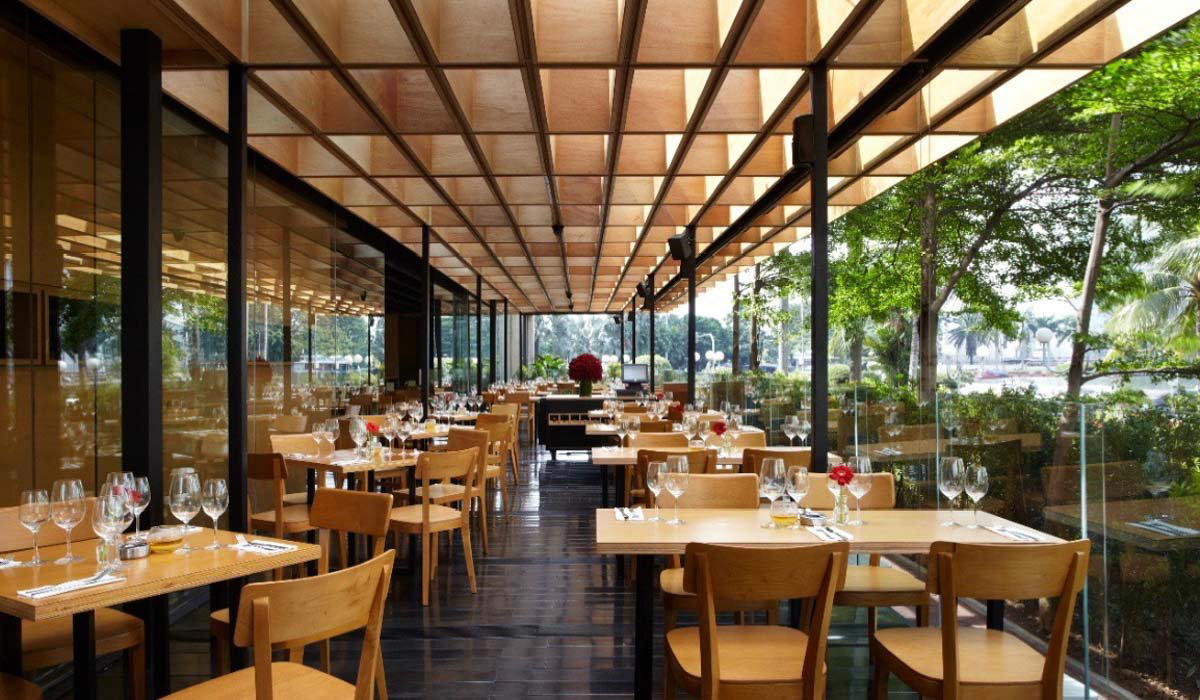
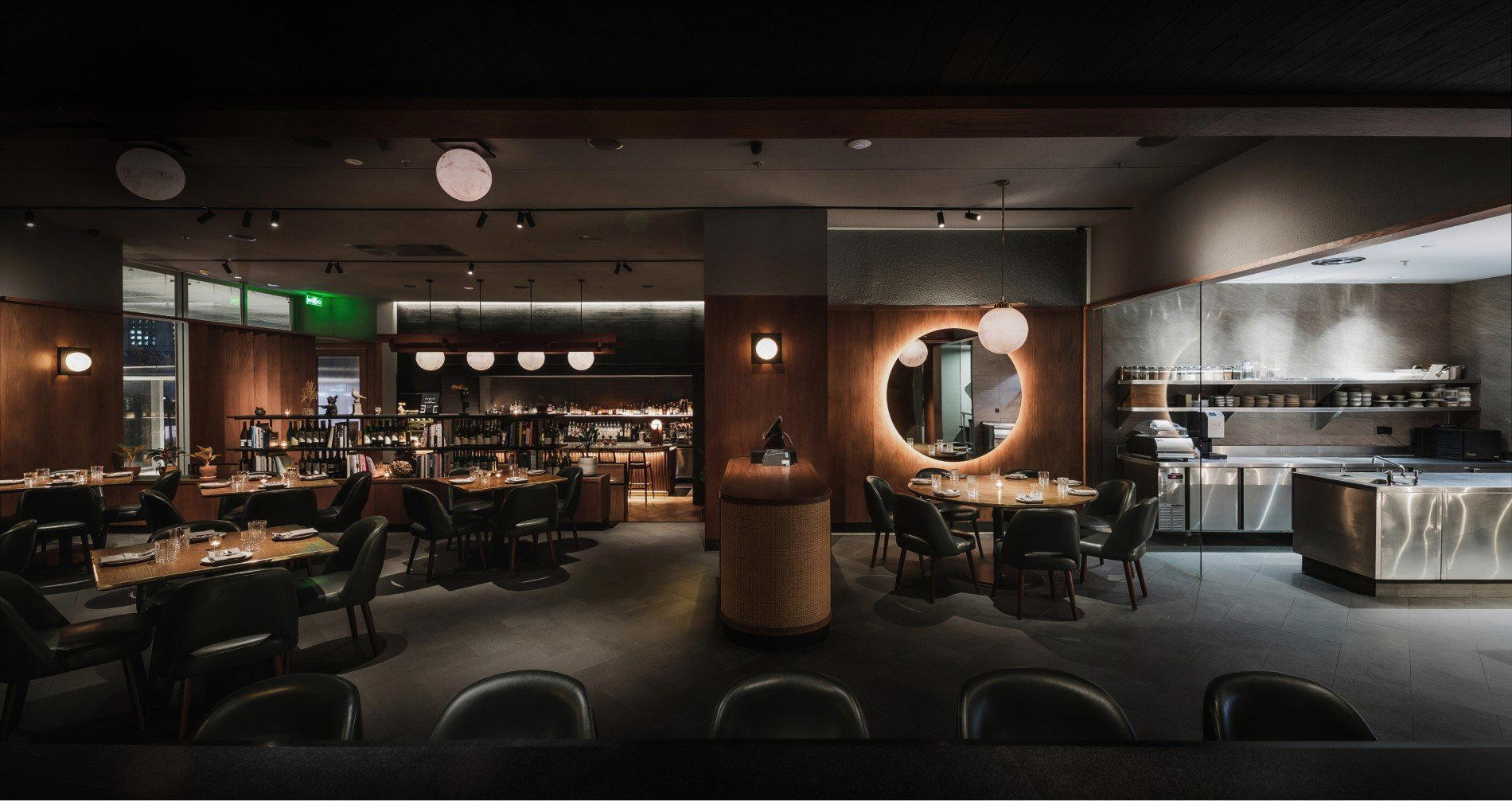
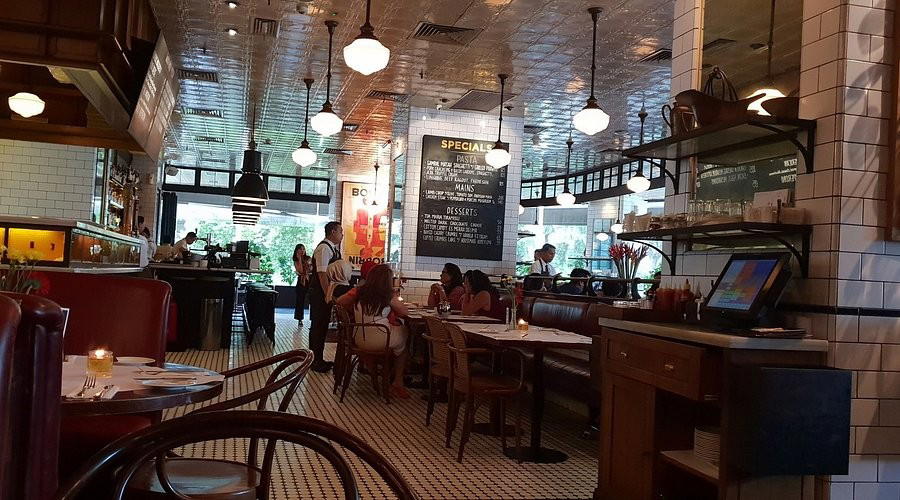
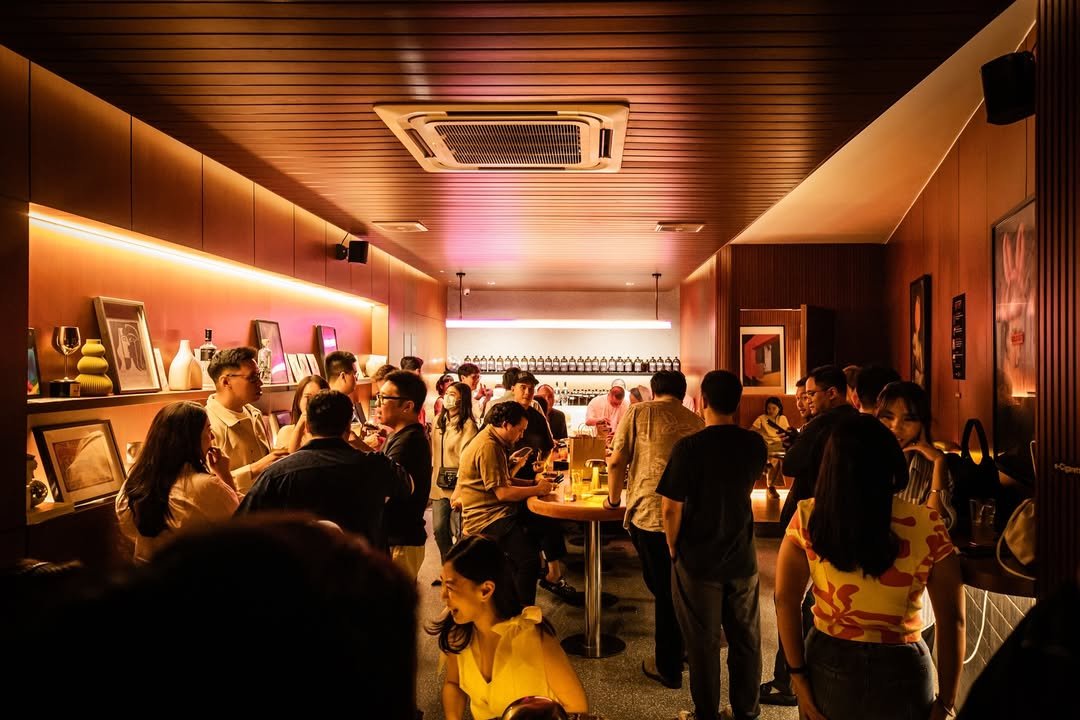
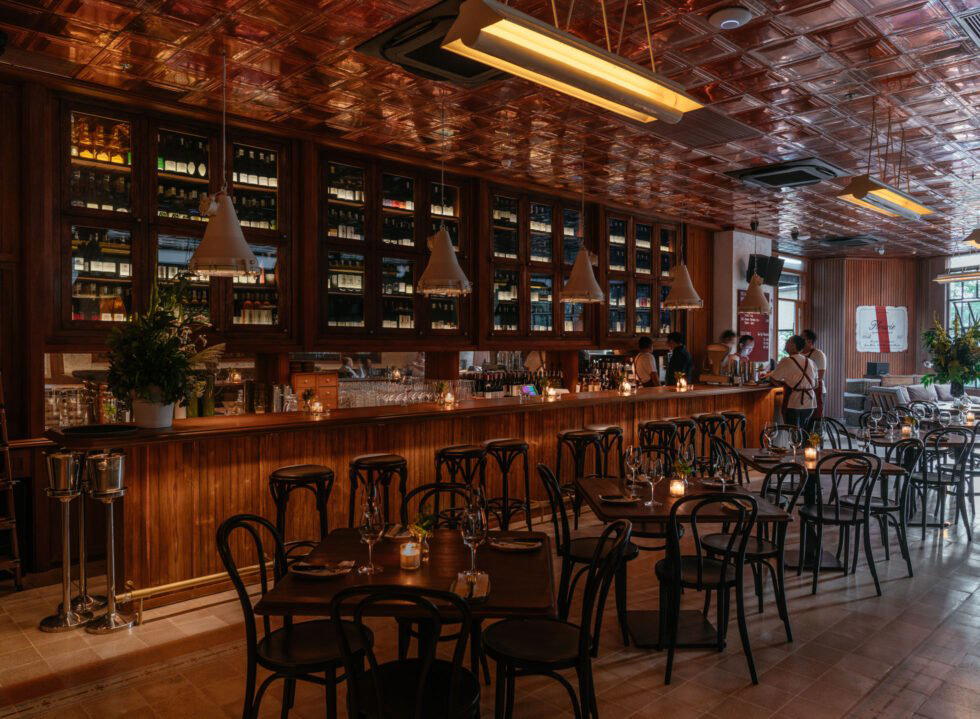
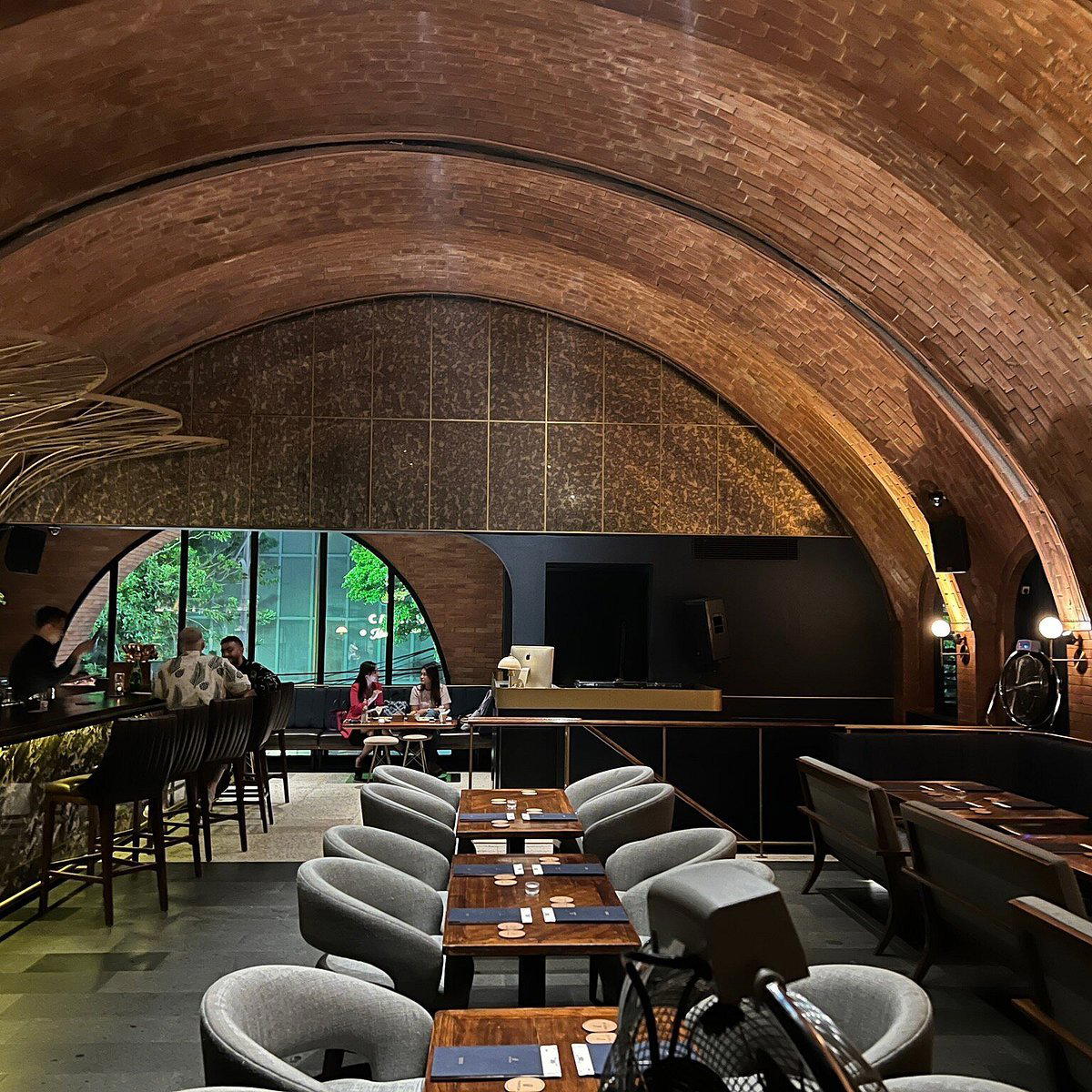
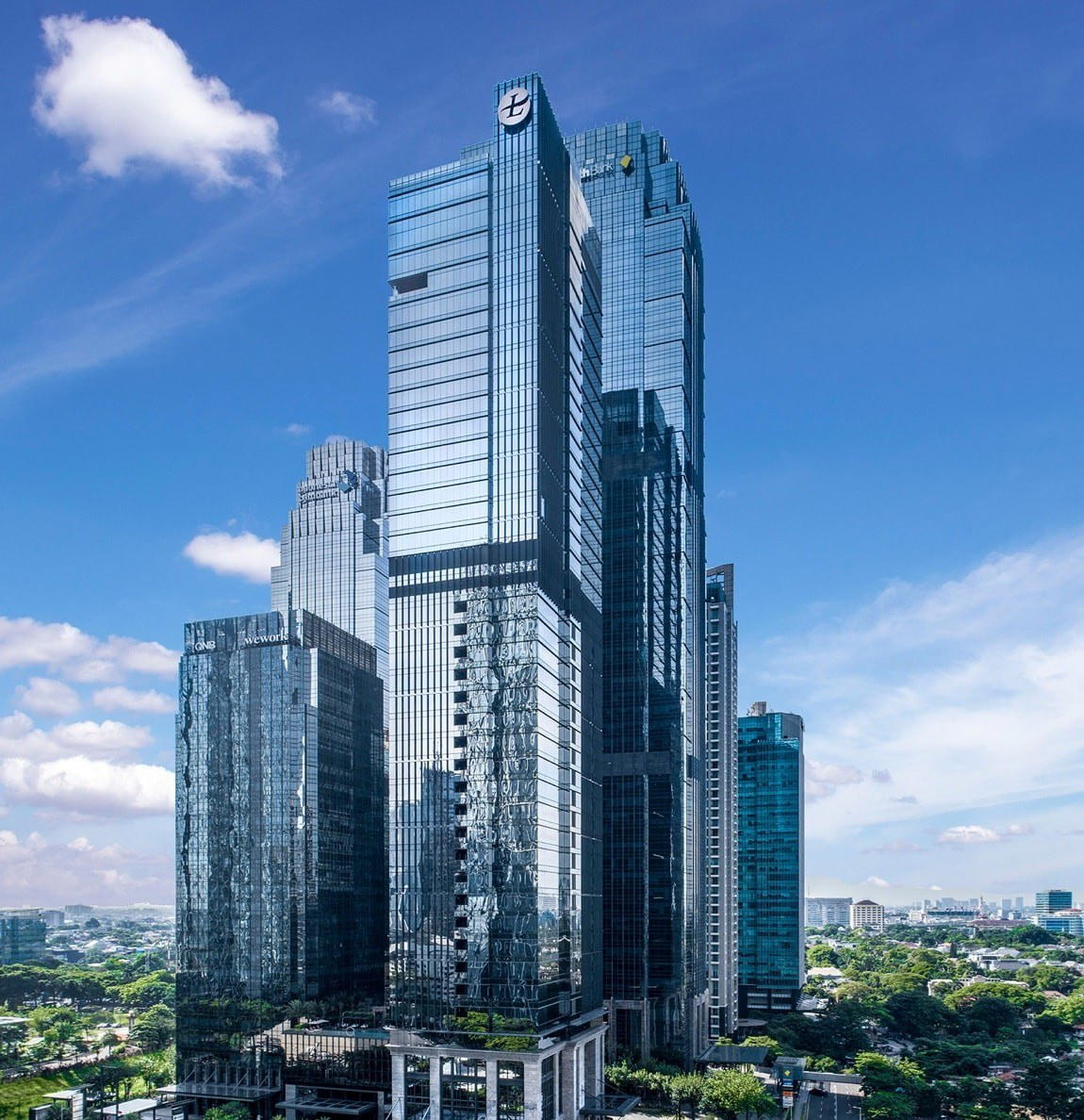
The address on Jalan Meruya Ilir Raya in the RT.4/RW.1 block of Srengseng is a residential-commercial strip rather than a destination dining address. Approaching from central Jakarta, the neighbourhood transitions quickly from arterial traffic into something quieter and more local in character. Restaurants of this type in West Jakarta tend toward open-sided or semi-open layouts, ventilation over air conditioning, plastic seating over upholstered chairs, fluorescent or warm exposed lighting over designed atmospheres. The environment is functional and social. It signals, accurately, that the kitchen's resources go into ingredients and throughput rather than interior design budgets.
This contrasts directly with the more polished West Jakarta dining options. Bakerzin Central Park operates within a mall context with full service design. The steakhouse tier, represented by venues like Bistecca or Aged + Butchered Jakarta, invests heavily in environment as part of the proposition. Pesisir Seafood does not compete in that register and, by the logic of its neighbourhood and customer base, has no reason to.
Planning a Visit
Restaurants of this category in Jakarta are typically walk-in operations, and peak hours on weekday evenings and weekend lunchtimes create genuine waits at particularly popular outlets. The practical advice is to visit during off-peak hours, mid-afternoon or early evening on weekdays.
Those mapping a broader West Jakarta or Bali dining itinerary can cross-reference the seafood-forward dining culture here against what the Bali coastal scene offers at venues like Bikini Restaurant Bali in Badung or the clifftop format at Jungle Fish Bali in Gianyar. The ingredient overlap is substantial, grilled catch, sambal, tropical vegetables, but the register differs. Bali's tourist-facing seafood restaurants have largely adapted to international pacing and plating; the restaurant operates on the domestic Indonesian rhythm.
Visitors already exploring Jakarta's wider dining geography can position this kind of neighbourhood seafood option against the city's full range. For those who want to understand how Indonesian cooking tradition plays out across different formality levels, the contrast with more composed Indonesian venues like Abunawas Restaurant in the Kemang branch is instructive. And for visitors interested in how regional Indonesian food travels into Central Java, the Kunyit Restaurant in Bandung offers a useful geographic and culinary comparison point.
At a Glance
Comparable venues nearby, for context on price, style, and recognition.
| Venue | Cuisine | Price |
|---|---|---|
| Pesisir SeafoodThis venue — the venue you are viewing | Meruya Utara, Indonesian Seafood | $$ |
| TAMU | Melawai, Modern Indonesian | $$ |
| Honu Kemang | Bangka, Hawaiian-Japanese Poke Bowls | $$ |
| Pizzeria Cavalese | Pizza | Not listed |
| Tide & Table, Restaurant | Melawai, Modern Seafood | $$$ |
| HAI SHIEN FANG | Golf Island PIK, Szechuan Hot Pot | $$ |


At a Glance
- Lively
- Cozy
- Rustic
- Group Dining
- Family
- Casual Hangout
- Standalone
- Local Sourcing
- Sustainable Seafood
Current opening hours
- Monday
- 11 AM–10 PM
- Tuesday
- 11 AM–10 PM
- Wednesday
- 11 AM–10 PM
- Thursday
- 11 AM–10 PM
- Friday
- 11 AM–10 PM
- Saturday
- 11 AM–10 PM
- Sunday
- 11 AM–10 PM
Hours can change for holidays and private events. Last verified .
Casual and comfortable dining environment with a laid-back Indonesian vibe; can be busy and lively during peak hours.