Our verdict
Hai Shien Fang sits in Golf Island, Pantai Indah Kapuk, positioning itself within North Jakarta's quieter waterfront dining corridor. The address places it away from the city's central restaurant density, making it a deliberate destination rather than a passing choice. For celebrations and milestone meals in a less congested part of the city, it occupies a distinct geographic niche.

Pearl is the En Primeur Club membership app — saves, bookings, and concierge access live there. Same editors, same standards.
- Address
- Golf Island, Rukan Pantai Indah Kapuk St No.02 Blok L 01, Kamal Muara, Penjaringan, North Jakarta City, Jakarta 14470, Indonesia
- Phone
- +6282159951133
- Website
- linktr.ee
- Directions
- Get directions
- Booking
- Book on the venue's website
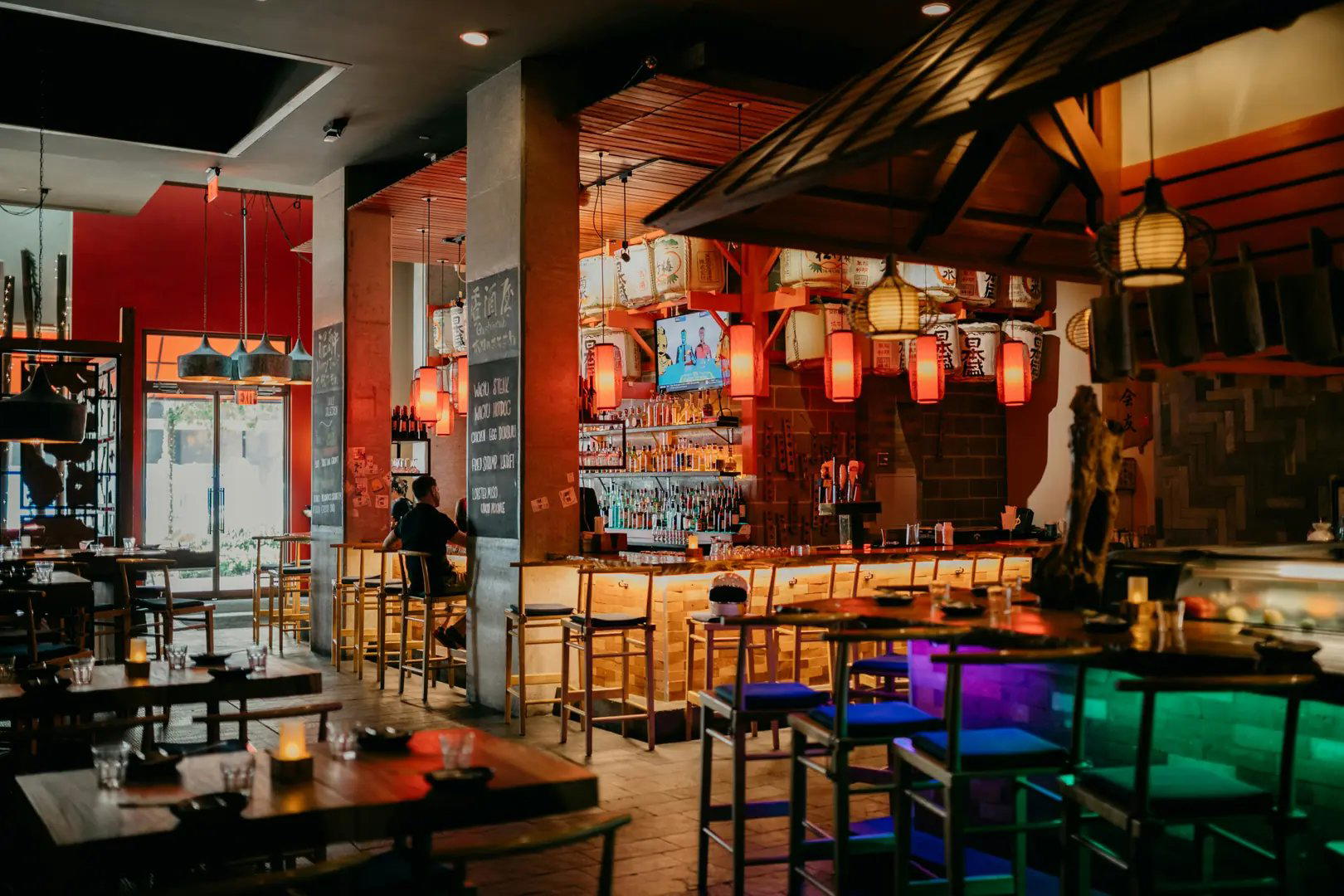
Dining at the Edge of the City: PIK's Waterfront Occasion Scene
Pantai Indah Kapuk has developed into one of Jakarta's more coherent dining enclaves outside the southern and central corridors. The Golf Island strip, where Hai Shien Fang holds its address on Rukan Pantai Indah Kapuk Street, sits within a pocket of the city that draws residents from the surrounding reclaimed-land developments and visitors making a deliberate trip north. This is not the Jakarta of Kemang or SCBD — the pace is different, the crowd is more neighbourhood-rooted, and the restaurants that work here tend to do so because they serve a clear local function rather than capitalising on foot traffic from office towers.
Chinese dining in Jakarta follows a well-established social logic. Jakarta's Chinese-Indonesian dining scene is one of the most layered in Southeast Asia, shaped by centuries of Hokkien, Hakka, and Cantonese migration patterns that left permanent marks on how the city eats, celebrates, and marks occasions.
The Logic of Occasion Dining in North Jakarta
In Jakarta's Chinese restaurant culture, the occasion meal carries specific weight. Birthdays, business dinners, engagement gatherings, and family milestones tend to gravitate toward restaurants that offer spatial privacy, a sense of ceremony, and menus capable of feeding groups across multiple courses. The PIK area, with its lower density and more suburban residential character than central Jakarta, has developed a cluster of restaurants that serve precisely this function for the communities living in and around the reclaimed coastal zones.
Hai Shien Fang's location on Golf Island fits that pattern. The address, Blok L 01 within the Rukan complex, suggests a shophouse or commercial unit format typical of the area's dining infrastructure. These formats, common across PIK's restaurant strip, often translate into larger internal footprints than their street-facing facades suggest, making them practical for groups and private dining arrangements that occasion meals require. For those planning a celebration dinner in North Jakarta rather than making the journey to August or Bistecca in the southern districts, proximity and neighbourhood familiarity carry real weight.
Chinese-Indonesian Dining: How Jakarta's Scene Is Structured
Jakarta's Chinese restaurant market operates across several distinct tiers and formats. At one end sit the grand banquet houses, capable of accommodating wedding-scale gatherings with multiple private rooms and fixed banquet menus. At the other are the tighter, more specialist operations focused on a specific regional Chinese tradition, whether Cantonese dim sum, Sichuan heat-forward cooking, or Hokkien seafood. Venues like Hwang Fu Dimsum in Tangerang and Hai Di Lao in Central Jakarta occupy different positions within this spectrum, the former rooted in the dim sum tradition, the latter a global hotpot chain with high service theatrics. Chongqing Liuyishou Hotpot in South Jakarta represents the Sichuan-forward hotpot end of the market.
Hai Shien Fang, based on its name and geographic positioning, likely occupies a middle tier within this structure, a full-service Chinese restaurant oriented toward group dining rather than a narrow specialist format. The PIK area's demographic, largely middle-to-upper residential, sustains this tier well. The restaurants that thrive in this corridor tend to balance a broad menu capable of satisfying multi-generational family tables with enough kitchen ambition to justify the occasion-level spend.
For those whose Jakarta dining extends beyond the city itself, the broader Indonesian dining scene offers useful reference points. Locavore NXT in Ubud and Jungle Fish Bali in Gianyar represent the kind of destination-level occasion dining that Bali has developed around international-facing formats. Jakarta's Chinese dining tradition is a different proposition entirely, less internationally codified, more deeply embedded in the city's social fabric, and more dependent on an understanding of how local families actually use restaurants for the meals that matter most.
Getting There and Planning the Visit
Reaching Hai Shien Fang requires navigating Jakarta's northern arterials, which connect the city centre to PIK via the toll road system. From central Jakarta, the journey typically runs through the Pluit interchange, with Golf Island accessible from the main PIK boulevard. Traffic patterns in Jakarta make timing relevant: evening reservations mid-week carry fewer logistical complications than weekend dinner hours, when PIK's restaurant strip draws significant local volume. For visitors staying in central or southern Jakarta, the trip north is a commitment, leading treated as the destination of the evening rather than one stop in a longer night. Those comparing Jakarta's dining options across the city can reference our full Jakarta restaurants guide for broader orientation.
Given the address format and the area's general dining conventions, walk-in capacity for large groups should be confirmed in advance, particularly for weekend evenings when group bookings fill tables early.
Placing Hai Shien Fang in Jakarta's Wider Context
Jakarta's dining map has expanded considerably beyond its traditional centres. Venues like Kita Restaurant and Bar in Kecamatan Menteng and Abunawas Restaurant in Kemang anchor the city's more established dining zones. The PIK corridor, by contrast, has built its identity through consistent local patronage rather than critical attention, which means its restaurants tend to be evaluated by their communities on reliability and value for occasion meals rather than on innovation or press recognition. Globally, the occasion-dining logic has parallels in very different contexts, Le Bernardin in New York City and Atomix in New York City both function as milestone-meal destinations, though within frameworks of formal critical recognition that PIK's dining scene does not operate within.
The honest position for Hai Shien Fang is that of a neighbourhood-anchored Chinese restaurant serving an underserved geographic pocket of Jakarta's dining map. For the communities north of the city centre, it represents proximity and occasion-meal convenience that venues further south cannot offer. Whether that proposition extends to a worthwhile cross-city journey depends on specifics, menu quality, group format, and occasion type, that are leading assessed through direct contact with the restaurant.
Frequently asked questions
What's HAI SHIEN FANG's location?
HAI SHIEN FANG is located at Golf Island, Rukan Pantai Indah Kapuk St No.02 Blok L 01, Kamal Muara, Penjaringan, North Jakarta City, Jakarta 14470, Indonesia, Jakarta.
Is Hai Shien Fang a good choice for a business dinner in North Jakarta?
Hai Shien Fang's location on Golf Island within the Pantai Indah Kapuk enclave places it in one of Jakarta's more established outer-city dining corridors, where Chinese restaurants have historically served corporate and family occasion meals. The Rukan shophouse format at Blok L 01 typically allows for private or semi-private seating arrangements suited to smaller business groups. Jakarta's Chinese restaurant culture treats the formal group dinner as a distinct category, and PIK venues in this corridor generally support that format. Confirming table configuration and capacity directly with the restaurant is recommended before finalising a booking.
What's the signature dish at HAI SHIEN FANG?
Published menu records for Hai Shien Fang are not currently detailed enough to name a confirmed signature dish. The restaurant name itself references seafood in Chinese, which points toward a marine-focused menu consistent with the broader Chinese dining tradition in Jakarta's Pantai Indah Kapuk corridor. Contacting the venue directly at its Golf Island, Rukan Pantai Indah Kapuk location is the most reliable route to current dish information.
Can I walk in to HAI SHIEN FANG?
Chinese restaurants along PIK's Golf Island strip that handle group and occasion bookings typically operate with higher weekend demand, making advance contact advisable before visiting. The address at Rukan Pantai Indah Kapuk St No.02 Blok L 01 in North Jakarta is the starting point for any booking inquiry.
What's the signature at HAI SHIEN FANG?
Hai Shien Fang's positioning within North Jakarta's Chinese dining scene aligns with the occasion-format restaurants that anchor PIK's Golf Island strip, where seafood-centred menus and group table service are the standard offering. Reaching out directly to the restaurant at its Kamal Muara, Penjaringan address will give you the most accurate picture of what the kitchen is known for.
Cost Snapshot
| Venue | Cuisine | Price | Awards | Notes |
|---|---|---|---|---|
| HAI SHIEN FANGThis venue — the venue you are viewing | Szechuan Hot Pot | $20–30 | Not listed | Not listed |
| Kaum | Modern Indonesian | $30–50 | Not listed | Indonesian |
| August | Modern Indonesian Fusion | Not listed | World's 50 Best #42 · Tatler Listed in Best Restaurants Asia-Pacific | Not listed |
| Meatguy Steakhouse | Premium Dry-Aged Steakhouse | $100–150 | Not listed | Not listed |
| Cork&Screw Pacific Place | Modern Fusion with Asian and Western Influences | $20–30 | Star Wine List | Not listed |
| Esa | New Jakarta Cuisine | Not listed | Tatler Listed in Best Restaurants Asia-Pacific | Not listed |
Continue exploring
More in Jakarta
Restaurants in Jakarta
Browse all →

Details
- Lively
- Group Dining
- Casual Hangout
- Open Kitchen
- A La Carte
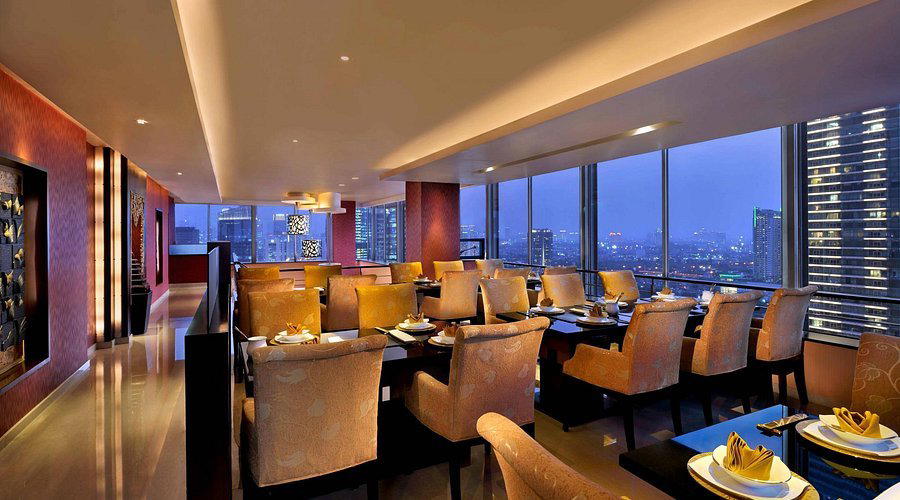
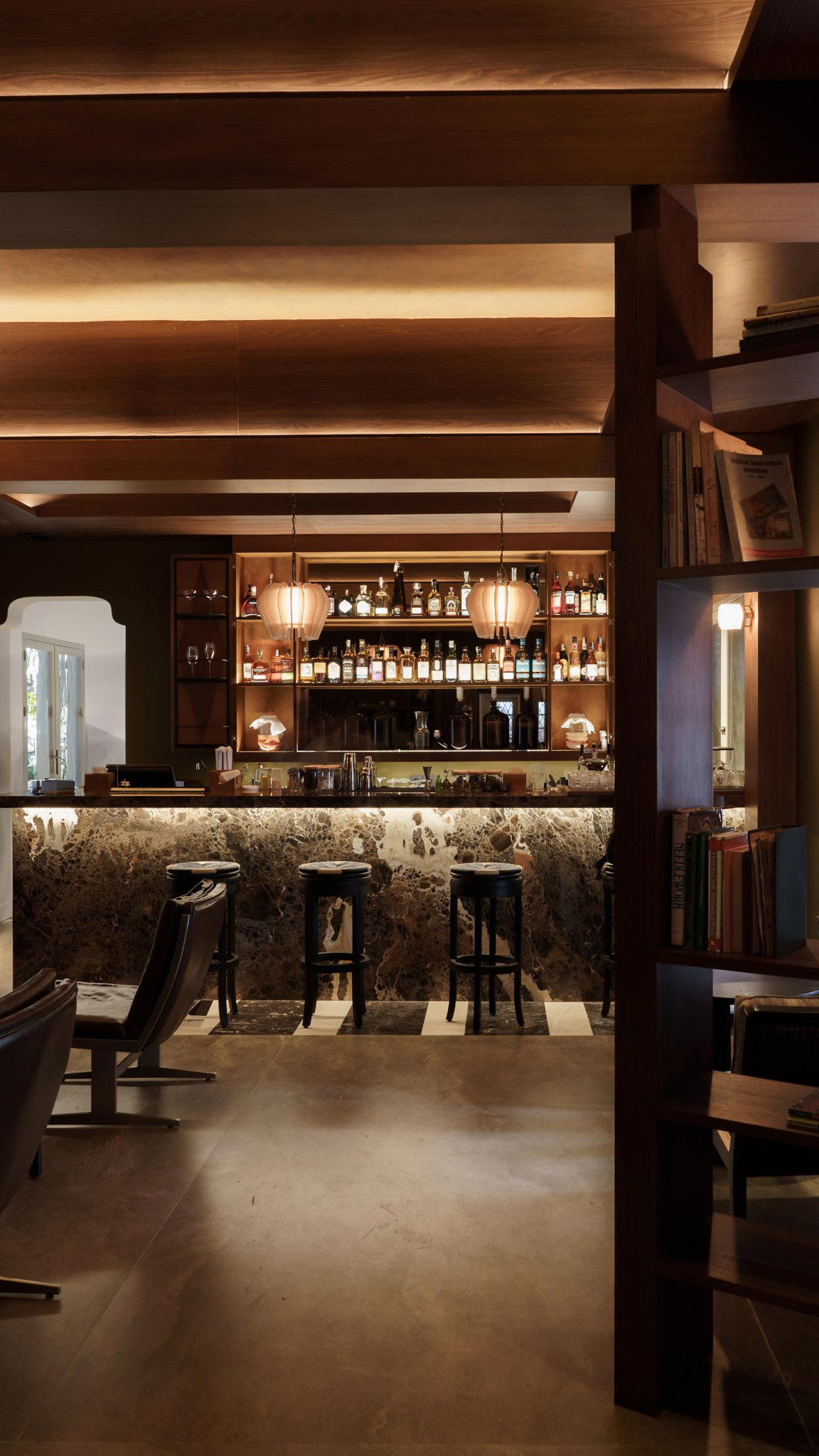
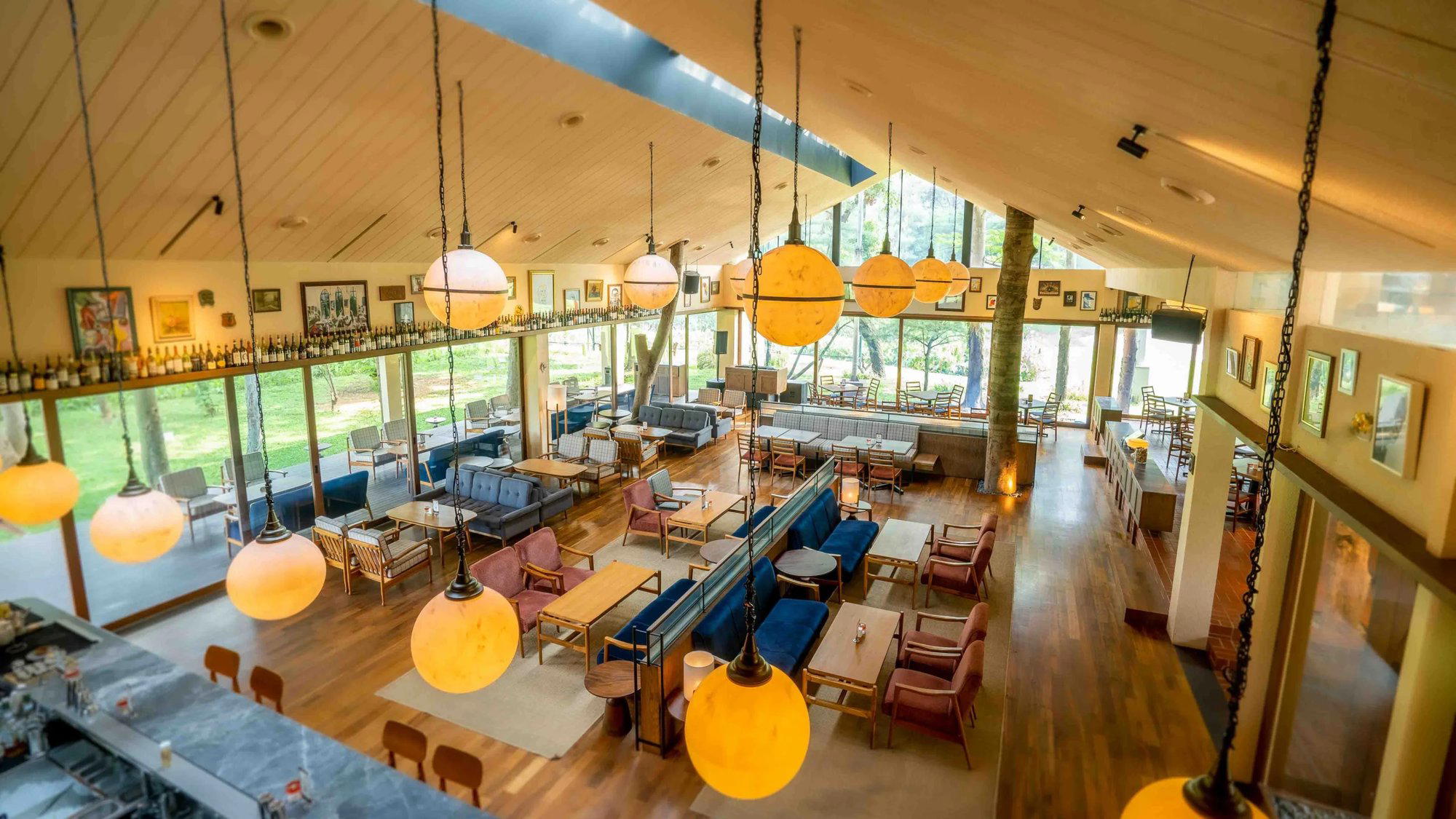
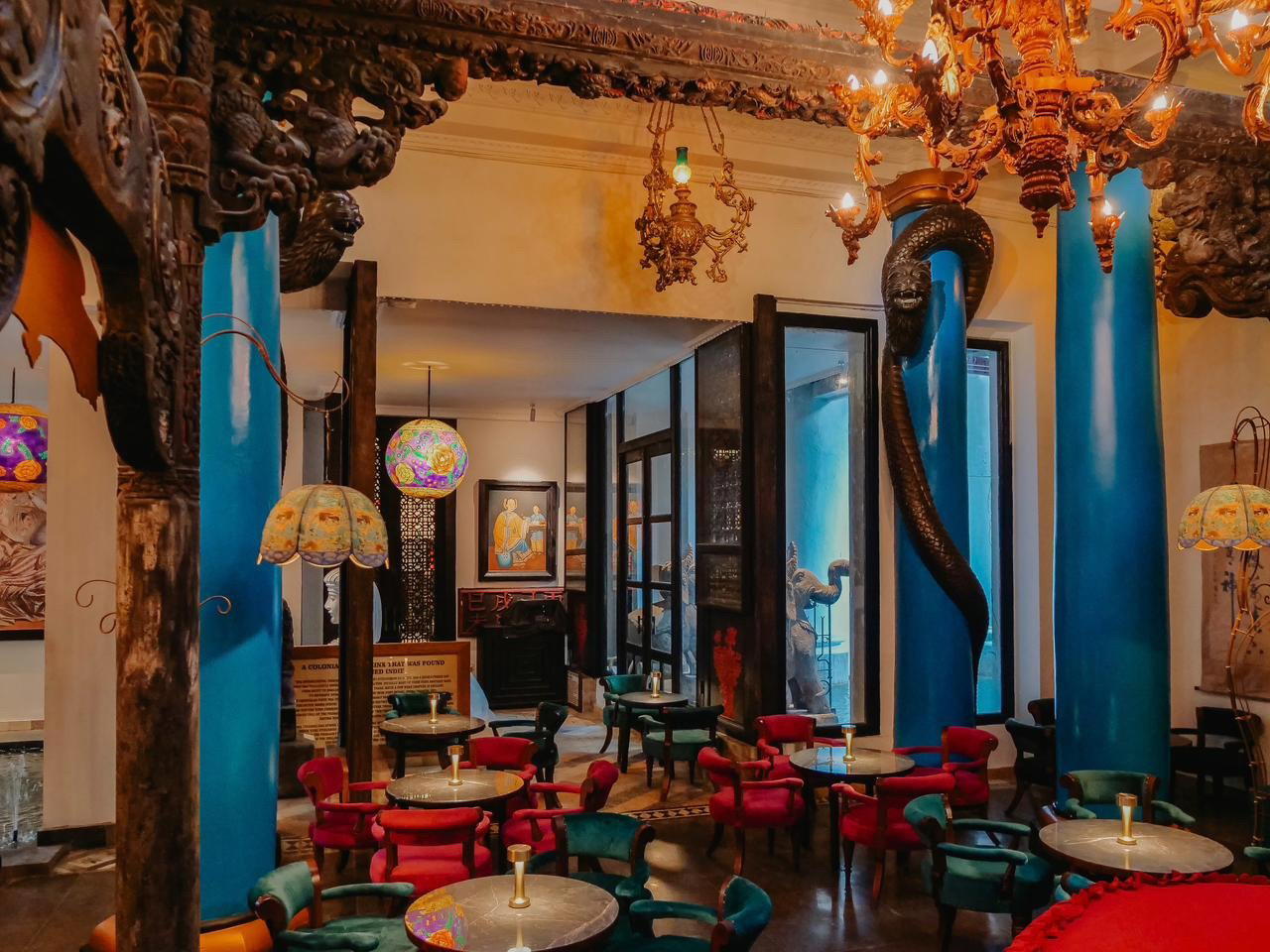
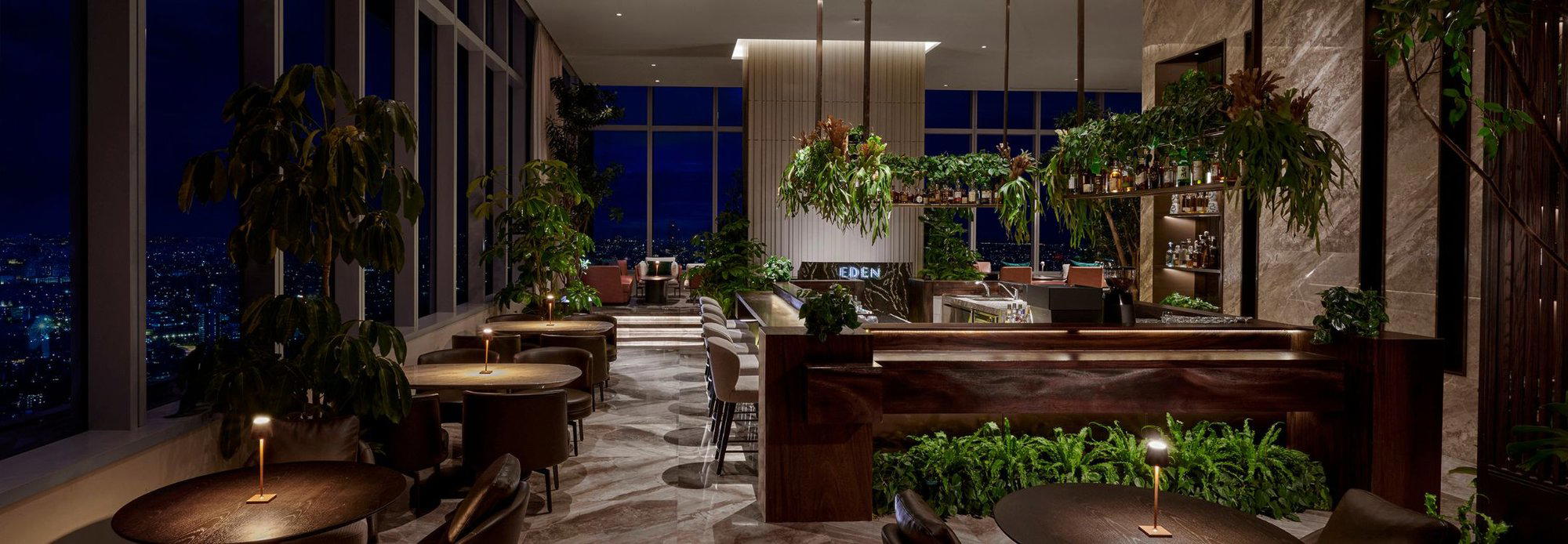
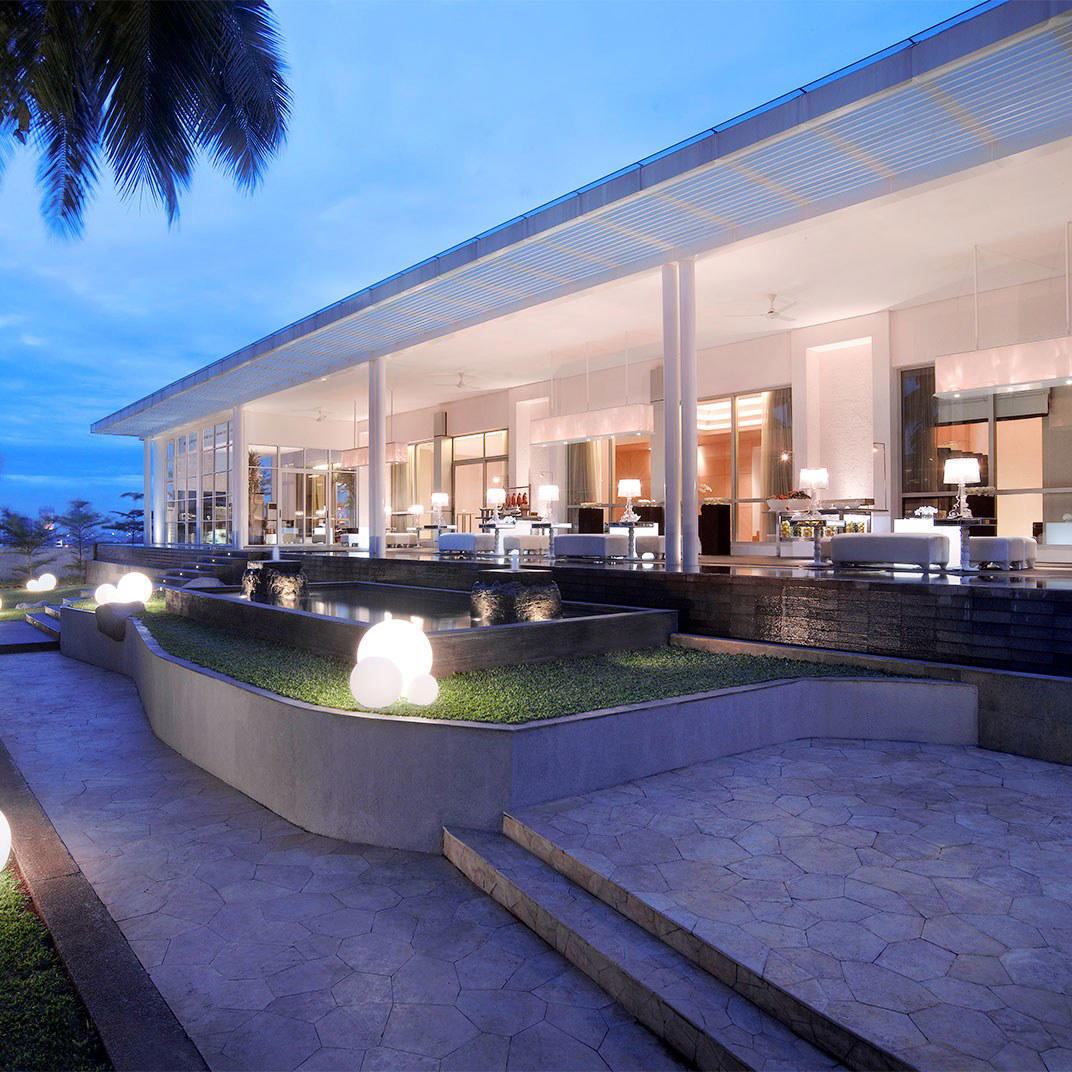
Serene dining atmosphere with dramatic golf course views.