Tucano's Brazilian BBQ brings the churrascaria format to Jakarta's Tanah Abang district, operating from the Pavilion Retail Arcade on Jl. K.H. Mas Mansyur. The rodízio-style service model, where cuts circulate continuously until the diner signals otherwise, places it in a small cohort of dedicated Brazilian barbecue operations in the Indonesian capital. For Jakarta diners accustomed to mixed-grill formats, the Brazilian approach to fire and meat represents a distinct point of difference.
Pearl is the En Primeur Club membership app — saves, bookings, and concierge access live there. Same editors, same standards.
- Address
- Pavilion Retail Arcade, Jl. K.H. Mas Mansyur No.24, RT.12/RW.11, Karet Tengsin, Kecamatan Tanah Abang, Kota Jakarta Pusat, Daerah Khusus Ibukota Jakarta 10250, Indonesia
- Phone
- +622129023398
- Website
- primarasagroup.com
- Directions
- Get directions
 Saves & bookings on Pearl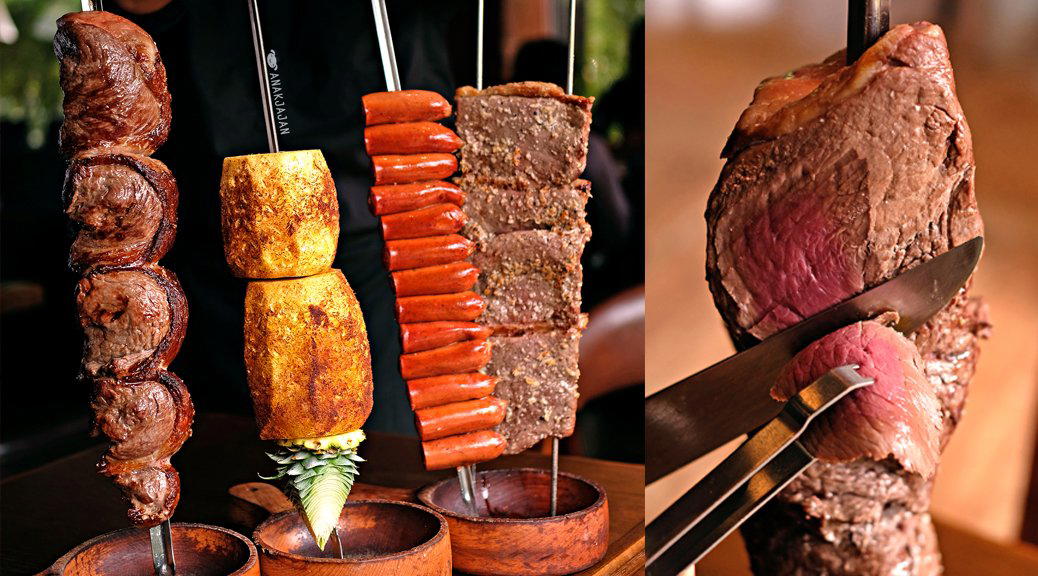
The Churrascaria Format in a Southeast Asian Context
The rodízio model, continuous tableside service of skewered, fire-roasted meats until the guest flips a signal card, has a specific logic built around abundance and restraint working in tension. Across Southeast Asia, that format remains genuinely rare outside of dedicated Brazilian houses, and Jakarta's version of it sits inside a city where grilled meat culture is strong but the Brazilian lineage is almost entirely absent from local tradition. Tucano's Brazilian BBQ, operating from the Pavilion Retail Arcade in the Tanah Abang district of Central Jakarta, occupies that narrow niche.
The Tanah Abang address matters more than it might appear. The district sits within one of Jakarta's most commercially active zones, with the retail arcade format giving it proximity to a working, transiting crowd rather than the destination-dining crowd that gravitates toward, say, the Menteng or Kemang corridors. Compare that positioning to a restaurant like Kita 喜多 Restaurant And Bar in Kecamatan Menteng, which operates in a more curated residential-commercial neighbourhood, and the distinction in audience and atmosphere becomes clear. Tucano's is catching footfall as much as it is drawing destination diners.
What the Churrascaria Model Means for Waste and Sourcing
Sustainability argument around churrascaria is genuinely complicated. The rodízio format is structurally high-volume on protein: gauchos circulate continuously, cutting from full roasting skewers at pace, and the design assumption is that the kitchen operates in surplus so no guest ever waits. That model, executed carelessly, generates significant waste, partly in the kitchen during prep, partly at the table when enthusiasm for the early rounds outpaces capacity by the later ones.
Brazilian BBQ operations that take this seriously tend to work differently at the sourcing end, tightening relationships with suppliers to calibrate volume against actual covers rather than theoretical capacity. In Jakarta's broader meat-forward dining category, there is visible movement in this direction: Aged + Butchered Jakarta has built part of its identity around provenance transparency, and Bistecca positions its sourcing choices as part of the dining proposition. The question for any churrascaria operating in this city is whether the rodízio model can be run with that level of intentionality, or whether the format's inherent logic pulls toward throughput over traceability.
For Jakarta diners who have engaged with restaurants where sourcing is a stated editorial priority, like August, which has drawn attention for its considered approach to ingredients, the contrast with a volume-driven BBQ format is worth holding in mind. These are different ambitions, not competing ones, but the difference shapes the experience and the questions worth asking when you arrive.
Fire, Meat, and the Brazilian Tradition
The churrasco tradition as practised in southern Brazil, particularly in Rio Grande do Sul, is built around specific cuts treated with minimal intervention: rock salt seasoning, direct flame, and rest. The gaucho tradition is about process discipline and heat management more than marinade complexity. That discipline is what separates competent churrascaria from a generic mixed grill, and it is the benchmark against which any Brazilian BBQ operation in Southeast Asia should be measured.
Skewered cuts that commonly define the format include picanha (rump cap, typically the signature cut in any serious Brazilian house), fraldinha (flank), costela (ribs), and linguiça (smoked sausage), with the quality of the picanha serving as a reliable indicator of overall kitchen standards. The fat cap on a properly handled picanha should be intact and rendered down through the roasting process, with the meat beneath it carrying the caramelisation of direct flame without dryness at the centre. Whether Tucano's executes to that standard is something the kitchen's sourcing relationships and fire management would determine.
Jakarta's broader grilled-meat category has expanded considerably in recent years, with hotpot and communal cooking formats also drawing a growing share of the city's appetite for interactive, protein-heavy dining. Hai Di Lao in Central Jakarta and Chongqing Liuyishou Hotpot in South Jakarta represent the Chinese hotpot end of that spectrum. The Brazilian BBQ format sits apart from those by virtue of being chef-driven at the skewer rather than guest-driven at the table, the kitchen retains control of the cooking, which creates a different hospitality dynamic.
Where This Fits in the Jakarta Dining Scene
Jakarta's restaurant market is large enough to sustain significant category diversity, and international cuisine formats that would read as exotic in smaller Indonesian cities find functional audiences here. Brazilian BBQ falls into a small peer group, distinct from the steakhouse category, distinct from the Indonesian mixed-grill tradition, and distinct from the broader Southeast Asian interest in Korean BBQ formats, which have a much larger footprint in the city. For those exploring the range of what the capital's dining offers beyond Indonesian and pan-Asian cooking, the churrascaria format represents a genuinely different register. Our full Jakarta restaurants guide maps that range across neighbourhoods and cuisines.
For comparison, Jakarta's meat-forward dining has also been shaped by proximity to Bali's more internationally oriented dining culture, where restaurants like Jungle Fish Bali in Gianyar and Locavore NXT in Ubud have raised the bar on sourcing transparency and format discipline. That influence filters northward, raising diner expectations across the archipelago.
Planning Your Visit
Tucano's Brazilian BBQ is located within the Pavilion Retail Arcade at Jl. K.H. Mas Mansyur No. 24, in the Karet Tengsin area of Tanah Abang, Central Jakarta. The retail arcade setting means access is direct by ride-hailing services, which dominate Central Jakarta transit for non-commuters. The Tanah Abang district is commercially dense, particularly during daytime hours, so evening visits tend to involve easier access and a different crowd composition than lunch.
Price and Recognition
Comparable venues nearby, for context on price, style, and recognition.
| Venue | Cuisine | Price | Notes |
|---|---|---|---|
| Tucano's Brazilian BBQThis venue — the venue you are viewing | Not listed | $$ | Not listed |
| HAI SHIEN FANG | Golf Island PIK, Szechuan Hot Pot | $$ | Not listed |
| Shaburi & Kintan Buffet | Not listed | $$ | Gelora, Japanese Shabu-Shabu & Yakiniku Buffet |
| Hachi Grill Ampera | Not listed | $$ | Ragunan, Japanese Yakiniku & Shabu-Shabu All-You-Can-Eat |
| Krispypork Home - Crispy Pork Belly | Kembangan Utara, Pork-Focused Fusion | $$ | Not listed |
| Honu Kemang | Bangka, Hawaiian-Japanese Poke Bowls | $$ | Not listed |
At a Glance
- Lively
- Energetic
- Group Dining
- Family
- Celebration
- Open Kitchen
Current opening hours
- Monday
- 11 AM–10 PM
- Tuesday
- 11 AM–10 PM
- Wednesday
- 11 AM–10 PM
- Thursday
- 11 AM–10 PM
- Friday
- 11 AM–10 PM
- Saturday
- 11 AM–10 PM
- Sunday
- 11 AM–10 PM
Hours can change for holidays and private events. Last verified .
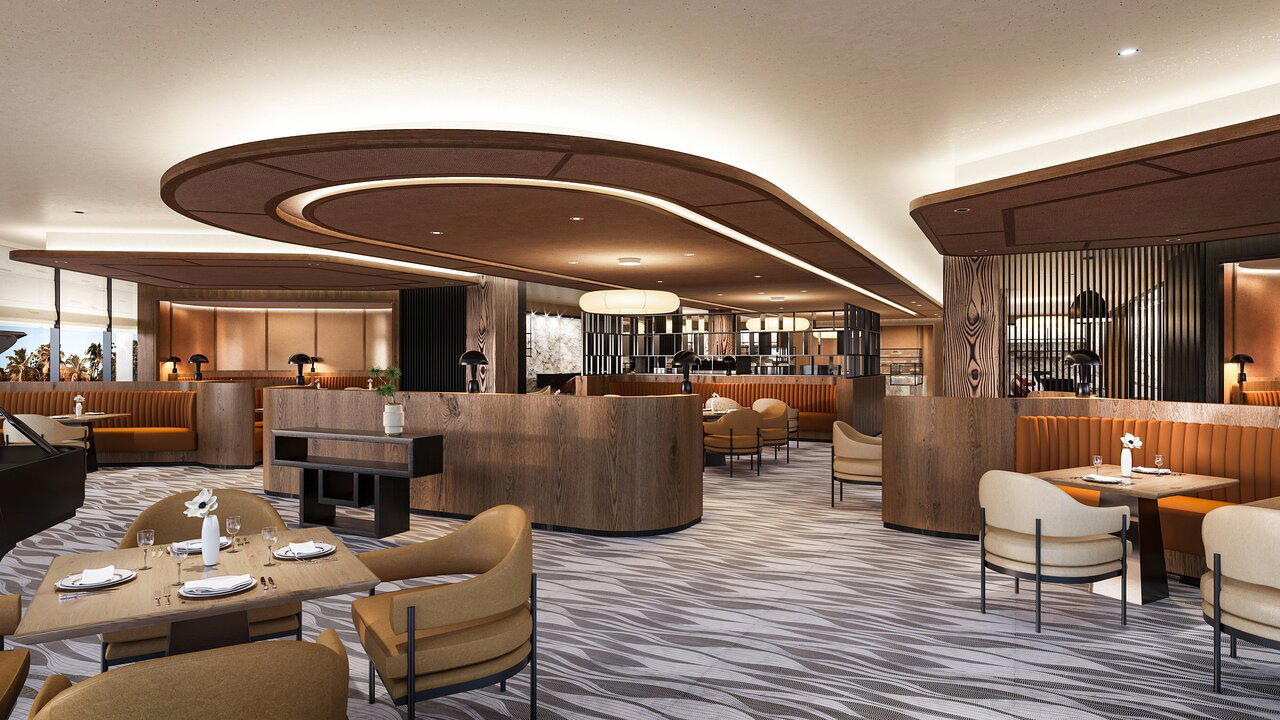
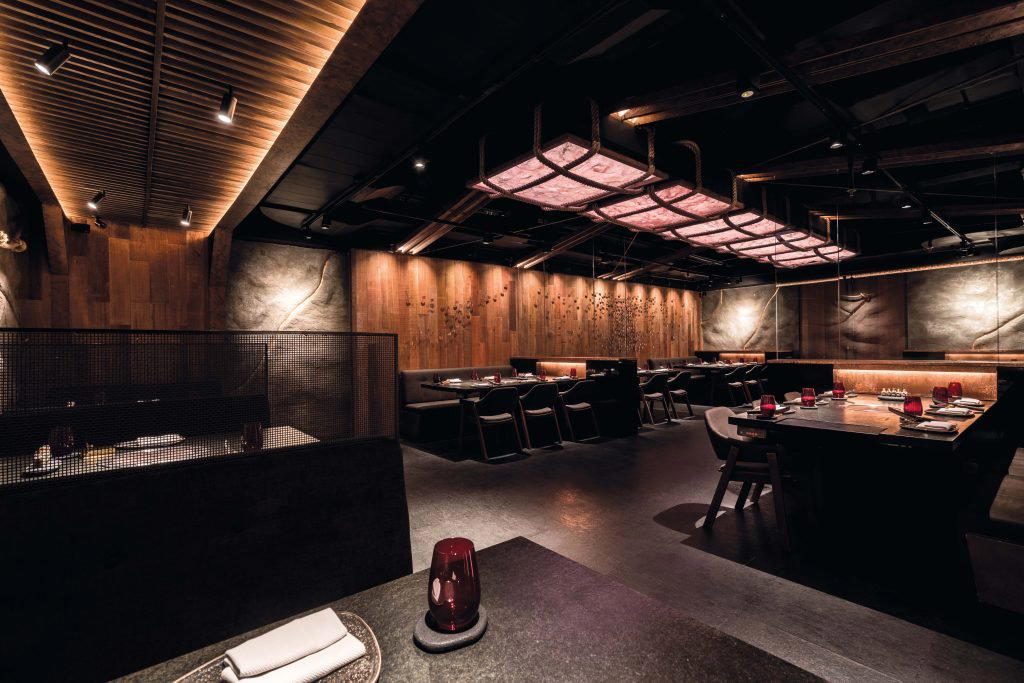
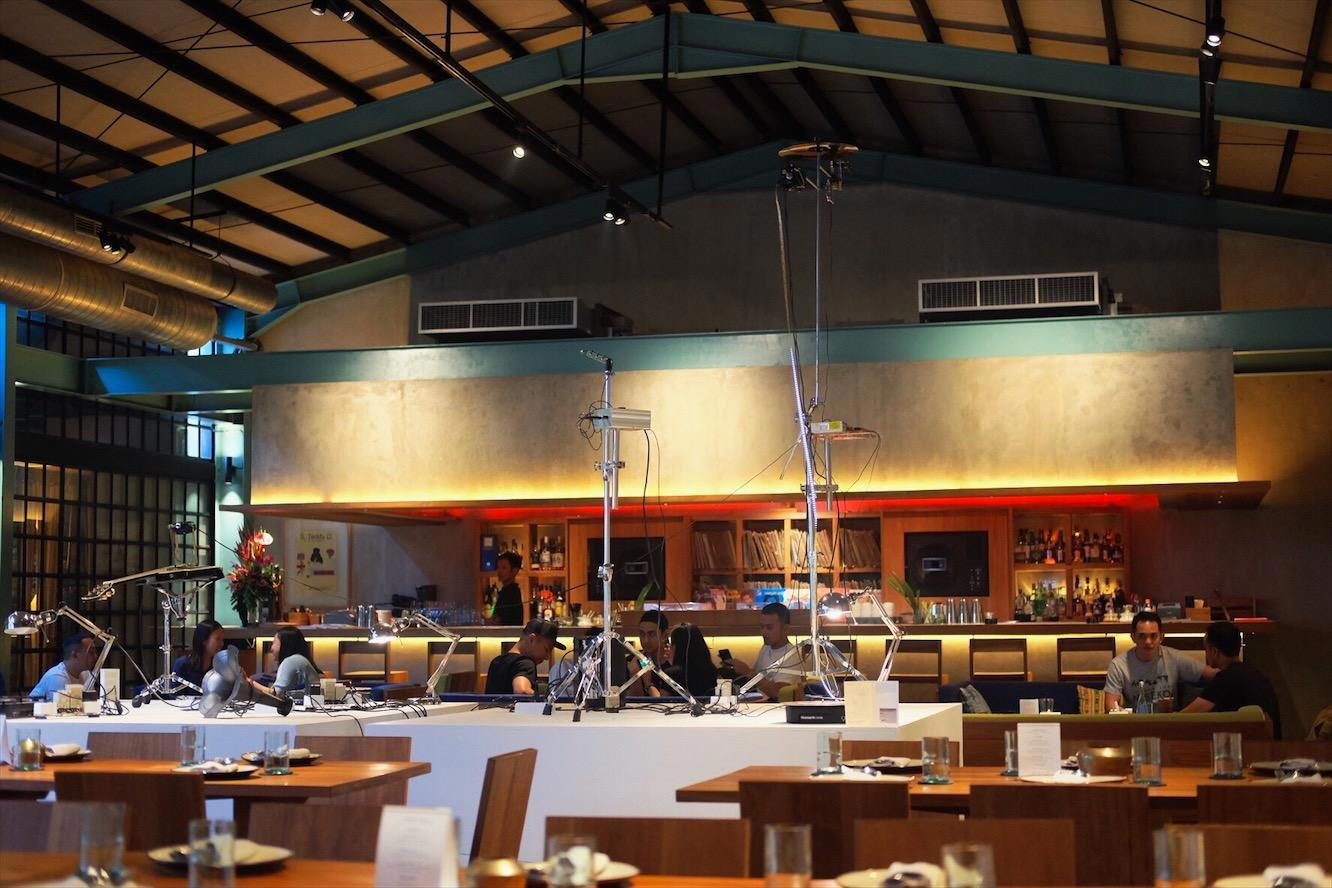
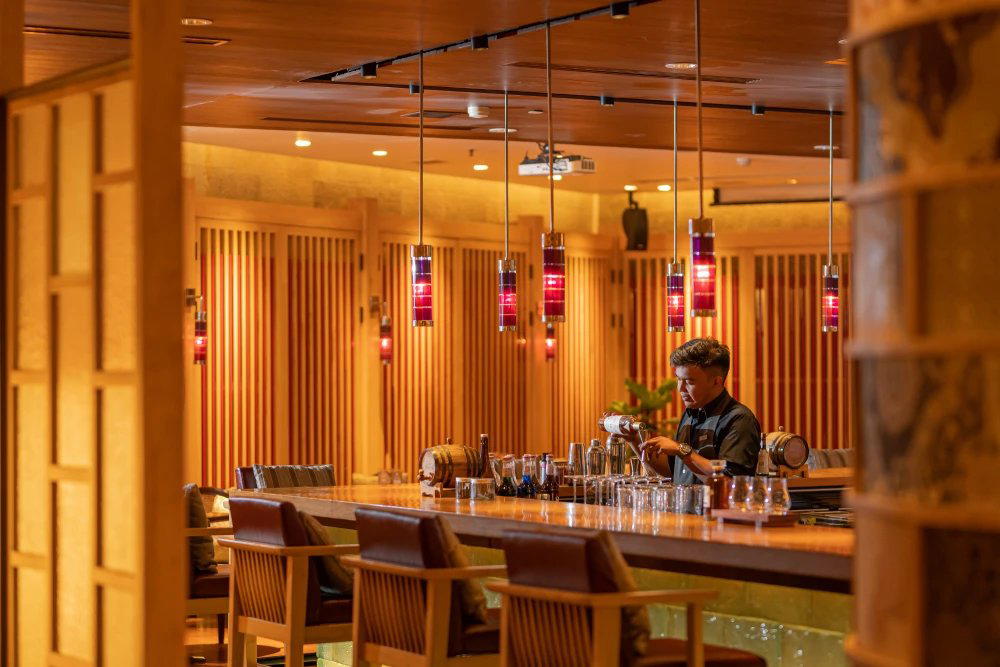
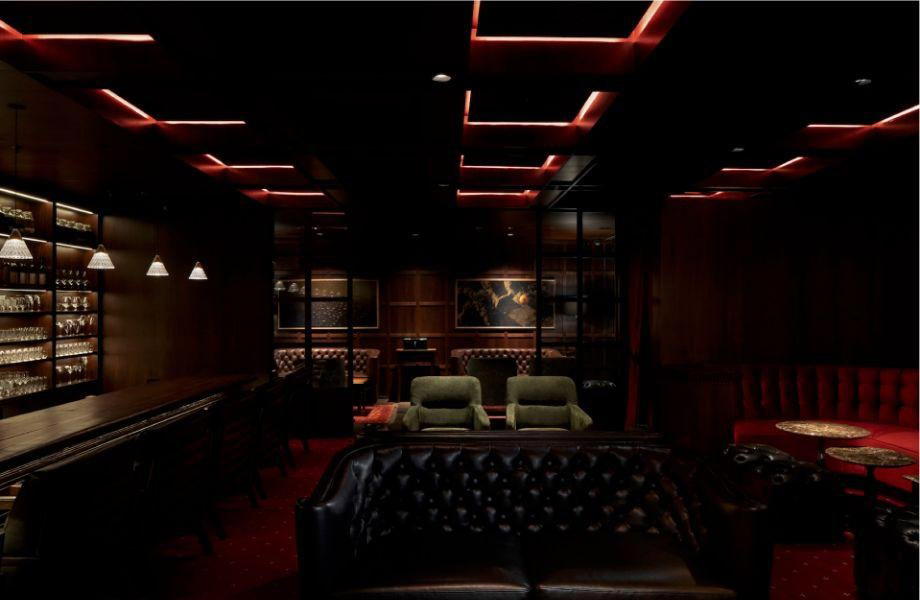
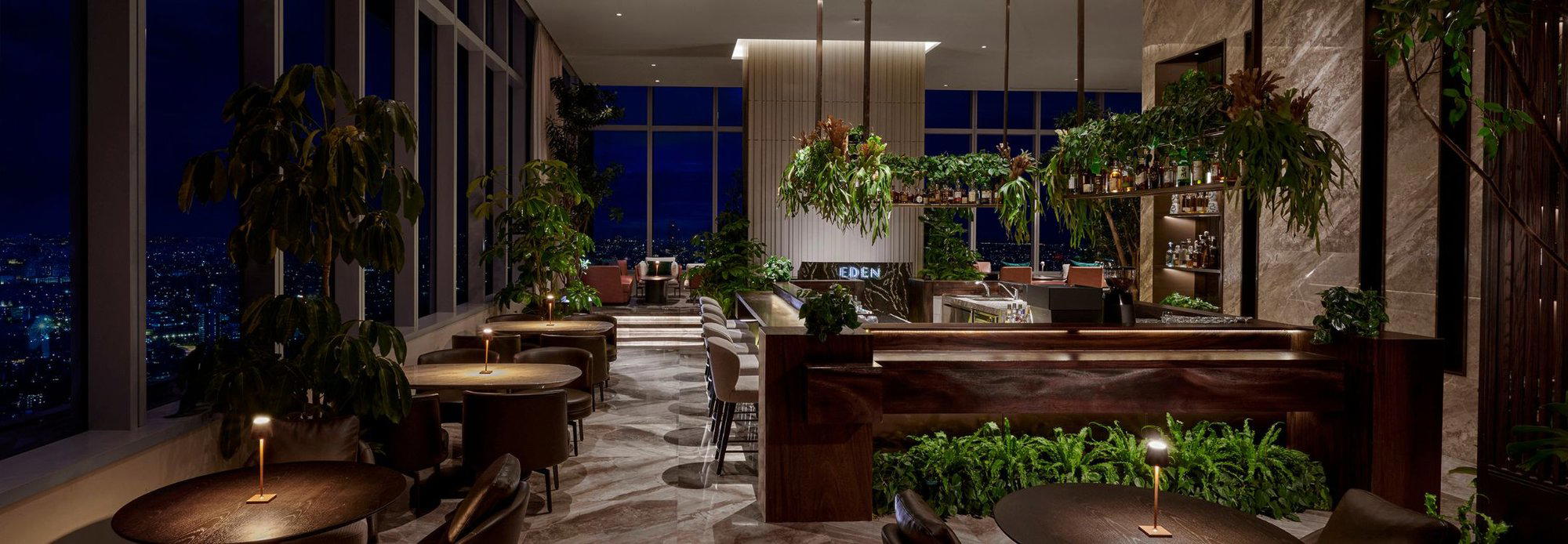
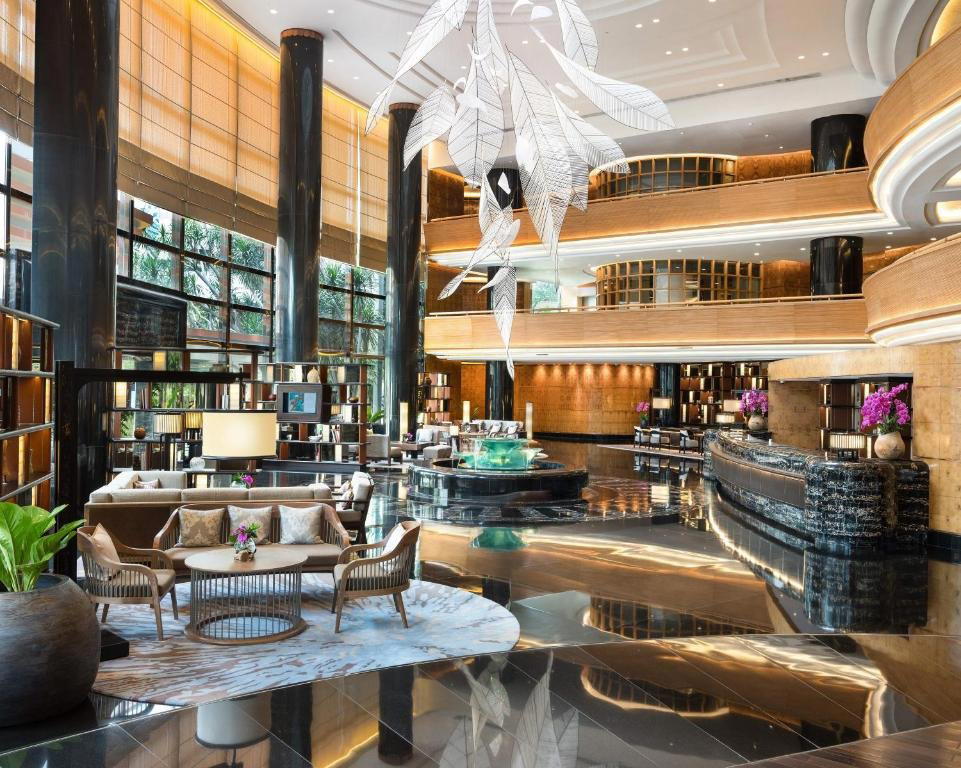
Lively and festive with a lively atmosphere centered around endless grilled meats and a bustling buffet.