Abunawas Restaurant's Kemang branch sits on Jalan Kemang Utara in South Jakarta, a neighbourhood that has long hosted the city's most consistent dining scene for Indonesian and Middle Eastern cooking traditions. The address places it within walking distance of Kemang's restaurant corridor, where the ritual of a long, shared meal remains the organizing principle of the dining experience.
Pearl is the En Primeur Club membership app — saves, bookings, and concierge access live there. Same editors, same standards.
- Address
- Jl. Kemang Utara No.15, RT.7/RW.1, Bangka, Kec. Mampang Prpt., Kota Jakarta Selatan, Daerah Khusus Ibukota Jakarta 12730, Indonesia
- Phone
- +622171794691
- Website
- abunawasresto.com
- Directions
- Get directions
 Saves & bookings on Pearl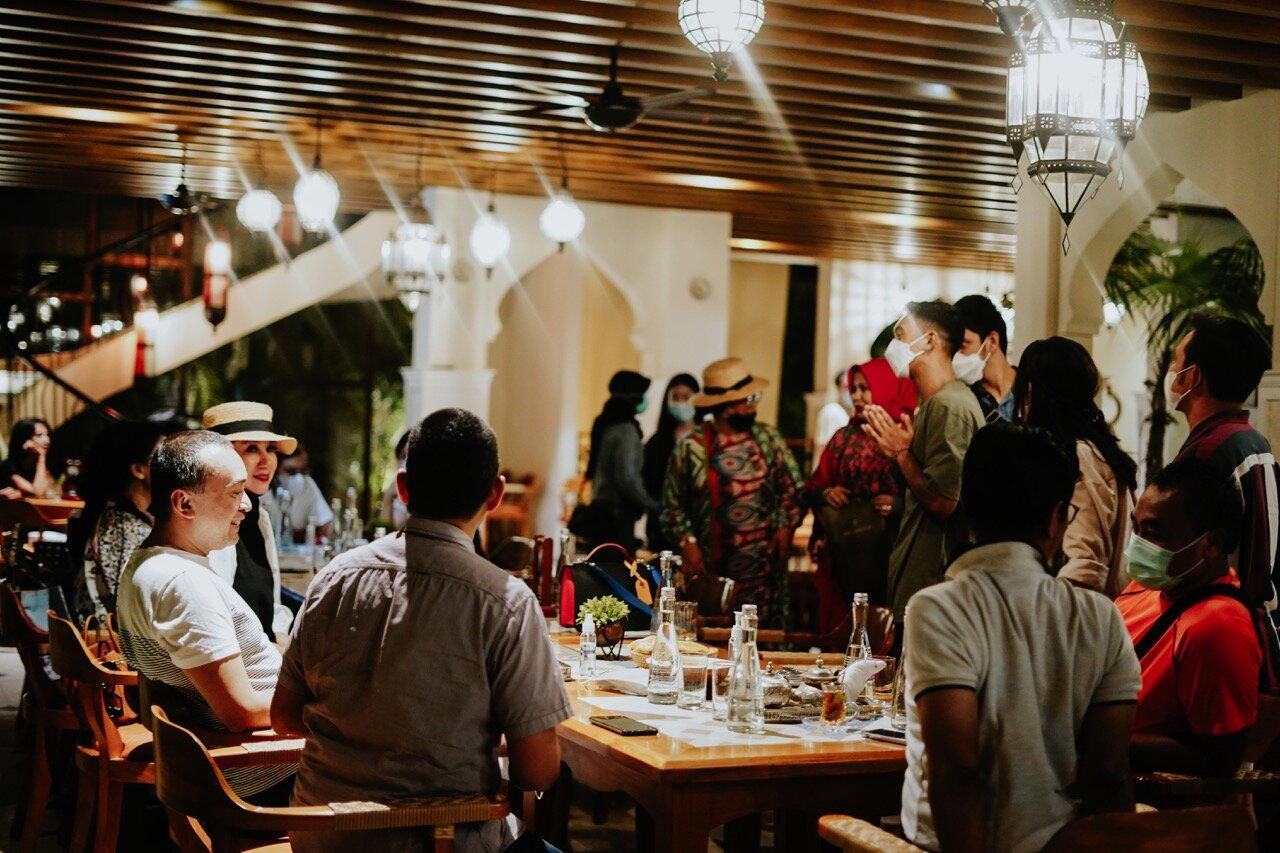
Kemang and the Architecture of the Long Meal
Jakarta's dining culture does not reward impatience. In Kemang, South Jakarta's most enduring restaurant quarter, the standard format is not a quick cover-and-turn but a protracted table, where food arrives in waves and the act of eating together carries more social weight than the individual dish. Jalan Kemang Utara and its surrounding streets have maintained this character for decades, surviving the city's periodic waves of new neighbourhoods and format reinvention. The Kemang branch of Abunawas Restaurant sits on this street at number 15.
That context matters. When Indonesian and Middle Eastern dining traditions converge in a Kemang setting, the result tends to be a table organized around abundance rather than scarcity: multiple dishes arriving at once, bread or rice as the structural anchor, and the expectation that guests will govern their own pacing. It is a format that Jakarta diners understand instinctively, and one that visitors from tighter, more choreographed dining scenes in Singapore or Hong Kong sometimes find disorienting in a favorable sense.
The Dining Ritual at Kemang Tables
The organizing logic of a meal in this part of Jakarta draws from both Indonesian adat (custom) and the Arab-influenced cooking traditions that have been part of the city's culinary fabric since the early Hadhrami migration to the archipelago. Abunawas as a name carries a literary reference to the famous Abbasid-era poet Abu Nuwas, a figure associated in Indonesian and Arab popular culture with wit, pleasure, and an appetite for the good things in life. That framing, whether conscious or inherited, shapes the register of the dining experience: convivial, generous, and structured around the pleasures of the table rather than any particular technical ambition.
In practical terms, this means the ritual at a Kemang table like this one tends to begin with cold or room-temperature preparations, progress through slow-cooked or grilled main dishes, and conclude with something sweet and strong. The bread service, often a central element in restaurants working within Arab-Indonesian culinary traditions, functions as both utensil and dish, and the pace of eating is governed by the bread's presence rather than by a server's timing. This is a markedly different dining clock from what you find at, say, August in central Jakarta, where a European-inflected tasting format imposes its own sequence, or at Bistecca, where the meal organizes itself around a single centrepiece cut. At Aged + Butchered Jakarta, the ritual is similarly anchored to a dominant protein, but the social logic differs entirely from the shared-table abundance model.
Indonesian dining traditions that operate outside the fine-dining bracket often preserve a more democratic relationship between dishes: no single preparation is designated the star, and the table functions as a commons. This is visible in the Padang tradition (where dishes arrive simultaneously and you pay for what you eat, a system that CARANO Masakan Padang in Bekasi keeps alive in the greater Jakarta area), and it surfaces in various forms across the city's Middle Eastern and Arab-Indonesian restaurants. Abunawas operates somewhere in this cultural current, presenting food in a format that reflects the city's layered culinary inheritance.
Kemang in the Jakarta Dining Map
Kemang's status as a restaurant destination has never depended on a single format or cuisine type. The neighbourhood has historically attracted a mixed clientele of expatriates, upper-middle-class Jakarta families, and the creative industries cluster that has long based itself in South Jakarta. This demographic diversity has produced a dining corridor where Indonesian, Middle Eastern, Japanese, and European restaurants sit within a few hundred metres of each other, competing on atmosphere and consistency rather than novelty. The contrast with newer Jakarta dining precincts, which tend to organize around a single F&B; concept at scale, is significant.
For comparison, Blue Terrace and Bakerzin Central Park represent the mall-anchored end of Jakarta dining, formats built around accessibility and volume. Kemang's freestanding restaurant model is a different proposition: the neighbourhood requires a deliberate choice to be there, which tends to filter for diners who are arriving with the intention of staying a while. That self-selection shapes the room's atmosphere and, by extension, the pacing of service.
Restaurants working within Arab-Indonesian culinary traditions in Jakarta face a particular challenge: the food is deeply familiar to a large portion of the city's population, which means the margin for mediocrity is thin and the competition for repeat custom is sustained. The Gonangdia area offers a parallel version of this dynamic at Kahyangan in Gondangdia, where Indonesian cooking operates inside a different neighbourhood register.
Regional Context: Indonesian Dining Beyond Jakarta
Jakarta restaurants working with Indonesian culinary traditions exist on a national continuum that includes some of the country's most discussed dining destinations. In Bali, the conversation around Indonesian ingredients and technique has become a significant part of the island's restaurant identity: Locavore NXT in Ubud operates at the research-driven end of that spectrum, Moksa in Bali frames local produce through a plant-based lens, and Sarong Bali in Canggu positions Indonesian ingredients within an international format. Rumari in Jimbaran and Cuca Restaurant in Badung represent Bali's mid-market creative tier, while Jungle Fish Bali in Gianyar and Cafe Organic Canggu serve the island's health-conscious visitor segment. The Legian in Seminyak operates at the luxury hotel end of the Bali dining spectrum.
Jakarta, by contrast, keeps its Indonesian dining traditions closer to the everyday. The city's leading Arab-Indonesian and regional Indonesian restaurants are not competing with international fine-dining formats in the way that Ubud's leading tables increasingly do. They are competing with each other and with the city's domestic dining culture, which remains among the more demanding in Southeast Asia.
Planning Your Visit to Kemang
Abunawas Restaurant's Kemang branch is located at Jalan Kemang Utara No. 15 in the Bangka area of Mampang Prapatan, South Jakarta. The address is in the heart of the Kemang restaurant strip, most easily reached by ride-hail from central Jakarta (GrabCar and Gojek both serve the area reliably), though traffic on Jalan Kemang Raya during peak hours warrants factoring in additional time. Reservations are recommended, and the restaurant is open daily from 9 AM to 9:45 PM.
Where It Fits
Comparable venues nearby, for context on price, style, and recognition.
| Venue | Cuisine | Price | Notes |
|---|---|---|---|
| Abunawas Restaurant - Kemang BranchThis venue — the venue you are viewing | Traditional Middle Eastern | $$ | Not listed |
| TAMU | Modern Indonesian | $$ | Melawai |
| Krispypork Home - Crispy Pork Belly | Pork-Focused Fusion | $$ | Kembangan Utara |
| Kinshamo Japanese Restaurant | Authentic Japanese Robata & Omakase | $$ | Grogol Utara |
| Five Monkeys Burger - Panglima Polim | Californian-Style Burgers | $$ | Melawai |
| Shaburi & Kintan Buffet | Japanese Shabu-Shabu & Yakiniku Buffet | $$ | Gelora |
At a Glance
- Cozy
- Elegant
- Classic
- Family
- Group Dining
- Casual Hangout
- Private Dining
Current opening hours
- Monday
- 9 AM–9:45 PM
- Tuesday
- 9 AM–9:45 PM
- Wednesday
- 9 AM–9:45 PM
- Thursday
- 9 AM–9:45 PM
- Friday
- 9 AM–9:45 PM
- Saturday
- 9 AM–9:45 PM
- Sunday
- 9 AM–9:45 PM
Hours can change for holidays and private events. Last verified .
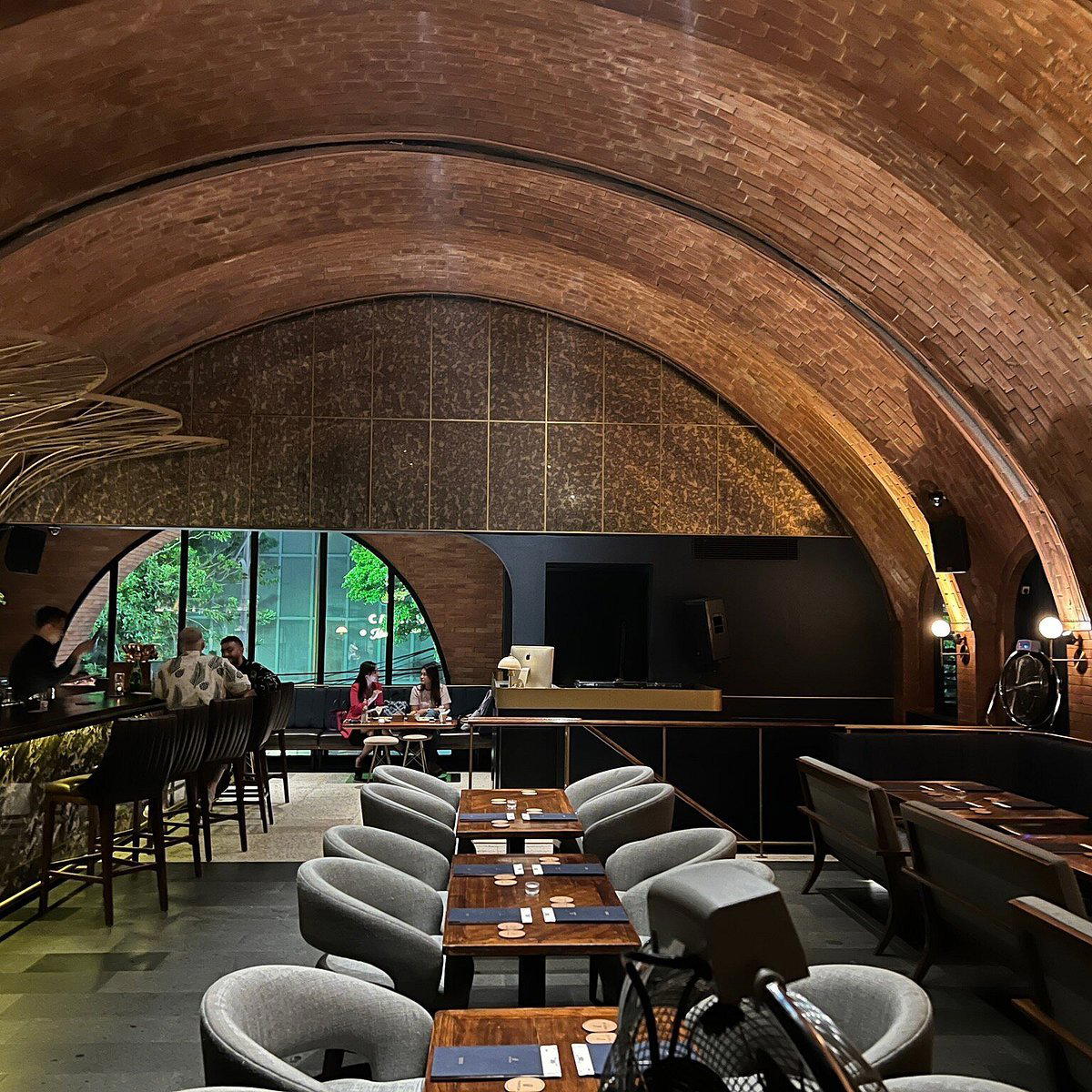
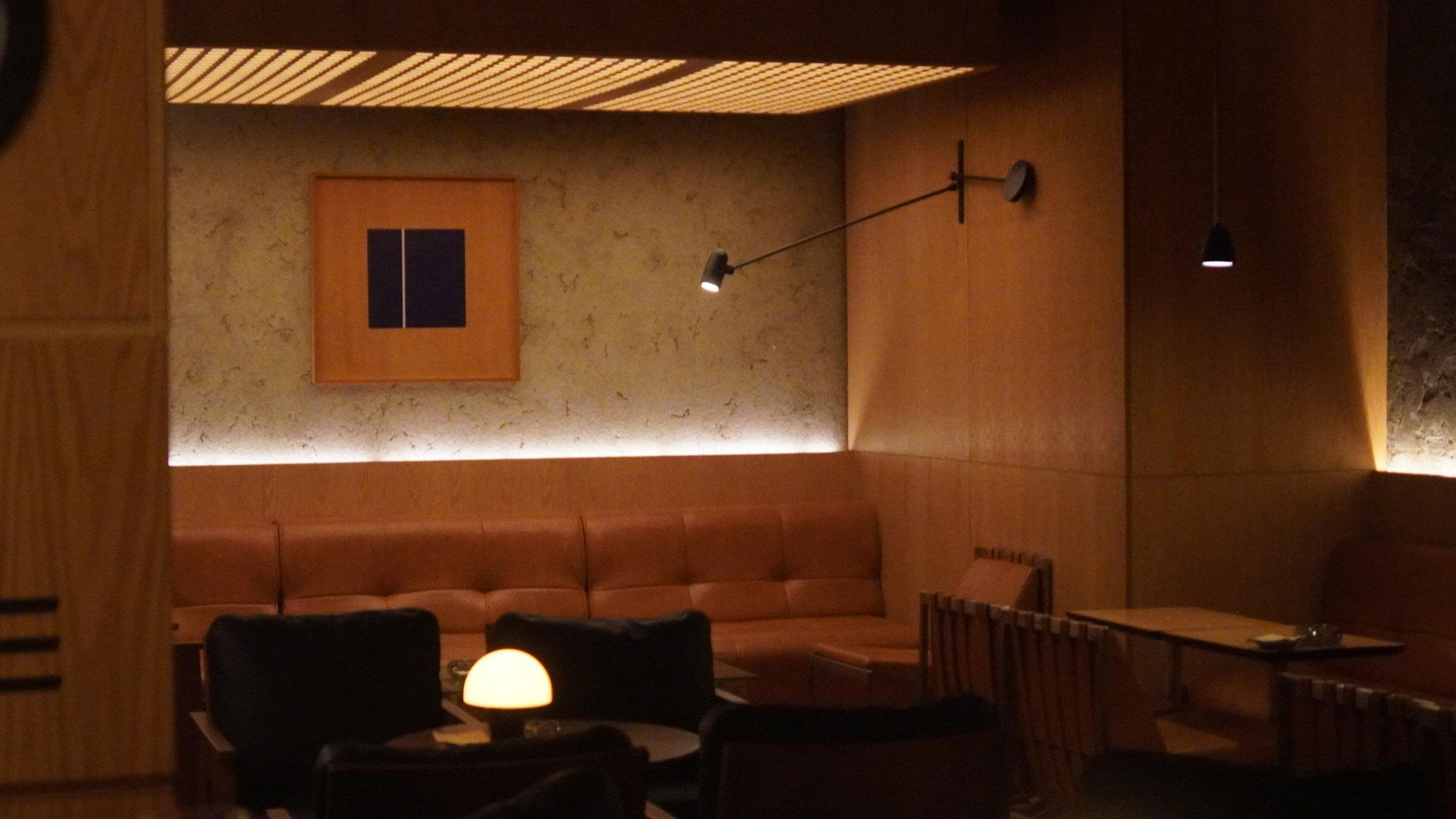
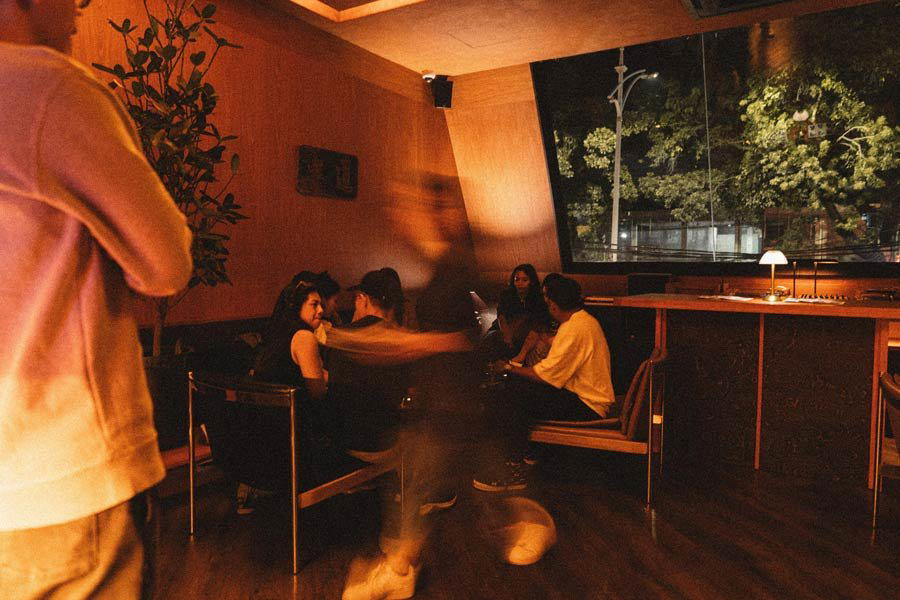
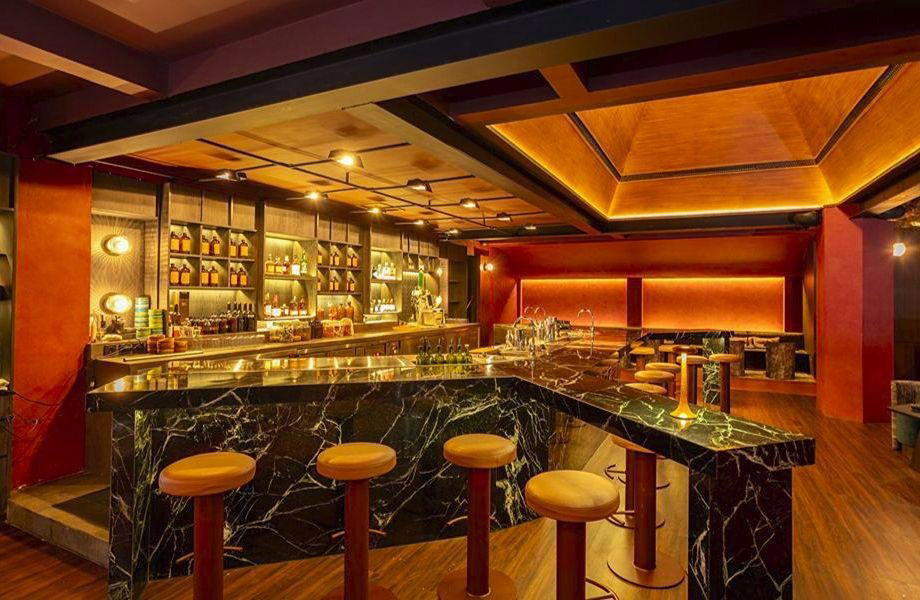
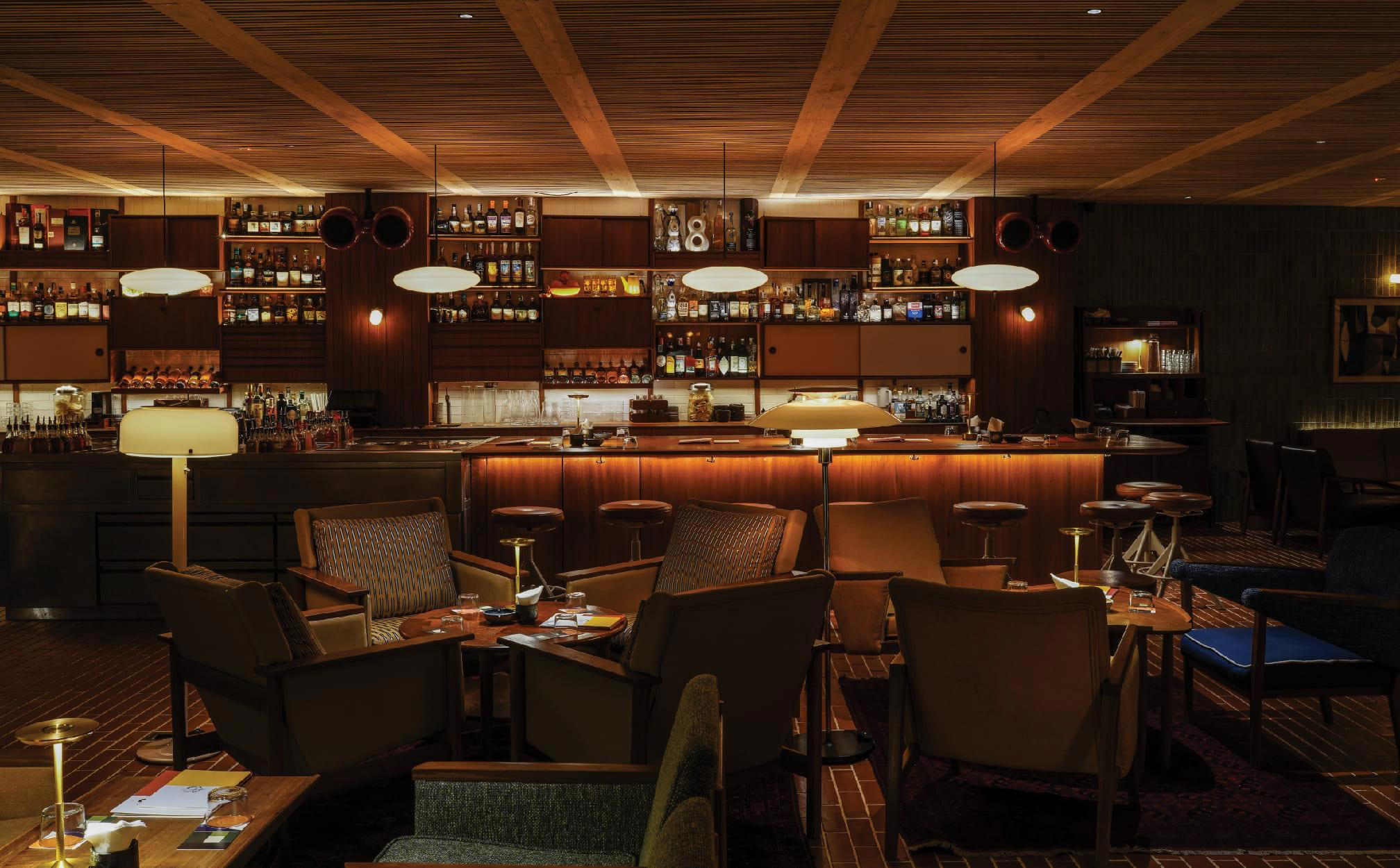
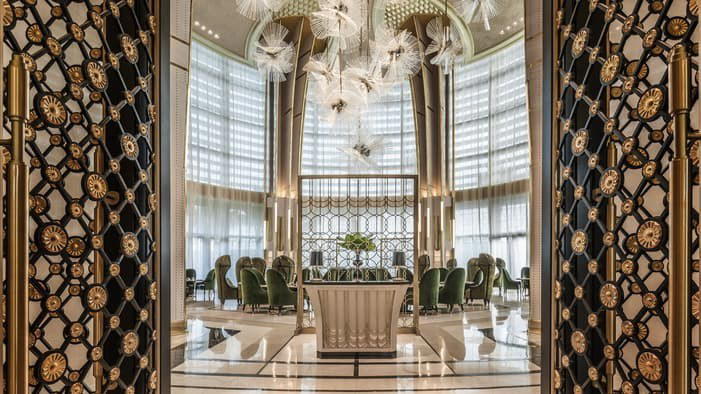
Cozy atmosphere with lush Persian carpets, plush seating, and light-filled quarters evoking a royal family's dining hall.