Ruenros sits in Bangkok's Yan Nawa district along Rama III Road, a stretch that rewards those who look beyond the city's better-publicised dining corridors. The restaurant occupies a position in Bangkok's broader Thai dining conversation, where neighbourhood restaurants often deliver more considered meals than their low-key addresses suggest. Visitors to the area will find it worth mapping alongside a wider exploration of the city's southern riverside dining scene.
Pearl is the En Primeur Club membership app — saves, bookings, and concierge access live there. Same editors, same standards.
- Address
- 762/2 โครงการบางกอกสแควร์ Rama III Rd, Bang Phong Phang, Yan Nawa, Bangkok 10120, Thailand
- Phone
- +66971600004
- Website
- facebook.com
- Directions
- Get directions
 Saves & bookings on Pearl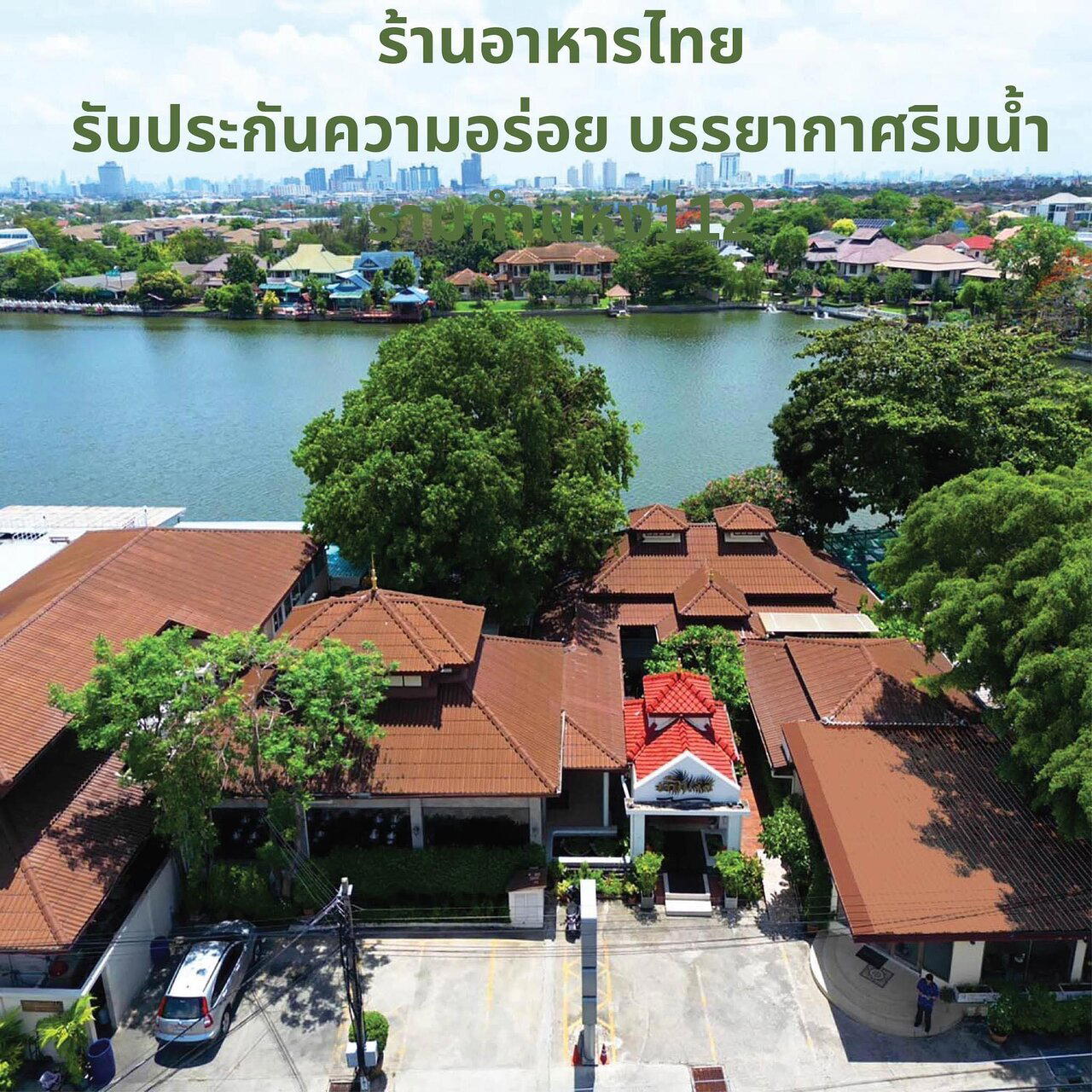
Rama III and the Riverside Dining Current
Bangkok's dining geography has long been organised around a handful of well-documented corridors: Sukhumvit, Silom, Ari, and the old town riverside. Yan Nawa and the Rama III Road stretch sit south of this usual circuit, a district where the city's residential character asserts itself and restaurant choices tend to reflect local priorities rather than tourist infrastructure. Dining on Rama III means opting into a part of Bangkok that has not yet been reframed for international visitors, and
Ruenros occupies an address at 762/2 along this corridor, in Bang Phong Phang, a subdistrict within Yan Nawa. The neighbourhood sits between the expressway infrastructure and the Chao Phraya River, an area that has seen incremental development without the aggressive repositioning applied to districts closer to the BTS network. The practical way to reach Ruenros is by taxi or ride-share. The distance from Silom is manageable by car, but this is not a drop-in venue between two other engagements.
The Structure of a Thai Meal and Where Ruenros Fits
Thai restaurant culture operates across several distinct registers that Western classification sometimes flattens. At one end sit the formal tasting-menu houses, where Bangkok's most discussed kitchens, among them Sorn (Southern Thai) and Baan Tepa (Thai contemporary), build sequenced menus with price points at ฿฿฿฿ and booking windows measured in months. At the other end sits the street-food register, where single-dish excellence operates without preamble. Between these poles lies a broad category of neighbourhood restaurants where multiple dishes arrive in the Thai communal sequence: light preparations first, more complex curries and stir-fries in the middle, rice as anchor, and something cooling or sweet to close. This is the mode that defines the riverside dining belt along Rama III.
That communal, course-loose structure has its own internal arc. A well-ordered Thai meal at this level tends to open with something that sharpens appetite rather than sates it, a clear or lightly soured soup, a herb-forward salad, or a crisp element that prepares the palate for fat and heat. The progression moves through dishes that accumulate complexity without becoming monotonous, requiring the kind of kitchen fluency that comes from cooking the same regional canon repeatedly rather than reinventing it seasonally. Bangkok's most credible Thai cooking at the neighbourhood level operates in this space, where consistency over invention is the measure that matters.
For a sense of how this progression plays out at the formal end of the Thai dining spectrum, Gaa (Modern Indian, Indian) and Sühring (German) offer instructive contrasts in how other cuisines handle multi-course sequencing within Bangkok's premium tier, while Côte by Mauro Colagreco (Mediterranean, Modern Cuisine) demonstrates how European progression logic translates into the city's dining vernacular.
The Yan Nawa Context
Understanding Ruenros requires situating it within the district rather than extracting it from the neighbourhood. Yan Nawa is not a dining destination in the way that Thonglor or Ekkamai have been marketed. It functions instead as a working residential district with its own restaurant ecosystem, one that serves a local clientele first and absorbs visitors second. This creates a different dynamic at the table: less performance, more transaction in the leading sense of the word, where what matters is the food landing correctly rather than the theatre around it.
This pattern repeats across Thailand's secondary and tertiary dining corridors. In Chiang Mai, Loet Rot in Mueang Chiang Mai operates within a similar register of neighbourhood authority, while in Pattaya, Krua Laew Tae R-Rom in Pattaya holds comparable local standing. Bangkok's own neighbourhood Thai scene includes places like Hoy Tord Chao Lay (หอยทอดชาวเล) in วัฒนา, where a single preparation carries the full weight of the meal's identity. Ruenros operates within this broader pattern, representing a style of Thai dining that the city's culinary literature tends to undercount precisely because it lacks the credentials or marketing apparatus of the formal dining tier.
Planning Your Visit
The Rama III corridor is most accessible by private car or ride-share. The address at Bang Phong Phang places Ruenros within walking distance of the river but not within convenient reach of any BTS or MRT station, so ground transport is the practical option. Reservations are recommended.
PRU in Phuket and AKKEE in Pak Kret represent two different registers of regional cooking, while Cherng Doi Roast Chicken (ไก่ย่างเชิงดอย) in Chiang Mai illustrates how single-preparation restaurants can carry regional identity with as much authority as multi-course venues. For a full map of where Bangkok's dining scene currently sits, Le Bernardin in New York City or Atomix in New York City, both of which illustrate what sustained critical recognition looks like at the highest level.
Other regional options for those exploring Thailand's dining range include Little Edo Suratthaniリトル江戸 in Mueang Surat Thani, DEVASOM BEACH GRILL in Takua Pa, The Spa in Lamai Beach, and Hinata (Hinata (日向)) in ปทุมวัน, each occupying a different position in Thailand's hospitality range.
Cuisine and Awards Snapshot
Comparable venues nearby, for context on price, style, and recognition.
| Venue | Cuisine | Price | Notes |
|---|---|---|---|
| RuenrosThis venue — the venue you are viewing | Authentic Thai Lakeside | $$ | Not listed |
| Somyos | Thai with Chinese influences | $$ | Ban Song Krathiam |
| Baan Nual | Authentic Homestyle Thai | $$ | Sanam |
| Somtum Der | Authentic Isan Thai | $$ | Si Lom |
| Ongtong Khaosoi | Northern Thai Khao Soi | $$ | Phaya Thai Khwaeng |
| Jae Wan | Thai Desserts | $ | Pathum Wan |
At a Glance
- Cozy
- Scenic
- Relaxed
- Family
- Casual Hangout
- Date Night
- Waterfront
- Terrace
- Waterfront
Current opening hours
- Monday
- 11 AM–2:30 PM, 5–10 PM
- Tuesday
- 11 AM–2:30 PM, 5–10 PM
- Wednesday
- 11 AM–2:30 PM, 5–10 PM
- Thursday
- 11 AM–2:30 PM, 5–10 PM
- Friday
- 11 AM–2:30 PM, 5–10 PM
- Saturday
- 11 AM–10 PM
- Sunday
- 11 AM–10 PM
Hours can change for holidays and private events. Last verified .
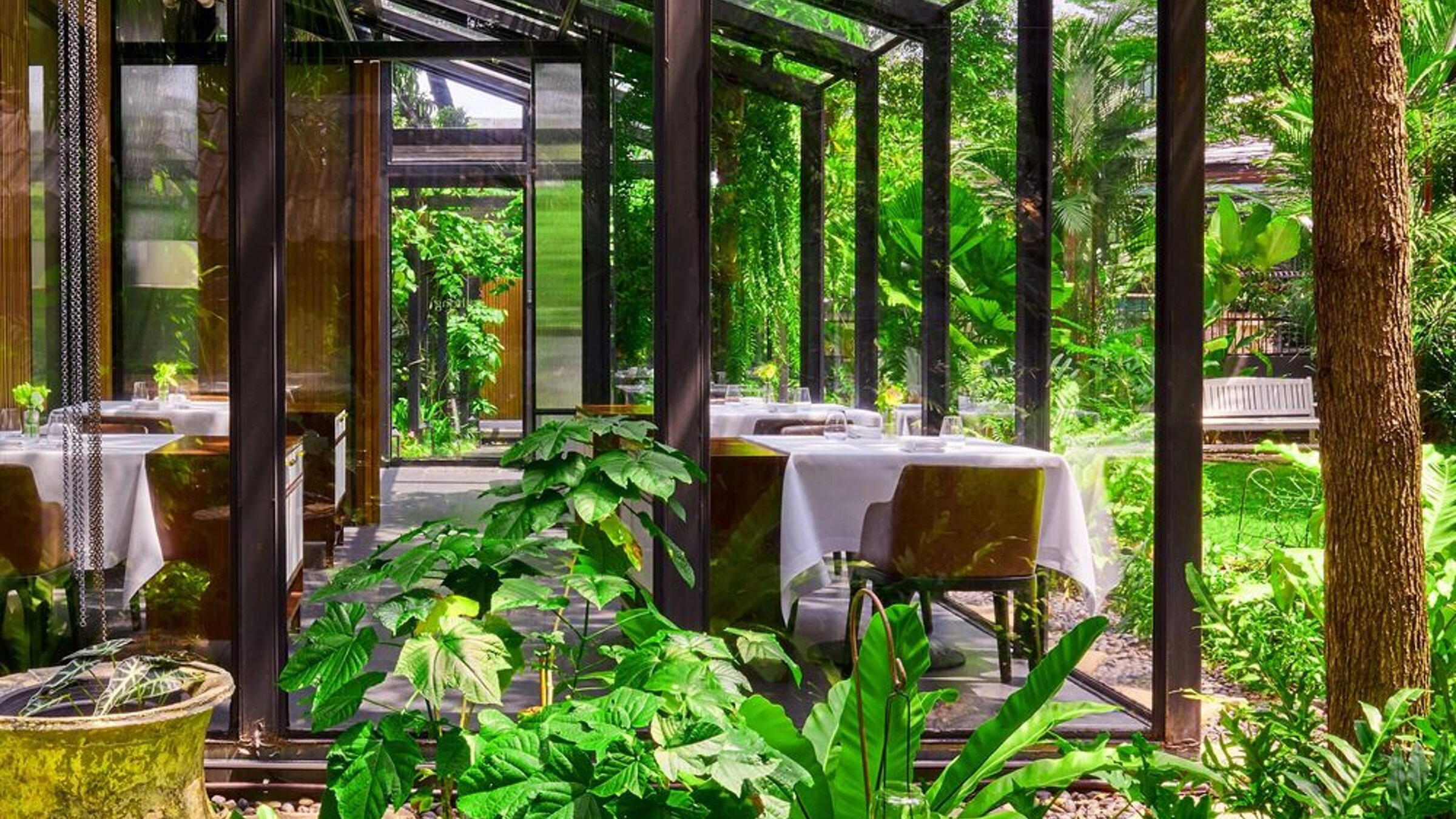
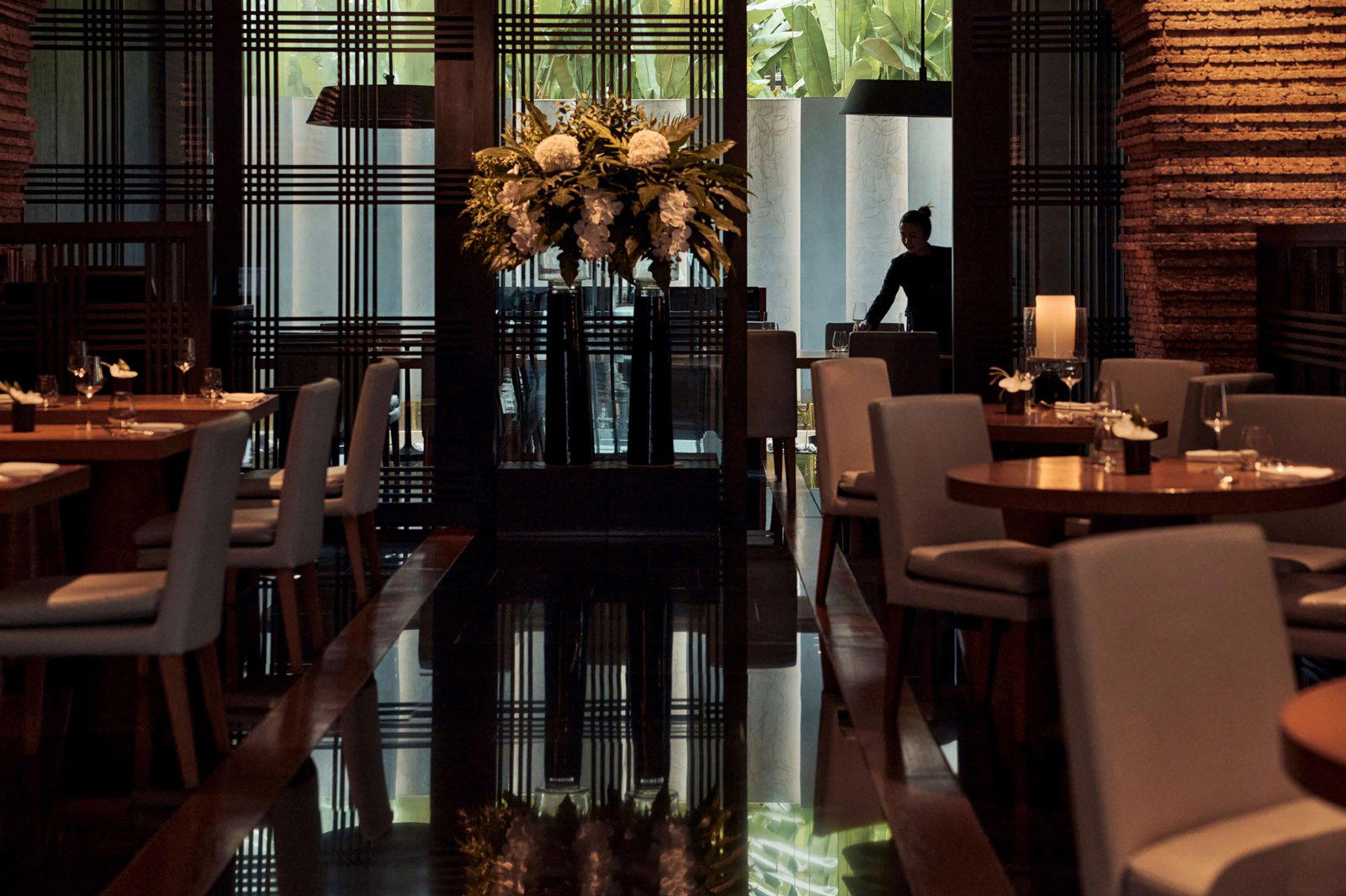
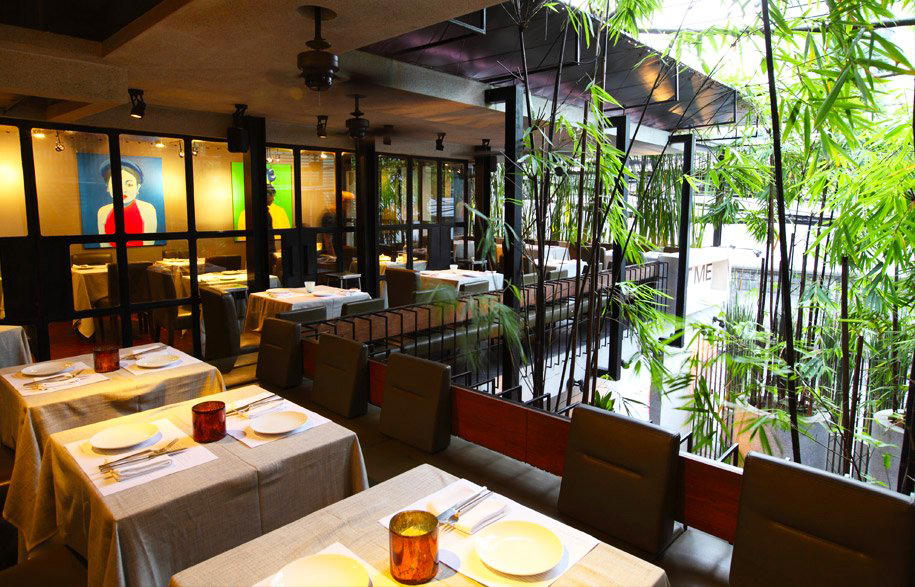
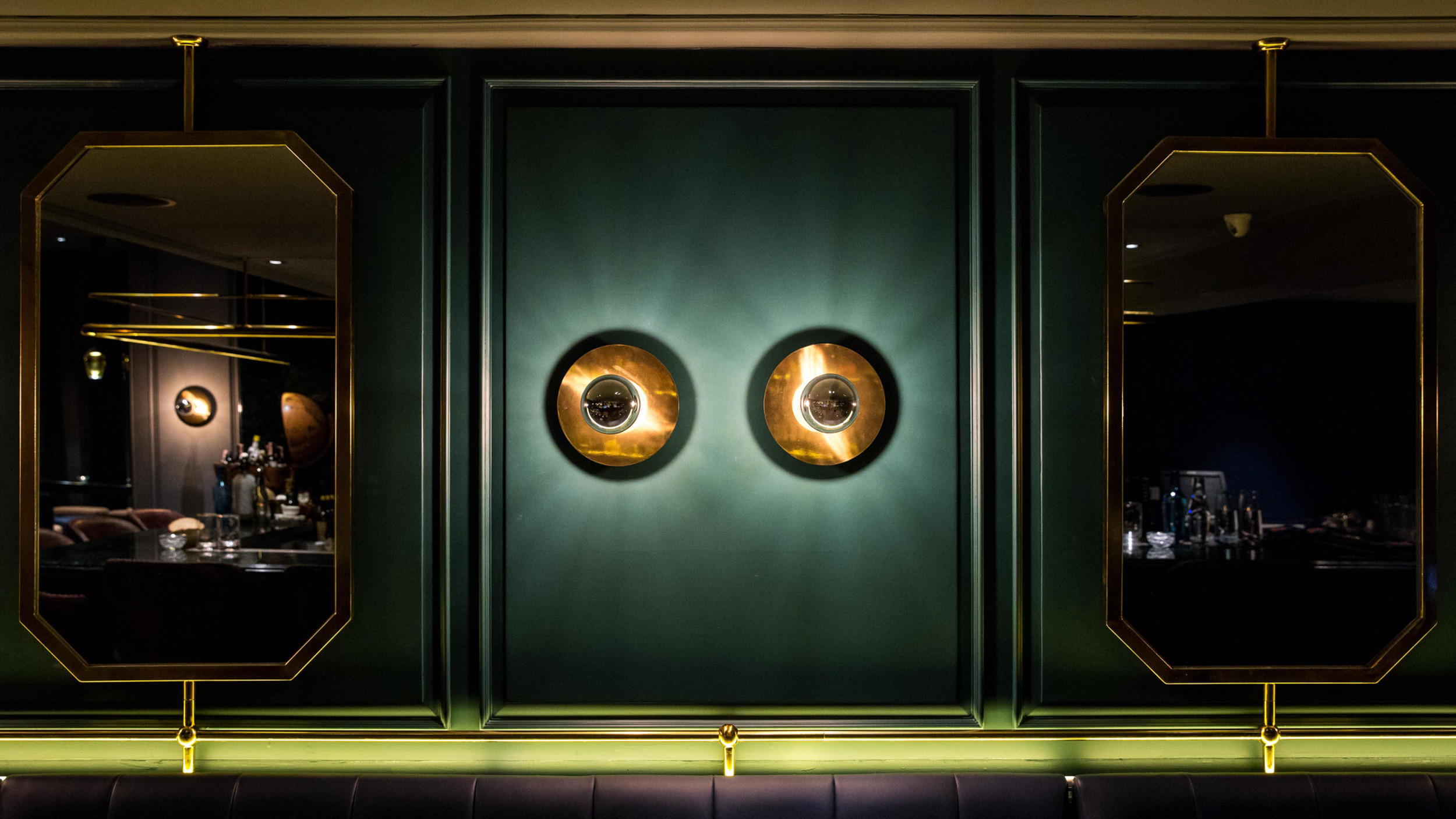
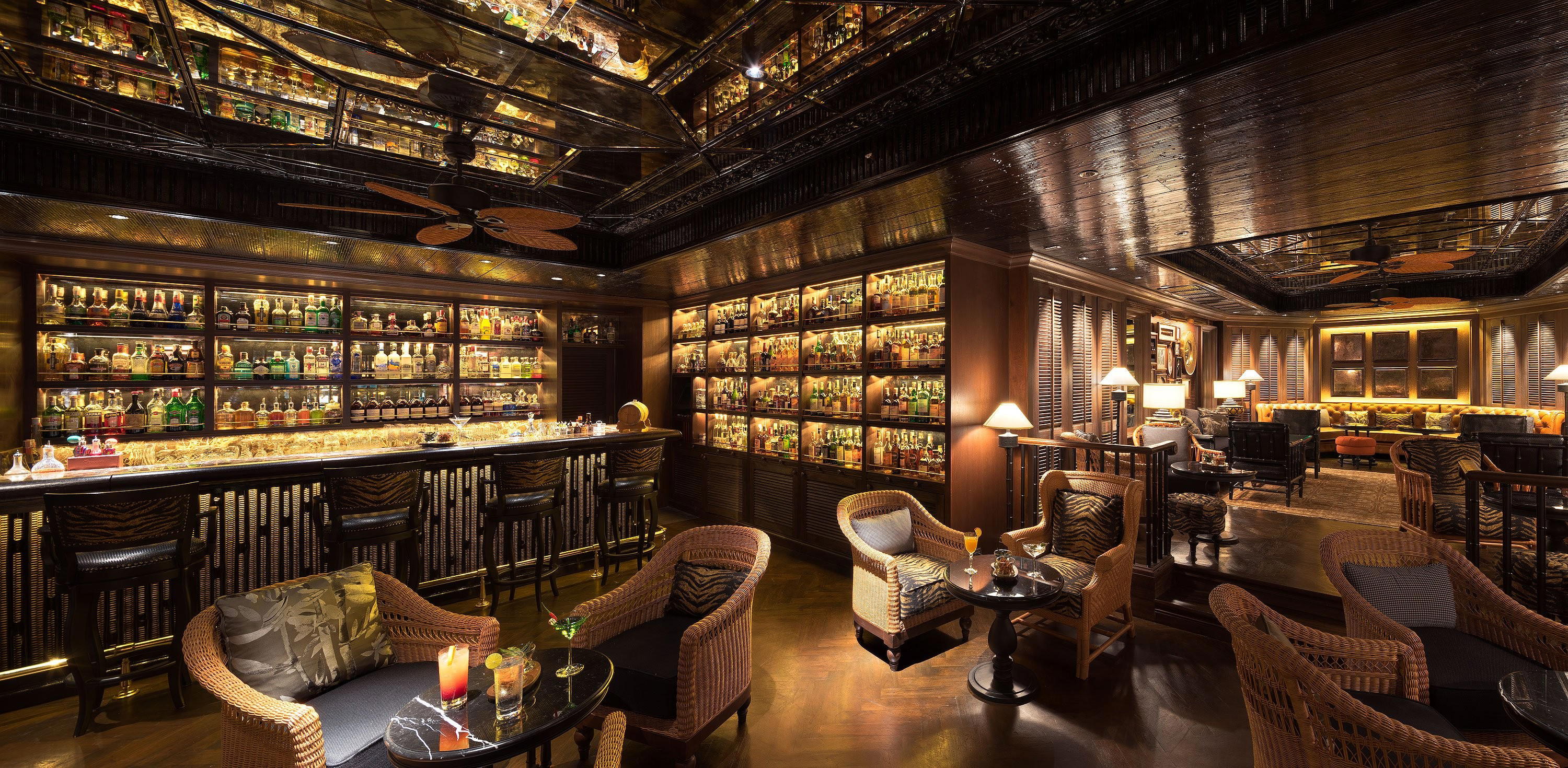
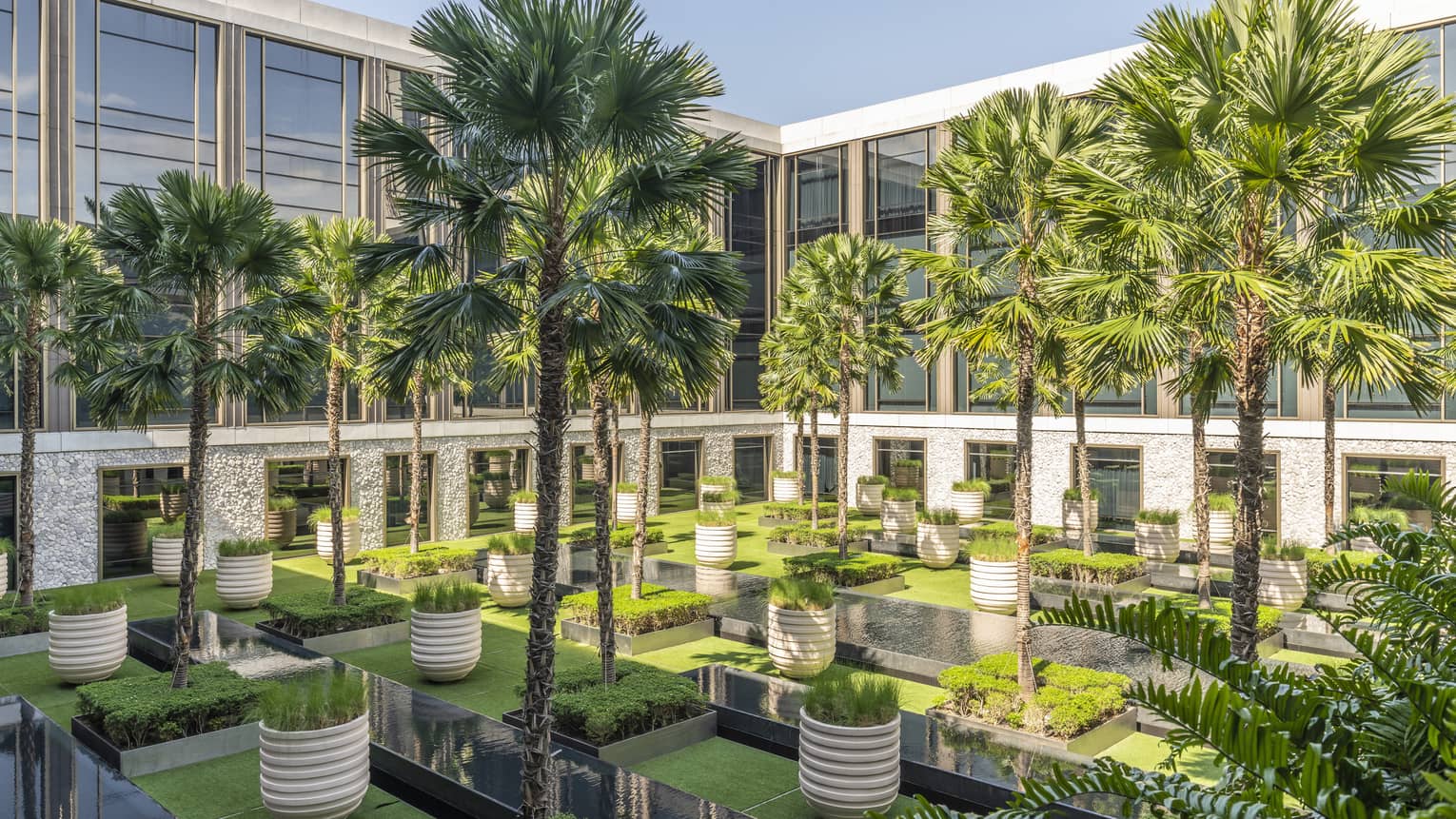
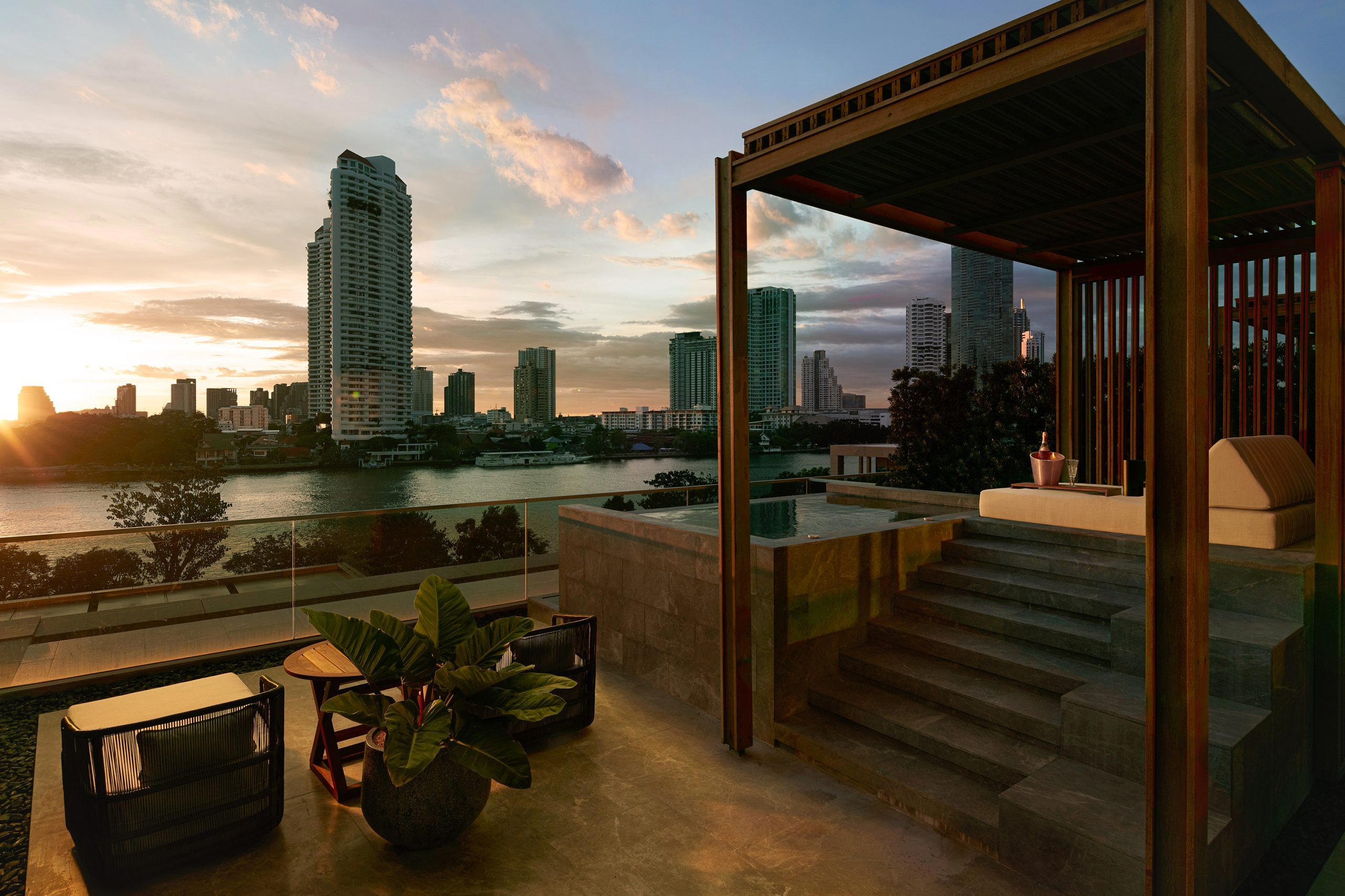
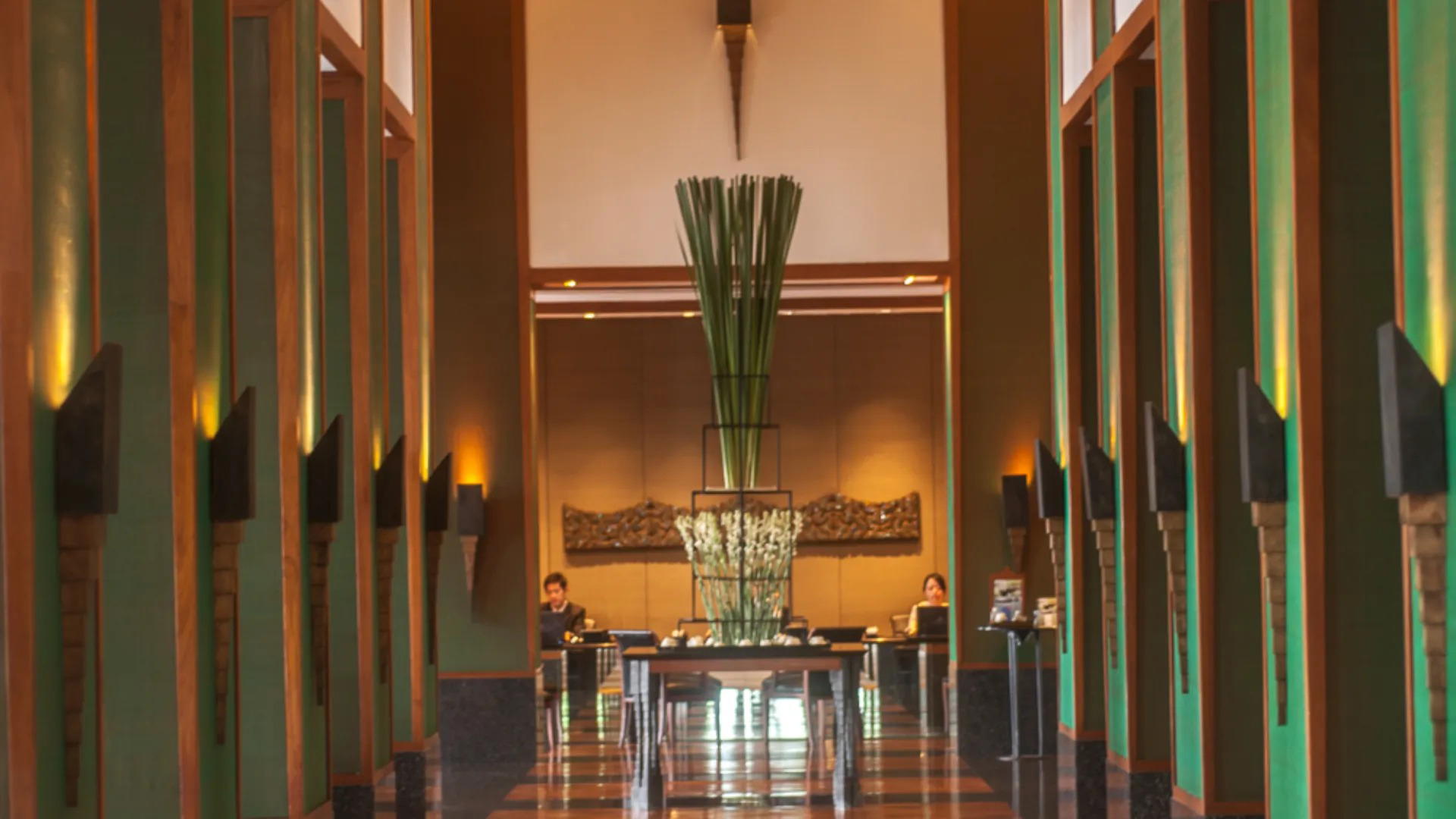
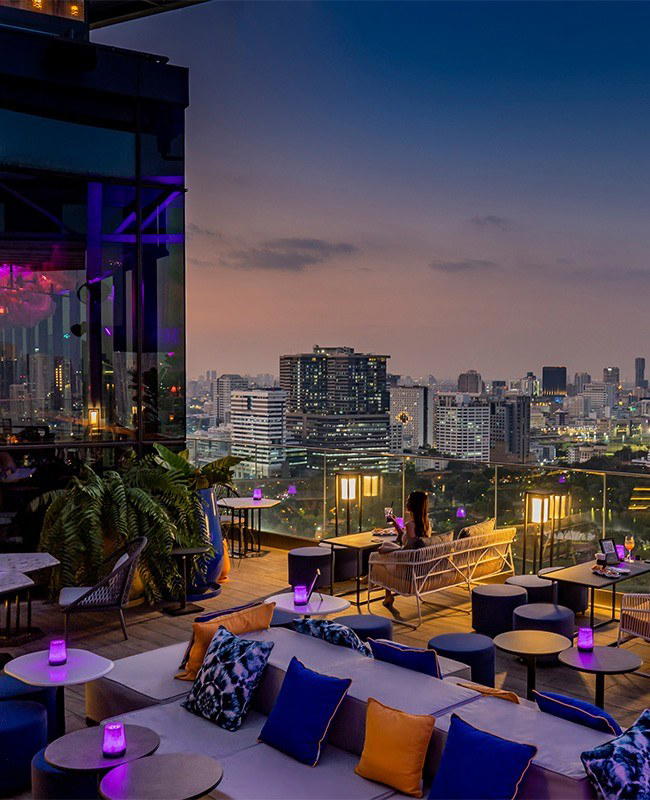
Relaxed open-air atmosphere by the lake with calming views, shaded trees, and a mix of air-conditioned and breezy outdoor seating.