







Baan Tepa is a restaurant on Ramkhamhaeng Road in Bangkok, rooted in local terroir and tradition.
Pearl is the En Primeur Club membership app — saves, bookings, and concierge access live there. Same editors, same standards.
- Address
- 561 Ramkhamhaeng Rd, Hua Mak, Bang Kapi, Bangkok 10240, Thailand
- Phone
- +66 98 696 9074
- Website
- baantepabkk.com
- Directions
- Get directions
 Saves & bookings on Pearl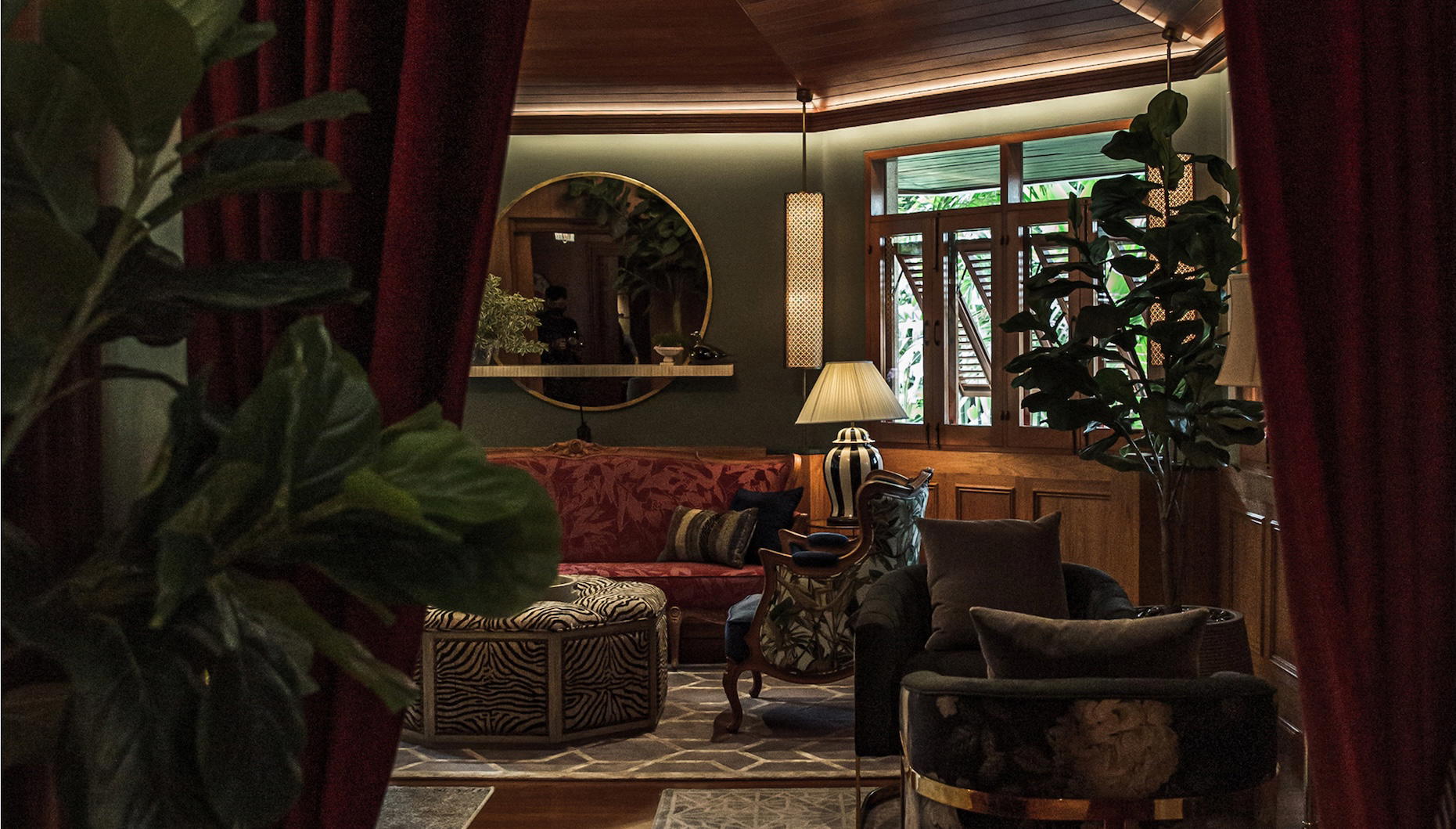
A Garden Before the Dining Room
Bangkok's premium tasting-menu circuit has, over the past decade, developed a recognisable split. On one side sit restaurants that use Thai cuisine as raw material for international technique, applying French structure to local ingredients without interrogating what that transaction costs. On the other sits a smaller group of kitchens where the sequence of the meal is shaped by the land itself: what the soil produced that week, which herbs are at the right moment, which preparation leading honours the ingredient rather than transforms it. Baan Tepa, on Ramkhamhaeng Road in the Bang Kapi district, belongs to the second group, and its menu architecture makes that allegiance clear from the first course.
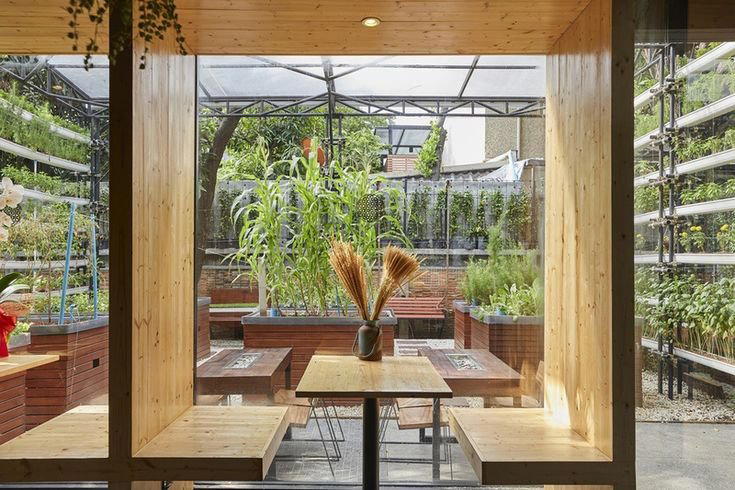
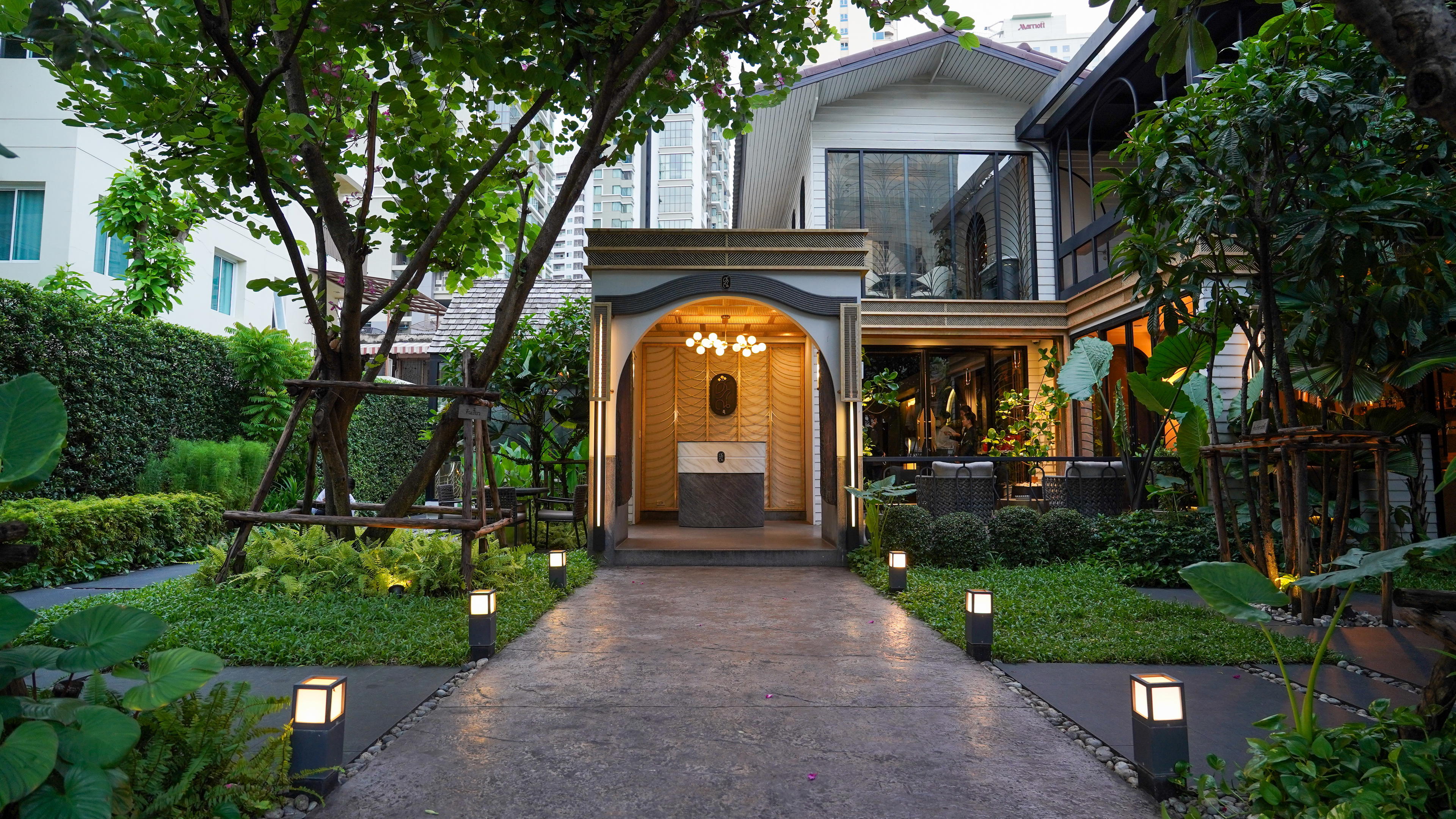
Guests move through the on-site growing beds before reaching the dining room, sampling seasonal herbs as they go. This is not theatre. It is the first course in a literal sense: a calibration of the palate to what is currently in the ground. By the time the seven-course menu begins, the diner has already handled the produce and has a reference point for every flavour that follows. Few kitchens in Bangkok, or elsewhere in Thailand, structure the pre-meal moment with this degree of intentionality.
Seven Courses and What They Argue
The menu architecture at Baan Tepa is, structurally, a thesis on the relationship between traditional Thai technique and ecological restraint. Chef Chudaree “Tam” Debhakam trained at Blue Hill at Stone Barns in New York, a kitchen whose operational logic turns on what nature provides to the kitchen rather than what the kitchen demands of nature. That formation sits visibly inside the menu's logic: sourcing determines the menu, not the reverse.
Traditional curries and layered Thai flavour profiles appear across the seven courses, but they arrive reimagined in terms of proportion, temperature, and presentation rather than stripped of their identity. This is a meaningful distinction. Contemporary Thai restaurants frequently modernise by subtraction, taking a dish recognisable to any Bangkok household and reducing it to a single dominant note. Baan Tepa's approach is additive in a different sense: it asks what a traditional preparation becomes when every ingredient in it has been grown with ecological care and harvested at the correct moment. The answer, course by course, is a menu that tastes specifically of the season rather than of a cuisine category.
Waste minimisation is a structural principle of the kitchen, not a marketing footnote. Chef Debhakam holds a degree in Nutrition and Food Science, and that training informs how the menu handles ingredient entirety, which parts of a plant are used, in which course, and in which form. The result is a menu that reads coherently from garden to plate to finish, with each course positioned as evidence for a broader culinary argument about local sourcing and environmental responsibility.
Where Baan Tepa Sits in Bangkok's Upper Tier
Bangkok's two-Michelin-star tier currently includes a range of cuisines and formats, from Southern Thai specialists to European-trained kitchens operating in the city. Among contemporary Thai restaurants specifically, the restaurant's comparable set is narrow. R-Haan operates at a similar price point with a focus on Royal Thai cuisine; Wana Yook occupies a heritage-house format that also grounds the meal in cultural specificity. NAWA and Aunglo by Yangrak represent a newer wave of restaurants reframing Thai cooking through personal and regional lenses. 80/20 approaches the conversation from a boundary-testing, ingredient-research angle.
Within this set, the restaurant's distinguishing position is its integration of farm infrastructure into the dining experience itself. The garden is not a supplier relationship managed offsite; it is a physical part of the dining sequence. That integration is unusual at this price tier anywhere in Southeast Asia, and it places the restaurant in a competitive conversation with destination farm-dining concepts globally, not just with Bangkok's Thai-contemporary restaurants.
The award record confirms the international positioning. La Liste awarded the restaurant 98 points in 2025, placing it among the highest-ranked restaurants in the region on that list. Opinionated About Dining ranked it #36 among Asia's restaurants in 2025, an improvement from #120 in 2024, a two-year trajectory that signals the kitchen's output is becoming more consistently recognised rather than plateauing. The Les Grandes Tables du Monde membership, awarded in 2025, adds a European institutional endorsement to the Asia-Pacific recognition.7 across 371 reviews suggests the experience translates reliably across different dining audiences, not just specialist critics.
Planning the Visit
The restaurant opens Wednesday through Sunday, with sittings from 6pm to 11pm. Monday and Tuesday are dark. The address, 561 Ramkhamhaeng Road, Hua Mak, Bang Kapi, places it in the eastern suburbs, a distance from the central hotel districts that requires planning. It is not the kind of restaurant you walk past and decide to enter; this is a destination visit that should anchor an evening. Given the trajectory of recognition over 2024 and 2025, advance reservations are advisable. The price tier sits at ฿฿฿฿, consistent with Bangkok's upper-end tasting-menu restaurants.
Where the Accolades Land
Comparable venues nearby, for context on price, style, and recognition.
| Venue | Cuisine | Price | Awards | Notes |
|---|---|---|---|---|
| Baan TepaThis venue — the venue you are viewing | Thai | $$$$ | Michelin 2 Star | Not listed |
| Potong | Progressive Thai-Chinese Fine Dining | $$$$ | Michelin 1 Star | Samphanthawong Khwaeng |
| Gaa | Fusion Cuisine | $$$$ | Michelin 2 Star | Khlong Tan |
| Côte by Mauro Colagreco | Riviera Mediterranean Fine Dining | $$$$ | Michelin 2 Star | Klong San |
| Gaggan Anand | Progressive Indian | $$$$ | Michelin 1 Star | Khlong Toei Nuae |
| Le Du | Modern Thai Fine Dining | $$$$ | Michelin 1 Star | Surawong |
Recognition history
Dated appearances from independent guides and award organizations, with the underlying list record or original source where available.
Black Pearl 1 Diamond
Black Pearl
La Liste Top Restaurants
La Liste
Les Grandes Tables du Monde Member
Les Grandes Tables du Monde
Michelin 2 Stars
Michelin
Opinionated About Dining Top Restaurants in Asia Ranked #26
Opinionated About Dining
World's 50 Best Asia's Best Restaurants #53
World's 50 Best
La Liste Top Restaurants
La Liste
Michelin 2 Stars
Michelin
Opinionated About Dining Top Restaurants in Asia Ranked #36
Opinionated About Dining
The Best Chef Three Knives
The Best Chef
We're Smart World 1 Radish
We're Smart World
World's 50 Best Asia's Best Restaurants #44
World's 50 Best
Michelin 2 Stars
Michelin
Opinionated About Dining Top Restaurants in Asia Ranked #120
Opinionated About Dining
At a Glance
- Sophisticated
- Intimate
- Scenic
- Date Night
- Special Occasion
- Garden
- Open Kitchen
- Historic Building
- Standalone
- Craft Cocktails
- Local Sourcing
- Sustainable Seafood
- Zero Waste
- Garden
Current opening hours
- Monday
- Closed
- Tuesday
- Closed
- Wednesday
- 6–11 PM
- Thursday
- 6–11 PM
- Friday
- 6–11 PM
- Saturday
- 6–11 PM
- Sunday
- 6–11 PM
Hours can change for holidays and private events. Last verified .
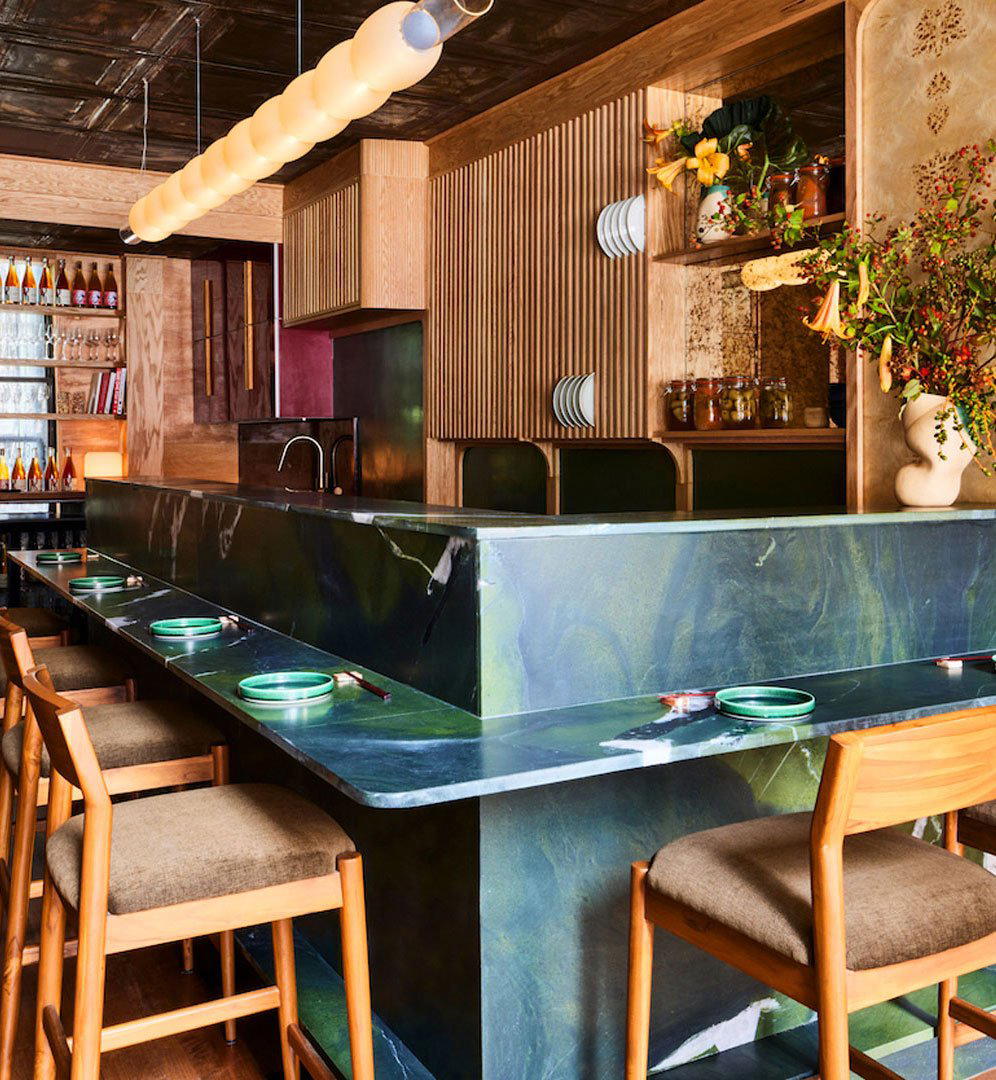
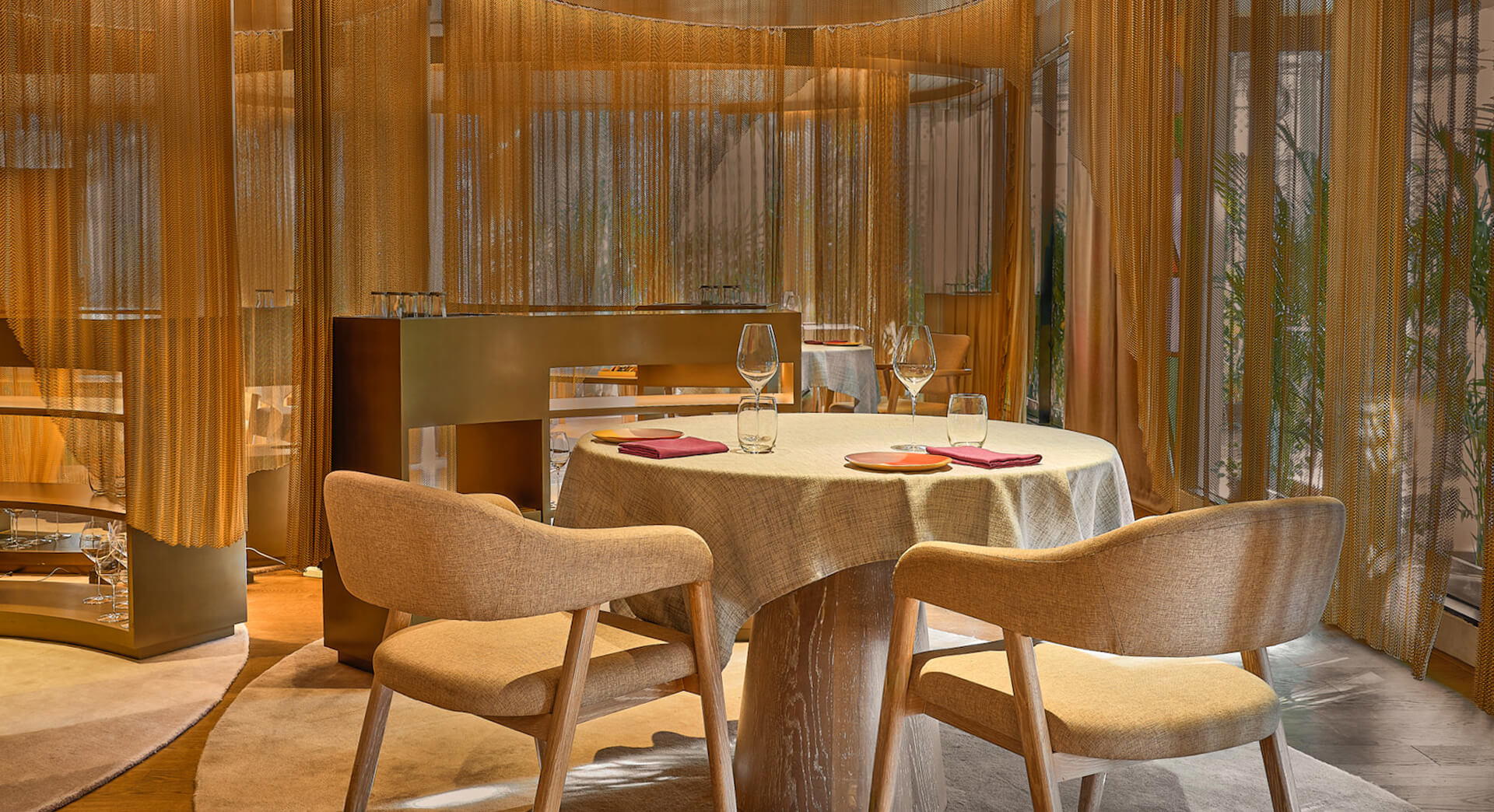
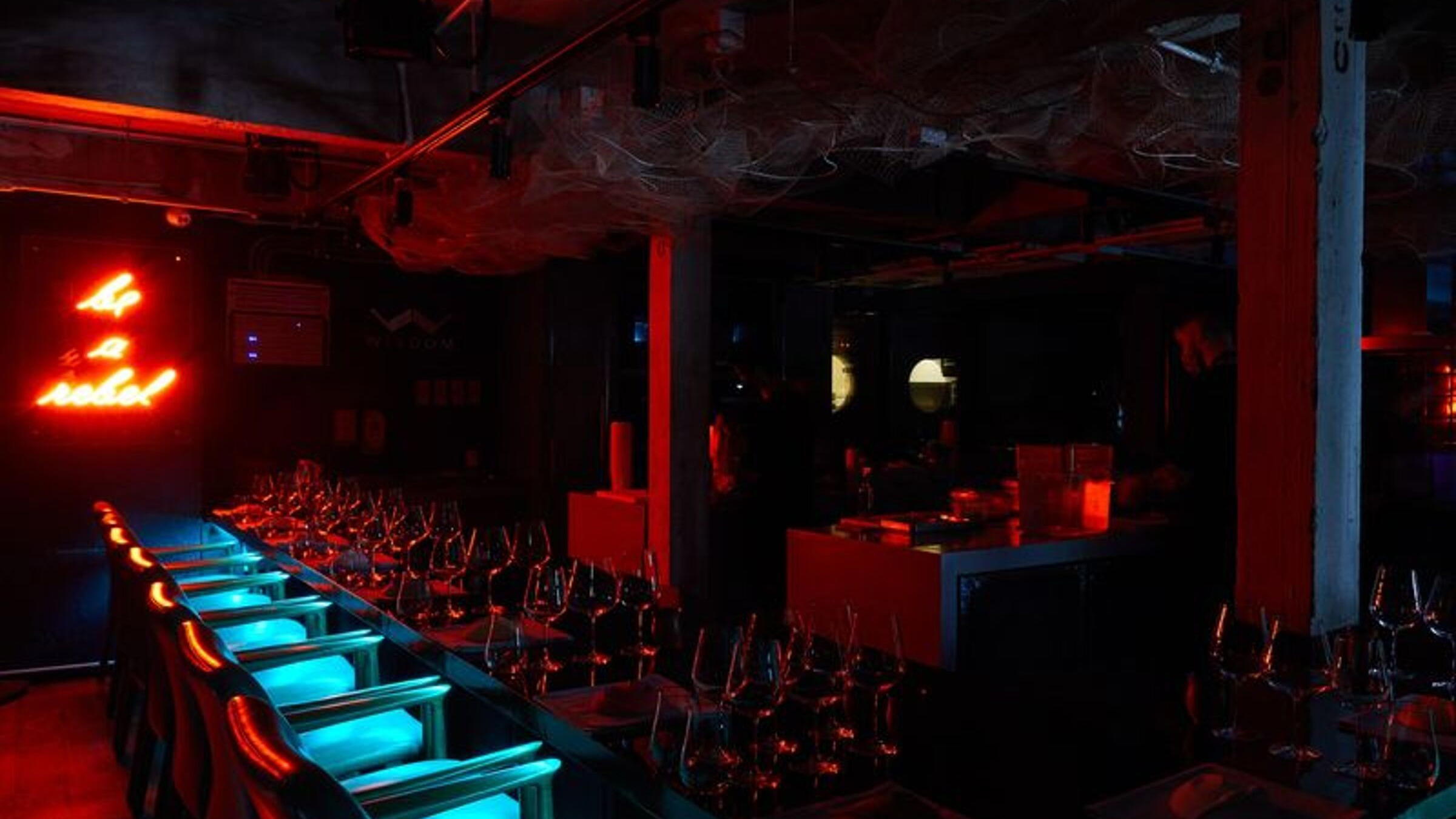
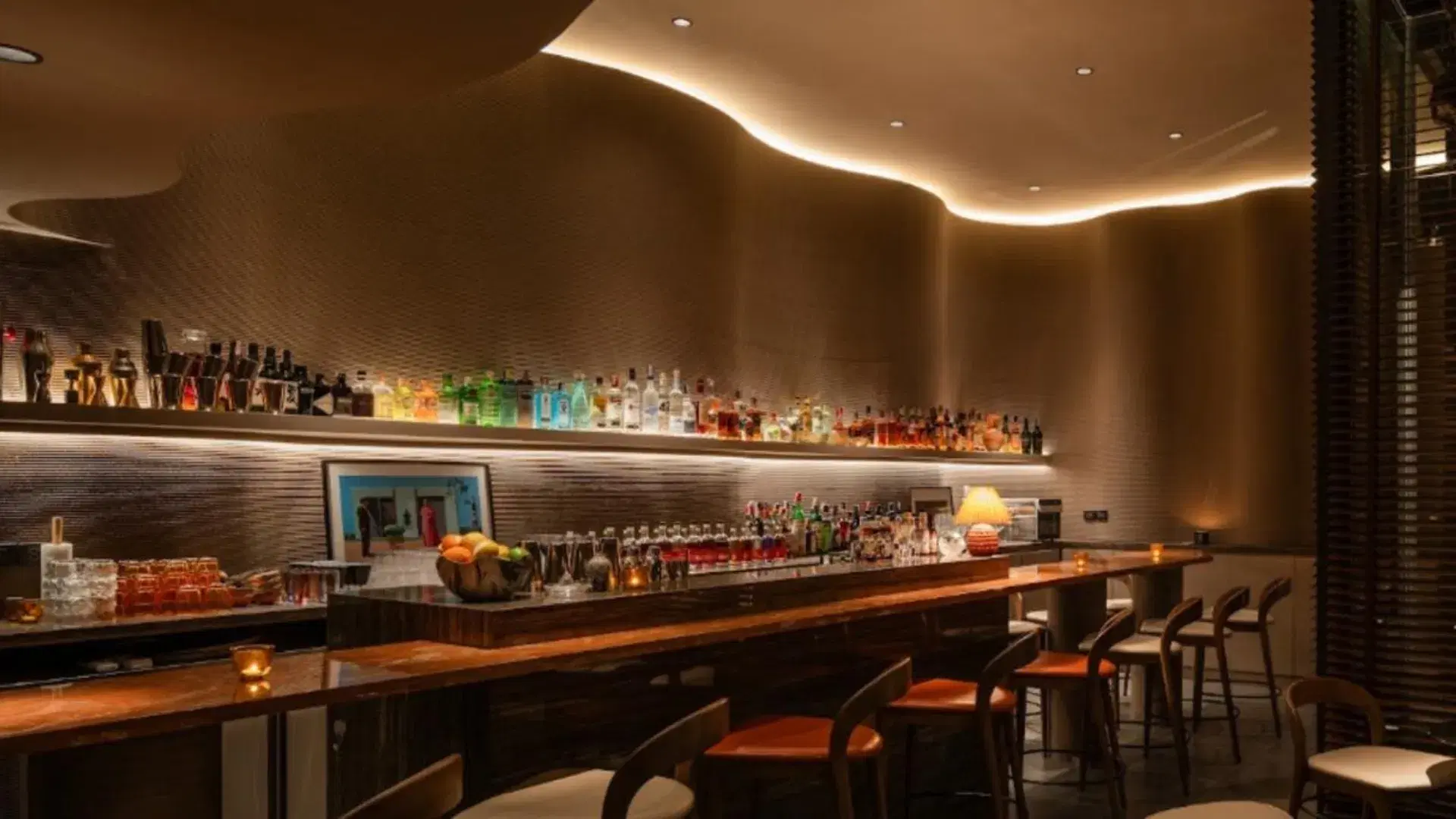
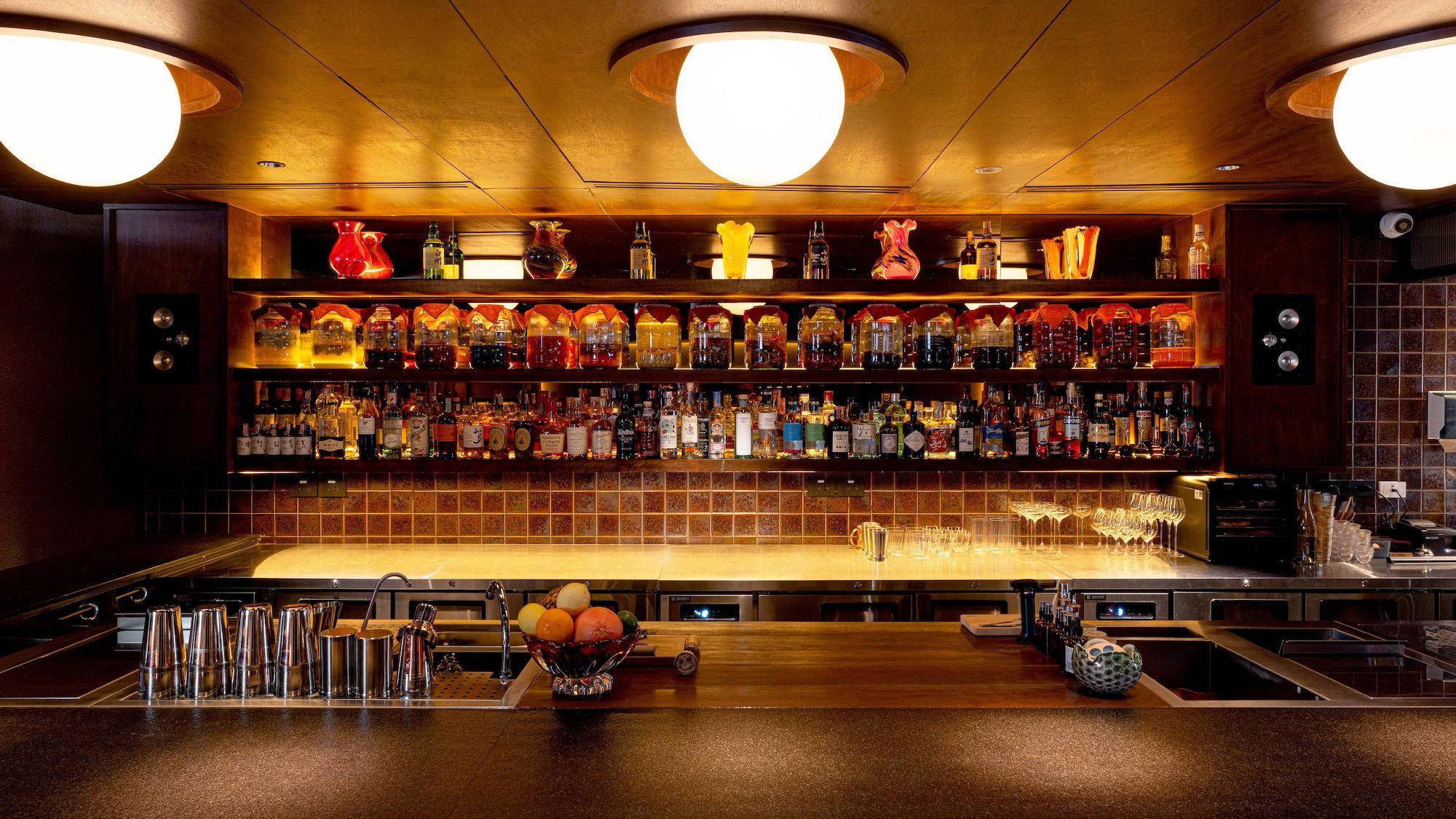
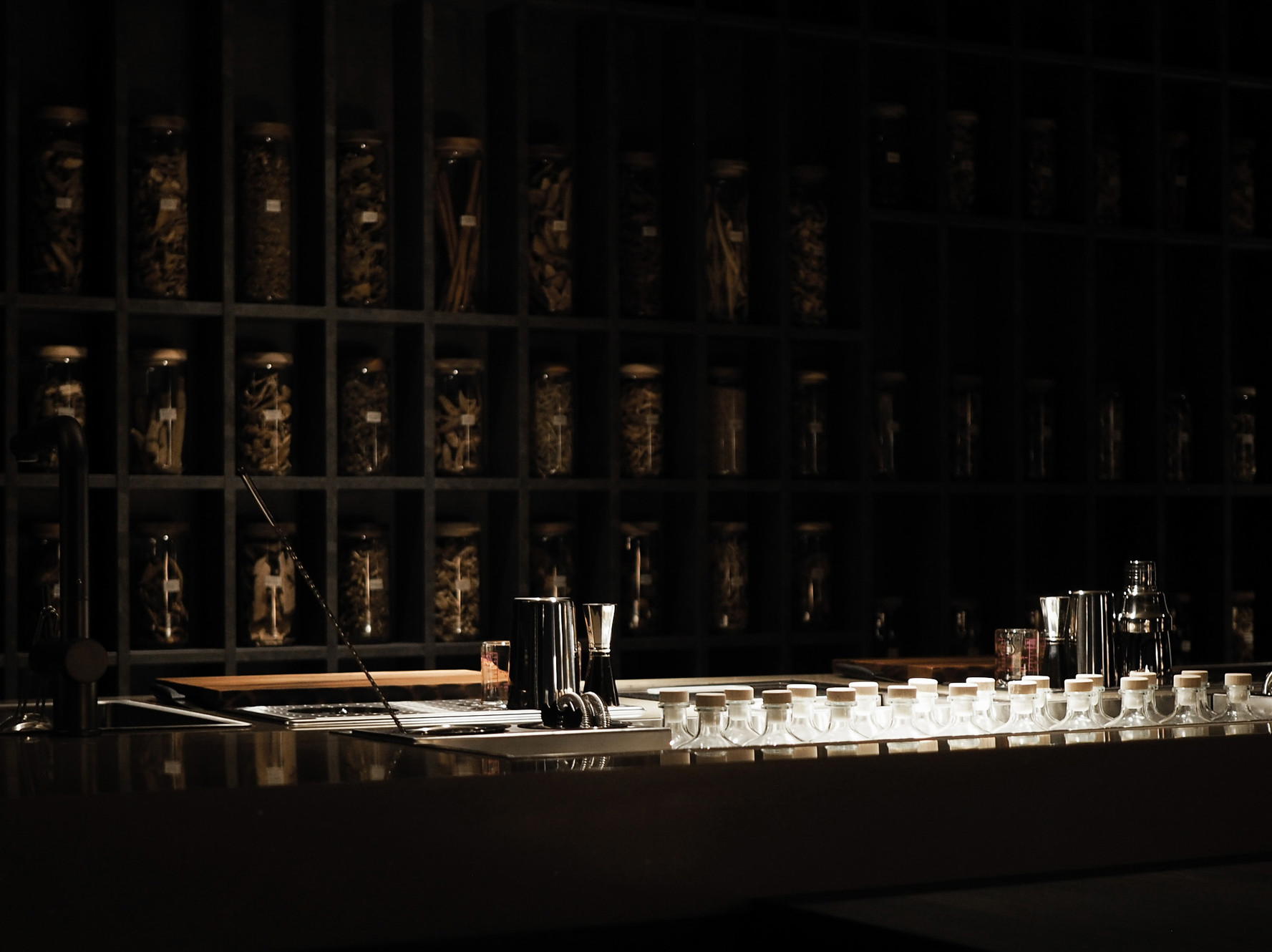
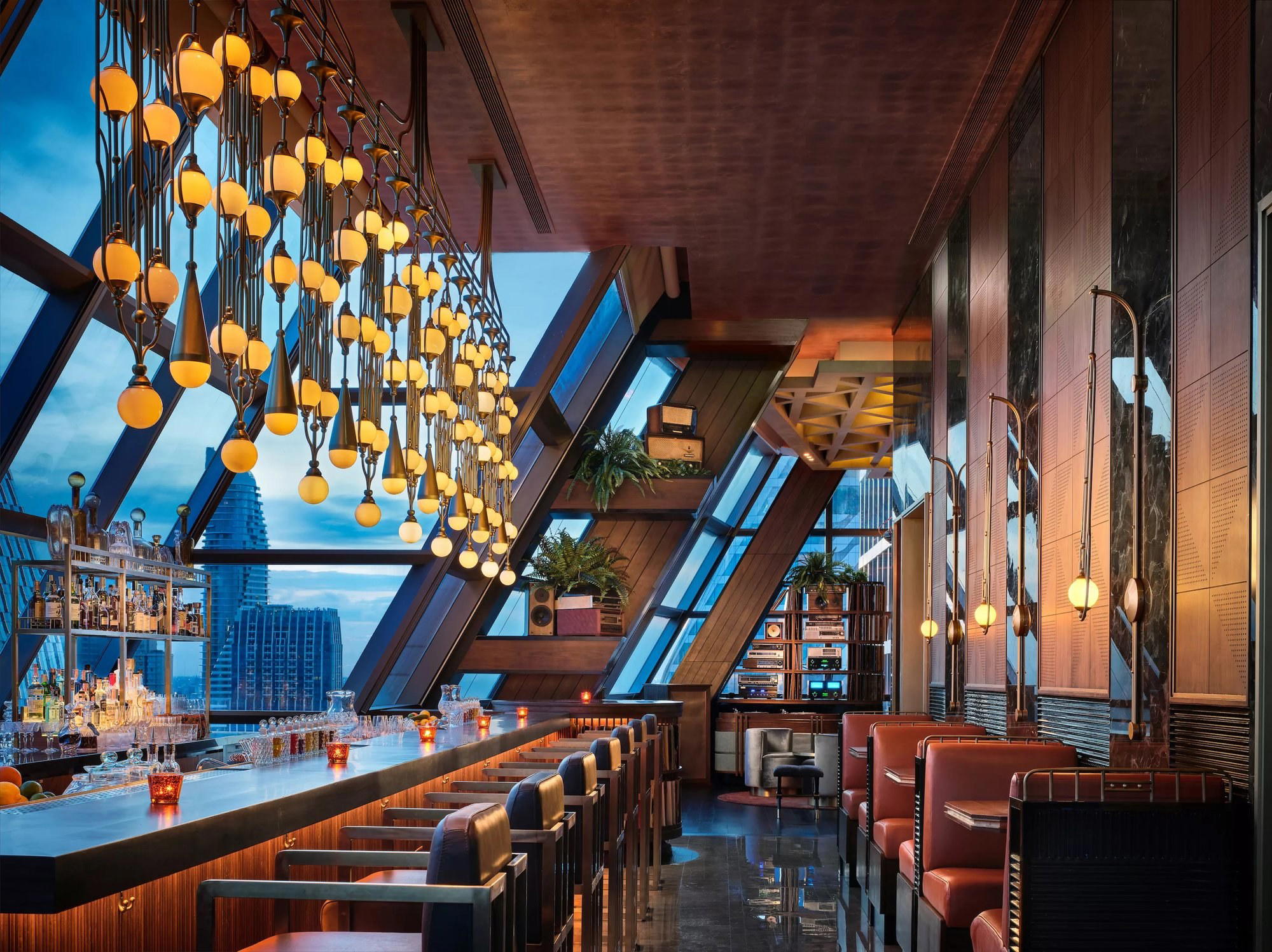
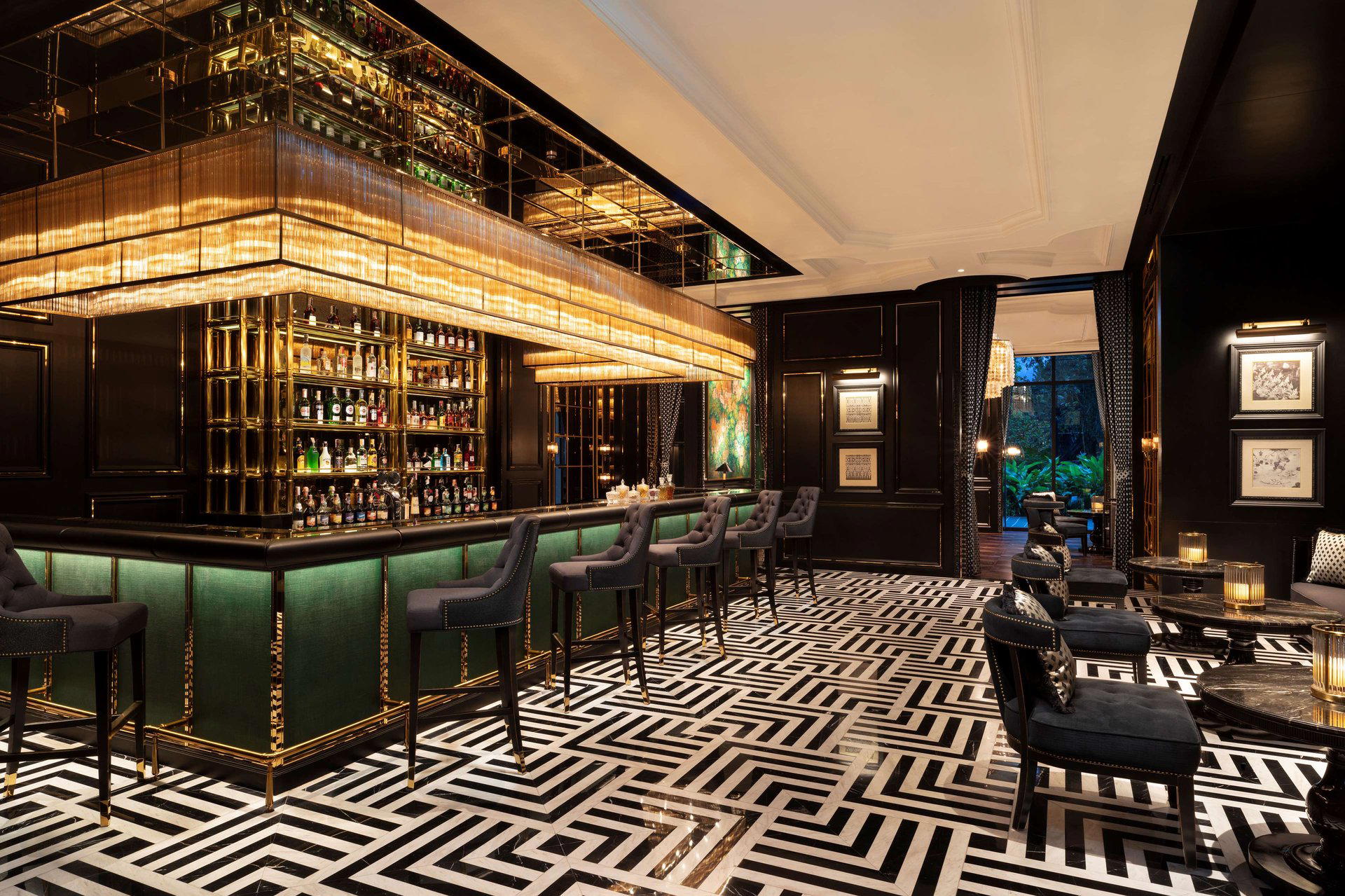
A creative, intimate tasting-menu space centered on a converted family home and garden, with an educational, nature-anchored atmosphere that emphasizes sustainability and Thai culinary storytelling.