Our verdict
Jae Wan sits inside Bangkok's growing conversation about ethical sourcing and conscious dining, positioning itself alongside the city's most considered restaurants. Where peers like Sorn and Baan Tepa draw on regional Thai provenance, Jae Wan brings its own framing to that broader shift. For travellers already tracking Bangkok's serious dining tier, it belongs on the same itinerary.

Pearl is the En Primeur Club membership app — saves, bookings, and concierge access live there. Same editors, same standards.
- Address
- Bangkok, Thailand
- Directions
- Get directions
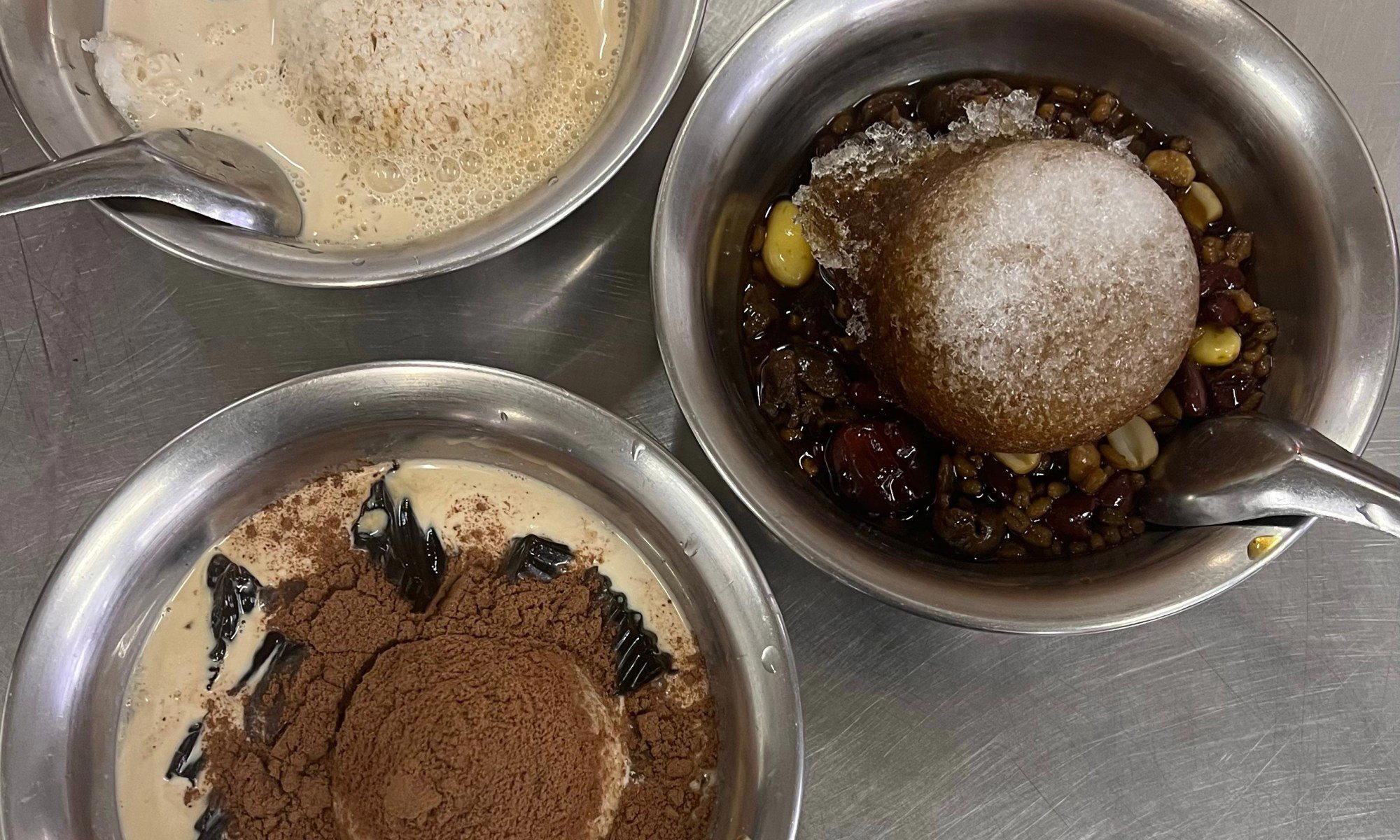
The menu
What to order
- Bua loy
- Grass jelly
- Dou huay
Bangkok's Conscious Dining Shift, and Where Jae Wan Fits
Bangkok's upper dining tier has spent the last decade sorting itself into distinct camps. There are the Michelin-chased tasting menus at places like Sorn (Southern Thai) and Baan Tepa (Thai contemporary), both operating at ฿฿฿฿ and anchoring their identity firmly in provenance, regional sourcing, and craft. Then there are the imported European formats, Côte by Mauro Colagreco (Mediterranean, Modern Cuisine) and Sühring (German) among them, that have made Bangkok a genuinely international dining city rather than a regional one. Jae Wan enters this conversation at a moment when Bangkok diners have grown fluent enough in both categories to ask harder questions: not just what is on the plate, but where it came from, how it got there, and what was discarded in the process.
That question, sustainability in the serious dining context, is no longer a marketing footnote in Bangkok. It has become a structural concern for the restaurants that intend to operate at the highest level across the next decade. The city's geography helps: access to diverse regional produce from Northern highlands to Southern coastal fisheries gives Bangkok kitchens a sourcing range that few Asian capitals can match. The restaurants that exploit that range thoughtfully, reducing import dependency and shortening supply chains, are increasingly the ones attracting the most critical attention.
The Setting: What to Expect When You Arrive
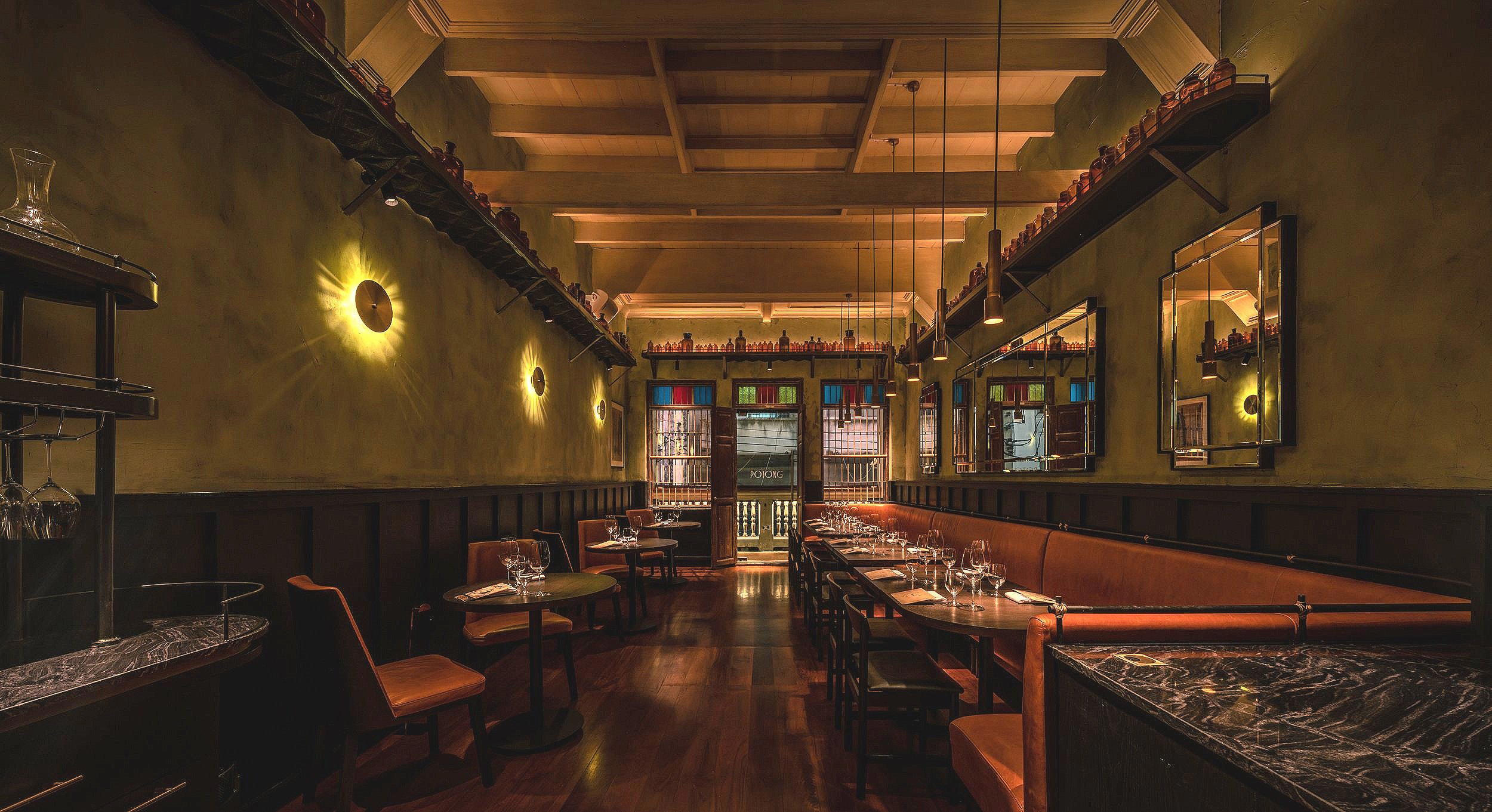
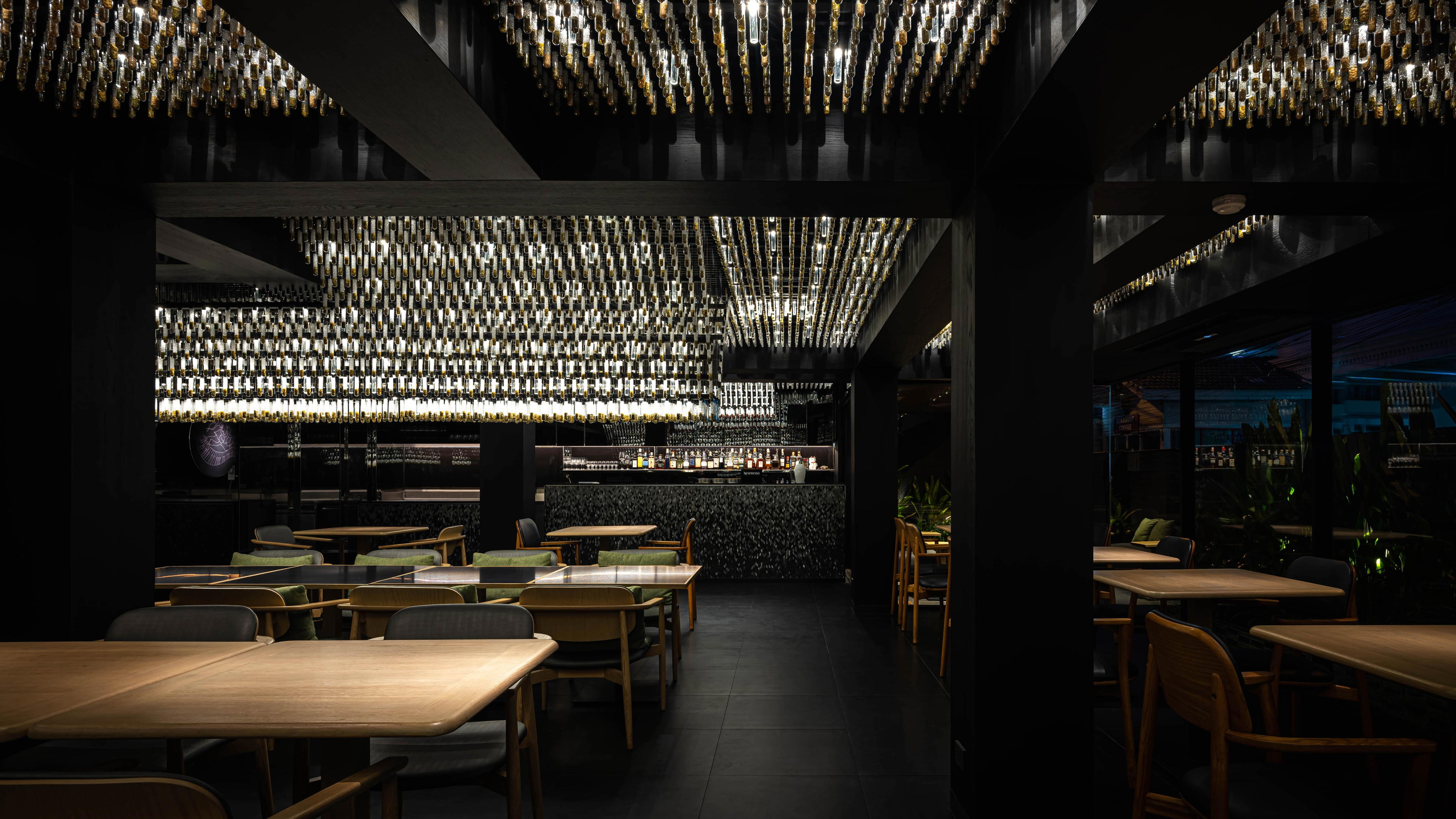
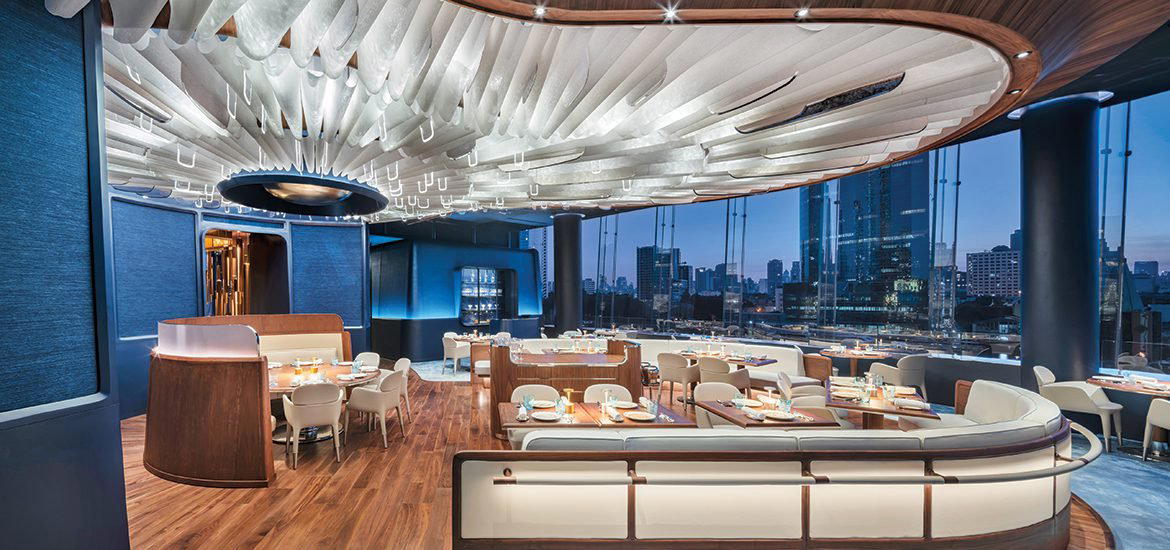
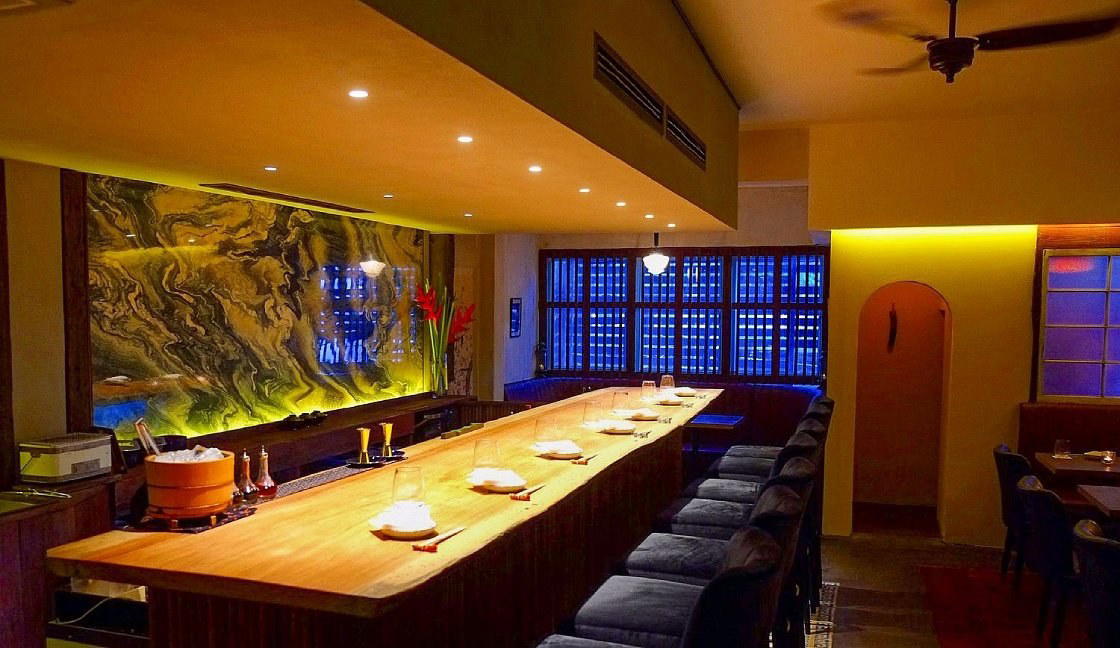
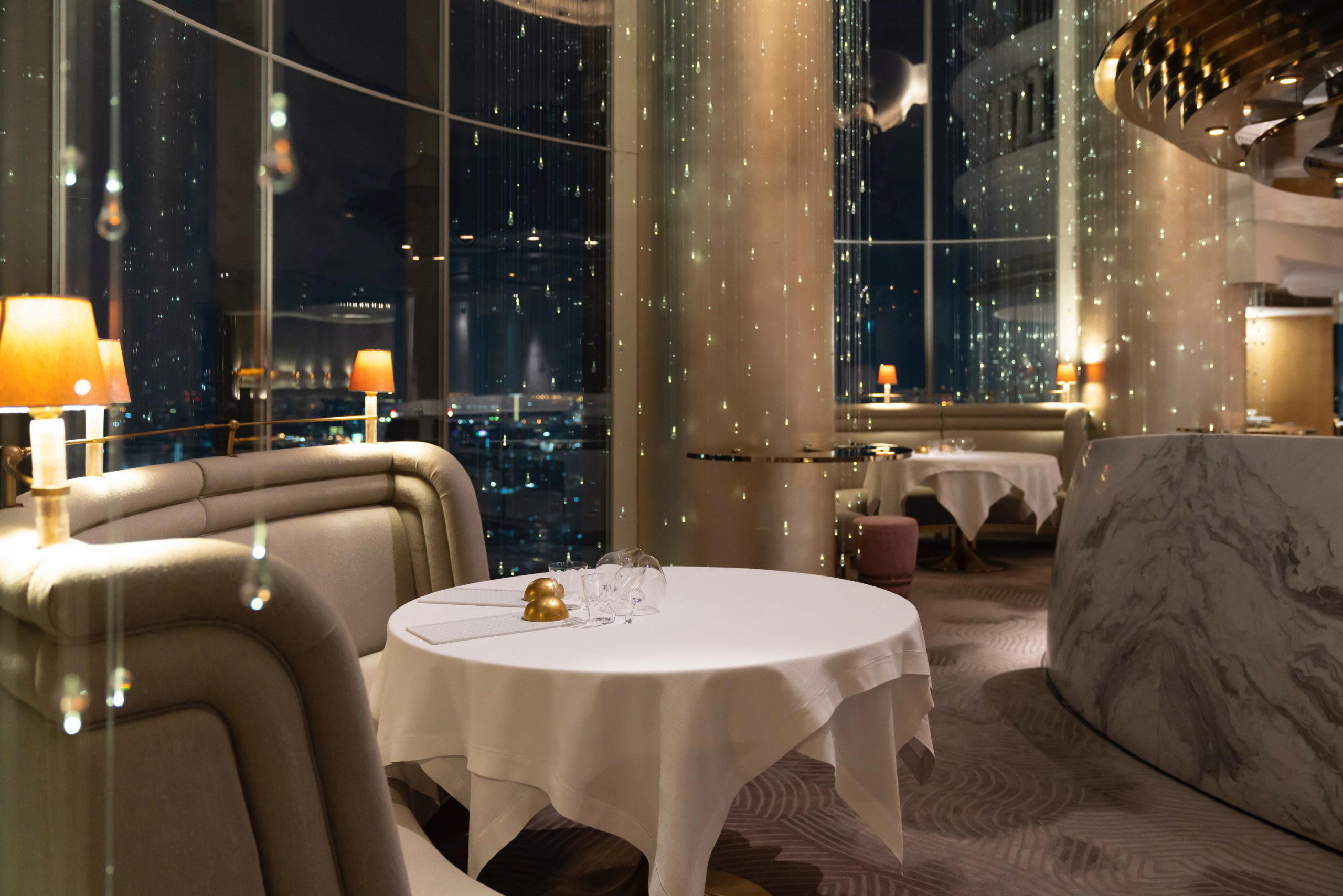
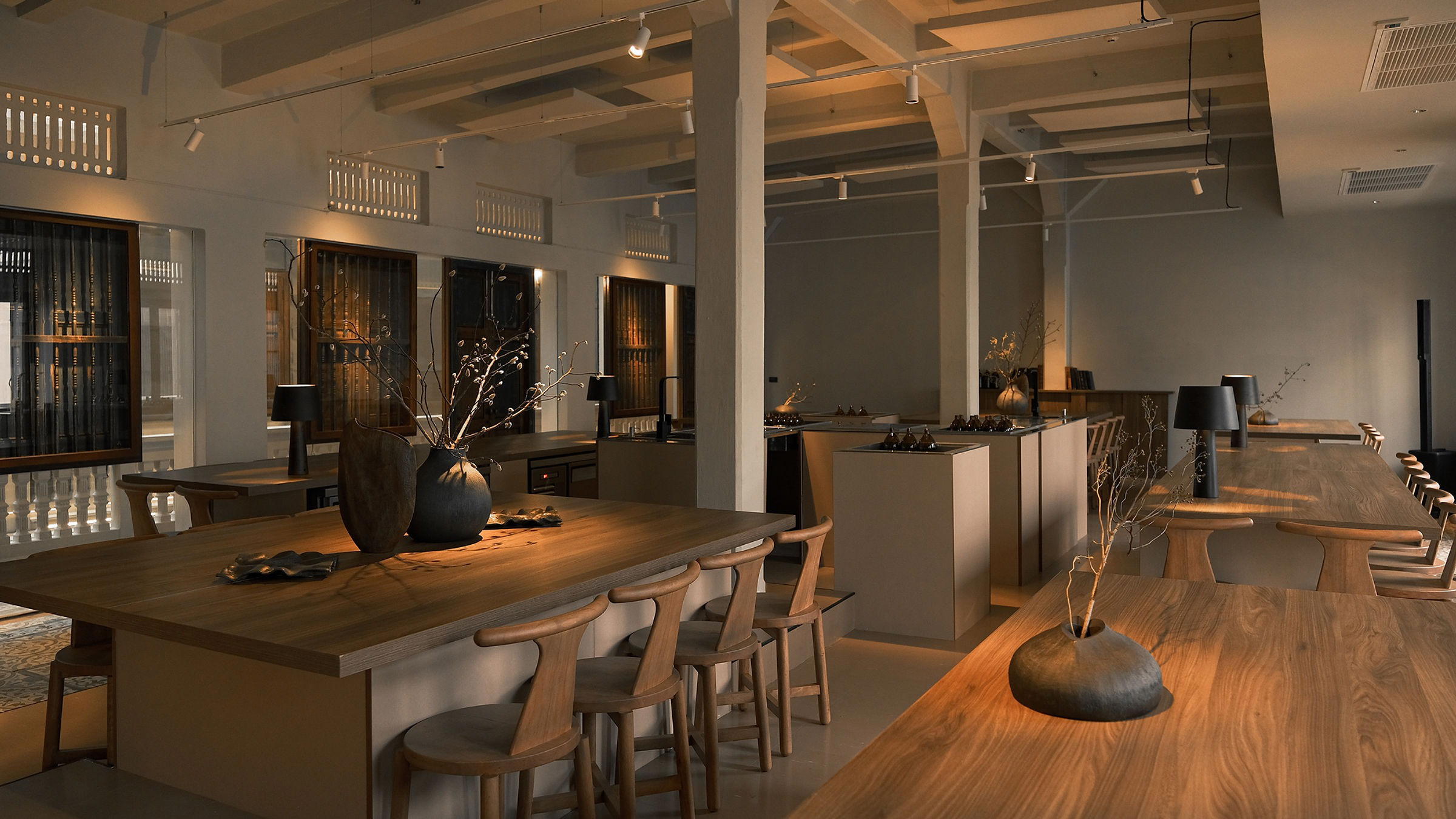
Bangkok's serious independent restaurants have largely abandoned the hotel-lobby aesthetic that defined premium dining here in the 1990s and early 2000s. The dining rooms that matter now tend toward deliberate restraint: natural materials, controlled light, an absence of visual noise that asks you to focus on what is in front of you. This is not minimalism for its own sake but a spatial argument, that the sourcing story and the cooking should do the communicating, not the décor.
Jae Wan fits within that trajectory. Anyone arriving from outside Bangkok, via Suvarnabhumi Airport, can expect around 45 minutes by taxi to central areas under normal traffic, though Bangkok traffic remains deeply variable after 5pm.
The Sustainability Frame: What It Actually Means in a Bangkok Kitchen
Sustainability in fine dining has suffered from overuse as a term. At its most credible, it refers to three overlapping commitments: ethical sourcing (where ingredients originate and under what labour and environmental conditions), waste reduction (what happens to the parts of an animal or vegetable not on the plate), and energy and water practices behind the kitchen door. The restaurants gaining serious recognition for this work, from PRU in Phuket, which operates a working farm to supply its kitchen, to AKKEE in Pak Kret, which engages directly with regional producers, are those treating sustainability as a discipline rather than a narrative.
Thailand's culinary geography makes genuine farm-to-table practice more achievable than in many countries. The Central Plains supply rice and freshwater produce. The North, around Chiang Mai, contributes highland vegetables and herbs that carry distinct terroir. The South brings seafood and coconut-based ingredients that define some of the country's most characterful cooking. Restaurants with real sourcing relationships across these regions can build menus with lower food-miles than almost any European fine dining equivalent. The question for any individual restaurant, Jae Wan included, is whether those relationships are structural or incidental. Diners who care about this distinction should ask directly when booking.
Waste reduction is the harder, less photogenic part of the same conversation. Whole-animal and whole-vegetable cooking, fermenting, pickling, and using stocks and broths built from trim are practices with deep roots in Thai cuisine that predate their current fashionability in European restaurant culture. Thai cooking has always used the whole fish, the whole bird, the whole coconut. Contemporary fine dining kitchens that draw on those traditions honestly are not importing a trend but recovering a practice.
The comparison tier matters for readers deciding how to allocate limited dining slots in Bangkok. Restaurants at the Sorn and Baan Tepa level set the ceiling for Thai provenance-led cooking in the city. Gaa (Modern Indian, Indian), operating at the same ฿฿฿฿ price point, brings a different sourcing philosophy shaped by its chef's Indian training and the intersection of two culinary traditions. These venues have confirmed awards, established reputations, and documented booking processes. They are the baseline against which any newcomer to Bangkok's serious dining tier is measured.
Jae Wan occupies a position that requires a different kind of attention from the reader. That is not unusual for Bangkok restaurants in their earlier operating years. Some of the city's most interesting cooking happens before the critical apparatus catches up. For the reader willing to engage with a restaurant at that earlier stage, the experience often carries more energy than a long-established name. Comparable moments of early-stage discovery elsewhere in Thailand, at Loet Rot in Mueang Chiang Mai or Cherng Doi Roast Chicken in Chiang Mai, show how quickly regional reputations can solidify once word spreads.
Globally, the restaurants that have built the deepest sustainability credentials have done so over years, not seasons. Le Bernardin in New York City has spent decades building its seafood sourcing relationships with documented supplier transparency. Atomix in New York City applies a similar rigour to its Korean-rooted ingredient selection. Bangkok's most serious kitchens are building toward comparable depth, and that process rewards restaurants willing to commit to it structurally rather than seasonally.
Planning Your Visit
For a full picture of what Bangkok's dining scene offers at this level, our full Bangkok restaurants guide maps the city's most considered options across cuisine types and price tiers. Readers extending their Thailand itinerary beyond Bangkok will find relevant reference points at DEVASOM BEACH GRILL in Takua Pa, The Spa in Lamai Beach, and Little Edo Suratthani in Mueang Surat Thani for contrast in setting and format. Those focused on Bangkok specifically might also note Hinata (日向) in Pathum Wan and Hoy Tord Chao Lay (หอยทอดชาวเล) in Watthana as useful reference points for how the city's dining range spans from street-rooted to formally structured. Krua Laew Tae R-Rom in Pattaya rounds out the regional picture for those travelling the Eastern Seaboard.
Bangkok's dining scene moves quickly, and confirmation at the source is the only reliable step before committing travel time.
Frequently asked questions
Would Jae Wan be comfortable with kids?
Jae Wan sits within Bangkok's independent fine dining tier, a format built around pacing, attention, and a considered dining rhythm that typically suits adults rather than young children. Bangkok restaurants operating at this level generally structure their service around longer sittings with a deliberate progression. Families with older teenagers who are comfortable in that kind of environment will find it manageable; those with younger children would be better served by the city's more casual options.
What kind of setting is Jae Wan?
Jae Wan operates as an independent restaurant in Bangkok, placing it outside the hotel-dining-room format that still dominates much of the city's premium tier. Bangkok's credible independents at this level tend toward intimate room counts and service that reflects a specific culinary point of view rather than a broad hospitality formula. The setting is the kind of space where the cooking, not the address, carries the weight of the visit.
How does Jae Wan approach sustainability compared to other Bangkok restaurants?
Bangkok's most credible sustainability-focused restaurants make their sourcing commitments explicit rather than treating the term as a general positioning word. Jae Wan operates within this independent dining tier in Bangkok, where the sustainability frame, when genuine, connects kitchen decisions directly to named producers or documented procurement practices.
What's the best thing to order at Jae Wan?
What the broader context makes clear is that Bangkok independents at this tier typically build their menus around sourcing relationships, meaning what arrives at the table shifts with season and supplier. Checking in with the restaurant ahead of your visit is the practical move.
The Short List
| Venue | Cuisine | Price | Awards | Notes |
|---|---|---|---|---|
| Jae WanThis venue — the venue you are viewing | Thai Desserts | $1–10 | Not listed | Not listed |
| Sorn | Fine Southern Thai | $200–300 | 3 Michelin Stars · World's 50 Best #12 | Southern Thai, ฿฿฿฿ |
| Baan Tepa | Creative Thai Fine Dining | $150–200 | 2 Michelin Stars · World's 50 Best #53 | Thai contemporary, ฿฿฿฿ |
| Côte by Mauro Colagreco | Riviera Mediterranean Fine Dining | $200–300 | 2 Michelin Stars · World's 50 Best #91 | Mediterranean, Modern Cuisine, ฿฿฿฿ |
| Gaa | Modern Indian Fine Dining with Thai Influences | $150–200 | 2 Michelin Stars · World's 50 Best #95 | Modern Indian, Indian, ฿฿฿฿ |
| Sühring | Modern German Fine Dining | $200–300 | 3 Michelin Stars · World's 50 Best #18 | German, ฿฿฿฿ |




Details
- Lively
- Cozy
- Casual Hangout
- A La Carte
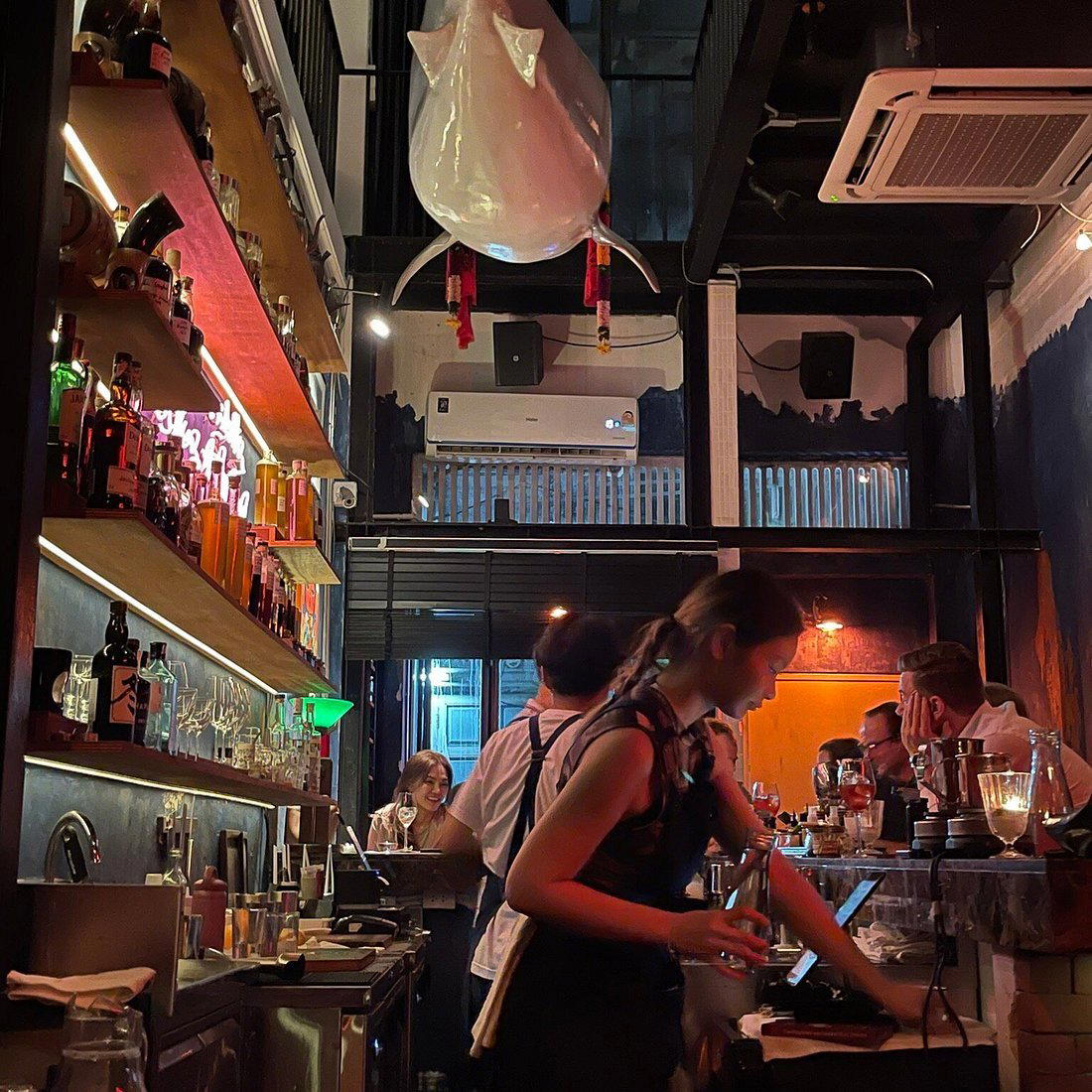
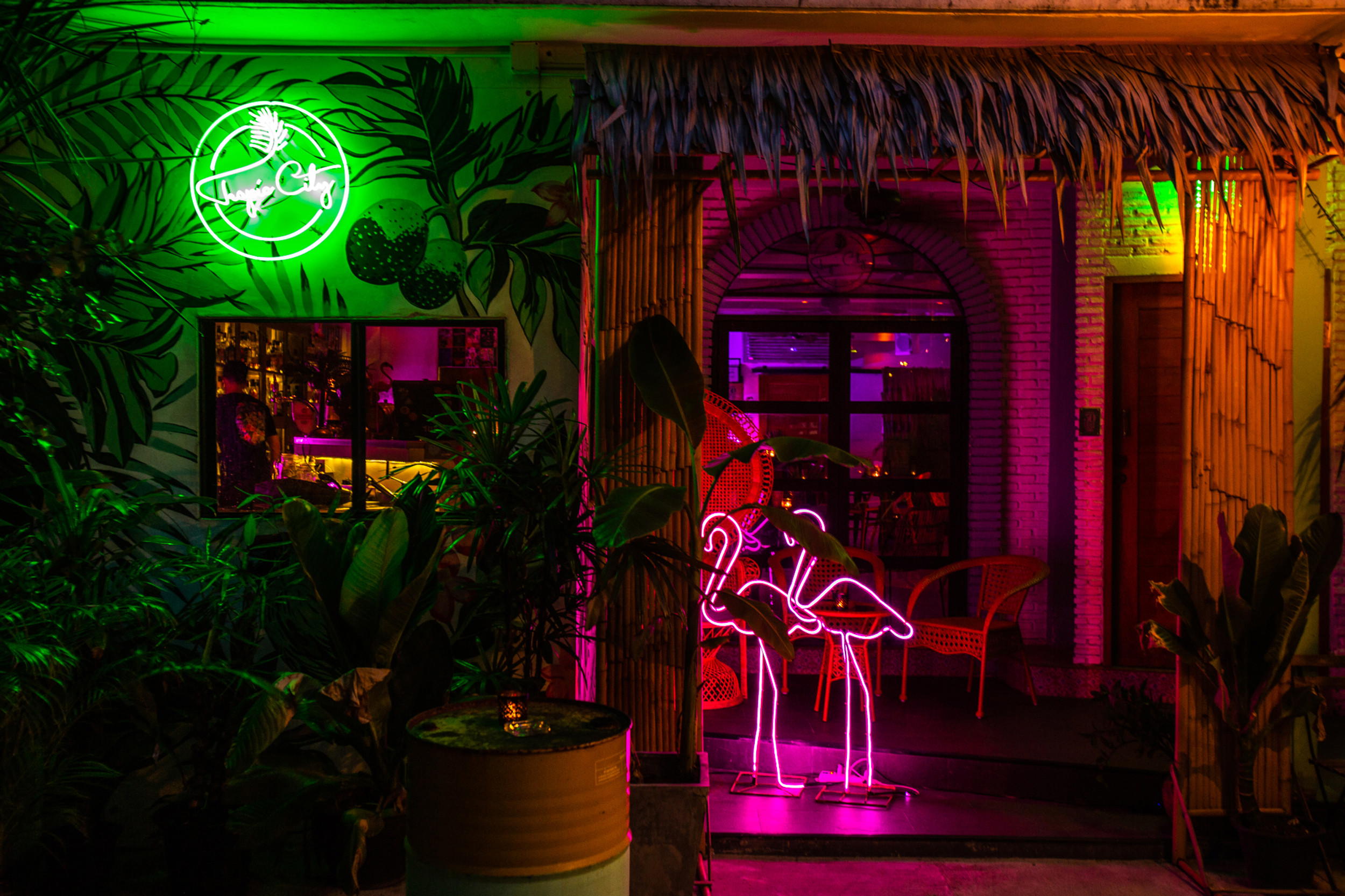
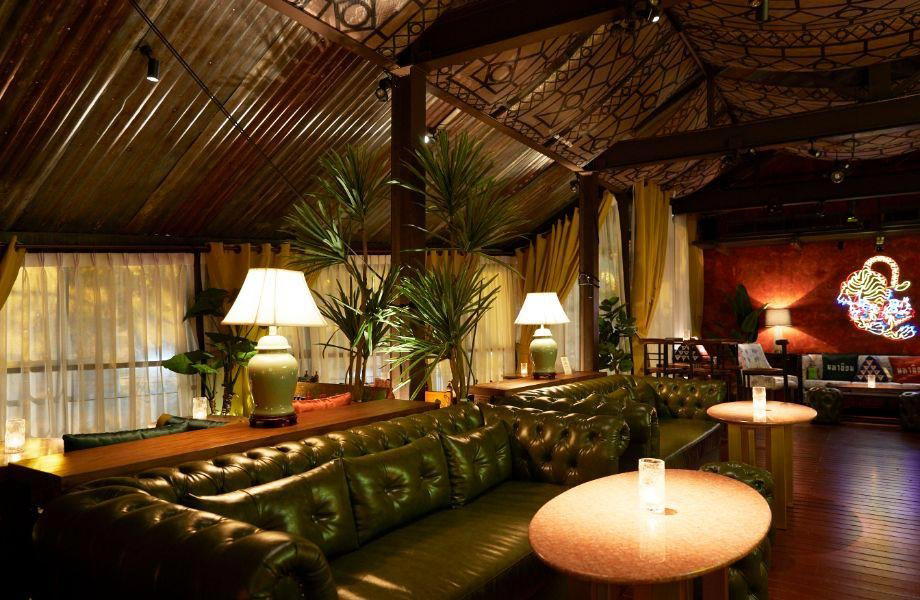
Lively and bustling atmosphere typical of a popular street-side dessert shop in Bangkok.