Our verdict
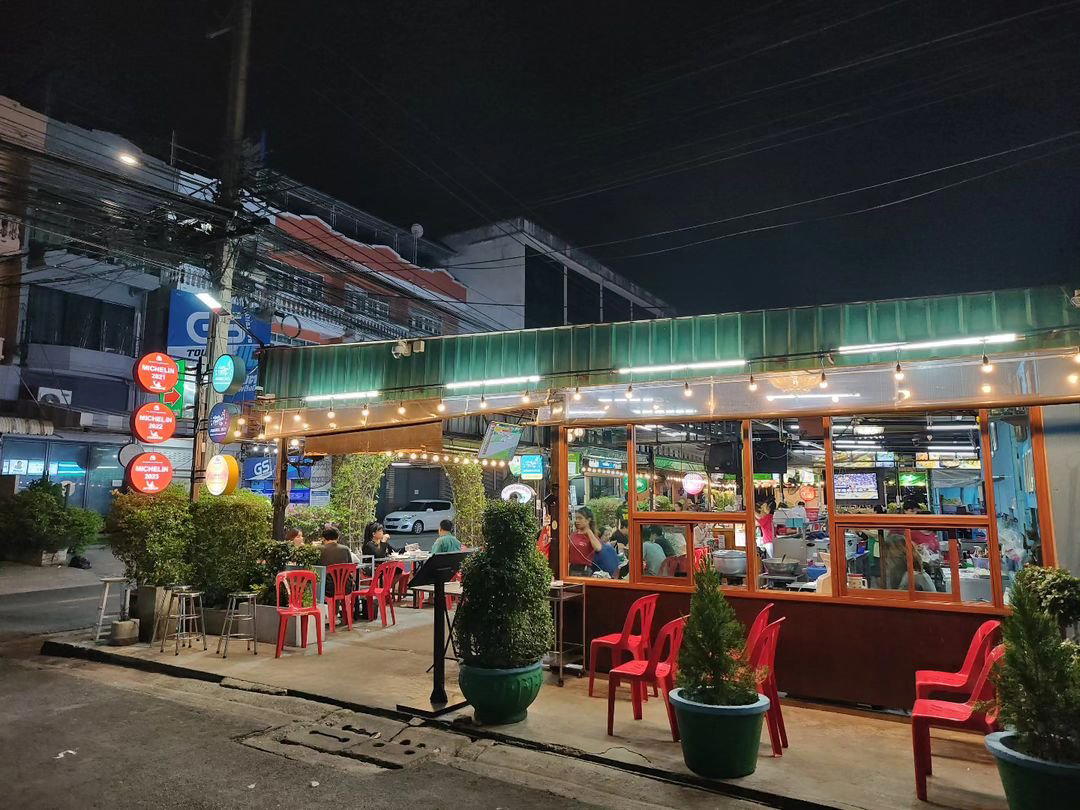
Somyos sits in the Lat Phrao district of Bangkok, away from the tourist circuits that define most visitors' dining maps. In a city where neighbourhood restaurants often preserve cooking traditions that fine-dining venues have long since stylised, Somyos represents the kind of address locals return to on rhythm rather than occasion — a place where the meal follows its own unhurried order.

Pearl is the En Primeur Club membership app — saves, bookings, and concierge access live there. Same editors, same standards.
- Address
- à¹à¸à¸à¸à¸±à¸¢ 4 à¸à¸à¸¢ 72 Thanon Satri Witthaya 2, Lat Phrao, Bangkok 10230, Thailand
- Phone
- +66852244617
- Hours
- Daily 4 PM–3 AM
- Directions
- Get directions
The menu
What to order
- Super chicken feet
- Shrimp with fish sauce
Lat Phrao and the Rhythm of the Local Table
Bangkok's dining attention tends to concentrate along the Silom corridor, the riverside, and the hotel-dense blocks of Sukhumvit, where addresses like Sorn, Baan Tepa, and Sühring have consolidated much of the city's critical recognition and international press. The Lat Phrao district, by contrast, operates on a different register entirely. This is a residential Bangkok — a place of shophouses, covered markets, and restaurants whose reputations circulate through neighbourhood habit rather than review aggregators. Somyos sits on Thanon Satri Witthaya 2, in this northern reach of the city, and its address alone signals something about the kind of meal on offer: this is not a table you book because of a tasting menu concept or a chef's published biography. It is the kind of table that earns repeat visits through consistency and a specific sense of place.
That distinction matters in Bangkok more than in most cities. The capital's restaurant market has bifurcated sharply over the past decade. On one side, a tier of destination dining has developed that competes on an explicitly international footing, with tasting menus, wine programmes, and press cycles that would be recognisable in New York or London. On the other, the neighbourhood restaurant tradition — the shophouse kitchen producing dishes cooked to an established rhythm, remains largely intact but invisible to most visitor itineraries. Somyos belongs to that second world, and understanding it requires setting aside the frameworks that apply to places like Gaa or Côte by Mauro Colagreco.
The Customs of the Thai Neighbourhood Meal
Thai dining at this register follows customs that differ in important ways from both Western restaurant formats and from the choreographed tasting menus that now define Bangkok's premium tier. Dishes arrive not in a strict sequence but in a loose simultaneity: rice lands early, curries and stir-fries follow in rough clusters, and the table fills incrementally rather than clearing between courses. This is not a failure of pacing, it is the pacing. The meal is designed to be eaten communally, with each diner building their own plate from shared dishes rather than progressing through a predetermined arc. That format rewards groups and repeat visitors who know how to order across the menu to achieve balance.
This same communal logic shapes neighbourhood restaurants across Thailand, from the northern traditions visible at places like Cherng Doi Roast Chicken in Chiang Mai or Loet Rot to the coastal kitchens of the south, represented in a different register at PRU in Phuket. The shared-table rhythm is the connective tissue across those regional differences. What changes is the flavour profile, the regional influences, and the proximity to markets and producers that shape what lands on the table any given week.
At a neighbourhood restaurant in Lat Phrao, the expectation is that you arrive knowing broadly what you want rather than relying on an elaborate tasting menu structure to decide for you. The menu, typically handwritten or printed on a laminated sheet, does not explain itself in the way a destination restaurant's might. Regulars already know what the kitchen does well; first-time visitors are expected to engage directly, ask what is available, and accept that some dishes may be seasonal or simply unavailable on a given day. That informality is not an obstacle. It is the operating convention of this dining tier across Bangkok, and learning to work within it produces a more direct and often more satisfying encounter with the food than a curated progression of small courses.
Neighbourhood Context and How Lat Phrao Fits Bangkok's Wider Dining Map
For visitors whose Bangkok dining experience has been shaped by the Michelin-listed addresses in the centre, Lat Phrao represents a deliberate detour. The BTS Skytrain does not reach this part of the city directly; the practical route involves the MRT or a ride-hailing app, and the journey from the Sukhumvit core takes roughly 30 to 40 minutes depending on traffic. That friction functions as a filter. Most of the tables at Somyos are occupied by locals, not because the restaurant is obscure but because its location naturally limits the transient visitor traffic that floods the more accessible neighbourhoods.
This pattern repeats itself across Bangkok's outer districts. AKKEE in Pak Kret, across the northern boundary in Nonthaburi, operates on a similar logic: a destination for those willing to leave the tourist circuits, rewarded with a room that runs on local custom rather than visitor expectations. The willingness to travel for neighbourhood food is, in Bangkok, often proportional to the quality of what you find. The city's best-known cooking traditions did not develop in hotel dining rooms; they developed in exactly these kinds of shophouse kitchens, and the connection to that origin remains strongest in neighbourhoods like Lat Phrao.
Within Bangkok's wider dining context, it is worth situating Somyos against what the city's premium tier has become. The top-end addresses referenced in our full Bangkok restaurants guide compete at a global level, with tasting menus priced and positioned against peers in Singapore, Tokyo, and Copenhagen. Neighbourhood restaurants like Somyos occupy the opposite pole of that spectrum, not as a lesser version of the same ambition but as an entirely different proposition. The comparison venues that carry meaning here are not Le Bernardin or Atomix but rather the sprawling local restaurant culture that still defines how most Bangkok residents eat most of the time.
For a parallel in other parts of Thailand, the dynamic resembles what you find at places like Krua Laew Tae R-Rom in Pattaya or Hoy Tord Chao Lay in Bangkok's Wattana district: restaurants where the authority of the cooking is communicated through reputation and repetition rather than awards or press coverage. The absence of a Michelin listing or a tasting menu format is not a gap in the offering; it is part of the point.
Is Somyos a good choice for visitors unfamiliar with ordering at Thai neighbourhood restaurants?
Somyos is located in a residential district where the dining format follows local custom rather than international visitor conventions, menus may not be translated, and the pacing and shared-dish structure differs from tasting menus or à la carte Western formats. Visitors who have spent time at comparable neighbourhood restaurants elsewhere in Bangkok or Thailand, such as Loet Rot in Chiang Mai, will find the format familiar. First-time visitors to this style of dining would benefit from arriving with a Thai-speaking companion or a willingness to point and ask, both are entirely workable strategies at this tier of Bangkok's dining culture.
Frequently asked questions
Where is Somyos in Bangkok?
Somyos is located at à¹à¸à¸à¸à¸±à¸¢ 4 à¸à¸à¸¢ 72 Thanon Satri Witthaya 2, Lat Phrao, Bangkok 10230, Thailand, Bangkok.
Is Somyos suitable for a first visit to Bangkok's non-tourist dining scene?
Somyos is on Thanon Satri Witthaya 2 in Lat Phrao, a working residential district where menus may be in Thai and the dining format follows local rather than international conventions. That context makes it a practical introduction to how Bangkok actually eats outside the hotel and Sukhumvit corridors, provided you are comfortable with some ambiguity around ordering. Going with a Thai-speaking companion or a translation app closes most of the gap.
What should I eat at Somyos?
Ordering follows the shared-plate format standard to this tier of Thai dining, so arriving with two or more people gives a fuller read of what the kitchen does.
Can I walk in to Somyos?
Walk-in dining is the norm at Bangkok neighbourhood restaurants at this level, and Somyos on Thanon Satri Witthaya 2 in Lat Phrao operates within that convention. Peak lunch and dinner hours in residential districts can fill tables quickly with local regulars, so arriving slightly outside those windows reduces any wait.
Comparable Options
Comparable venues nearby, for context on price, style, and recognition.
| Venue | Cuisine | Price | Awards | Notes |
|---|---|---|---|---|
| SomyosThis venue — the venue you are viewing | Thai with Chinese influences | Not listed | Not listed | Not listed |
| Baannok BKK | Authentic Korat-Style Thai | $30–50 | Michelin Plate | Siam Square |
| Jae Wan | Thai Desserts | $1–10 | Not listed | Pathum Wan |
| JJ's Kitchen Restaurants | Thai with International Options | $10–20 | Not listed | Ban Don Muang Khwaeng |
| Wan Fah | Authentic Thai Boat Dinner Cruise | Not listed | Not listed | Chakkaphat |
| Thapthim Krop Wat Sutthi | Thai Dessert Shop | Not listed | Not listed | Sathon |
Details
- Lively
- Cozy
- Casual Hangout
- Late Night
- Standalone
- A La Carte
Current opening hours
- Monday
- 4 PM–3 AM
- Tuesday
- 4 PM–3 AM
- Wednesday
- 4 PM–3 AM
- Thursday
- 4 PM–3 AM
- Friday
- 4 PM–3 AM
- Saturday
- 4 PM–3 AM
- Sunday
- 4 PM–3 AM
Hours can change for holidays and private events. Last verified .
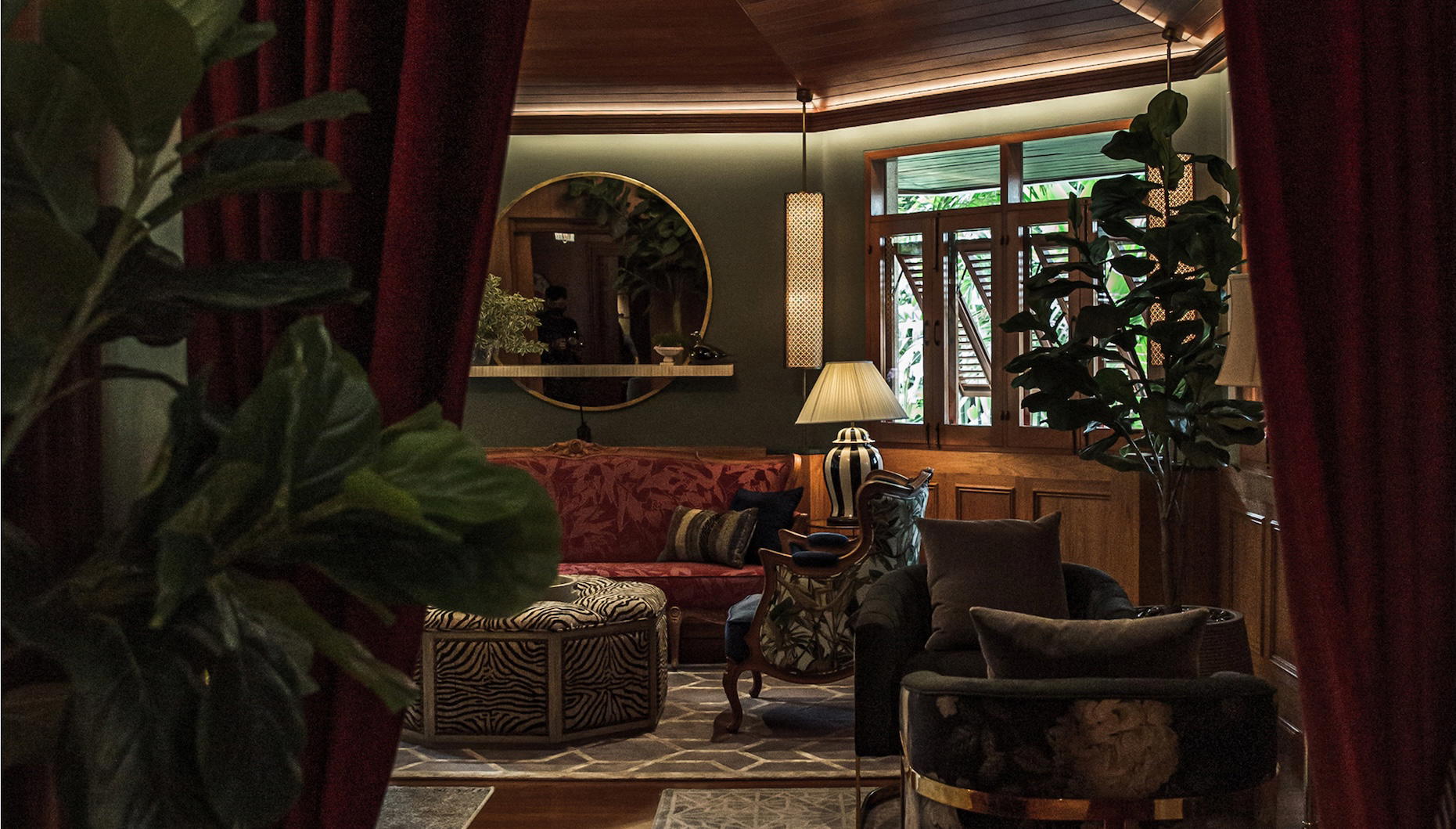
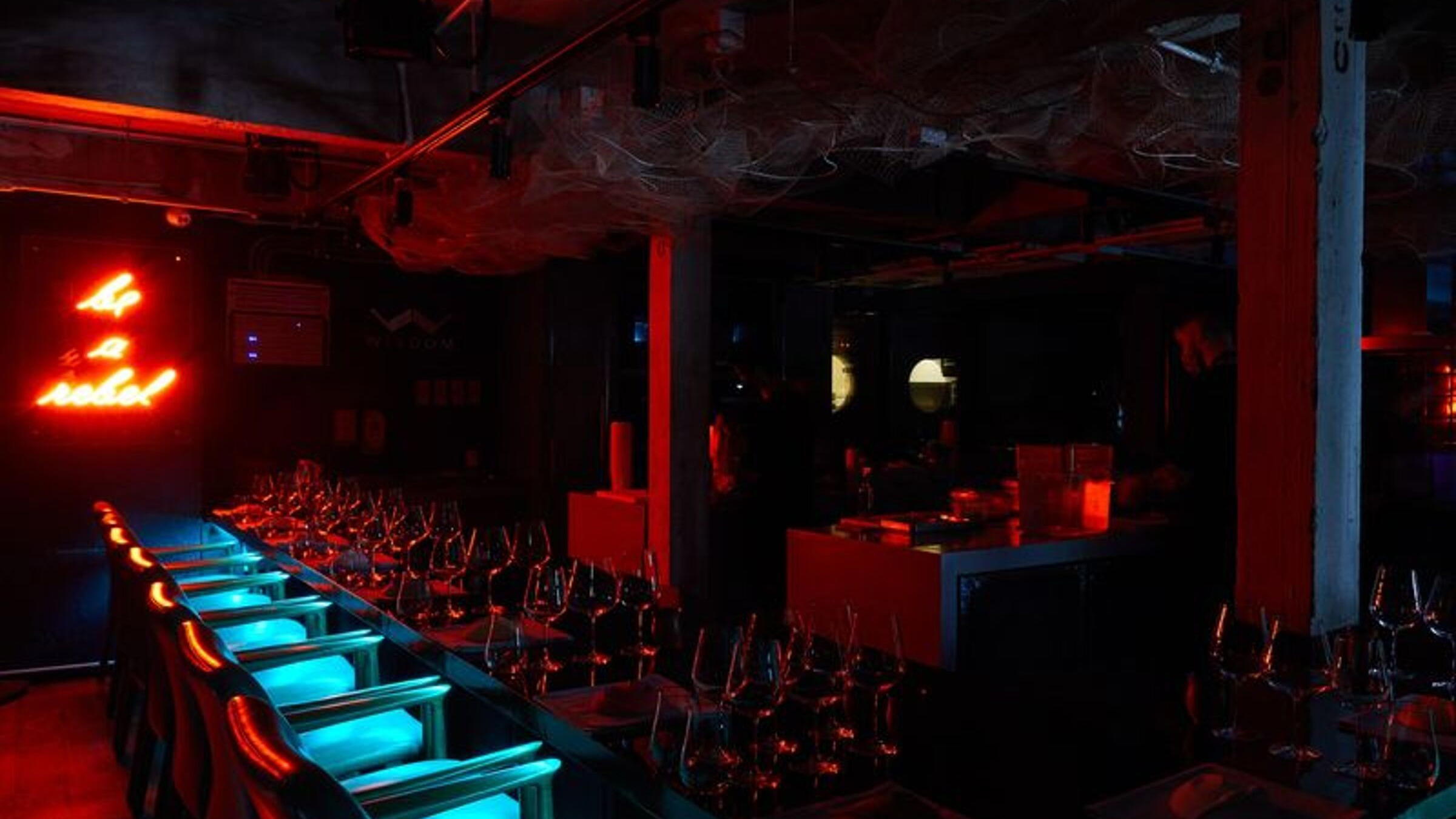
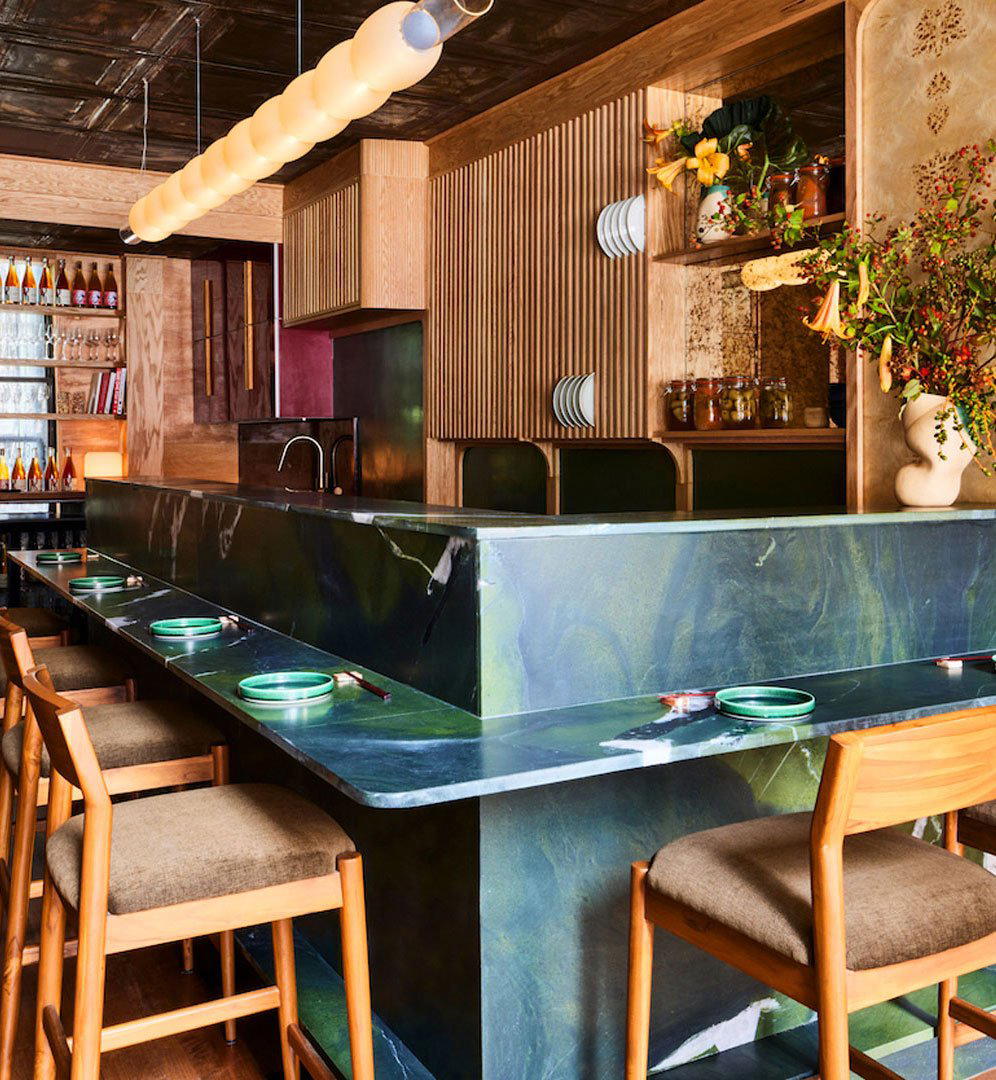
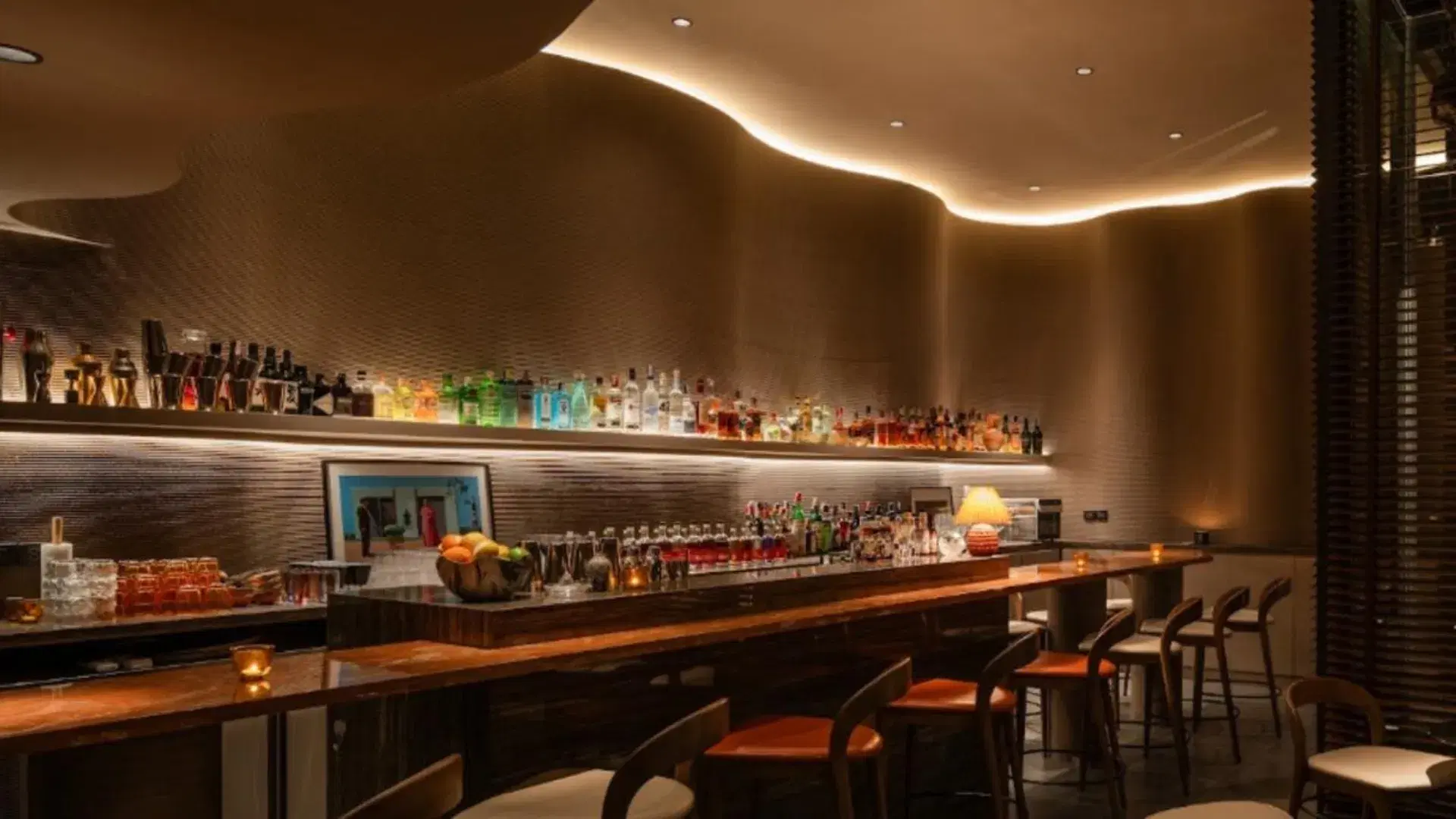
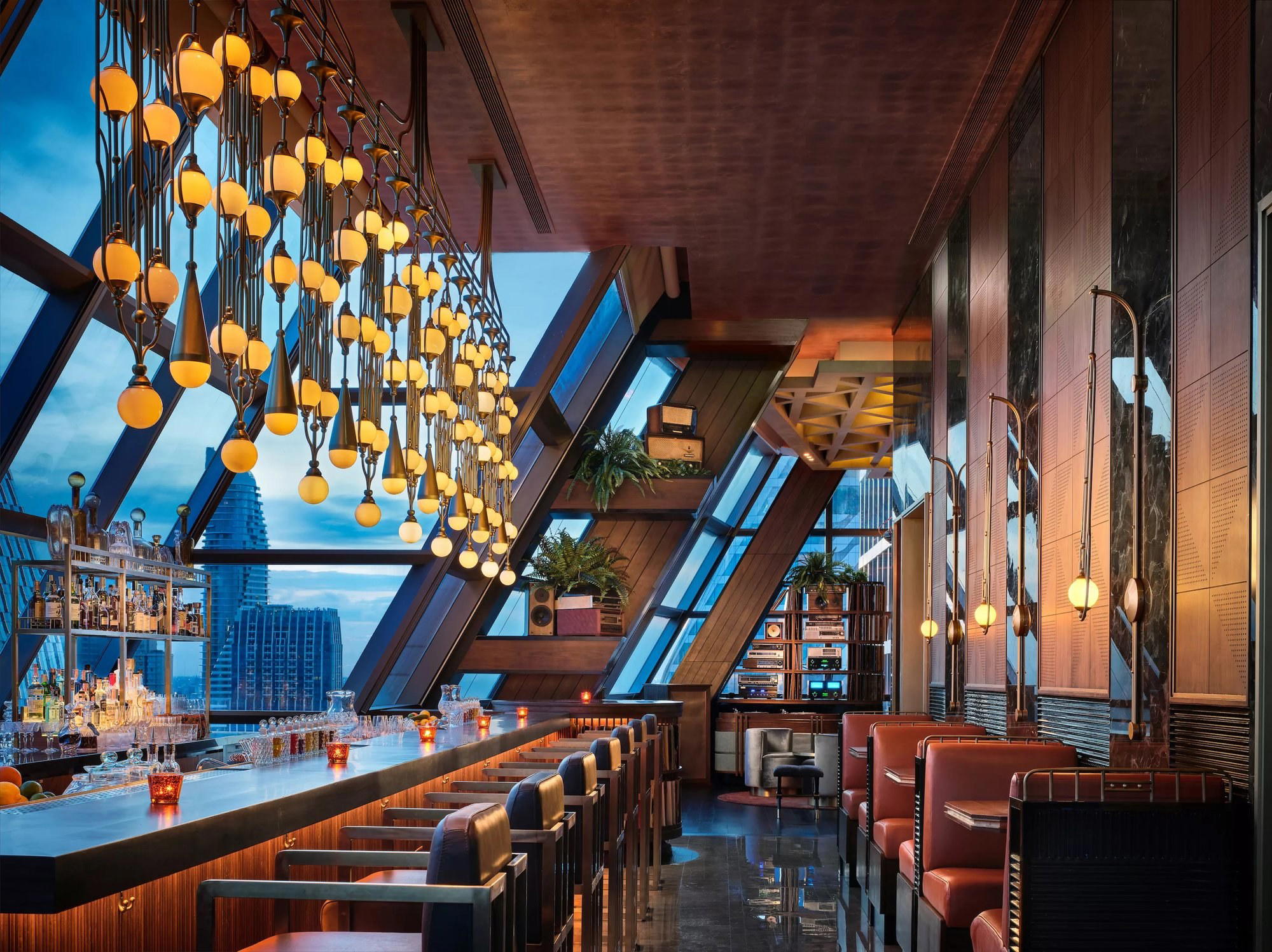
Warm and friendly local atmosphere with a neighborhood feel.