The Spa

World's 50 Best #35
Our verdict
A Thai seafood address on Lamai Beach with a 2002 appearance on the World's 50 Best Restaurants list at number 35, The Spa occupies a particular place in Ko Samui's dining record. The kitchen works within the Thai seafood tradition, drawing on the Gulf of Thailand's daily catch.

Pearl is the En Primeur Club membership app, where members save venues, book tables and use the concierge.
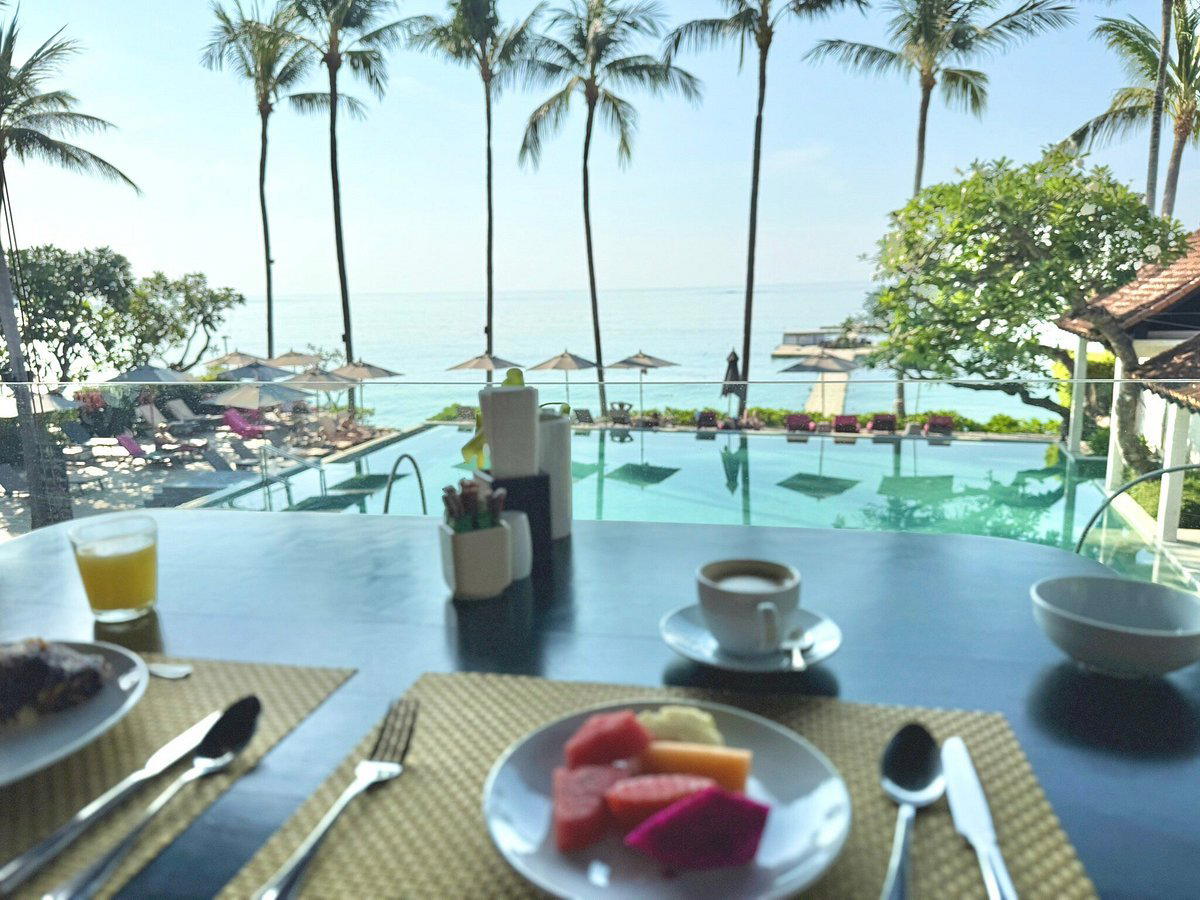
The Gulf at Your Table: Thai Seafood on Lamai Beach
Ko Samui's southern coastline has a different rhythm from the resort-heavy north. Lamai Beach sits at a remove from the Chaweng strip's density, and the restaurants that have taken root along it tend to reflect the Gulf of Thailand more directly: open air, proximity to fishing activity, and a kitchen logic shaped by what the boats bring in rather than by imported supply chains. The Spa, at 171 Maret on the Lamai beachfront, exists within that tradition. Its address on the World's 50 Best Restaurants list in 2002, at number 35, is a credential that places it in an era when very few Asian restaurants outside Japan and Hong Kong were registering with that circuit at all. That historical signal matters when reading what The Spa represents in the longer arc of Thai seafood recognition.
What a 2002 Ranking Actually Tells You
Context is necessary here. The World's 50 Best list in its early years had a smaller voting pool and a different geographic weighting than it does today, but breaking into the top 40 from a beach setting on a Thai island in 2002 was not a routine outcome. For comparison, the Bangkok restaurants now holding positions in global rankings, including Sorn in Bangkok with its Southern Thai focus, have built that recognition across more than two decades of infrastructure investment in Thai fine dining. The Spa's 2002 listing predates much of that infrastructure. It belongs to an earlier wave of international attention to Thai food, one driven less by tasting menu formats and more by the quality of primary ingredients cooked with regional fluency. That is a meaningful distinction.
The Thai seafood category, as an international proposition, has since developed considerably. Operations like PRU in Phuket and AKKEE in Pak Kret demonstrate how the sourcing conversation has formalized in more recent years, with documented supplier relationships, farm-to-table formats, and tasting menus that make the provenance argument explicit.
The Catch: Sourcing in a Gulf Seafood Context
The Gulf of Thailand, which wraps around Ko Samui's eastern and southern shores, supports an active small-boat fishing culture. Squid, red snapper, grouper, prawns, and crab are among the species that move through markets like the Lamai morning market and the Nathon pier supply routes. For a restaurant working in the Thai seafood register at the level The Spa aimed for, proximity to that daily supply is not incidental. It is the operating logic. Thai seafood cooking at this tier depends on freshness windows that centralized supply cannot replicate: crab that arrived that morning, fish that hasn't been in a chill chain for two days.
That sourcing reality shapes what Thai seafood restaurants on the island can credibly do. The cuisine built around it, across the Gulf coast, runs from grilled whole fish with seafood dipping sauces through steamed crab with vermicelli, stir-fried clams with roasted chili paste, and the coconut-milk curries that characterize Ko Samui's particular Southern Thai inflection. It is a register where the ingredient is primary and technique serves to concentrate rather than transform. For a reference point on how that philosophy plays at the highest level of current Thai seafood in a more formal context, Horizon at the Hilton Pattaya offers a comparison from the Eastern Gulf coast.
Lamai Beach in the Ko Samui Dining Picture
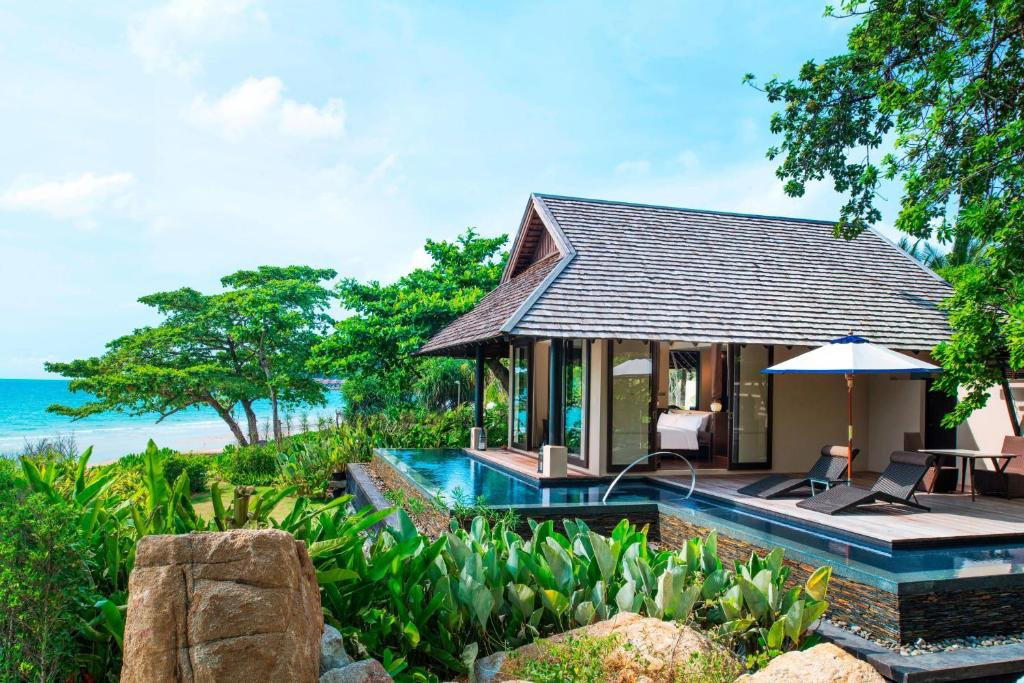
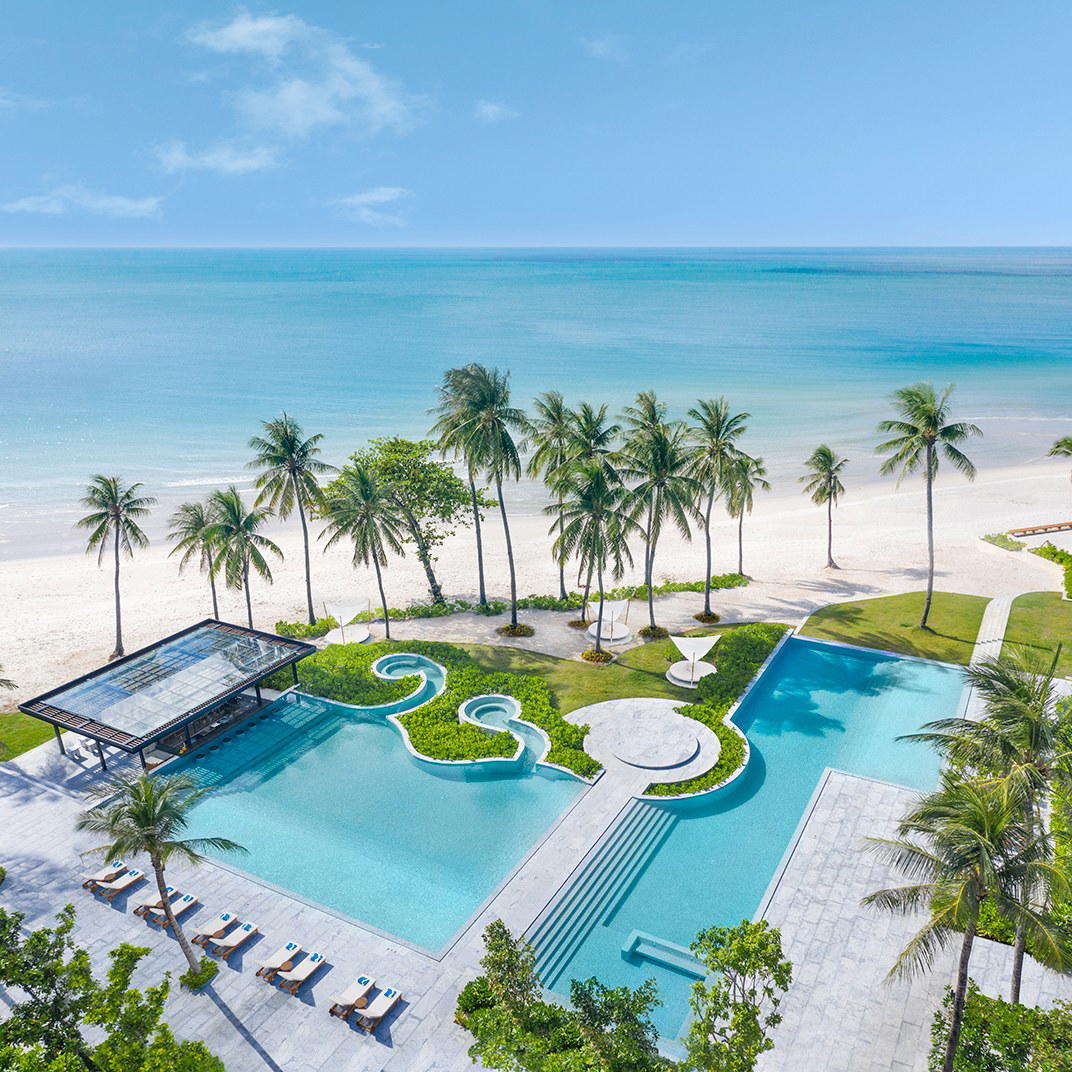
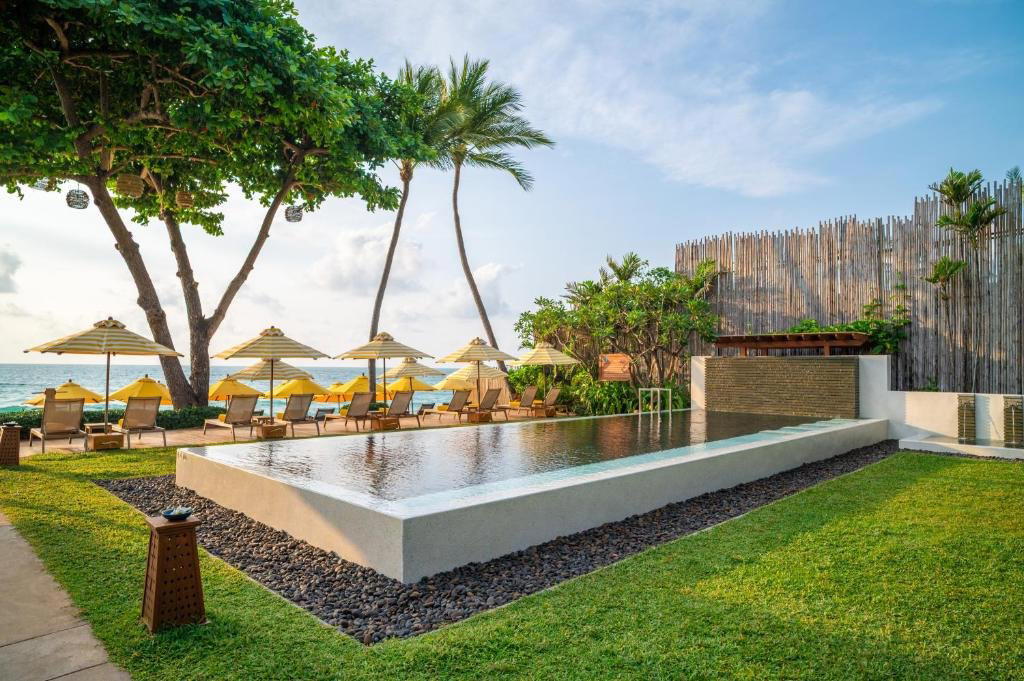
Ko Samui's dining scene has layered considerably since the early 2000s. The island now carries a range that runs from street-side noodle shops to hotel restaurants aimed at international luxury travelers, with a growing number of mid-tier operations targeting the long-stay and villa-rental market. Lamai sits in a distinct subcategory: less glossy than Chaweng's main strip, more relaxed in pace, with a shoreline that still carries traces of the island's pre-resort fishing character. Restaurants operating on that stretch benefit from the atmosphere that comes with proximity to the water and separation from the dense tourism corridor.
For visitors planning a longer stay on the island, the surrounding dining context is worth mapping. Baan Suan Lung Khai in Ko Samui represents the island's broader Thai table offer, while the links between Ko Samui's food culture and the wider Southern Thai tradition connect it to the same regional cooking that drives recognized operations elsewhere in the country. For a fuller picture of the island's hospitality, see our full Lamai Beach hotels guide, our full Lamai Beach bars guide, and our full Lamai Beach experiences guide.
Thai Seafood in a Broader National Frame
The restaurants currently drawing international attention to Thai cuisine span a wide geographic and stylistic range. Aeeen in Chiang Mai operates in Northern Thai register. Angeum in Phra Nakhon Si Ayutthaya works in the Central Thai tradition. Anuwat in Phang Nga, on the Andaman coast, brings a different seafood context given Phang Nga Bay's distinct marine environment. What connects these operations is a shared premise: that regional Thai cooking, taken seriously on its own terms and with direct access to local supply, can hold its ground against any international comparator. The Spa's 2002 ranking was an early iteration of that argument, made from an island beach before the global fine-dining circuit had fully registered the claim.
For a global seafood benchmark, Le Bernardin in New York City represents the French-trained technical approach to fish cookery that dominated international rankings for much of the same era. The contrast between that register and what The Spa represented, a regionally specific, sourcing-driven coastal Thai kitchen, captures something important about the early 2000s moment in global dining.
Planning a Visit
The Spa's address at 171 Maret, Lamai Beach, Ko Samui, places it within the southern section of the Lamai coastline, accessible by songthaew from Chaweng or by rental vehicle. For visitors exploring the island's wider restaurant offer, our full Lamai Beach restaurants guide covers the current range. Given the absence of current booking information in the public record, confirming hours and availability directly on arrival or through a hotel concierge is the practical approach. For visitors also considering wine or other beverage programs during their stay, our full Lamai Beach wineries guide and bar listings provide additional context. Nearby regional comparators for those building a Thai food itinerary include Agave in Ubon Ratchathani, Baan Chik Pork Noodles in Udon Thani, Baan Heng in Khon Kaen, and Banmai Chay Nam in Nakhon Ratchasima for a wider sense of Thai regional cooking across the country.
Frequently asked questions
What part of town is The Spa in?
The Spa is located at 171, 2, Maret, Ko Samui District, Surat Thani 84310, Thailand, Lamai Beach.
Comparable Venues
Comparable venues nearby, for context on price, style, and recognition.
| Venue | Cuisine | Price | Awards | Notes |
|---|---|---|---|---|
| The SpaThis venue (the venue you are viewing) | Organic Vegan and Raw Food | Not listed | World's 50 Best #35 | Not listed |
| Juksunchae | Contemporary Korean Fine Dining | $100–150 | 1 Michelin Star · Star Wine List | Watthana Khwaeng |
| Jun Hom | Southern Thai Seafood | $20–30 | Michelin Bib Gourmand | Mae Nam |
| Bo. Lan | Traditional Thai Fine Dining | $100–150 | 1 Michelin Star · World's 50 Best #98 | Khlong Tan |
| INDDEE | Modern Indian Fine Dining | $100–150 | 2 Michelin Stars · La Liste Top Restaurants | Suan Lumphini |
| PRU | Modern Thai Fine Dining | $200–300 | 1 Michelin Star · Wine Spectator Award of Excellence | Thalang |
Recognition history
Dated appearances from independent guides and award organizations, with the underlying list record or original source where available.
World's 50 Best Restaurants #35
World's 50 Best
Continue exploring
More in Lamai Beach
Restaurants in Lamai Beach
All restaurants in Lamai Beach →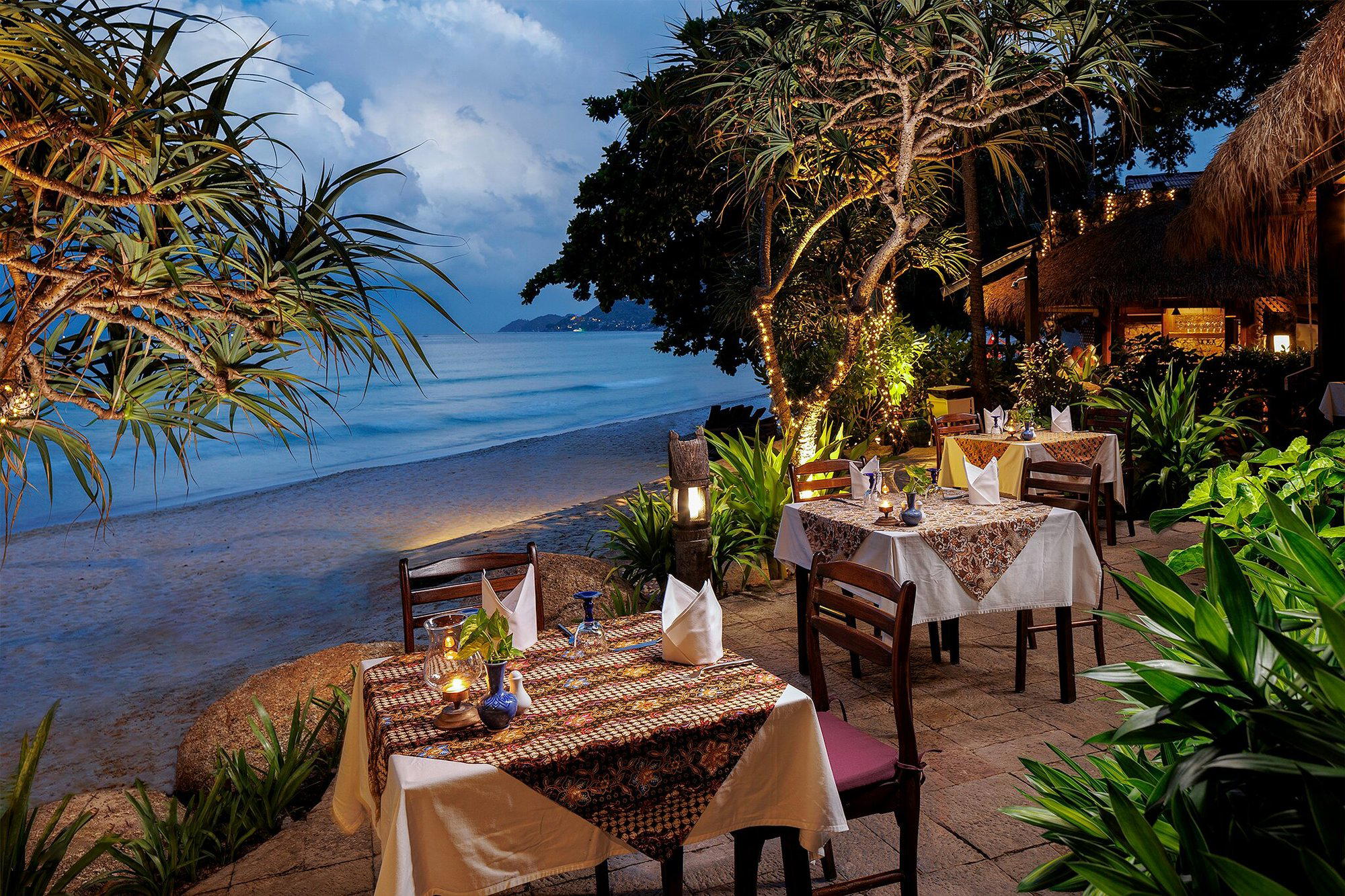
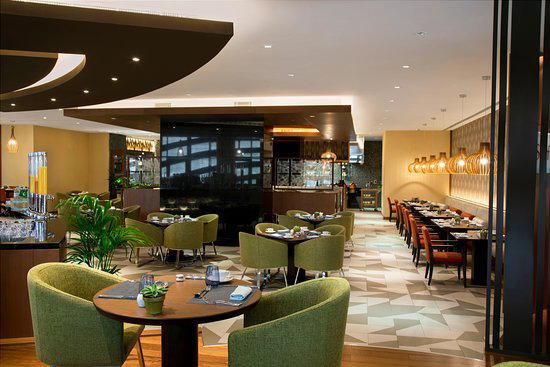
Bars in Lamai Beach
Browse all →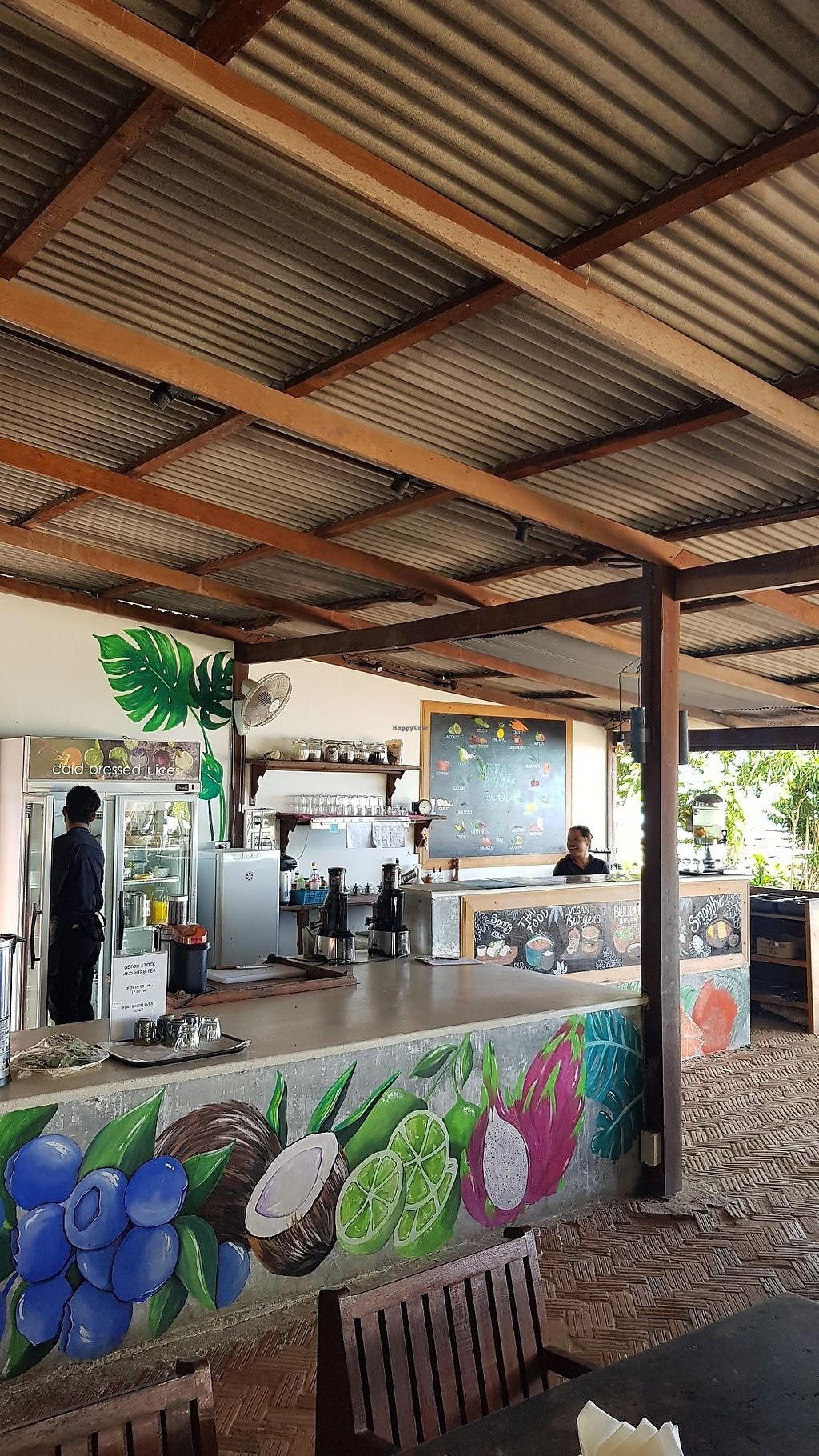
Details
- Quiet
- Cozy
- Serene
- Relaxed
- Solo
- Celebration
- Waterfront
- A La Carte
- Vegetarian Friendly
- Vegan Options
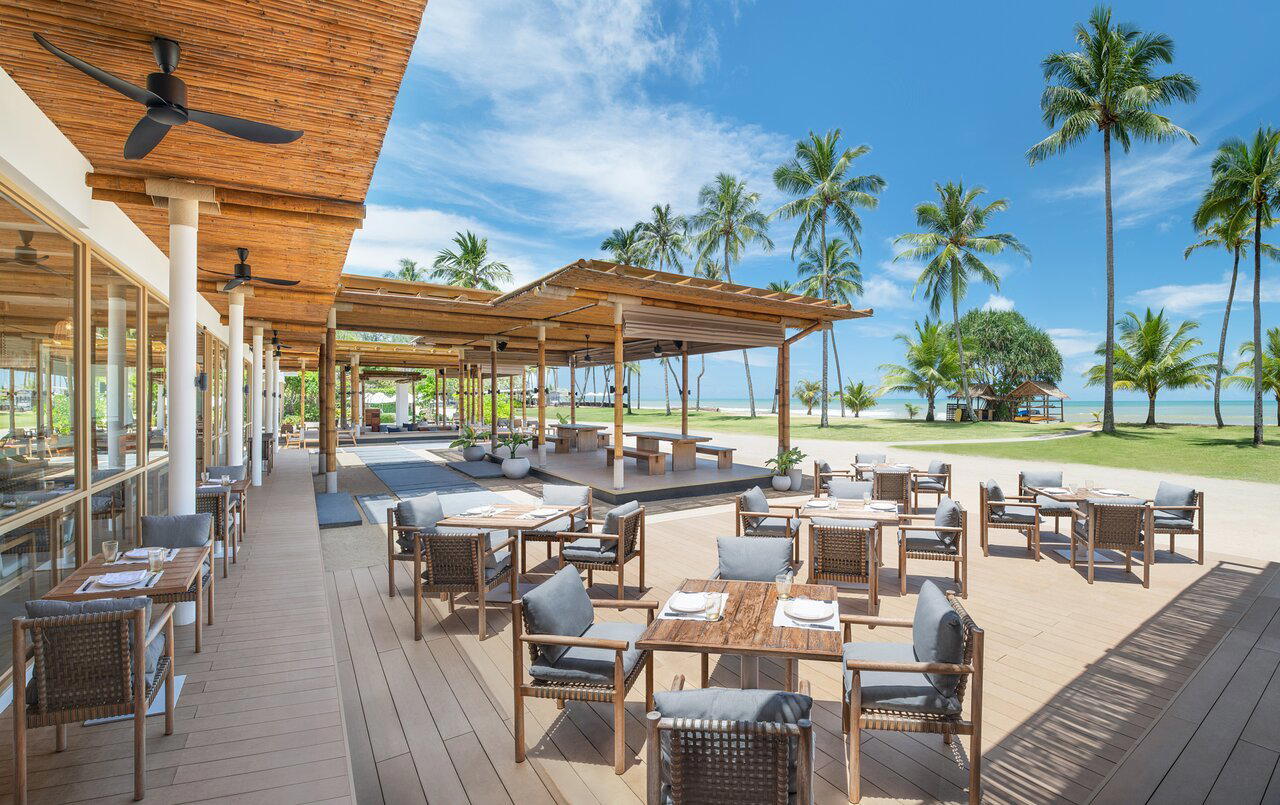
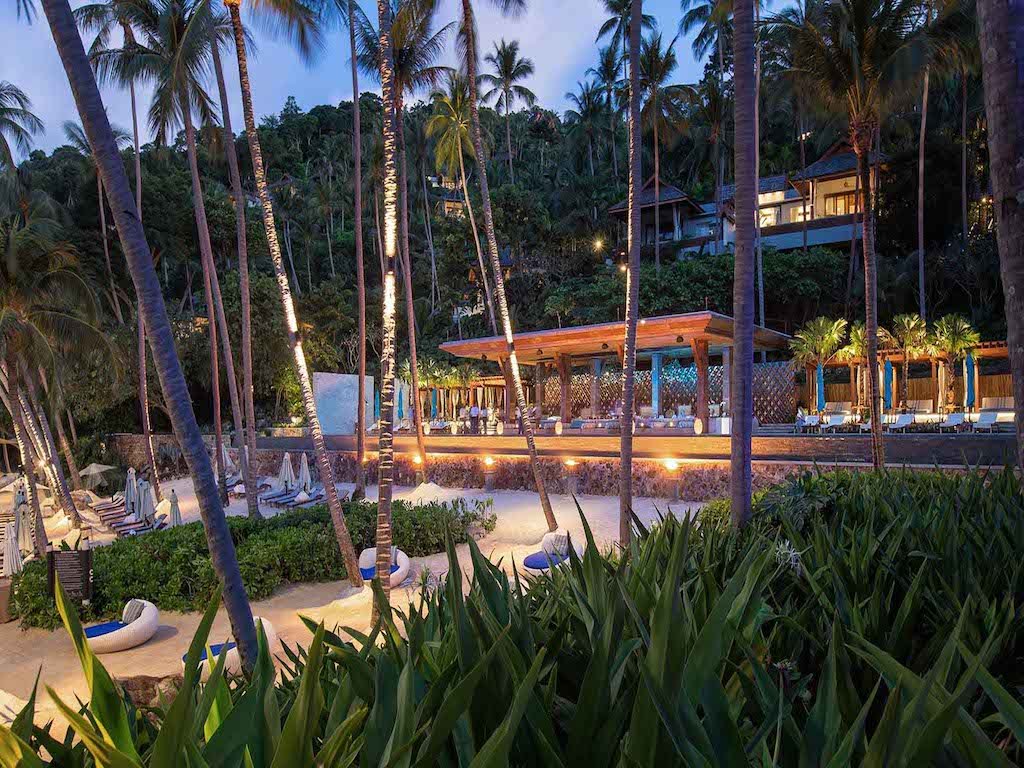
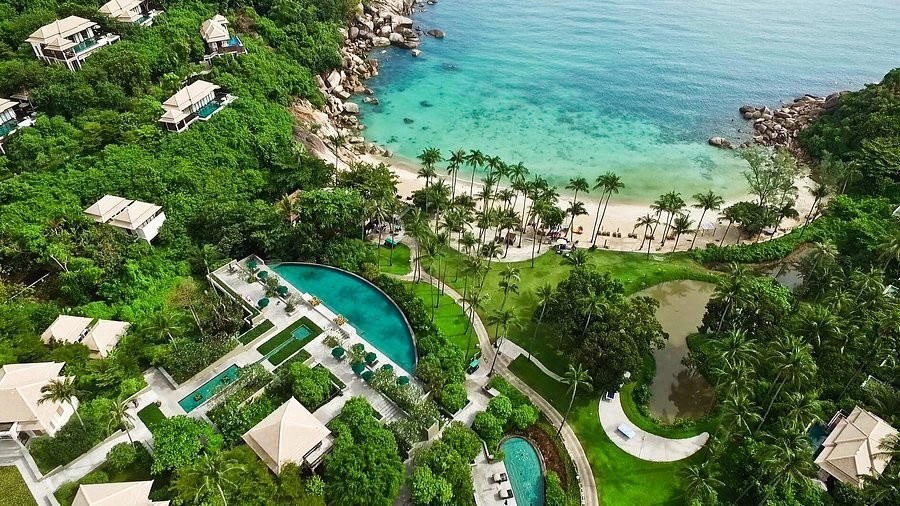
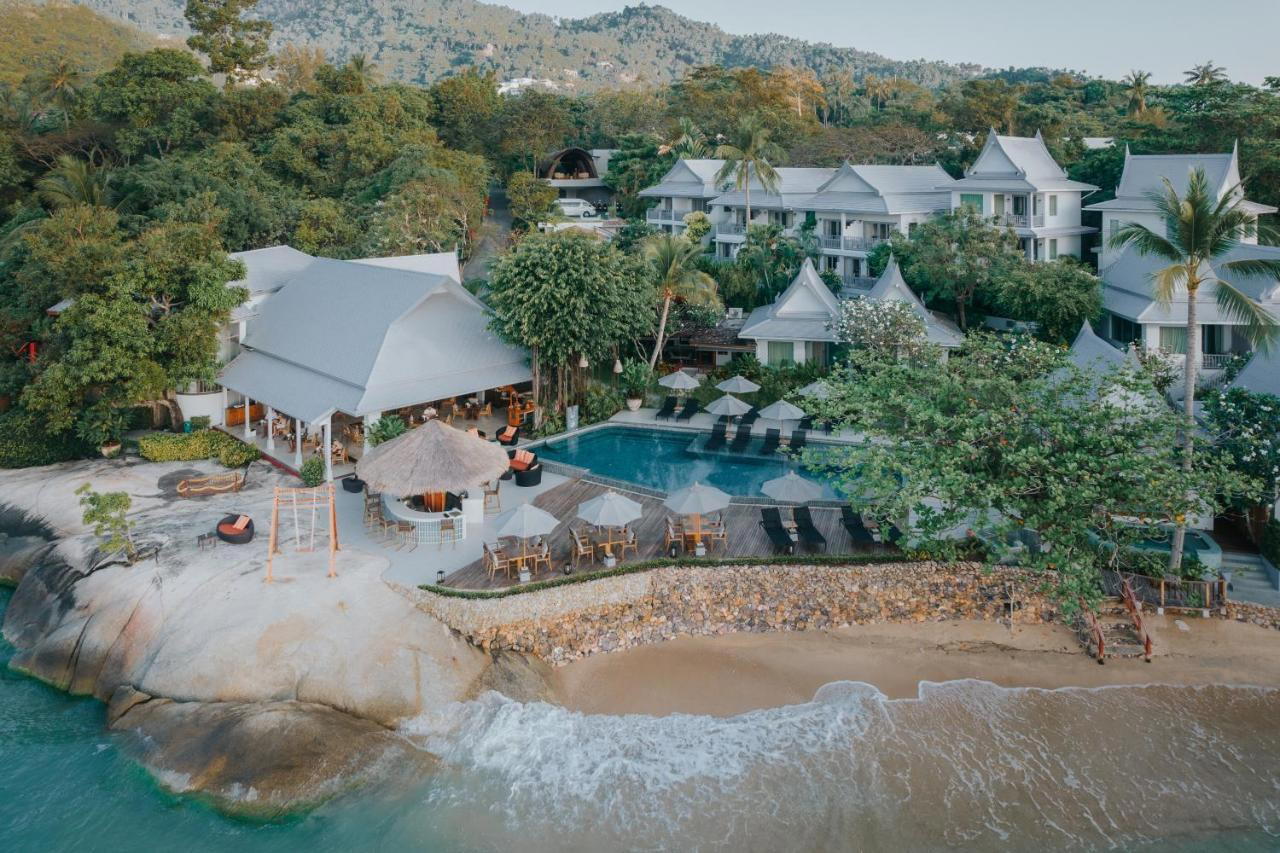
Peaceful and relaxing atmosphere with a focus on tranquility, serenity, and wellness.