




PRU holds a Michelin star and ranks #144 among Asia's top restaurants (2025, Opinionated About Dining), operating from a solar-panelled dining room on Phuket's north shore. Chef Jimmy Ophorst's menu is built around a 15,000 m² farm on the property, with seasonal produce, fermented preserves, and local seafood structured into a Kappo-style counter format with open-kitchen views over the ocean.
Pearl is the En Primeur Club membership app — saves, bookings, and concierge access live there. Same editors, same standards.
- Address
- 60, Cherngtalay, 13 Srisoonthorn Road, Cherngtalay 1, Tambon Choeng Thale, Thalang District, Phuket 83110, Thailand
- Phone
- +66 76 683 344
- Website
- prurestaurant.com
- Directions
- Get directions
 Saves & bookings on Pearl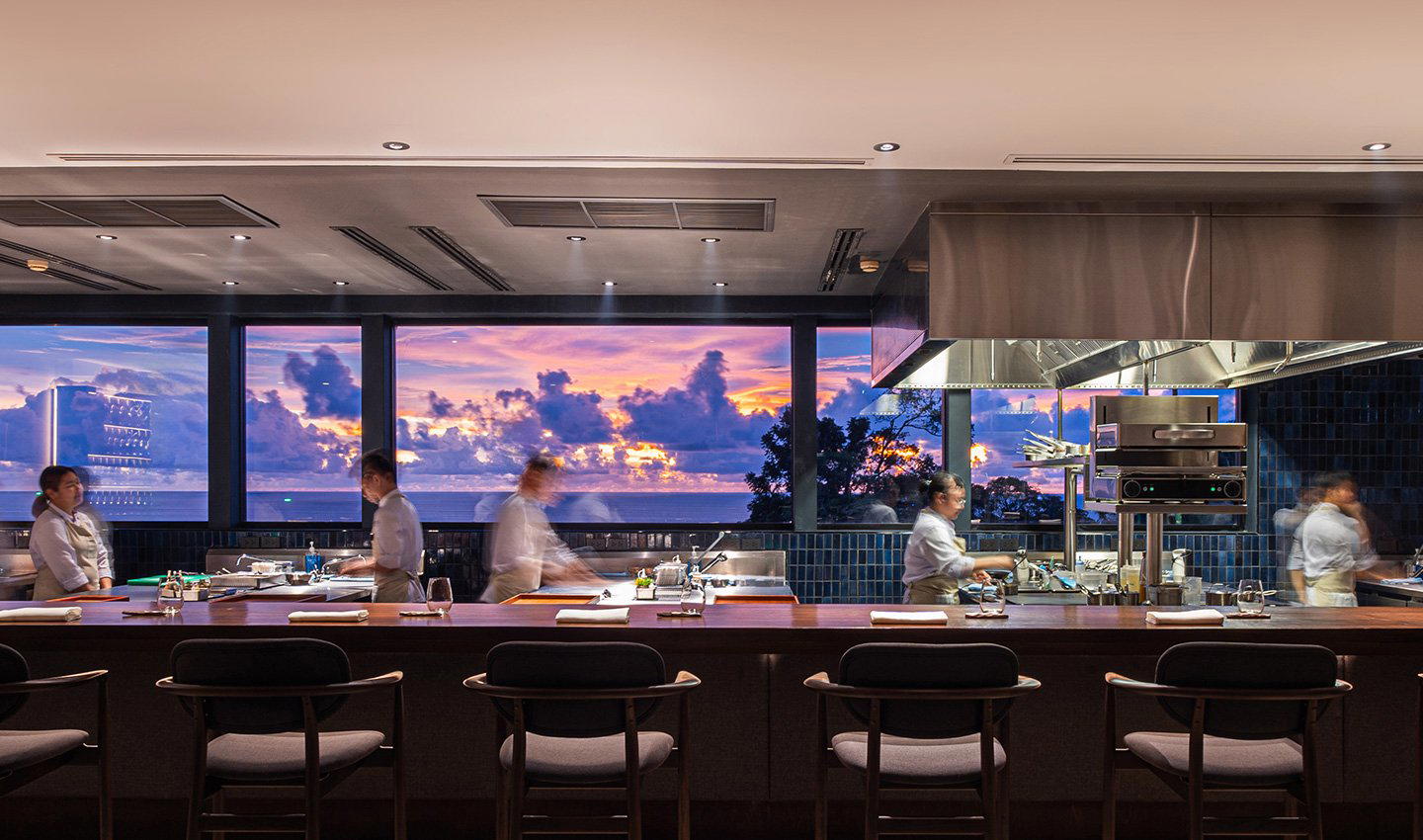
Where the Meal Begins Before You Sit Down
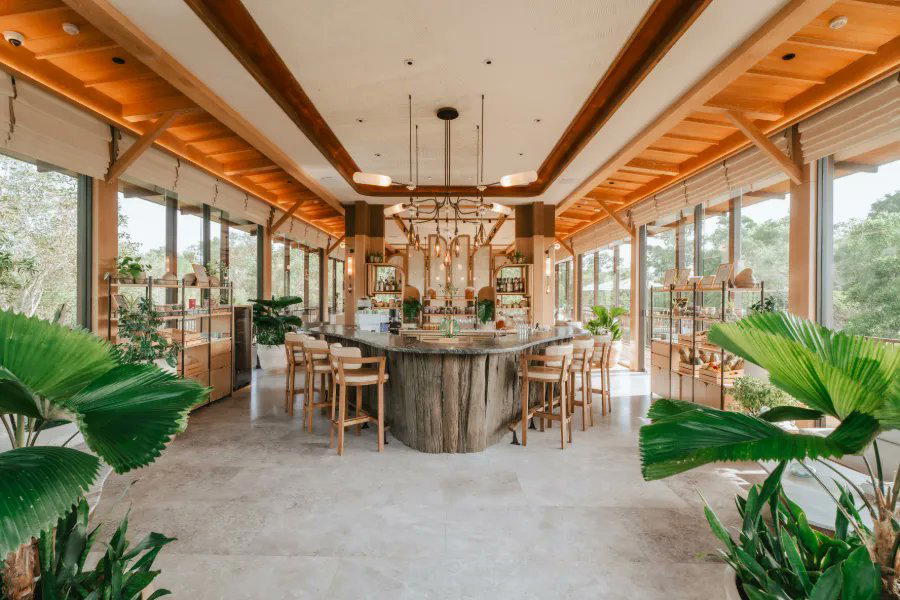
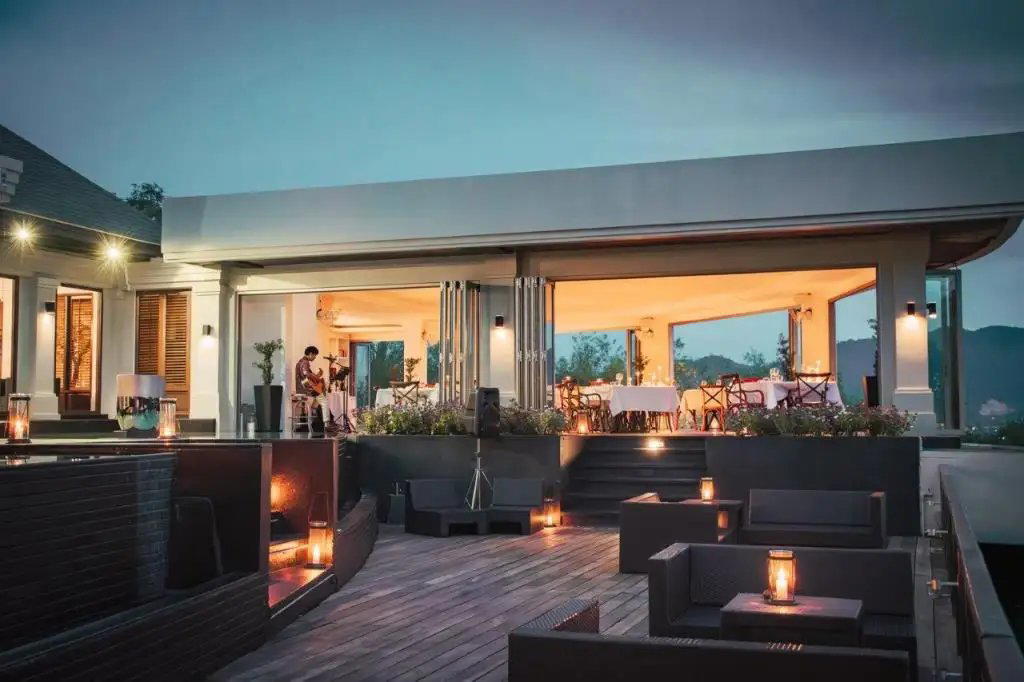
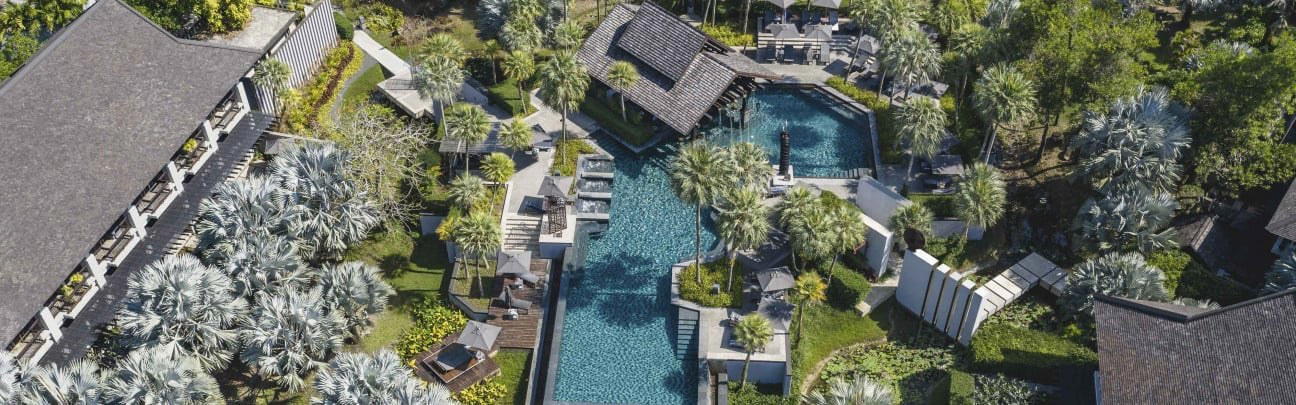
The approach to PRU, along Srisoonthorn Road in Phuket's Cherngtalay district, already signals what kind of meal this will be. Solar panels line the roof. Beyond the structure, the land opens out toward lakes, hills, and the sea. Before a single dish arrives, the setting has established the premise: this is a restaurant anchored to its physical site in ways that most dining rooms, even serious ones, are not.
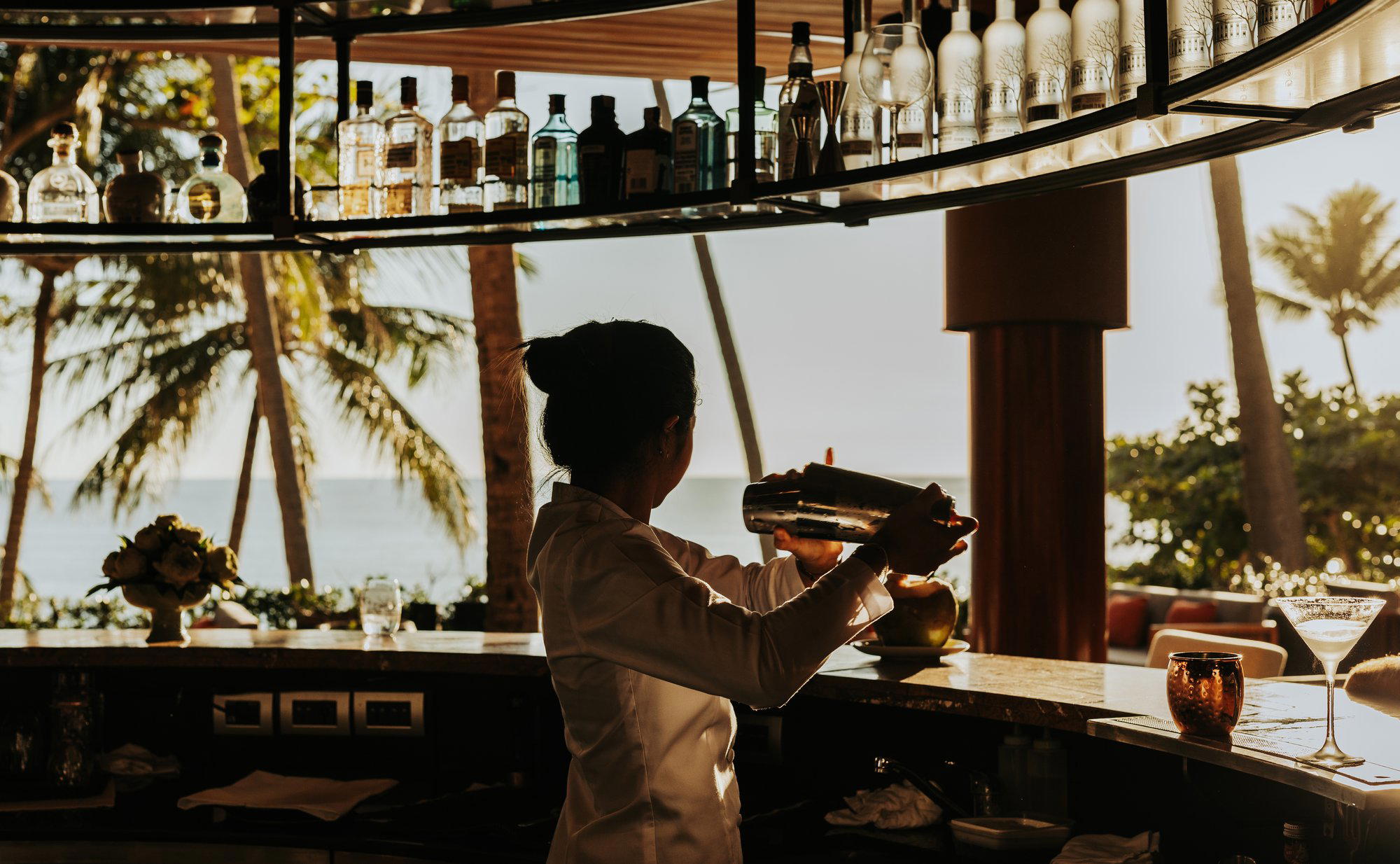
The dining room itself is organised around a Japanese Kappo-style counter, a format that carries specific implications for pacing and ritual. At a Kappo counter, the kitchen is not hidden behind a door or a pass. The cook's movements are part of the meal's choreography, and the sequence of courses is governed by the kitchen's rhythm rather than a diner's request. It is a format that demands patience and attentiveness in return for transparency, and PRU's counter position, with the open kitchen on one side and the ocean as backdrop on the other, takes full advantage of both dimensions.
The Farm as Foundation, Not Decoration
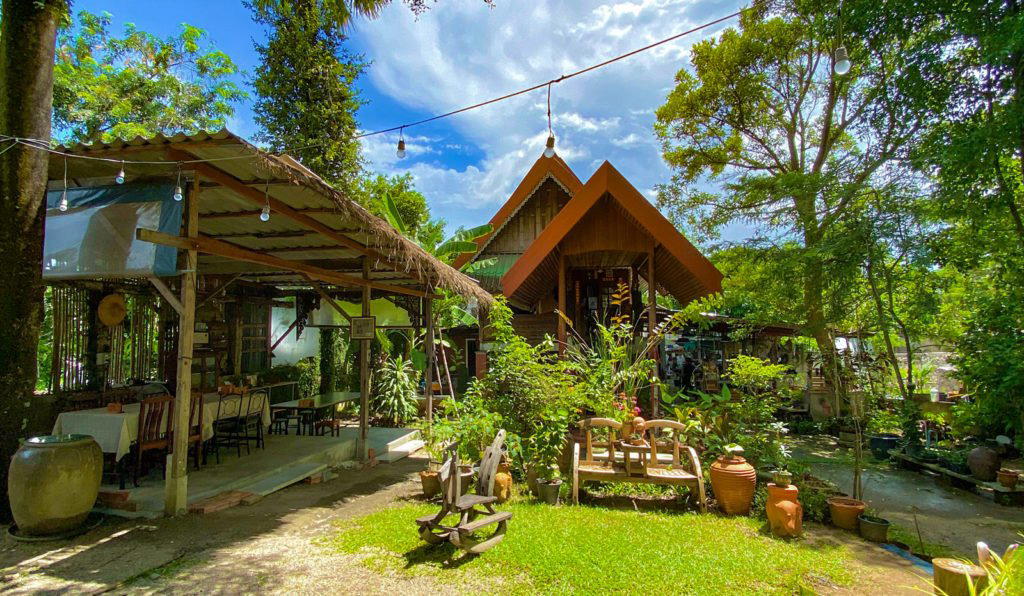
Farm-to-table has become a phrase applied loosely across the hospitality industry, often to menus that source locally in a general sense without structural integration. PRU's model is more literal than most. The restaurant operates a 15,000 m² vegetable garden on the property, producing the herbs, flowers, and vegetables that drive the menu's seasonal rotation. The farm sits in an area of lakes, forests, and coastal hills, and the produce it yields is not supplementary to the menu concept, it is the menu concept.
This kind of vertical integration at a fine-dining level is relatively uncommon in Southeast Asia, where supply chains for premium ingredients often rely on imports or specialist urban distributors. Comparable commitments to on-site production can be found at a handful of high-recognition restaurants elsewhere in Thailand, Sorn in Bangkok operates with deep sourcing discipline at the southern Thai ingredient level, and AKKEE in Pak Kret applies similar scrutiny to regional produce, but PRU's combination of on-property farming and coastal location creates a sourcing position that few restaurants in the country can replicate.
Chef Jimmy Ophorst has built the menu around seafood, plants, and house-made preserves and fermented foods. Fermentation, in particular, reflects a wider movement across Asian fine dining toward depth-of-flavour techniques that extend a harvest beyond its season. The preserving and fermenting program means the menu carries memory of earlier harvests into each new seasonal cycle, layering complexity that purely fresh-ingredient cooking cannot achieve alone.
The Ritual of the Counter Meal
The Kappo format changes the social contract of dining in ways that a conventional table service does not. At a counter, the pacing is set by the kitchen. Courses arrive when they are ready, not when summoned. Conversation with the people behind the counter is expected rather than an intrusion. The meal has a beginning, a middle, and an end that belong to the restaurant's logic, not the guest's schedule.
This matters at PRU because the menu's structure, built around rare and seasonal Thai produce, requires context to read correctly. An ingredient unfamiliar to most international visitors benefits from explanation at the moment it appears, and the counter format creates the conditions for that exchange naturally. The kitchen's visibility also makes the fermentation and preservation work legible in a way a closed kitchen does not; when guests can see the care involved in preparation, the price point and format discipline make more sense.
That price point sits at the summit of Phuket's dining tier. At ฿฿฿฿, PRU prices against peer fine-dining operations on the island rather than against the broader Thai restaurant market. Acqua occupies the same price bracket with a European focus, while Blue Elephant and Baan Rim Pa Patong address Thai cuisine at lower price points and more conventional service formats. For context on the other end of Phuket's dining range, A Pong Mae Sunee represents the street food tradition that underpins the island's food culture at the opposite extreme. Buabok occupies the Thai mid-market. PRU sits above all of these in terms of both format ambition and pricing.
Recognition and Competitive Position
PRU holds a Michelin star as of 2024, placing it among a small number of restaurants in Thailand to have earned that recognition. The Michelin footprint in Thailand remains concentrated in Bangkok, making a Phuket star a signal that the island's fine-dining tier has enough depth to attract international critical attention independently of the capital. Aeeen in Chiang Mai and Angeum in Phra Nakhon Si Ayutthaya represent the growing regional recognition pattern across Thailand, but PRU's star in a resort destination rather than a culinary city carries particular weight.
The Opinionated About Dining ranking adds further calibration. Ranked #144 among Asia's leading restaurants in 2025, PRU sits in the assessed upper tier of the continent's dining landscape, measured against restaurants in Tokyo, Hong Kong, Seoul, Singapore, and across Southeast Asia. That ranking positions it above most Thai restaurants outside Bangkok and provides a comparative reference that transcends its island location. For international visitors planning around restaurant reservations in the same trip, the proximity of Thailand's other recognised tables, from Bangkok's Sorn to Agave in Ubon Ratchathani, gives context to how PRU fits within a broader Thai dining itinerary.
4 across 306 reviews reflects a consistent experience rather than a polarising one, which for a counter-format tasting restaurant is notable. Highly structured meals at this price point sometimes generate strong divergence; PRU's scores suggest the format has been communicated clearly enough that guests arrive with appropriate expectations.
Wine, Planning, and the Practical Frame
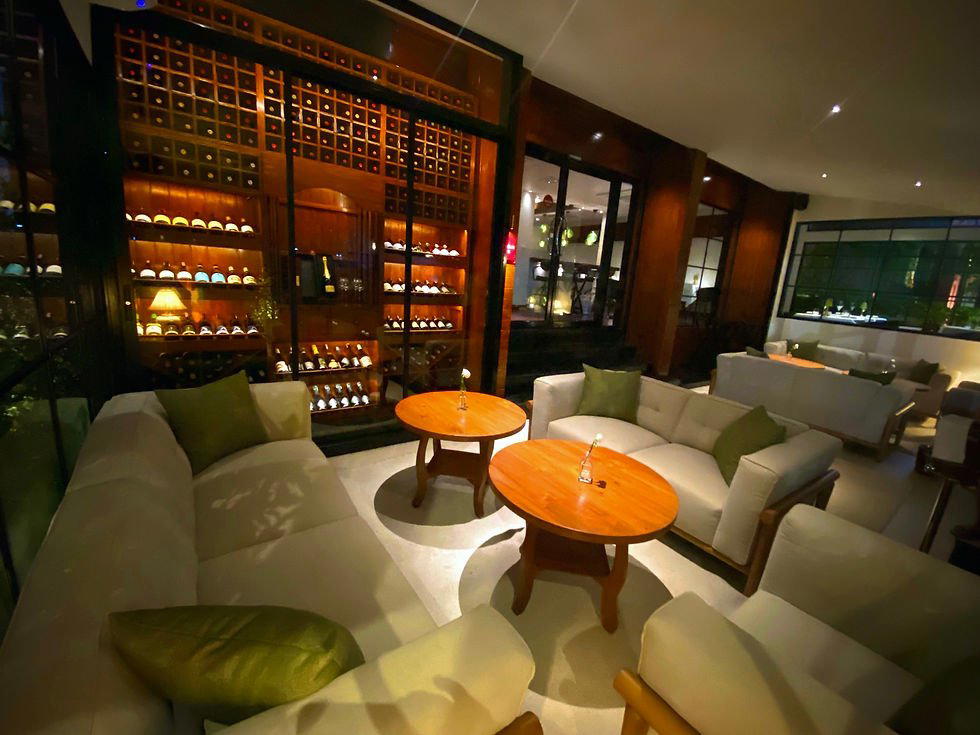
For a counter-format meal that follows a set kitchen sequence, choosing wine in advance or trusting the team's guidance is likely to produce better results than working through the list independently during service.
PRU serves lunch and dinner and operates at 60, Cherngtalay, 13 Srisoonthorn Road, Cherngtalay 1, Tambon Choeng Thale, Thalang District, Phuket 83110, Thailand. The Cherngtalay area in Thalang District sits on Phuket's northwest coast, away from the island's more crowded southern beaches, and the drive from central Phuket resort areas requires planning. For visitors building a Phuket itinerary around the restaurant rather than around a beach, the area's relative quiet is part of the appeal; the coastal setting that makes the dining room notable is the same factor that separates it geographically from much of the island's tourist infrastructure.
For travellers comparing PRU against other technically rigorous counter-format restaurants internationally, the frame shifts considerably. Le Bernardin in New York City and Atomix in New York City represent Western hemispheric reference points for seafood and tasting counter formats respectively. PRU operates in a different culinary tradition, but the Kappo structure and the depth of sourcing discipline place it in a conversation about format seriousness that extends beyond its regional context. Similarly, The Spa in Lamai Beach represents a Thai island dining alternative for travellers weighing options across the Gulf of Thailand.
What Regulars Order
The Kappo counter format means the kitchen sequence changes with the farm's seasonal output. Regular visitors return to experience how the fermentation program evolves and how the kitchen's interpretation of the 15,000 m² garden shifts across harvests. The menu's emphasis on rare Thai produce means that dishes built around the farm's herbs, flowers, and preserved ingredients carry editorial weight. The seafood courses, drawing on coastal proximity, tend to be the sequences where the counter format's transparency pays off most clearly: watching the kitchen work with local catch at close range, against an ocean backdrop, is the experience PRU's design is built to deliver. Given the award trajectory, from Opinionated About Dining's Highly Recommended in 2023 through a Michelin star in 2024 and a top-150 Asia ranking in 2025, the kitchen's direction has been consistently toward greater refinement rather than away from it.
Pricing, Compared
Comparable venues nearby, for context on price, style, and recognition.
| Venue | Cuisine | Price | Awards |
|---|---|---|---|
| PRUThis venue — the venue you are viewing | Thalang, Modern Thai Fine Dining | $$$$ | Michelin 1 Star |
| Talung Thai | Kathu, Southern and Central Thai | $$$$ | Michelin Plate |
| Suay | Thalang, Modern Thai Fusion | $$$ | Michelin Plate |
| Ta Khai | Kathu, Authentic Southern Thai Seafood | $$$ | Michelin Plate |
| Buabok | Thalang, Authentic Southern Thai | $$$ | Michelin Plate |
| Chuan Chim | Mueang Phuket, Thai-Chinese Seafood | $ | Bib Gourmand |
Recognition history
Dated appearances from independent guides and award organizations, with the underlying list record or original source where available.
Michelin 1 Star
Michelin
Opinionated About Dining Top Restaurants in Asia Highly Recommended
Opinionated About Dining
Wine Spectator Award of Excellence
Wine Spectator
Michelin 1 Star
Michelin
Opinionated About Dining Top Restaurants in Asia Ranked #144
Opinionated About Dining
We're Smart World 4 Radishes
We're Smart World
Wine Spectator Award of Excellence
Wine Spectator
World's Best Wine Lists Awards WBWL 2-Star
World's Best Wine Lists Awards
Michelin 1 Star
Michelin
Opinionated About Dining Top Restaurants in Asia Ranked #130
Opinionated About Dining
Opinionated About Dining Top Restaurants in Asia Highly Recommended
Opinionated About Dining
At a Glance
- Elegant
- Sophisticated
- Intimate
- Scenic
- Special Occasion
- Date Night
- Open Kitchen
- Waterfront
- Chefs Counter
- Extensive Wine List
- Local Sourcing
- Farm To Table
- Waterfront
Current opening hours
- Monday
- Closed
- Tuesday
- 6–10:30 PM
- Wednesday
- 6–10:30 PM
- Thursday
- 6–10:30 PM
- Friday
- 12–3 PM, 6–10:30 PM
- Saturday
- 12–3 PM, 6–10:30 PM
- Sunday
- Closed
Hours can change for holidays and private events. Last verified .
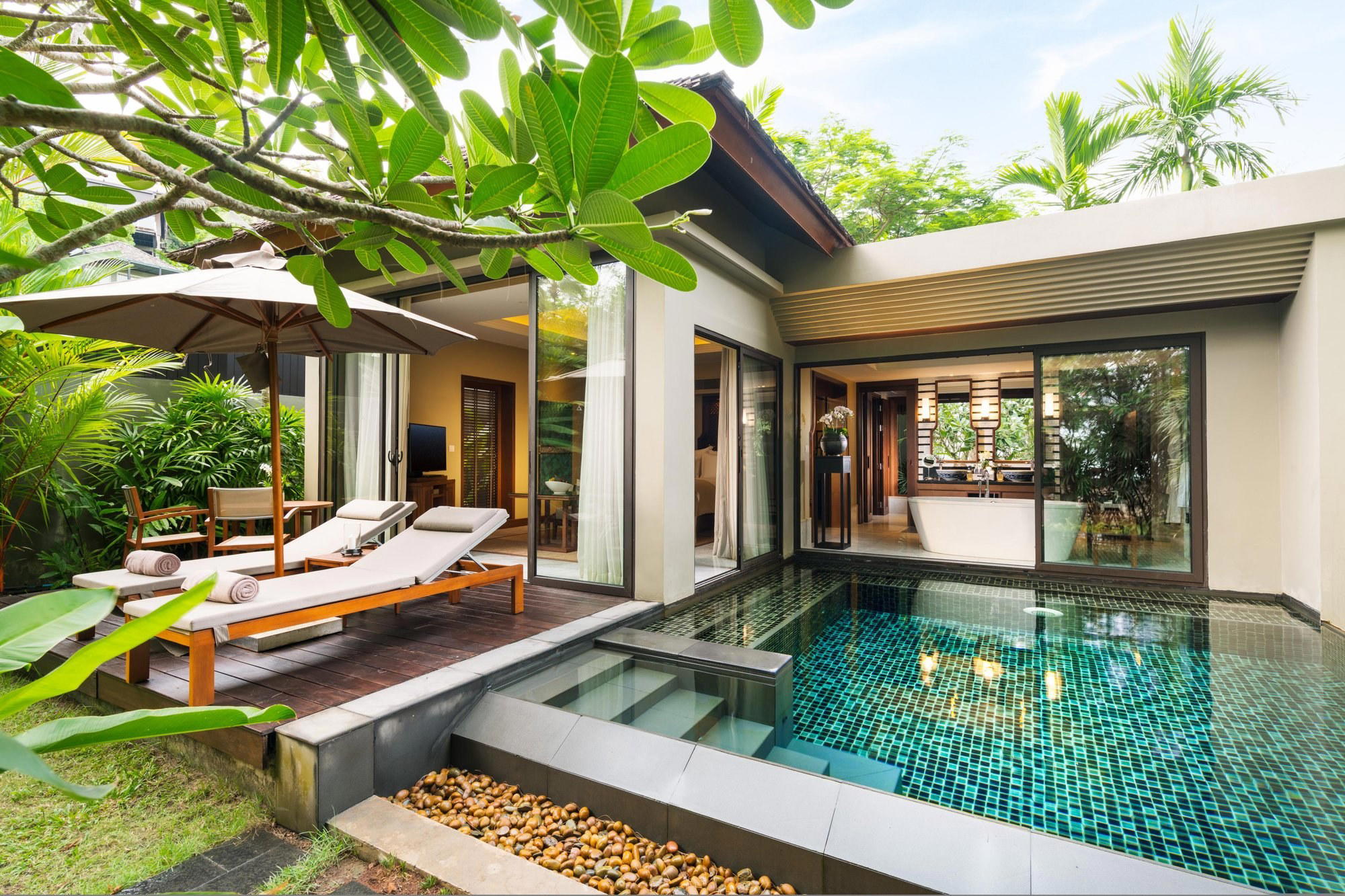
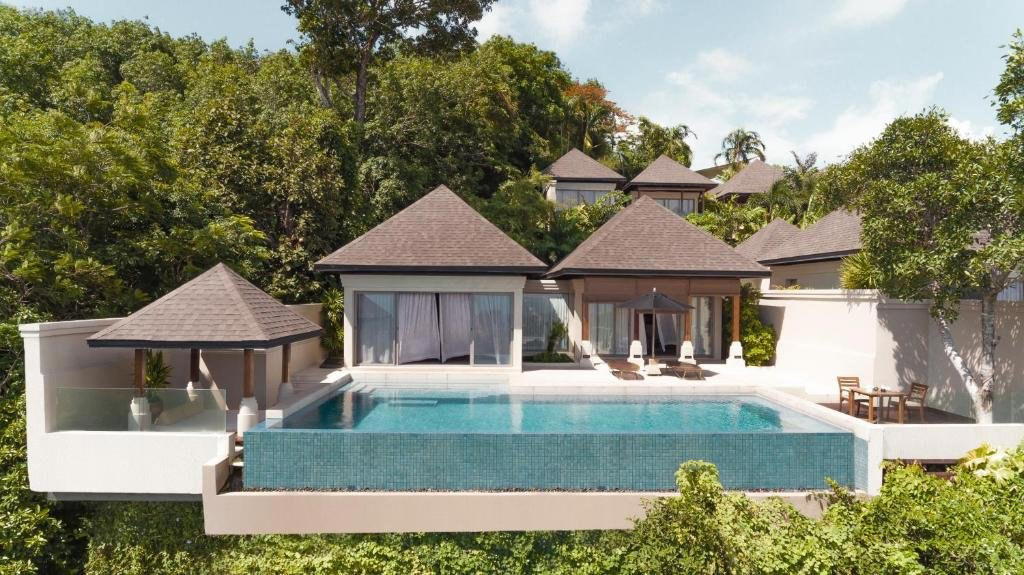
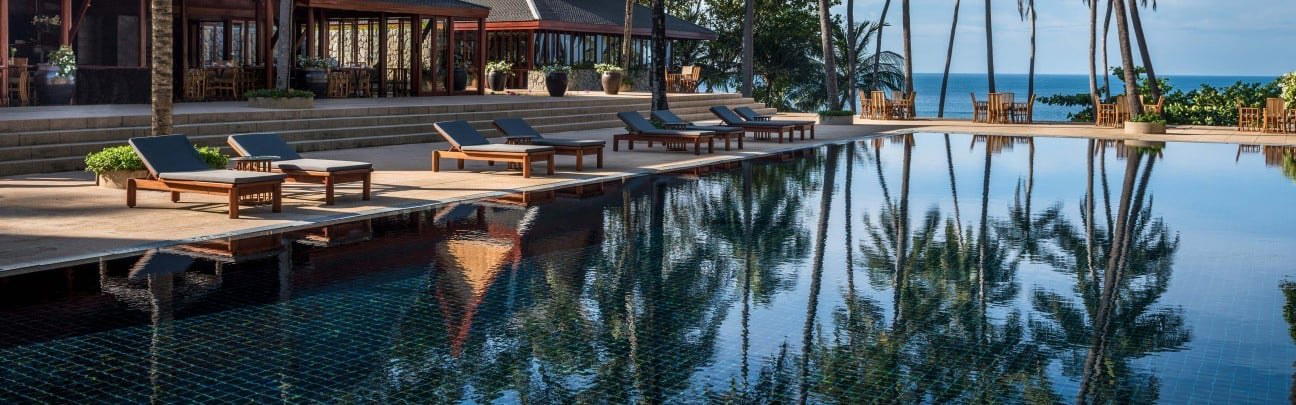
Intimate open kitchen counter seating with panoramic ocean views, solar-panelled design, and a transparent, engaging atmosphere focused on culinary craft and precision.