







2 Michelin Stars · World's 50 Best #95 · La Liste Top Restaurants
Our verdict
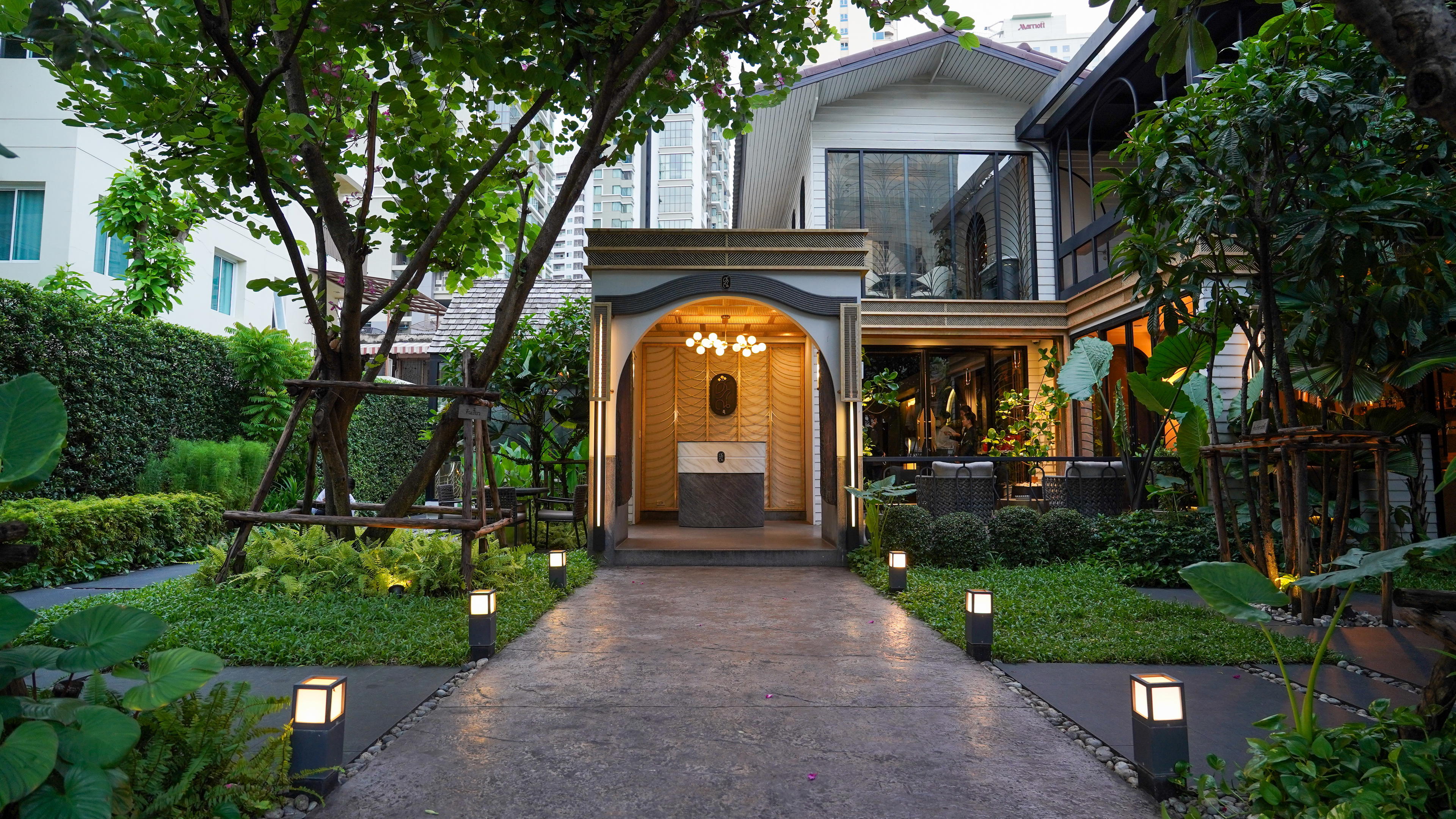
Set in a restored Thai house on Sukhumvit Soi 53, Gaa holds two Michelin stars and a place in the World's 50 Best Asia rankings under chef Garima Arora, who was the first Indian chef to earn a Michelin star in November 2018. The kitchen draws on Indian technique and heritage while sourcing seasonal produce across Thailand, running two tasting menus, one entirely vegetarian.

Pearl is the En Primeur Club membership app, where members save venues, book tables and use the concierge.
A Thai House, an Indian Lens, and Produce Pulled from Across the Country
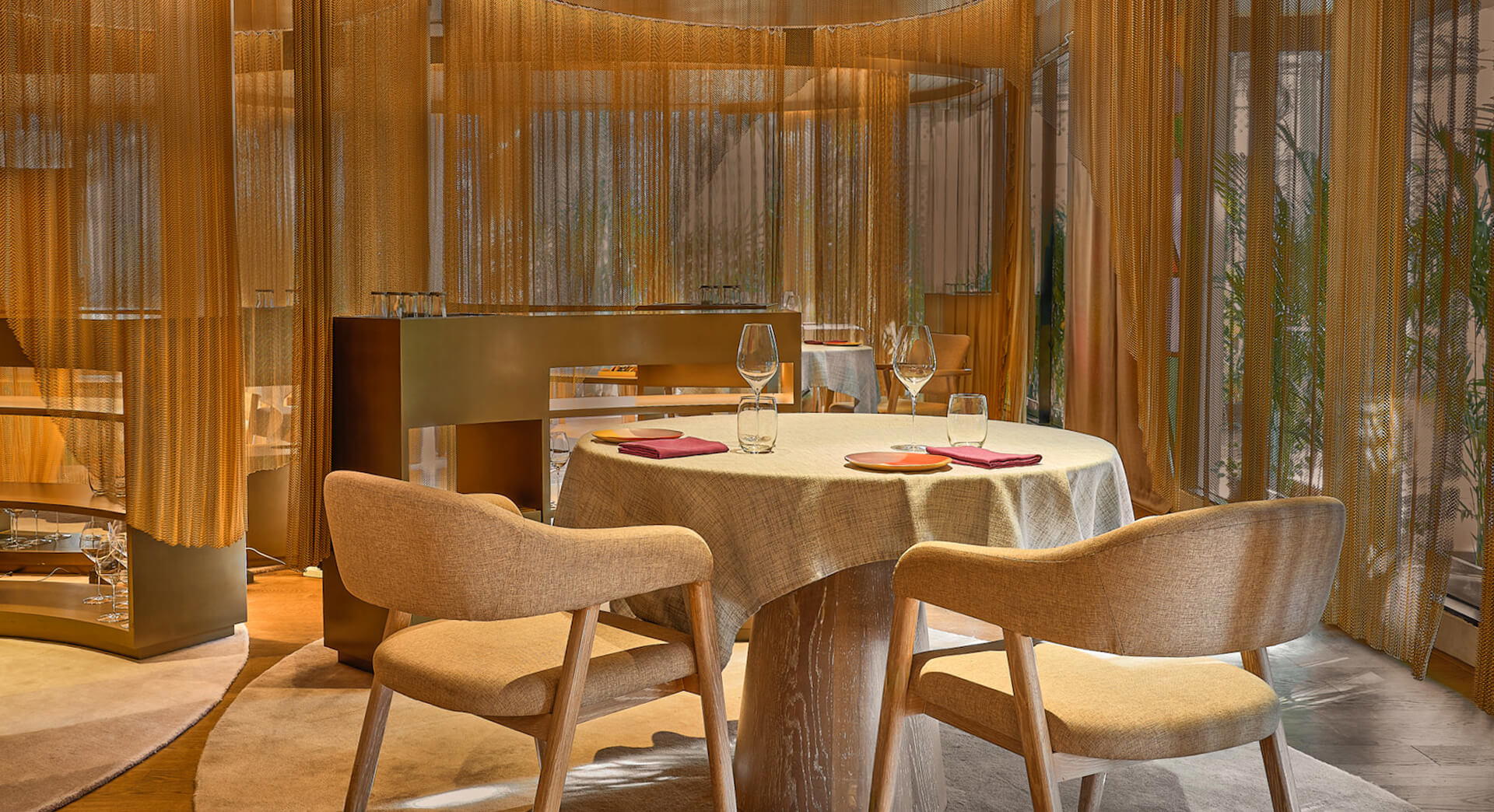
Bangkok's fine-dining tier has developed a distinctive character over the past decade: restaurants that treat Thai produce not as a local colour note but as the structural argument of the menu. Gaa sits squarely in that current, housed in a restored traditional Thai building on Sukhumvit Soi 53, pitched roof, taupe walls, minimal decor with restrained Thai accents, where the setting signals intention before the first course arrives. The room reads relaxed rather than formal, which is unusual at this price point and this level of award accumulation. At venues drawing two Michelin stars, a La Liste score of 95 points (2026), and a position of #65 in World's 50 Best Asia (2025), the default tends toward ceremony. Gaa resists that pull.
The ingredient sourcing at Gaa is not incidental to the menu, it is the menu's architecture. Chef Garima Arora draws from regions across Thailand for daily and seasonal produce, layering those materials through Indian cooking techniques: methods of fermentation, spicing logics, and preparation approaches rooted in the subcontinent rather than in the European fine-dining tradition that still shapes many of Bangkok's leading tables. The result is a cuisine that sits outside easy categorisation. It is not fusion in the diluted sense, and it is not Indian food transplanted to Bangkok. It is something more specific, a dialogue between two distinct culinary traditions mediated by whatever the Thai land and sea are producing at a given moment.
What Ingredient Sourcing Actually Means at This Level
Among Bangkok's ฿฿฿฿-tier restaurants, sourcing claims are common. What distinguishes Gaa's approach is the geographic breadth and the specificity of application. Arora draws ingredients from multiple Thai regions, coastal, highland, and agricultural, rather than anchoring exclusively to a single terroir or producer relationship. This positions the kitchen in a different conversation from, say, Sorn, which builds its entire identity around Southern Thai ingredients and technique, or Baan Tepa, whose contemporary Thai framework keeps the culinary lineage firmly domestic. Gaa's sourcing is wide precisely because the Indian cooking lens requires different raw materials at different moments, betel leaves for spiced preparations, particular chillies, fermented components, which Thai agriculture and foraging can supply in forms unavailable in India.
The vegetarian tasting menu at Gaa carries particular weight in this context. Vegetables and plant-based preparations are central rather than supplementary, and the Indian tradition brings centuries of technique to that format, dhals restructured, preparations rooted in legume cookery, spicing that treats vegetables as primary subjects. In Bangkok's fine-dining scene, a fully vegetarian tasting menu at the two-Michelin-star level remains a relatively short list. This is one of the arguments for Gaa that doesn't require qualification.
Positioning in Bangkok's Top-Tier Field
Bangkok's highest-rated restaurants now occupy a competitive set as varied in culinary logic as any major dining city. At the ฿฿฿฿ level, the peer group includes Sühring, where twin German chefs run one of the city's most precise European kitchens, and Côte by Mauro Colagreco, which brings a Mediterranean framework to the same price bracket. Le Du works the modern Thai angle with strong local sourcing of its own. What Gaa does differently is position Indian culinary tradition, not as an exotic counterpoint but as a primary structural logic, applied to Thai ingredients. That positioning has no direct equivalent in the city's current leading tables.
The Opinionated About Dining ranking, which aggregates assessments from serious regular diners rather than professional critics, placed Gaa at #53 in Asia in 2024 and #61 in 2025. The slight movement down in that ranking, against the simultaneous improvement in La Liste score from 89 points (2025) to 95 points (2026), suggests different evaluative frameworks reaching somewhat different conclusions, which is itself useful intelligence. OAD rankings weight frequency of expert visits and tend to favour restaurants with long-established followings. La Liste's methodology draws more heavily on formal reviews. Gaa performs strongly on both but differently, which implies a restaurant still building its long-term position in the Asian fine-dining conversation.
Star Wine List awarded Gaa its #1 position in 2024, which adds a dimension not always foregrounded in coverage of the restaurant. At a venue whose cuisine draws on Indian techniques applied to Thai produce, the wine program occupies an interesting structural position: pairing logic cannot default to standard European regional matches. The White Star recognition from Star Wine List in April 2025 confirms the program continues to operate at a level worth tracking independently of the food.
The Shape of the Experience
Gaa operates dinner service Tuesday through Friday from 5:30 pm to midnight, and adds a lunch service on weekends from noon to 3 pm, with dinner continuing from 5:30 pm. The kitchen runs two tasting menus, one standard, one entirely vegetarian, which is the format appropriate to this style of cooking. A menu that changes with seasonal Thai produce availability cannot be experienced in a single visit; the vegetarian and omnivore menus will read differently across seasons and across years. The building itself, a restored Thai house rather than a purpose-built dining room, means the physical experience has a domestic scale that larger hotel restaurants in the same price tier cannot replicate.
Arora's milestone bears repeating in context rather than as biography: in November 2018, she became the first Indian chef to receive a Michelin star. That fact matters not as personal narrative but as an indicator of how recently Indian culinary tradition entered the top tier of global restaurant recognition. The category of modern Indian cooking at fine-dining level is still establishing its benchmarks internationally, which means restaurants like Gaa are operating without the deep peer context that, say, Japanese omakase or French haute cuisine chefs can reference. For comparison in the London market, where Indian fine dining has more established infrastructure, venues like Gymkhana and BiBi represent different expressions of refined Indian cooking. Gaa operates in a category largely of its own construction in Southeast Asia.
Planning Your Visit: Gaa in Context
| Venue | Cuisine | Price Tier | Michelin | Lunch Service |
|---|---|---|---|---|
| Gaa | Modern Indian / Thai produce | ฿฿฿฿ | 2 Stars | Weekends only |
| Sorn | Southern Thai | ฿฿฿฿ | 2 Stars | Check directly |
| Sühring | German / European | ฿฿฿฿ | 2 Stars | Check directly |
| Baan Tepa | Thai contemporary | ฿฿฿฿ | 1 Star | Check directly |
| Le Du | Modern Thai | ฿฿฿฿ | 1 Star | Check directly |
Gaa is located at 46/1 Sukhumvit Soi 53, Khlong Tan Nuea, Watthana, accessible from BTS Thonglor station. Dinner runs five nights a week from Tuesday, with weekend lunch added on Saturday and Sunday.
For broader context on where Gaa sits within Bangkok's full dining, drinking, and accommodation offering, see our full Bangkok restaurants guide, our Bangkok hotels guide, our Bangkok bars guide, and our Bangkok experiences guide. Thailand's wider fine-dining geography extends well beyond Bangkok: PRU in Phuket, Aeeen in Chiang Mai, AKKEE in Pak Kret, Angeum in Ayutthaya, and Agave in Ubon Ratchathani each represent distinct regional directions worth tracking alongside Bangkok's concentrated top-table scene.
Frequently asked questions
What dish is Gaa famous for?
Gaa does not anchor its identity around a single signature dish in the way some restaurants build marketing around one preparation. The menu changes with seasonal Thai produce availability, and both tasting menus, standard and fully vegetarian, evolve accordingly. What the kitchen is consistently known for, across multiple awards cycles and critical assessments, is the application of Indian technique to Thai ingredients: dishes such as spicy betel pepper preparations, banana flour doughnuts, pumpkin with whey, and chickpea dumplings appear in documented descriptions of the menu, though the specific composition shifts. The vegetarian menu, in particular, draws attention as an expression of Indian vegetable cookery at a depth rarely encountered in Southeast Asia's fine-dining tier. Chef Garima Arora's two Michelin stars (2024, 2025) and a La Liste score of 95 points in 2026 provide the clearest external validation of the kitchen's consistent output across seasons.
A quick peer check to anchor this venue’s price and recognition.
| Venue | Cuisine | Price | Awards | Notes |
|---|---|---|---|---|
| GaaThis venue (the venue you are viewing) | Modern Indian Fine Dining with Thai Influences | $150–200 | 2 Michelin Stars · World's 50 Best #95 | Not listed |
| Sorn | Fine Southern Thai | $200–300 | 3 Michelin Stars · World's 50 Best #12 | Southern Thai, ฿฿฿฿ |
| Côte by Mauro Colagreco | Riviera Mediterranean Fine Dining | $200–300 | 2 Michelin Stars · World's 50 Best #91 | Mediterranean, Modern Cuisine, ฿฿฿฿ |
| Baan Tepa | Creative Thai Fine Dining | $150–200 | 2 Michelin Stars · World's 50 Best #53 | Thai contemporary, ฿฿฿฿ |
| Sühring | Modern German Fine Dining | $200–300 | 3 Michelin Stars · World's 50 Best #18 | German, ฿฿฿฿ |
| Nahm | Traditional Thai Fine Dining | $100–150 | 1 Michelin Star · World's 50 Best #49 | Thai, ฿฿฿ |
Recognition history
Dated appearances from independent guides and award organizations, with the underlying list record or original source where available.
Michelin 2 Stars
Michelin
World's 50 Best Asia's Best Restaurants #95
World's 50 Best
La Liste Top Restaurants
La Liste
Star Wine List
Star Wine List
Black Pearl 1 Diamond
Black Pearl
Full recognition history (16 entries)
Opinionated About Dining Top Restaurants in Asia Ranked #83
Opinionated About Dining
La Liste Top Restaurants
La Liste
Michelin 2 Stars
Michelin
Opinionated About Dining Top Restaurants in Asia Ranked #61
Opinionated About Dining
The Best Chef Two Knives
The Best Chef
We're Smart World 4 Radishes
We're Smart World
World's 50 Best Asia's Best Restaurants #65
World's 50 Best
Michelin 2 Stars
Michelin
Opinionated About Dining Top Restaurants in Asia Ranked #53
Opinionated About Dining
Star Wine List
Star Wine List
Opinionated About Dining Top Restaurants in Asia Ranked #71
Opinionated About Dining
Continue exploring
More in Bangkok
Restaurants in Bangkok
All restaurants in Bangkok →
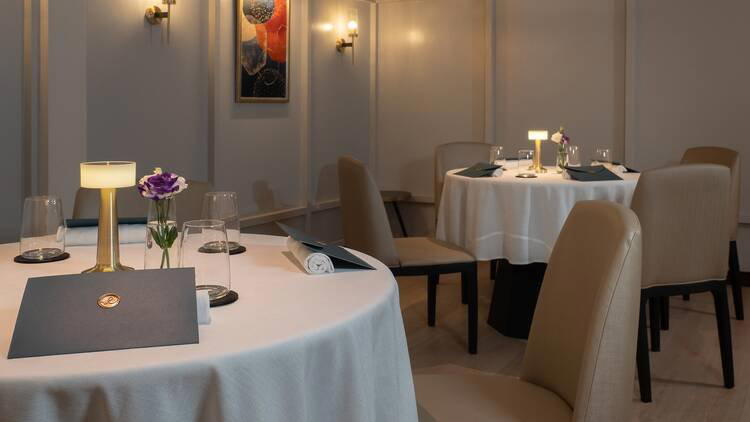
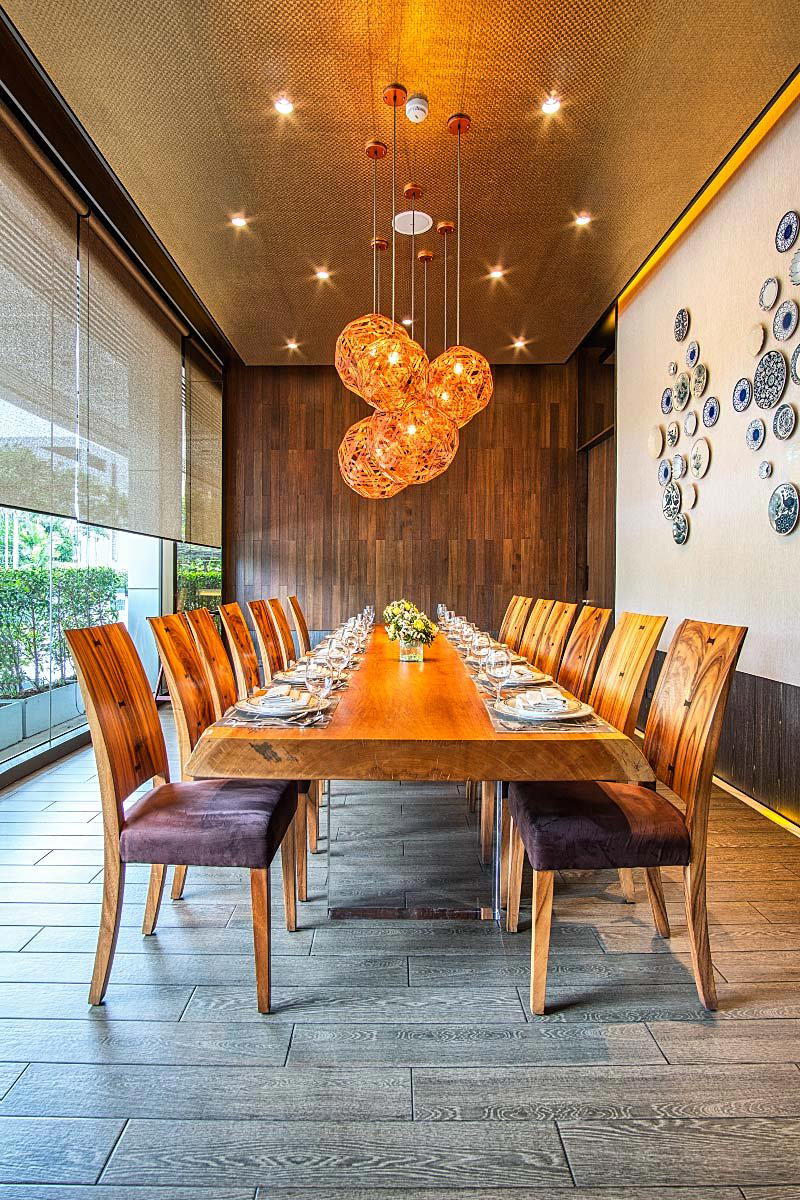
Bars in Bangkok
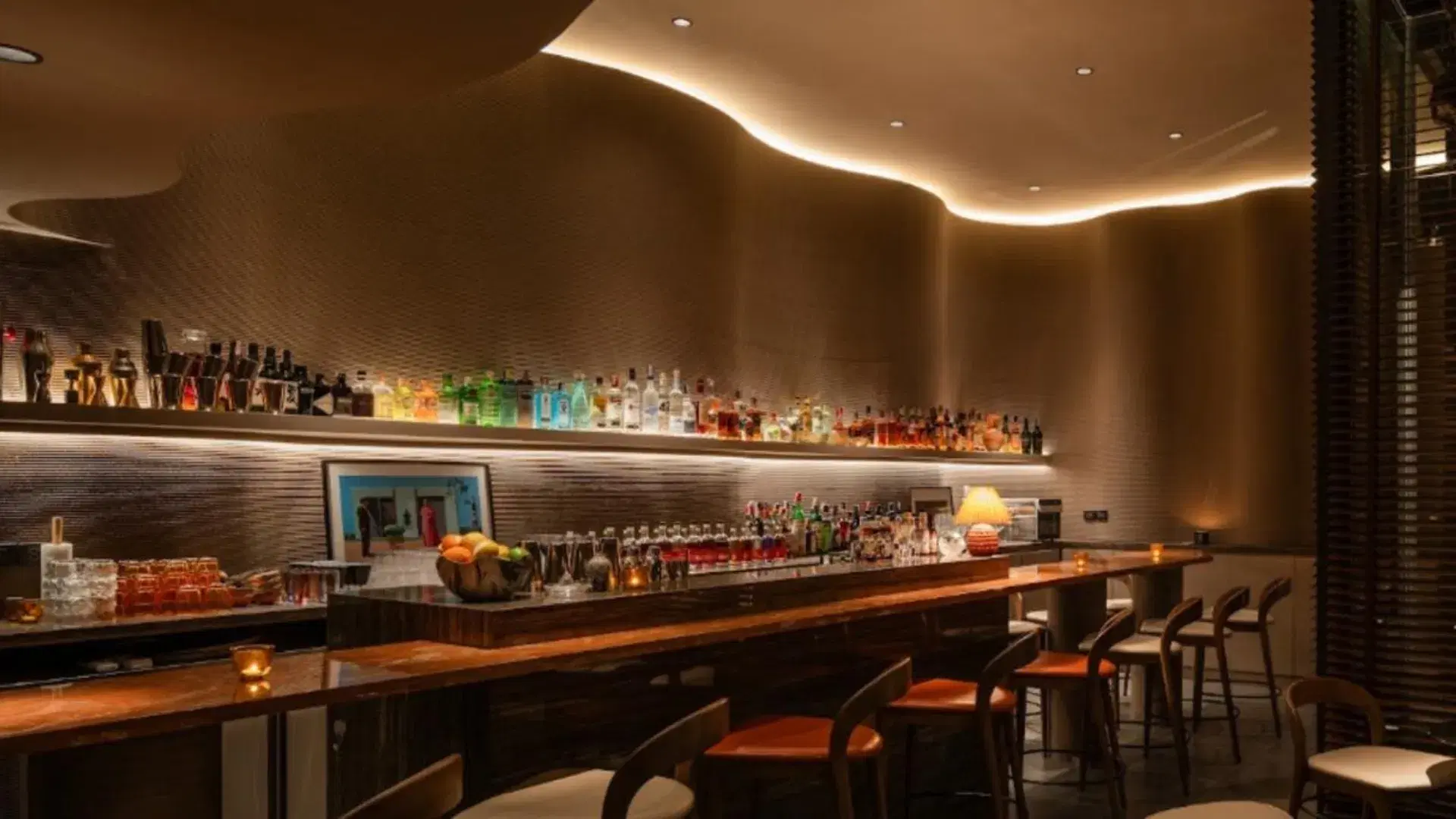
All bars in Bangkok →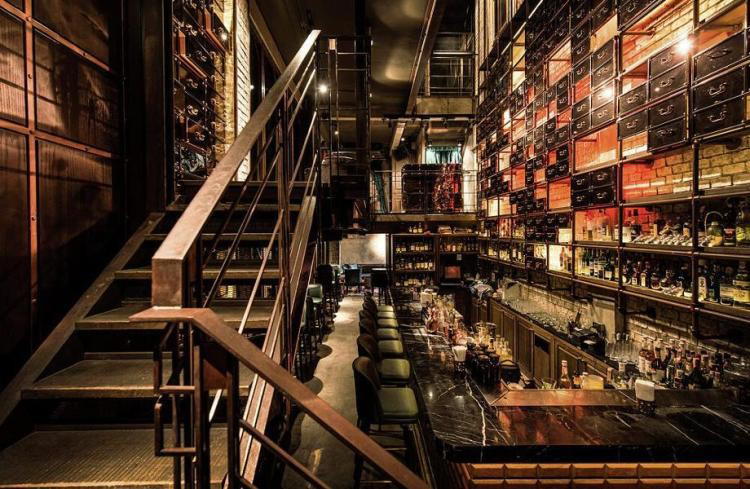
Gaa
The wine
- Wine program
- Deep wine list
- Extensive wine list
- Corkage allowed
- Zero-proof drinks
Details
- Elegant
- Sophisticated
- Modern
- Intimate
- Special Occasion
- Date Night
- Celebration
- Business Dinner
- Historic Building
- Design Destination
- Private Dining
- Standalone
- Extensive Wine List
- Zero Proof
- Corkage Allowed
- Tasting Menu
- Set Menu
- Wine
- Champagne
- Non Alcoholic Pairings
- Allergy Accommodating
Current opening hours
- Monday
- 5:30–11 PM
- Tuesday
- 5:30–11 PM
- Wednesday
- 5:30–11 PM
- Thursday
- 5:30–11 PM
- Friday
- 5:30–11 PM
- Saturday
- 12–3 PM, 5:30–11 PM
- Sunday
- 12–3 PM, 5:30–11 PM
Hours can change for holidays and private events. Hours as of .
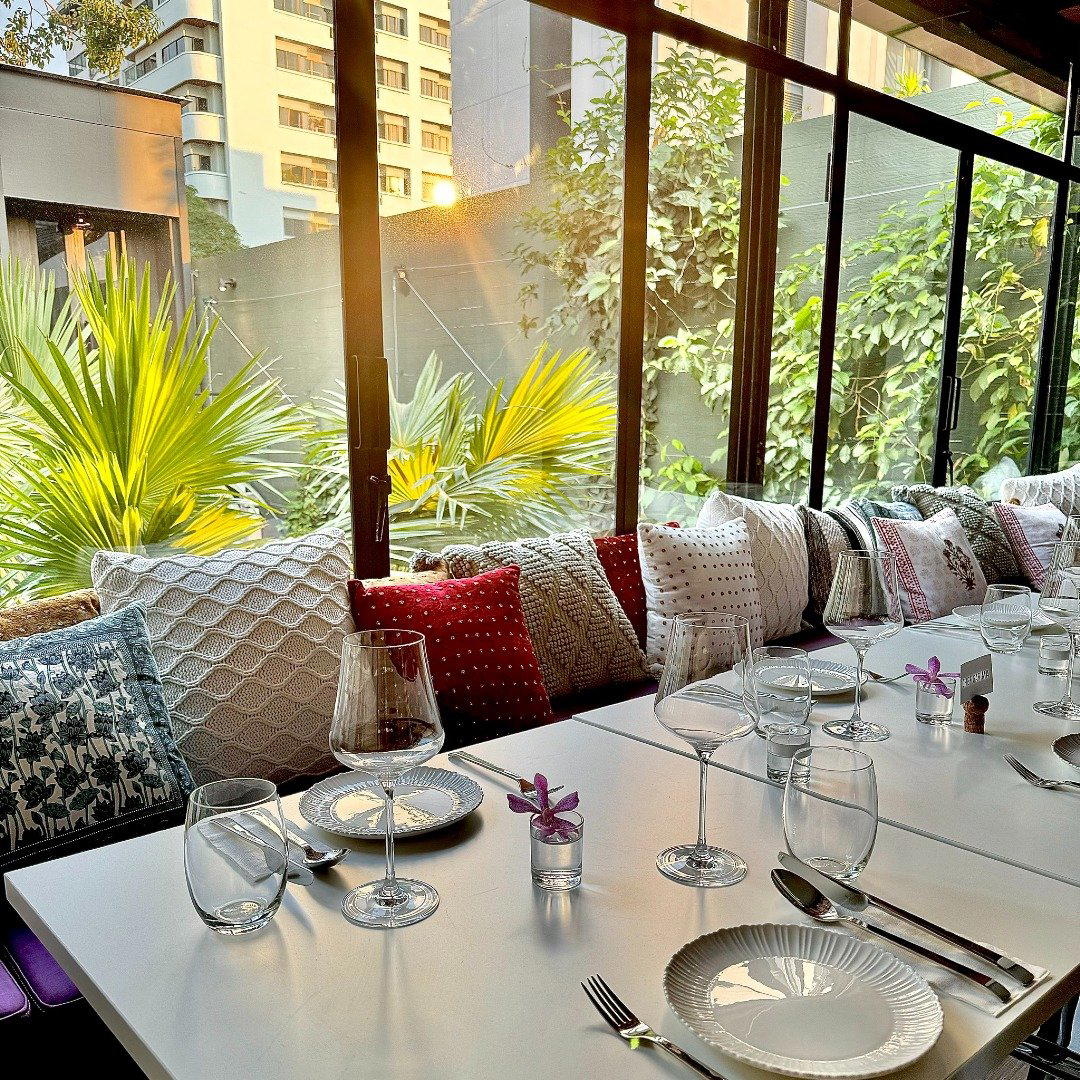
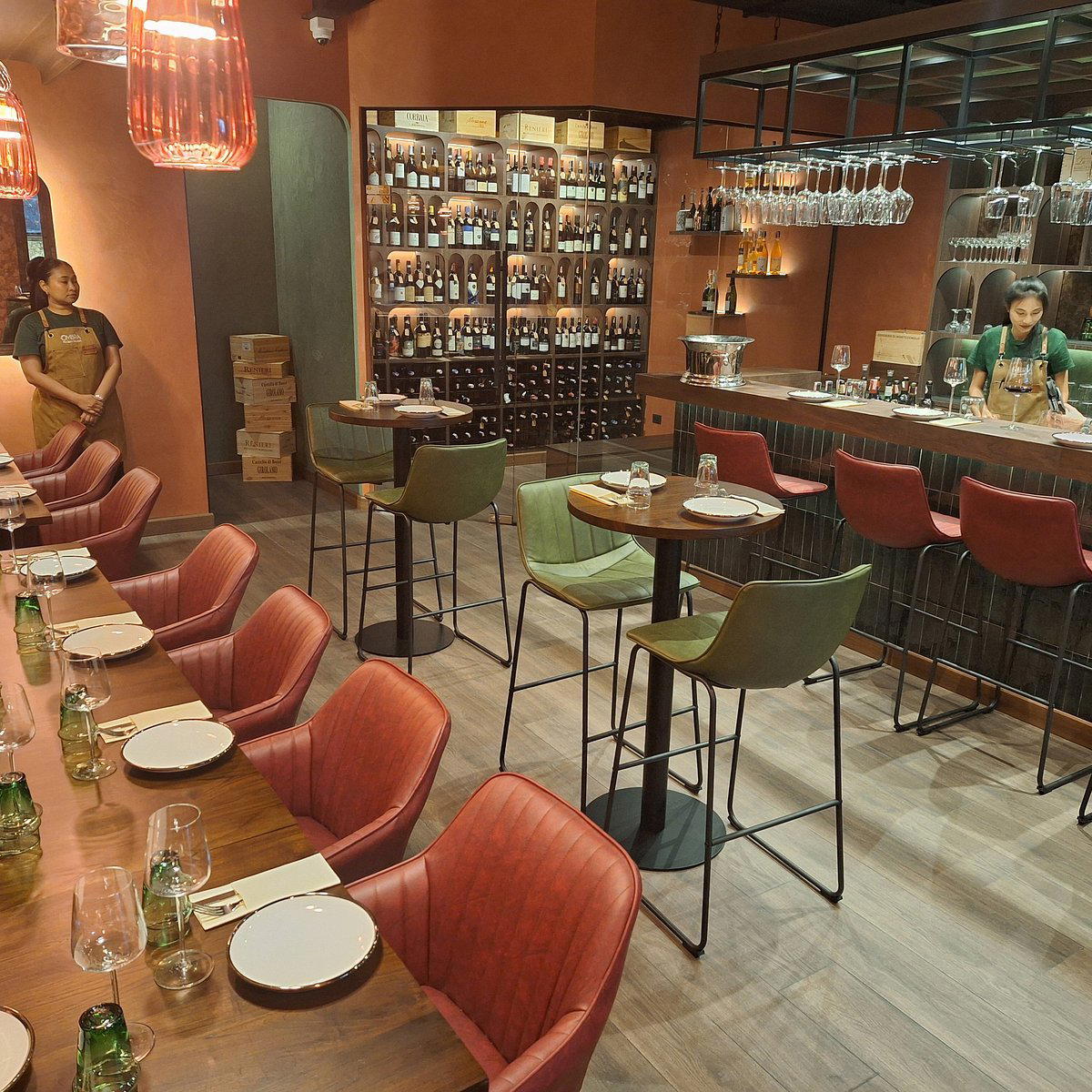
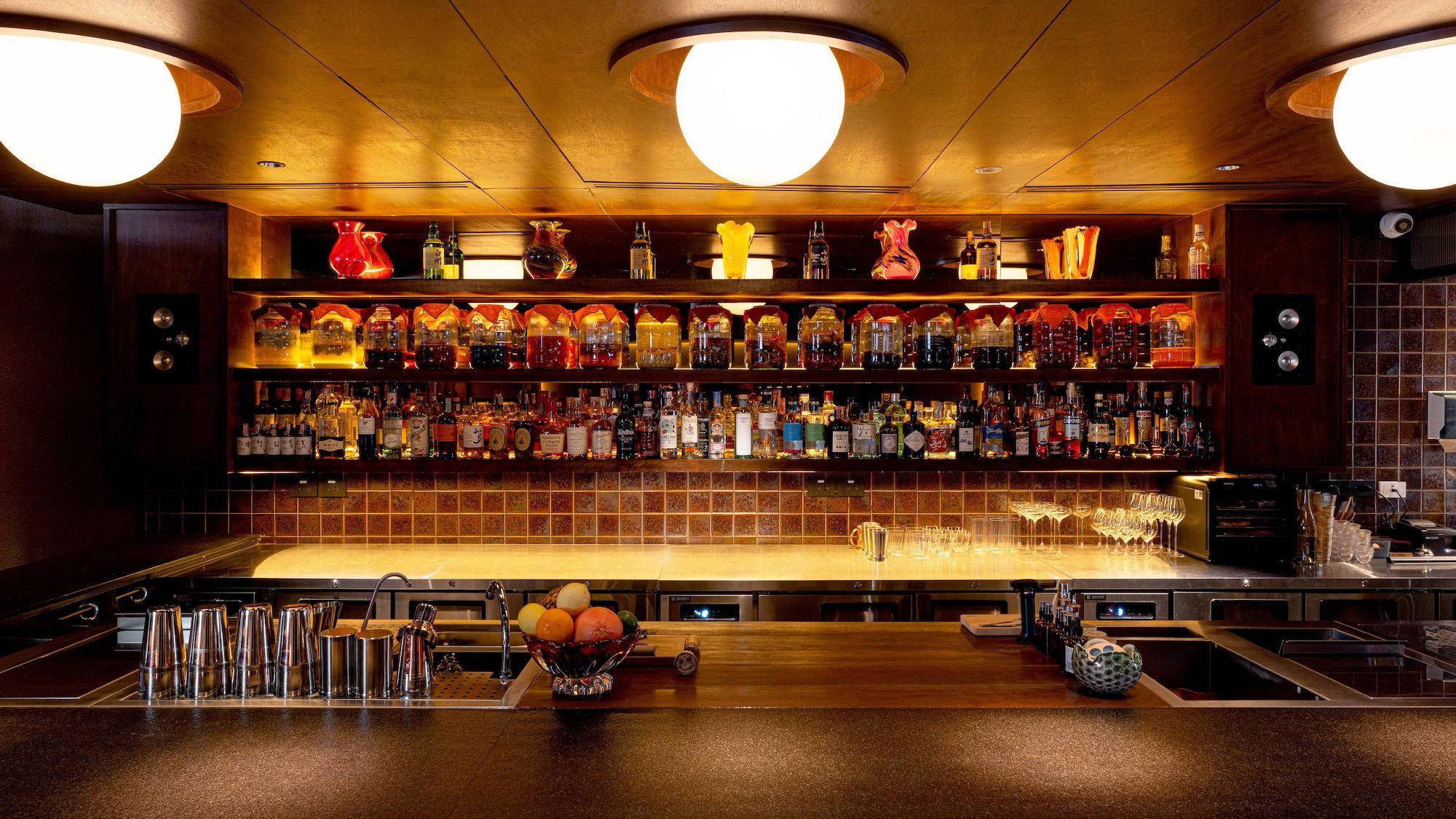
Elegant yet relaxed, with minimal contemporary decor, subtle Thai accents, golden-hued intimate dining spaces, and a refined lounge atmosphere.