Our verdict
Somtum Der on Sala Daeng Road brings the fermented funk and fire of Isan cuisine into Bangkok's Silom corridor, where regional Thai cooking rarely gets this kind of sustained attention. The menu centres on northeastern Thailand's papaya salad traditions, a cuisine that travels poorly to restaurant formats but lands with precision here. For visitors who want to understand Thai food beyond the central-kitchen standard, this is a useful reference point.

Pearl is the En Primeur Club membership app — saves, bookings, and concierge access live there. Same editors, same standards.
- Address
- 5, 5 Sala Daeng Rd, Si Lom, Khet Bang Rak, Krung Thep Maha Nakhon 10500, Thailand
- Phone
- +66822942363
- Hours
- Daily 11 AM–11 PM
- Website
- somtumder.com
- Directions
- Get directions
- Booking
- Book on Chope
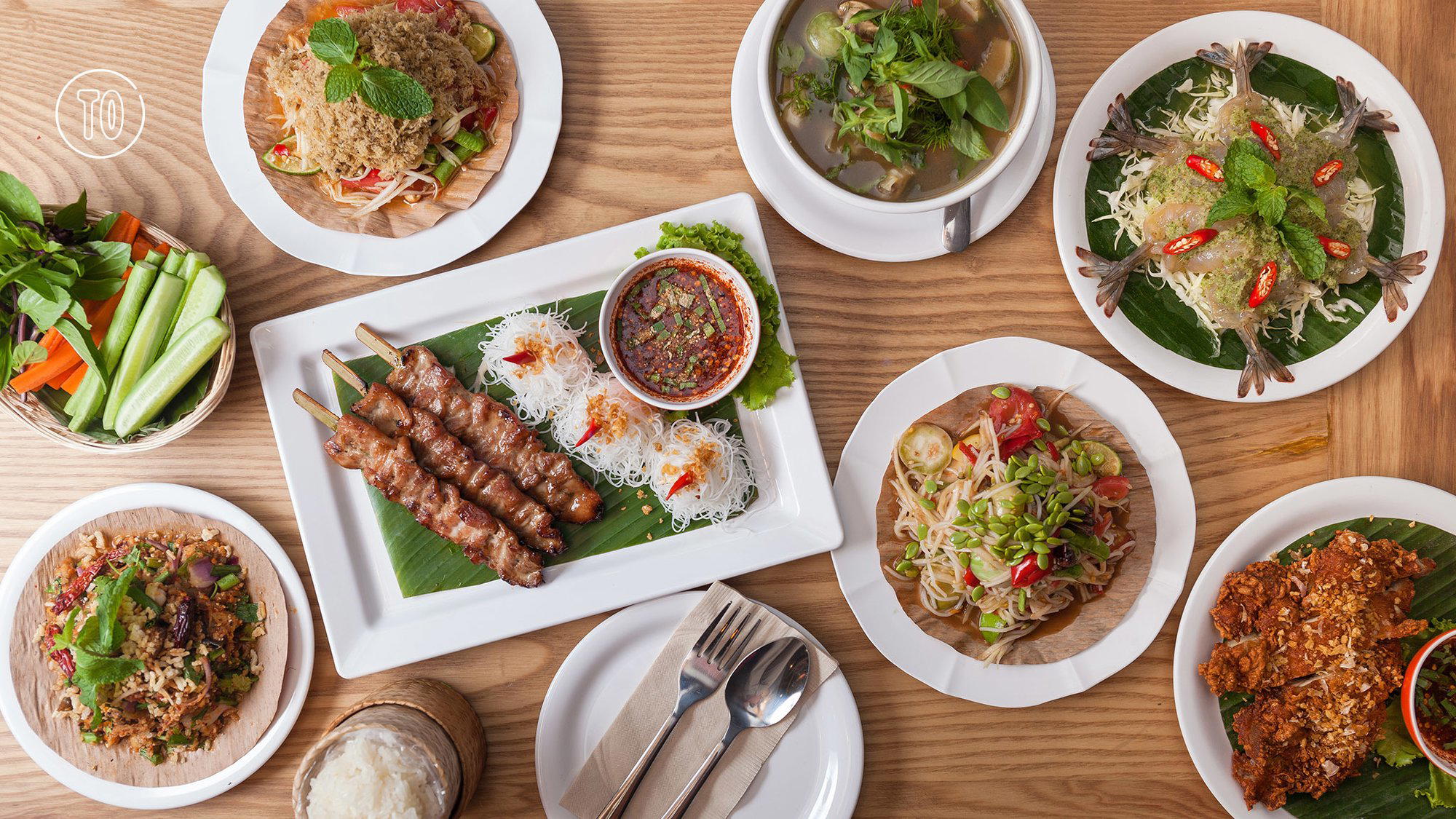
The menu
What to order
- Tum Thai Kai Kem
- Somtum Thai
- Moo Ping Kati Sod
- Nue Rong Hai Der
Isan at the Edge of Silom
Sala Daeng Road sits at the southern edge of Silom, a block from the BTS station and surrounded by the kind of mid-range office lunch spots that dominate Bangkok's business districts. Somtum Der occupies that address without making apologies for the neighbourhood. The room itself signals an intent to frame Isan cooking seriously: not as street food dressed up for tourists, but as a regional cuisine with its own internal logic, its own hierarchy of fermented and fresh, and its own standards for what constitutes balance.
Isan food — the cuisine of northeastern Thailand, which shares more culinary DNA with Laos than with Bangkok's central Thai tradition — is arguably Thailand's most consumed regional style, given the scale of northeaster migration into the capital over decades. Yet it is also the cuisine most flattened by repetition. The som tum (green papaya salad) served at the average Bangkok market stall has been standardised to the point where the original complexity of the dish, its interplay of preserved crab, fermented fish sauce, and raw vegetables calibrated by region and family, is almost entirely absent. Somtum Der exists as a corrective to that compression.
The Cultural Weight of Som Tum
To understand what Somtum Der is doing, it helps to understand what som tum actually is in its northeastern context. The dish is not monolithic. Across Isan, variations diverge significantly: som tum Thai uses roasted peanuts and dried shrimp and reads sweet-sour; som tum poo uses raw pickled crab and fermented fish sauce and reads fermented and funky; som tum Lao pushes further into sourness with a heavier hit of padaek (fermented fish paste). These are not interchangeable, and the difference between them is not merely one of heat level, it reflects geography, local ingredient availability, and the tastes of specific communities.
Bangkok's mainstream restaurant culture has largely collapsed these distinctions into a single exportable format. The restaurants that maintain the full spectrum, particularly the fermented, pungent end of the range, occupy a different position in the city's dining order. They are not competing with the ฿฿฿฿ tasting-menu tier occupied by Sorn (Southern Thai) or Baan Tepa (Thai contemporary), nor with the international fine-dining brackets represented by Sühring (German), Gaa (Modern Indian), or Côte by Mauro Colagreco (Mediterranean). They are competing on authenticity and specificity, and Somtum Der's longevity on Sala Daeng Road suggests it has held that position across an audience that includes both Bangkok's northeast-origin working population and food-literate visitors seeking out the real regional article.
What the Menu Is Actually Doing
The menu at Somtum Der extends beyond papaya salad into the broader Isan table: laab (minced meat salads dressed with toasted rice powder and dried chillies), grilled meats, and the sticky rice that functions as both plate and utensil in the northeastern tradition. These dishes form a coherent regional argument. Sticky rice in Isan cooking is not a side dish in the central Thai sense; it is the structural base of the meal, eaten by hand, pressed into a ball, and used to scoop the salads and dips that surround it. A restaurant that understands this serves the rice in the traditional mor hay (woven bamboo) container, hot and fresh, not as a plated afterthought.
The fermented fish element, padaek, runs through much of the Isan table and is the ingredient most likely to divide diners encountering this cuisine for the first time. It is not subtle. The fermentation is long, the smell direct, and the flavour persistent. Restaurants in Bangkok that pull back on padaek to accommodate broader palatability are making a commercial decision that changes the cuisine's character. Somtum Der's reputation rests partly on not making that compromise across the menu.
This places Somtum Der in a similar position to regional specialists elsewhere in Thailand: operations like AKKEE in Pak Kret or Cherng Doi Roast Chicken in Chiang Mai that stake their credibility on a specific regional tradition rather than a generalised Thai offer. Outside Bangkok, that regional specificity is also visible at PRU in Phuket and at more local-facing operations like Loet Rot in Mueang Chiang Mai.
Silom as a Dining Address
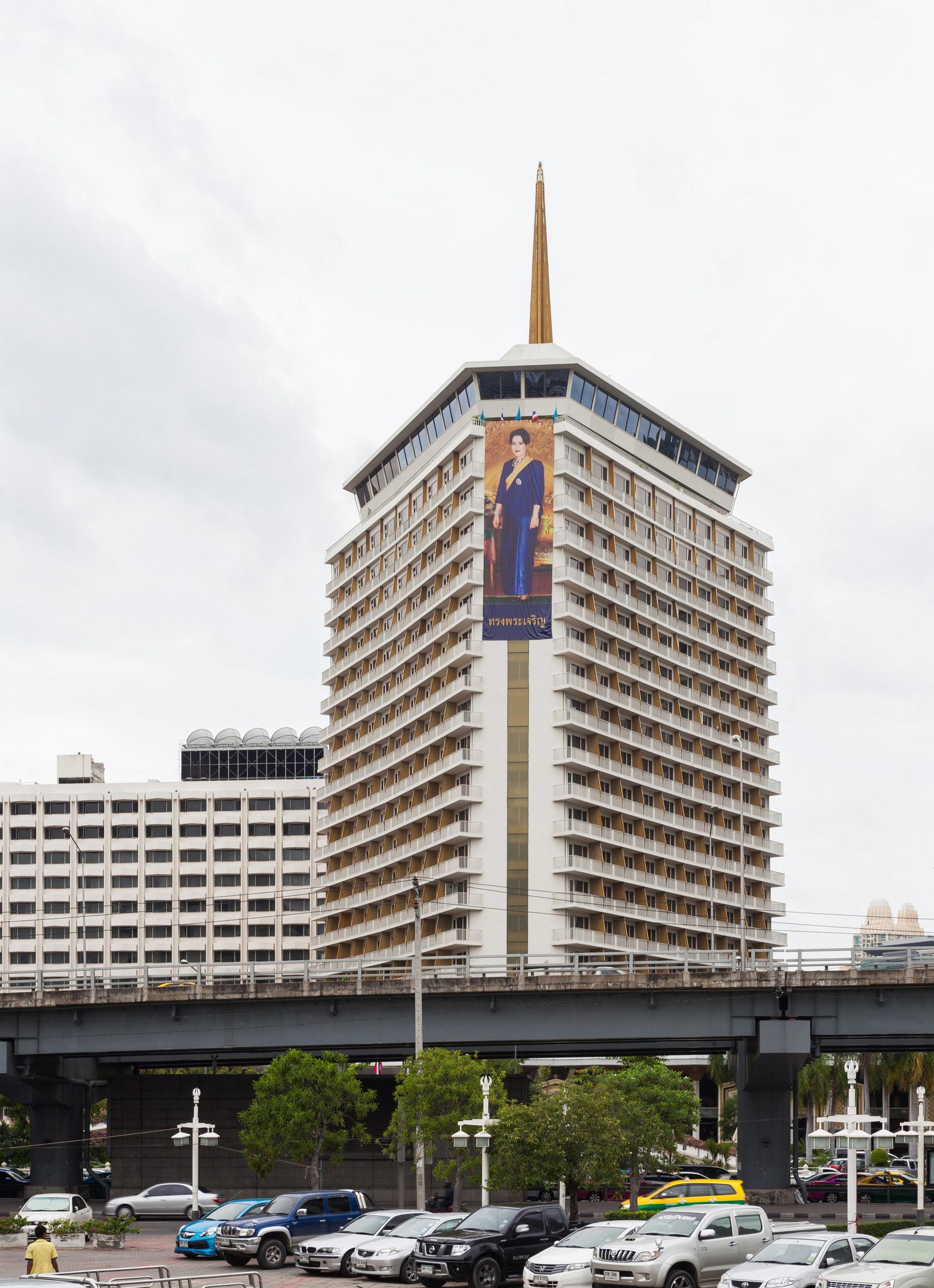
The Silom-Sala Daeng pocket sustains a range of dining formats, from the street food of Silom Soi 20 to the higher-end hotel dining at the Dusit Thani end of the boulevard. For Isan food specifically, this is not the most obvious neighbourhood, the denser concentrations of northeastern cooking in Bangkok tend to cluster further east toward Ekkamai and Thonglor, or near the weekend markets where Isan street vendors set up. Somtum Der's location on Sala Daeng functions more as a deliberate move into the business and tourist corridor, making Isan cooking accessible to visitors staying in the Silom hotel belt who might not navigate out to the residential northeastern enclaves.
That positioning has worked in practice. The restaurant draws a mixed room: office workers from the surrounding blocks at lunch, tourists arriving via BTS Sala Daeng in the evenings, and food-focused visitors who have read about it in the same breath as the more formal regional Thai addresses. It sits in a different category from those formal addresses, this is not the deeply researched, tasting-menu approach to regionalism found at spots in our full Bangkok restaurants guide, but it fills a space that the tasting-menu tier doesn't occupy: accessible, lunch-or-dinner, true-to-tradition regional Thai in a location that requires no special effort to reach.
For international visitors who want a comparative reference for what Thai regional specificity looks like at different price and formality levels, Somtum Der on Sala Daeng offers a useful data point. It is also worth noting that Bangkok's regional Thai picture extends beyond Isan: Southern Thai cooking gets its own serious treatment at dedicated addresses, and the contrast between those cuisines, the dry heat of southern food versus the sour-fermented profile of northeastern cooking, tells you something significant about how varied Thai cuisine actually is across its geography.
Know Before You Go
Know Before You Go
- Address: 5 Sala Daeng Road, Si Lom, Bang Rak, Bangkok 10500
- Getting There: BTS Sala Daeng (exit directly onto Sala Daeng Road) or MRT Silom (short walk north)
- Reservations: Walk-ins are generally possible, particularly at lunch; evenings can fill during peak tourist months (November to February)
- Price Range: Mid-range by Bangkok standards; substantially below the ฿฿฿฿ tasting-menu tier
- What to Order: Focus on the som tum variations that use padaek and pickled crab for the fullest expression of Isan style; sticky rice is non-negotiable
- Context: For the full Bangkok regional Thai picture, cross-reference with Sorn (Southern Thai) and Baan Tepa (contemporary Thai)
Frequently asked questions
Where is Somtum Der in Bangkok?
Somtum Der is located at 5, 5 Sala Daeng Rd, Si Lom, Khet Bang Rak, Krung Thep Maha Nakhon 10500, Thailand, Bangkok.
Does Somtum Der serve authentic northeastern Thai Isan food or a Bangkok-adapted version?
Somtum Der positions itself toward the traditional end of Bangkok's Isan restaurant spectrum, keeping preparations like padaek-based som tum and raw pickled crab on the menu rather than substituting milder ingredients for broader palatability. That distinguishes it from many Silom-area spots that standardise regional dishes for a mixed office and tourist crowd. Diners unfamiliar with fermented fish funk should approach the more traditional options with that expectation clearly set.
What do people recommend at Somtum Der?
The papaya salad range draws the most consistent attention, particularly versions made with padaek (fermented fish sauce) and raw pickled crab rather than the milder fish sauce substitutions common at tourist-facing Thai restaurants. These are preparations that track closely to northeastern Isan tradition rather than Bangkok-softened adaptations. The broader menu extends to laab dressed with toasted rice powder and dried chillies, which rounds out the Isan table well beyond a single signature dish.
Do I need a reservation for Somtum Der?
Somtum Der sits on Sala Daeng Road, a short walk from BTS Sala Daeng, which puts it within easy reach of Silom's office and hotel population. That access makes it reliably busy, particularly during Bangkok's high tourism periods and weekday lunch hours. Booking ahead for dinner is advisable; walk-ins are more feasible at off-peak times but carry genuine risk of a wait.
Standing Among Peers
Comparable venues nearby, for context on price, style, and recognition.
| Venue | Cuisine | Price | Notes |
|---|---|---|---|
| Somtum DerThis venue — the venue you are viewing | Authentic Isan Thai | $10–20 | Not listed |
| Seng Potchana | Thai-Chinese Seafood | $20–30 | Sukhumvit (between Thong Lo and Phrom Phong) |
| Supanniga Eating Room by Khun Yai | Authentic Eastern Thai Homestyle | $20–30 | Khlong Tan |
| Ongtong Khaosoi | Northern Thai Khao Soi | $10–20 | Phaya Thai Khwaeng |
| Thip Samai Pad Thai | Iconic Thai Pad Thai | $1–10 | Phra Nakhon |
| Lai Rot | Authentic Royal Thai Cuisine | $1–10 | Sam Sen |
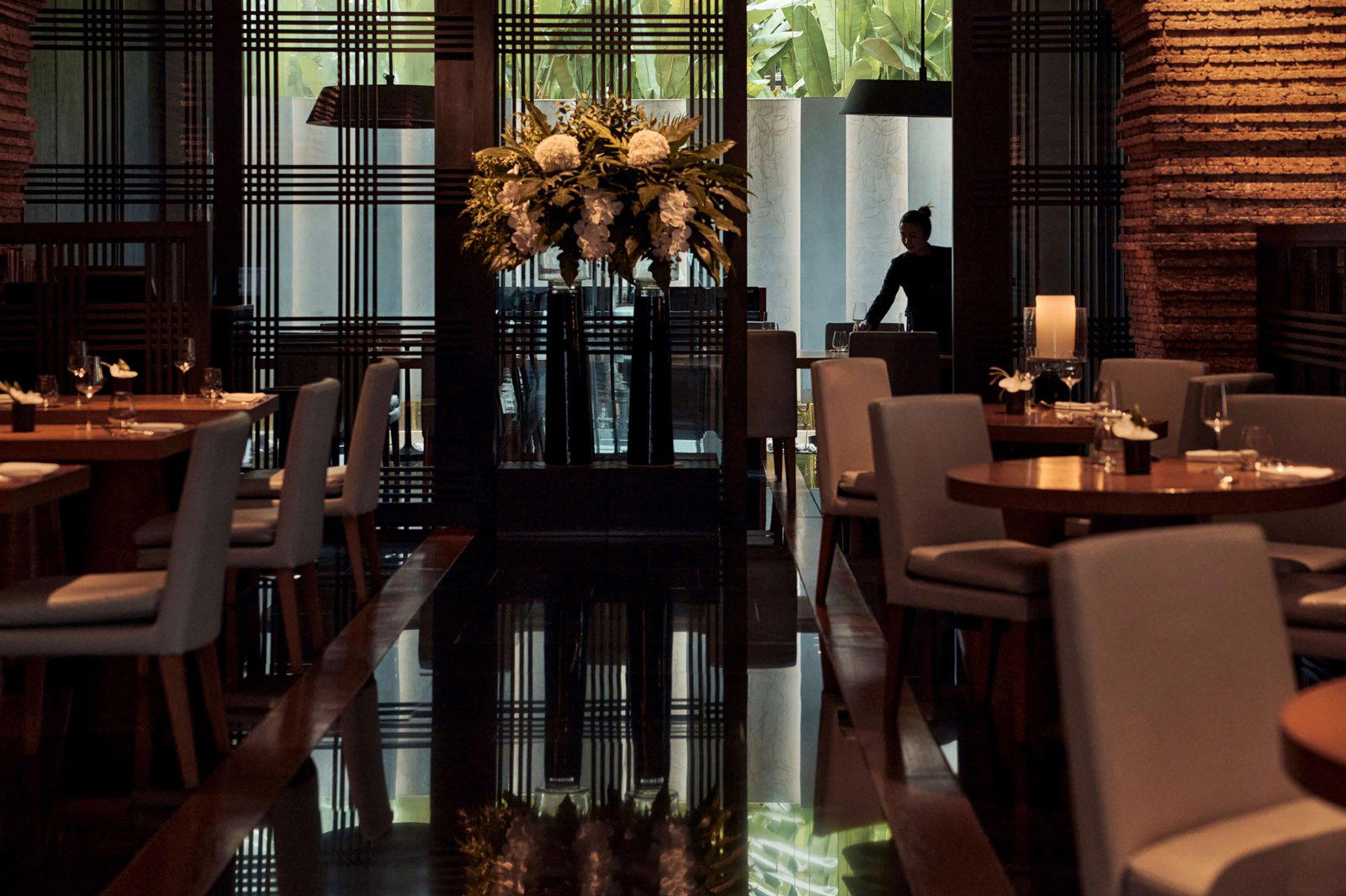
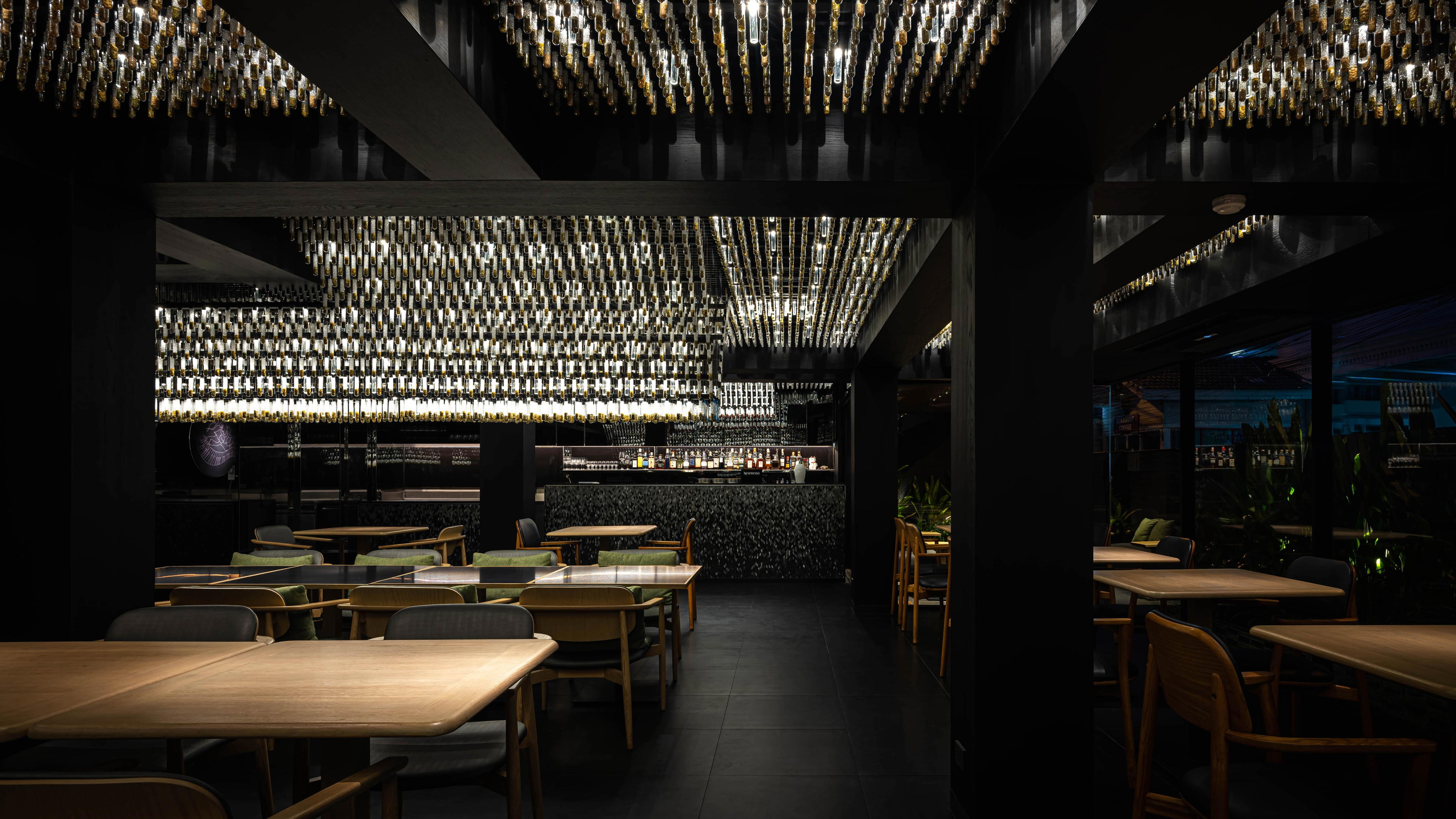
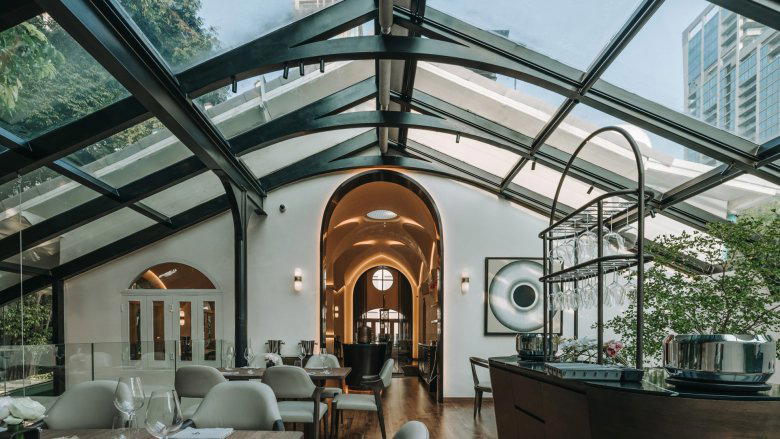
Details
- Cozy
- Lively
- Trendy
- Casual Hangout
- Group Dining
- Open Kitchen
- A La Carte
- Small Plates
- Vegetarian Friendly
Current opening hours
- Monday
- 11 AM–11 PM
- Tuesday
- 11 AM–11 PM
- Wednesday
- 11 AM–11 PM
- Thursday
- 11 AM–11 PM
- Friday
- 11 AM–11 PM
- Saturday
- 11 AM–11 PM
- Sunday
- 11 AM–11 PM
Hours can change for holidays and private events. Last verified .
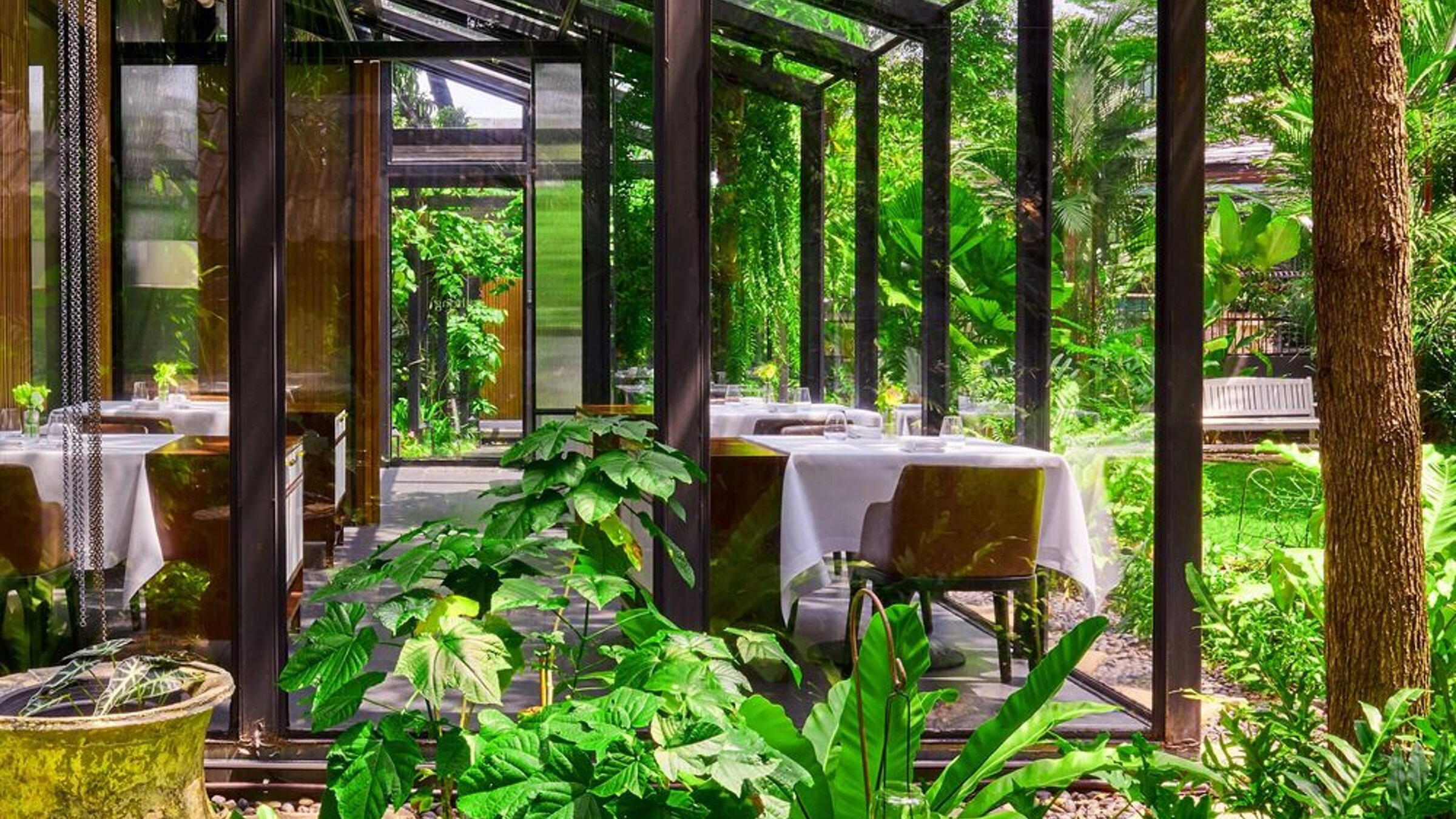
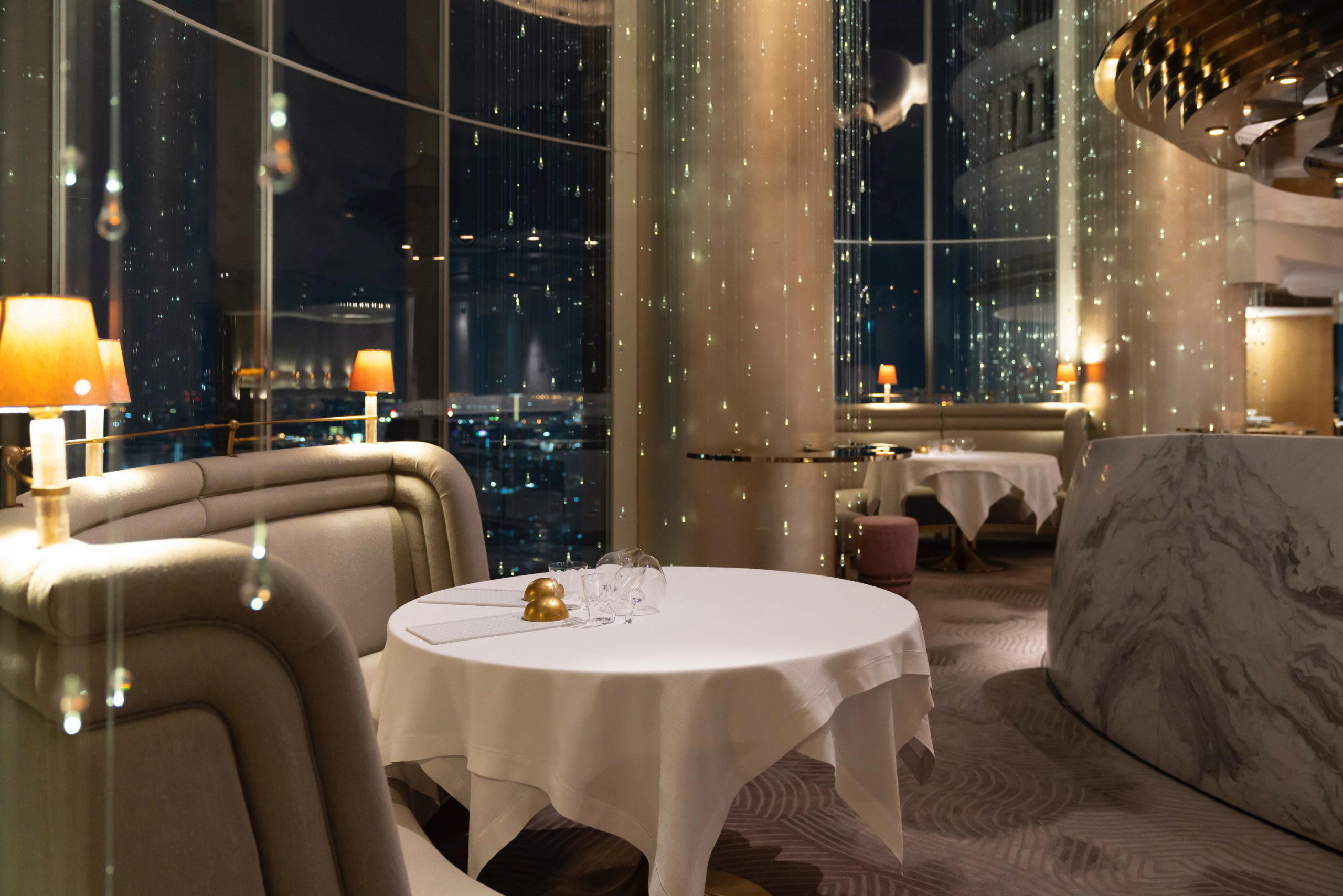
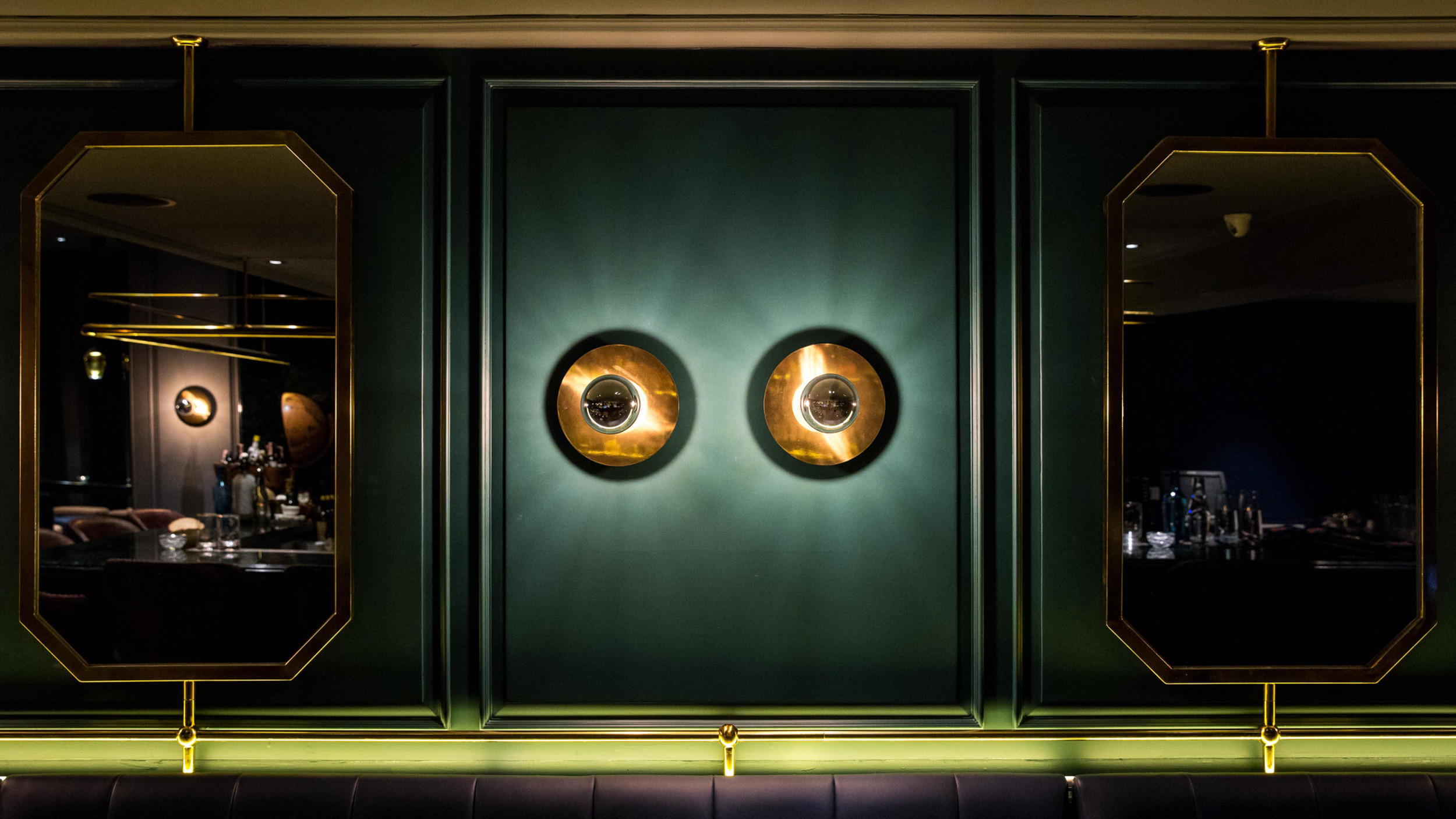
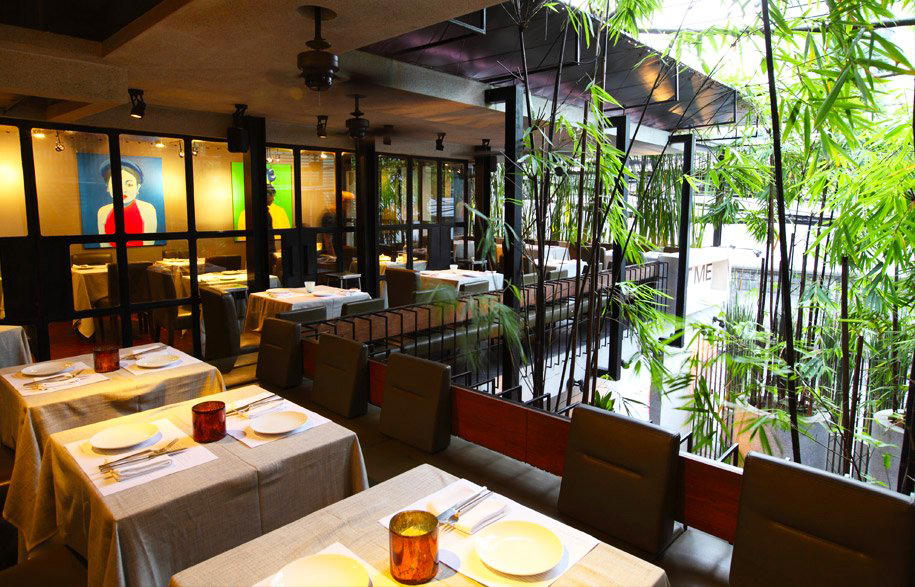
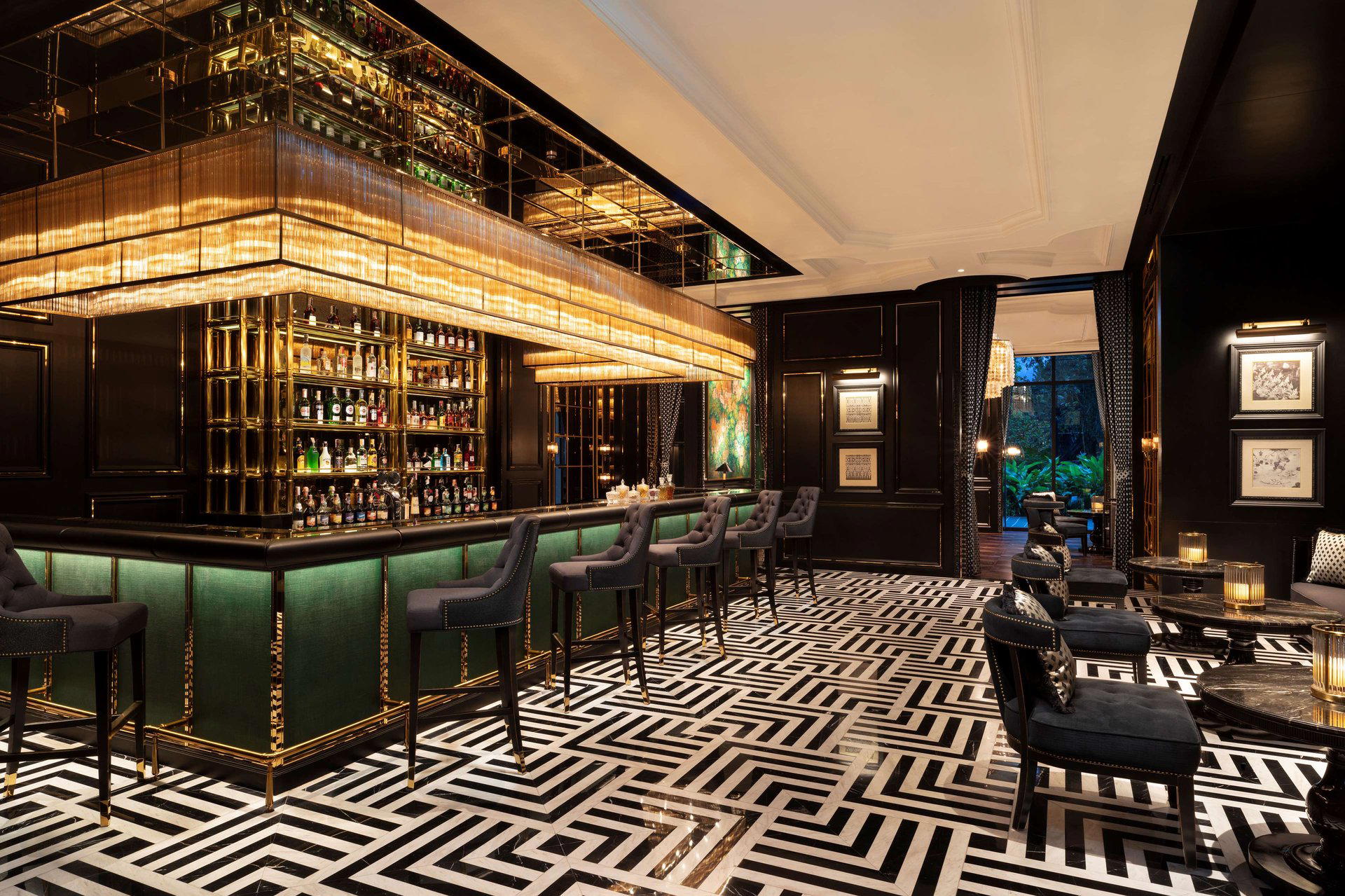
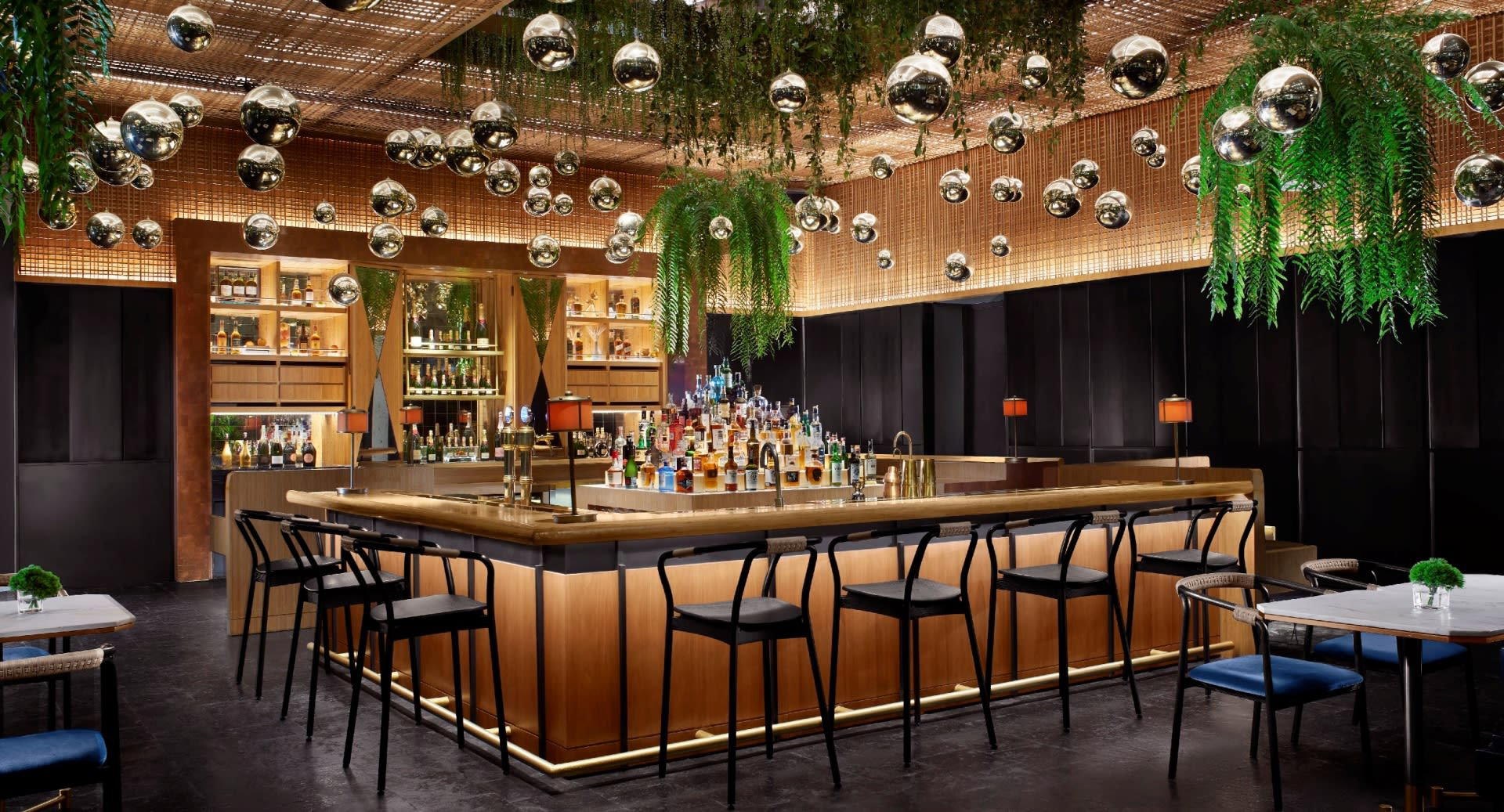
Cozy yet lively dining space with blond-wood and bamboo decor in a busy neighborhood.