Loet Rot
On Wang Sing Kam Road in Pa Tan, Loet Rot occupies a residential stretch of Chiang Mai well outside the tourist corridor, its name translating as "real taste" and pointing to a kitchen built around northern Thai ingredient integrity rather than performance. This is neighbourhood dining calibrated for locals, where highland produce and the city's morning markets do the work. A grounding counterpoint to the city's more formal northern Thai venues.
Pearl is the En Primeur Club membership app — saves, bookings, and concierge access live there. Same editors, same standards.
- Address
- 126 Wang Sing Kam Rd, Tambon Pa Tan, Mueang Chiang Mai District, Chiang Mai 50300, Thailand
- Phone
- +6653872092
- Directions
- Get directions
 Saves & bookings on Pearl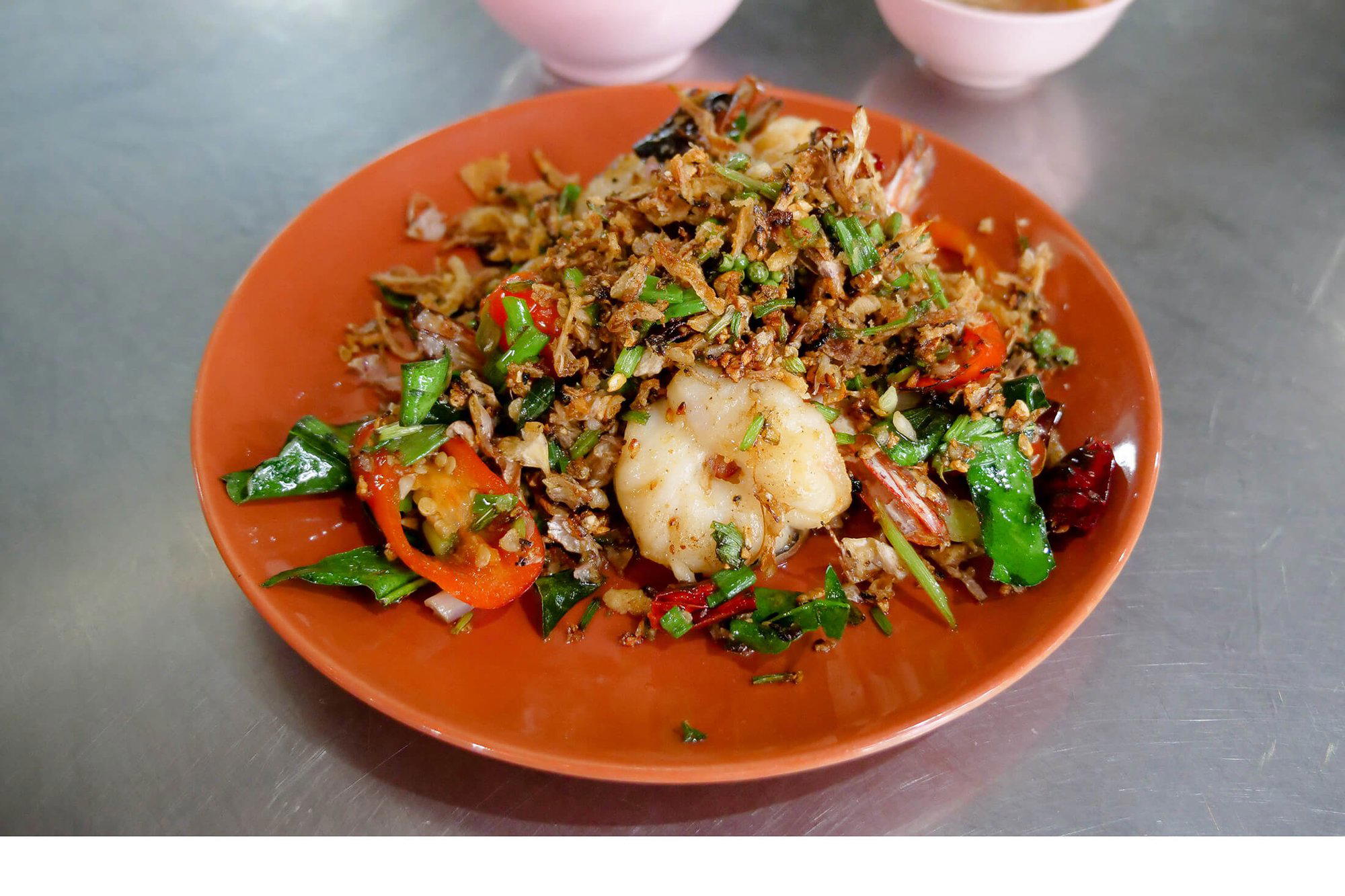
Pa Tan and the Northern Thai Table
Wang Sing Kam Road in Pa Tan sits at a remove from the tourist-facing restaurant belt that lines the Old City moat. The neighbourhood is residential in character, the street food vendors marking mealtimes by the smell of charcoal rather than by neon signage. Eating here means arriving with some intention: this is not a district you pass through on the way to somewhere else. Loet Rot is a restaurant at 126 Wang Sing Kam Road in Tambon Pa Tan, Chiang Mai, serving Northern Thai neighborhood cooking at a casual price point.
Northern Thailand's restaurant culture has long operated on a dual track. At one end, there are the heritage dining rooms packaging khantoke ceremony meals for visitors; at the other, the neighbourhood spots where locals eat without ceremony, where the recipes are not explained and the sourcing is assumed rather than announced. Loet Rot sits closer to the latter register, at least in geography and spirit, though the name itself, which translates roughly as "the real taste" or "the original flavour," signals a deliberate positioning around authenticity of ingredient and preparation rather than novelty or spectacle.
Ingredient Sourcing as Northern Identity
The conversation around where northern Thai food comes from has sharpened considerably in recent years, partly driven by what has happened in Bangkok. Sorn in Bangkok, which holds two Michelin stars, built its reputation almost entirely on hyper-regional southern Thai sourcing, demonstrating that provenance could carry a restaurant concept without any formal fusion framing. The effect rippled northward. PRU in Phuket applied a similar farm-first discipline to the south. In Chiang Mai, the sourcing argument has always had a natural foundation: the highlands produce galangal, lemongrass, and chillies of a quality that the central plains struggle to match, and the markets off Chang Moi and near Warorot carry produce that arrives daily from villages within thirty kilometres.
The name Loet Rot, read against that backdrop, makes a specific claim. "Real taste" in northern Thai culinary vocabulary refers to flavour that comes from the ingredient itself, not from sauce or technique applied to cover a lesser base product. Kaeng hang le, the Burmese-influenced pork curry that is one distinctive dish in the northern canon, depends almost entirely on the fat distribution and breed of the pig rather than on the spice blend. Sai oua, the aromatic herb sausage, is defined by the ratio of fresh kaffir lime leaf, galangal, and lemongrass to the meat, all of which need to be at peak freshness to read clearly on the palate. These are dishes that cannot be rescued by a talented cook if the raw materials are inadequate.
Chiang Mai's position as a sourcing hub for the north gives restaurants on this side of the city a logistical advantage that Old City venues rarely mention: proximity to the wholesale markets that supply the day's produce before most hotel restaurants have opened their kitchens. The neighbourhood cadence of Pa Tan means that the restaurant is embedded in that supply chain in a way that a venue designed primarily for tourism cannot easily replicate.
How Loet Rot Sits in the Chiang Mai Dining Field
Chiang Mai has developed a reasonably differentiated restaurant scene across price tiers. At the high end, places like Han Teung Chiangmai work with northern Thai tradition but apply a polish and setting that orients the meal toward an occasion rather than daily eating. Khaomao-Khaofang has built a following with garden dining in a style that prioritises environment as much as plate. Baan Khun Nine Kitchen and Gai Yang Cherng Doi operate at the neighbourhood end of that spectrum, where price and setting are secondary to the product itself.
What the name and location together suggest is a kitchen oriented around the kind of daily northern Thai cooking that does not require theatre or explanation, where the test of the food is whether it tastes of what it claims to be made from. Elsewhere in Thailand, that discipline shows up in recognised form: AKKEE in Pak Kret has built a following on a similar philosophy of letting a single product, prepared without distraction, carry the meal. The approach is not common in tourist-facing dining but is well established in the local restaurant culture of every major Thai city.
For context on what this approach looks like when applied to a single protein, Cherng Doi Roast Chicken in Chiang Mai demonstrates how a northern Thai chicken preparation built around breed and feed rather than marinade can sustain a dedicated following over years. Caramellow Cafe represents a different register of the Chiang Mai dining scene, popular with a younger local crowd, and sits at a useful distance from the traditional northern Thai table that restaurant occupies.
Planning a Visit
The restaurant is at 126 Wang Sing Kam Road, Tambon Pa Tan, in the Mueang Chiang Mai district. Pa Tan is most efficiently reached by songthaew from the Old City or by motorbike; the address is in a residential stretch where parking is direct and foot traffic is local rather than tourist. Arriving without a reservation is often workable here.
The broader Pa Tan neighbourhood and the Mueang Chiang Mai eating circuit reward early evenings: the light is better, the produce fresher from the morning market runs, and the neighbourhood restaurants tend to sell out of specific dishes by mid-evening.
Readers arriving in Chiang Mai from other parts of Thailand may find it useful to calibrate expectations against what ingredient-first cooking looks like at other price points nationally. Krua Laew Tae R-Rom in Pattaya and Hoy Tord Chao Lay in Wattana both demonstrate how Thai kitchens working with single-product focus can produce results that stand on raw material quality alone, which is the same argument the restaurant's name appears to make about northern Thai cooking.
Quick Comparison
Comparable venues nearby, for context on price, style, and recognition.
| Venue | Cuisine | Price | Notes |
|---|---|---|---|
| Loet RotThis venue — the venue you are viewing | Northern Thai Neighborhood | $$ | Not listed |
| ลาบดวงดีมีสุข | thai | Not listed | Mueang Chiang Mai |
| Baan Khun Nine Kitchen | Northern Thai Neighborhood Kitchen | $$ | Mueang Chiang Mai |
| Khaomao-Khaofang | Northern Thai Imaginary Jungle | $$ | Hang Dong |
| KOBQ - Kad Thaweechoke | Korean Barbecue | $$$ | Mueang Chiang Mai |
| Han Teung Chiangmai | Authentic Northern Thai | $ | Suthep |
Continue exploring
More in Mueang Chiang Mai
Restaurants in Mueang Chiang Mai
Browse all →
Bars in Mueang Chiang Mai
Browse all →

At a Glance
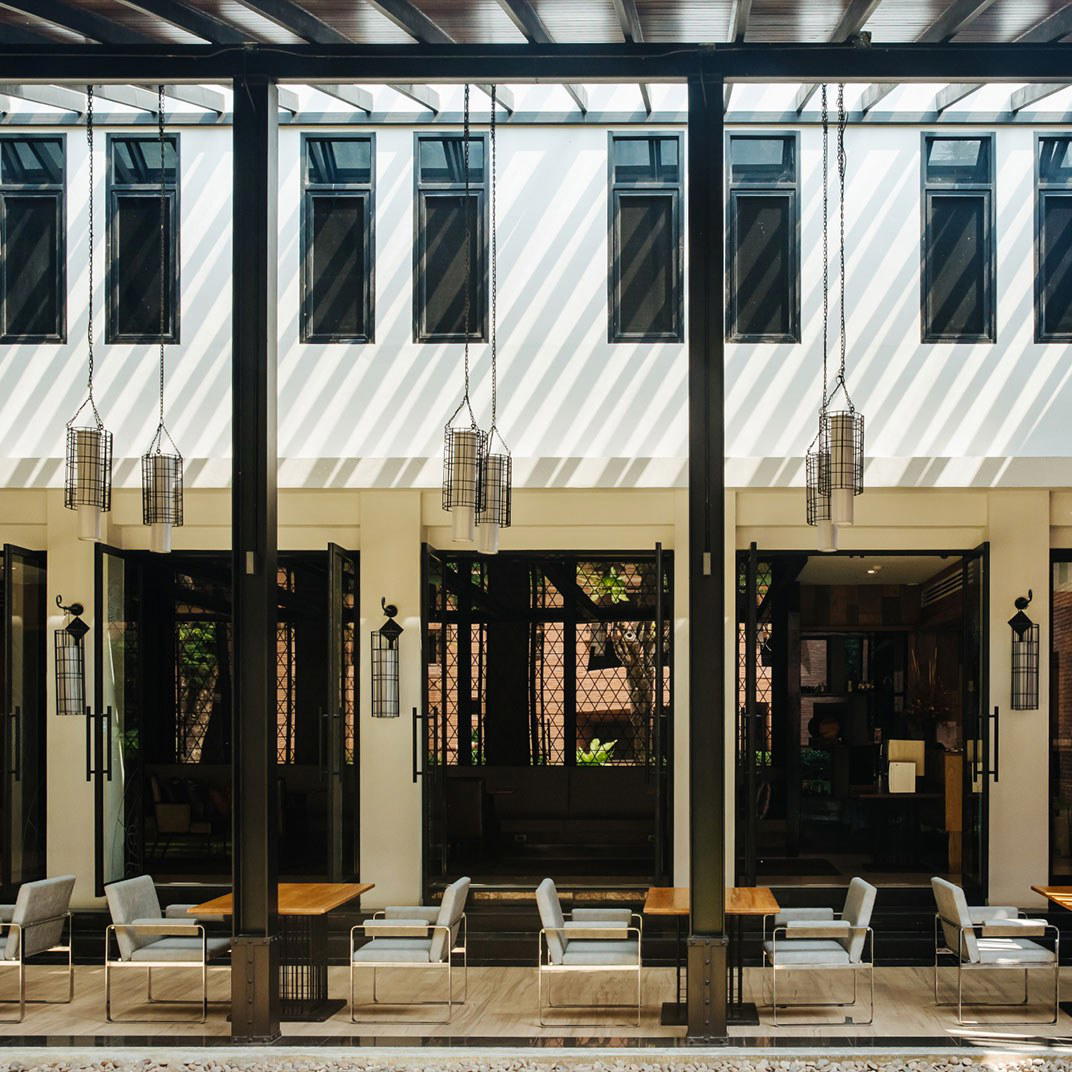
- Cozy
- Rustic
- Intimate
- Casual Hangout
- Standalone
- Local Sourcing
- Garden
Current opening hours
- Monday
- 11 AM–2 PM, 5–9 PM
- Tuesday
- 11 AM–2 PM, 5–9 PM
- Wednesday
- 11 AM–2 PM, 5–9 PM
- Thursday
- 11 AM–2 PM, 5–9 PM
- Friday
- 11 AM–2 PM, 5–9 PM
- Saturday
- 11 AM–2 PM, 5–9 PM
- Sunday
- 11 AM–2 PM, 5–9 PM
Hours can change for holidays and private events. Last verified .