Little Edo Suratthaniリトル江戸
Our verdict
A Japanese-named restaurant in Mueang Surat Thani's Makham Tia district, Little Edo sits at an intriguing crossroads between the Gulf South's ingredient-rich food culture and a dining concept that signals Japanese influence. Details remain sparse, making it one of the more quietly positioned tables in a city better known as a ferry hub than a food destination. See our full guide for broader context on eating well in Surat Thani.

Pearl is the En Primeur Club membership app — saves, bookings, and concierge access live there. Same editors, same standards.
- Address
- หมู่ 6 แยกบางใหญ่ Tambon Makham Tia, เมือง Surat Thani 84000, Thailand
- Phone
- +66824365536
- Hours
- Daily 11:30 AM–10 PM
- Website
- littleedo.com
- Directions
- Get directions
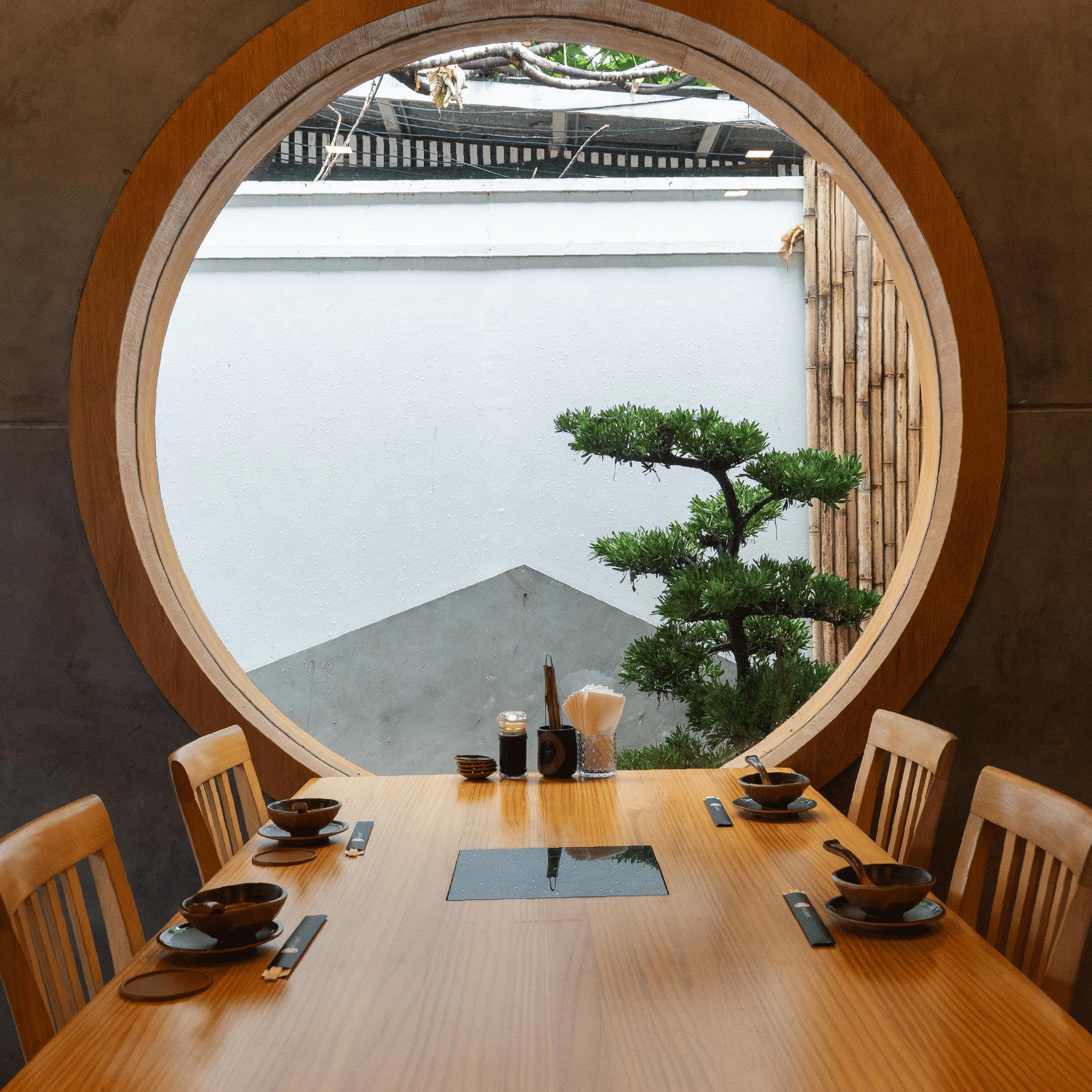
Where Southern Thai Produce Meets an Unexpected Japanese Reference
Surat Thani is not a city that appears on most Thai dining itineraries. Travellers pass through it on the way to Koh Samui or Koh Tao, pausing for a ferry connection rather than a meal. That transit identity has kept the city's restaurant scene largely local in character, oriented around the Gulf South's unusually strong ingredient base: fresh seafood from the Gulf of Thailand, coconut-heavy Southern curries, and the kind of produce that feeds the kitchens at places like Sorn in Bangkok, widely regarded as one of the most rigorous exponents of Southern Thai cuisine in the country. Little Edo Suratthani, with its Japanese subtitle (リトル江戸) and its address in the Makham Tia subdistrict on the outskirts of Mueang Surat Thani, occupies a different register from the city's street-food default. The name references Edo, the historical name for Tokyo, and the layering of Japanese signaling onto a Southern Thai location is an editorial prompt in itself.
The Ingredient Question in Southern Thailand
Southern Thailand's food culture is built on sourcing proximity. The region supplies much of the country's seafood, palm oil, and tropical fruit, and that supply chain is visible in everyday cooking in a way that it simply isn't in Bangkok. At restaurants that take Southern Thai ingredients seriously, the work often happens before the kitchen: understanding tidal patterns, knowing which fishing communities land what, and building relationships with farmers growing turmeric, galangal, and kaffir lime at scale. This is the tradition that PRU in Phuket has formalised into a farm-to-table program, and that DEVASOM BEACH GRILL in Takua Pa draws on from its coastal position further north along the Andaman coast.
Surat Thani sits on the Gulf side of the peninsula, which gives it access to a different catch profile than Phuket or Krabi. The Gulf of Thailand's fisheries historically produced abundant crab, squid, and small pelagic fish that anchor the Southern Thai table. Any kitchen operating in Mueang Surat Thani with serious intent has that larder available within short distance of the city's wholesale markets. Whether a Japanese-concept restaurant in this location draws on that Gulf South supply chain or imports ingredients aligned with Japanese culinary standards is precisely the question that frames Little Edo's position in the local dining picture.
Japanese Dining Concepts in Secondary Thai Cities
Bangkok's Japanese restaurant scene has fragmented into recognisable tiers over the past decade. At the leading, omakase counters with trained Japanese chefs, imported fish, and allocation-driven booking sit alongside Thai-Japanese hybrid concepts that foreground local sourcing as an editorial point. Below that, a wide mid-market of ramen shops, izakayas, and sushi conveyor formats serves the country's large appetite for Japanese food at accessible prices. In secondary Thai cities, that spectrum compresses. The format tends toward comfort Japanese: ramen, donburi, katsu, and approachable sushi, often with a menu calibrated for local tastes rather than purist Japanese expectations. For context on how Japanese culinary concepts translate across Thai settings, Hinata (日向) offers a useful Bangkok-adjacent reference point.
The Edo reference in Little Edo's name is culturally specific. Edo-period Japan, broadly from the early seventeenth century to the mid-nineteenth, is associated in food history with the rise of edomae sushi, tempura as street food, and a distinct Tokyo-area cuisine built on local bay seafood. In contemporary Japanese restaurant branding, the Edo label often signals a traditionalist or artisan orientation. Applied in a Thai provincial city, it reads as an aspiration marker rather than a strict culinary category claim. The Makham Tia subdistrict address, away from the commercial centre of Mueang Surat Thani, suggests a neighbourhood positioning rather than a destination-dining play.
What the Sourcing Frame Means for Diners in Surat Thani
The editorial angle on ingredient sourcing matters in Surat Thani because the city is genuinely well-positioned by geography. A kitchen that commits to Gulf-landed fish, locally grown aromatics, and Southern Thai produce would be operating with raw material quality that Bangkok restaurants pay a premium to access. The question is whether a Japanese-concept restaurant in this location treats that regional larder as an asset or defaults to a more generic supply chain. Thailand has examples of both approaches: AKKEE in Pak Kret and Khok Kloi Bami Tom Yam Khai in Takua Thung both demonstrate how regionally grounded sourcing can define a restaurant's identity in ways that national-chain thinking cannot replicate. For a broader read on how Surat Thani's dining scene is developing, Synth Restaurant in the same city offers a contemporary reference, and our full Mueang Surat Thani restaurants guide maps the city's options across price points and formats.
Comparisons further afield are instructive. Cherng Doi Roast Chicken in Chiang Mai and Loet Rot in Mueang Chiang Mai show how Northern Thai kitchens have built reputations around regional sourcing specificity. The Gulf South has equal, arguably superior, ingredient depth, but fewer restaurants have made that sourcing story central to their public identity. Hoy Tord Chao Lay and Krua Laew Tae R-Rom in Pattaya are examples of Gulf-coast kitchens where seafood sourcing is the operative fact rather than a marketing claim. Island-adjacent fine dining, as at Benz Restaurant at Soneva Kiri in Koh Kood and The Spa in Lamai Beach, takes a different, more resort-integrated approach to the same Gulf South produce base.
Planning a Visit
Little Edo Suratthani is located in Tambon Makham Tia, Mueang Surat Thani 84000, in the Bangchai junction area (แยกบางใหญ่) of the subdistrict. No website, phone number, or confirmed hours are available in the public record at time of writing, which means the most practical approach is to ask locally on arrival in Surat Thani or to check current Google Maps listings for operating status before making a specific trip. Surat Thani's bus and train connections make it accessible from Bangkok and the Southern Thai peninsula corridor, and the city's Phun Phin station is the standard rail arrival point. For visitors whose primary reference points for Japanese dining in Thailand run toward Bangkok's high-end tier, such as 266/1 Siam Square Soi 3 in Pathum Wan, the Surat Thani context will require a recalibrated set of expectations, though that recalibration is often where the more interesting provincial discoveries happen.
Frequently asked questions
Where is Little Edo Suratthaniリトル江戸 located?
Little Edo Suratthaniリトル江戸 is located at หมู่ 6 แยกบางใหญ่ Tambon Makham Tia, เมือง Surat Thani 84000, Thailand, Mueang Surat Thani.
Is Little Edo Suratthani worth a detour if you're passing through Surat Thani en route to Koh Samui or Koh Tao?
Surat Thani is a common transit point for the Gulf islands, and Little Edo's location in the Makham Tia subdistrict puts it within the city rather than at the ferry terminals. For those with flexible layover time in Mueang Surat Thani, the Edo concept offers a contrast to the Thai-centric options near the piers.
What's the best thing to order at Little Edo Suratthaniリトル江戸?
The Japanese-language subtitle and Edo reference point toward a concept grounded in Japanese culinary tradition, likely drawing on the seafood and tropical produce that Surat Thani's position in southern Thailand makes accessible. Until menu details are confirmed through a direct visit or official channel, ordering decisions are best made on arrival.
What's the best way to book Little Edo Suratthaniリトル江戸?
No website, phone number, or confirmed booking platform exists in the public record. The restaurant is located at หมู่ 6 แยกบางใหญ่, Tambon Makham Tia, Mueang Surat Thani 84000, so visiting in person or asking locally at accommodation in Surat Thani city is the most reliable approach.
What's the signature at Little Edo Suratthaniリトル江戸?
No signature dish is documented for Little Edo Suratthani. The restaurant's address in Mueang Surat Thani places it away from tourist circuits, which may reflect a locally focused operation.
How It Stacks Up
Comparable venues nearby, for context on price, style, and recognition.
| Venue | Cuisine | Price | Notes |
|---|---|---|---|
| Little Edo Suratthaniリトル江戸This venue — the venue you are viewing | Edo-style Japanese Shabu Shabu & Sukiyaki | Not listed | Not listed |
| Synth Restaurant | Contemporary Southern Thai | Not listed | Mueang Surat Thani |
| Phed Mark | Spicy Pad Krapao Specialist | $1–10 | Khlong Toei |
| The Bibimbab Seoul Grill | Korean BBQ and Bibimbap | Not listed | Pattaya Sai 2 |
| Phed Mark (เผ็ดมาร์ค) | Spicy Pad Kaprao Specialist | Not listed | คลองเตย |
| Kyobar | Modern Japanese Dessert Omakase | $10–20 | Pathum Wan |
Continue exploring
More in Mueang Surat Thani
Details
- Cozy
- Modern
- Casual Hangout
- Date Night
- Open Kitchen
- Sake Program
- Local Sourcing
- A La Carte
Current opening hours
- Monday
- 11:30 AM–10 PM
- Tuesday
- 11:30 AM–10 PM
- Wednesday
- 11:30 AM–10 PM
- Thursday
- 11:30 AM–10 PM
- Friday
- 11:30 AM–10 PM
- Saturday
- 11:30 AM–10 PM
- Sunday
- 11:30 AM–10 PM
Hours can change for holidays and private events. Last verified .
Zen and relaxing atmosphere with focus on premium ingredients.