
Our verdict
On a quiet stretch of Fueang Nakhon Road in Bangkok's historic Phra Nakhon district, Baan Nual represents a strand of Thai cooking that prioritises cultural fidelity over modernist spectacle. Chef Daisuke Yamaguchi runs a kitchen earning recognition from Opinionated About Dining's 2025 Asia rankings, drawing guests who come specifically for grounded, tradition-rooted Thai food in an area thick with temple gates and old Bangkok atmosphere.

Pearl is the En Primeur Club membership app, where members save venues, book tables and use the concierge.
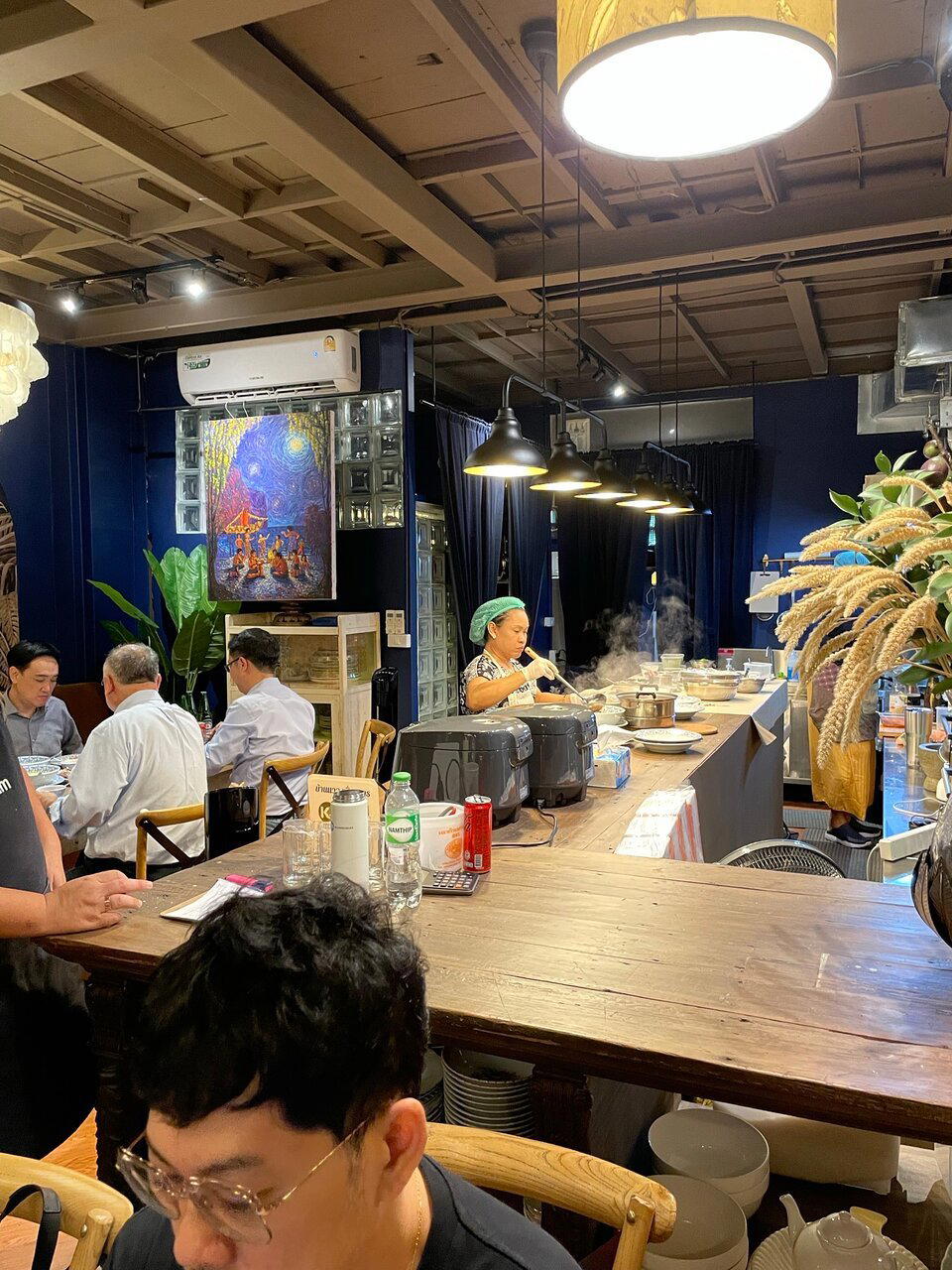
Old Bangkok as Dining Context
Fueang Nakhon Road sits inside one of the city's most historically dense corridors. Wat Ratchabophit is a short walk in one direction; the Grand Palace precinct anchors the broader neighbourhood. This is not the Bangkok of rooftop bars and Silom office towers. The streets here move at a different pace, and the built environment reflects centuries of civic and religious accumulation rather than the recent decades of commercial development that shaped most of the city's dining scene. Restaurants that choose to operate in Phra Nakhon are making an implicit statement about the kind of experience they intend to offer.
In Bangkok's current restaurant map, serious Thai cooking has split into at least three legible tiers: the high-concept contemporary tier occupied by two-Michelin-star operations like Baan Tepa and tasting-menu specialists like Samrub Samrub Thai; the preservation-focused tier represented by places like Saneh Jaan and Nahm, which treat archival recipes and classical technique as the core proposition; and a third, less visible tier of neighbourhood-anchored kitchens where the food is simply cooked well and the surroundings do the contextualising. Baan Nual operates closer to that third register, its address in old Bangkok functioning as part of the editorial frame.
The Cultural Weight of Traditional Thai Cooking
Thai cuisine's complexity is frequently underestimated outside the country, and even within Bangkok it is often flattened into a handful of familiar dishes for tourist consumption. The more demanding version of the tradition involves careful balance across the four primary flavour axes, sour, sweet, salty, bitter, with heat functioning as a modifier rather than a dominant note. Achieving that balance consistently requires a deep familiarity with Thai ingredients, many of which have no direct substitutes: fresh turmeric versus dried, kaffir lime leaf versus juice, different grades and preparations of shrimp paste, regional variations in galangal. The cooking is technically demanding in ways that don't always register visually.
That context matters when reading the kitchen at Baan Nual. Chef Daisuke Yamaguchi brings a Japanese background to a Thai kitchen, a combination that appears unusual on paper but has precedent in the wider Bangkok scene, where chefs trained across multiple culinary traditions have occasionally found their discipline and precision well-suited to the meticulous demands of classical Thai cooking. The question such a kitchen always faces is whether cross-cultural technique produces authentic flavour results or simply a technically accomplished approximation. Yamaguchi's presence on Opinionated About Dining's 2025 Asia rankings at position 334, a guide that evaluates on the basis of accumulated critic opinions rather than a single annual visit, suggests the answer leans toward the former.
Opinionated About Dining and What That Recognition Signals
Opinionated About Dining's Asia list functions differently from Michelin or the Asia's 50 Best rankings. It aggregates opinions from a wider pool of experienced diners and food professionals, which tends to surface places that generate consistent approval among knowledgeable visitors without necessarily fitting the format requirements that Michelin inspectors or 50 Best nominators favour.
For comparison, the Thai restaurants occupying Michelin's upper bracket in Bangkok, three-star Sorn for Southern Thai, two-star Baan Tepa for contemporary Thai, are operating at price points and in formats designed partly around that recognition. Baan Nual's OAD placement suggests a different value proposition: food that earns approval from the same knowledgeable audience without the full apparatus of a prestige tasting-menu experience. That's a distinct position in Bangkok's dining ecosystem, and not a lesser one.
Phra Nakhon's Role in Bangkok's Food Geography
The area around Wat Ratchabophit and the adjacent temple district has historically supported a dense local food culture sustained by resident communities, monks, market traders, and administrative workers rather than by tourist flows. The neighbourhood's restaurants tend to serve a mixed clientele, which often produces more honest cooking than destinations built primarily around visitor traffic. Aksorn, operating with a heritage Thai cookbook focus on the edge of this broader precinct, represents one model for how old-Bangkok geography can anchor a culinary identity. Baan Nual appears to operate from a similar spatial logic, using the neighbourhood's character as an implicit guarantee of intent.
Visitors coming from other parts of Thailand or from elsewhere in the region will find this address sits within a navigable area. AKKEE in Pak Kret and Angeum in Phra Nakhon Si Ayutthaya represent the wider tradition of historically grounded Thai cooking in the Bangkok metropolitan area, and Baan Nual sits in direct conversation with that tradition. Beyond Thailand, the Thai cooking scene has produced serious practitioners in unexpected cities: Boo Raan in Knokke and Kin Khao in San Francisco both argue that the tradition travels well when handled carefully.
Where Baan Nual Sits in the Broader Bangkok Conversation
Bangkok's Thai restaurant scene is large enough that useful navigation requires a clear sense of what tier and format a given kitchen occupies. The prestige tasting-menu end is well-mapped: Sorn, Baan Tepa, Chim by Siam Wisdom, and the archival operators have established clear identities. What is sometimes harder to locate are the mid-register kitchens where traditional Thai cooking is taken seriously without the overhead of a full tasting-menu operation. Baan Nual occupies that space, with OAD recognition providing an external signal that its quality is not simply a matter of neighbourhood charm.
For visitors building a Bangkok itinerary around Thai food specifically, the approach worth considering is to use one or two prestige-tier restaurants as anchors and fill the remaining meals from places like Baan Nual, where the cooking is evaluated on its own terms rather than as part of a broader theatrical production. For a fuller view of where Baan Nual fits within Bangkok's wider dining scene, see our full Bangkok restaurants guide. Visitors planning a broader trip should also consult our full Bangkok hotels guide, our full Bangkok bars guide, and our full Bangkok experiences guide for context across the city's hospitality range. For Thai cooking at the regional level, PRU in Phuket and Aeeen in Chiang Mai represent how the tradition operates outside the capital. Our full Bangkok wineries guide covers the wine side of the city's dining culture for those whose itineraries extend in that direction.
Frequently asked questions
How do I find Baan Nual?
Baan Nual is located at 37 Fueang Nakhon Rd, Khwaeng Wat Ratchabophit, Khet Phra Nakhon, Bangkok 10200, Thailand, Bangkok.
What distinctions does Baan Nual have?
Baan Nual has received recognition including: Opinionated About Dining Top Restaurants in Asia Ranked #334 (2025).
What's the best thing to order at Baan Nual?
Baan Nual's kitchen focuses on traditional Thai cooking, a format that typically rewards ordering central Thai preparations where technique and sourcing carry the most weight. Given the restaurant's placement in the historically grounded Phra Nakhon district and its recognition on the 2025 Opinionated About Dining Asia list at #334, the menu is likely anchored in dishes that reflect Bangkok's older culinary conventions rather than contemporary fusion.
A Quick Peer Check
Comparable venues nearby, for context on price, style, and recognition.
| Venue | Cuisine | Price | Notes |
|---|---|---|---|
| Baan NualThis venue (the venue you are viewing) | Authentic Homestyle Thai | Not listed | Not listed |
| Phed Mark | Spicy Pad Krapao Specialist | $1–10 | Khlong Toei |
| Somtum Der | Authentic Isan Thai | $10–20 | Si Lom |
| Sri Trat Restaurant and Bar | Eastern Thai Seafood from Trat | $20–30 | Khlong Toei Nuae |
| Nara | Authentic Thai Cuisine | $20–30 | Siam Square |
| Cross da Fence Noodles Shop | Thai Noodle Shop | Not listed | Bangkok |
Recognition history
Dated appearances from independent guides and award organizations, with the underlying list record or original source where available.
Opinionated About Dining Top Restaurants in Asia Recommended
Opinionated About Dining
Full recognition history (2 entries)
Opinionated About Dining Top Restaurants in Asia Ranked #334
Opinionated About Dining
Continue exploring
More in Bangkok
Restaurants in Bangkok
All restaurants in Bangkok →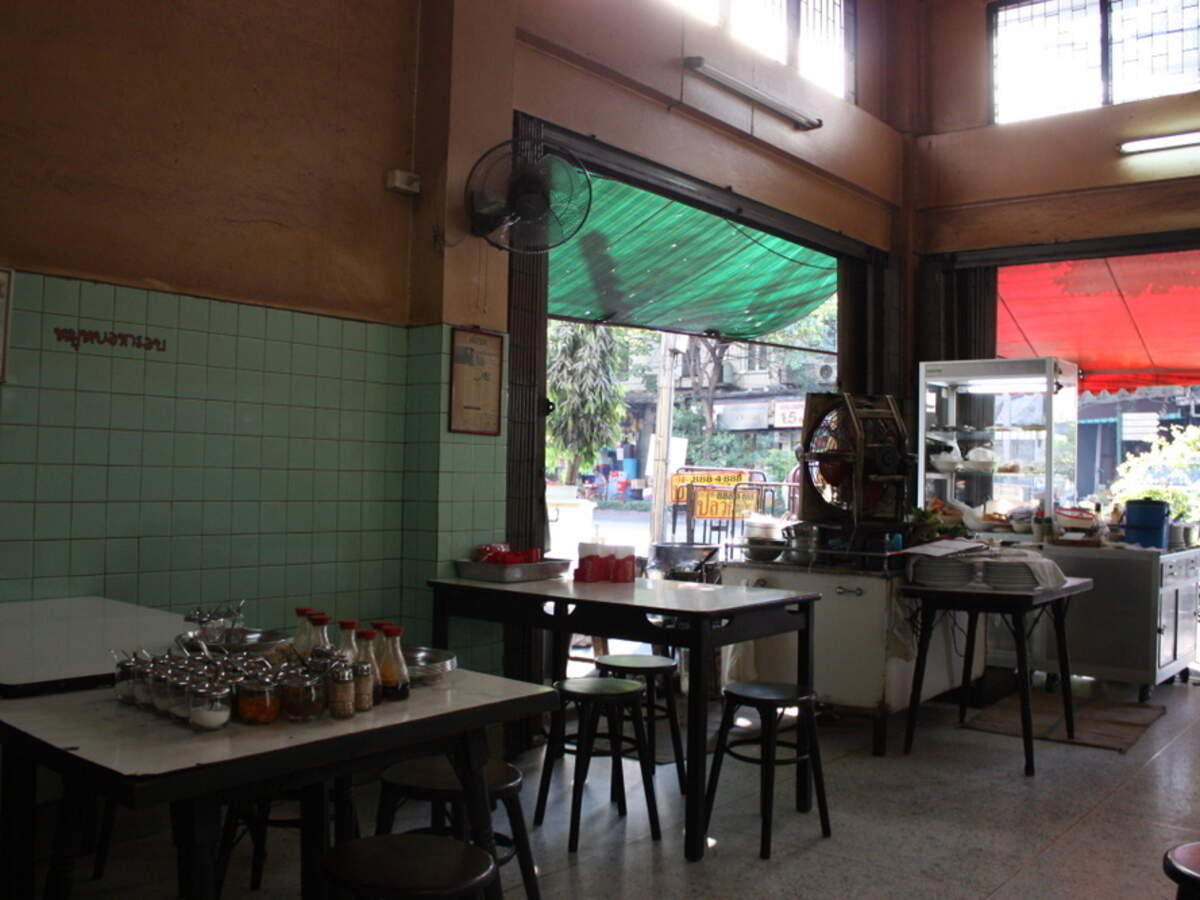
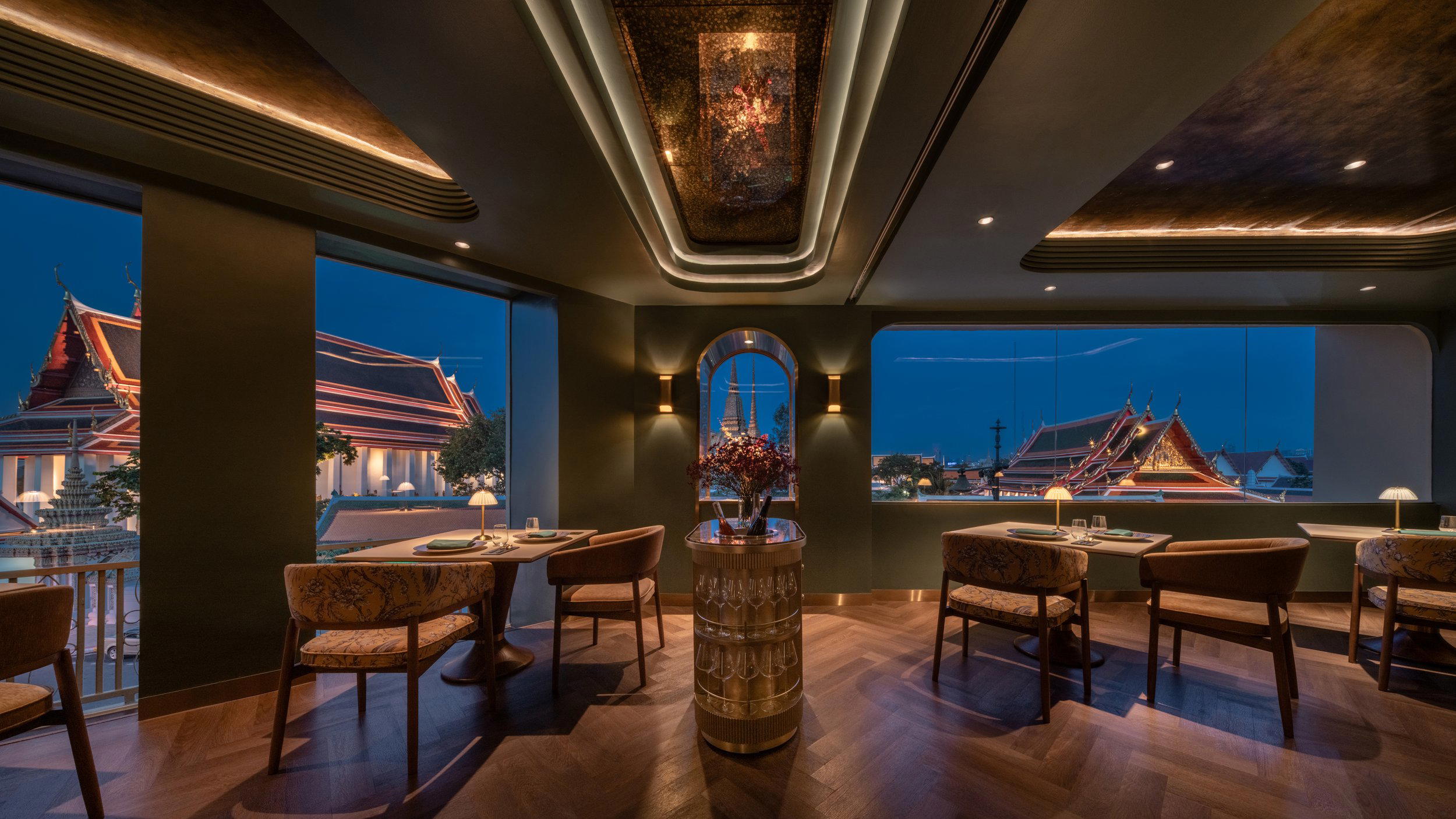
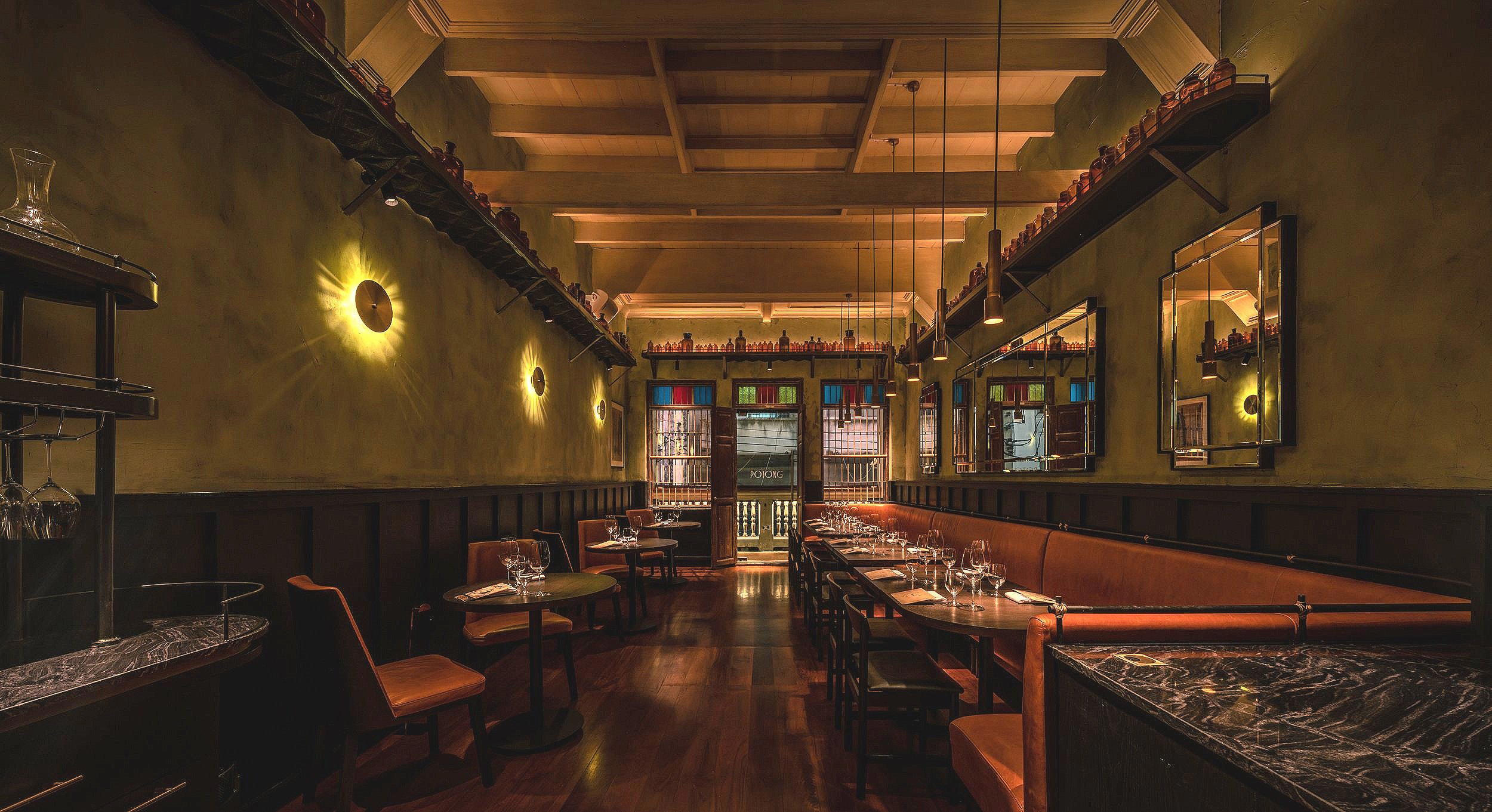
Bars in Bangkok
All bars in Bangkok →

Details
- Cozy
- Intimate
- Rustic
- Casual Hangout
- Group Dining
- Open Kitchen
- Local Sourcing
- A La Carte
- Vegetarian Friendly
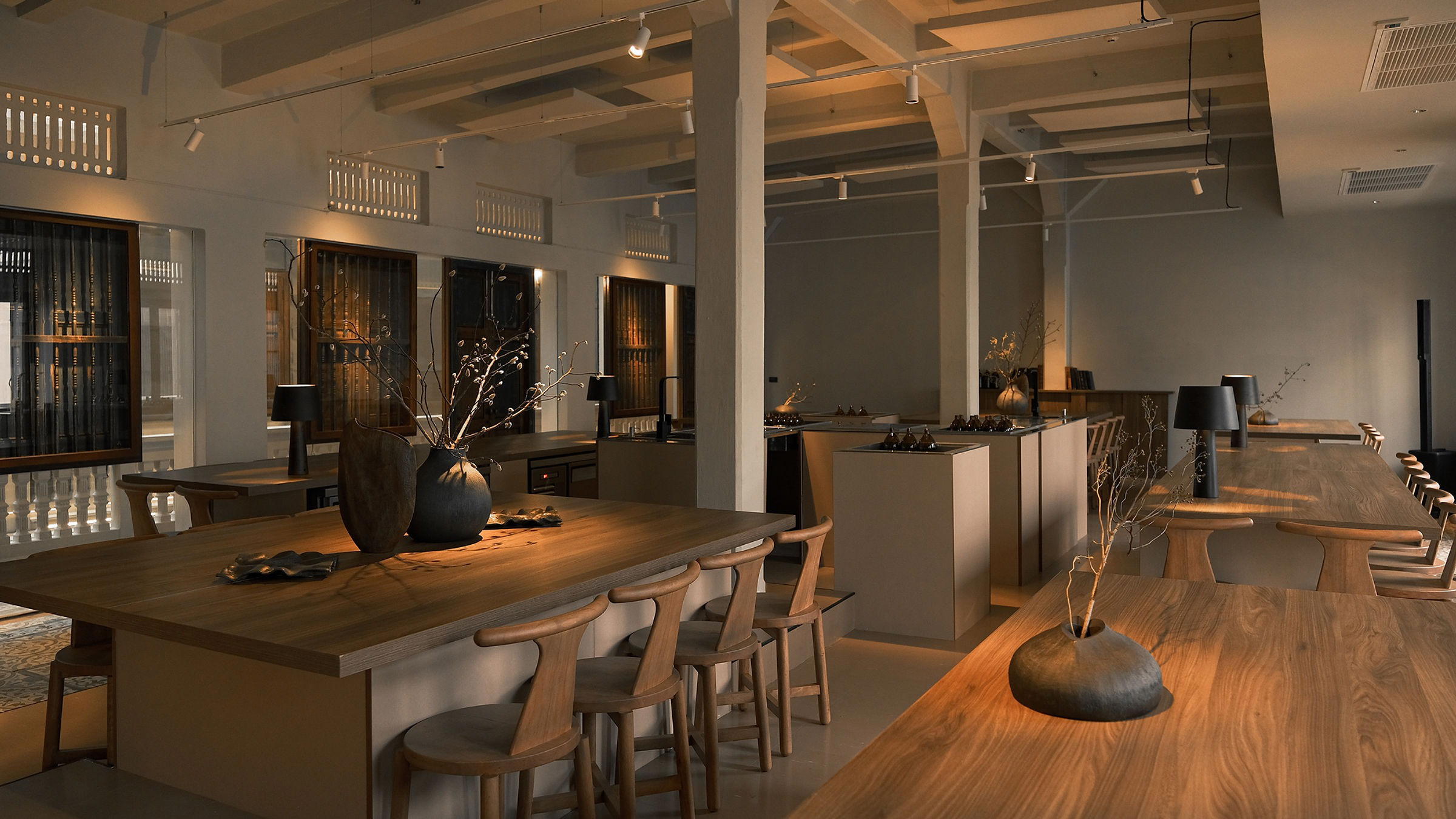
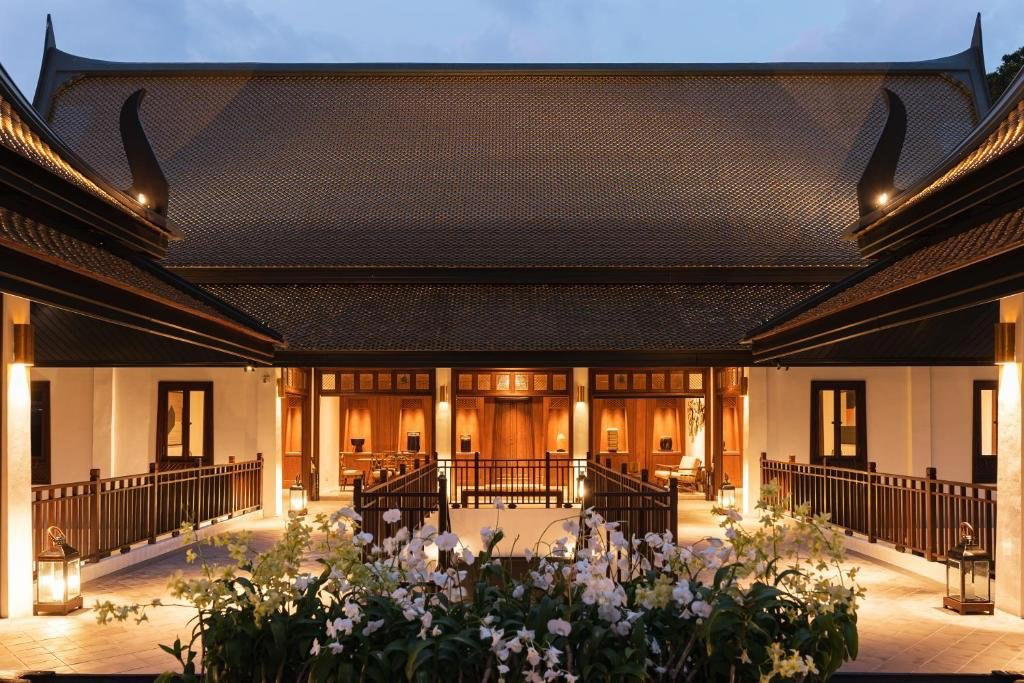
Cozy, homey atmosphere in a covered open-air setting surrounded by traditional wooden houses, flowers, and birdcages, offering a relaxed and welcoming vibe.