




2 Michelin Stars · World's 50 Best #91 · La Liste Top Restaurants
Our verdict
Côte by Mauro Colagreco brings three-Michelin-starred mastery to Bangkok's riverfront, where the legendary chef's botanical Mediterranean philosophy meets Thai ingredients in a stunning carte blanche tasting menu experience at the Capella Hotel.

Pearl is the En Primeur Club membership app — saves, bookings, and concierge access live there. Same editors, same standards.
- Address
- 300/2 ถ. เจริญกรุง Yan Nawa, Sathon, Bangkok 10120, Thailand
- Phone
- +66 2 098 3888
- Hours
- Mon–Tue ClosedWed–Sun 12–2 PM, 6–10 PM
- Website
- cotebkk.com
- Directions
- Get directions
- Booking
- Book on SevenRooms
The menu
What to order
- Langoustine variations
- Lamb rack
- Guinea fowl
A Riviera Sensibility on the Chao Phraya
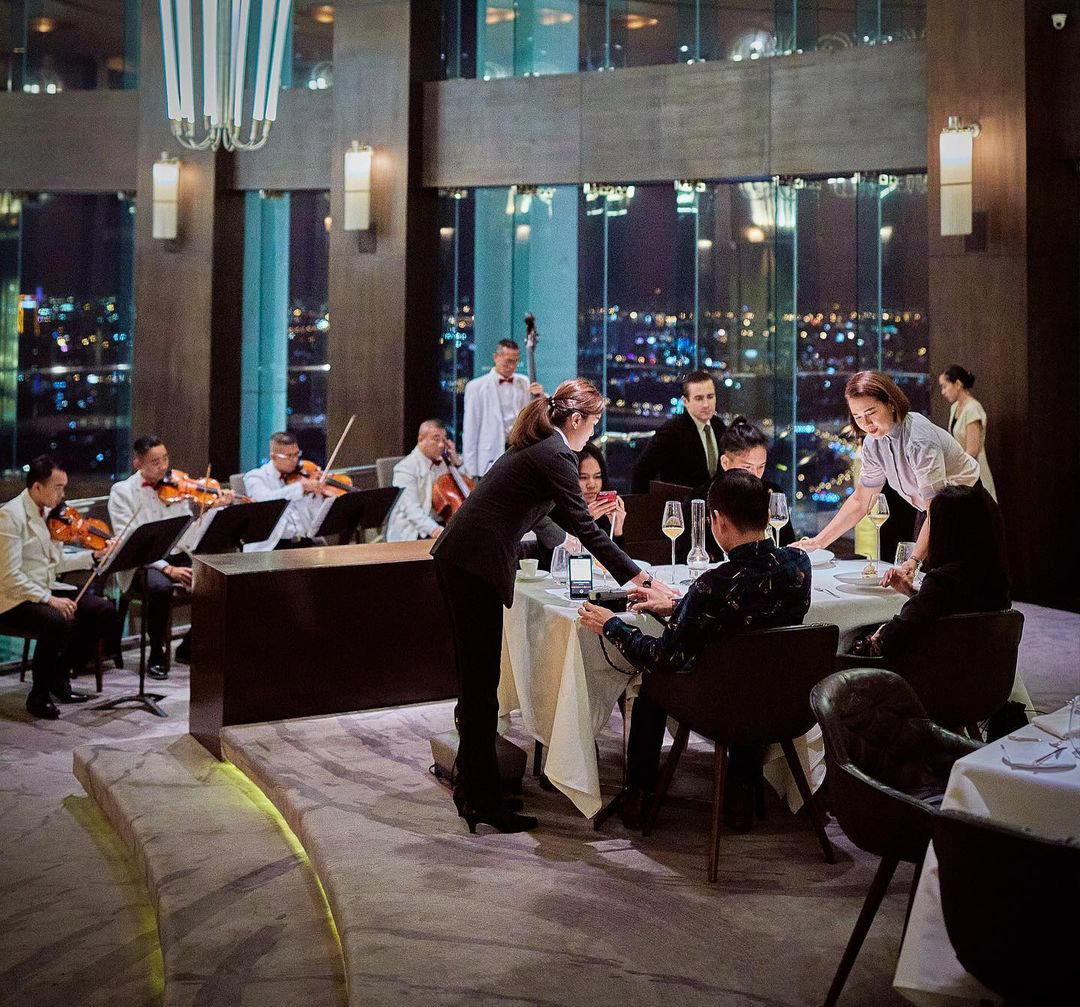
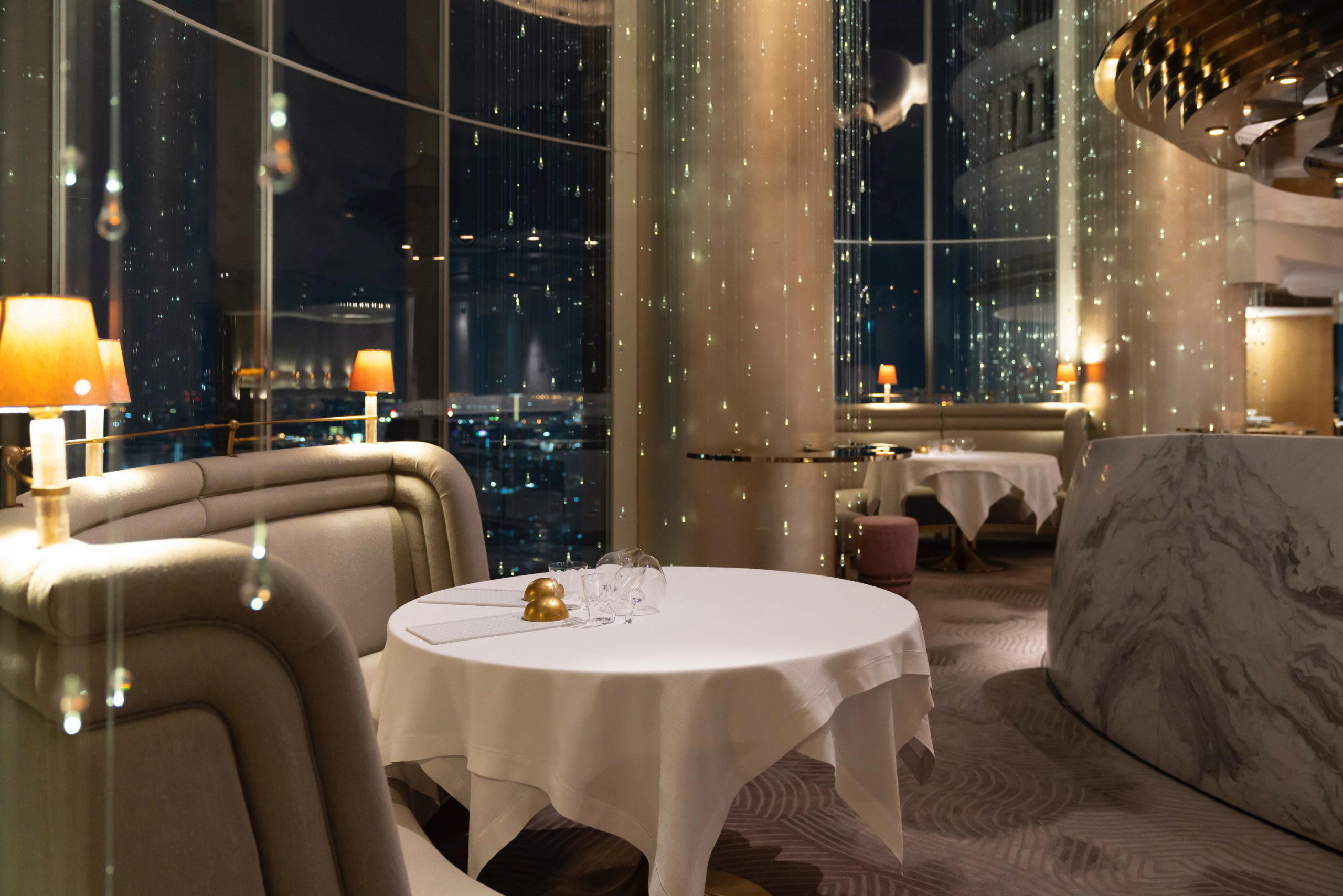
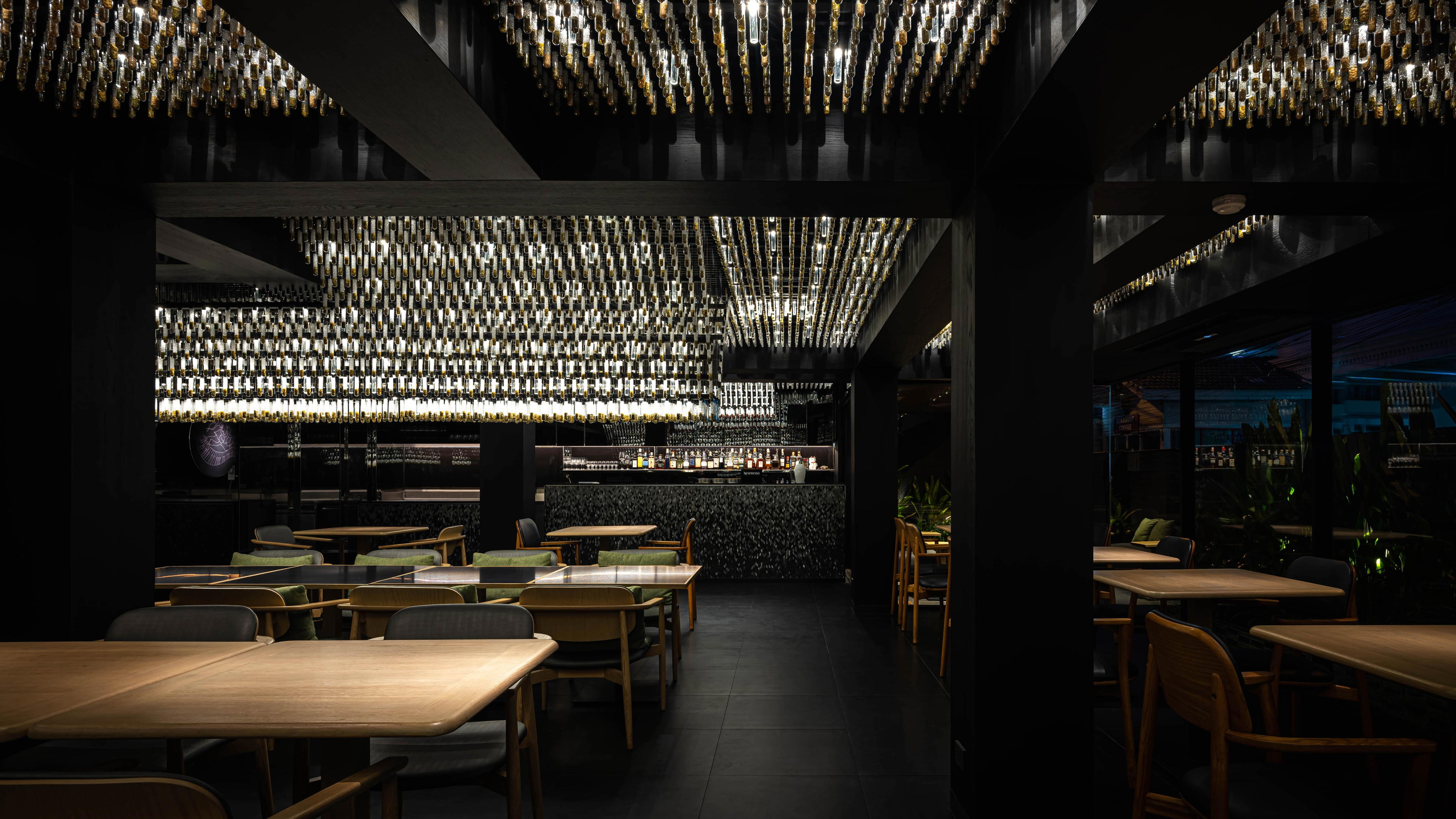
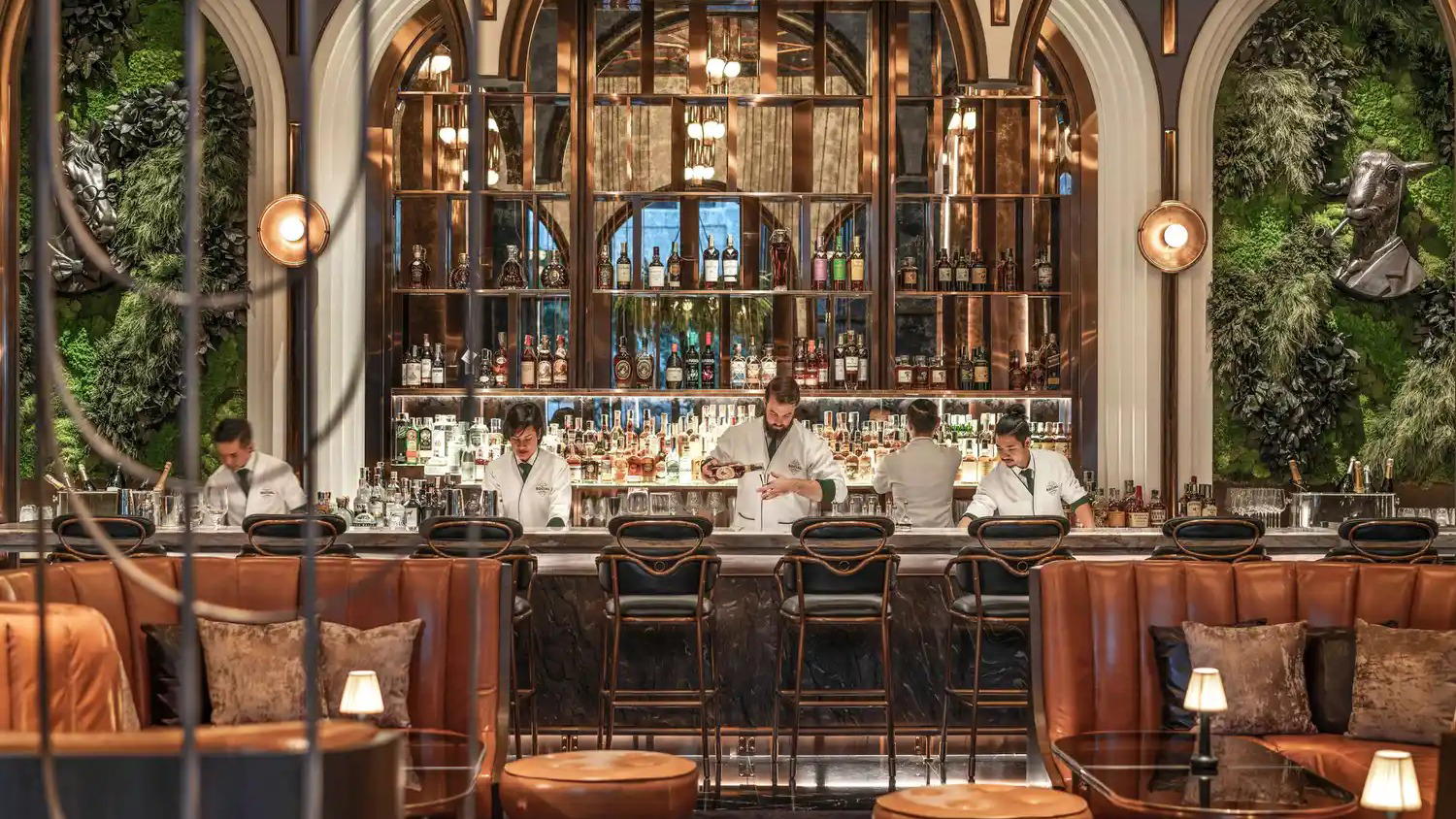
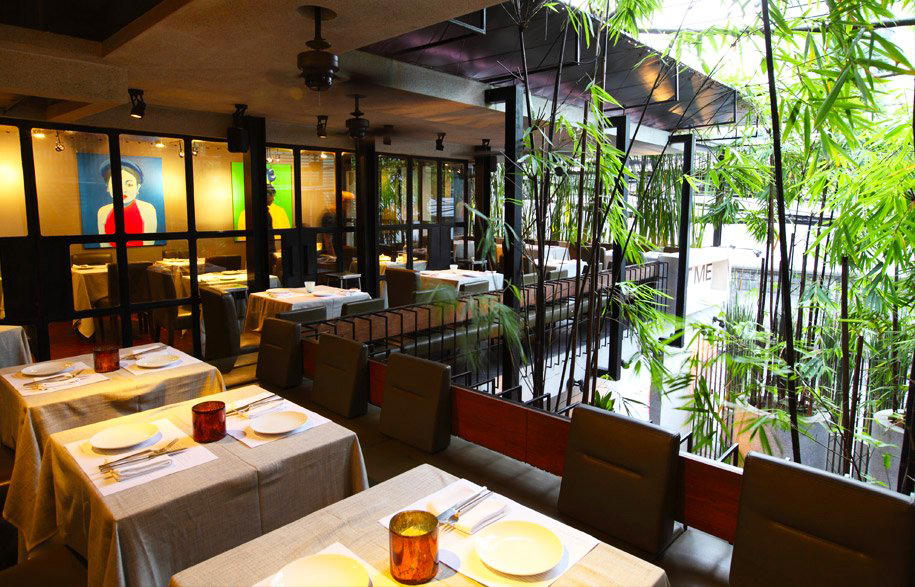
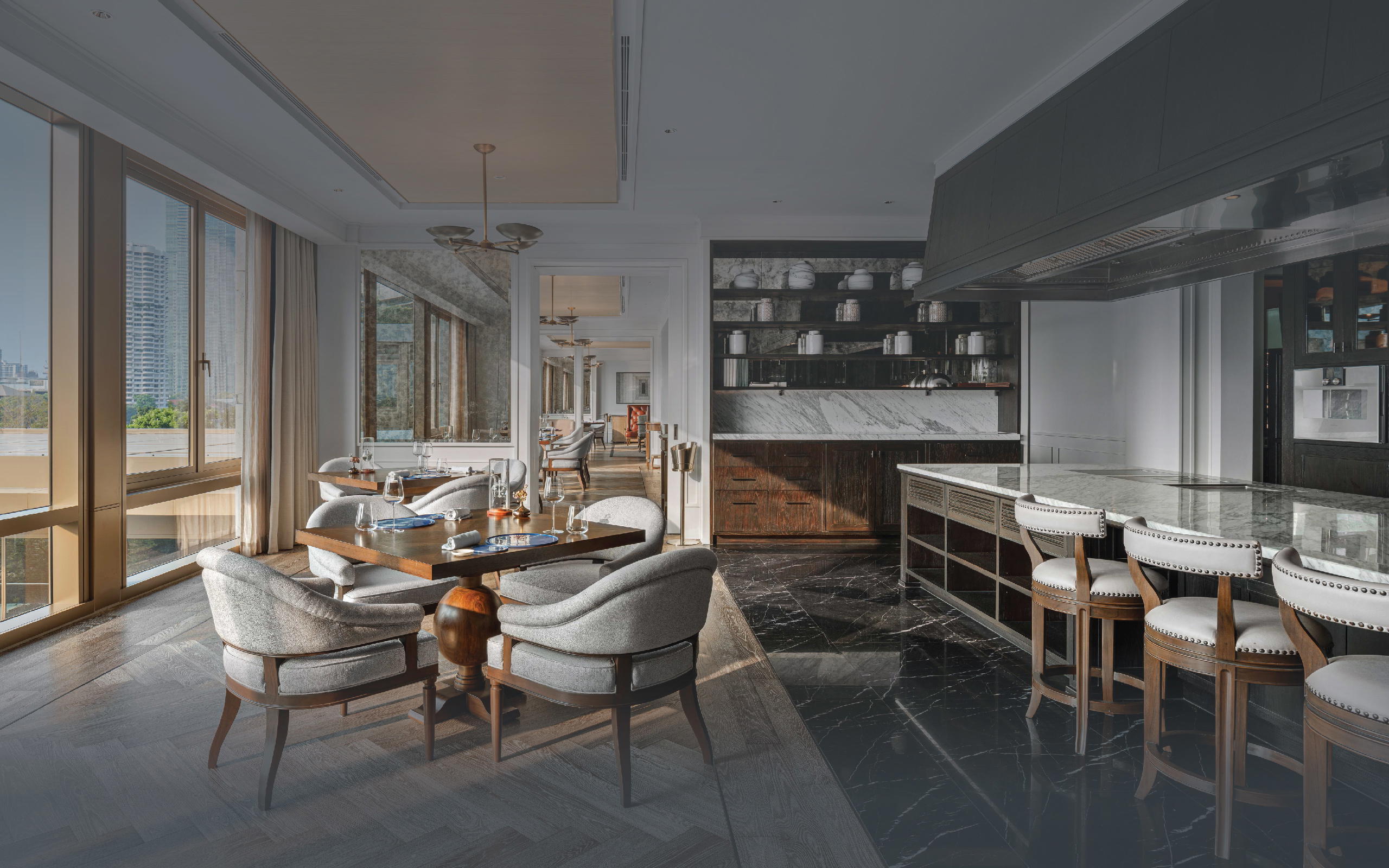
Arriving at the Capella Hotel on Charoen Krung Road, the approach along the riverside already signals a different register from Bangkok's hotel dining norm. The Chao Phraya moves slowly past the terrace, the city noise receding behind the property's formal calm. Côte by Mauro Colagreco occupies the hotel's main dining room with a composure that feels calibrated rather than accidental: pale linens, considered glassware, a pacing that asks guests to settle in rather than rush through.
Bangkok's premium dining tier has expanded considerably over the past decade, but its dominant grammar remains Thai or pan-Asian. Côte represents a rarer proposition: a European fine-dining format transplanted to the Thai capital not as a generic luxury offering but as the direct extension of a specific culinary lineage. Mauro Colagreco's principal restaurant in Menton holds three Michelin stars and a long tenure at or near the best of the World's 50 Best list. What Bangkok gets in Côte is not a licensed brand spin-off but a kitchen led by a chef, Davide Garavaglia, who came directly through that Menton operation and works within its seasonal, produce-first methodology.
The Ritual of the Meal
Mediterranean fine dining at this level is structured around a particular pace, and Côte observes it with consistency. The format is a seasonal tasting menu, which means the dining ritual here asks for commitment before arrival: guests book into an experience whose arc is already determined by what the kitchen has sourced that day. This is not à la carte browsing; it is the older, more demanding contract between kitchen and guest, where the menu reads as a single extended argument rather than a collection of individual choices.
That structure shapes everything from the spacing of courses to the cadence of the service. European fine dining, especially in the Riviera tradition that Colagreco's kitchen represents, tends to treat the meal as a sequence of small escalations in intensity, from lighter, acid-forward openers through richer mid-course proteins to composed desserts that resolve the arc. Whether that sequencing is fully preserved in Bangkok depends on what the kitchen has to work with on any given service, but the intent is consistent with what the Menton flagship models. The seasonality is genuine, which means the menu at Wednesday lunch will not be identical to Saturday dinner, even within the same week.
Garavaglia's Italian background adds a second layer to the Riviera framing. The cooking draws on Mediterranean, French, and Italian reference points in roughly equal measure, which is consistent with the geography of Colagreco's original context: the French-Italian border, where the two culinary traditions have always traded techniques and ingredients. In Bangkok, that conversation between traditions continues, filtered through what is available locally and what can be sourced from preferred suppliers. The kitchen's stated approach is to surprise guests at each course, which in practice means the presentation tends toward composed plating rather than rustic sharing formats.
Where Côte Sits in Bangkok's Fine-Dining Set
At the ฿฿฿฿ price tier, Côte competes directly with Bangkok's most decorated tables. Sorn (Southern Thai) holds three Michelin stars and operates as the definitive statement of Southern Thai fine dining; Baan Tepa (Thai contemporary) and Sühring (German) both carry two Michelin stars; Gaa (Modern Indian, Indian) occupies a similar two-star tier with a very different national culinary tradition at its centre; and Le Du (Modern Thai, Thai contemporary) anchors the contemporary Thai direction. What distinguishes Côte inside that peer group is the specific European coastal tradition it represents. Sühring offers German fine dining; Côte offers the French-Italian Mediterranean synthesis. These are not interchangeable categories.
The recognition markers reinforce Côte's position. Two Michelin stars as of 2024, a La Liste score of 96 points in 2026 (up from 95.5 in 2025), ranked 75th on World's 50 Best Asia's Leading Restaurants in 2025, and 84th on Opinionated About Dining's Asia ranking in the same year. That cluster of independent rankings, covering both the French-dominated La Liste methodology and the peer-voted 50 Best system, suggests consistent performance across different critical frameworks rather than dominance within one.
For context within the broader Mediterranean fine-dining category, it is worth noting that this style of cooking translates differently at every new address. Dam in Nova Gorica and Pelegrini in Sibenik each represent the Mediterranean tradition from within the region itself, shaped by local Adriatic and Slovenian ingredients. Côte operates the tradition at a significant geographical remove, which is both the challenge and the editorial interest of what the kitchen is doing in Bangkok.
The Room, the River, and How to Read Both
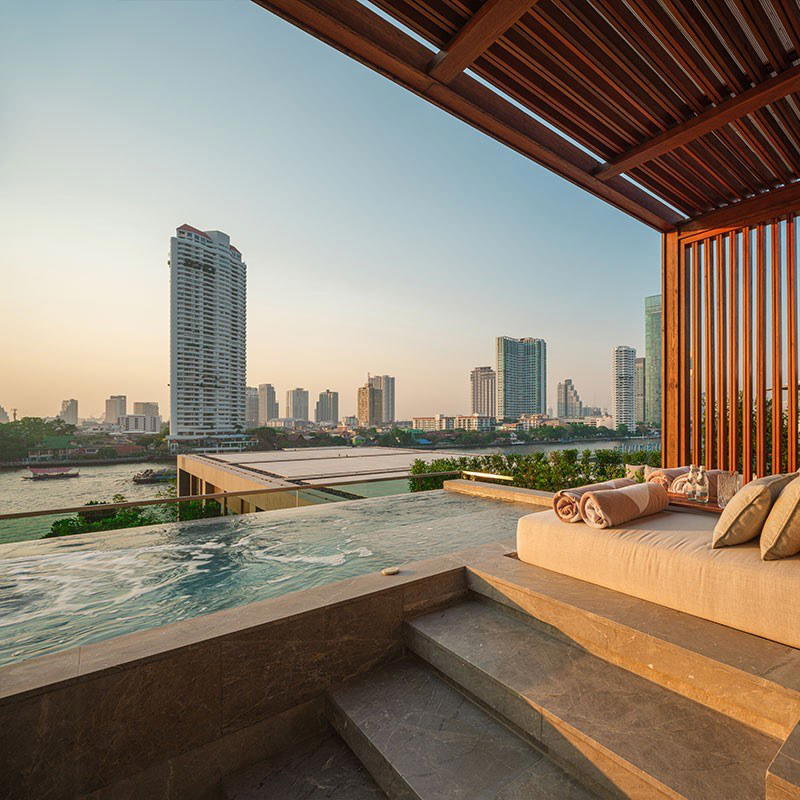
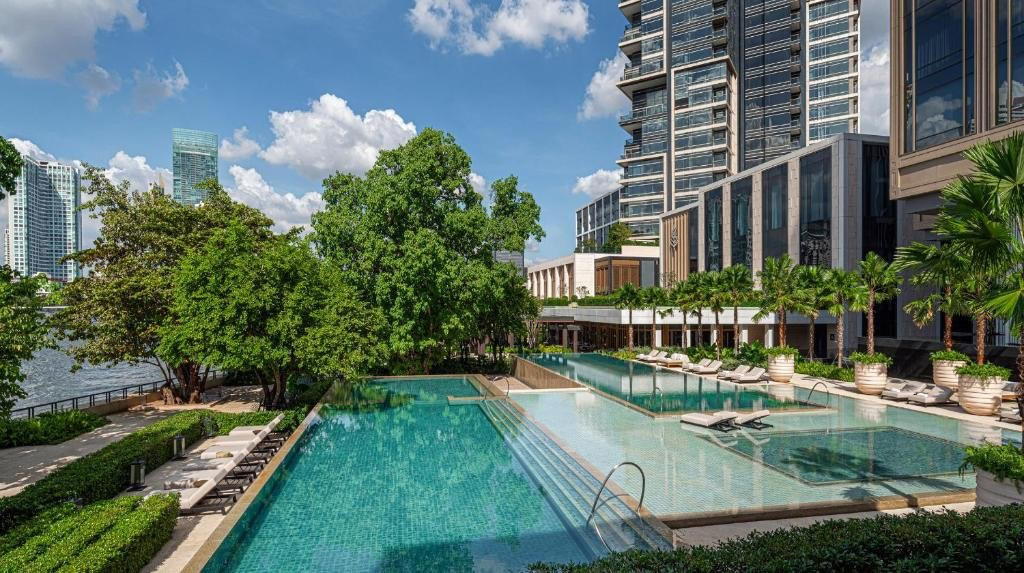
The Capella Hotel's riverside position on Charoen Krung is not incidental context. Charoen Krung is Bangkok's oldest foreign-trade street, the road that connected the palace district to the foreign merchant quarter through the nineteenth century. The area around it has developed a secondary concentration of design-led hotels and restaurants over the past several years, distinct from the Sukhumvit hotel corridor and from the tourist-heavy Silom blocks. Côte sits inside that developing zone, which gives the dining experience an approach route with some historical weight: guests arrive through streets that predate Bangkok's modern commercial identity.
Inside the Capella, the room is formal without being cold. A Michelin two-star kitchen in a luxury hotel setting tends to attract a mix of hotel residents and destination diners, and the service style tends to accommodate both the first-time visitor unfamiliar with the kitchen's logic and the repeat guest who already knows the format. The river view, where available, provides a visual counterpoint to the intricacy on the plate.
Planning Your Visit
Côte opens Wednesday through Sunday, with lunch service running 12 to 2 pm and dinner from 6 to 10 pm. Monday and Tuesday are closed, which is consistent with the staffing model of kitchens operating at this level of intensity. The address is 300/2 Charoen Krung Road, Yan Nawa, Sathon, Bangkok 10120, within the Capella Hotel. Reservations should be made well in advance, particularly for weekend dinner; the combination of a two-Michelin-star rating, a globally recognised parent restaurant, and limited seating inside a luxury hotel creates a booking window that narrows quickly. The Capella's position on the Chao Phraya is accessible by river taxi as well as road, and arriving by water is the more considered option given Bangkok's traffic patterns.
For readers building a broader Bangkok itinerary around this calibre of dining, [our full Bangkok restaurants guide]() maps the city's full range, while [our full Bangkok hotels guide]() covers the property context for the Capella and its peers. [Our full Bangkok bars guide](), [Bangkok wineries guide](), and Bangkok experiences guide extend the planning further.
Beyond Bangkok, the reach of Thailand's premium dining extends to PRU in Phuket and Aeeen in Chiang Mai, with newer entries including AKKEE in Pak Kret, The Spa in Lamai Beach, Agave in Ubon Ratchathani, and Angeum in Phra Nakhon Si Ayutthaya contributing to the country's growing breadth outside the capital.
Frequently asked questions
What style of cooking does Côte by Mauro Colagreco do?
What's Côte by Mauro Colagreco's location?
Côte by Mauro Colagreco is located at 300/2 ถ. เจริญกรุง Yan Nawa, Sathon, Bangkok 10120, Thailand, Bangkok.
What kind of recognition has Côte by Mauro Colagreco received?
Côte by Mauro Colagreco has received recognition including: Located in the new Capella Hotel at the Chao Praya river, Côte is the Bangkok outpost of Mauro Colagreco. The kitchen serves up his world-famous Mediterranean cuisine in luxurious surroundings, accomp...; La Liste Top Restaurants (2026): 96….
What's the signature dish at Côte by Mauro Colagreco?
Côte does not publish a fixed signature dish. Chef Davide Garavaglia, who trained at Colagreco's principal restaurant, builds seasonal menus around produce sourced that day, meaning the menu changes course by course across services. The La Liste score of 96 points in 2026 and two Michelin stars are tied to this produce-driven approach rather than any single recurring plate. Guests should expect the menu to read differently on each visit.
What's the pricing like at Côte by Mauro Colagreco?
Pricing at Côte by Mauro Colagreco is listed as ฿฿฿฿.
Price Lens
| Venue | Cuisine | Price | Awards | Notes |
|---|---|---|---|---|
| Côte by Mauro ColagrecoThis venue — the venue you are viewing | Riviera Mediterranean Fine Dining | $200–300 | 2 Michelin Stars · World's 50 Best #91 | Not listed |
| Sorn | Fine Southern Thai | $200–300 | 3 Michelin Stars · World's 50 Best #12 | Southern Thai, ฿฿฿฿ |
| Baan Tepa | Creative Thai Fine Dining | $150–200 | 2 Michelin Stars · World's 50 Best #53 | Thai contemporary, ฿฿฿฿ |
| Gaa | Modern Indian Fine Dining with Thai Influences | $150–200 | 2 Michelin Stars · World's 50 Best #95 | Modern Indian, Indian, ฿฿฿฿ |
| Sühring | Modern German Fine Dining | $200–300 | 3 Michelin Stars · World's 50 Best #18 | German, ฿฿฿฿ |
| Nahm | Traditional Thai Fine Dining | $100–150 | 1 Michelin Star · World's 50 Best #49 | Thai, ฿฿฿ |
Recognition history
Dated appearances from independent guides and award organizations, with the underlying list record or original source where available.
Michelin 2 Stars
Michelin
World's 50 Best Asia's Best Restaurants #91
World's 50 Best
La Liste Top Restaurants
La Liste
Star Wine List
Star Wine List
Opinionated About Dining Top Restaurants in Asia Ranked #64
Opinionated About Dining
Full recognition history (14 entries)
La Liste Top Restaurants
La Liste
Michelin 2 Stars
Michelin
Opinionated About Dining Top Restaurants in Asia Ranked #84
Opinionated About Dining
The Best Chef One Knife
The Best Chef
World's 50 Best Asia's Best Restaurants #75
World's 50 Best
World's Best Wine Lists Awards WBWL Category Winner
World's Best Wine Lists Awards
World's Best Wine Lists Awards WBWL 3-Star
World's Best Wine Lists Awards
Michelin 2 Stars
Michelin
Opinionated About Dining Top Restaurants in Asia Ranked #109
Opinionated About Dining