



The Sukhothai Bangkok is a hotel on South Sathon Road in Bangkok.
Pearl is the En Primeur Club membership app — saves, bookings, and concierge access live there. Same editors, same standards.
- Address
- 13/3 S Sathon Rd, Khwaeng Thung Maha Mek, Khet Sathon, Krung Thep Maha Nakhon 10120
- Phone
- +66 2 344 8888
- Website
- sukhothai.com
- Directions
- Get directions
 Saves & bookings on Pearl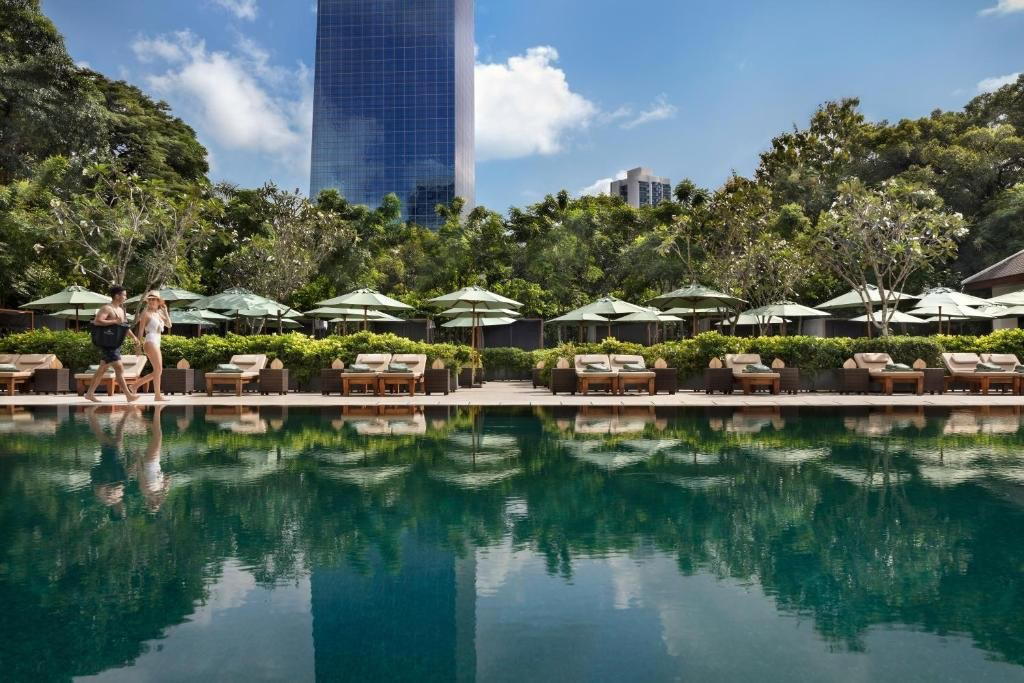
Six Acres of Deliberate Quiet in Bangkok's Sathorn District
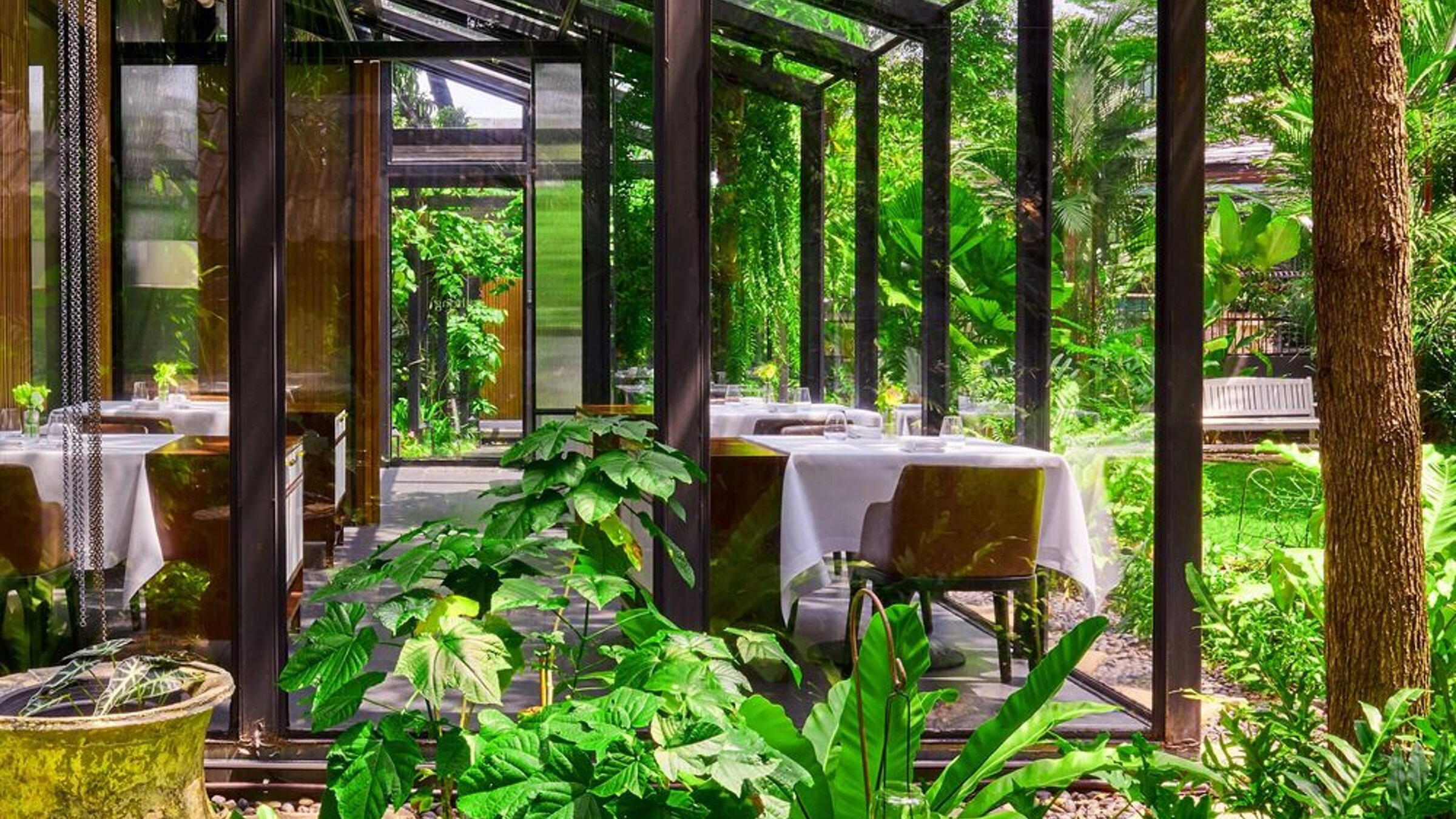
Bangkok's luxury hotel scene has long been dominated by towers that compete on floor count, river views, and lobby grandeur. The Sathorn business district alone contains some of the city's densest concentrations of both corporate addresses and five-star properties, which makes The Sukhothai Bangkok's approach all the more considered: its 210 guest rooms are distributed across six acres of gardens, reflecting pools, and shaded courtyards. This is a deliberate spatial philosophy, one that architect Ed Tuttle applied to an urban setting with the same low-density logic he used in places like Amanpuri in Phuket.
The wellness and retreat market in Southeast Asia has fractured into two broad camps. The first encompasses large properties that bolt spa facilities onto conventional luxury hotels, often as a secondary revenue stream. The second comprises hotels where the physical environment itself is the primary wellness offering, where the architecture, scale, and landscape do the restorative work before any treatment begins. The Sukhothai Bangkok belongs firmly to the second camp, and its 2024 Michelin 2 Keys award, alongside a La Liste Leading Hotels score of 97.5 points in 2026, places it in a comparable set that includes Capella Bangkok, Mandarin Oriental Bangkok, and The Peninsula Bangkok, though its spatial character is closer to a garden resort than any of them.
The Architecture of Stillness
Walking the property introduces a vocabulary drawn from Thailand's ancient Sukhothai kingdom: red brick chedis, stone carvings, and Buddha statues placed with enough deliberation that they read as cultural positioning rather than decoration. Lotus pools reflect the sky at multiple points around the grounds, and the restaurant at the Celadon sits above a man-made lake, producing the effect of floating above still water in the middle of a working capital city. For guests arriving from the glass towers of the surrounding CBD, the perceptual shift is immediate and significant.
This spatial grammar matters in the context of urban wellness. Properties like Six Senses Yao Noi in Phang Nga or Soneva Kiri in Trat achieve decompression through geographic remoteness. The Sukhothai does it through density reduction and sensory editing in the middle of a city of ten million people, which is a considerably more difficult problem to solve architecturally. The result is a hotel that functions as a legitimate retreat option for travellers who cannot or do not want to leave Bangkok, but who need something that operates well outside the stimulation of the street.
Spa Botanica and the Fitness Program
Spa Botanica anchors the wellness program with a menu that covers aromatherapy facials, creative body scrubs, and therapeutic massage across multiple modalities. The breadth of the treatment list positions it closer to a destination spa than the express-format facilities common at business-oriented properties. Thailand's spa tradition runs deep, the country has exported its massage and herbal-compress techniques globally, and Bangkok's leading hotels have increasingly competed on the sophistication of their spa programming rather than simply the size of their facilities. The Sukhothai's approach is thorough without being clinical: the garden setting of the property extends the spa's environmental logic, so the transition from outdoor grounds to treatment room carries its own therapeutic logic.
The fitness offering has been updated with a purpose-built studio that includes a locker room, steam room, sauna, and Jacuzzi, signalling that the property is addressing travellers who treat the gym as a non-negotiable rather than a secondary consideration. The 82-foot outdoor infinity pool rounds out the physical wellness tier, and for guests who want court sports, squash and tennis are available on-site. This range, pool, gym, spa, courts, is comparable to what Rosewood Bangkok and Park Hyatt Bangkok offer in the same city, though the outdoor environment at the Sukhothai gives physical activity a different texture than tower-based facilities.
Dining Across Three Registers
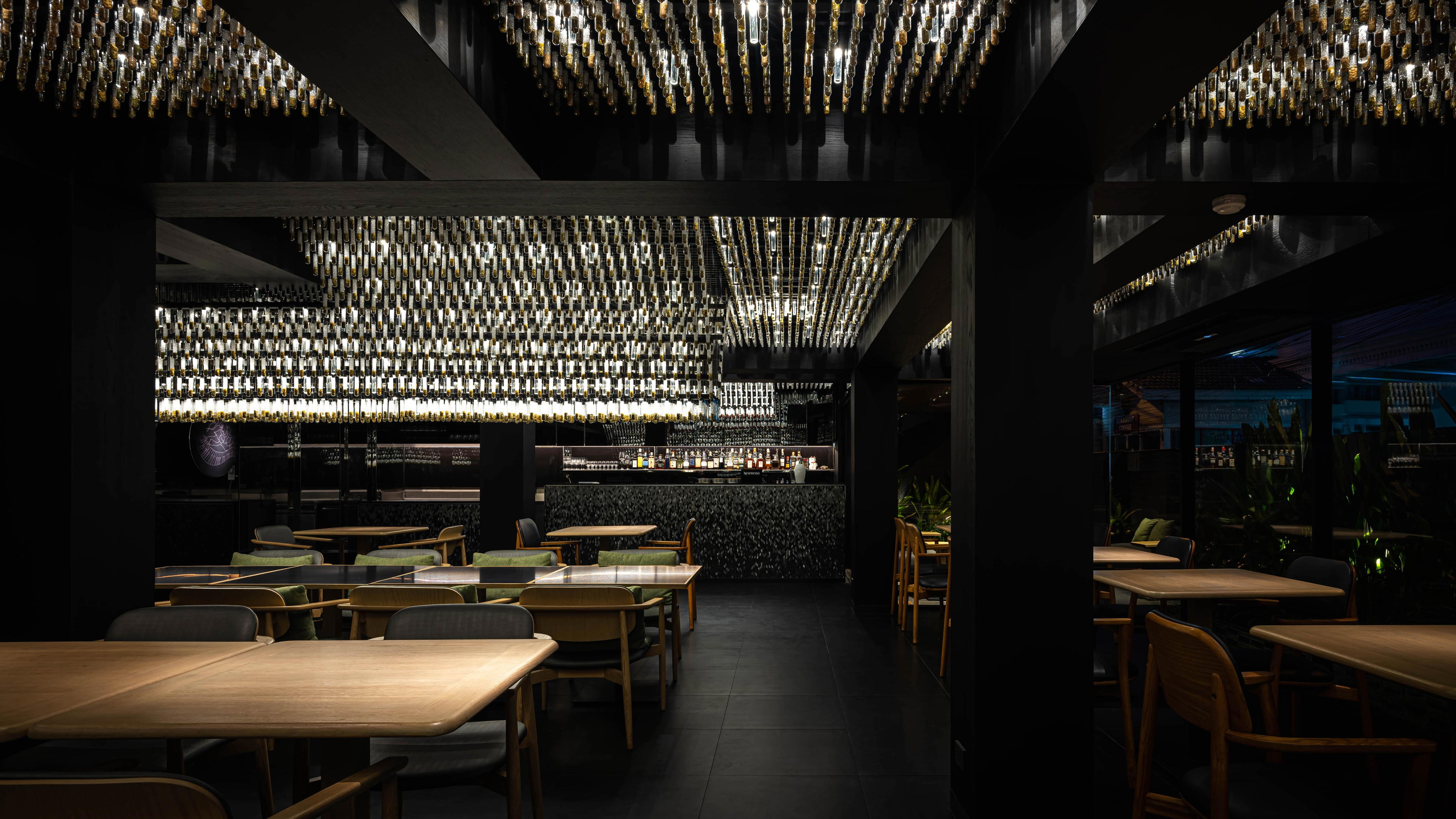
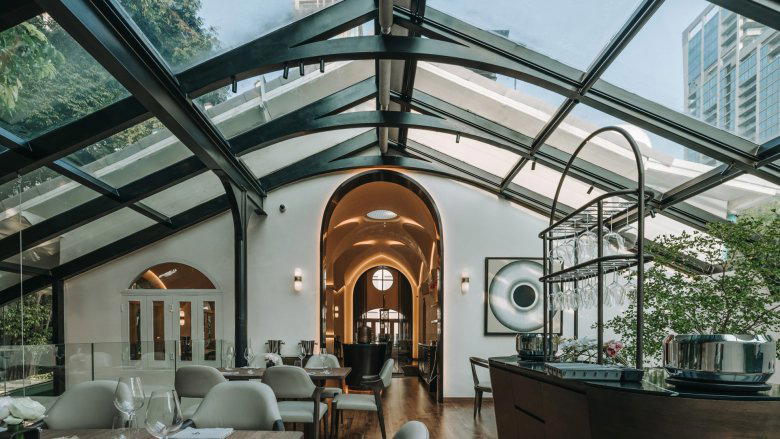
Bangkok's dining scene at the luxury hotel level has become genuinely competitive in the past decade, with standalone restaurants increasingly encroaching on territory that hotel dining once owned unchallenged. The Sukhothai holds its own through format differentiation: Celadon, the Thai restaurant, has been cited as a serious contender for the city's leading hotel restaurant for Thai cuisine, with its lake-facing setting reinforcing the property's environmental brand. La Scala handles Italian and international cooking in a low-lit room lined with portraits of chefs who have participated in the hotel's annual guest chef series, The Art of Dining, a program that has included figures of the standing of Ferran Adrià and Alain Ducasse, documented on the restaurant's walls rather than in press releases.
The Colonnade takes a broader international brief, while Zuk Bar operates as an outdoor lounge that shifts register in the evening.
The Rooms and the Club Wing
Guest rooms at The Sukhothai use teakwood furnishings, Thai silk textiles, and a muted earthy palette that resists the all-marble maximalism common at comparable price points. Bathrooms diverge meaningfully from the category norm: mirrored walls, hardwood floors, and black granite replace the predictable white marble of competing properties, and oversized tubs with separate showers give the spaces a residential rather than institutional quality. Some suites extend onto private balconies overlooking the manicured grounds.
The Sukhothai New Club Wing operates as a hotel within the hotel, with access to a private lounge offering complimentary breakfast, all-day refreshments, evening hors d'oeuvres, and an open bar. Club Wing accommodations face the pool and gardens, preserving the property's outdoor orientation even for guests spending most of their time in private spaces. For comparable club-tier experiences elsewhere in Bangkok's luxury tier, Four Seasons Bangkok at Chao Phraya River and The Okura Prestige Bangkok offer analogous programmes, though without the garden-resort spatial character.
Thailand's broader luxury market offers strong alternatives in other destinations, Four Seasons Resort Chiang Mai, Phulay Bay, A Ritz-Carlton Reserve in Krabi, Samujana Villas in Koh Samui, Pimalai Resort & Spa in Koh Lanta, and Anantara Golden Triangle Elephant Camp & Resort in Chiang Rai, but for travellers whose itinerary places them in Bangkok for multiple nights, The Sukhothai functions as its own form of destination rather than a transit base. Nearby coastal alternatives include Aleenta Resort & Spa, Hua-Hin in Pranburi, Anantara Hua Hin Resort & Spa, Anantara Layan Phuket Resort, and Anantara Rasananda Koh Phangan Villas for those extending their Thai itinerary beyond the capital.
Planning a Stay
The Sukhothai Bangkok sits at 13/3 South Sathorn Road, in Bangkok's Sathorn district. The Siam and The Siam hotel occupies a comparable boutique-luxury tier in a different neighbourhood. Travellers comparing international design-led urban retreats might also reference Aman New York or Aman Venice for the same Tuttle-adjacent spatial logic applied to other cities. Bangkok's high season runs from November through February, when demand across the city's luxury tier is strongest and lead times for preferred room categories lengthen accordingly.
What It’s Closest To
Comparable venues nearby, for context on price, style, and recognition.
| Venue | Cuisine | Price | Awards | Notes |
|---|---|---|---|---|
| The Sukhothai BangkokThis venue — the venue you are viewing | Urban resort with timeless Thai elegance and modern luxury | $$$$ | Michelin 2 Key | Not listed |
| The Okura Prestige Bangkok | Luxury urban hotel blending Japanese functionality and contemporary style | $$$$ | Michelin 2 Key | Sukhumwit |
| The Peninsula Bangkok | Riverside luxury with Thai heritage elements | $$$$ | Michelin 2 Key | Khlong Ton Sai |
| Park Hyatt Bangkok | Upscale urban luxury hotel in an well-known skyscraper. | $$$$ | Michelin 2 Key | Makkasan |
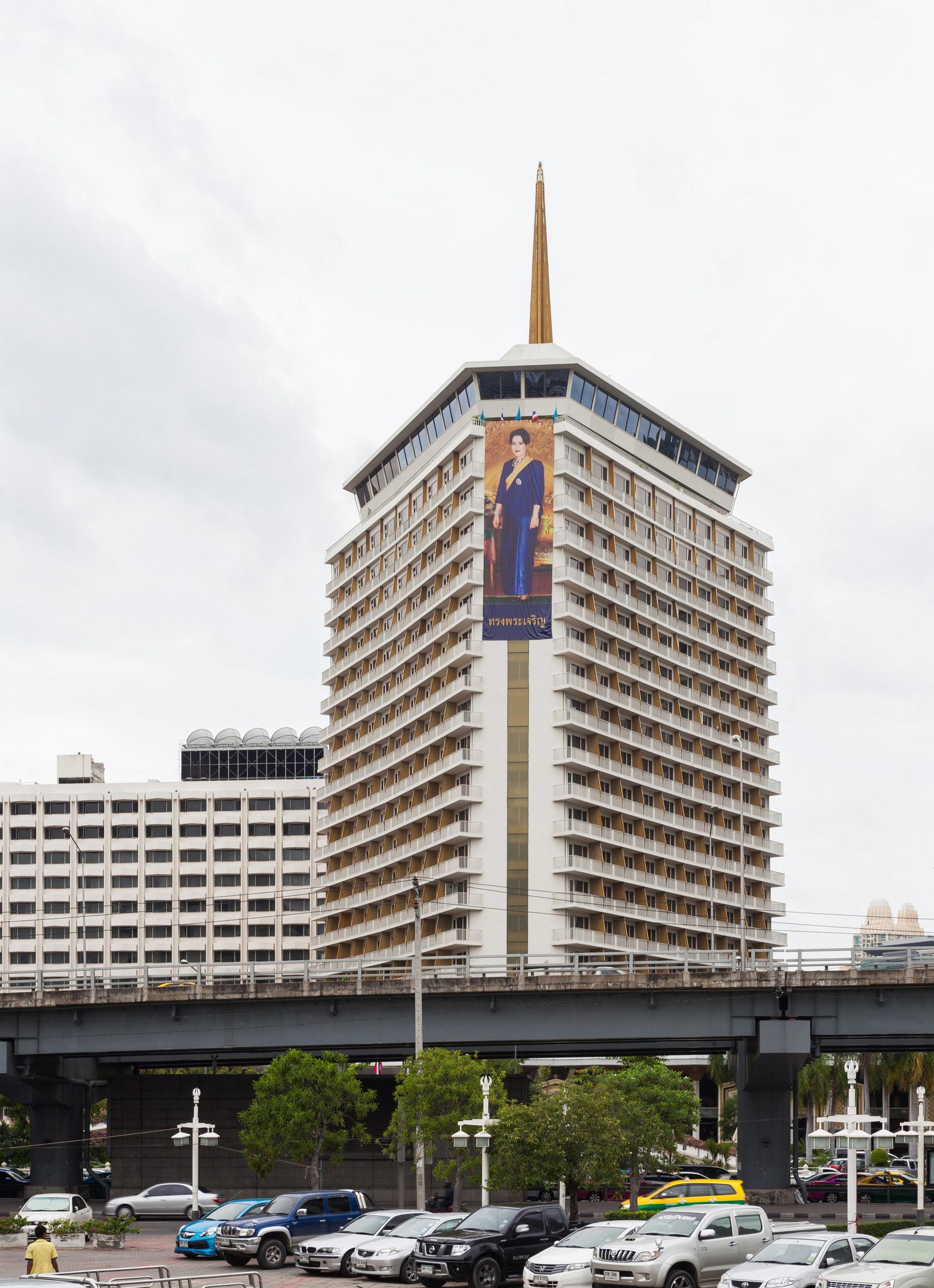
| Dusit Thani Bangkok | Urban luxury resort with Thai heritage influences | $$$$ | Michelin 1 Key | Si Lom |
| SO/ Bangkok | Luxury design hotel overlooking Lumpini Park with element-themed interiors. | $$$$ | Michelin 1 Key | Suan Lumphini |
Recognition history
Dated appearances from independent guides and award organizations, with the underlying list record or original source where available.
La Liste Top Hotels
La Liste
Forbes 4-Star
Forbes
Michelin 2 Keys
Michelin
Small Luxury Hotels of the World Member
Small Luxury Hotels of the World
Michelin 2 Keys
Michelin
Continue exploring
More in Bangkok
Hotels in Bangkok
Browse all →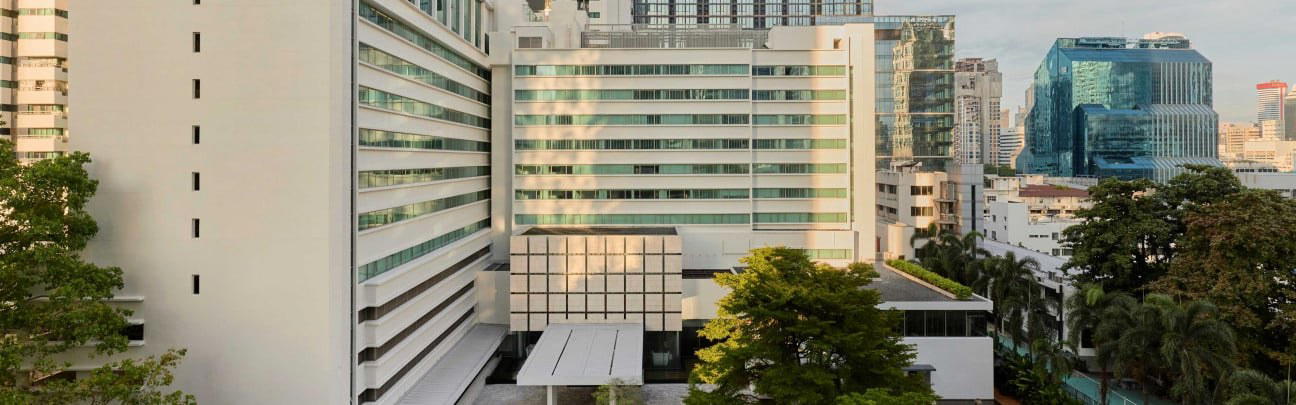
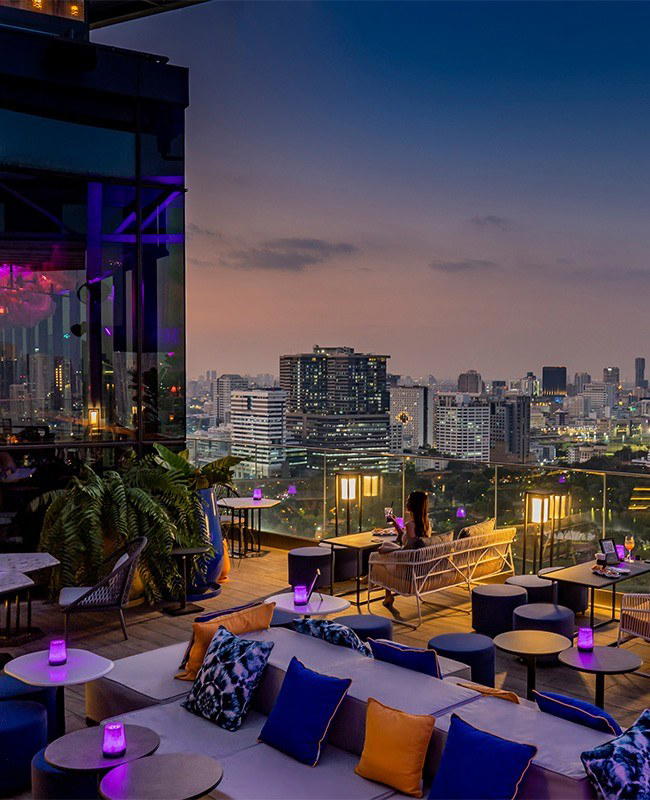
Bars in Bangkok
Browse all →
Restaurants in Bangkok
Browse all →
At a Glance
- Elegant
- Sophisticated
- Quiet
- Ornate
- Honeymoon
- Romantic Getaway
- Business Trip
- Wellness Retreat
- Infinity Pool
- Rooftop Pool
- Garden
- Pool
- Spa
- Fitness Center
- Room Service
- Concierge
- Wi Fi
- Valet Parking
- Garden
- Pool
- Spa
- Fitness Center
- Room Service
- Concierge
- Wi Fi
- Valet Parking
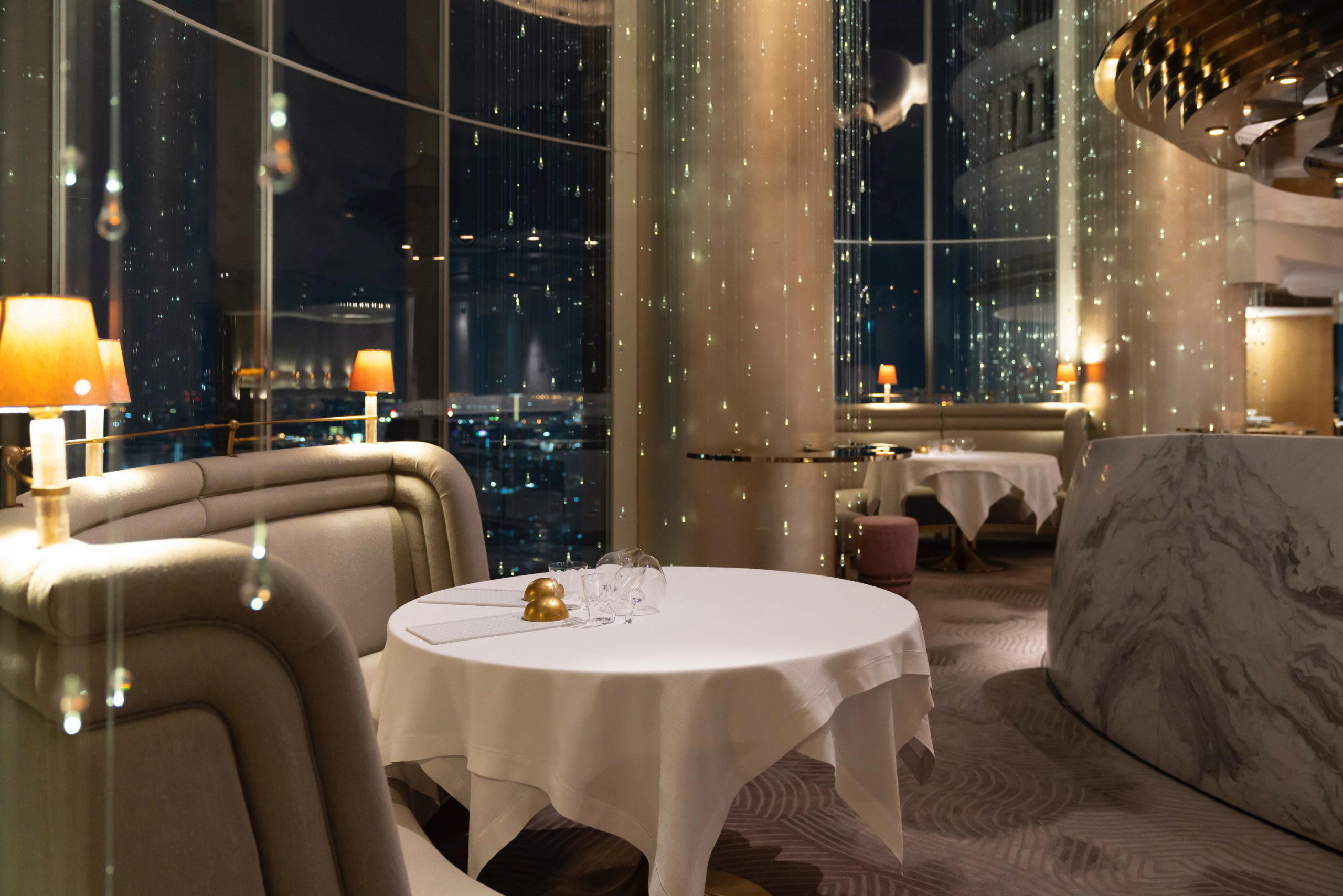
Serene oasis with contemporary design incorporating Thai textures, colors, and scents; peaceful atmosphere praised for its tranquility and sophisticated lighting.