Taverna Al Pescatore
Our verdict
A lagoon-side taverna in Marano Lagunare, the small Friulian fishing port where the Adriatic meets a network of brackish waterways that have shaped local cooking for centuries. The kitchen works from what the local fleet brings in, placing it firmly in the tradition of cucina di laguna rather than any broader Italian seafood category. Visitors arrive by the handful; the surrounding town sees a fraction of the tourist traffic that reaches Venice or Trieste.

Pearl is the En Primeur Club membership app, where members save venues, book tables and use the concierge.

The menu
What to order
- Boreto
- Spaghetti ai frutti di mare
- Calamari fritti
- Zuppa di pesce
Where the Lagoon Sets the Menu
The Adriatic coastline north of Venice fractures into something harder to classify than a beach or a port. The lagoon system stretching west from Grado to Marano Lagunare is a working environment of tidal channels, reed beds, and small-scale fisheries that has supplied the kitchens of this part of Friuli Venezia Giulia for as long as anyone has been cooking here. Marano Lagunare sits at the centre of that system, a town of roughly 1,700 people whose economic identity has been tied to fishing far longer than it has been connected to tourism. Taverna Al Pescatore, on Via San Vito, operates inside that context. The name is almost generic in Italian fishing towns, but in Marano it carries a specific meaning: this is a kitchen oriented around lagoon catch, not a restaurant that happens to serve fish.
The distinction matters. Lagoon fishing in this part of Friuli produces species and preparations that rarely appear on menus even in nearby Udine or Trieste. Canestrelli, the small local scallops, cefalo (grey mullet), branzino from brackish water, and the eels that have sustained this coast through centuries of dietary tradition all carry a different character from their open-sea equivalents. The water is shallower, the salinity variable, the flavour more pronounced in some species, more delicate in others. Kitchens that understand this work differently from those importing their raw material from further afield.
Cucina di Laguna: A Tradition With Specific Rules
Italian coastal cooking is often discussed as a single tradition, but the gap between, say, the brodetto of the Adriatic's Marche coast and the preparations of the Friulian lagoon is substantial. At Italy's more formally recognised seafood destinations, technique tends toward precision and presentation. Uliassi in Senigallia has built a three-Michelin-star reputation around Adriatic catch, but the ambition there is explicitly contemporary. Quattro Passi in Marina del Cantone works the Campanian coast with similar technical ambition. The cucina di laguna tradition in the Marano area operates on a different axis entirely: it is conservative in the leading sense, rooted in preparations that emerged from the specific ecology of the place rather than from any broader fine-dining conversation.
That conservatism is not a deficiency. Across Italy's most discussed restaurants, from Osteria Francescana in Modena to Le Calandre in Rubano, the direction of travel has been toward reinterpretation and conceptual framing of regional traditions. At a taverna level in a town like Marano, the original tradition remains largely intact. The value is documentary as much as gastronomic: eating here is a direct encounter with a food culture that has changed slowly, not a curated version of it.
Within Marano itself, a small cluster of restaurants works from the same lagoon-catch logic. Ai Tre Canai, Alla Laguna - Vedova Raddi, and La Bricola all occupy the same general territory. Alla Laguna operates at a €€ price point and is specifically identified with seafood.
The Physical Setting and What It Signals
Via San Vito runs through Marano's older core, close to the waterfront and the small harbour where the local fishing fleet ties up. In towns of this scale, the proximity of kitchen to water is not incidental. It defines the supply chain, which in turn defines the menu. The physical approach to a restaurant in Marano Lagunare involves crossing a town that remains functional rather than picturesque in any managed sense; the working boats, the nets, and the smell of the water are present as context rather than as decoration. This is not the carefully staged maritime atmosphere of a waterfront restaurant in a larger tourist city. The atmosphere here is a byproduct of actual activity, which gives it a different quality.
For a reader accustomed to destinations like Le Bernardin in New York City or Atomix in New York City, where the environment is a consciously designed element of the offer, arriving in Marano recalibrates expectations. The editorial interest here is not in production values but in proximity to source. The lagoon is audible and visible from the town centre. What ends up on the plate in a taverna like this one travelled a short distance under conditions that formal supply chains rarely replicate.
Marano Lagunare in the Context of Italian Dining
Italy's most-discussed restaurants tend to cluster in a recognisable geography: Modena, Milan, the Ligurian coast, the Amalfi coast, Alba in Piedmont. Piazza Duomo in Alba, Enrico Bartolini in Milan, Enoteca Pinchiorri in Florence, Dal Pescatore in Runate, Da Vittorio in Brusaporto, Casa Perbellini 12 Apostoli in Verona, Reale in Castel di Sangro, Atelier Moessmer Norbert Niederkofler in Brunico: each sits within a recognisable framework of critical attention and seasonal travel planning. Marano Lagunare does not register on that map. The Friulian lagoon coast between Grado and Lignano Sabbiadoro receives regional visitors and some summer tourism, but it is not a destination that generates significant international dining coverage.
That absence of coverage is partly structural: no restaurant in Marano holds the kind of award that drives international searches. But it also reflects how difficult it is for genuinely local, small-scale food traditions to attract the same attention as technically ambitious restaurants in better-connected cities. The cucina di laguna here is no less specific or historically grounded than the ragù traditions of Bologna or the seafood culture of Naples. It is simply less legible to an international audience unfamiliar with the geography. For those willing to spend an afternoon tracing the coast west from Grado or east from Lignano Sabbiadoro, the town repays the detour in proportion to what the visitor is looking for.
Planning a Visit
Marano Lagunare is accessible by car from Udine in under an hour, and from Trieste in roughly ninety minutes. Public transport options to the town are limited, which means most visitors arrive independently. For the purposes of planning, the summer months bring the highest activity to the lagoon and the broadest availability of local catch; early autumn extends the season while reducing the number of visitors. Given the small scale of the restaurant and the town, contacting the venue directly before travelling is advisable to confirm hours and availability, as taverna-format restaurants in towns of this size do not always maintain consistent year-round schedules. A full picture of dining options in the area is available in our full Marano Lagunare restaurants guide.
Frequently asked questions
What's Taverna Al Pescatore's location?
Taverna Al Pescatore is located at Via San Vito, 18, 33050 Marano Lagunare UD, Italy, Marano Lagunare.
How far is Taverna Al Pescatore from Udine, and is it worth the drive?
Marano Lagunare sits under an hour from Udine by car, making Taverna Al Pescatore a practical half-day trip from the regional capital. The town has no train connection, so driving is the realistic option for most visitors. The journey makes sense if the draw is specifically the cucina di laguna tradition of the Friulian lagoon, species and preparations you will not find replicated in Udine's city restaurants regardless of their quality.
What do regulars order at Taverna Al Pescatore?
The kitchen works with whatever the Marano Lagunare fleet brings in each day, so there is no fixed menu to point to. Regulars order according to the catch, which in this lagoon system means brackish-water species, grey mullet, sea bass, cuttlefish, clams, rarely seen at this provenance level in larger coastal towns. The advice is to ask what arrived that morning and follow the staff's lead.
Is Taverna Al Pescatore reservation-only?
Marano Lagunare is a small working port, and Via San Vito 18 is in the older core of town close to the harbour. Tavernas at this scale typically seat a limited number of covers, which makes advance contact advisable, particularly on weekends and in summer when the town draws visitors from Udine and Trieste. Arriving without a reservation on the assumption of walk-in availability is a risk not worth taking.
What's Taverna Al Pescatore best at?
The restaurant's clearest strength is its position inside a specific, coherent tradition: cucina di laguna as practised in Marano Lagunare, a working fishing port on the Friulian lagoon. That means preparations calibrated to brackish-water catch rather than open-sea fish, which produces a flavour profile distinct from Adriatic seafood restaurants further south along the Italian coast. The kitchen's value lies in that specificity, not in range or spectacle.
How does Taverna Al Pescatore handle allergies?
The kitchen's orientation is firmly toward lagoon seafood, so guests with fish or shellfish allergies should check the venue's official channels before visiting. Given the narrow focus of cucina di laguna cooking, alternative options within the same meal are likely to be limited.
Pricing, Compared
Comparable venues nearby, for context on price, style, and recognition.
| Venue | Cuisine | Price | Awards | Notes |
|---|---|---|---|---|
| Taverna Al PescatoreThis venue (the venue you are viewing) | Traditional Seafood Trattoria | Not listed | Not listed | Not listed |
| Alla Laguna - Vedova Raddi | Traditional Friuli Seafood Trattoria | $30–50 | Michelin Plate | Marano Lagunare, Traditional Friuli Seafood Trattoria |
| La Bricola | Italian Seafood | Not listed | Not listed | Darsena Centrale, Italian Seafood |
| Ai Tre Canai | Traditional Italian Seafood | Not listed | Not listed | Marano Lagunare, Traditional Italian Seafood |
| Bucintoro | Traditional Caorle Seafood | Not listed | Not listed | centro storico, Traditional Caorle Seafood |
| Osteria al Corridoio | Traditional Italian Seafood Trattoria | $20–30 | Not listed | centro storico, Traditional Italian Seafood Trattoria |
Continue exploring
More in Marano Lagunare
Restaurants in Marano Lagunare
All restaurants in Marano Lagunare →

Bars in Marano Lagunare
Browse all →


Details
- Cozy
- Rustic
- Scenic
- Casual Hangout
- Group Dining
- Special Occasion
- Waterfront
- Terrace
- Local Sourcing
- Sustainable Seafood
- Waterfront
- A La Carte
- Pescatarian Friendly
Current opening hours
- Monday
- 9:30 AM–2 PM
- Tuesday
- Closed
- Wednesday
- 9:30 AM–2 PM, 6:30–9 PM
- Thursday
- 9:30 AM–2 PM, 6:30–9 PM
- Friday
- 9:30 AM–2 PM, 6:30–9 PM
- Saturday
- 9:30 AM–2:30 PM, 6:30–9 PM
- Sunday
- 9:30 AM–2:30 PM, 6:30–9 PM
Hours can change for holidays and private events. Hours as of .
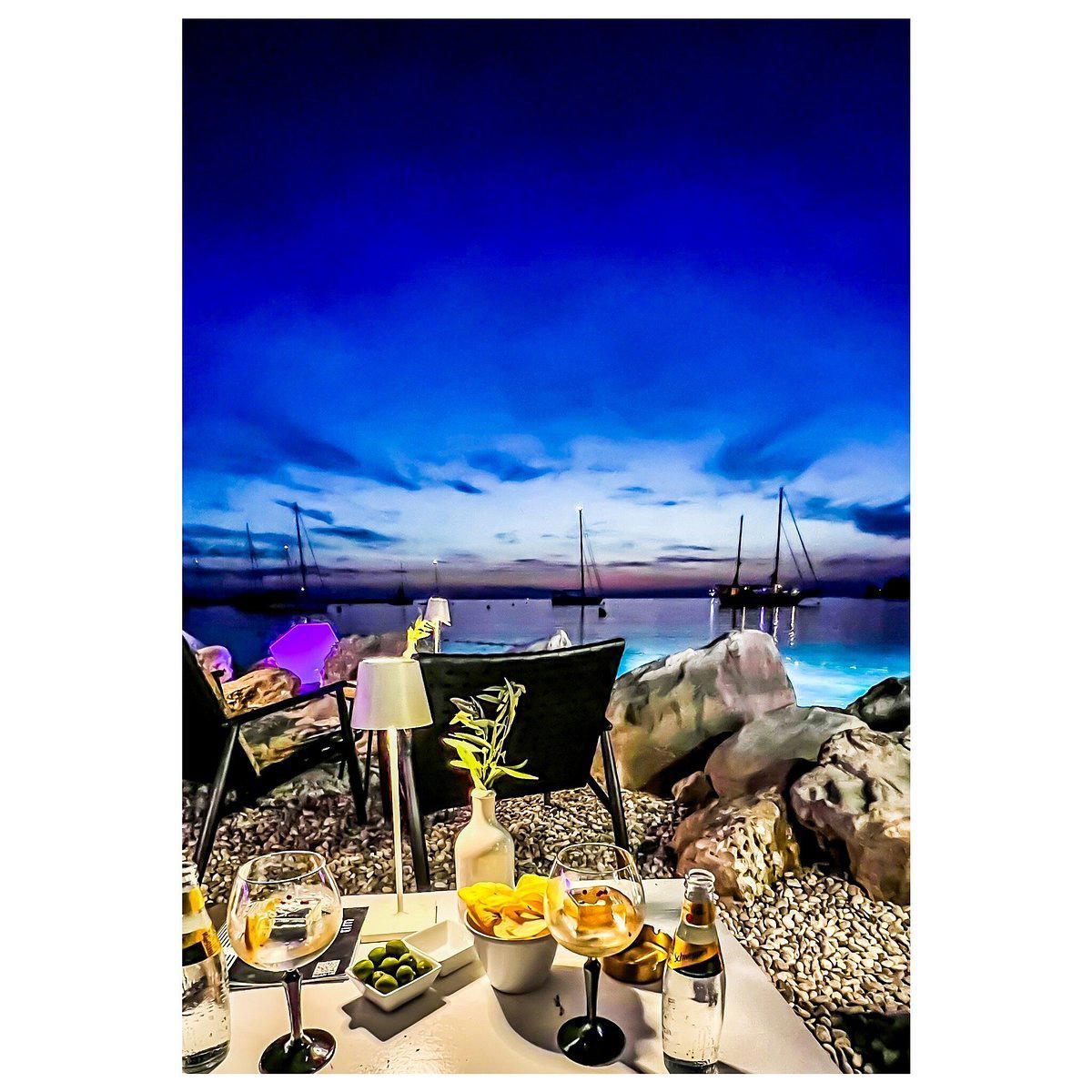
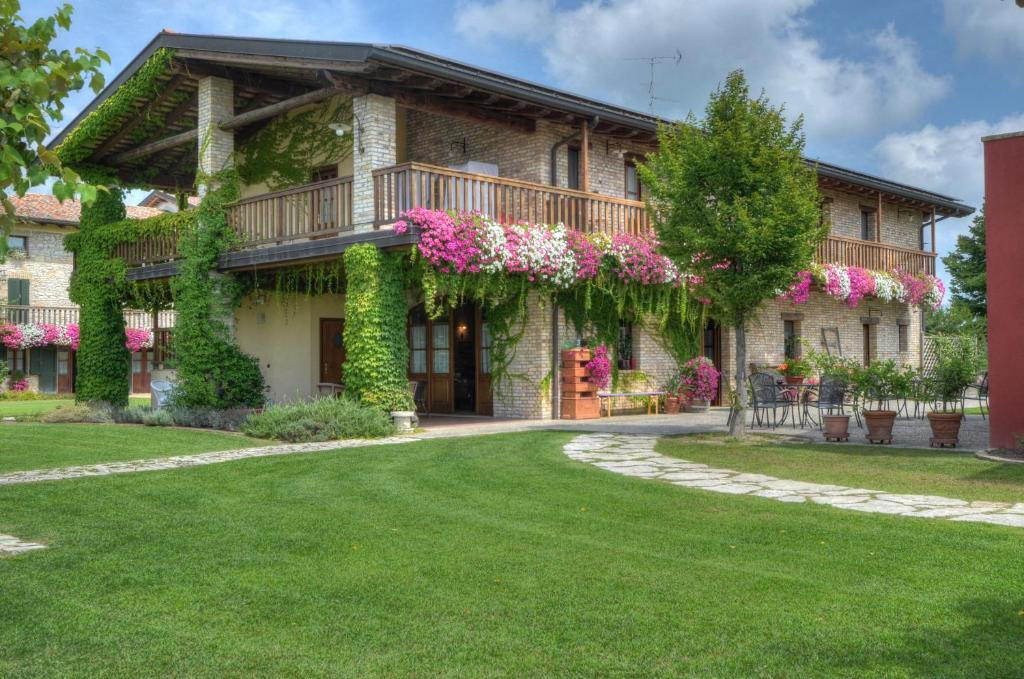
Simple but interior with warm hospitality; direct waterfront views of fishing vessels and the natural lagoon landscape create a picturesque, authentic maritime atmosphere.